
Will Sweet Corn Ripen in Nebraska? Yes, in most years, and it usually does so with room to spare. The window between soil warm enough to sprout the seed and the first fall frost runs long enough for a fast variety and, in most years, for a slower one too. Where things go sideways isn’t the length of the season. It’s the order of operations: soil temperature, variety choice, and what’s tasseling next door.
The short answer
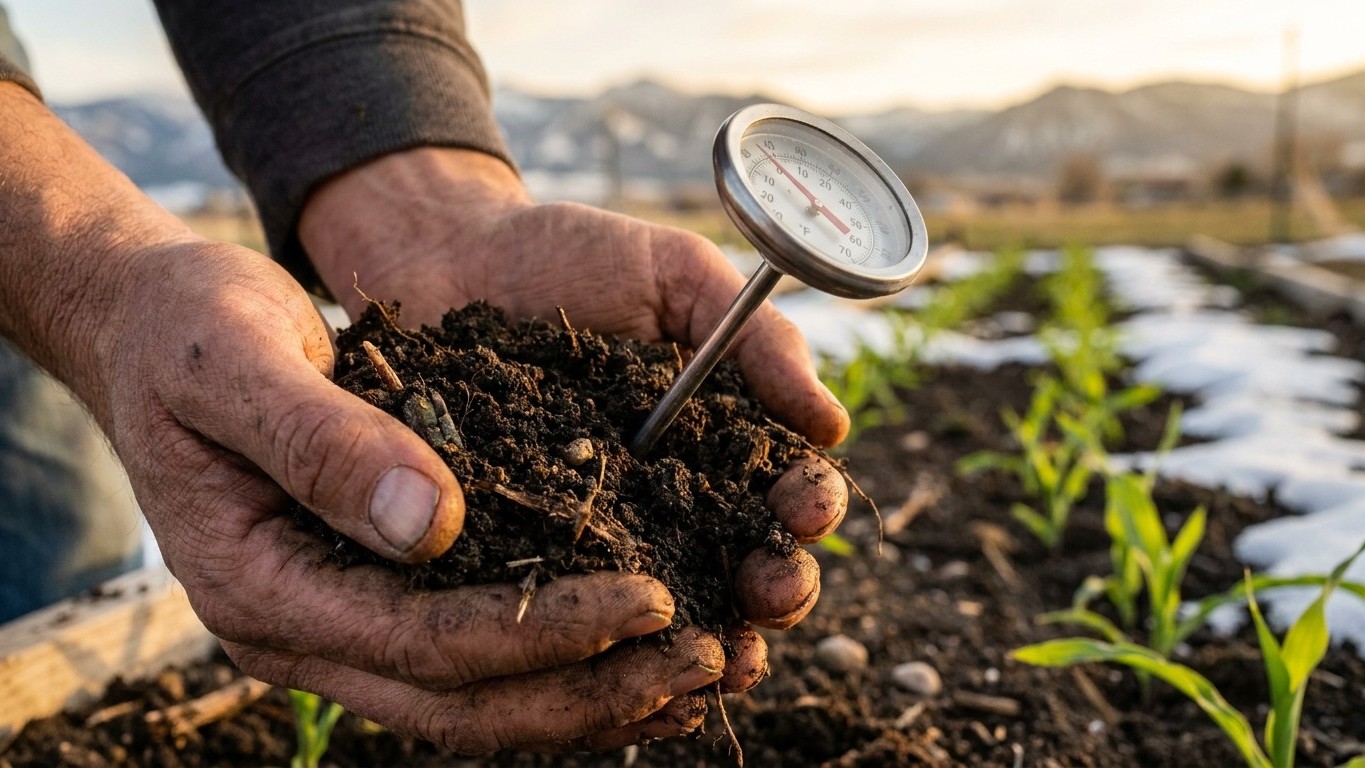
Here’s the piece gardeners skip: soil temperature and frost date are not the same clock, and they don’t move together. The last spring frost at the reference weather station lands between April 12 and April 23, but soil doesn’t just tick up to planting temperature the day after that frost passes. It lags, sometimes by weeks, because soil holds cold longer than air does. Sweet corn seed needs soil consistently above 60 F to germinate reliably; drop seed into anything colder and you get spotty stands, rot, or seedlings that just sit there sulking for two weeks. When to Sow Sweet Corn in Nebraska really comes down to tracking that number rather than the frost date. A soil thermometer, pushed a couple inches down at mid-morning on three consecutive days, tells you more than any calendar date.
Once the soil clears that mark, the math turns favorable. Sweet corn needs 60 to 90 days from planting to harvest, and the first fall frost at that same reference station doesn’t show up until October 15 to October 26. Even counting the weeks it takes soil to climb past 60 F after the April frost window closes, you’re still looking at a stretch that runs deep into spring, through the whole summer, and up to the edge of October before frost becomes a real threat. That’s a lot of runway for a 60-to-90-day crop.
The other number worth knowing is heat, not cold. The reference station averages 28.1 days a year at 90 F or hotter. That’s not a small stretch of hot afternoons, it’s nearly a month of high-demand weather where corn needs steady water at the roots, especially through pollination. A late-planted stand that’s tasseling during the hottest stretch of July can suffer more from dry heat than from any risk of an early frost. So the season fits. What you do with the season is the variable that actually decides whether the ears fill out.
Does a late variety fit here?
A 60-day variety
A fast variety is the low-risk choice almost anywhere in this region. Plant once soil reads 60 F, and 60 days puts harvest well inside summer, long before the first hint of fall frost even in an early year. That leaves slack for a rough patch of weather, a slow germination week, or a second planting staggered two or three weeks later to stretch the harvest window. For anyone planting later than they’d like, whether because of a wet spring or a slow soil warm-up, the 60-day type is the one that still gets you a full crop without pushing into risky territory.
A 90-day variety
A slower variety asks more of the calendar, and here it still clears the bar. Ninety days from a planting date sometime after soil hits 60 F lands harvest solidly in late summer, with the first fall frost (October 15 to 26 at the reference station) still weeks off. The margin isn’t as generous as with a 60-day type, and a late, cold, wet spring that delays planting eats into that cushion fast. But for this territory, a 90-day variety is not a gamble the way it would be in a state with a shorter frost-free stretch. Plant it as soon as soil conditions allow, rather than waiting for a “safe” later date, and the season length is on your side.
What goes wrong here
- Soil sown too cold. Planting by the calendar instead of the thermometer is the most common miss. Seed dropped into soil still under 60 F germinates unevenly or rots outright. The fix is patience: wait for three straight days of a soil reading above 60 F, not just a mild afternoon.
- A variety too late for the season. Even though a 90-day type fits this territory on paper, a delayed planting date, from a cold snap, standing water, or a late start, shrinks that margin fast. If planting slips well past when soil first clears 60 F, switching to a 60-day variety for that season protects the harvest instead of racing a shrinking window.
- Sweetness lost to timing, not weather. This one has nothing to do with frost or soil. Standard (su), sugary-enhanced (se), and supersweet (sh2) types cross-pollinate if they tassel at the same time, and the supersweet ears end up starchy instead of sweet. The remedy is timing the plantings so the types don’t tassel together, and growing each in its own block of three or more rows rather than a single thin row, so pollen lands on its own kind rather than drifting into a different type nearby.
Checking this against your own county
The reference frost dates and heat averages here come from one weather station, and gardens even a short drive away, especially at higher elevation or in a low frost pocket, can see the last spring frost land later and the first fall frost arrive earlier, sometimes by a week or two. That shift matters when you’re deciding how tight the window is for a slower variety.
The most reliable local check is Nebraska Extension, the state’s land-grant university extension service. County offices track local frost trends, soil warm-up timing, and variety performance specific to their part of the state, and can tell you whether your particular ground runs warmer or colder than the regional average used here.
Common questions
How do I know when sweet corn is actually ripe?
Check three signs together, never just one: the silks have turned dry and brown, the husk is still moist and green, and a punctured kernel oozes milky juice rather than clear liquid. That stage typically arrives 17 to 24 days after silks first emerge, a separate clock from the 60-to-90-day planting-to-harvest window, since that earlier figure tells you whether the crop fits the season, not which week to pick.
Can I grow two kinds of sweet corn in the same garden?
Yes, as long as they don’t tassel at the same time. Standard, sugary-enhanced, and supersweet types cross if their pollen overlaps, and the result is starchy rather than sweet ears. Stagger planting dates so tasseling windows don’t line up, and keep each type in its own block of at least three rows.
What if my soil is still cold when I’m ready to plant?
Wait. Cold, wet soil is the single most common cause of a poor stand. Test with a soil thermometer a couple inches down over a few consecutive mornings rather than planting off a calendar date, and hold off until it reads consistently above 60 F.
Does where I live in the state change these dates?
Yes. The frost and heat figures here come from one reference weather station, and nearby suburban and rural ground often sees a later last frost and an earlier first fall frost, sometimes by one to two weeks, more at higher elevation. Check with Nebraska Extension for numbers specific to your county.