What Eats Parsnip in Nebraska, and When
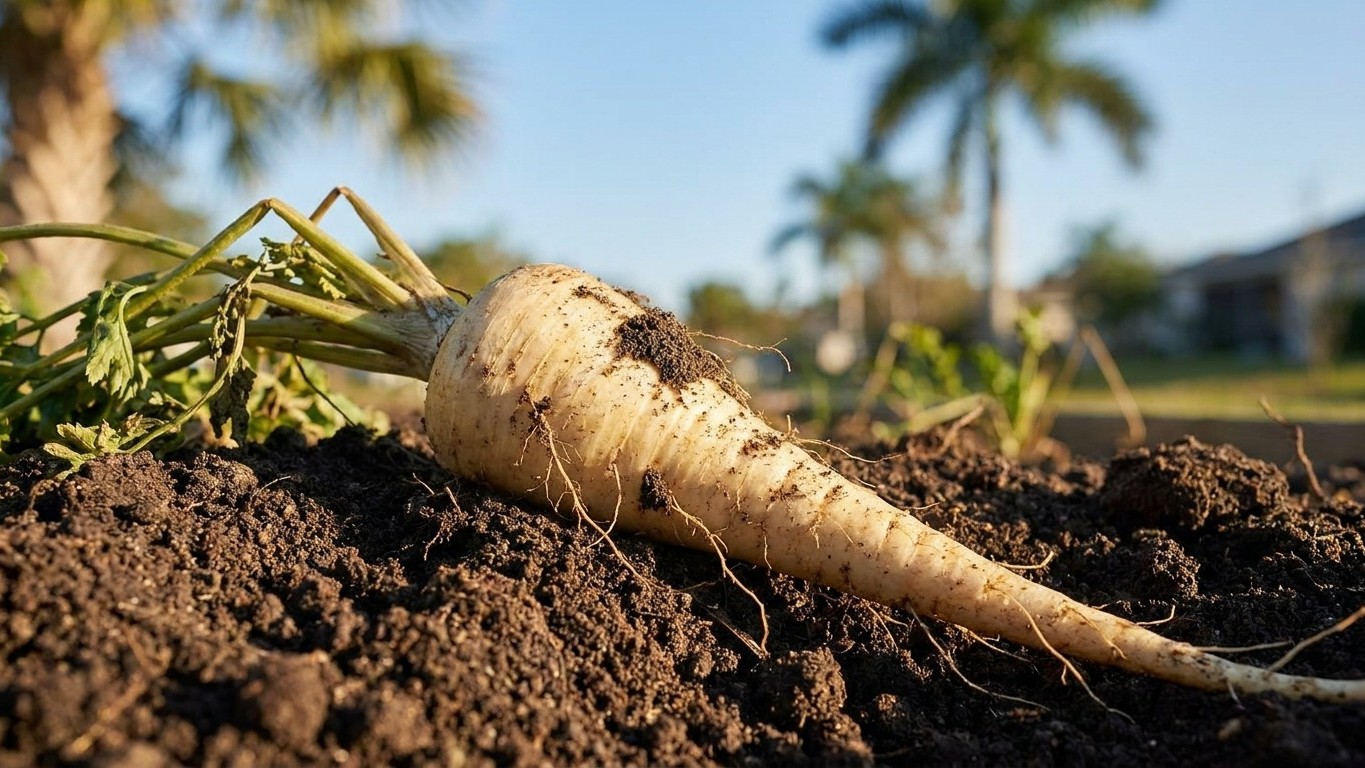
Grasshoppers, blister beetles, and Japanese beetles are the ones actually documented to bother a Nebraska parsnip patch.
Home & garden, state by state
Everything we have worked out for Nebraska: what to plant and when, which varieties finish in time, the pests that actually turn up here, and the jobs that pay off month by month. We also cover the rest of the property, from lawns and soil to home care and energy, because a garden rarely stops at the vegetable bed.
The numbers first, because everything else follows from them. Measured at the weather station in Omaha, the last spring freeze runs April 12 to April 23 and the first fall freeze runs October 15 to October 26, USDA zones 4a-5b, 3,740 growing degree days in the year.
Garlic does well: 26.1 weeks below 40 °F, comfortably past the six it needs to form a proper head.
Elsewhere on the property in Nebraska: the pests that turn up here.
Figures from NOAA's 1991-2020 climate normals. A state is not one climate: elevation, a large lake or the coast can move these dates by two weeks either way, so check your own county with the extension service before you spend money.
Grasshoppers, blister beetles, and Japanese beetles are the ones actually documented to bother a Nebraska parsnip patch.
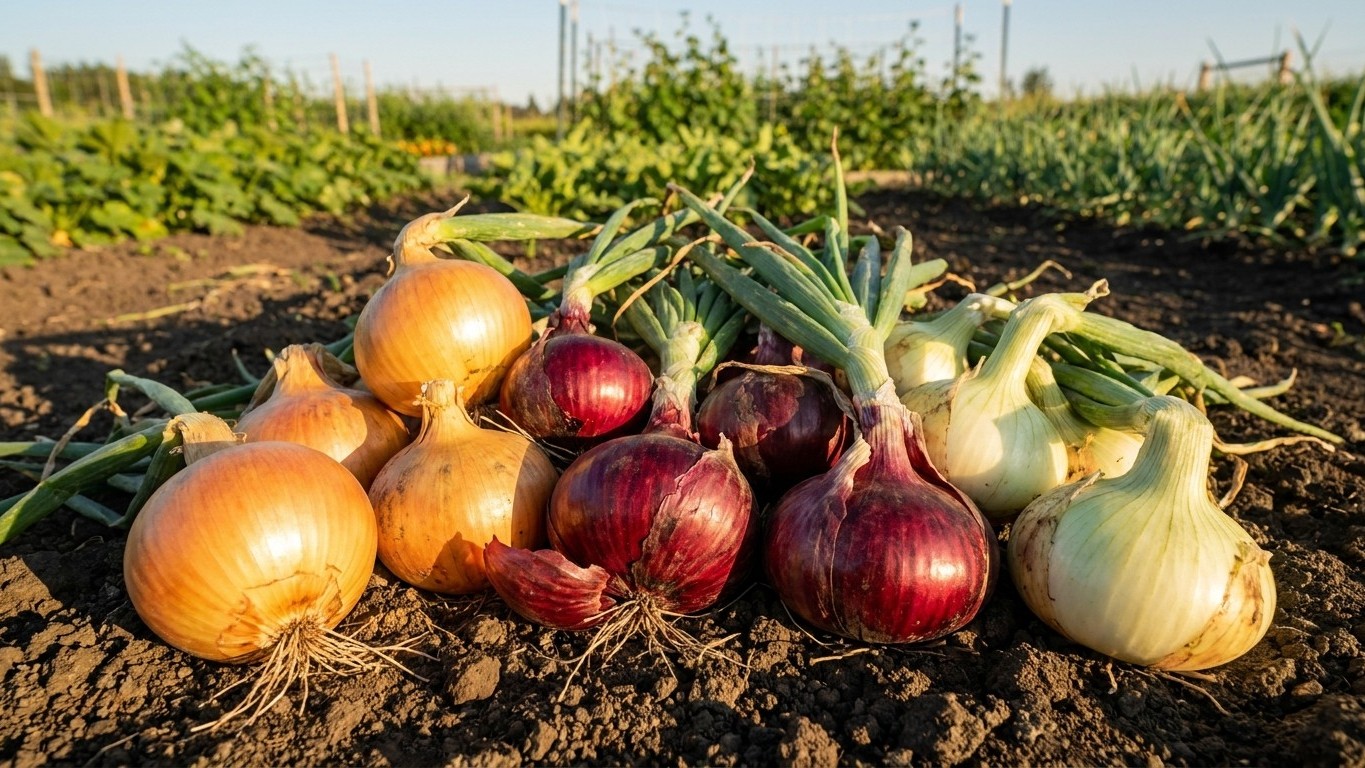
Nebraska Extension (UNL) tracks ten garden pests statewide, but onion foliage only interests two of them: blister beetles and grasshoppers.
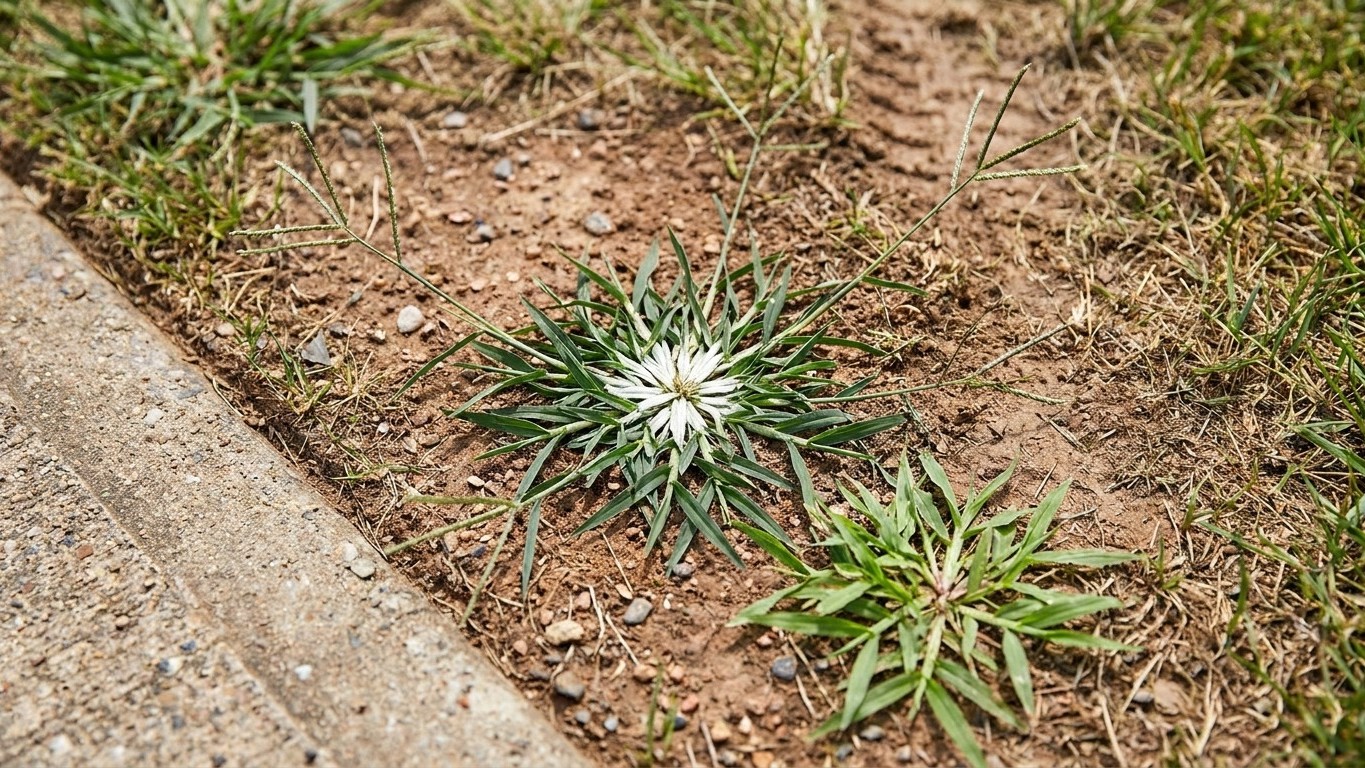
The safe overseeding window for most Nebraska lawns runs from late August through mid-September, timed to give cool-season grass roughly 45 days of…
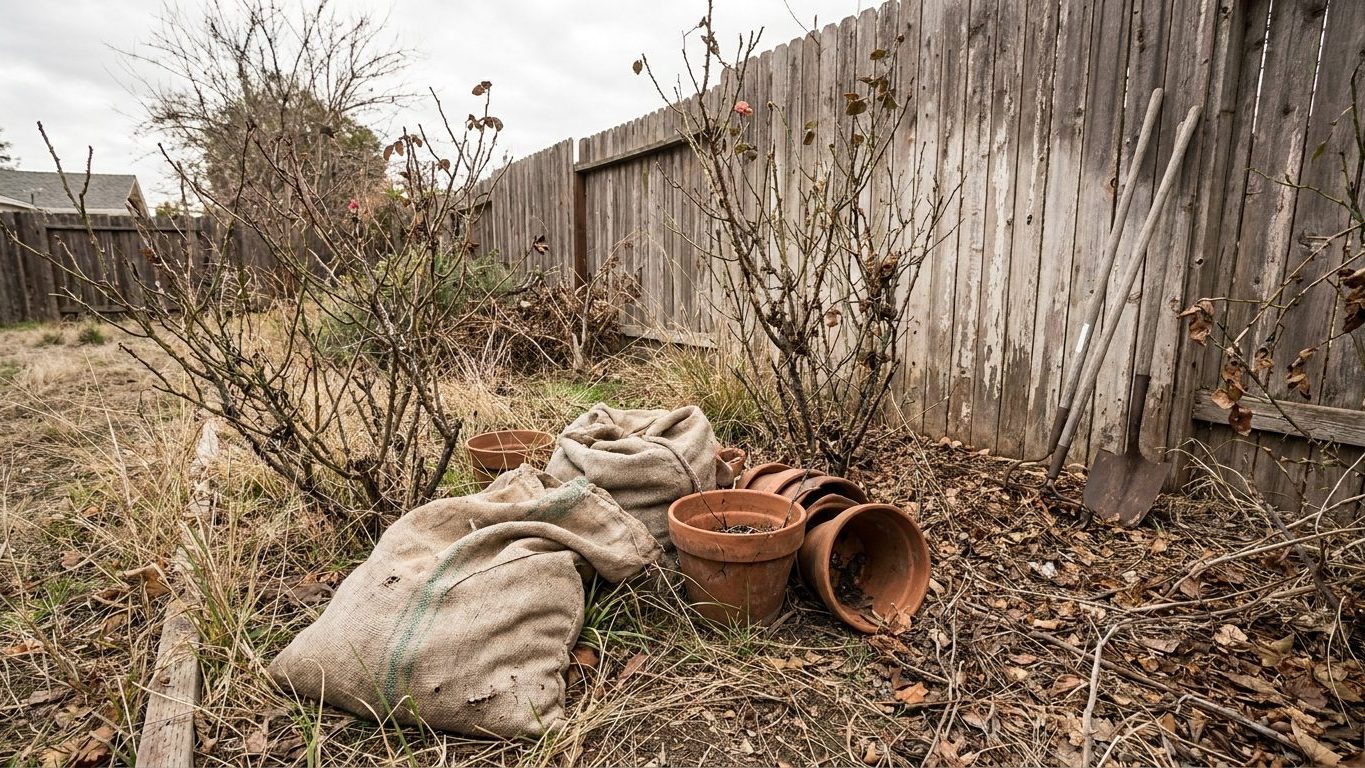
Nebraska’s growing season runs from a last spring frost between April 12 and April 23 to a first fall frost between October 15 and October 26, based on…
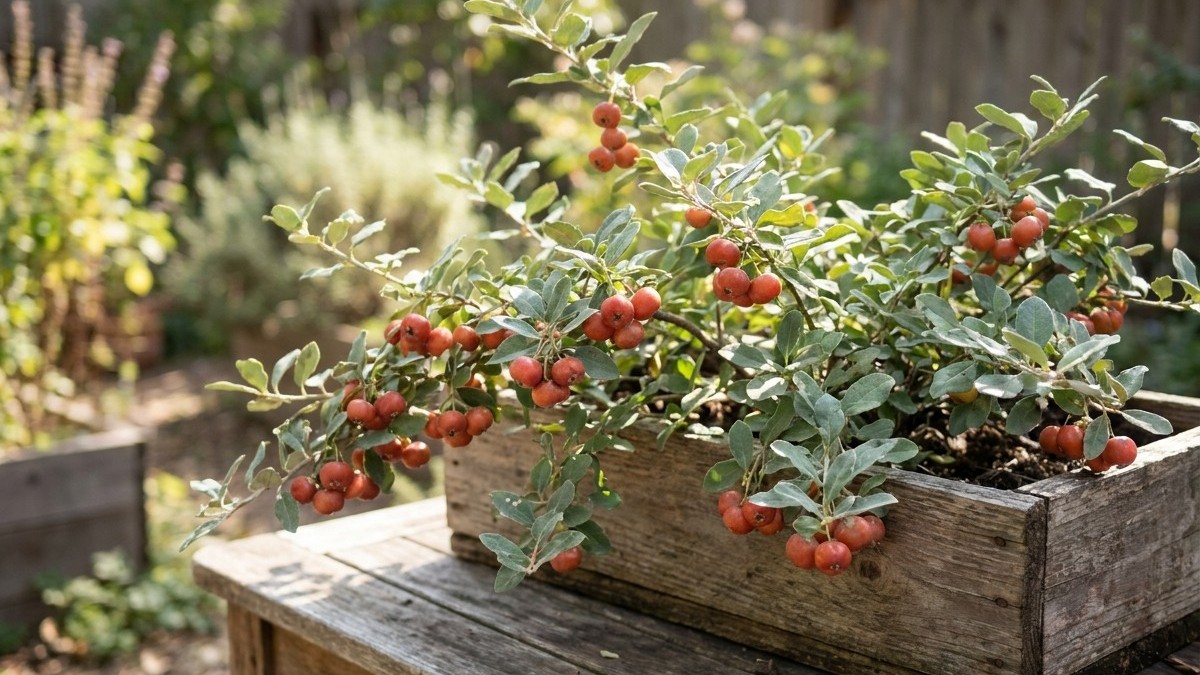
Pick Nebraska tomatoes as soon as they show full color, not once they reach a certain size.
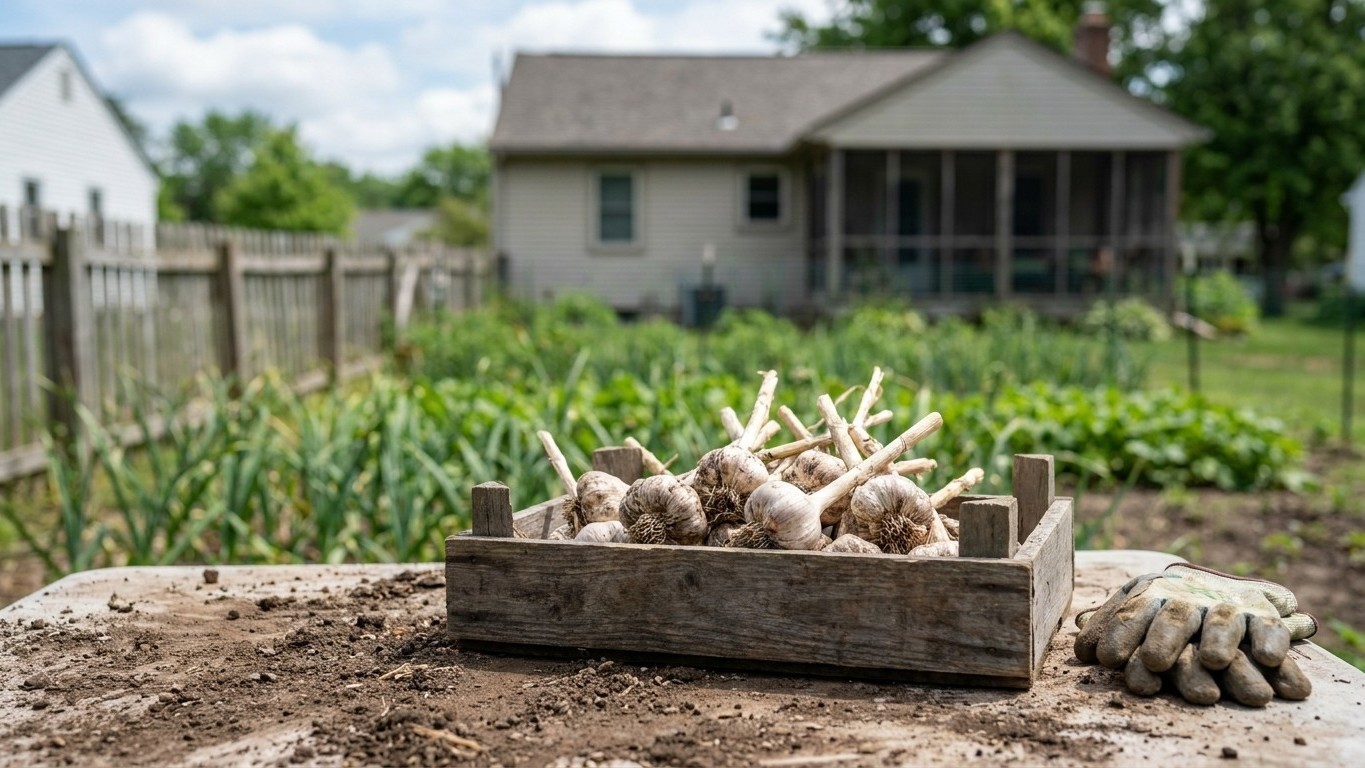
In Nebraska, garlic goes in the ground during autumn and comes out the following summer, once the lower leaves have started dying back.
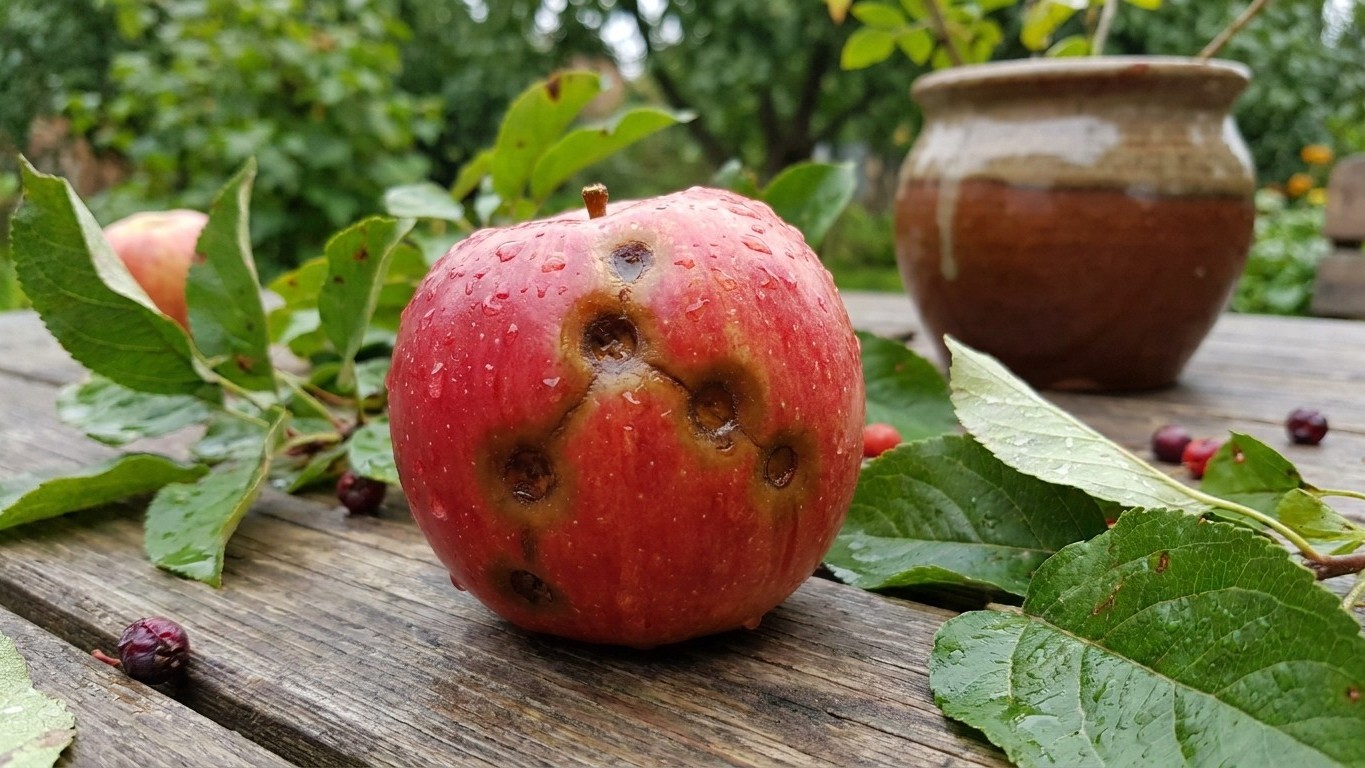
Most Nebraska apples come off the tree between late August and mid-October, with the exact week set by variety and by how the local growing season played…
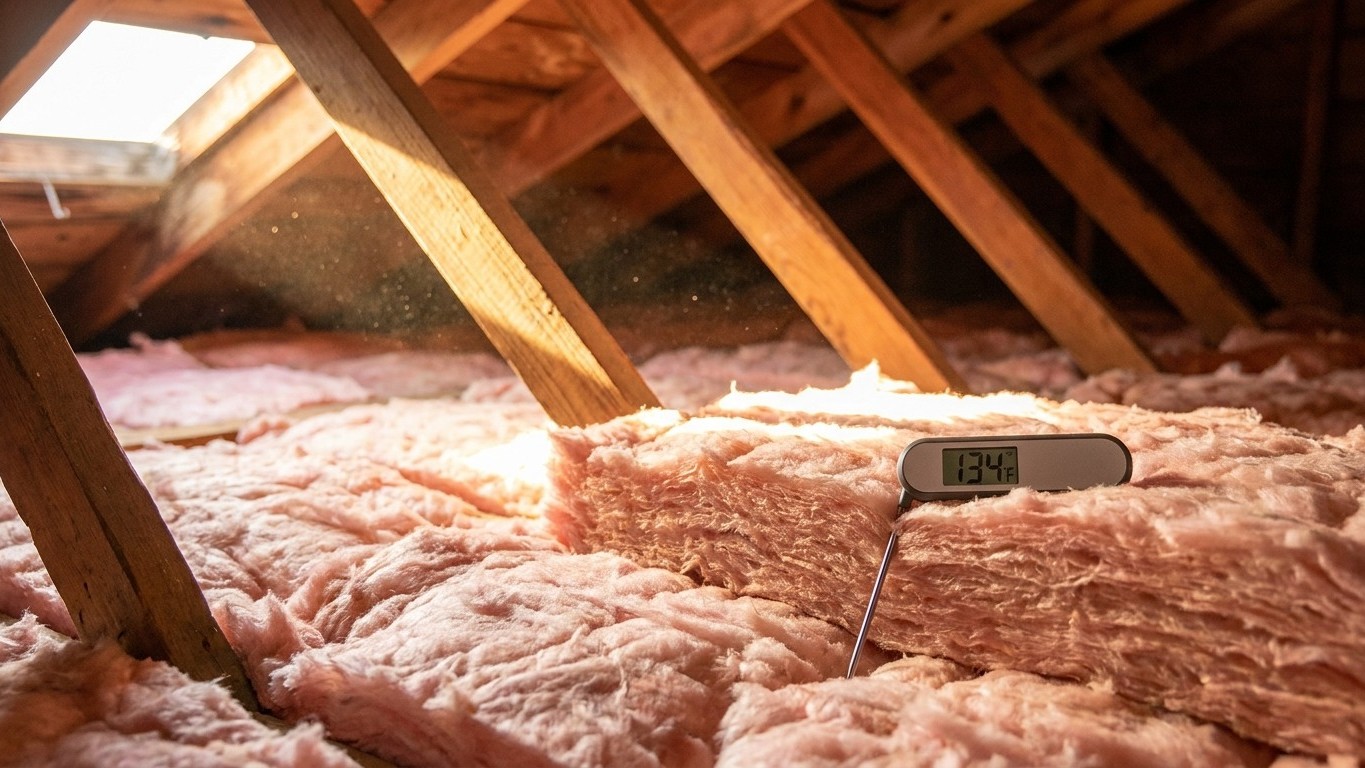
Yes, insulation keeps a Nebraska home cool, and it matters for a real chunk of the year: the Omaha reference station averages 28.1 days a year at 90°F or…
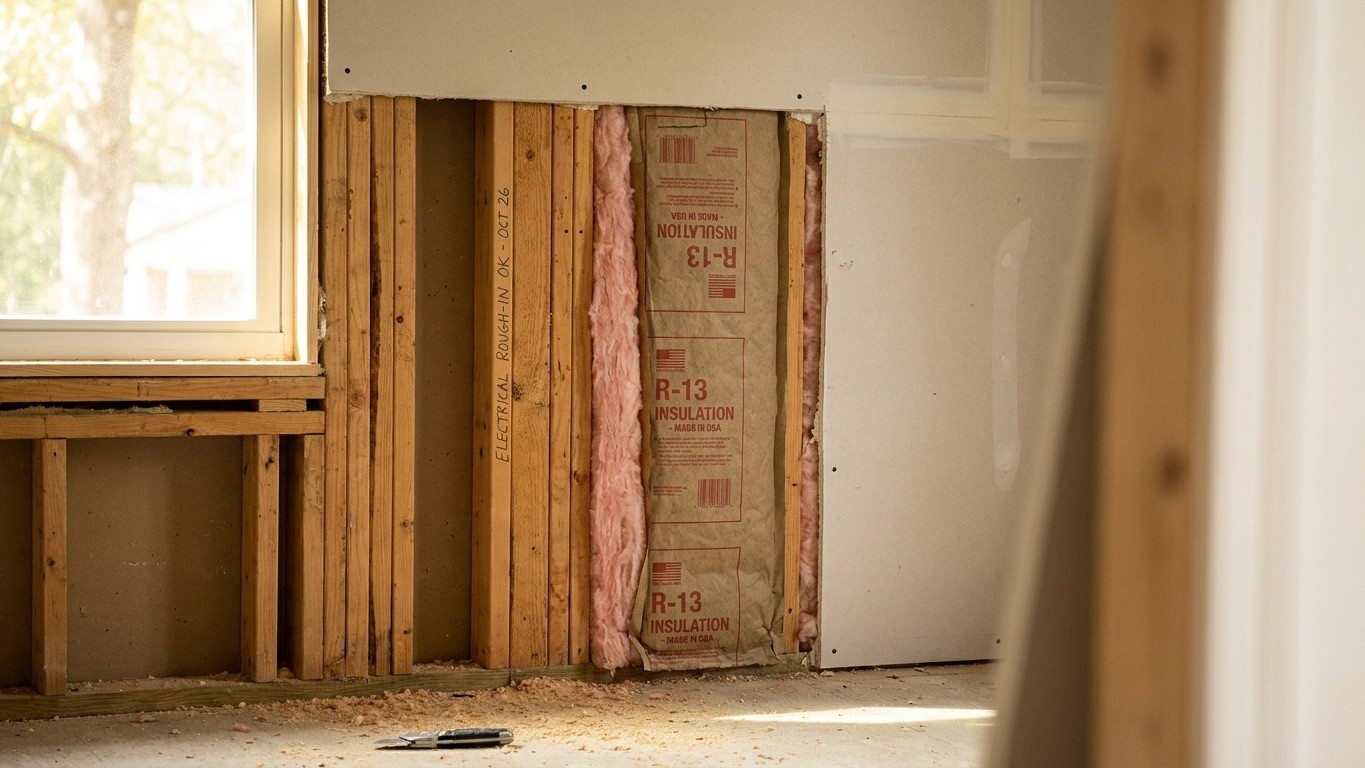
Yes. Nebraska sits entirely inside IECC climate zone 5A, and the 2021 International Residential Code requires a vapor retarder on the interior side of…
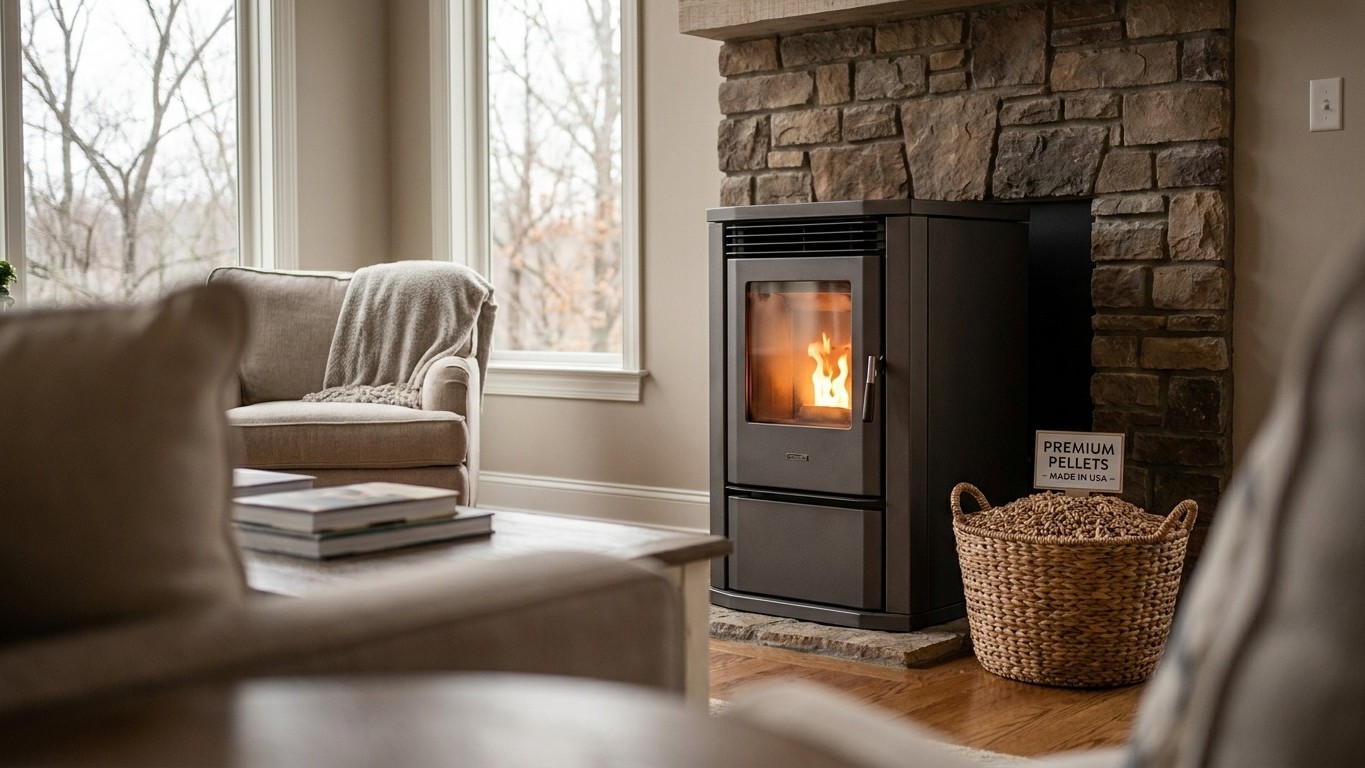
Nebraska pellet stove owners burn through fuel on a schedule dictated by one number: 5,833 heating degree days a year at Omaha’s reference station.