How High Can a Hedge Be in Nebraska? What the Law Actually Says
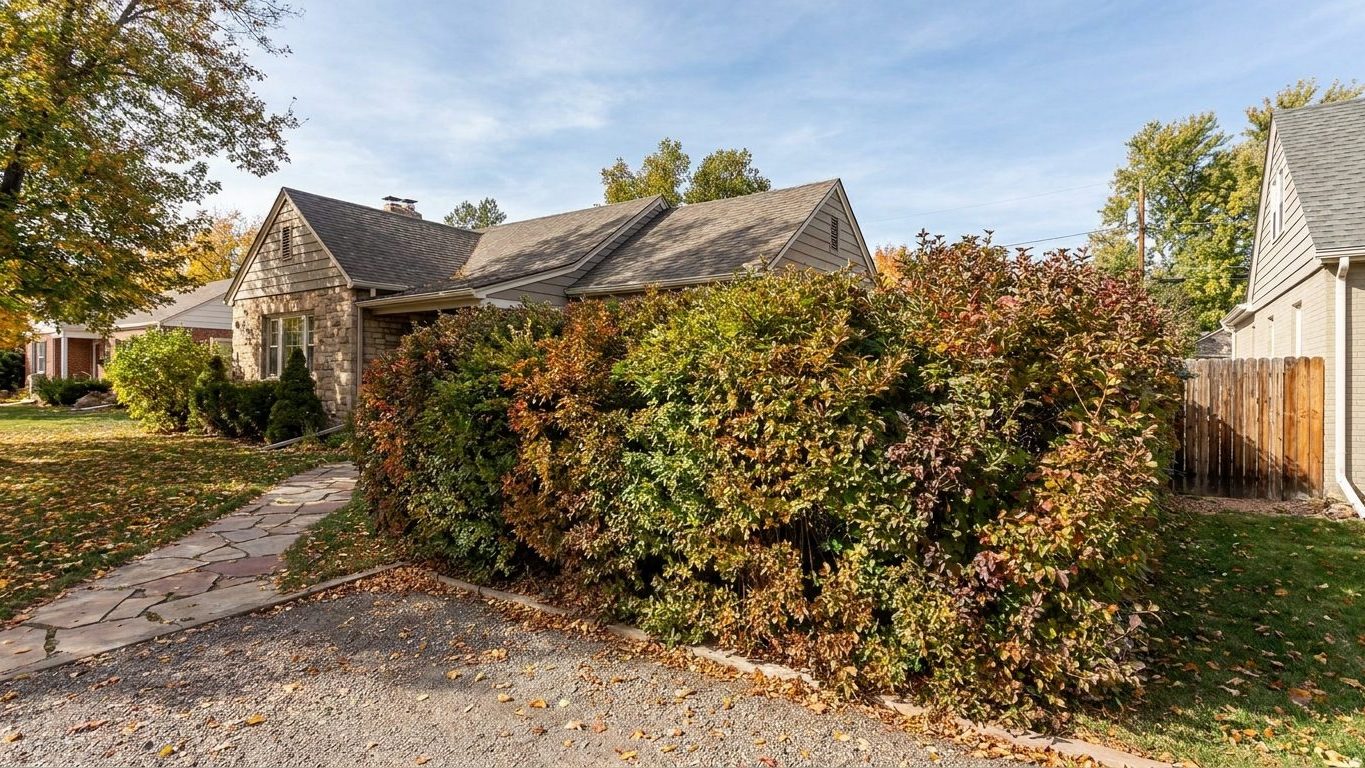
Nebraska has no statewide hedge height limit. The state has never set a number for how tall a privet, arborvitae or lilac row may grow.
Home & garden, state by state
Everything we have worked out for Nebraska: what to plant and when, which varieties finish in time, the pests that actually turn up here, and the jobs that pay off month by month. We also cover the rest of the property, from lawns and soil to home care and energy, because a garden rarely stops at the vegetable bed.
The numbers first, because everything else follows from them. Measured at the weather station in Omaha, the last spring freeze runs April 12 to April 23 and the first fall freeze runs October 15 to October 26, USDA zones 4a-5b, 3,740 growing degree days in the year.
Garlic does well: 26.1 weeks below 40 °F, comfortably past the six it needs to form a proper head.
Elsewhere on the property in Nebraska: the pests that turn up here.
Figures from NOAA's 1991-2020 climate normals. A state is not one climate: elevation, a large lake or the coast can move these dates by two weeks either way, so check your own county with the extension service before you spend money.
Nebraska has no statewide hedge height limit. The state has never set a number for how tall a privet, arborvitae or lilac row may grow.
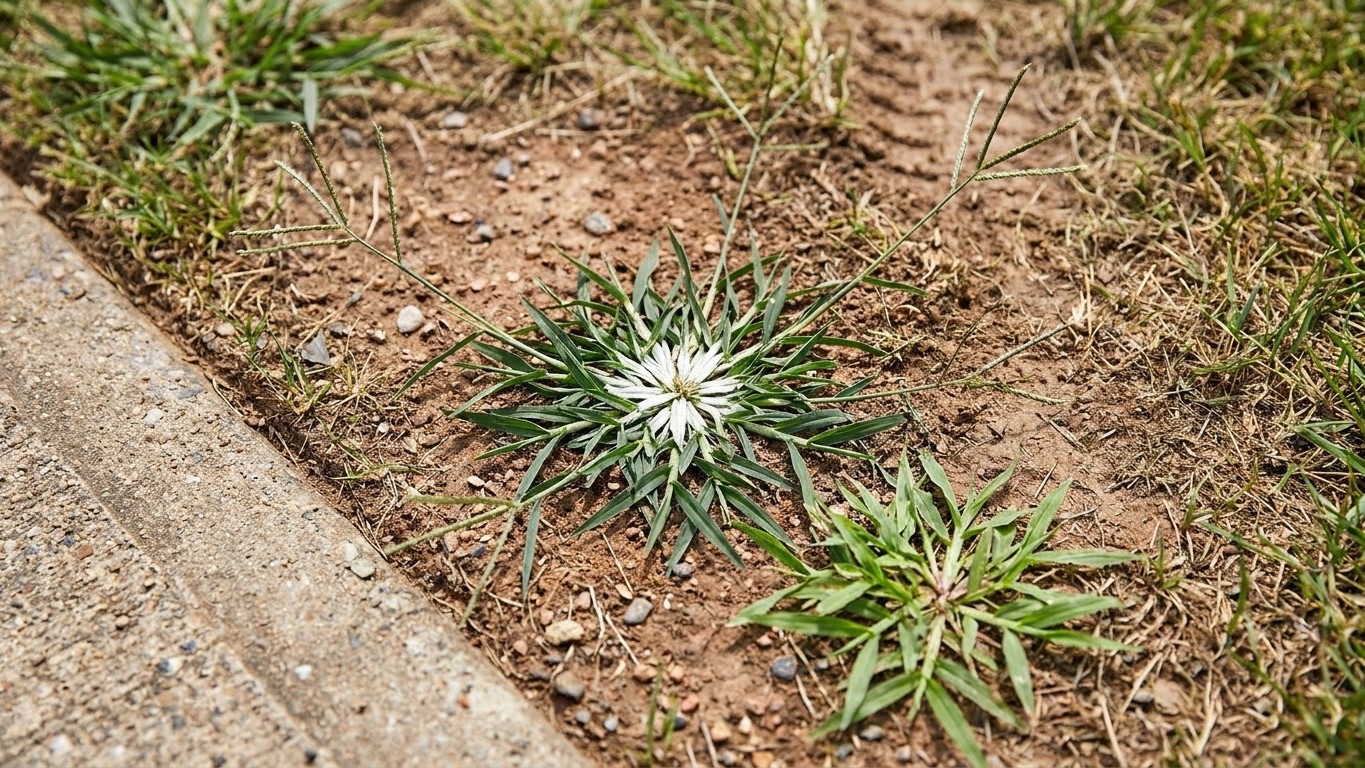
Most Nebraska lawns do not need dethatching. If a spade-cut wedge shows more than 0.75 inch of brown, spongy thatch, the best window for the cool-season…
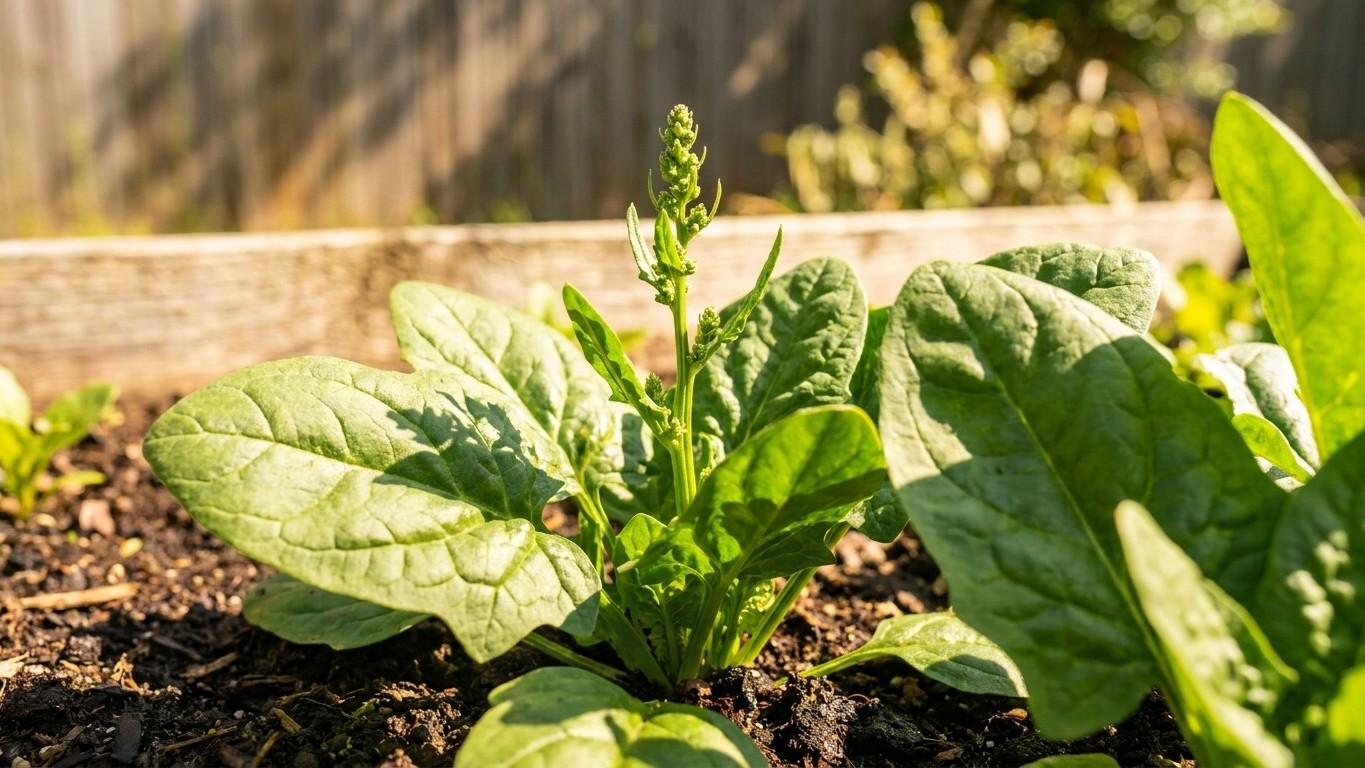
Spinach in a Nebraska garden gets chewed, sucked on and tunneled by a short list of pests.
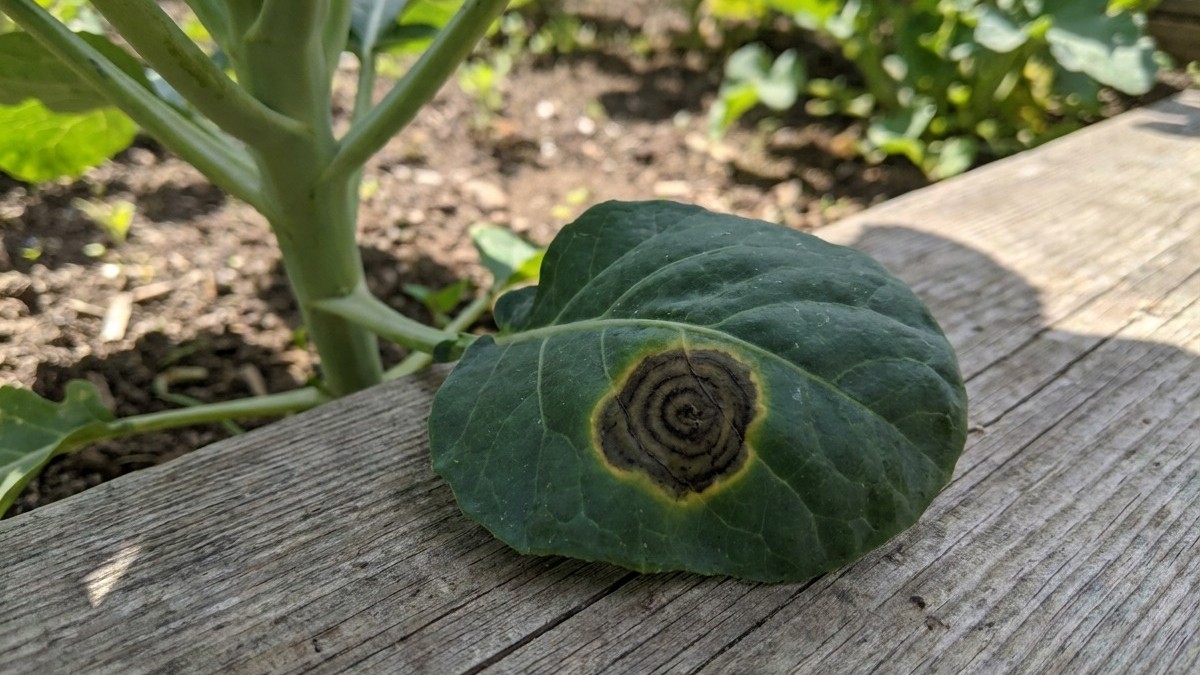
Cut pumpkins when the rind is hard and the stem is drying, and always before the first hard freeze, which in much of Nebraska lands in mid to late October.
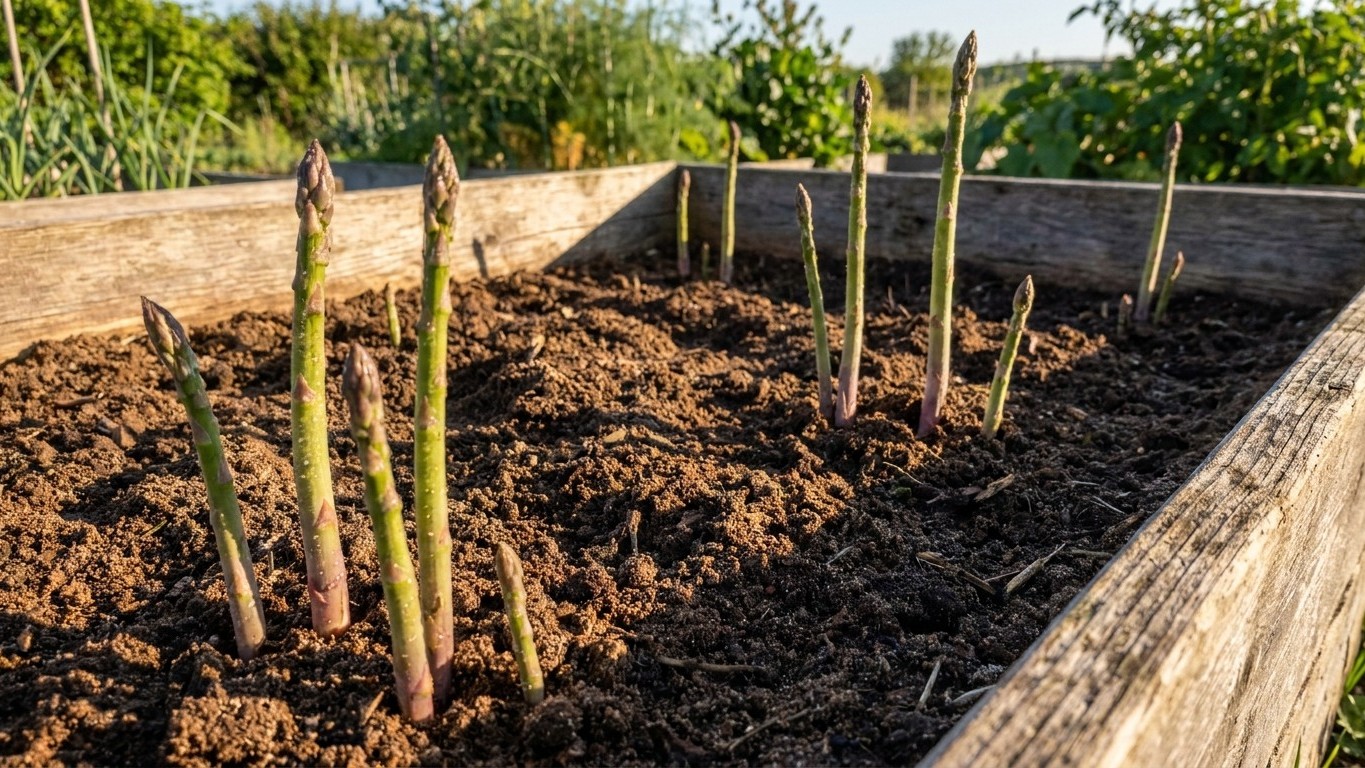
Stop cutting when most of the spears coming up are thinner than a pencil. That is the signal, and it matters more than any date on the calendar.
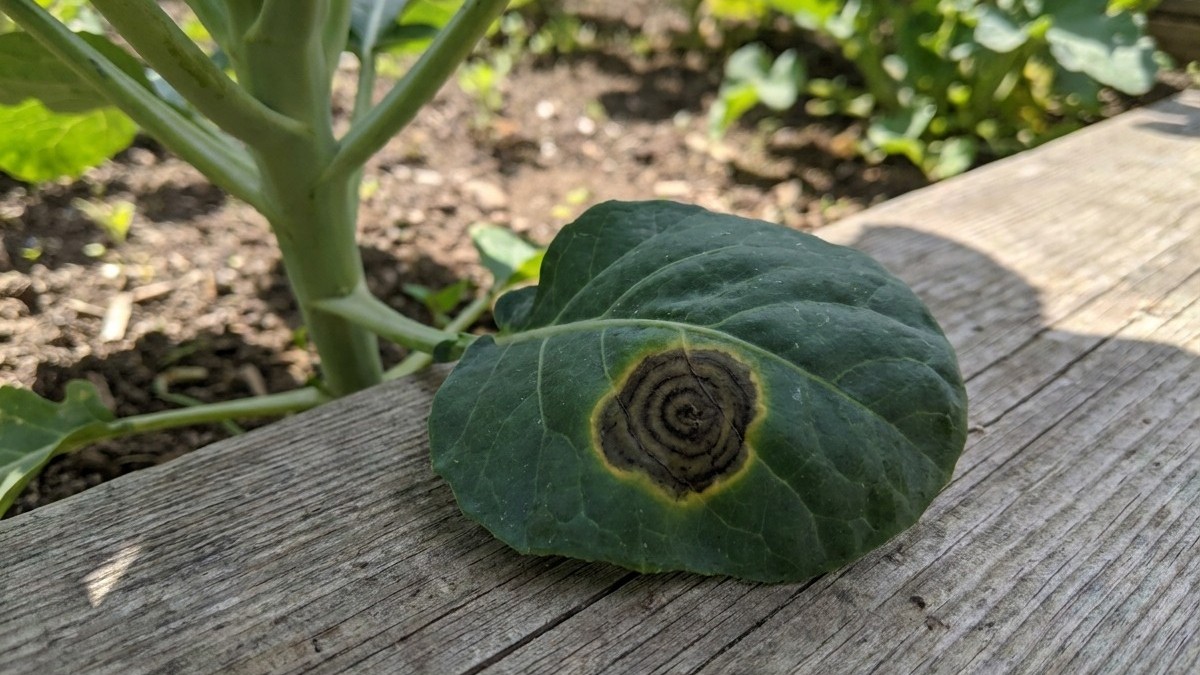
Two insects account for most of the chewing and sucking on pumpkin vines: squash bugs and cucumber beetles.
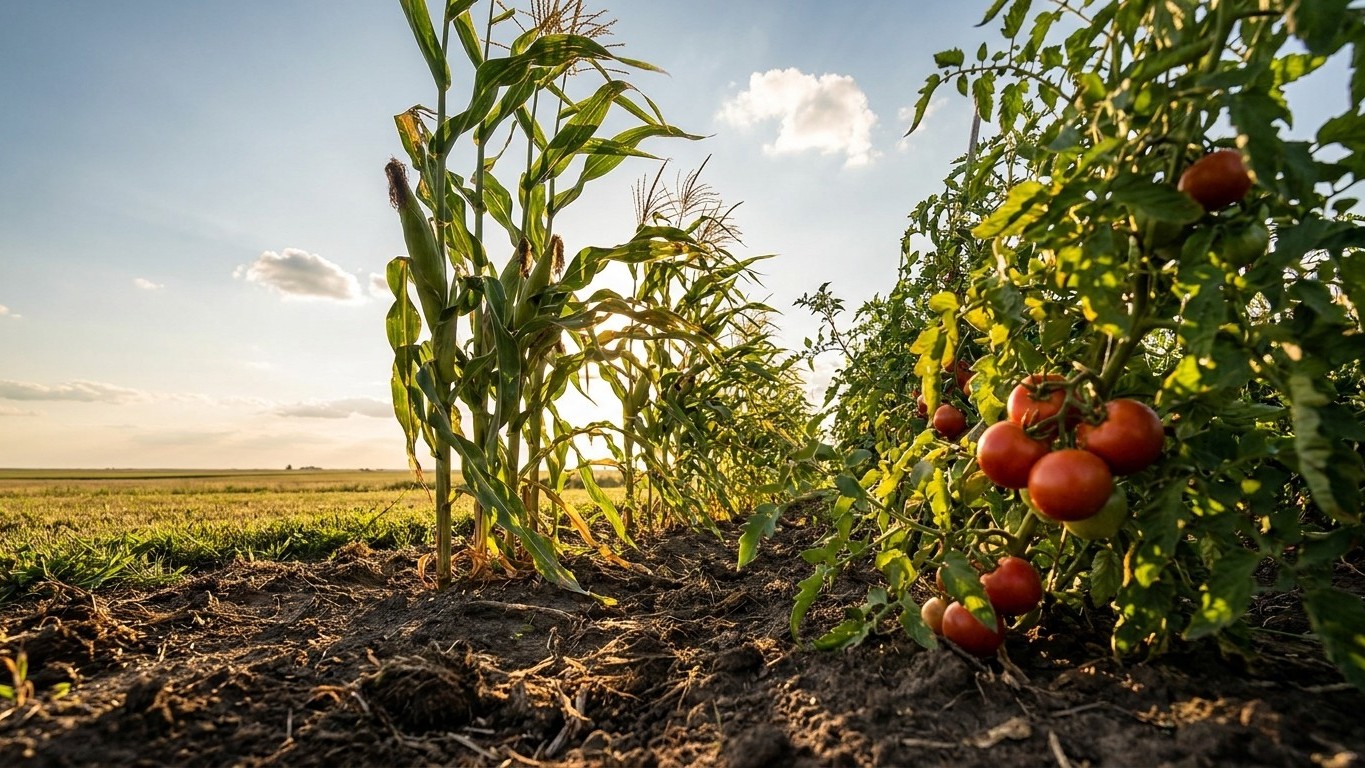
Sweet corn in Nebraska gets eaten in three waves. Seed and seedlings go first, in cool soil.
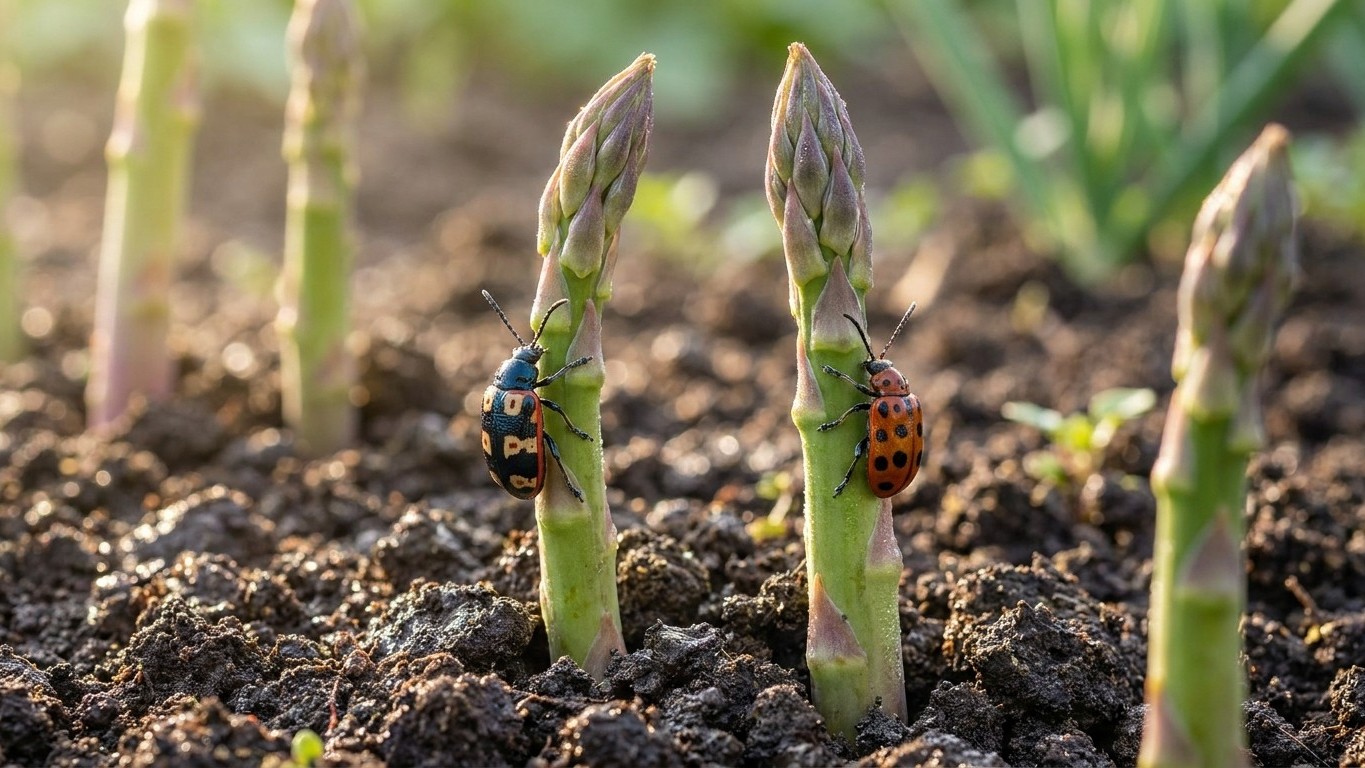
Insects that chew asparagus arrive in two waves: one on the spears in spring, another on the ferns through summer.
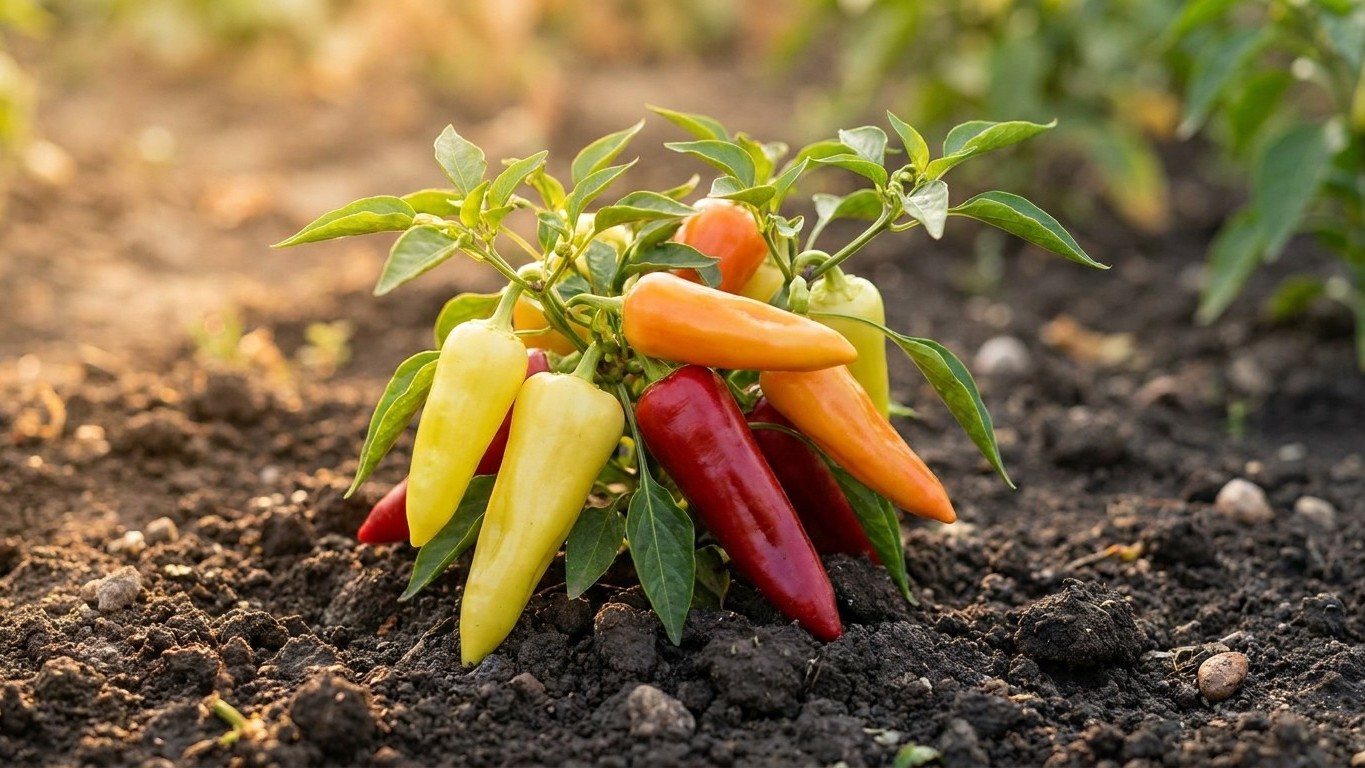
Pick a pepper when it has reached full size for its type and feels firm and glossy. In practice that means roughly 70 to 85 days after transplanting.
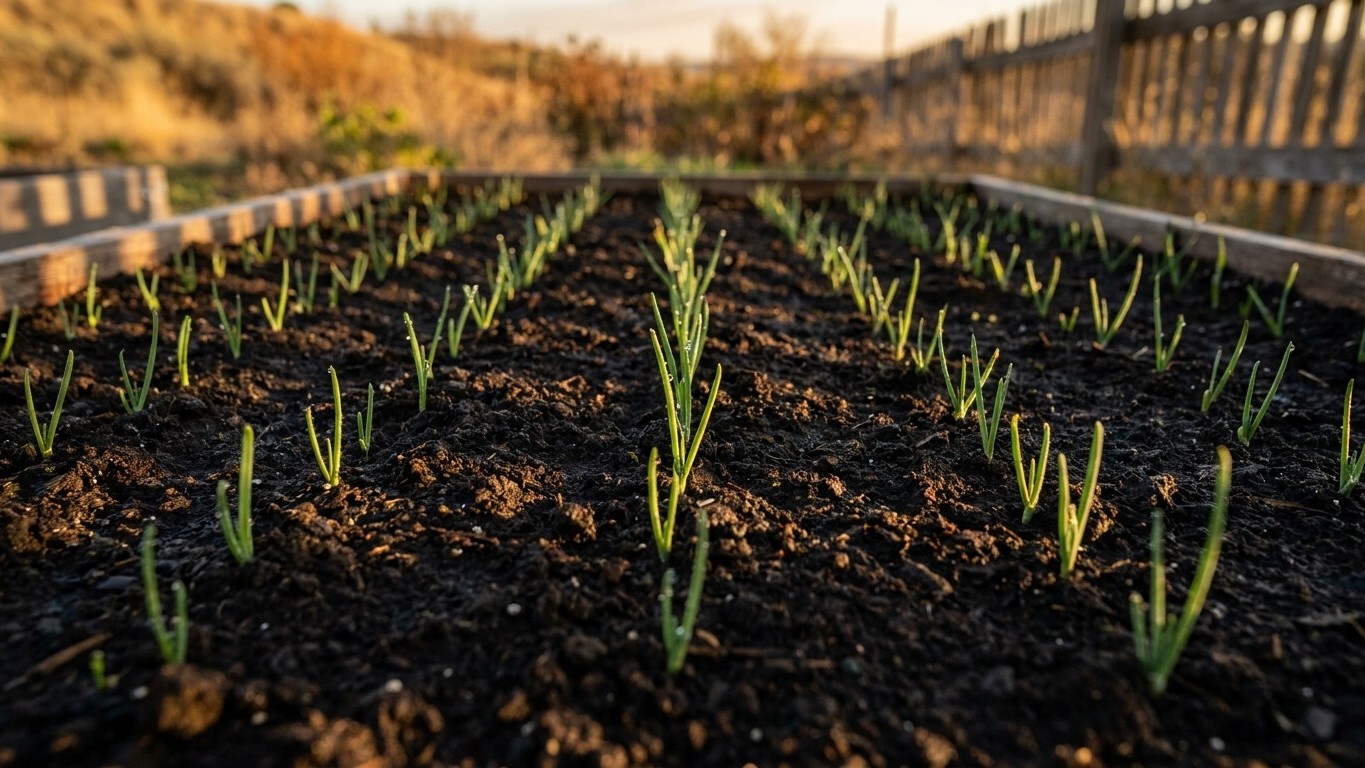
Three groups of animals eat garlic in Nebraska, and each shows up on a schedule tied to the garden calendar.