
June in Nevada splits into two very different gardens. In the low desert around Las Vegas, warm-season crops are already established, and the real task is protecting them from triple-digit heat. At elevation around Reno, Carson City and the mountain basins, June is often still the safest month to set out tomatoes, peppers and squash, because frost risk can linger into late spring. What goes in the ground this month depends far more on where you garden than on the date itself.
What goes in the ground in June

By June, soil temperature does more to decide what goes in the ground than the calendar does. Warm-season vegetables germinate poorly, if at all, in soil under about 60°F, and most of Nevada’s low elevation valleys clear that mark well before June begins. In the Las Vegas Valley, Pahrump and the Colorado River communities around Laughlin, soil is often past 75°F by the first week of the month, hot enough for beans, squash, melons, okra, sweet potatoes and southern peas, but already pushing tomatoes and peppers toward stress. Those two crops do better if they went in weeks earlier; by June the low desert task shifts to keeping fruit set going through heat rather than starting new plants.
| Region | Typical elevation | June focus |
|---|---|---|
| Las Vegas Valley, Pahrump, Laughlin corridor | Under 2,500 ft | Heat-tolerant direct-sowing (okra, southern peas, sweet potatoes); protect tomatoes and peppers already fruiting |
| Reno, Carson City, Carson Valley | Roughly 4,500-5,000 ft | Safe month to transplant tomatoes, peppers, squash, cucumbers, basil outdoors |
| High mountain basins near Tahoe | 6,000 ft and above | Frost risk can still linger into June; direct-sow beans, corn, squash once nights settle |
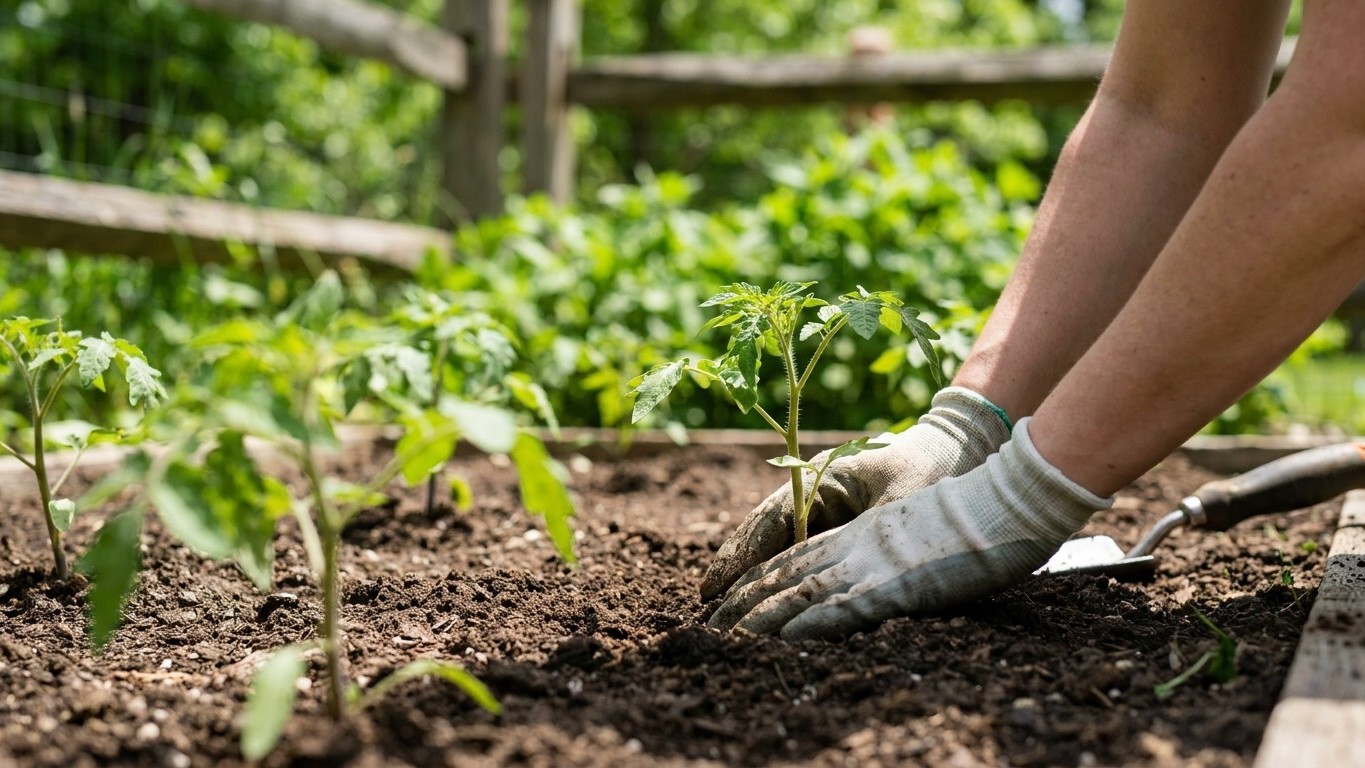
Northern Nevada tells a different story. Reno, Carson City, the Carson Valley and mountain-basin towns above roughly 4,500 feet sit toward the cold end of the state’s hardiness range, and frost risk there can run well into late spring at elevation. That makes June, rather than May, the more reliable window to move tomato, pepper, squash, cucumber and basil transplants outdoors, and it is still a fine time to direct-sow beans, corn and squash once nights have settled.
Nevada spans USDA Plant Hardiness Zones 4a to 10a on the USDA Plant Hardiness Zone Map, one of the widest ranges of any state, which is exactly why a single planting date never works here. A gardener in a high desert basin and a gardener forty miles from Las Vegas are, climate-wise, gardening in different states. Check your specific zone before trusting any general date.
Across nearly every part of the state, June is a solid month for warm-season direct-sowing: bush and pole beans, sweet corn, cucumbers, summer and winter squash, melons and sunflowers all germinate reliably once soil has warmed. Root crops like carrots and beets can still go in early in the month in cooler valleys, but they struggle once daytime heat sets in. Leafy greens are the gamble almost everywhere in Nevada this month: lettuce and spinach bolt fast as temperatures climb, so hold them for a fall planting instead of fighting the heat now.
What to start under cover
Starting seeds under cover in June is less about protecting plants from cold and more about giving them a controlled start before setting them into a hot garden. In cooler, higher parts of the state, count backward from your local last frost window rather than from a date on a calendar. In low desert areas where frost is long gone, count forward instead, from the point where nighttime lows are reliably staying above 55°F, since that is what tender transplants actually need before they can handle open ground.
For a fall garden, the arithmetic runs the other direction. Broccoli, cauliflower, cabbage and other brassicas typically need eight to ten weeks of growth before transplanting, so starting them indoors or under light shade cloth in June, even while the current garden is still in full summer swing, sets them up to go into the ground as the worst heat breaks. This is one of the few pieces of Nevada garden planning that runs on the fall frost window rather than the spring one, and because fall frost timing varies so widely across the state’s elevations, it is safer to start a little earlier than feels necessary and harden plants off gradually.
The two failure modes look different in June than they do in early spring. Starting warm-season crops too early under cover, when the outdoor garden already has room for them, wastes tray space and produces rootbound, stressed seedlings that never quite recover. Starting fall brassicas too late is the bigger risk this month: wait until the heat visibly breaks to sow them, and there may not be enough cool weather left before winter sets in to finish the crop. A shaded cold frame, a patch of afternoon shade cloth or a covered porch works for these early fall starts. They need protection from June’s sun, not from frost.
What is ready to pick
June harvest in Nevada depends heavily on what went in during late winter and early spring. Garlic planted the previous fall is usually ready or close to it, with the signal being the lower leaves turning brown and starting to dry while three or four green leaves remain up top. Onions started early follow the same pattern: once the tops begin to fall over on their own, it is time to pull and cure them rather than wait.
Spring-sown peas are wrapping up as June heat sets in, and pods left too long on the vine turn starchy fast, so pick them a little early rather than a little late. The same urgency applies to lettuce, spinach and other cool-season greens still in the ground: once daytime temperatures push consistently past 80°F, these crops bolt and turn bitter within days, so harvest what remains rather than let it go to seed.
Strawberries planted in prior seasons are producing through much of June in cooler parts of the state, and radishes sown early in the month are usually ready within three to four weeks, checked by feeling for root shoulders pushing up through the soil surface.
In the low desert, June is also the month the earliest tomatoes, planted well before spring heat, start to color up. Check fruit by feel more than by color alone, since desert sun can redden a shoulder while the rest of the fruit is still firm and underripe. Squash planted earlier benefits from daily checks once flowering starts, since zucchini in particular can go from a few inches to oversized within a couple of days in June heat.
The jobs that matter this month
Mulching matters more in June than almost any other month in Nevada, because a two to three inch layer of straw or wood mulch is often the difference between soil that holds moisture through a heat spell and one that bakes hard within days. Apply it now, before the hottest stretch of summer arrives, rather than after plants are already showing stress.
Watering rhythm needs adjusting as June heat builds. Deep, less frequent watering that pushes moisture down to root depth beats a daily shallow sprinkle, which mostly evaporates before it does any good and encourages roots to stay near the surface where they are more exposed to heat. Drip irrigation or soaker hoses, run in early morning, waste far less water to evaporation than overhead watering during the hottest part of the day.
Staking and support should go in now for tomatoes, peppers and vining squash, before plants sprawl across the bed. Waiting until a plant has already flopped over means fighting tangled stems and risking broken branches heavy with fruit.
Succession sowing keeps beans, summer squash and cucumbers producing instead of tapering off midsummer. Put in a new round every two to three weeks through June rather than sowing once and hoping the same plants carry the whole season.
Pest scouting deserves a weekly walk through the garden this month. Squash bugs and their egg clusters on the undersides of leaves, aphid colonies on new growth and early signs of powdery mildew on cucurbits are all far easier to manage caught early than after they have spread through a bed.
Shade cloth installation belongs on this month’s list for anyone gardening in the low desert. Thirty to fifty percent shade cloth over tomatoes, peppers and leafy greens through the hottest part of the day can prevent blossom drop and sunscald that otherwise cuts a harvest short before it really gets going.
What not to do in June
The most common June mistake in Nevada is trusting warm air temperature over soil temperature. A string of 85°F days can feel like the green light for melons and peppers, but if the soil itself is still cool from a late spring, seeds rot before they germinate and transplants sit in shock instead of growing. Check soil temperature with a simple probe thermometer rather than relying on how the air feels on your skin.
Uncovering plants too early after a mild stretch is a related trap at elevation, where a warm week in late spring can tempt gardeners into pulling row covers and cold frames off tender transplants, only for a cold night to undo weeks of careful hardening off. Keep covers within reach through the first half of the month in higher basins rather than storing them away at the first sign of warmth.
Feeding nitrogen at the wrong point in the season is another classic error. A high-nitrogen fertilizer applied once tomatoes, peppers or squash are flowering pushes leafy growth at the expense of fruit set, leaving a lush, green plant with little to show for it. Switch to a lower-nitrogen, higher-phosphorus and potassium feed once flowering starts, and save the nitrogen boost for the earlier growth stage.
Overwatering in a well-meaning attempt to fight June heat causes more root rot and blossom-end rot than the heat itself does. Consistent, deep watering on a set rhythm beats frequent light watering triggered by a hot afternoon, and soil that stays soggy invites disease faster than it prevents stress.
Checking this against your own county
Everything above is a state-wide starting point, and Nevada is exactly the kind of state where that starting point needs local correction. Elevation is the biggest factor: a garden at 5,000 feet in the Carson Valley runs weeks, sometimes more than a month, behind a garden in the Las Vegas Valley at under 2,500 feet. Lake effect around Tahoe and cold air pooling in mountain basins add further local quirks that no single state-wide date can capture.
Before locking in a June planting plan, check current conditions with University of Nevada, Reno Extension, which maintains county-level guidance and a Nevada-specific planting calendar. Its local offices track frost risk and soil conditions far than any statewide figure ever could.
Common questions
Can I still plant tomatoes in Nevada in June?
In northern Nevada and at elevation, yes, June is often the main window for setting tomato transplants outdoors safely. In the low desert around Las Vegas, tomatoes should already be established by June; new plants set out this late will struggle against the heat.
What vegetables are too late to plant in June in Nevada?
Lettuce, spinach and other cool-season greens are a poor bet outdoors almost everywhere in the state by June, since rising heat pushes them to bolt within days. Hold these for a fall sowing instead.
Is it too hot to start seeds outdoors in Nevada in June?
Not for warm-season crops like beans, squash, melons and corn, which germinate well once soil has warmed. It is too hot for cool-season seeds, which need consistently mild soil temperatures to sprout evenly.
Do I need shade cloth in June in Nevada?
In the low desert, yes, especially over tomatoes, peppers and leafy crops during the hottest part of the day. In cooler northern and high-elevation gardens, shade cloth is less urgent this early in the season.