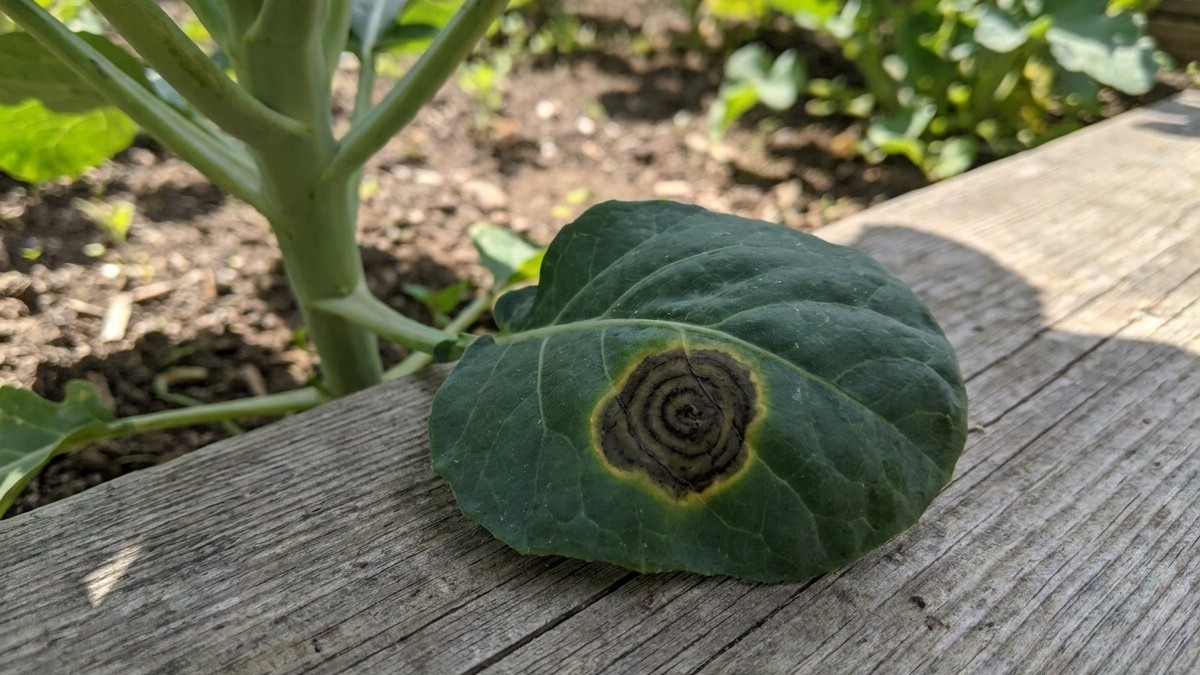

Squash bugs and cucumber beetles do most of the damage on Nevada pumpkins, and they show up at different points in the season. Beetles come first and go after seedlings and flowers. Squash bugs build up on the vines and move to the fruit later. Nevada runs from low desert to high mountain valleys, so the calendar shifts a lot with elevation. The best defense is to know which symptom you are seeing, and when.
Which pests attack pumpkin in Nevada
Utah State University Extension, whose pumpkin guidance covers the Intermountain West, points gardeners to two insects on this crop: squash bugs and cucumber beetles. Both feed on pumpkin vines, leaves and young fruit. Both are covered in depth on their own pages in this series, so this one sticks to how they fit into a pumpkin season. Pumpkins are sown once the soil reaches 65 F, and that is about when adults of both insects are leaving their winter shelter and looking for young cucurbit plants.
Which Nevada pests can you skip for pumpkin?
Pest lists for Nevada are long, and most of the entries do not belong in a pumpkin patch. Insects that bore into fruit trees or chew on shade trees feed on woody plants and have no reason to bother a vine crop. Pests of grain, alfalfa and rangeland are in the same boat. If an insect is described as an orchard or forage pest, it is not what is chewing your pumpkin leaves.
How do squash bugs and cucumber beetles differ?
Cucumber beetles are small, quick, and yellow-green with stripes or spots. They fly off when you reach for them. Squash bugs are flat, brownish-gray and shield-shaped, and they run for cover under leaves and mulch. Beetles feed in the open, on leaf surfaces and flowers. Squash bugs hide near the crown and the soil line. That difference in habit is why a quick glance at the top of the plant can miss one pest entirely.
When each one shows up, and what it does first
Nevada has no single planting window, and the frost dates make that obvious. At the Las Vegas airport station, the last 32 F freeze in spring falls between January 7 and February 1, and the first fall freeze falls between December 8 and December 23, according to NOAA NCEI U.S. Climate Normals (station data). That is a desert heat-island extreme. Reno, Carson City and any town at elevation freeze months earlier in fall and months later in spring. Anchor everything below to your own frost-free stretch, which your county extension office can give you.
Pest timing follows the plant, so count from what the plant is doing. The sowing dates for pumpkins in Nevada depend on that same local window, and the pest calendar rides along with it.
What you see at the seedling stage
The first symptom is usually small, ragged holes in the seed leaves and first true leaves, sometimes with a seedling that simply stops growing or topples over. Cucumber beetles are the usual cause when you see the insects themselves on the tender growth. Young plants have little leaf area to spare, so a few beetles can set back a whole hill. This is the stage when a physical barrier pays off most.
What you see as vines run and flowers open
Once the vines are running, look under the leaves for tight clusters of small, shiny, bronze-colored eggs. Squash bug feeding shows up as leaf patches that go yellow and then brown and crispy, and runners that droop even when the soil is damp. Beetles meanwhile move into the blossoms and chew on petals, leaves and the skin of tiny fruit.
Flowering is the date that decides your harvest. Pumpkins take 45 to 55 days to mature after flowering, counted from the first open flowers, not from sowing or transplanting. A flower that opens too late in the season gives a fruit that is still green when frost arrives. The soil also lags the air by weeks, so 65 F soil is not the last frost date. For more on this arithmetic, see Will Pumpkins Ripen Before Frost in Nevada?
What you see as fruit sizes up
Late in the season, squash bugs gather around the crown and on the fruit, and you may find rough scarring or pale feeding spots on the rind. By then the vines are tired and the damage is easy to confuse with ordinary aging. Harvest with the stem attached and before frost, and check each fruit for open scrapes as you cut it.
Telling the damage apart from everything else
Many pumpkin problems look like insect damage and are not. A gardener who treats for bugs when the plant is thirsty only adds stress. Before assuming an insect is to blame, check soil moisture and the underside of the leaves first. Those two checks rule out the most common look-alikes in a few minutes.
| What you see | Possible causes | What settles it |
|---|---|---|
| Leaves droop by afternoon and recover by evening | Water stress in heat, or early squash bug feeding | Dig down into the soil. If it is dry, water and watch. Wilting that stays after a good soaking sends you to the leaf undersides and the stem base. |
| Whole runner wilts and stays wilted | Insect feeding at the crown, a bacterial disease, or a damaged stem | Cut a wilted stem and pull the cut ends apart slowly. Sticky threads between them point away from a simple feeding problem. Take a sample to your extension office. |
| White, powdery film on leaf tops | A fungal disease | It wipes off with a thumb. Insect damage leaves holes or speckling. |
| Yellowing between the veins on older leaves | Nutrient shortage | The pattern is even across the plant and no insects or eggs are present. |
| Torn, shredded leaves with no insects | Wind or hail | Tears are ragged and random, and the damage appears overnight after weather. |
| Pale, papery patch on the sun side of a fruit | Sunscald from exposed fruit | It sits on the side facing the sun and the skin underneath is intact. Feeding marks are tiny scrapes or pits. |
These rows only narrow the field. A sample in a sealed jar, or clear photos of the leaf, the stem base and any insects, will let the county extension office tell you what you are dealing with.
What actually works here, and what is a waste of time
A physical barrier at the right moment beats nearly any treatment. A floating row cover over seedlings keeps adults of both insects off the plants during the weeks when the plants are most vulnerable. Remove the cover when the first flowers open, because pumpkins need bees to move pollen, and a cover left on means no fruit.
On a short season, timing matters more than anything you apply. Pumpkins need the days after flowering to size up and color before frost, and every week lost to bug damage or a late start is a week taken from that clock. Start with healthy transplants or well-timed seeds. Scout early. Hand-remove egg clusters and adults while the plants are small. Lay a flat board near the hills overnight and check under it in the morning, since squash bugs shelter beneath it and are easy to collect. At the end of the season, clear vines and debris so adults have fewer places to hide through winter.
What does not work is just as clear. Spraying broadly while the vines are in bloom can kill the bees that set your fruit, which trades one problem for a bigger one. Home remedies mixed from kitchen products have no reliable track record and can burn leaves in desert heat. Planting late to dodge the insects usually backfires, since late flowers produce green fruit. Waiting until the vines collapse is also too slow, because wilting is a late symptom.
Whether any spray is worth using, and which products are legal for home gardens in Nevada, is a question for the county extension office.
Where to check this for your own county
Insect presence in Nevada varies inside the state, sometimes between neighboring valleys, so what is documented statewide does not tell you what is on the plant in front of you. The place to ask is your county extension office. Staff there know your local frost dates, which pests have been reported nearby this year, and which treatments are registered in the state. Many offices will identify an insect from a photo or a sample.
Bring three things when you call: the date the first flowers opened, the date of your last frost, and a clear photo of the damage. With those, the office can work out whether your fruit will ripen in time and whether insects are the problem. For the bigger picture on the crop, see Growing Pumpkins in Nevada. Before next season, call the office and ask when squash bugs and cucumber beetles first show up in your area, then set your seeding date and your row cover date against that.
Common questions
Do both squash bugs and cucumber beetles attack pumpkin in Nevada?
Both feed on pumpkin, and Utah State University Extension’s guidance names them among the insects to watch. How many of each you get depends on your valley and elevation. Your county extension office can say which has been active near you.
Does 65 F soil mean I am past the last frost?
No. Pumpkins are sown when the soil reaches 65 F, but the soil lags the air by weeks, and that reading says nothing about the last frost date. Check both before you plant, and cover seedlings against insects as soon as they are up.
How late can a pumpkin flower and still ripen?
Pumpkins need 45 to 55 days after flowering. Count forward from the day the flower opens and compare the result to your first fall frost, which comes much earlier at elevation than in the Las Vegas area. If the count runs past frost, that fruit will likely stay green.
Where should I keep pumpkins after harvest?
Cut them with the stem attached before frost. Whole pumpkins keep three to six months in a cool, dark place between 45 and 50 F. Keep them away from apples, potatoes and tomatoes, which give off a ripening gas that ages the pumpkin. The spot must stay above freezing. A rind with open scrapes belongs in the kitchen first, not on the storage shelf.