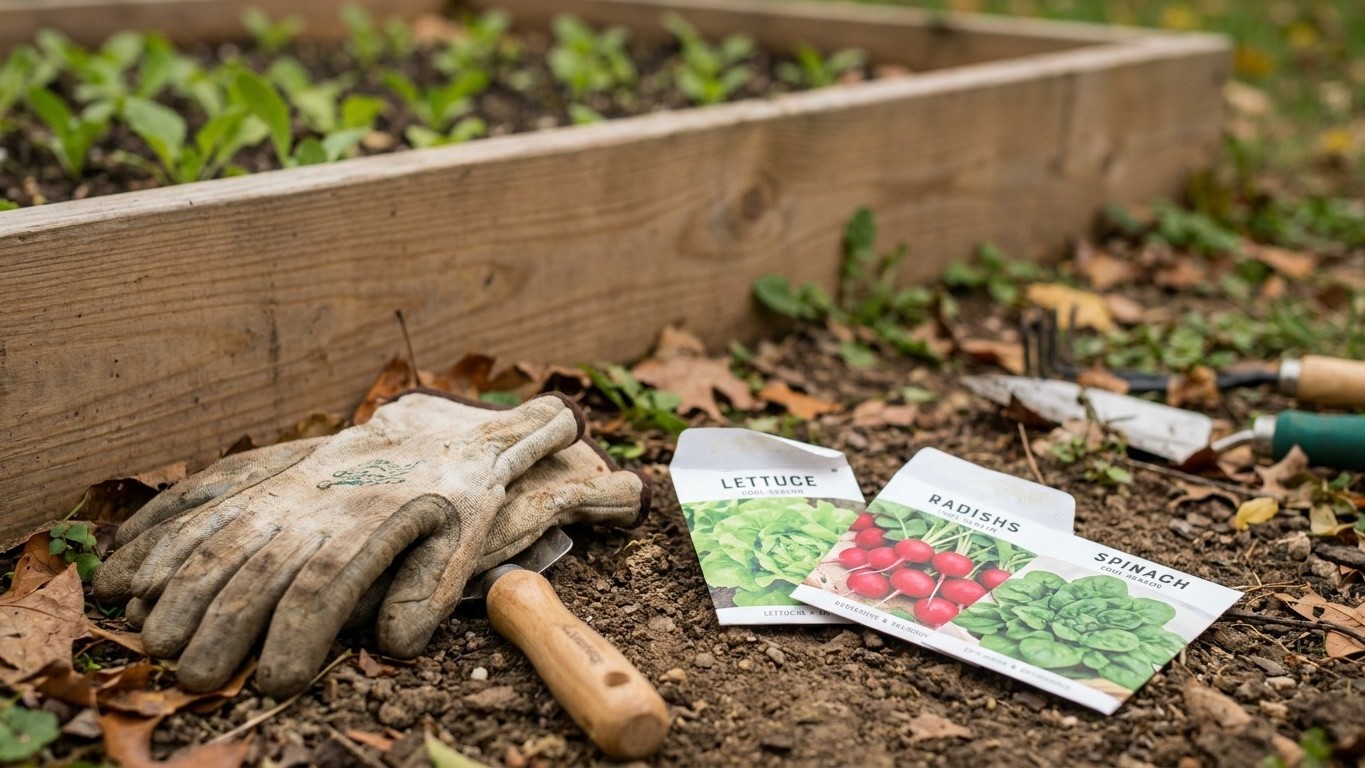

September in New Mexico still sits well ahead of the first fall frost, which lands between October 29 and November 9 at the Albuquerque reference station. That gives most of the state eight to ten more weeks of open-ground growing, which means this month is for filling every empty row with cool-season crops rather than winding the garden down. Spinach, lettuce, radishes, turnips, peas and the leafy brassicas all still have time to mature.
What goes in the ground in September

The calendar says fall is close, but soil temperature and the frost countdown are what actually decide what you can plant this month, not the date on the wall. New Mexico spans USDA hardiness zones 4b through 9a, and that range matters more here than in almost any other state. A backyard in the low desert near Las Cruces is working with a very different clock than a garden at elevation near Taos or Angel Fire, even though both are technically “New Mexico in September.”
Early in the month, with eight to ten weeks left before that first frost window, you can still direct-sow crops that need 45 to 60 days: beets, carrots, chard, kale, collards and bush beans for a last quick round. Bulb onions started from sets, green onions and shallots also go in comfortably now, since they tolerate the cooling nights ahead without protection.
By the second half of September, shift toward the fast crops. Spinach, arugula, mustard greens, radishes and mesclun mixes mature in 25 to 40 days, which still fits comfortably before the reference frost dates, and these greens actually improve in flavor once nights turn cool. Peas planted now for a fall crop also handle light chill better than a summer planting ever does.
What is a gamble this month
Anything that needs more than 60 days to reach harvest, planted from seed in the ground, is racing a clock it is likely to lose, especially at higher elevations where the frost date reference (built on Albuquerque airport data) tends to arrive earlier in real gardens. Broccoli, cauliflower and cabbage direct-sown now are the classic overreach. Those crops belong under cover instead, which is exactly the next move.
What to start under cover
Count backward from your local frost window rather than forward from today’s date. If the first fall frost typically lands somewhere in the October 29 to November 9 range at lower elevations, and later than that in real suburban and rural gardens (often by one to two weeks, sometimes more at altitude), a transplant that needs three to four weeks to size up before it goes outside still has room to work if you start it in the first half of September.
Lettuce, spinach, kale and other quick greens started in trays now can go into a cold frame or under row cover within a few weeks, giving you a head start over anything direct-sown and extending the harvest well past that first light frost, since covered greens keep growing under protection long after open-ground plants have stopped. Biennial flowers and perennial herbs meant to establish before winter also do well started under cover this month.
The two ways this goes wrong are predictable. Start too early, working off an August habit, and you end up with rootbound, leggy brassica transplants sitting in trays for weeks with nowhere to go. Start too late, treating September like it still has a full season ahead, and you sow something like broccoli that needs 70 days just as the usable window closes, leaving you with plants that never size up before the cold arrives. The fix in both cases is the same: match the seed packet’s days-to-transplant against the weeks actually left, not against the calendar month.
What is ready to pick
September carries the weight of the summer garden’s last push. Tomatoes, peppers and summer squash are still producing, though ripening slows as nights cool, and it pays to pick tomatoes slightly early and finish them indoors once nighttime temperatures start dipping. This is also chile season across much of the state, with pods coloring up and ready for roasting as the harvest peaks.
Winter squash and pumpkins planted earlier in the season are approaching harvest now too. The tell is the rind: press a fingernail into it, and if it resists rather than dents, and the stem has started to dry and harden, it is ready to come off the vine and cure.
Beans from a midsummer planting are likely finishing their run, and it is worth a last full picking before the plants decline, since leaving mature pods on the vine signals the plant to stop producing new ones. Onions and garlic harvested earlier in the summer should already be curing in a dry, shaded spot; check that batch now for any bulbs going soft, since one rotting onion in storage spreads to its neighbors fast.
The jobs that matter this month
Soil preparation for the fall crops going in this month pays off directly, since New Mexico’s sandy, low-organic-matter soils in much of the state dry out and compact quickly without added compost worked in before seeding. Mulch matters just as much here as watering does. A two-to-three-inch layer over new fall seedlings holds moisture through the intense afternoon sun that persists well into September even as nights cool.
Watering rhythm needs adjusting, not abandoning. Shorter days and lower sun angle mean less evaporation than midsummer, so beds that needed daily water in July may only need it every other day now, and overwatering at this point invites root rot in cooling soil.
Succession sowing is the move that keeps the fall harvest coming instead of arriving all at once. A new short row of radishes or lettuce every ten to fourteen days through the month spreads the harvest out and hedges against any one planting failing.
Pest scouting still matters. Squash bugs and hornworms are winding down their summer cycle, but a late generation can still do real damage to the last squash and tomato plants standing, so a walk through the garden every few days catches problems before they spread. Tomatoes and peppers still loaded with fruit benefit from staking or extra support now, since a late-season storm can snap an overloaded, unstaked plant in seconds. And with garlic planting season approaching for most of the state in the weeks ahead, September is the month to order bulbs before the good varieties sell out.
What not to do in September
The most common mistake is starting warm-season crops now because the days still feel like summer. Tomatoes, peppers and squash seeded or transplanted in September will not mature before the frost window arrives, no matter how warm the afternoons still feel; the soil warmth that helped them germinate in May does not translate into enough remaining season now.
Pulling back shade cloth too early is another one. Desert sun in September, especially in the lower elevations, is still intense enough to scorch cool-season seedlings that have not hardened off, even as nighttime temperatures drop noticeably.
Heavy nitrogen feeding at this point in the season is a mistake too. It pushes soft, tender new growth right when the plant should be slowing down and hardening off for the cooler nights ahead, and that tender growth is exactly what a light frost damages first. A light phosphorus-and-potassium feed supports root development and cold tolerance far better at this stage.
Waiting too long to cover tender crops once the nights start cooling is the last trap. The reference frost dates are averages built from years of data, not guarantees, and a cold snap can arrive on the early edge of that window without much warning. Keep row cover or frost cloth on hand starting in mid-September rather than scrambling for it the first cold night.
Checking this against your own county
A state-wide planting month is a starting point, not an instruction, and New Mexico proves that better than most states. Elevation swings from low desert near the Rio Grande valley to mountain towns above 7,000 feet shift frost timing by weeks in either direction, and the reference dates here come from a single Albuquerque-area station, not from every county. Suburban and rural gardens typically see frost arrive earlier in fall and later in spring than that reference point suggests, sometimes by one to two weeks or more at higher elevation.
For county-level guidance built for New Mexico’s actual growing conditions, the New Mexico State University Cooperative Extension Service is the resource to check before finalizing a September planting plan.
Common questions
Can I still plant tomatoes in New Mexico in September?
No. Tomatoes need a long season to mature fruit, and with the first fall frost landing between October 29 and November 9 at the reference station (earlier in many real gardens), there is not enough time left for a September-started tomato to produce before cold weather ends the season.
Is it too late to plant a fall vegetable garden in September?
Not at all. With eight to ten weeks still available before the typical first frost, September is prime time for direct-sowing spinach, lettuce, radishes, turnips, peas and other quick cool-season crops.
What USDA hardiness zone is New Mexico in?
New Mexico spans USDA Plant Hardiness Zones 4b through 9a, a range built on the average annual extreme minimum temperature, which is why planting timing varies so much between the state’s low desert and its mountain regions.
When should garlic go into the ground in New Mexico?
Garlic planting typically follows behind September, once temperatures cool further, so this month is better spent ordering bulbs and preparing the bed than planting garlic itself; check with the local extension office for the exact window in your county.