Will Parsnips Sweeten in North Carolina?
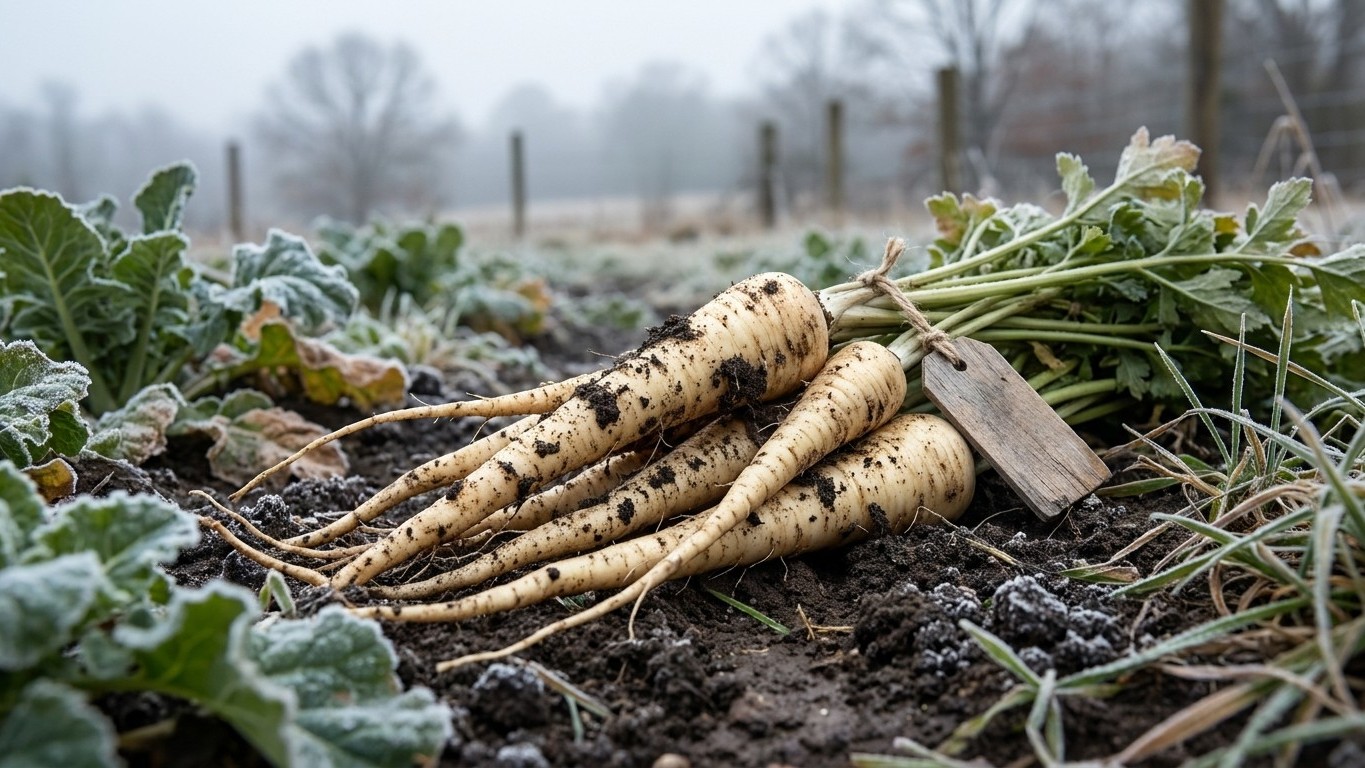
Yes, but with room to spare rather than a photo finish. Charlotte’s coldest month averages a mean daily minimum of 31.8°F, and the first fall frost…
Home & garden, state by state
Everything we have worked out for North Carolina: what to plant and when, which varieties finish in time, the pests that actually turn up here, and the jobs that pay off month by month. We also cover the rest of the property, from lawns and soil to home care and energy, because a garden rarely stops at the vegetable bed.
The numbers first, because everything else follows from them. Measured at the weather station in Charlotte, the last spring freeze runs March 23 to April 5 and the first fall freeze runs October 30 to November 8, USDA zones 5b-8b, 4,943 growing degree days in the year.
Garlic does well: 21.8 weeks below 40 °F, comfortably past the six it needs to form a proper head.
Elsewhere on the property in North Carolina: the pests that turn up here.
Figures from NOAA's 1991-2020 climate normals. A state is not one climate: elevation, a large lake or the coast can move these dates by two weeks either way, so check your own county with the extension service before you spend money.
Yes, but with room to spare rather than a photo finish. Charlotte’s coldest month averages a mean daily minimum of 31.8°F, and the first fall frost…
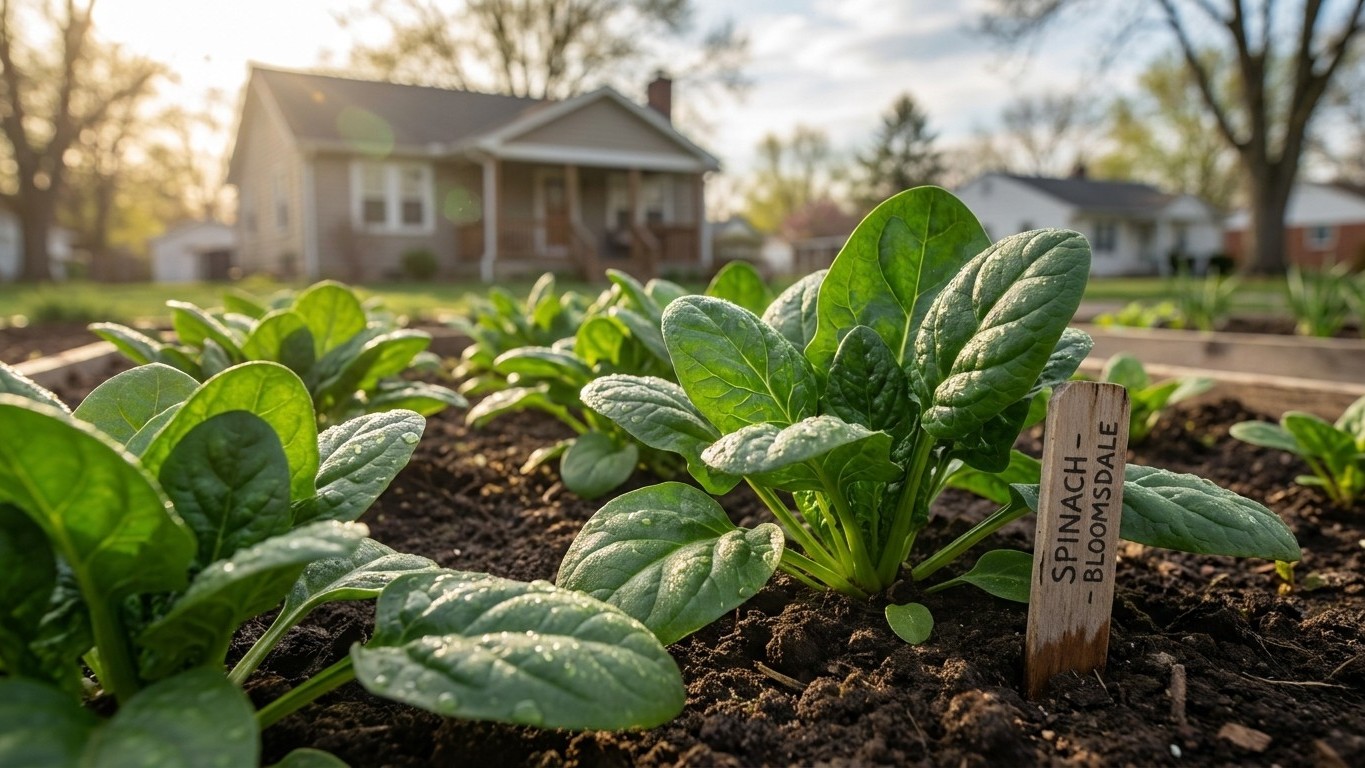
Spinach in North Carolina bolts fast for two reasons at once: the state’s long summer days push it toward flowering just as the heat climbs past its…
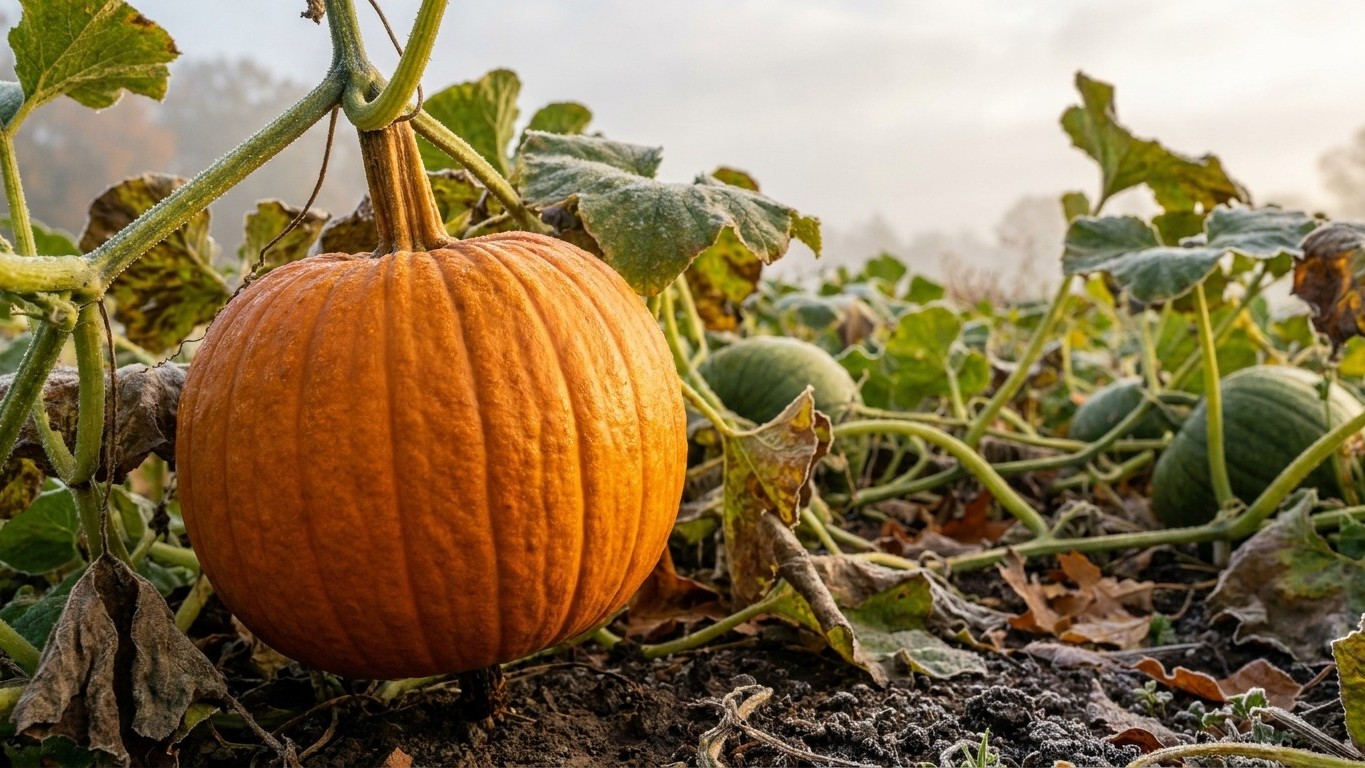
Yes, if the flower opens early enough. In the North Carolina Piedmont, a pumpkin needs 45 to 55 days between the day its flower opens and the day the…
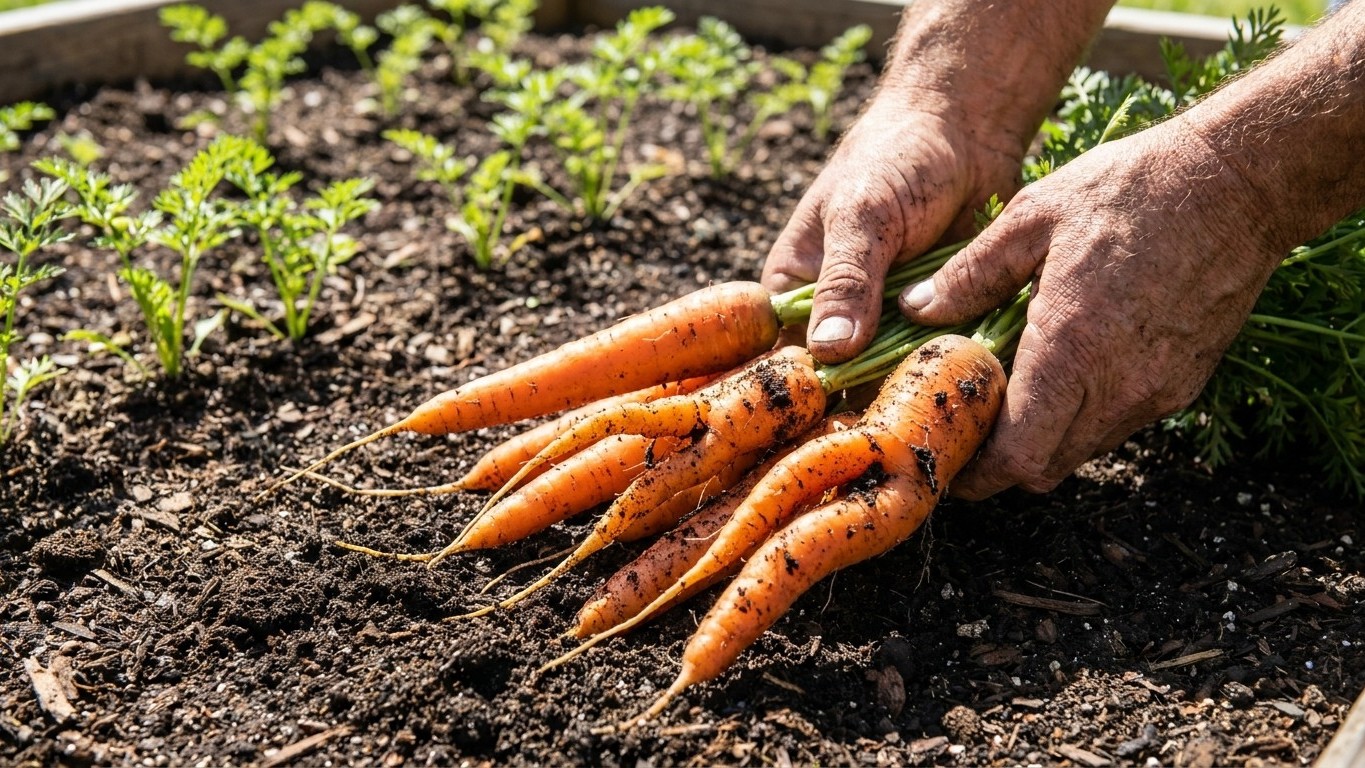
In North Carolina, the calendar matters less than the dirt under your boots. Carrots go straight into the ground where they’ll grow, no transplanting…
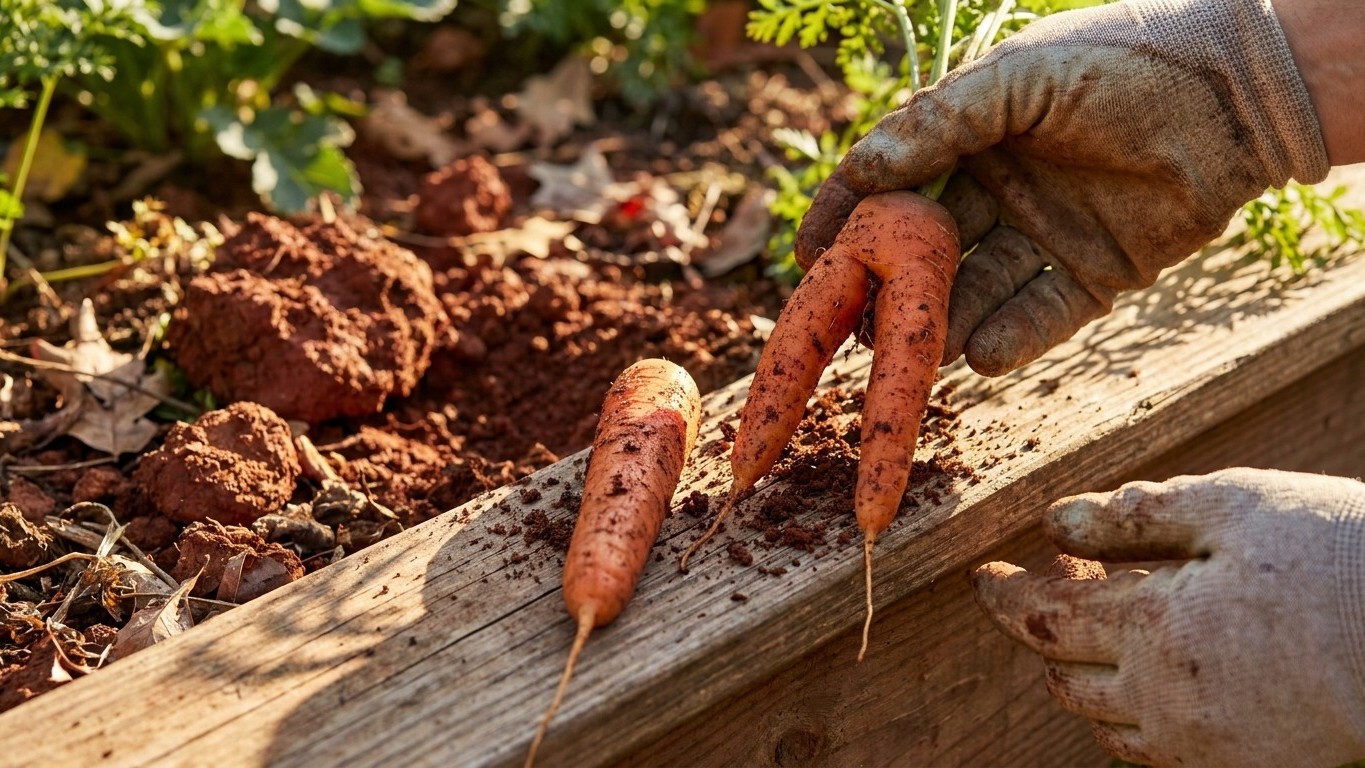
North Carolina’s representative soil, the Cecil series, runs sandy and well drained rather than heavy and clay-bound, so most gardens built on ground…
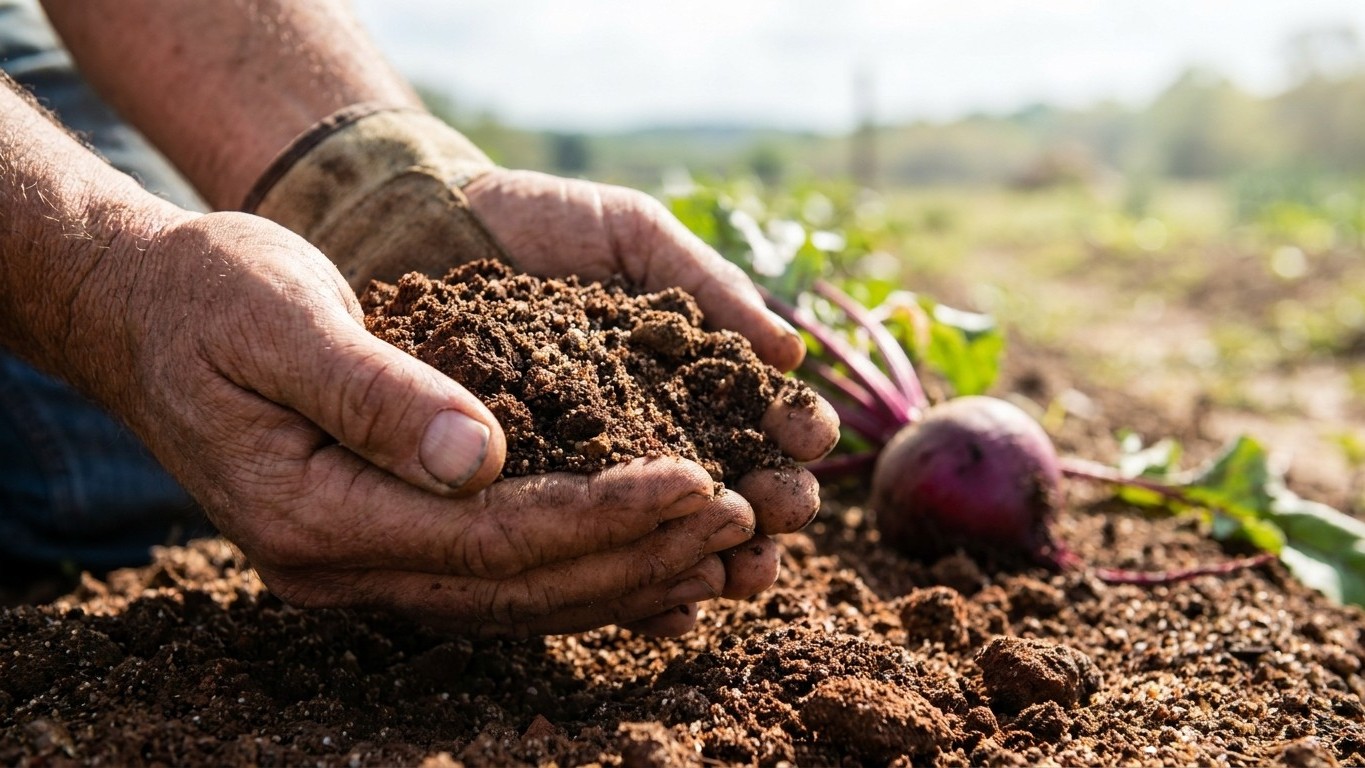
North Carolina’s benchmark soil, the Cecil series, is sandy and well drained, which suits a beet’s need for loose ground more than most Southeast soils do.
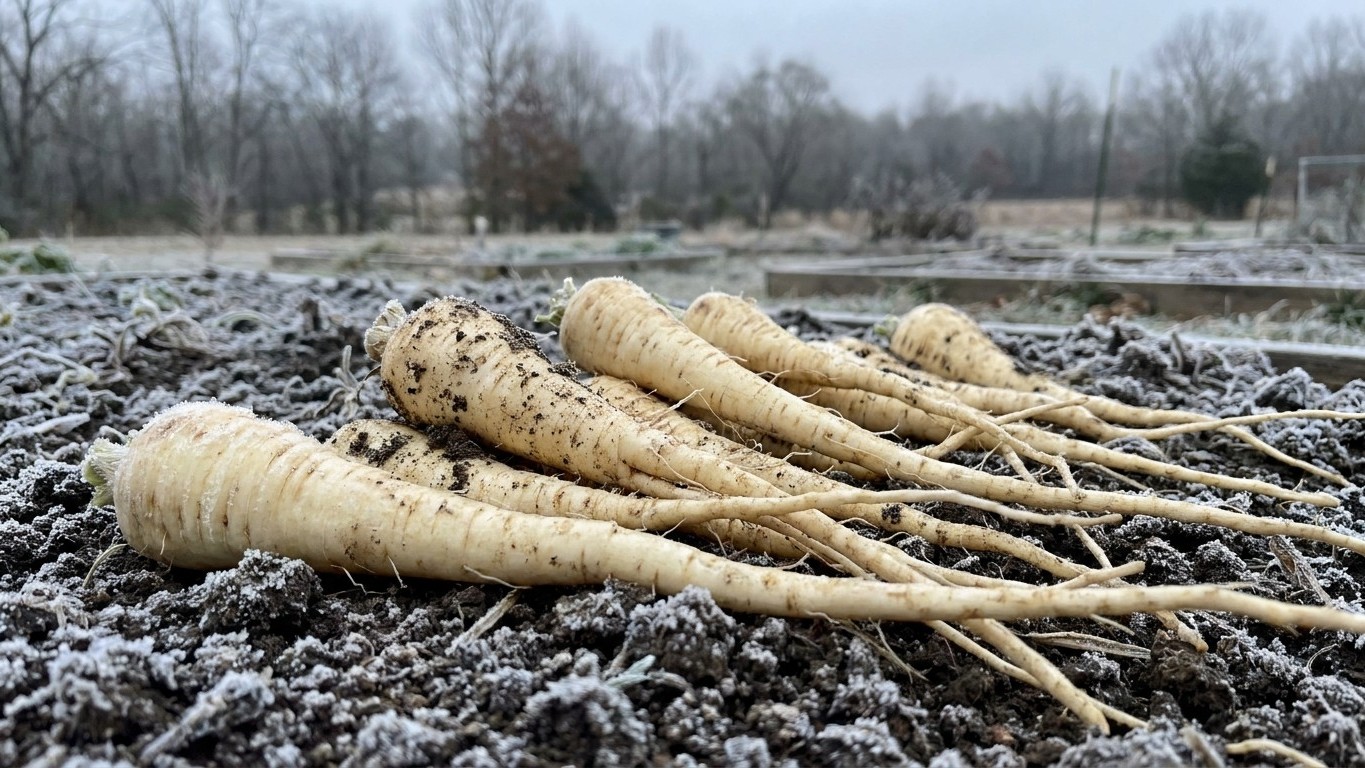
North Carolina’s Piedmont delivers enough frosty nights each winter to sweeten parsnips properly, not just grow them to size.

Heating season in North Carolina gets going in October, when the average temperature first slips below the 65°F mark that defines heating demand.
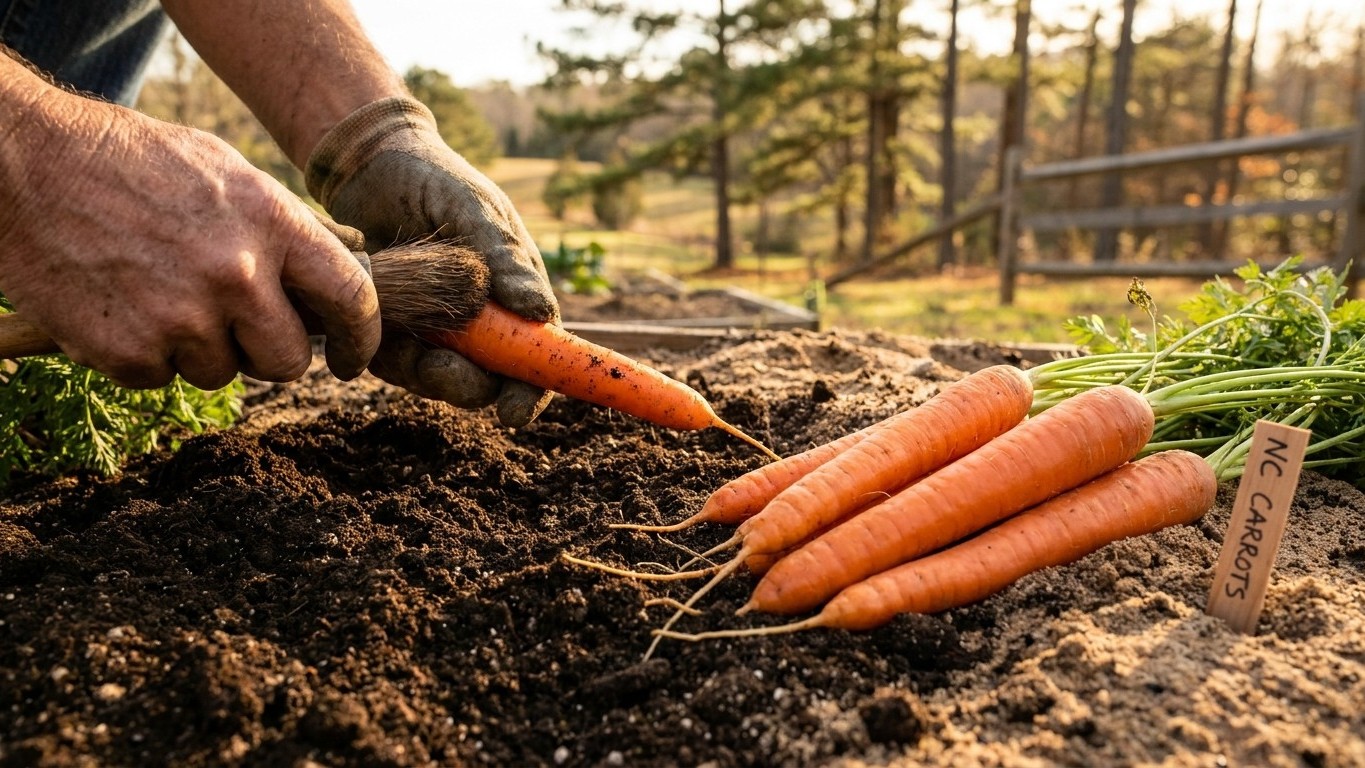
North Carolina’s representative garden soil, the Cecil series, is a sandy, acidic Ultisol that drains well but runs short on organic matter.
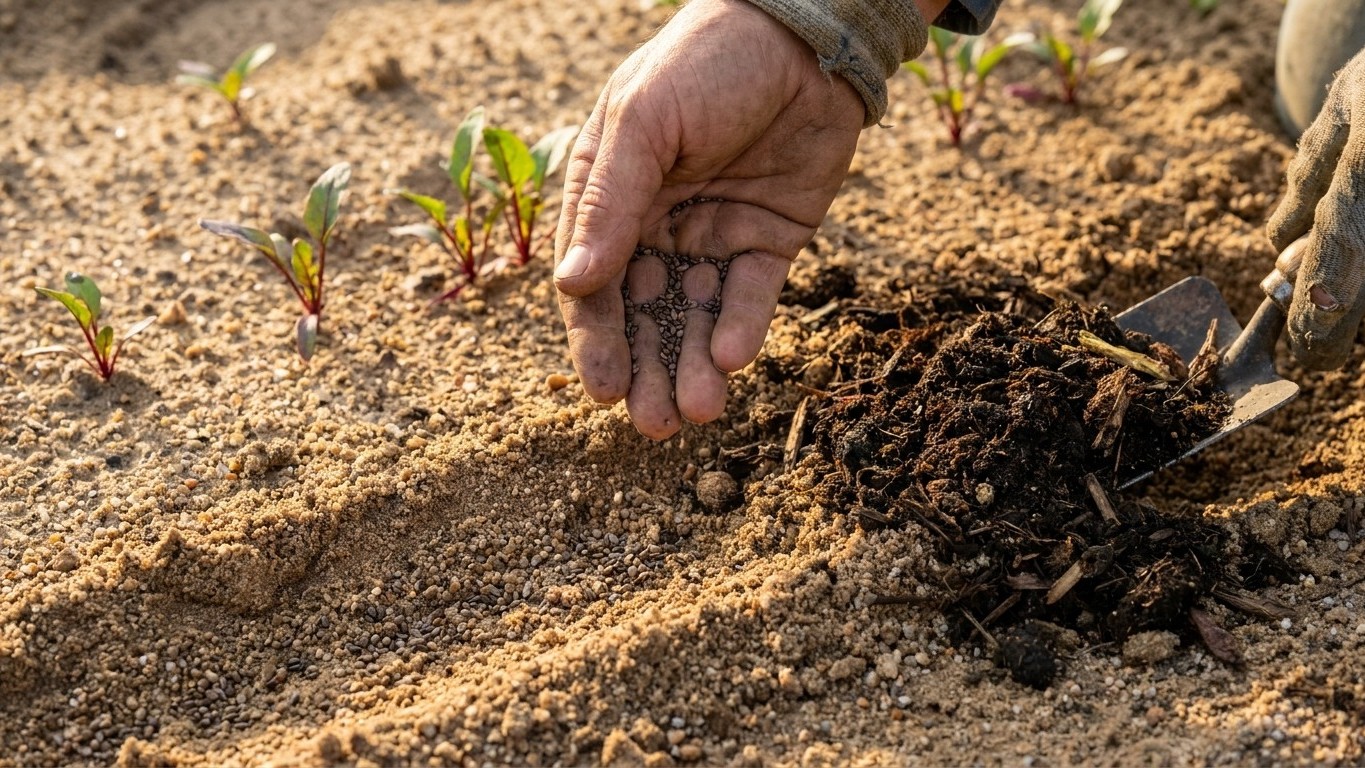
North Carolina’s most common ground, the Cecil series, is acid, sandy and short on organic matter, and the state’s Piedmont frost window closes between…