Watering Through a Dry Spell in North Carolina
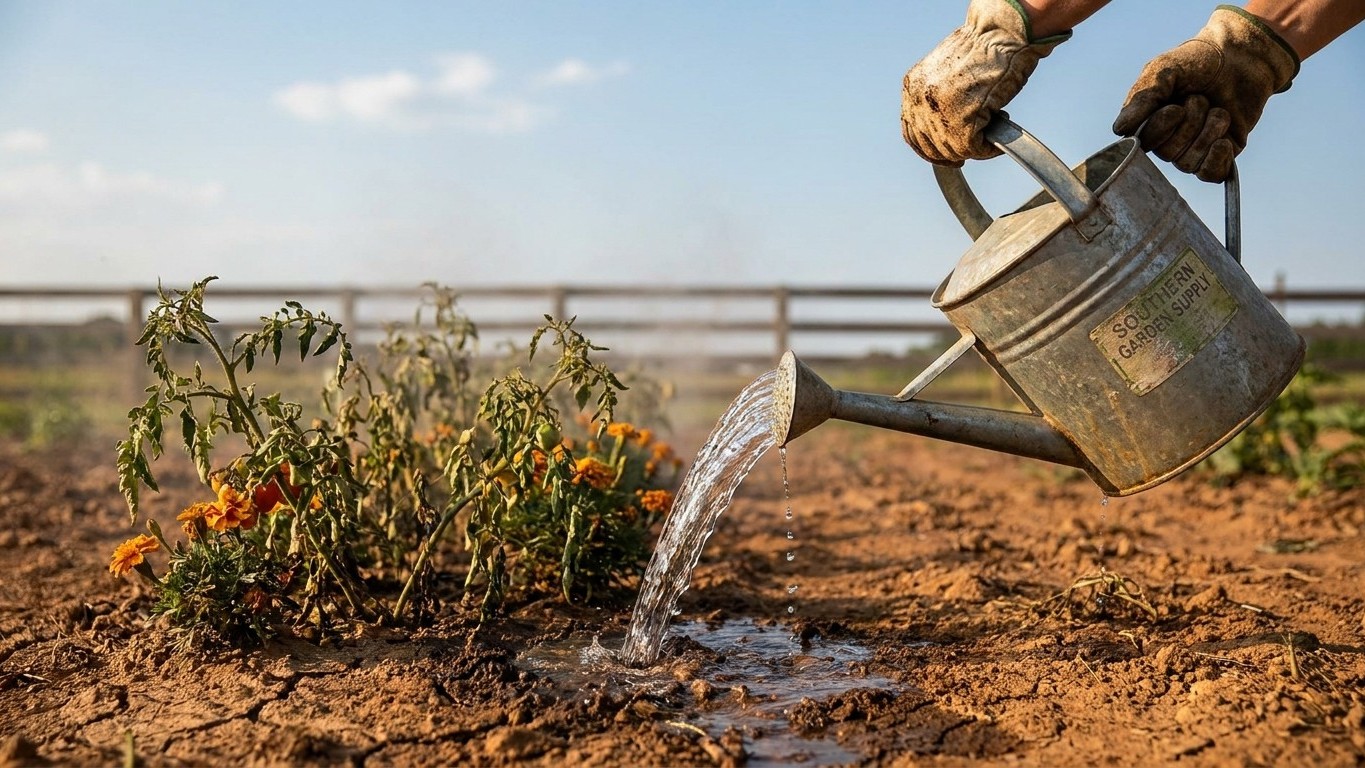
Across North Carolina, gardens usually need about an inch of water a week to keep growing well, and rainfall alone rarely covers that during the hottest…
Home & garden, state by state
Everything we have worked out for North Carolina: what to plant and when, which varieties finish in time, the pests that actually turn up here, and the jobs that pay off month by month. We also cover the rest of the property, from lawns and soil to home care and energy, because a garden rarely stops at the vegetable bed.
The numbers first, because everything else follows from them. Measured at the weather station in Charlotte, the last spring freeze runs March 23 to April 5 and the first fall freeze runs October 30 to November 8, USDA zones 5b-8b, 4,943 growing degree days in the year.
Garlic does well: 21.8 weeks below 40 °F, comfortably past the six it needs to form a proper head.
Elsewhere on the property in North Carolina: the pests that turn up here.
Figures from NOAA's 1991-2020 climate normals. A state is not one climate: elevation, a large lake or the coast can move these dates by two weeks either way, so check your own county with the extension service before you spend money.
Across North Carolina, gardens usually need about an inch of water a week to keep growing well, and rainfall alone rarely covers that during the hottest…
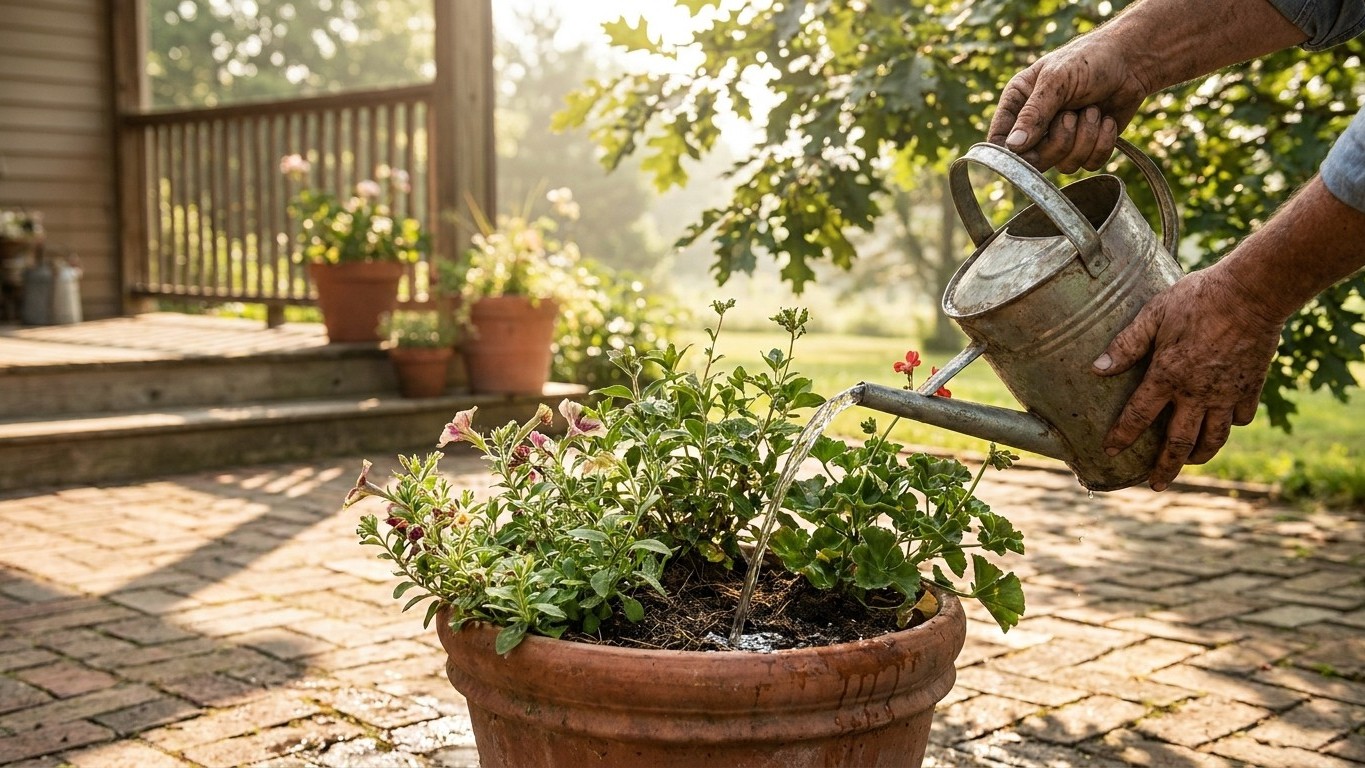
North Carolina gardeners growing in pots and containers face a specific math problem: July delivers 3.74 inches of rain, the driest month of the summer…
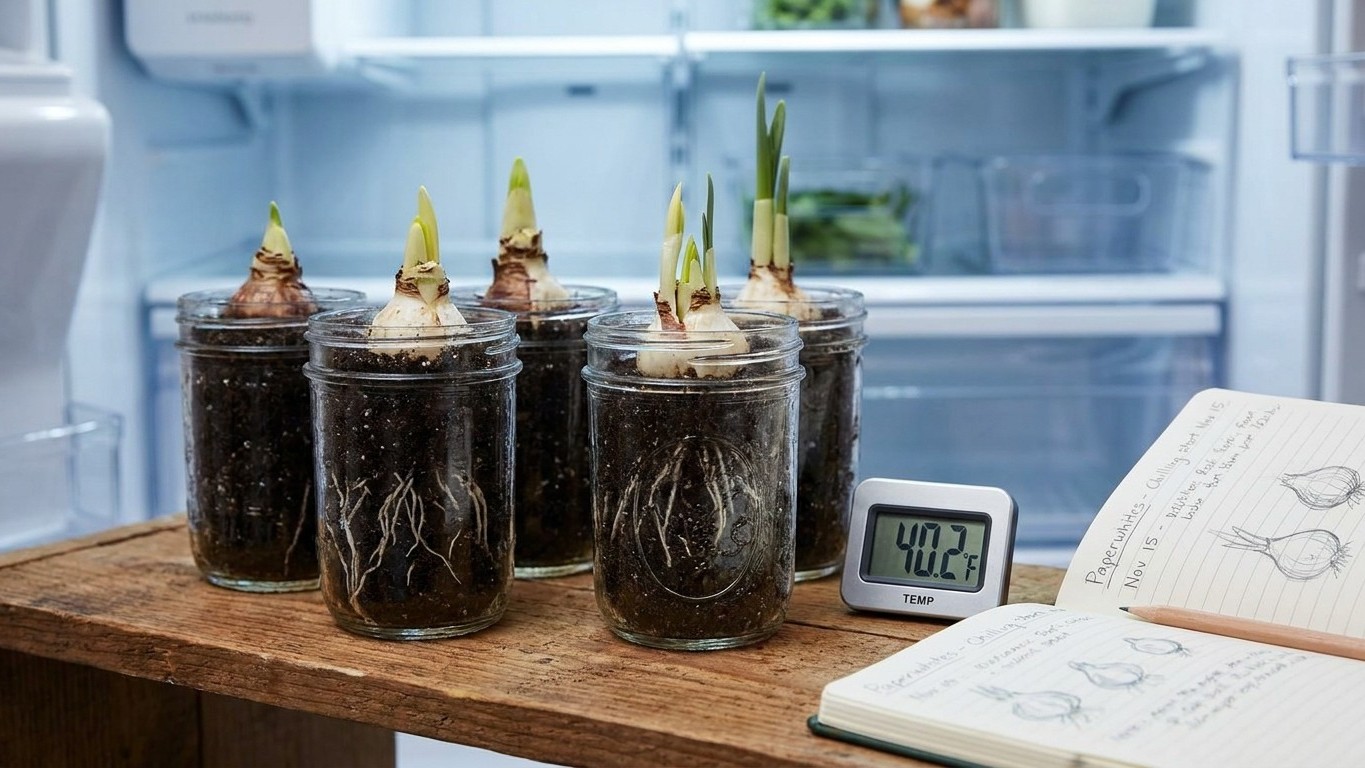
Forcing works in North Carolina because winter here doesn’t reliably deliver a steady, uninterrupted cold spell to a bulb sitting in a pot.
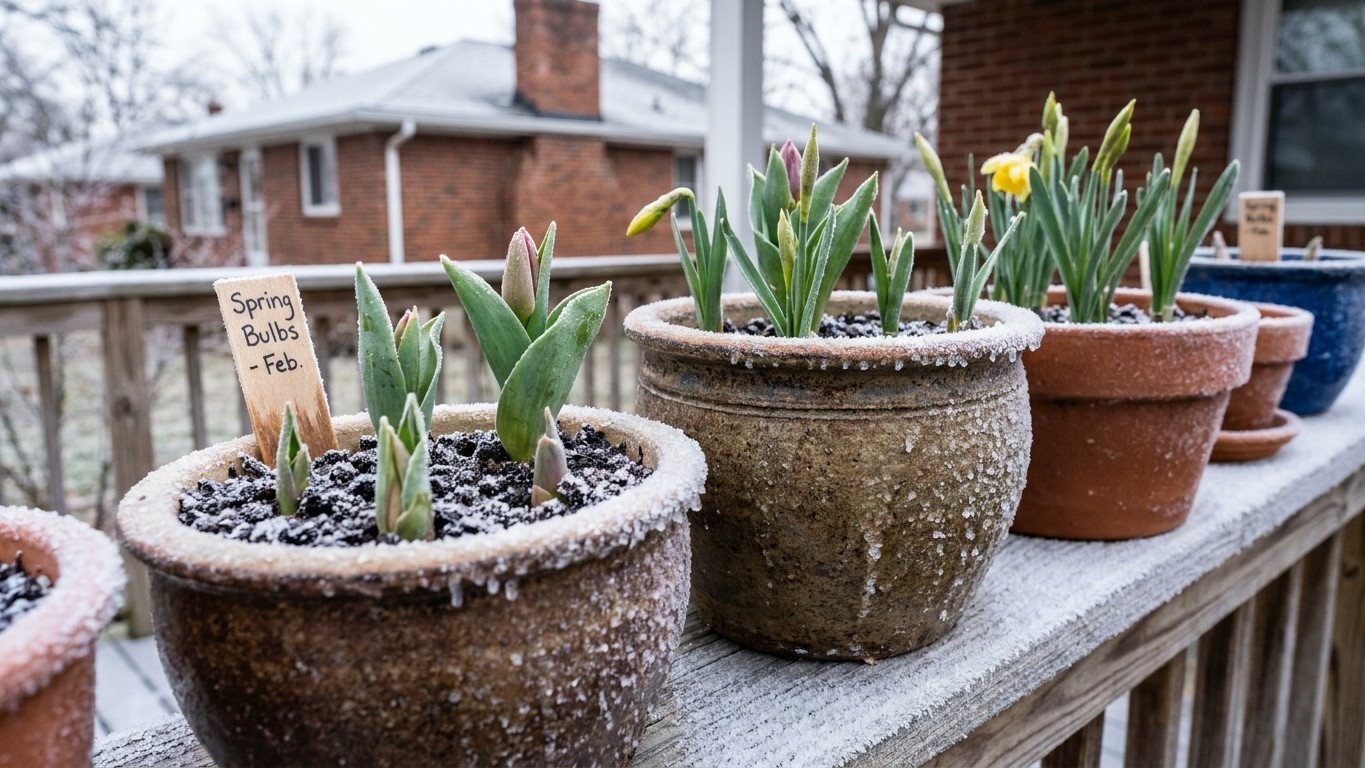
Container-grown spring bulbs in North Carolina rarely need artificial forcing indoors, because the state’s winter already delivers more cold than a tulip…
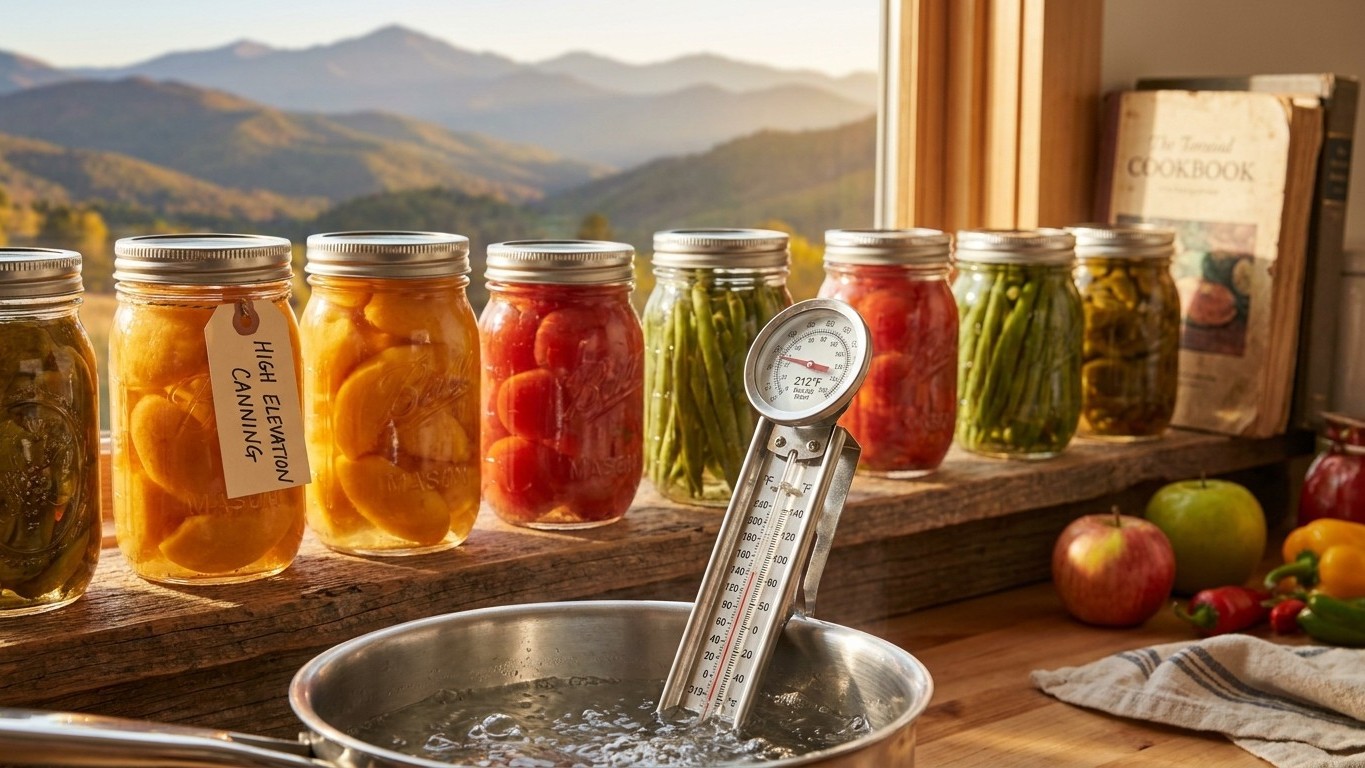
North Carolina runs from sea-level marsh near Wilmington to peaks above 6,000 feet in the Blue Ridge, so a canning question that starts with “what’s my…
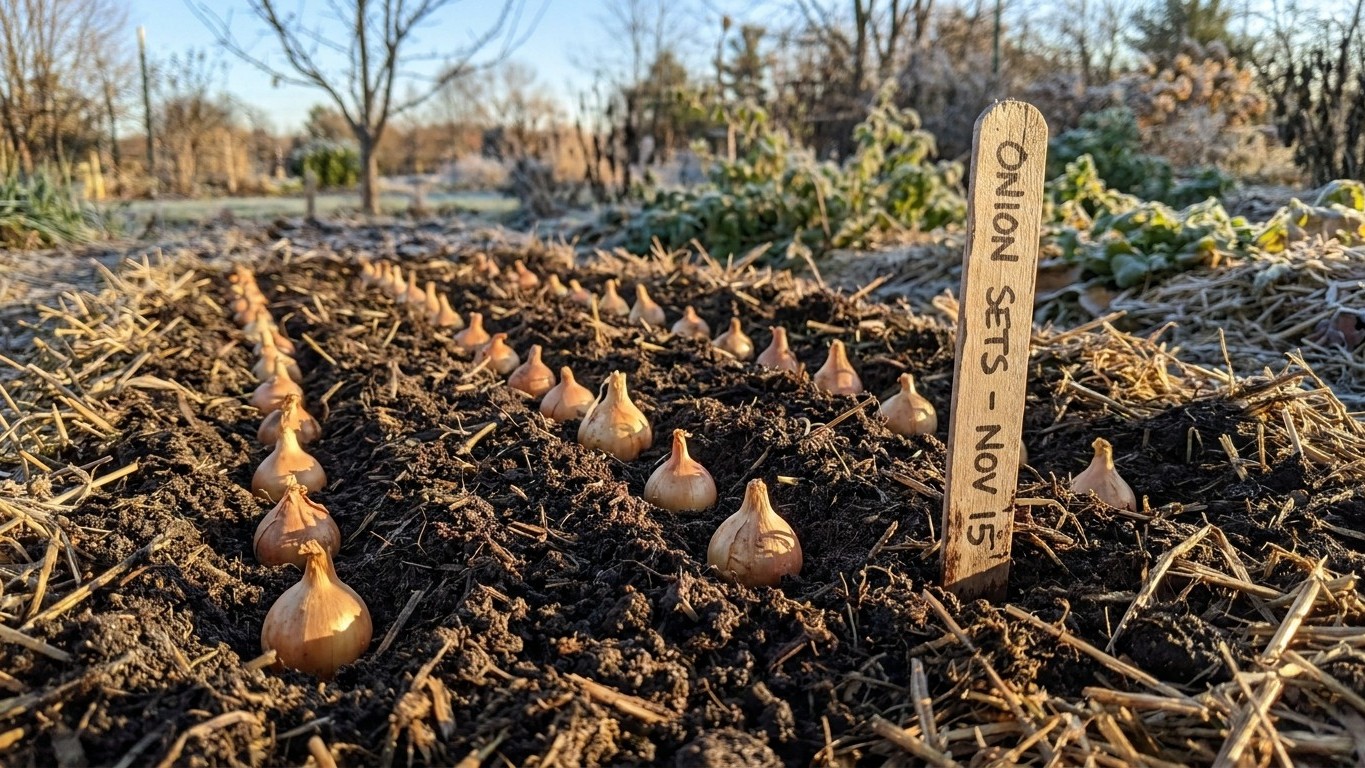
North Carolina sits at a latitude where the growing calendar bends toward the mild-winter pattern of the Southeast rather than the hard-frost rhythm of…
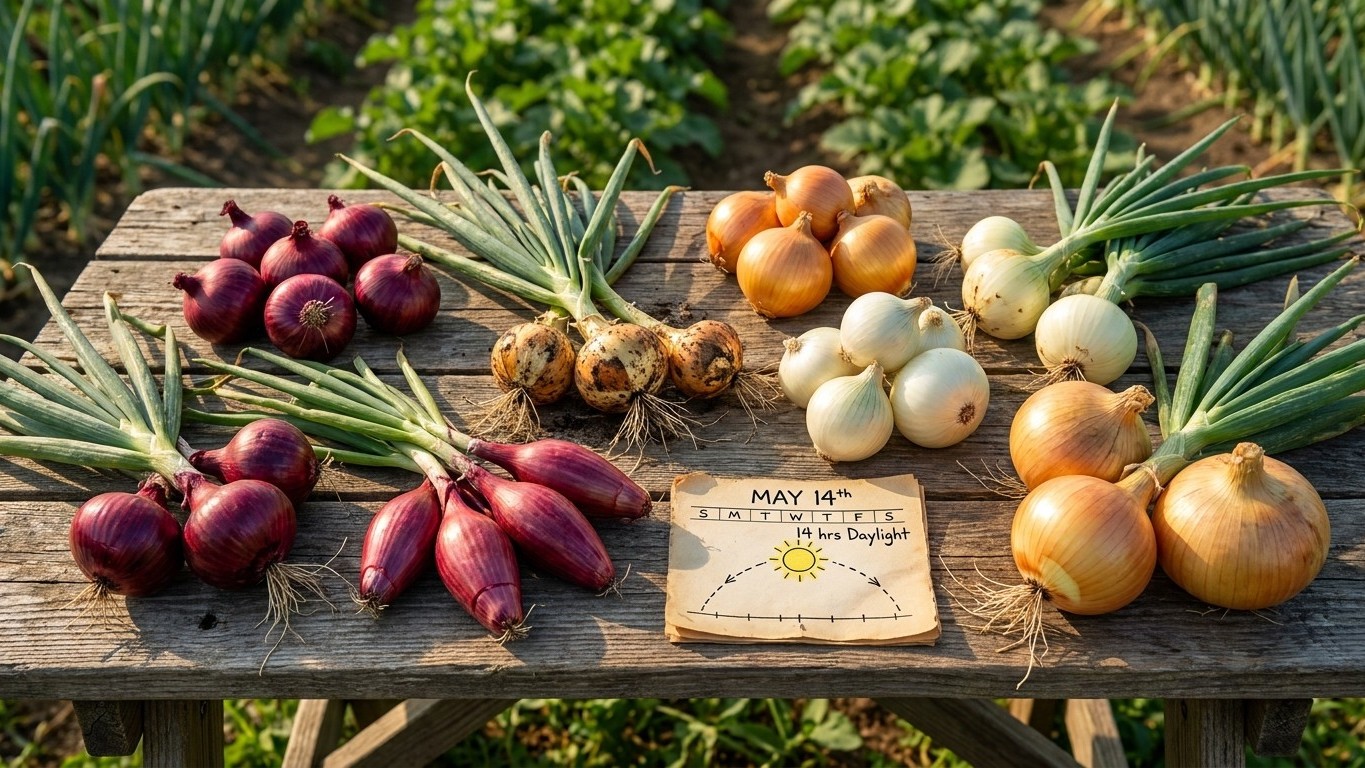
North Carolina sits at 35.22 degrees north, measured at the Raleigh-Durham reference station, where the longest day of the year delivers 14 hours and 23…
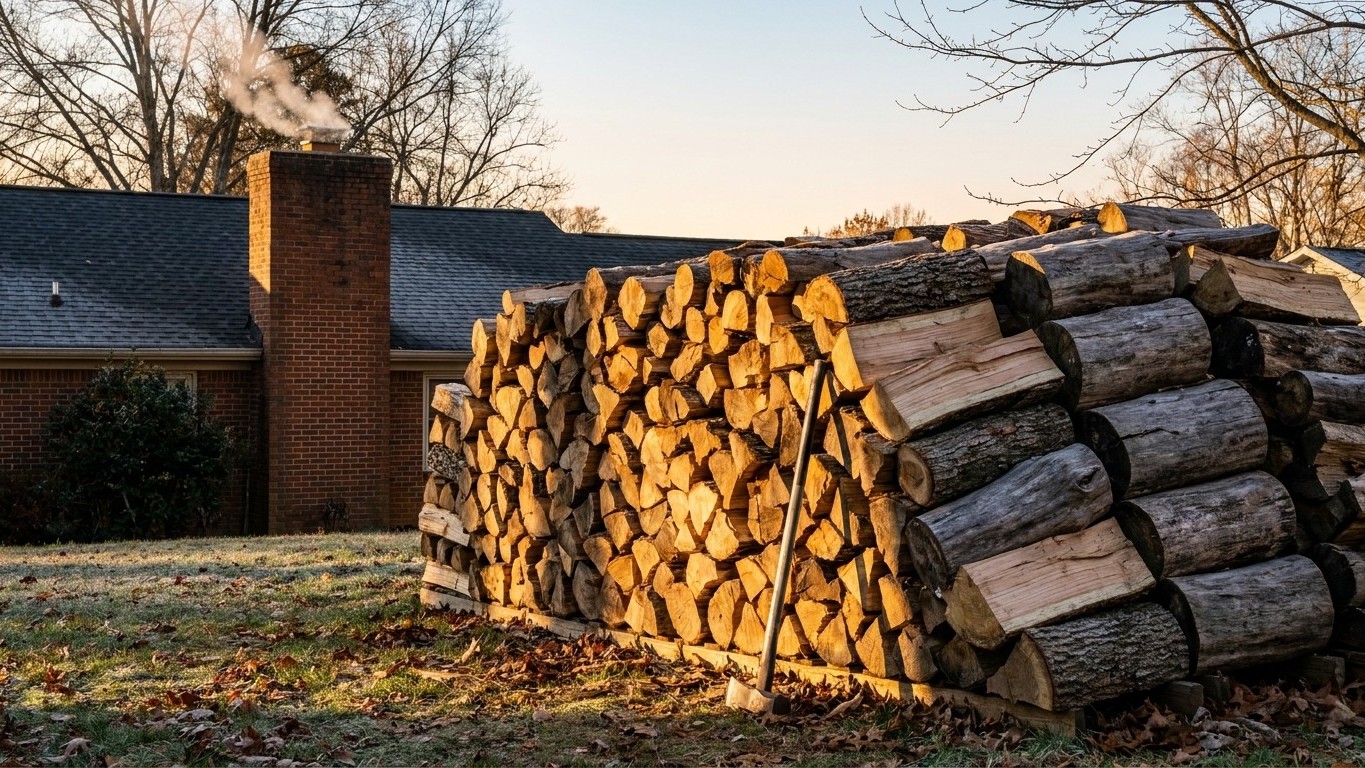
The mean low temperature in Charlotte during the coldest month sits at 31.8°F, according to NOAA’s 1991-2020 Climate Normals.
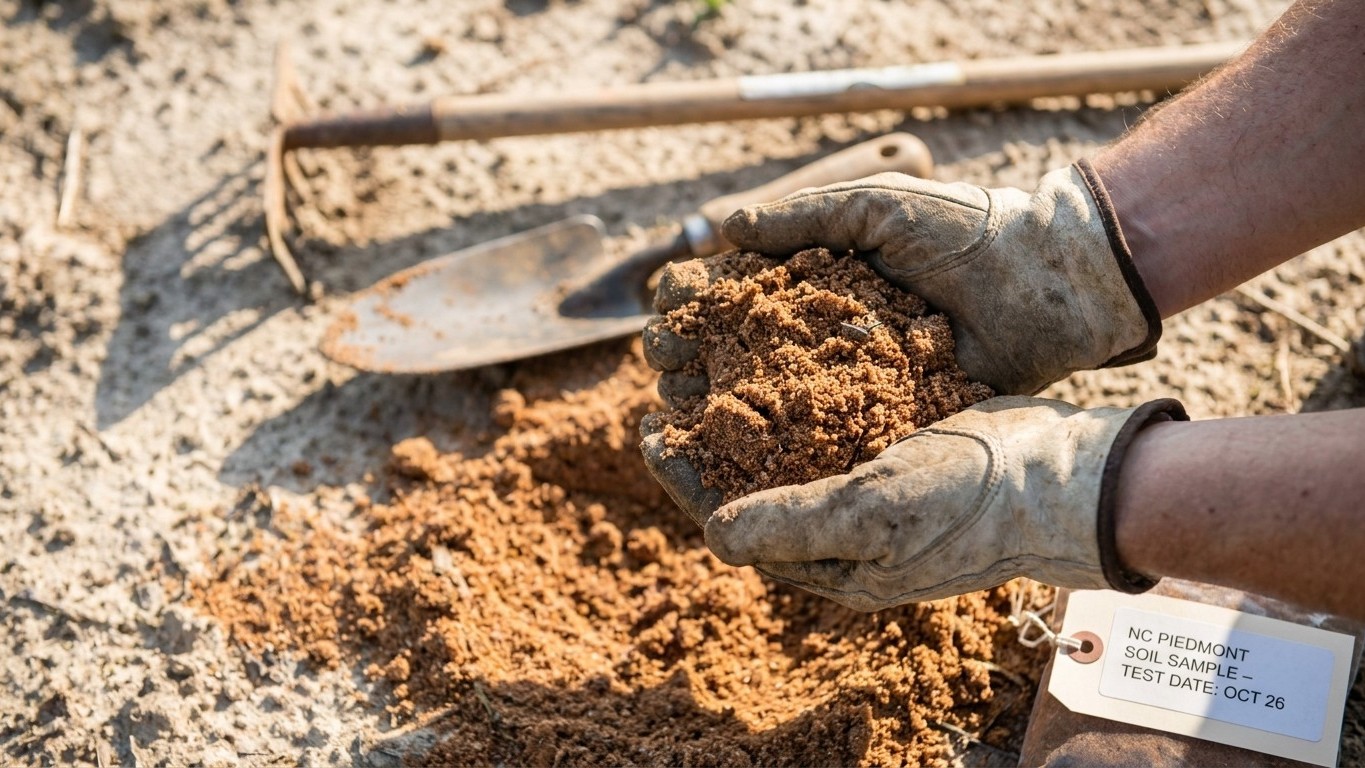
North Carolina’s official state soil is the Cecil series, an old, heavily weathered Ultisol that runs acid, drains fast and holds almost no organic…
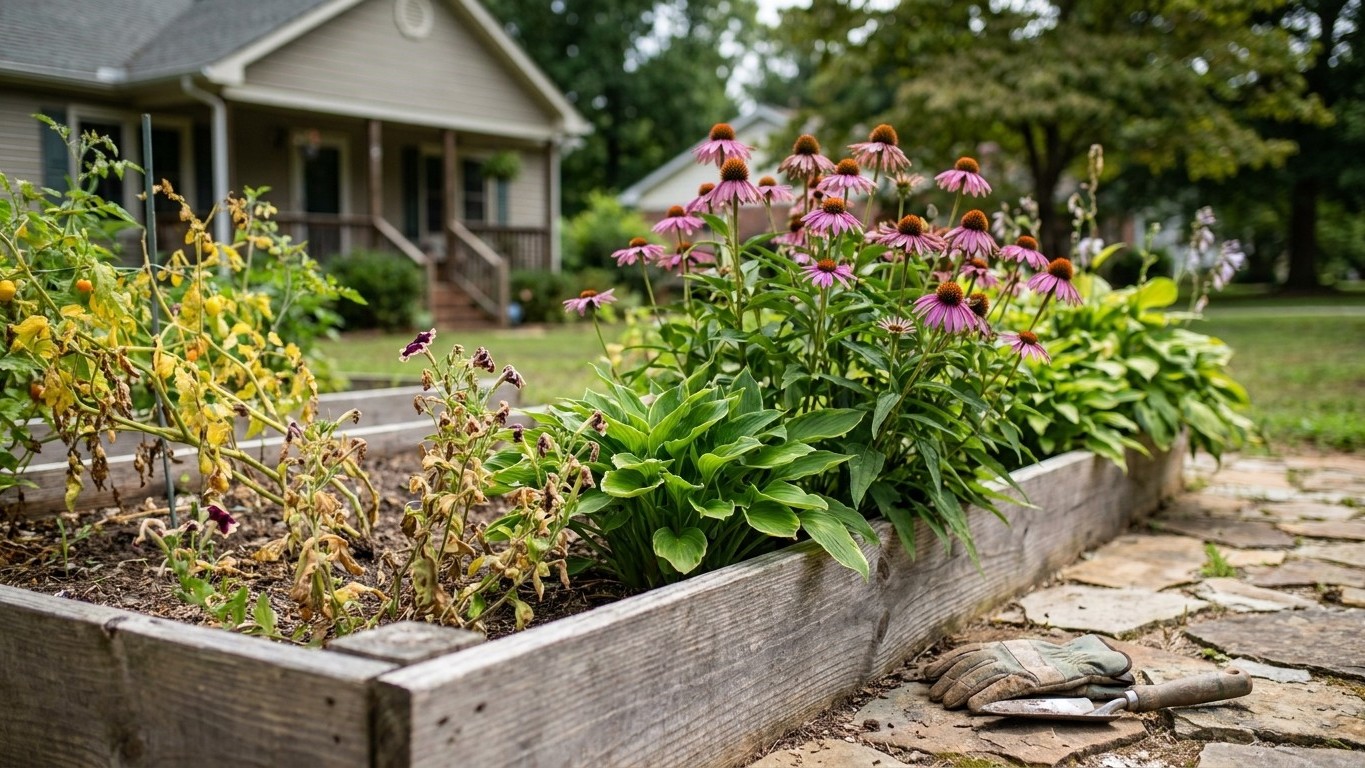
North Carolina spans USDA zones 5b to 8b, so a flower reliable in the mountains can fail on the coast. This rounds up what actually holds up statewide.