Growing Onions in North Carolina: Which Varieties Actually Bulb
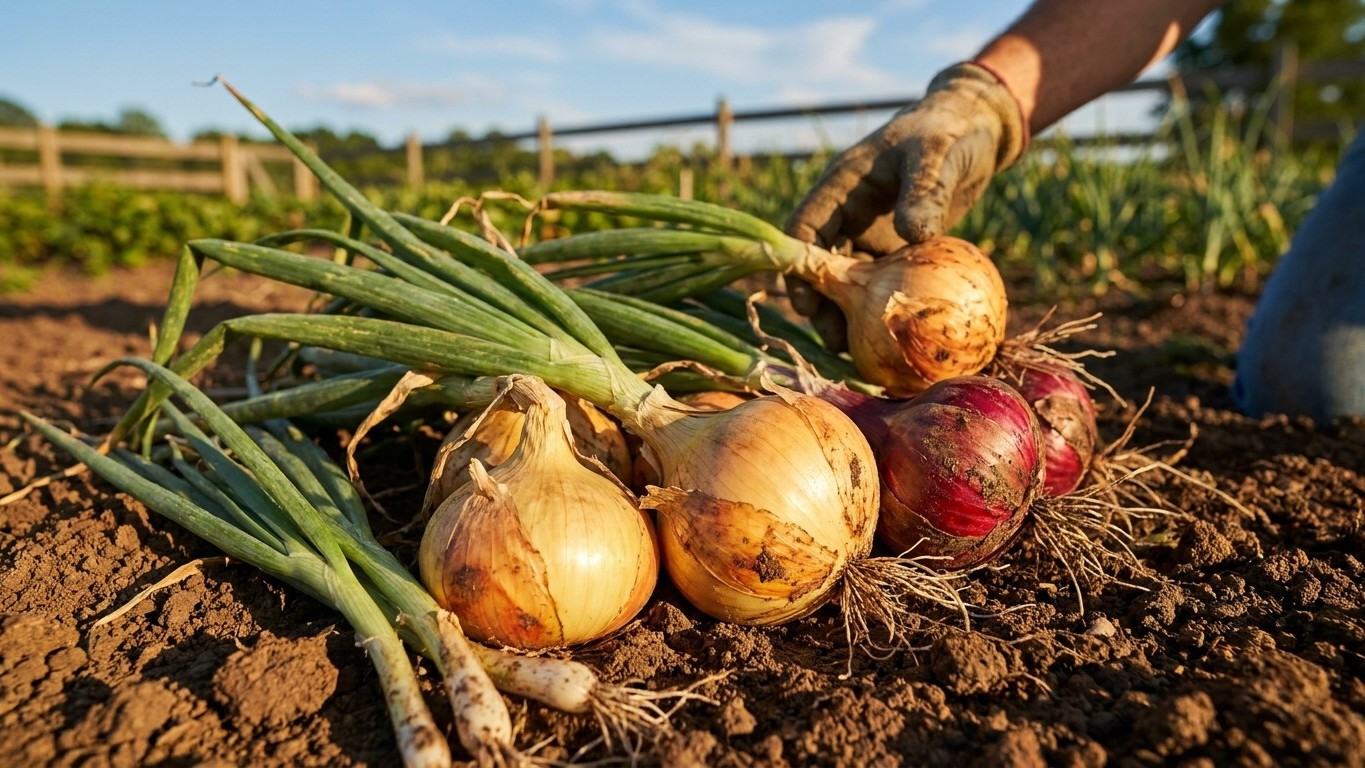
Growing onions in North Carolina works best with intermediate-day and short-day varieties — the state sits at a latitude where the longest day of the…
Home & garden, state by state
Everything we have worked out for North Carolina: what to plant and when, which varieties finish in time, the pests that actually turn up here, and the jobs that pay off month by month. We also cover the rest of the property, from lawns and soil to home care and energy, because a garden rarely stops at the vegetable bed.
The numbers first, because everything else follows from them. Measured at the weather station in Charlotte, the last spring freeze runs March 23 to April 5 and the first fall freeze runs October 30 to November 8, USDA zones 5b-8b, 4,943 growing degree days in the year.
Garlic does well: 21.8 weeks below 40 °F, comfortably past the six it needs to form a proper head.
Elsewhere on the property in North Carolina: the pests that turn up here.
Figures from NOAA's 1991-2020 climate normals. A state is not one climate: elevation, a large lake or the coast can move these dates by two weeks either way, so check your own county with the extension service before you spend money.
Growing onions in North Carolina works best with intermediate-day and short-day varieties — the state sits at a latitude where the longest day of the…
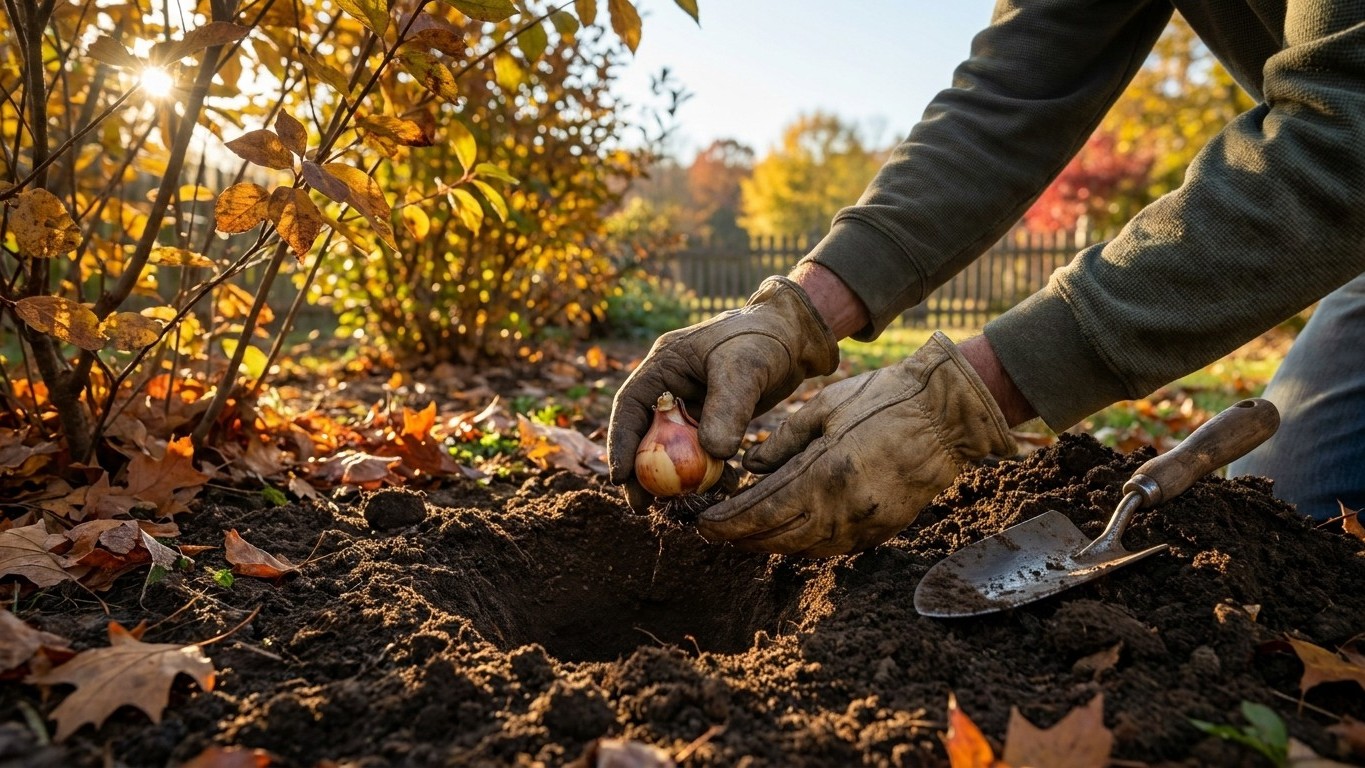
Spring bulbs planted in North Carolina face two separate tests: a calendar test (getting them in the ground at the right moment) and a climate test…
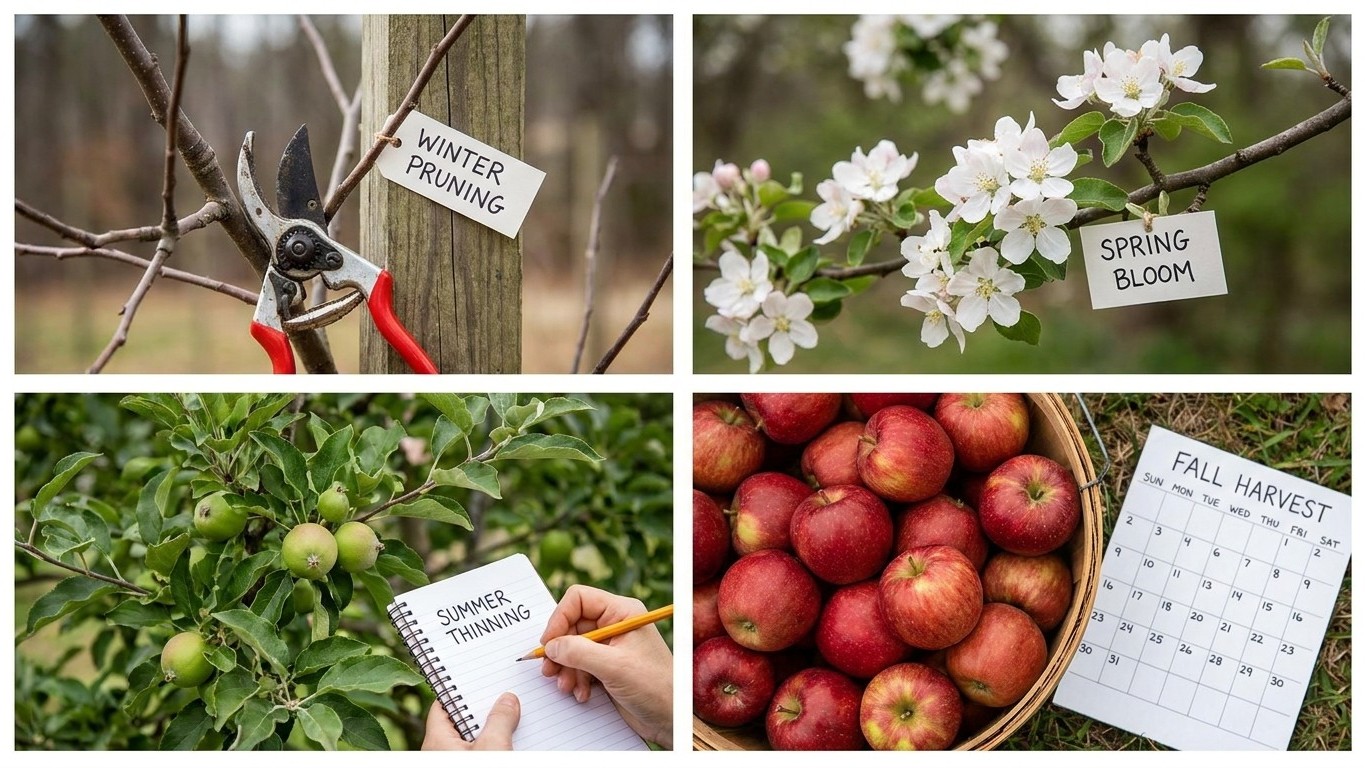
A stage-by-stage guide to North Carolina’s apple calendar, keyed to Charlotte’s NOAA frost dates, with notes on how mountains and coast differ.
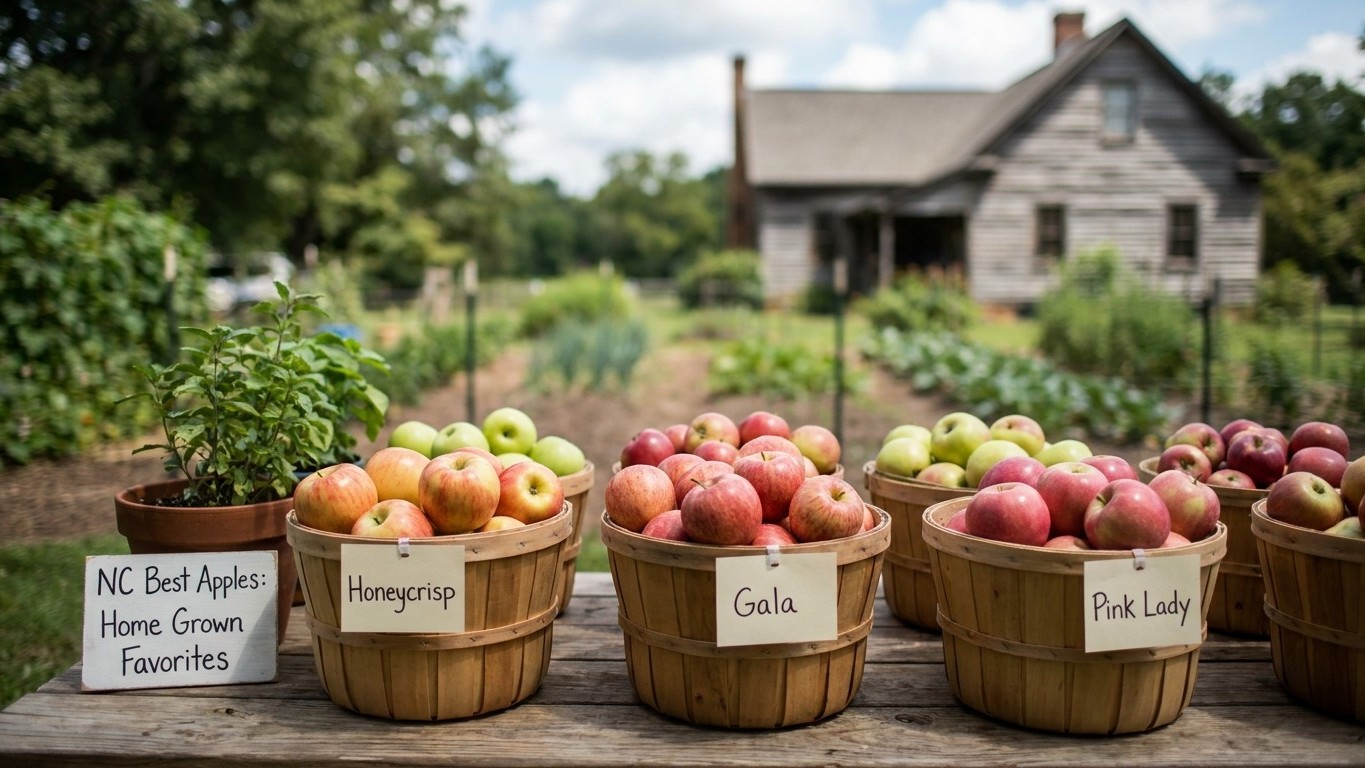
Apple success in North Carolina depends on matching a variety’s winter chill requirement and bloom timing to your county’s elevation and frost dates, not its hardiness zone.
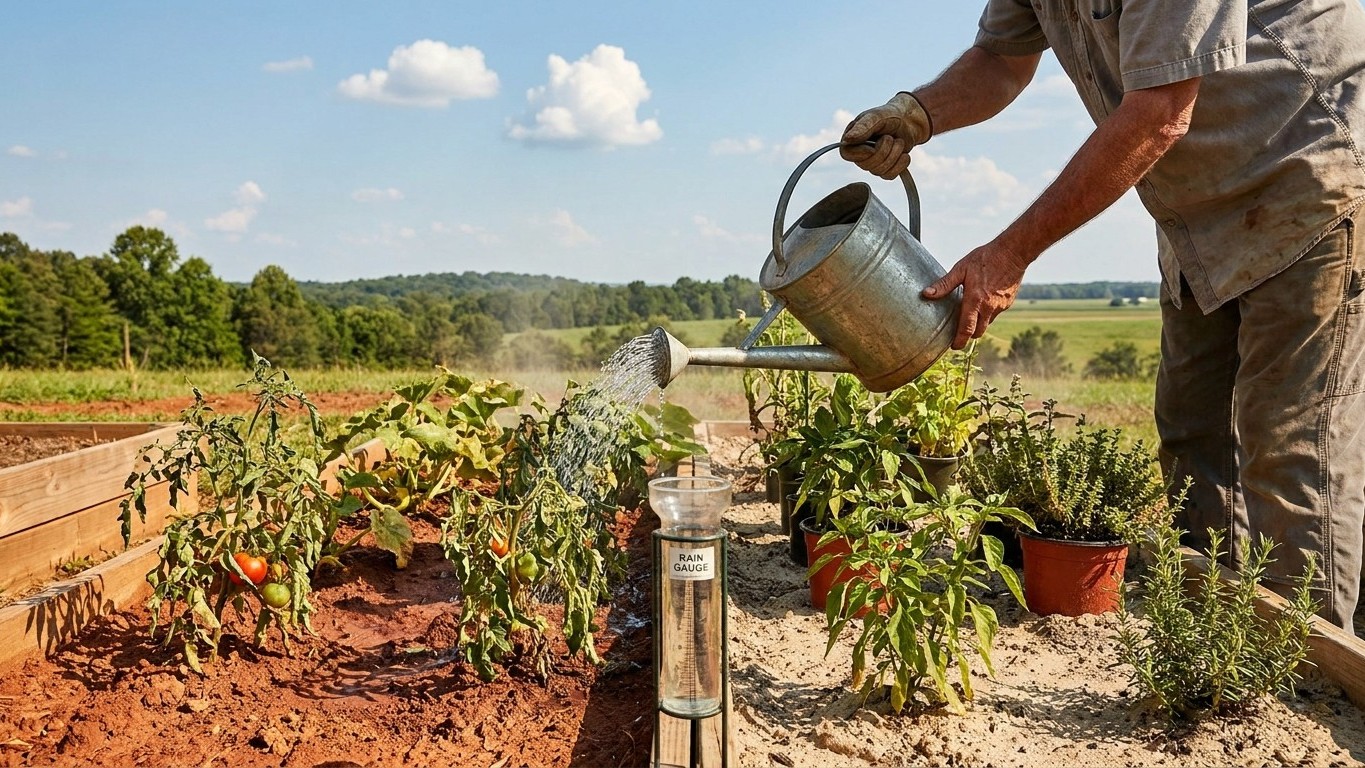
North Carolina gardens don’t follow one rulebook. A raised bed in the Piedmont clay around Charlotte behaves nothing like a bed on Blue Ridge slopes or…
Charlotte’s mean first fall frost lands somewhere between October 30 and November 8, according to NOAA’s 1991-2020 Climate Normals.
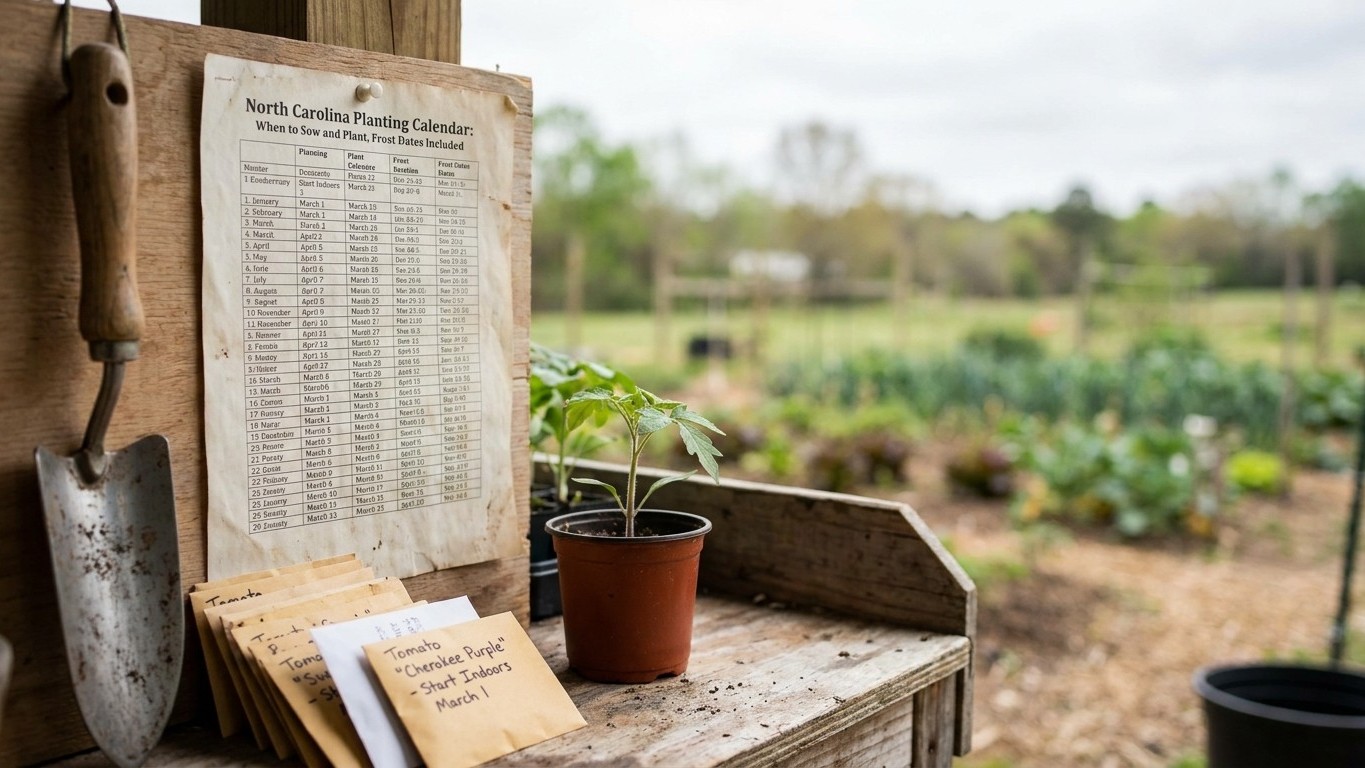
This calendar uses NOAA’s Charlotte frost dates and seed-catalogue days-to-maturity to time cool-season, warm-season, and fall planting across North Carolina.
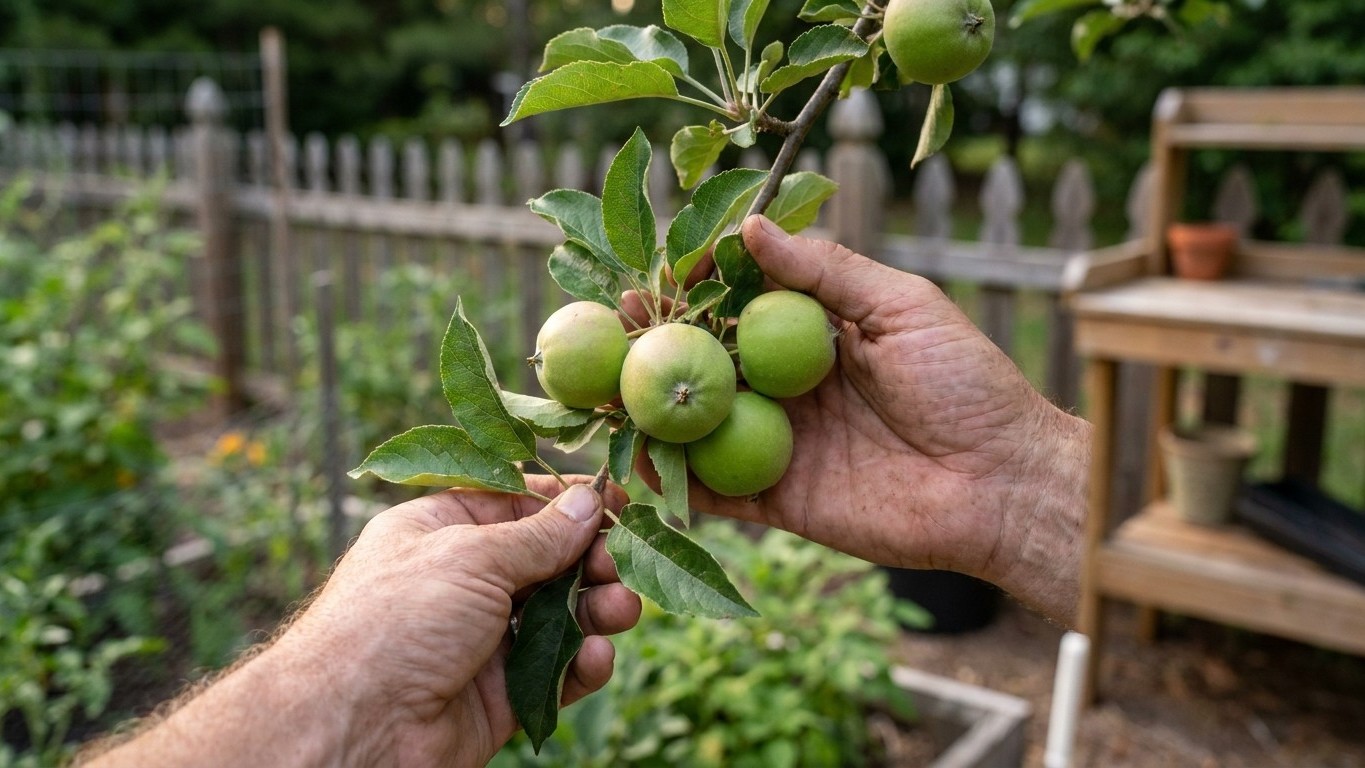
Apple growing success in North Carolina hinges on matching variety, pollinator and frost timing to your specific elevation, from coastal plain to Blue Ridge mountains.

North Carolina winters rarely punch hard, but they linger. That’s the real cost driver for anyone heating a home here: not extreme cold snaps, but months…
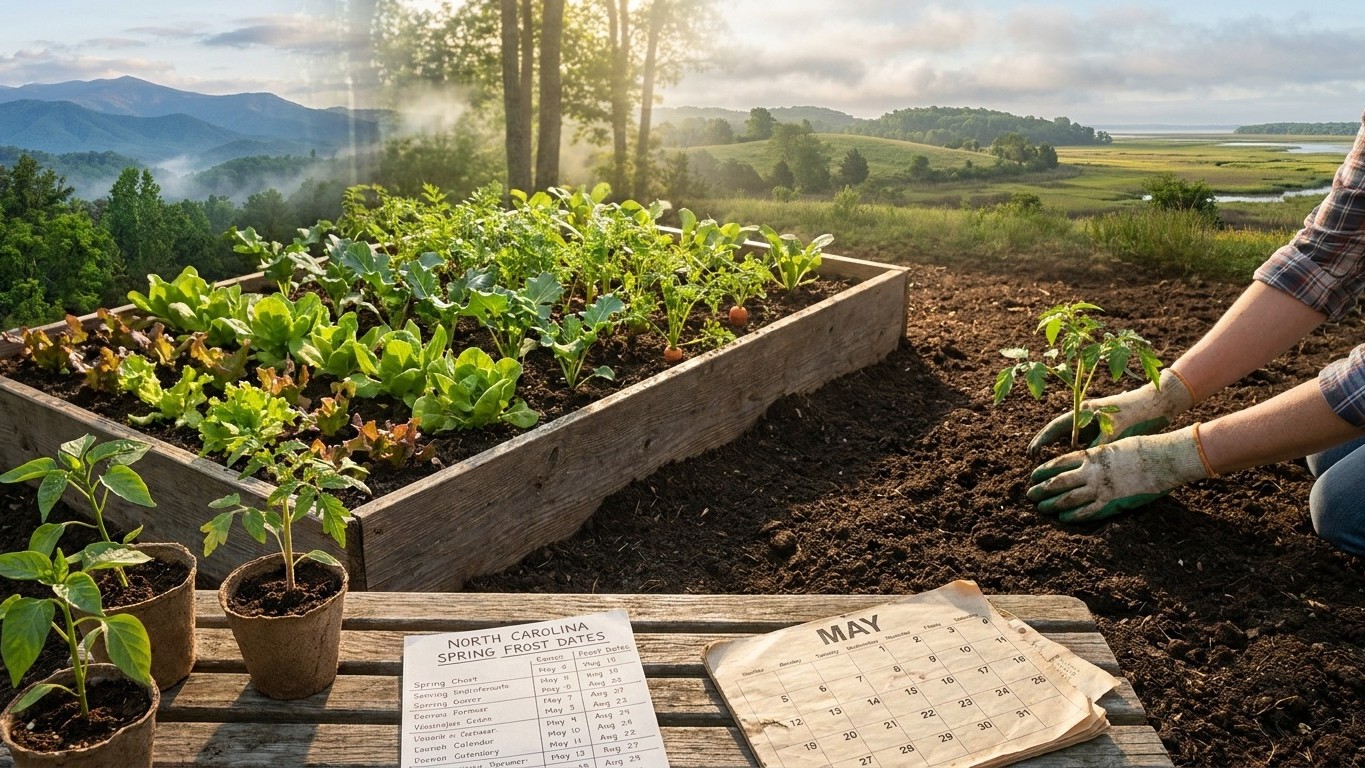
North Carolina’s growing season isn’t one thing. It runs from roughly 208 to 230 frost-free days depending on where you sit between the mountains and the…