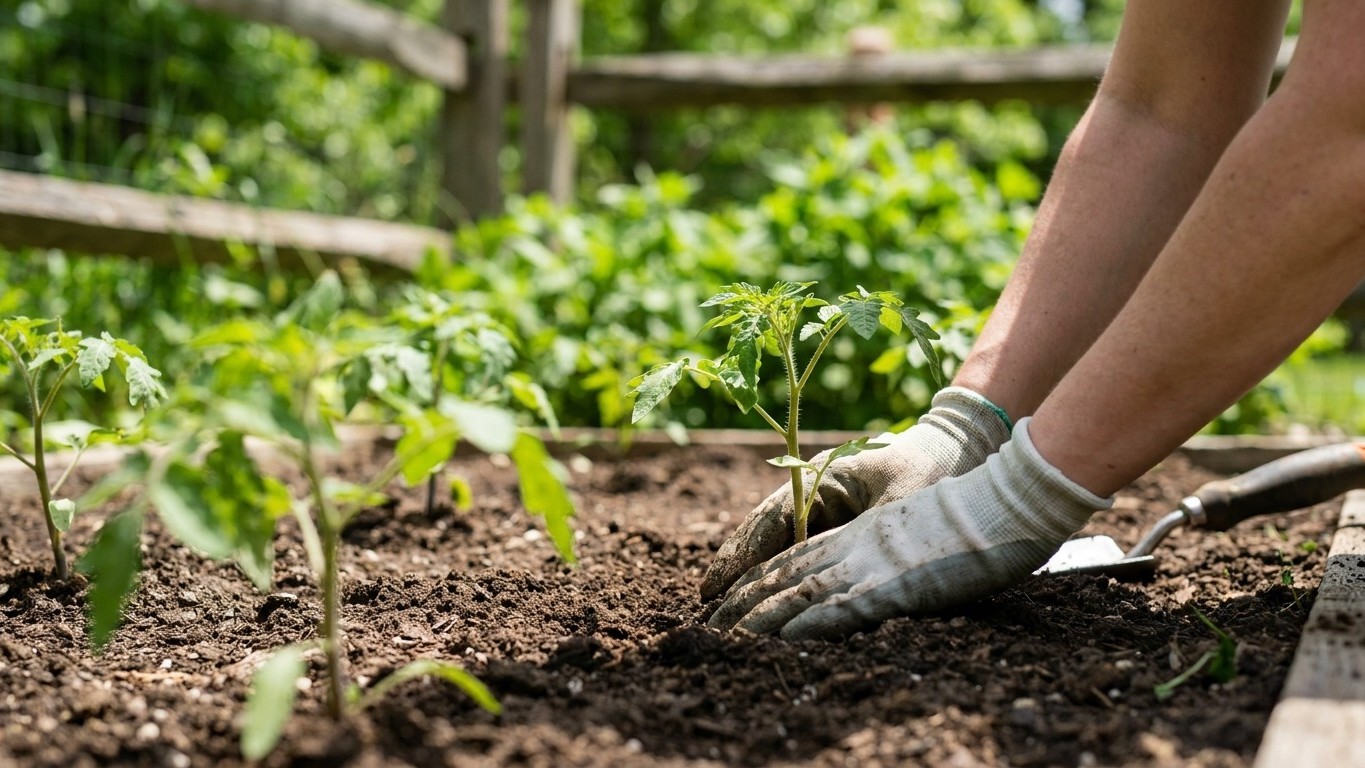

June is the green light month for North Dakota gardeners. The reference frost window for the state runs from May 4 to May 15, so by June the risk of a killing freeze has passed in most yards. That makes this the month to get warm-season crops like beans, squash, corn, tomatoes and peppers into the ground, while still squeezing in fast cool-season successions before the summer heat builds.
What goes in the ground in June

Soil temperature, not the date on the wall, decides what survives. A thermometer pushed four inches into the bed tells you more than any calendar. Warm-season crops want soil consistently above 60°F, and by June most North Dakota gardens have crossed that line, especially once the last frost window (May 4 to May 15 at the reference station) is behind you. That’s what separates a safe planting from a gamble this month: the soil has caught up with the air.
Warm-season crops that can go in now
Direct-sown beans, sweet corn, cucumbers, summer and winter squash, pumpkins and melons all belong in the ground in June. Transplants of tomatoes, peppers, eggplant and basil should go out now too, ideally after a few days of hardening off outside so the shock of wind and sun doesn’t stall them. If a cold snap threatens after a warm stretch, a floating row cover overnight buys insurance without costing growth.
Cool-season crops still worth a shot
It isn’t too late for a second round of quick cool-season crops. Lettuce, spinach and radishes sown early in the month can still mature before the summer heat turns them bitter, particularly in the state’s cooler northern counties or at higher elevation. Peas planted in early June will struggle once temperatures climb past the mid-80s, so treat that as a narrow window rather than a sure thing. Potatoes, if not already in, should go in during the first half of the month to leave enough growing season before fall harvest.
Skip anything that needs a long, hot stretch to finish, like okra in far northern counties, unless you’re working with black plastic mulch or a high tunnel to push the soil warmer than the open bed allows.
What to start under cover
Most of the spring indoor-seeding rush is over by June, but starting under cover still has a purpose: getting a jump on fall crops. Count backward from the first fall frost window, September 25 to October 5 at the reference station, rather than from today’s date. A cabbage or broccoli transplant needs roughly four to six weeks indoors before it’s ready to go into the garden, and it then needs another eight to ten weeks in the ground to mature before frost. Working backward from late September puts the ideal indoor start for fall brassicas right around early to mid-June.
The same backward math applies to a second round of quick greens meant for a fall harvest, or to squash and cucumber transplants started in cell trays for gardeners who lost early plantings to hail or flea beetles and need to replace them without losing the whole season.
Two mistakes show up every year at this stage. Starting too early, especially for fall brassicas, means the transplants sit in small pots far longer than they should, turning rootbound and leggy before there’s room for them outside. Starting too late runs the opposite risk: the plant never gets enough growing degree-days before the first fall freeze shuts things down. If in doubt, err a week earlier rather than later. A slightly oversized transplant is easier to manage than one racing a frost it can’t win.
What is ready to pick
June is when the earliest plantings finally pay off. Asparagus beds established in prior seasons are in full production, and spears should be cut while still tight and firm, before the tips start to feather out. Rhubarb stalks are thick and ready to pull by twisting rather than cutting, taking outer stalks first and leaving the center to keep producing.
Spinach, lettuce and other early greens sown in April or early May are hitting their peak this month. Harvest lettuce by the outer-leaf method to stretch the picking window, since whole-head harvest ends the plant’s productivity in one cut. Radishes sown early are ready within three to four weeks of sowing; leave them too long in warm soil and they turn woody and hot.
Green onions and any overwintered garlic tops can be thinned and used now, even though the bulbs themselves need more time. If a cold frame or low tunnel carried greens through the tail end of spring, those beds should be nearly finished by June as the covers trap too much heat for cool-season crops once daytime temperatures climb. Move that space over to warm-season plantings rather than fighting to keep spinach alive in a hot box.
The jobs that matter this month
June rewards gardeners who get ahead of a few specific tasks before they become bigger problems.
Staking, mulching and watering
Tomatoes, peas and vining squash need staking or trellising set up now, before the plants sprawl and tangle. Doing it after the fact means untangling stems and risking breakage. A two-to-three-inch mulch layer laid down this month locks in soil moisture before the hottest weeks arrive and suppresses the first flush of summer weeds while they’re still small and easy to smother. Watering rhythm matters more than volume: one deep soak that reaches six inches down beats several shallow sprinklings, which encourage roots to stay near the surface where they dry out fast.
Succession sowing and pest scouting
Beans, beets, carrots and bush cucumbers can be sown again in staggered batches through June to spread out the harvest instead of getting hit with everything at once in August. Pest scouting matters right now too. Colorado potato beetle larvae and flea beetles are active on young potato and brassica plants this month, and catching an infestation in its first week is far easier than fighting it once it’s spread across a bed. Check the undersides of leaves every few days rather than waiting for visible damage on top.
What not to do in June
The most common mistake this month is trusting the air temperature over the soil. A string of 75°F days can feel like a green light, but if a cold, wet spring left the soil still chilled a few inches down, warm-season transplants set out too soon will simply sit and sulk, sometimes for weeks, sometimes permanently. Check soil temperature at planting depth, not the forecast, before committing tomatoes and peppers to the ground.
A second mistake is skipping the hardening-off step because the calendar says it’s safe. Transplants raised indoors or in a greenhouse need several days of graduated outdoor exposure, starting with an hour or two in filtered light and working up to a full day, before they go into open ground. Skip that step and even a mild, sunny day can scorch leaves that have never felt direct sun.
Nitrogen timing trips up tomato growers every season. A heavy nitrogen feeding once plants are flowering pushes lush green growth at the expense of fruit set. Save the nitrogen boost for the early vegetative stage and switch to a balanced or lower-nitrogen feed once blossoms appear. And resist the urge to thin seedlings late. Crowded carrots, beets and lettuce sown early in the month need thinning within the first two to three weeks, while roots are small and easy to pull without disturbing their neighbors.
Checking this against your own county
A state-wide planting month is a starting point, not an instruction. North Dakota’s climate shifts meaningfully from the Red River Valley in the east to the higher, drier ground in the west, and elevation changes push frost windows earlier or later by a week or two on their own. The reference frost dates cited here come from a single airport weather station, and most suburban and rural gardens see a later last spring frost and an earlier first fall frost than that station records, sometimes by one to two weeks.
Before committing warm-season transplants to open ground, check local conditions against the North Dakota State University Extension service, which tracks county-level guidance and seasonal updates that a single statewide date range can’t capture.
Common questions
Is it too late to plant tomatoes in North Dakota in June?
No. June is actually the safest month for setting out tomato transplants in most North Dakota gardens, since the reference last frost window (May 4 to May 15) has typically passed. Just harden off transplants first and check that soil temperature has warmed before planting.
Can I still direct-sow peas in June in North Dakota?
Early June sowings can still succeed, particularly in cooler northern counties, but peas struggle once temperatures climb into the mid-80s and beyond. Treat late peas as a narrow window rather than a reliable planting.
What vegetables are ready to harvest in North Dakota in June?
Asparagus and rhubarb from established beds, along with early-sown spinach, lettuce, radishes and green onions, are typically ready to pick this month.
Why is my county’s frost date different from the state average?
The frost dates cited for North Dakota come from a single reference weather station. Elevation, distance from the Red River Valley, and local terrain all shift actual frost timing, often making rural and suburban gardens experience a later spring frost and earlier fall frost than the reference figures suggest.