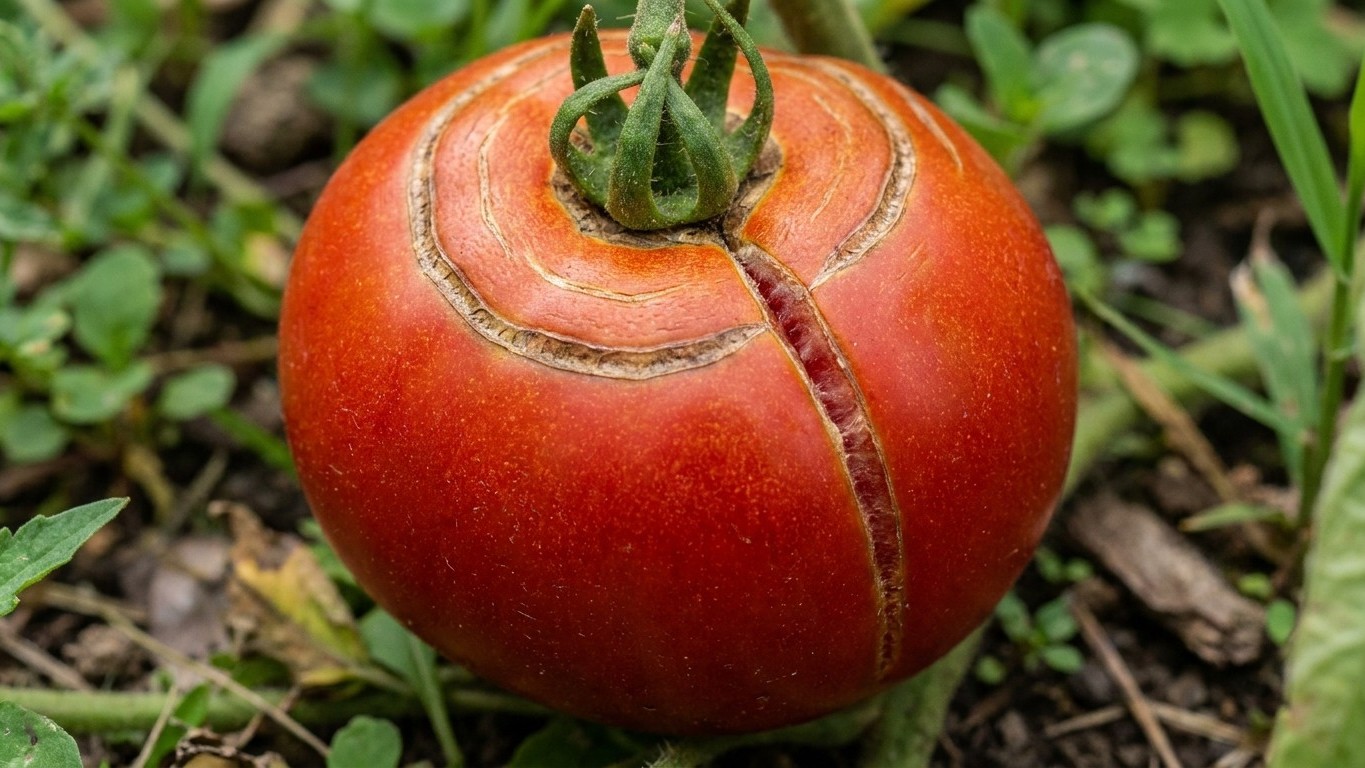

Most tomato harvest decisions in North Dakota get made by the calendar, not by the fruit itself. The state’s short growing season pushes gardeners to pick before ripeness is finished, and the trigger is almost always a frost forecast rather than color. Once that shift in thinking clicks, the rest of the season gets a lot less stressful.
When to pick tomatoes in North Dakota
The number that matters most this time of year is the first fall frost window, which runs September 25 to October 5 at the reference weather station used for statewide climate data (NOAA NCEI, 1991-2020 Climate Normals). That’s a 30-70% probability band for a 32F freeze, not a fixed date, and it comes from an airport station. Gardens outside that immediate area, especially in low-lying spots, wooded lots, or higher-elevation counties, often see frost arrive one to two weeks earlier than the reference figure. If you garden outside the core Fargo area, treat that window as a starting point and lean early rather than late.
The state’s hardiness zones range from 3a to 4b under the USDA Plant Hardiness Zone Map, a system built on one variable: average annual extreme minimum winter temperature. It doesn’t predict your first fall frost date directly, but it does explain why the growing window here is so tight compared to states farther south, and why harvest timing carries more weight in North Dakota than in milder climates.
What actually triggers the pick
Rather than counting days to a single date, watch the ten-day forecast starting in early September. The decision point isn’t “is it ripe,” it’s “will it survive tonight.” Fruit that has started to change color, called color break, will finish ripening off the vine. Fruit still fully green and hard usually won’t develop good flavor no matter how you store it, though it can still be used cooked.
- Mature green: full size, pale green to whitish, will ripen slowly indoors
- Color break: first blush of pink, yellow, or red visible, ripens fastest and best
- Immature green: small, dark green, glossy, best used cooked rather than ripened
Once a frost warning posts for your county, pick everything at mature green stage or beyond that same day. A single night in the low 30s can turn a tomato mushy and inedible within 24 hours, even if the air temperature only dips briefly before sunrise.
What to do with the green ones
Not every green tomato is worth trying to ripen. Sort them first, because the sorting decision changes what you do next. Anything past color break goes into a ripening spot indoors. Fully green, hard fruit is a separate category, and it’s worth being honest about which pile is bigger, since a frost dump usually skews toward immature fruit.
For the truly green tomatoes, cooking is more reliable than waiting. Fried green tomatoes, green tomato salsa, chow-chow, and pickled green tomatoes all use the fruit’s firmness and tartness on purpose rather than fighting it. These recipes don’t require any ripening at all, which makes them the fastest way to use a large frost-driven harvest without babysitting trays of tomatoes for weeks.
Sorting by size and use
Size matters almost as much as color. Small to medium green tomatoes hold up better in pickling brine and slice more evenly for frying. Larger green tomatoes, especially beefsteak types, tend to have more moisture and can turn mealy if ripened slowly, so they’re often better used green in relishes or chutneys rather than saved for the fruit bowl.
- Color break or later: set aside to ripen indoors
- Firm, fully green, small-to-medium: best for pickling or frying
- Firm, fully green, large: best for relish, chutney, or green salsa
- Split, bruised, or frost-touched: use immediately or discard, don’t try to store
Any fruit that already shows soft spots or a water-soaked look from a light frost brush shouldn’t go into storage with the rest. It will break down faster and can speed up rot in whatever it’s stored next to. Handle those first, either in the kitchen that day or in the compost bin.
Ripening indoors, and how long they keep
Indoor ripening works because tomatoes give off ethylene gas as they mature, and trapping that gas around the fruit speeds the process along. A cardboard box lined with newspaper, or a paper bag with the top folded over, does the job better than an open countertop bowl. Keep the fruit in a single layer where possible, since a tomato touching a moldy neighbor can pick up rot fast.
Room temperature, somewhere in the mid-60s to low-70s Fahrenheit, ripens fruit steadily without cooking it from the inside. Warmer spots speed things up but can also soften the flesh unevenly, while a cold windowsill or an unheated porch slows ripening to a crawl and raises the odds of rot winning the race. Direct sunlight isn’t needed and can actually cause soft spots on the sun-facing side.
Speeding it up, or slowing it down
Adding a ripe banana or apple to the box increases the ethylene concentration and shortens ripening time noticeably, a trick worth using on fruit that’s still mostly green and you’re in no rush to eat it right away. Going the other direction, spreading fruit out in a cooler, dimmer space and checking less often stretches out a harvest so it doesn’t all come ripe on the same weekend.
Check the box every few days rather than daily. Pull ripe fruit out as soon as it colors up fully, both to eat it at its best and to keep it from sitting next to fruit that’s still working through the process. Any tomato that develops a soft brown patch or visible mold should come out immediately, since one bad tomato in a closed box spreads spores to its neighbors quickly.
For general questions on extending the harvest or handling a large volume of green fruit after an early frost, the NDSU Extension office is the standard local resource for North Dakota gardeners.
What goes wrong here
The most common mistake is waiting too long to pick because the forecast “only” calls for a light frost. North Dakota’s frost windows are ranges, not guarantees, and a station-based forecast can miss a cold pocket in a low spot or a rural yard by several degrees. Gardeners who wait for a hard freeze warning before picking often lose a chunk of the harvest to a milder frost that still damaged the fruit overnight.
Storing frost-touched fruit alongside healthy green tomatoes is another frequent misstep. Even a light touch of frost changes the cell structure enough that the fruit breaks down faster in storage, and it can accelerate rot in the box around it. Separate anything that was outside during a frost event before it goes into a ripening container, and check that batch daily instead of every few days.
Sealed containers and crowded boxes
A completely sealed plastic container without any airflow traps moisture along with the ethylene, and that moisture is what feeds mold. A paper bag or a loosely covered cardboard box lets some air move through while still concentrating the ripening gas, which is the balance you want. Piling tomatoes several layers deep has the same problem: the fruit on the bottom bruises under the weight and starts breaking down before it even finishes ripening.
Finally, treating every green tomato the same way wastes both time and fruit. Immature, small green tomatoes rarely ripen into anything worth eating fresh, no matter how long they sit in a box, and holding onto them past their usefulness just delays getting them into the kitchen for a recipe where their firmness is actually the point.
Common questions
Can tomatoes ripen after a light frost has already touched them?
Fruit that shows only minor surface discoloration from a brief, light frost can sometimes still ripen, but it should be used quickly rather than stored long-term. Anything with soft, water-soaked patches has already started breaking down and won’t improve with time.
Do all green tomatoes eventually turn red if I wait long enough?
No. Tomatoes picked at the immature green stage, small and hard with no hint of color change, often stall out and never ripen properly, even in ideal indoor conditions. Fruit at color break or later is far more reliable.
Should I bring tomato plants indoors instead of just picking the fruit?
Whole plants can be pulled and hung upside down in a garage or basement, which lets remaining fruit ripen gradually on the vine in a protected space. This works well for a plant with a lot of unripe fruit still attached close to frost season.
How do I know if my area’s frost date differs from the reference station?
Check with your local NDSU Extension office or compare notes with neighbors who’ve gardened in your specific area for several seasons. Low spots, wooded areas, and locations away from the immediate Fargo airport station commonly see frost earlier than the reference window.