When to Dig Up Dahlias, Cannas and Gladiolus in Nova Scotia
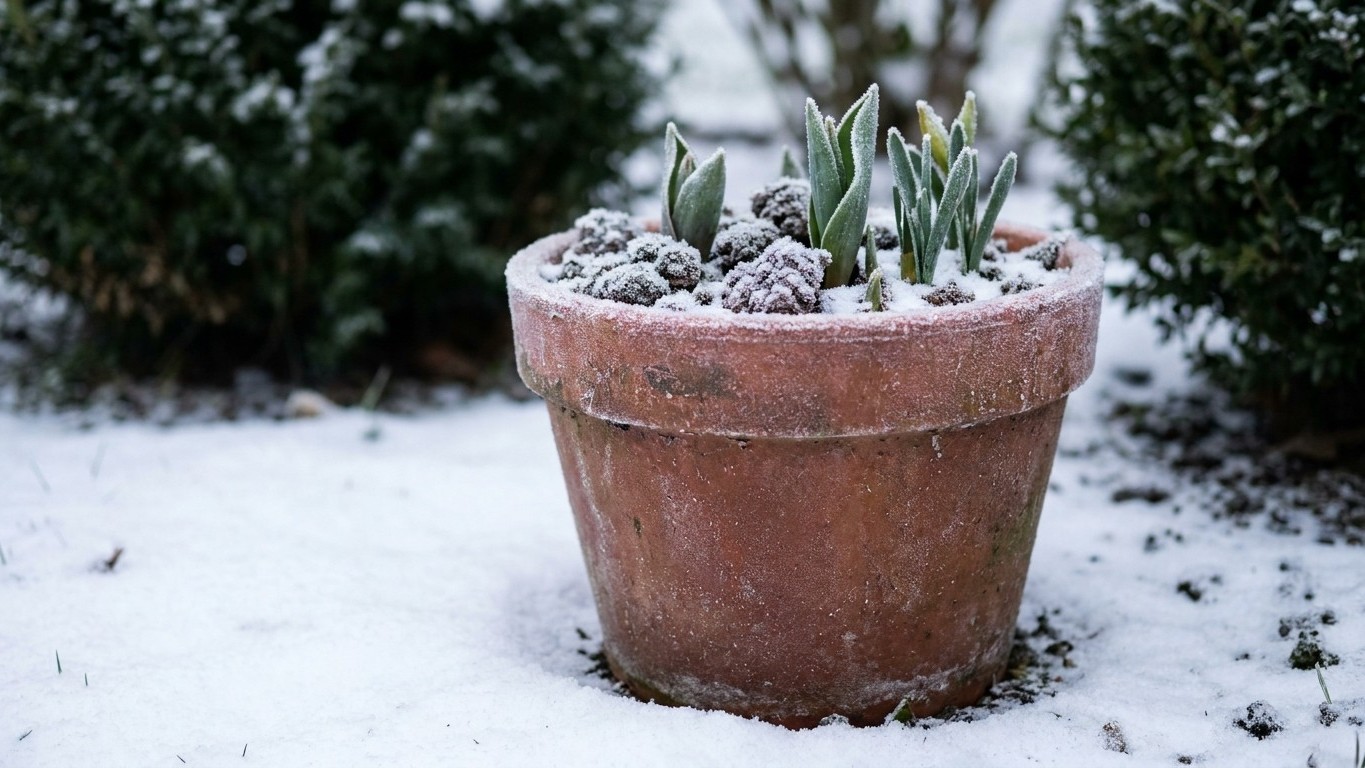
In Nova Scotia, dahlias, cannas and gladiolus come out of the ground after the first frost blackens their leaves.
Home & garden, state by state
Everything we have worked out for Nova Scotia: what to plant and when, which varieties finish in time, the pests that actually turn up here, and the jobs that pay off month by month. We also cover the rest of the property, from lawns and soil to home care and energy, because a garden rarely stops at the vegetable bed.
The numbers first, because everything else follows from them. Measured at the weather station in Halifax, the last spring freeze falls around May 7 and the first fall freeze falls around October 18, 1,659 growing degree days in the year.
That is enough for early varieties, tight for anything late. Garlic does well: 30.4 weeks below 40 °F, comfortably past the six it needs to form a proper head.
Elsewhere on the property in Nova Scotia: the pests that turn up here.
Figures from Environment and Climate Change Canada. A state is not one climate: elevation, a large lake or the coast can move these dates by two weeks either way, so check your own county with the extension service before you spend money.
In Nova Scotia, dahlias, cannas and gladiolus come out of the ground after the first frost blackens their leaves.
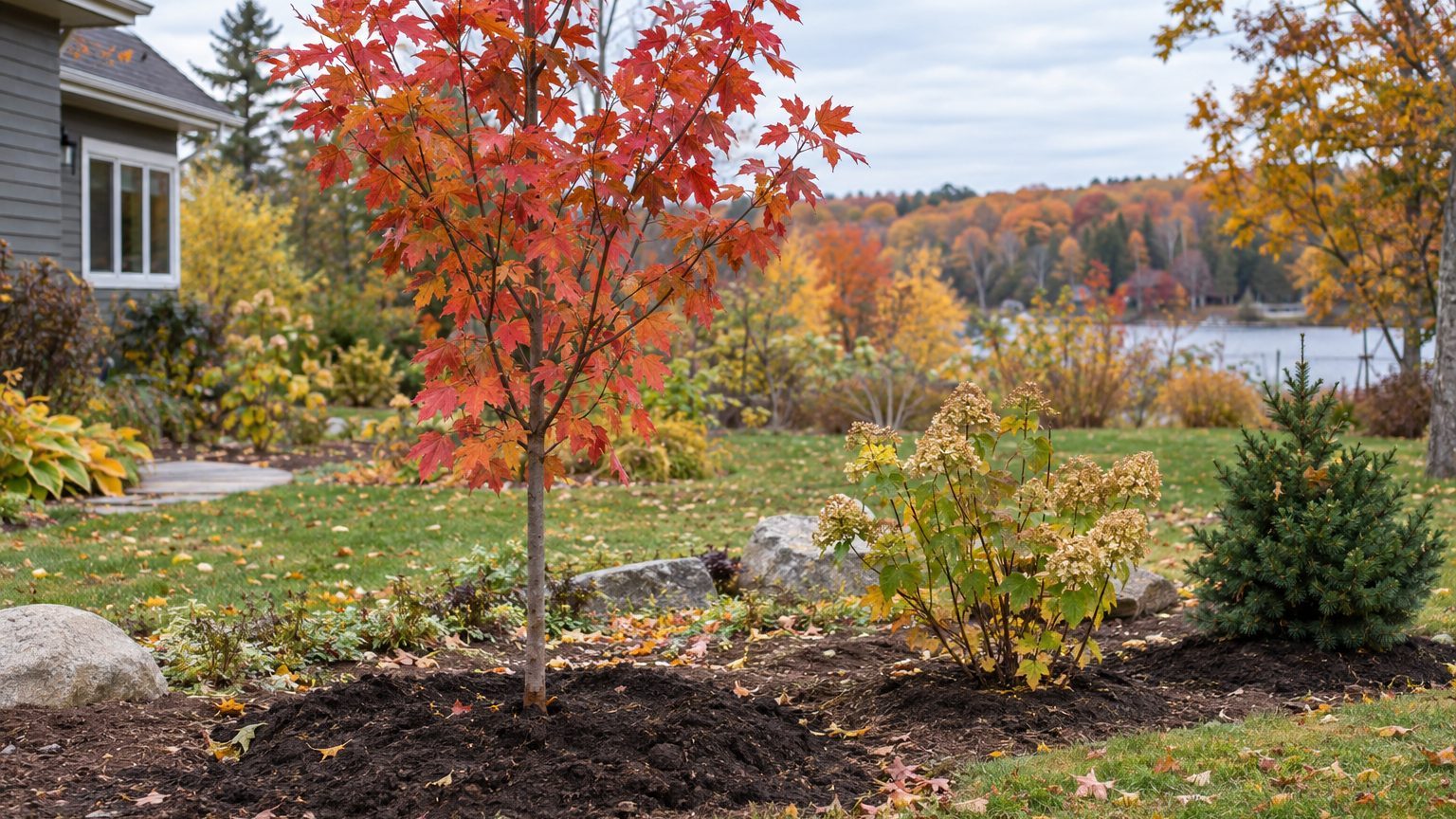
Six weeks before the first fall frost is the conservative cutoff for planting trees and shrubs in Nova Scotia.
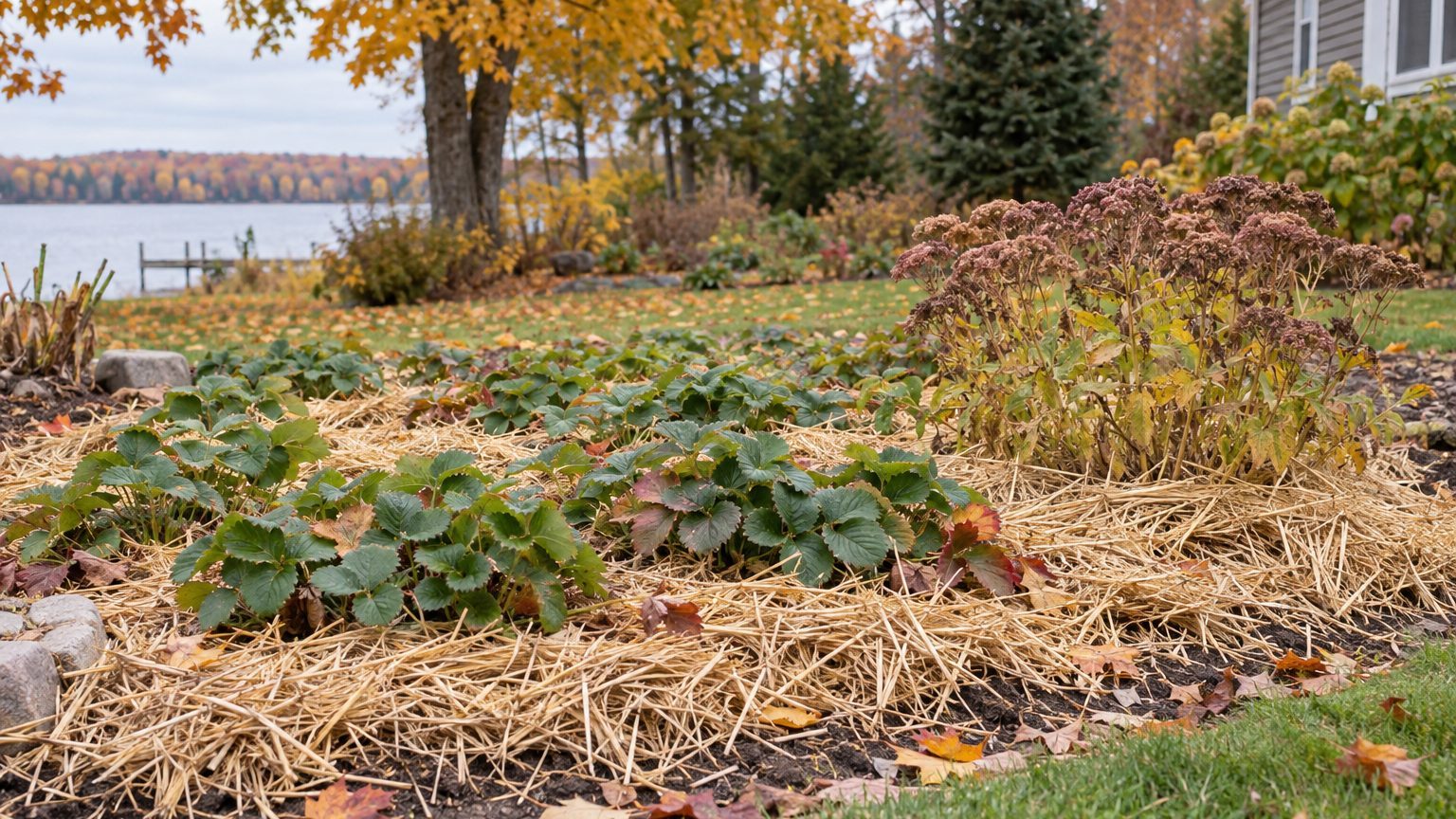
Mulch strawberries and perennials after the ground begins to freeze, not after the first frost.
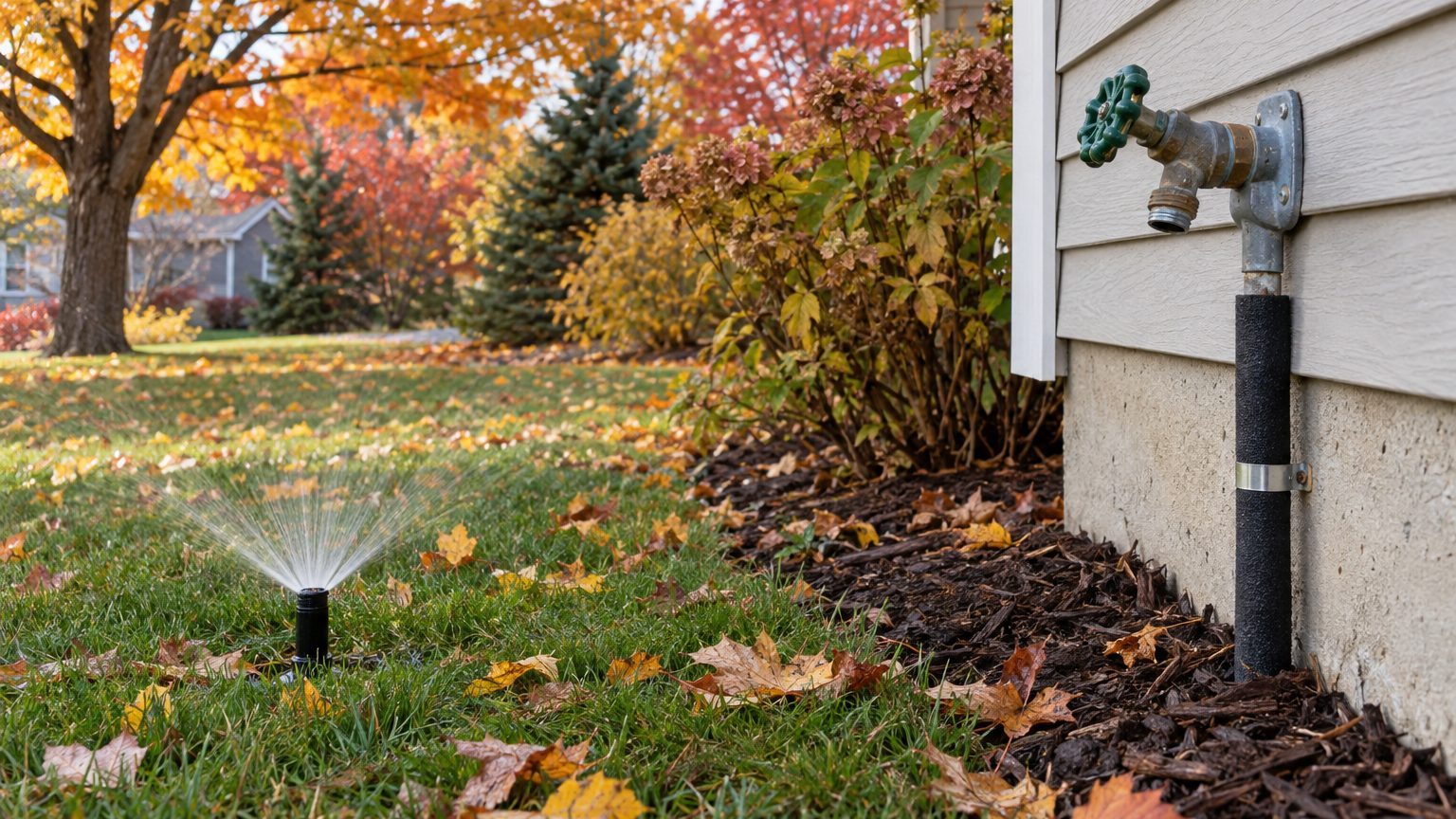
Start in October and finish before the nights turn hard. That is the short answer for a sprinkler system in Nova Scotia, and it holds for outdoor faucets…
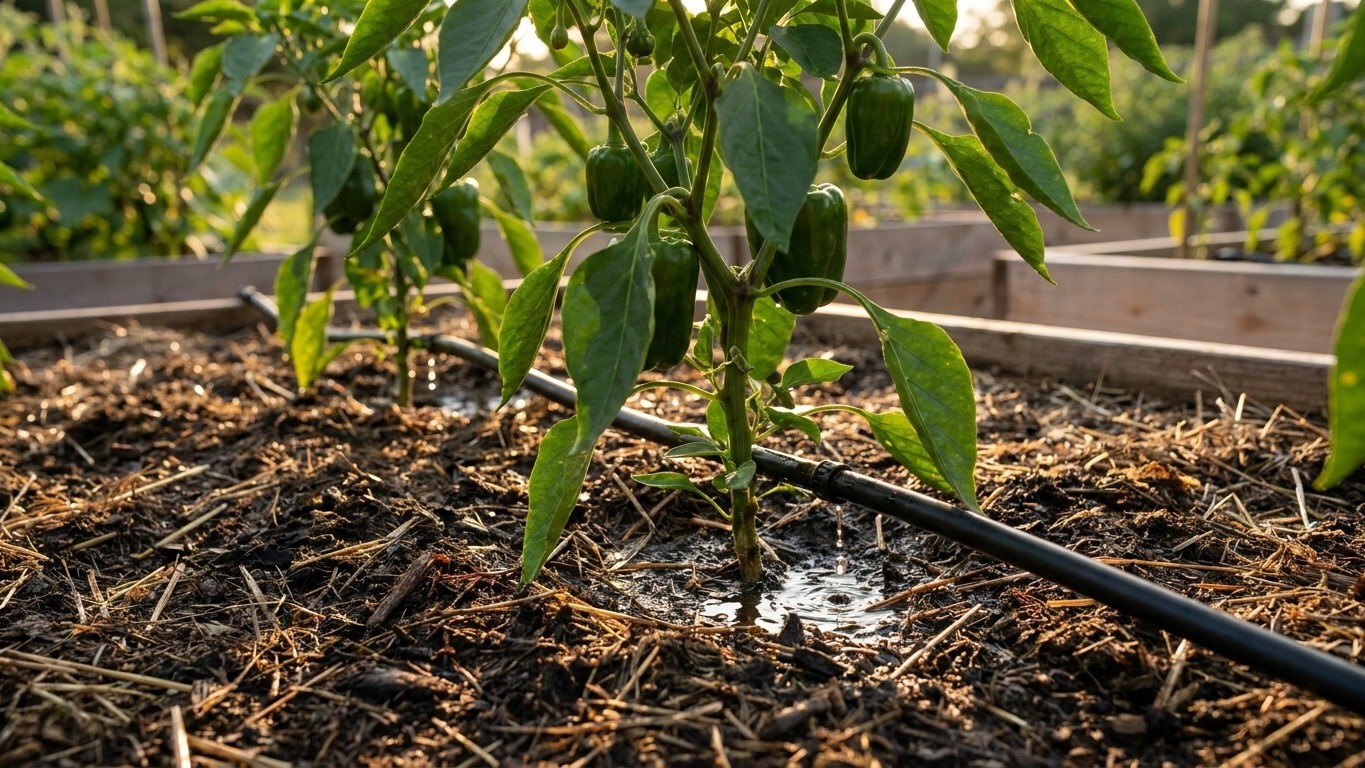
This page can’t give you an honest, complete pest list for Nova Scotia, because the data behind it names no pest species for the province and no Nova…
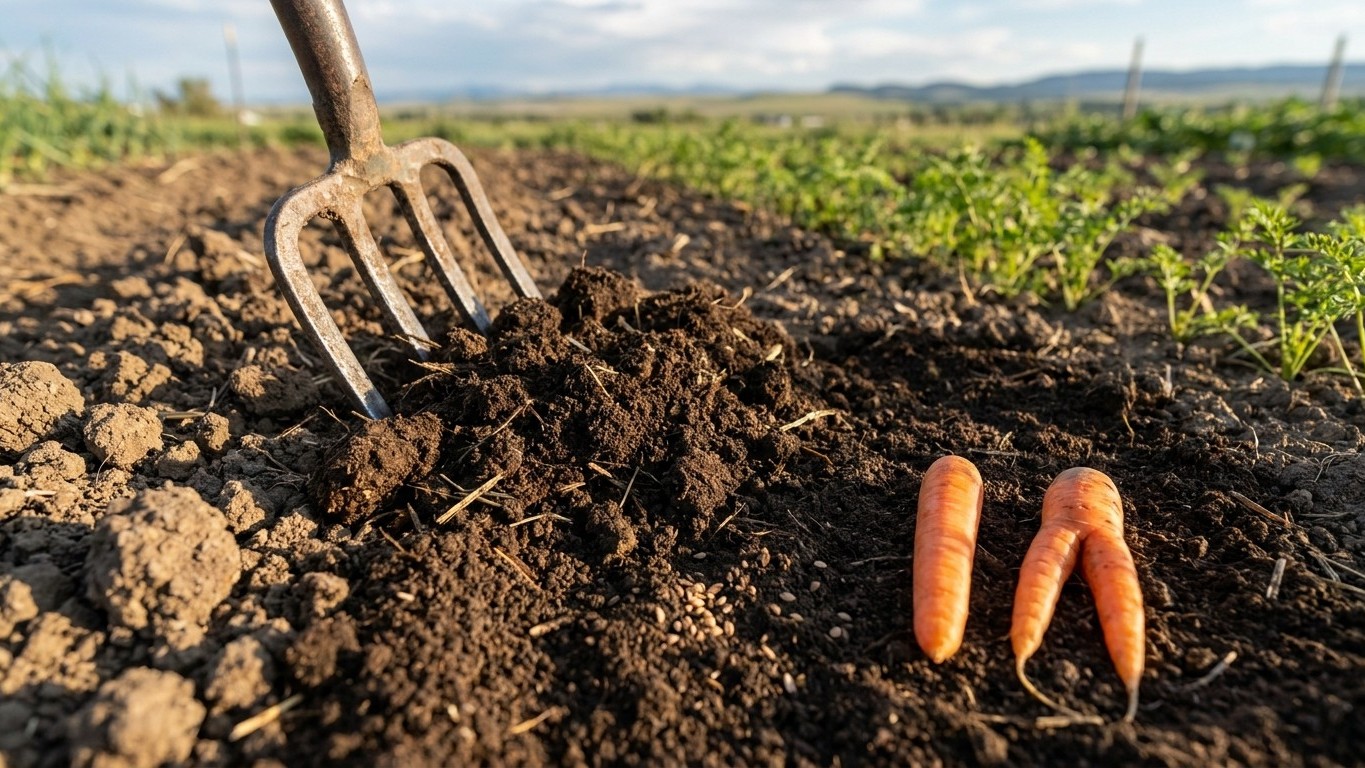
The honest answer for Nova Scotia is that no province-specific insect inventory backs this page.
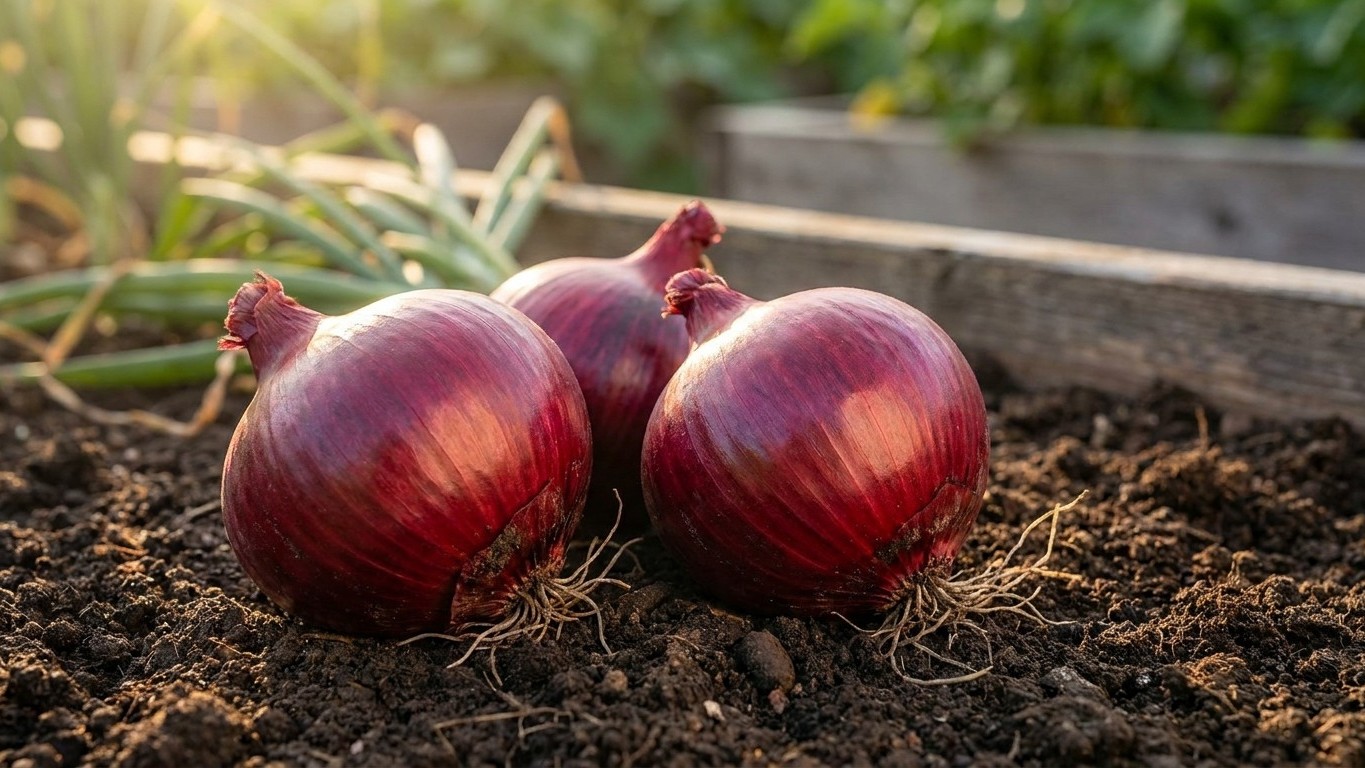
Of the ten insects most often cited for gardens in this part of Atlantic Canada, only one is actually documented as an onion feeder.
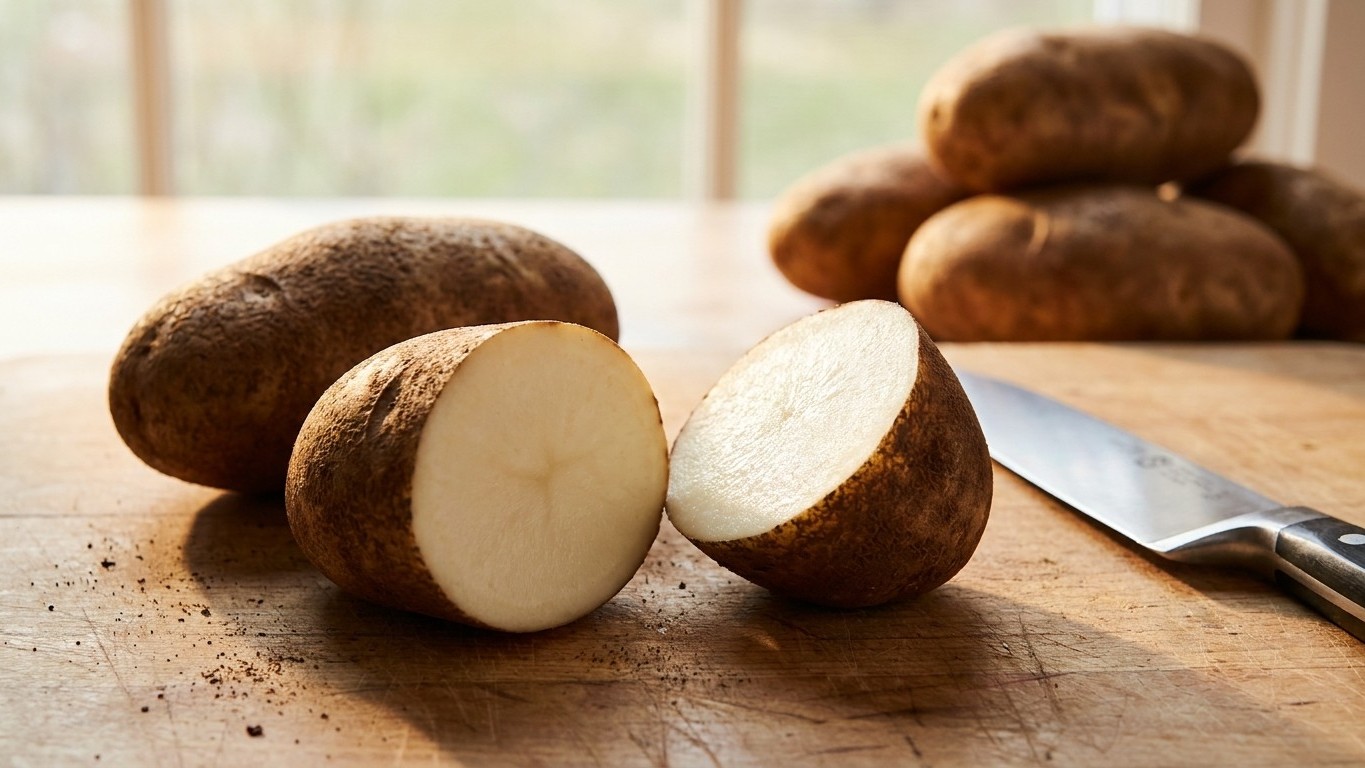
Two insects on Nova Scotia’s documented pest list actually feed on potato: the Colorado potato beetle, which strips foliage from the plant above ground…

Statistics Canada puts air conditioning ownership across the Atlantic region, which groups Nova Scotia with New Brunswick, Prince Edward Island and…
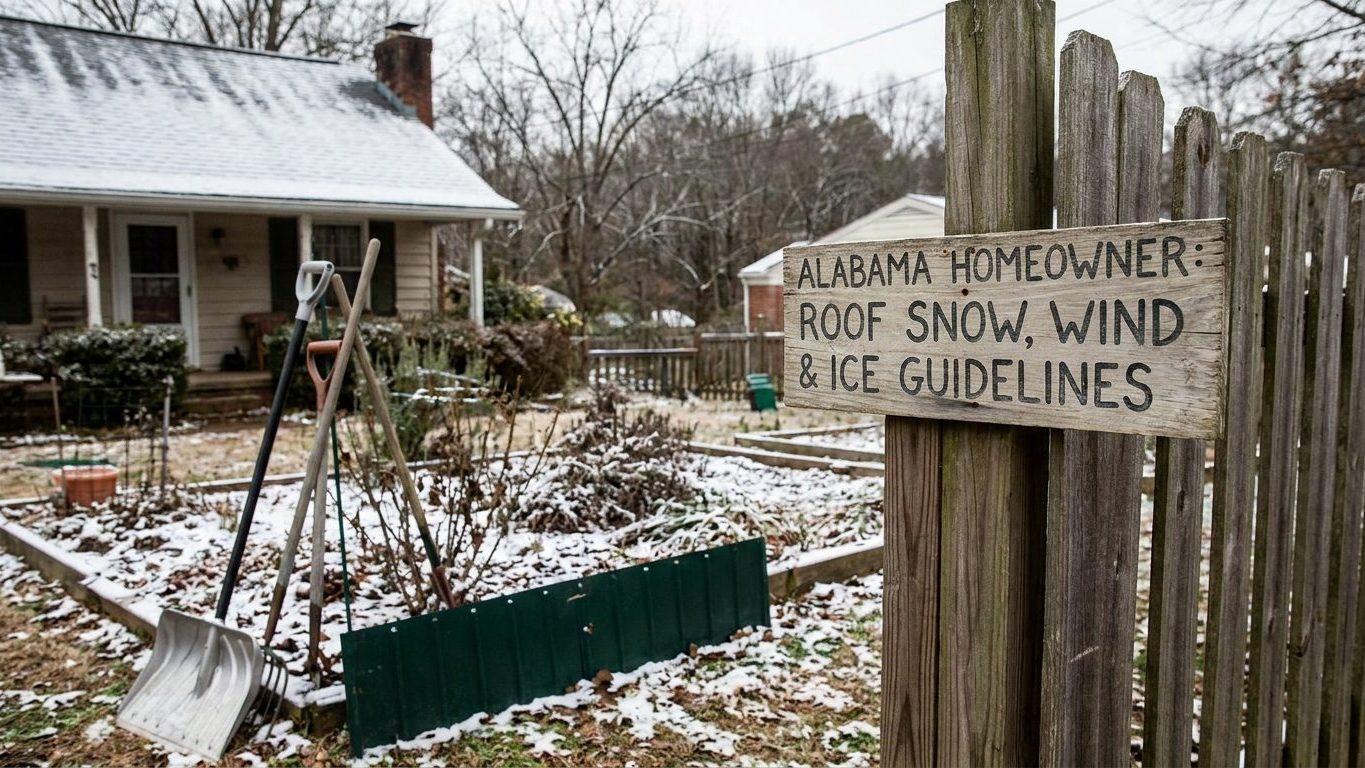
Nova Scotia’s building code sets Halifax’s ground snow load, rain-on-snow addition and design wind pressure, plus what triggers ice barrier membrane under shingles.