When to Sow Pumpkins in Nova Scotia
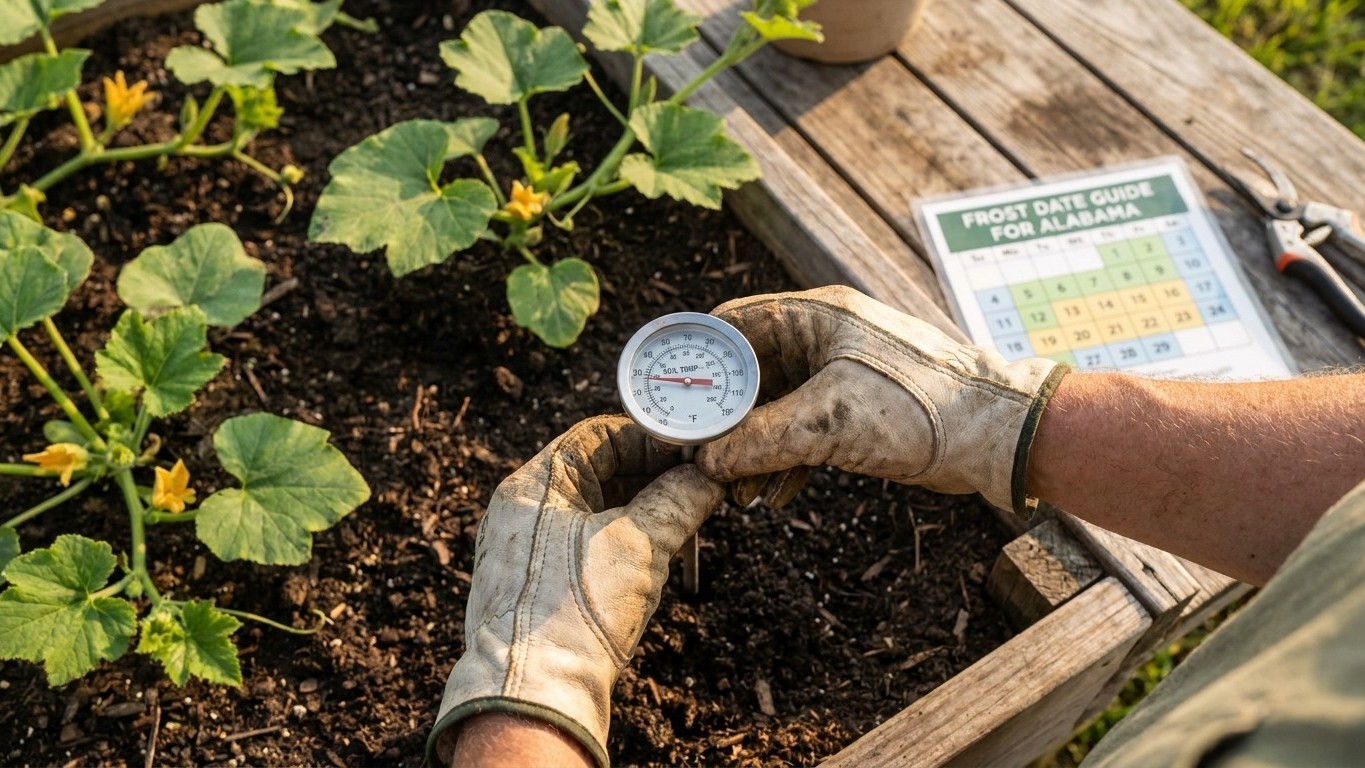
In Nova Scotia, pumpkin seed goes into the ground once the soil holds steady at 65°F, which typically lands in late May to early June, well past the…
Home & garden, state by state
Everything we have worked out for Nova Scotia: what to plant and when, which varieties finish in time, the pests that actually turn up here, and the jobs that pay off month by month. We also cover the rest of the property, from lawns and soil to home care and energy, because a garden rarely stops at the vegetable bed.
The numbers first, because everything else follows from them. Measured at the weather station in Halifax, the last spring freeze falls around May 7 and the first fall freeze falls around October 18, 1,659 growing degree days in the year.
That is enough for early varieties, tight for anything late. Garlic does well: 30.4 weeks below 40 °F, comfortably past the six it needs to form a proper head.
Elsewhere on the property in Nova Scotia: the pests that turn up here.
Figures from Environment and Climate Change Canada. A state is not one climate: elevation, a large lake or the coast can move these dates by two weeks either way, so check your own county with the extension service before you spend money.
In Nova Scotia, pumpkin seed goes into the ground once the soil holds steady at 65°F, which typically lands in late May to early June, well past the…
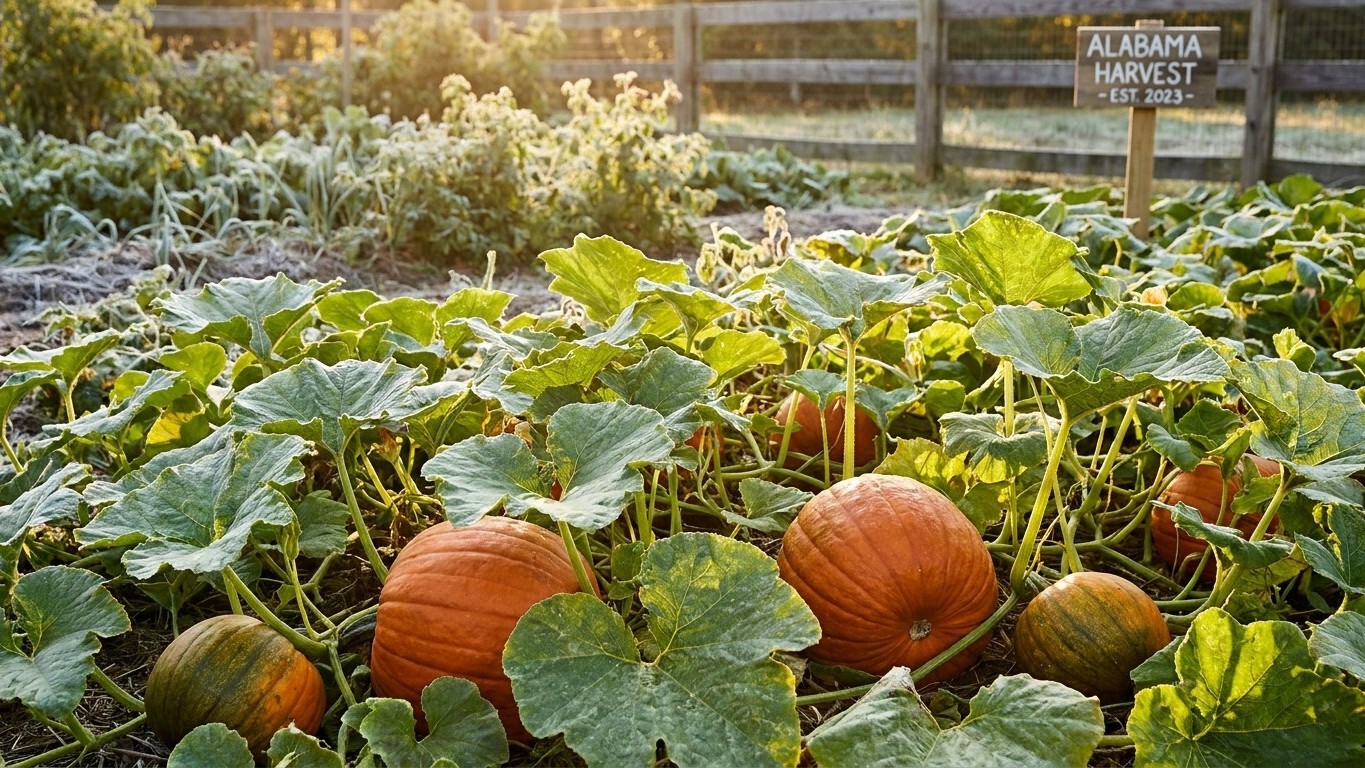
In Nova Scotia, the honest answer is: sometimes, and it depends more on your flowering date than your calendar.
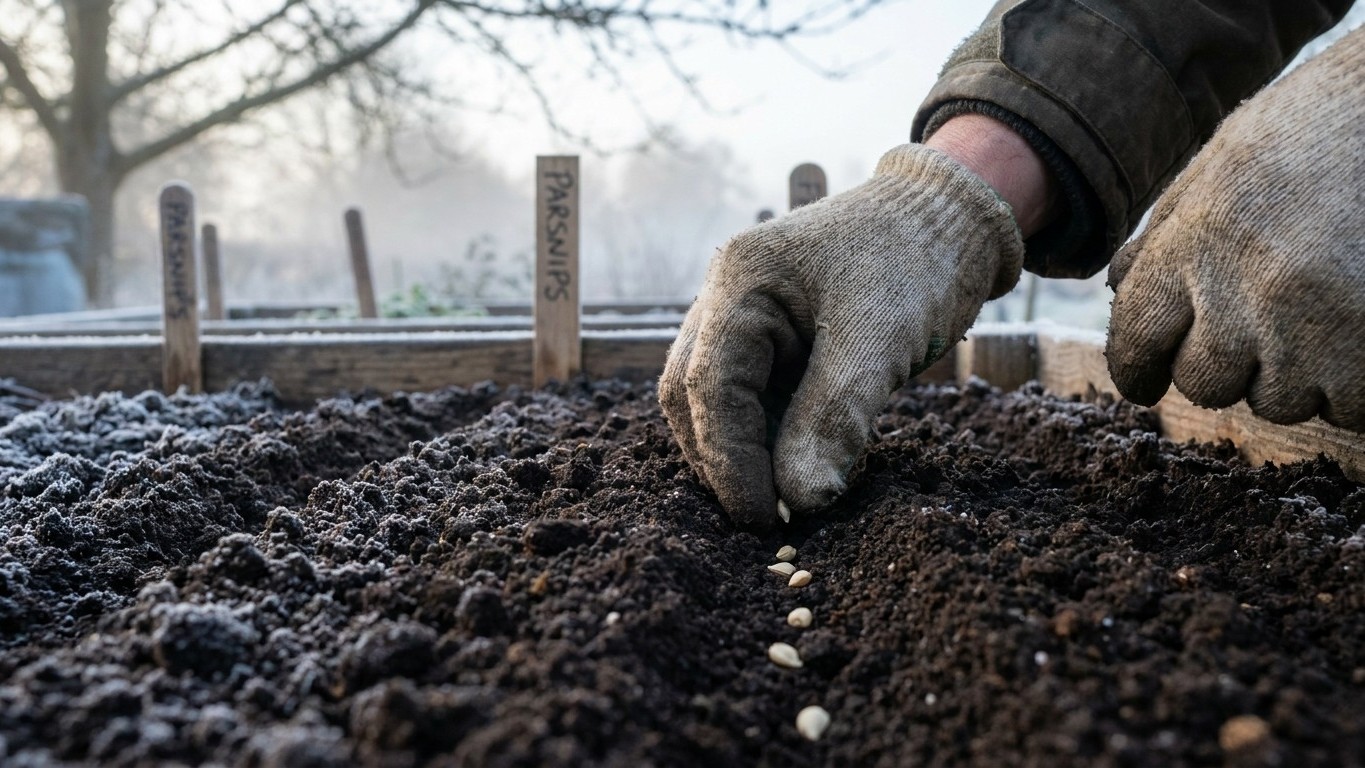
Nova Scotia’s coldest month averages a mean minimum of 13.3°F, cold enough to hand parsnips the extended chill they need to convert starch to sugar.
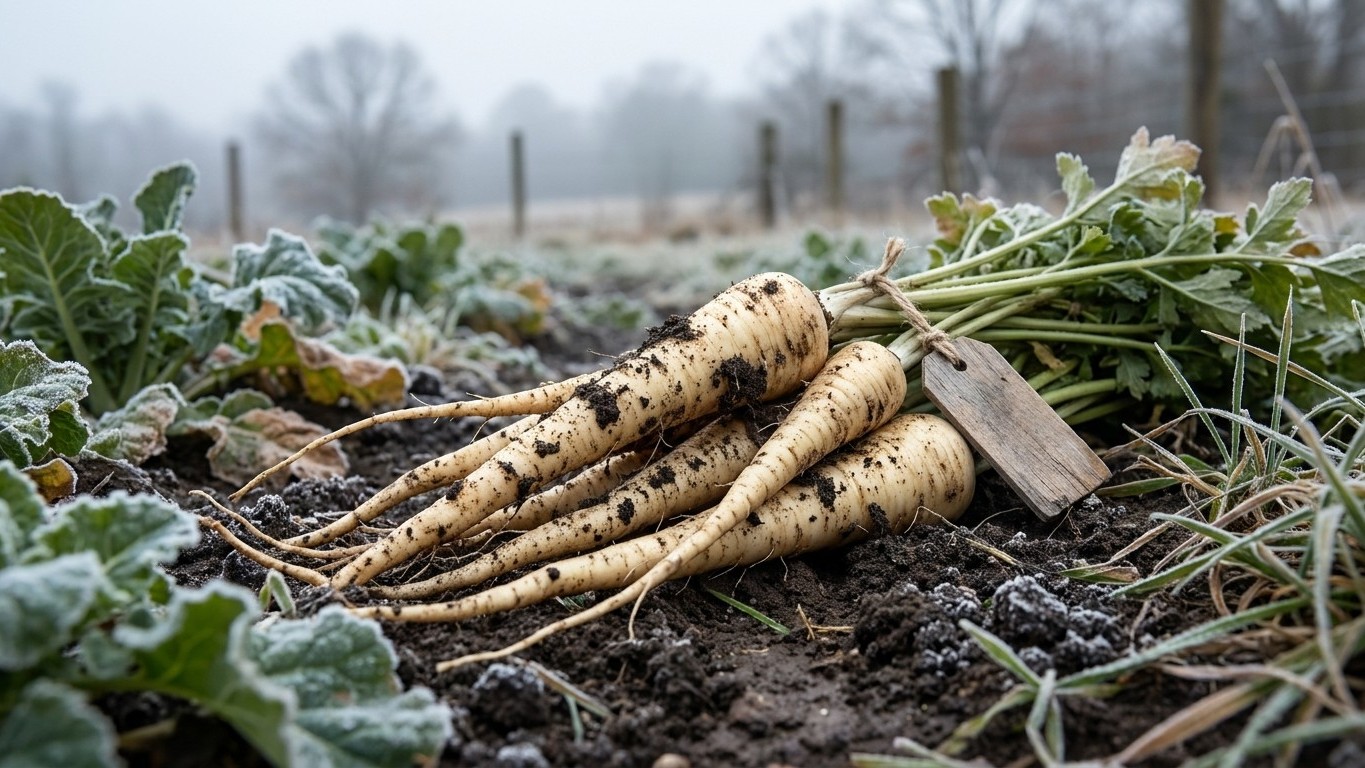
Yes, the Halifax area gets cold enough, for long enough, to sweeten parsnips properly, and the growing season leaves plenty of room to size up the roots…
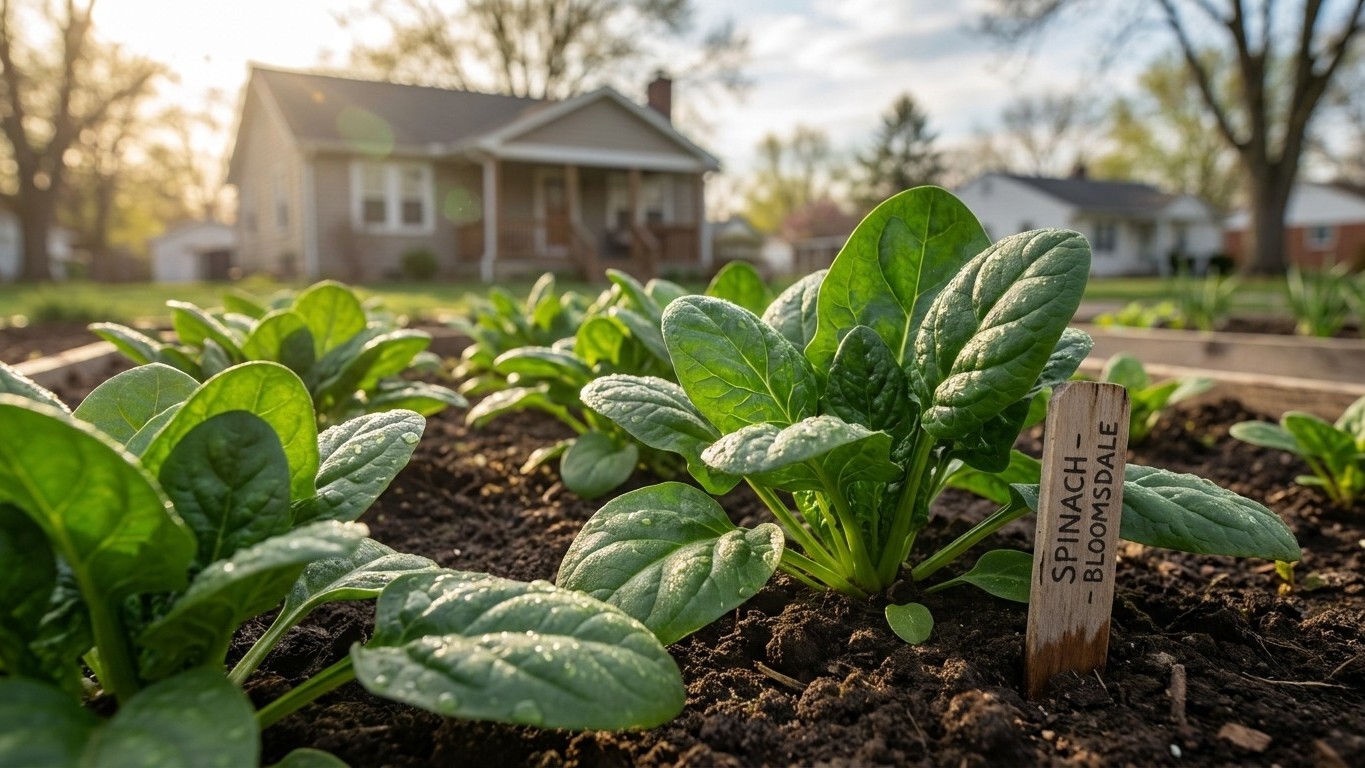
Spinach in Nova Scotia starts bolting once the days stretch out through late spring and into early summer, generally from late May through June, because…
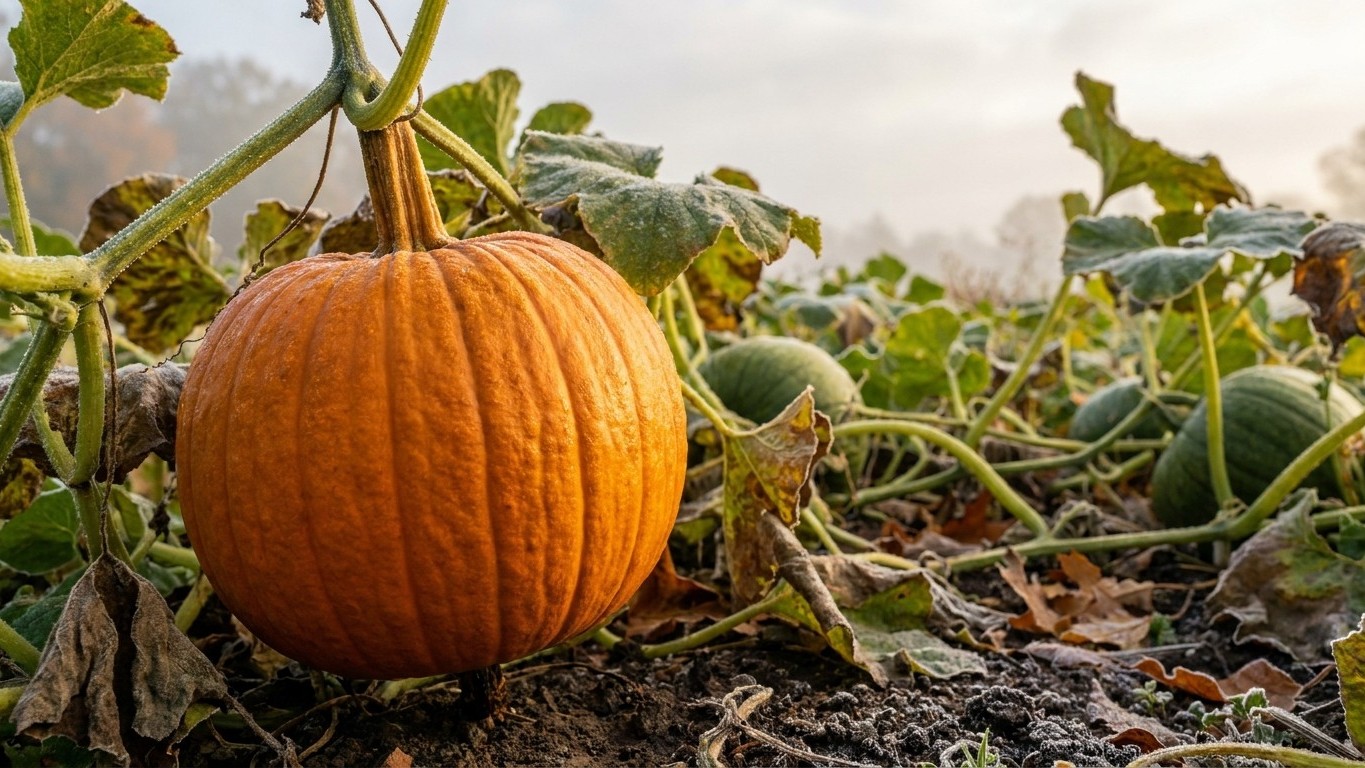
Yes, but the margin is thin. Nova Scotia’s frost calendar leaves pumpkin vines a narrow window: flowers need to open by roughly the last days of August…
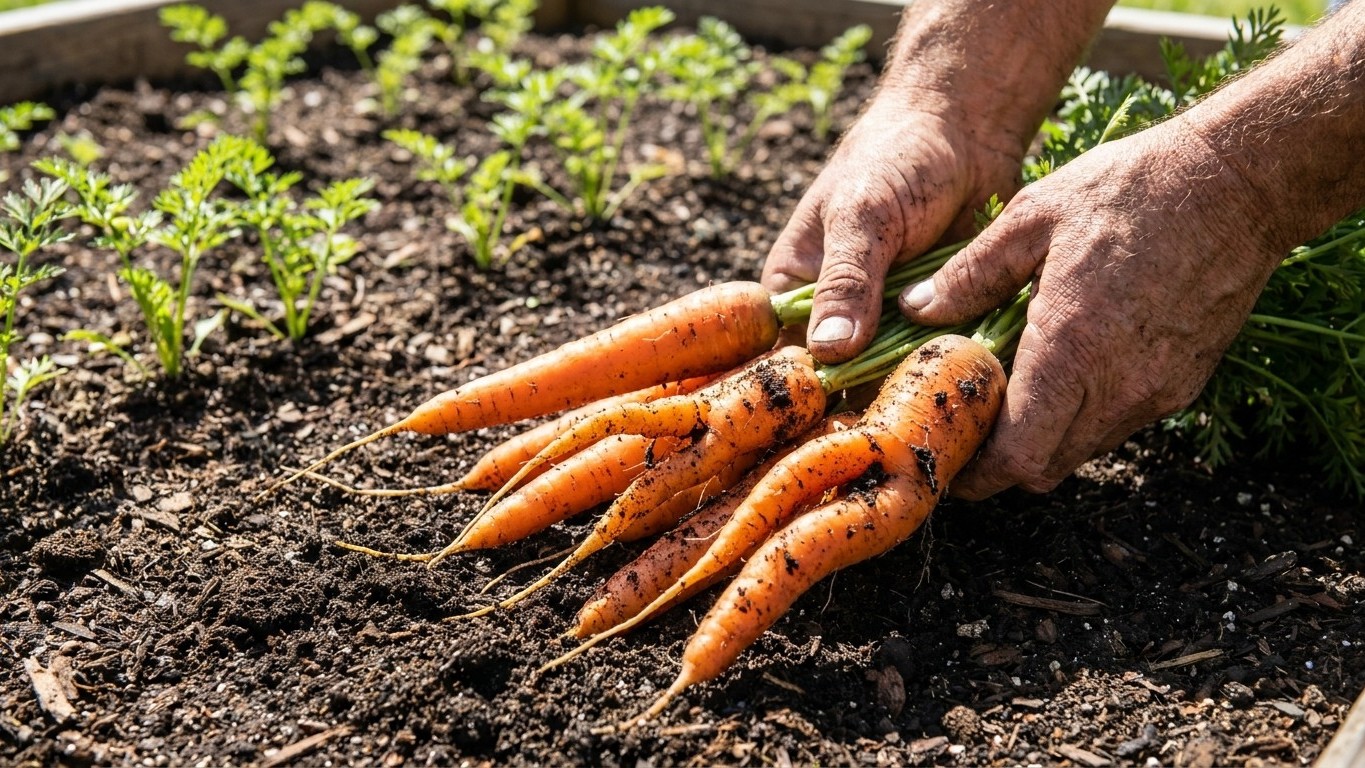
Nova Scotia gardeners often plan carrot sowing by counting backward from the average last spring frost date, since a young carrot seedling shrugs off a…
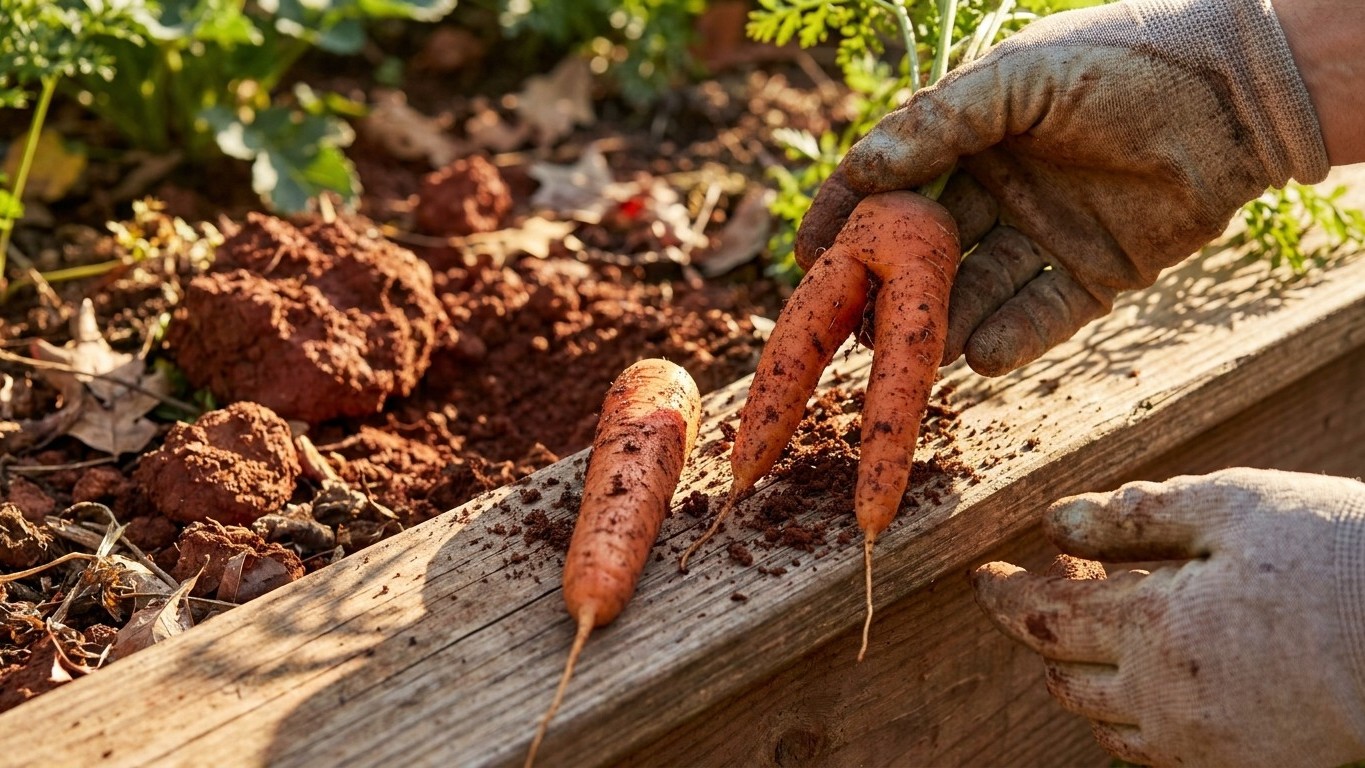
Nova Scotia’s most common soil, a Podzol, runs light on clay and heavy on drainage trouble.
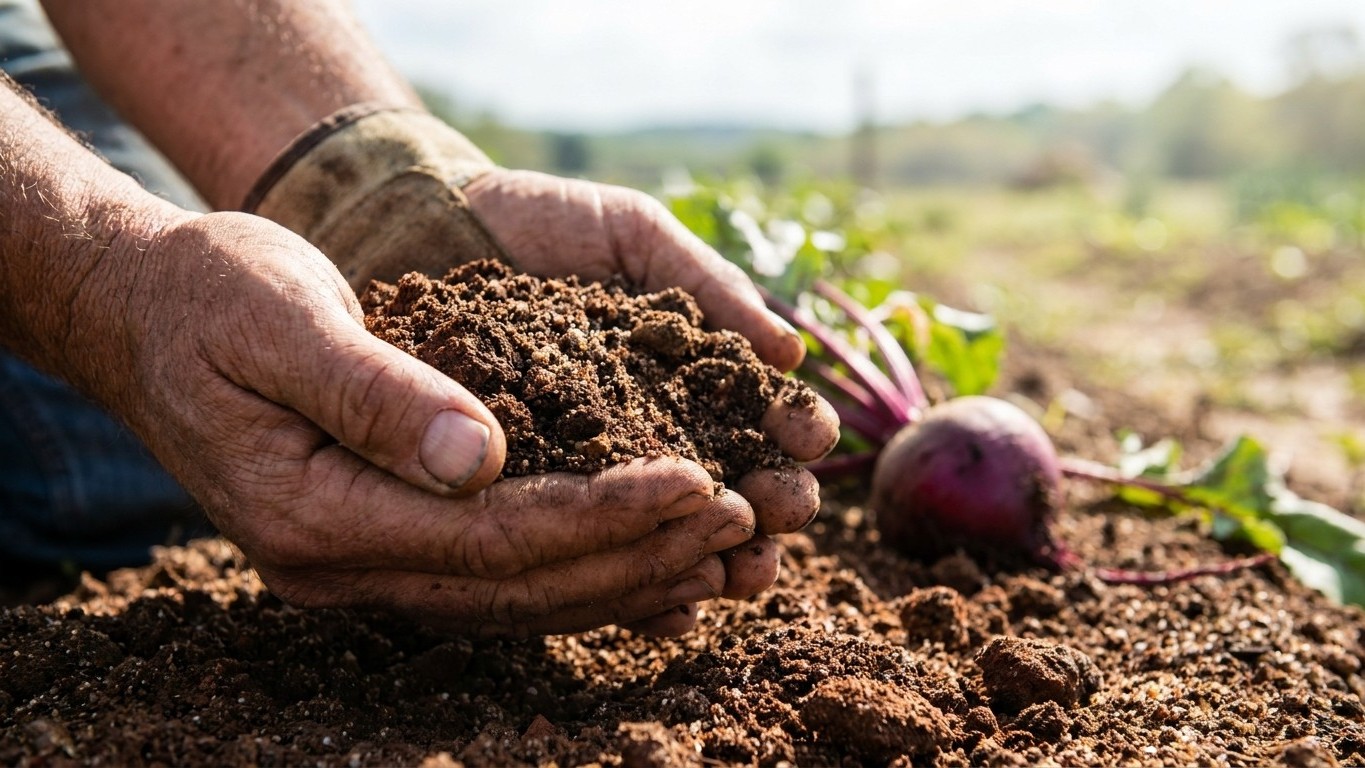
Nova Scotia’s dominant mapped soil is a strongly acid Podzol, sitting around pH 5.2, with a texture that leans loamy (52 percent sand, 10 percent clay…
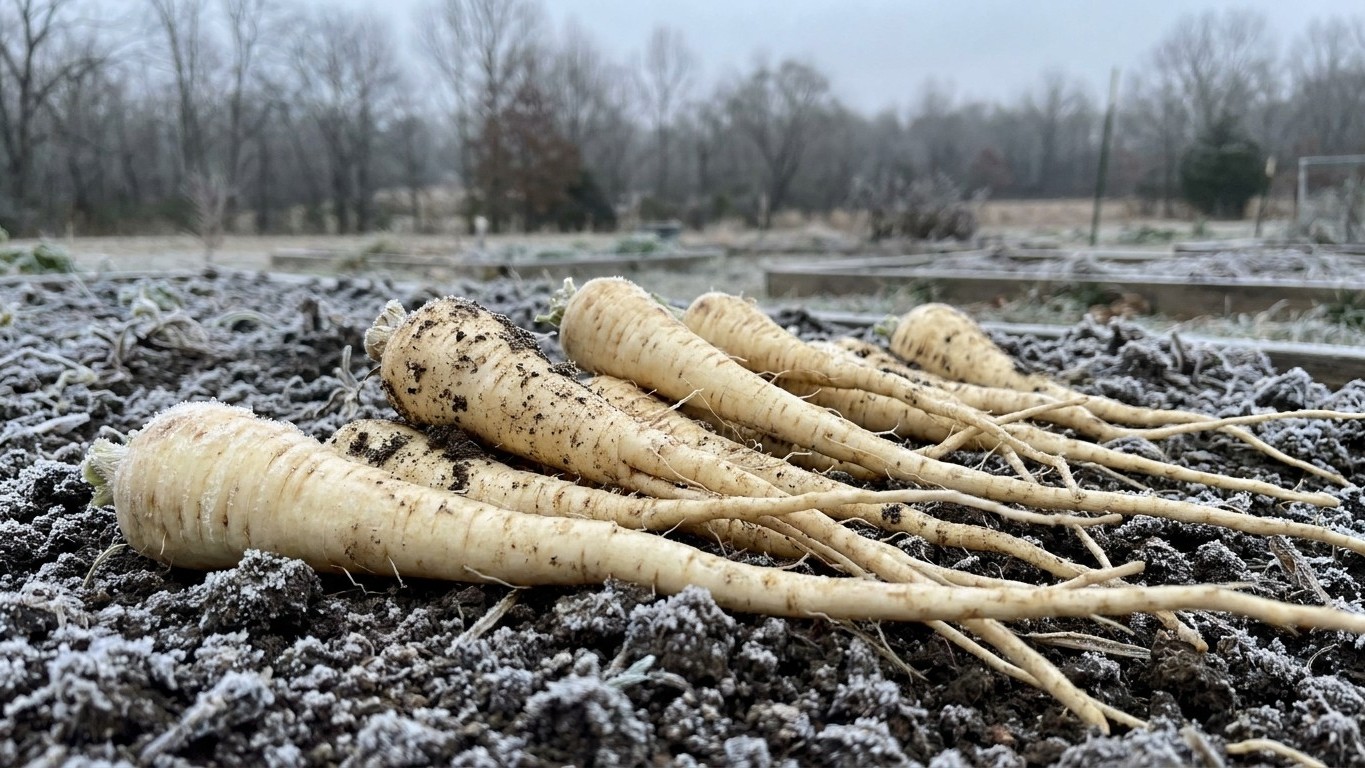
Yes, parsnips grown in Nova Scotia will sweeten, and reliably so. The province’s cold winters deliver exactly what the crop needs: weeks of hard frost…