When Does the Heating Season Start in Nova Scotia?

Heating demand switches on in September in Nova Scotia, once the province’s average temperature drops below the 18°C threshold used to track heating need.
Home & garden, state by state
Everything we have worked out for Nova Scotia: what to plant and when, which varieties finish in time, the pests that actually turn up here, and the jobs that pay off month by month. We also cover the rest of the property, from lawns and soil to home care and energy, because a garden rarely stops at the vegetable bed.
The numbers first, because everything else follows from them. Measured at the weather station in Halifax, the last spring freeze falls around May 7 and the first fall freeze falls around October 18, 1,659 growing degree days in the year.
That is enough for early varieties, tight for anything late. Garlic does well: 30.4 weeks below 40 °F, comfortably past the six it needs to form a proper head.
Elsewhere on the property in Nova Scotia: the pests that turn up here.
Figures from Environment and Climate Change Canada. A state is not one climate: elevation, a large lake or the coast can move these dates by two weeks either way, so check your own county with the extension service before you spend money.
Heating demand switches on in September in Nova Scotia, once the province’s average temperature drops below the 18°C threshold used to track heating need.
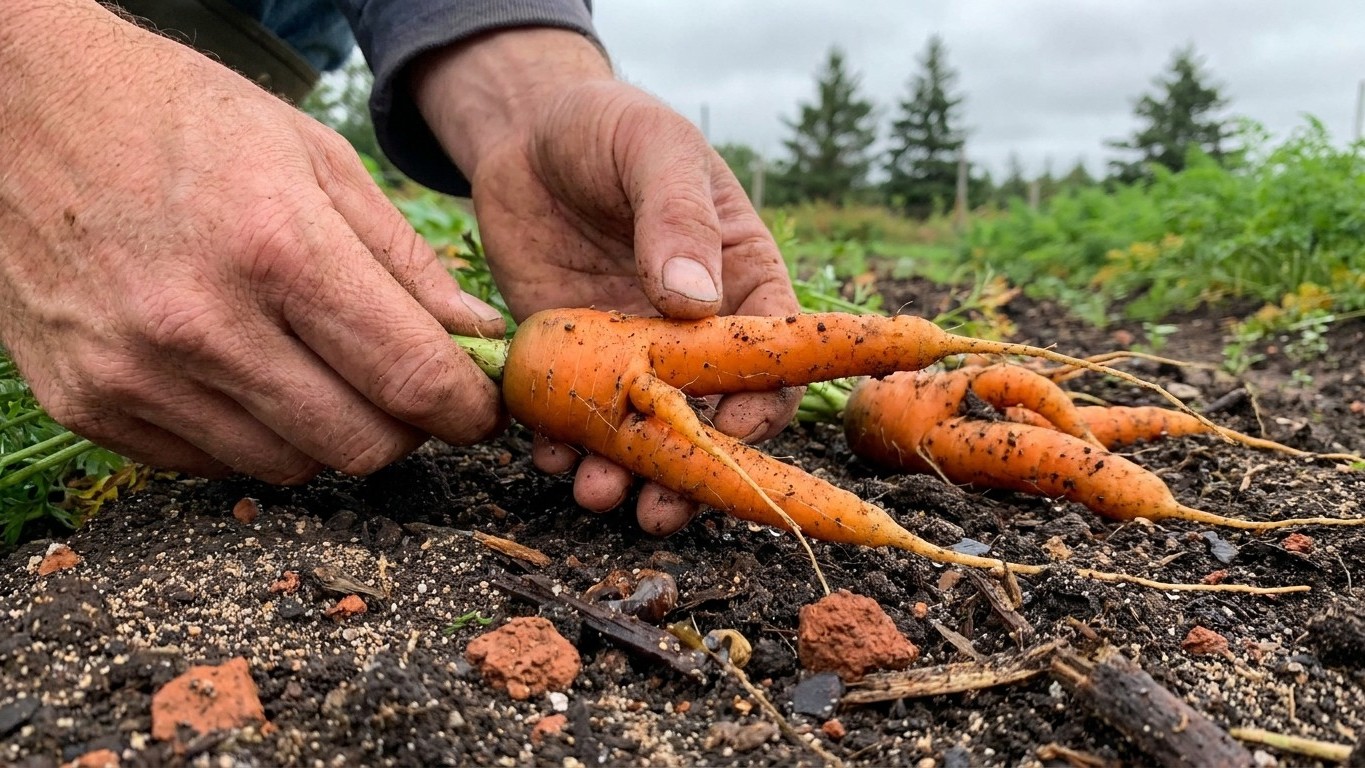
Nova Scotia’s ground runs acid and sandy-loam over a layer that drains slowly, which is a mixed bag for carrots.
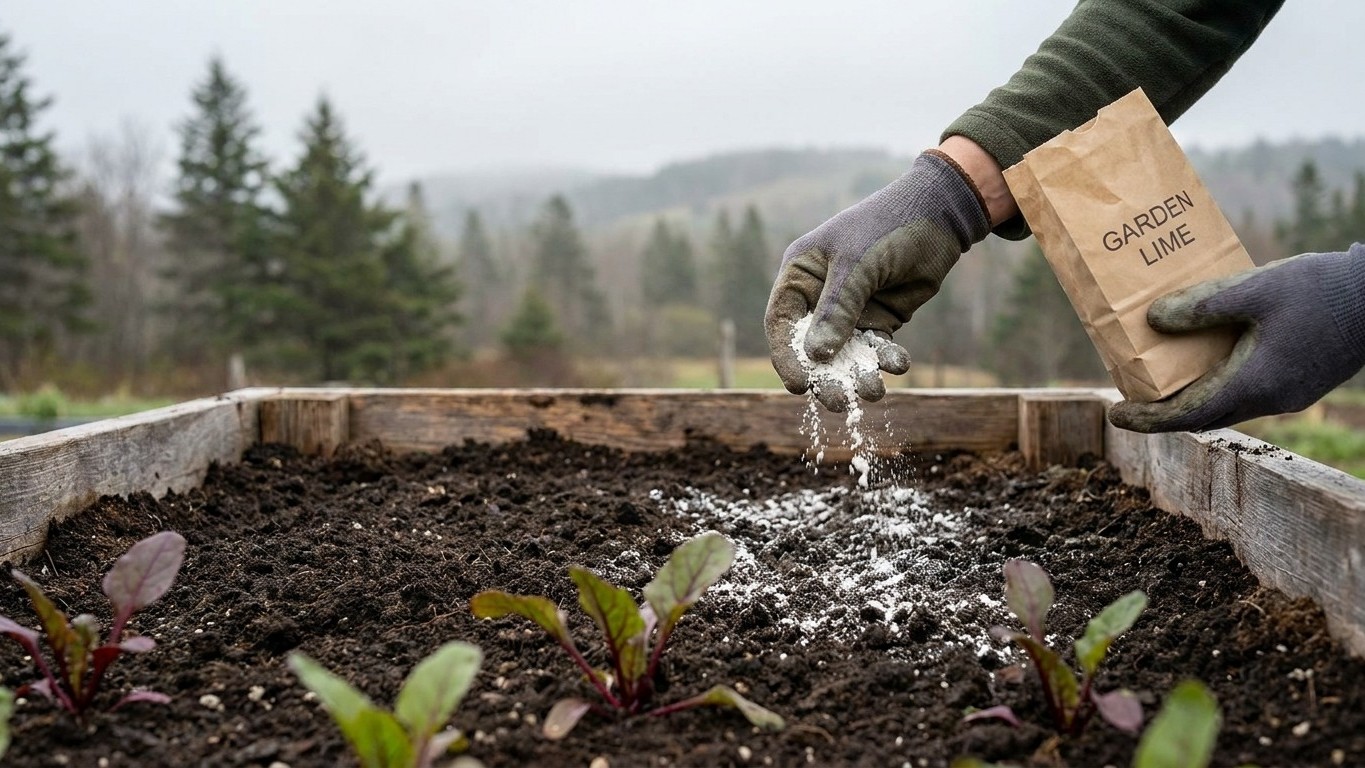
Nova Scotia’s ground runs acid and holds water more than beets prefer, so the fix starts with lime and raised, loosened beds rather than hoping the…
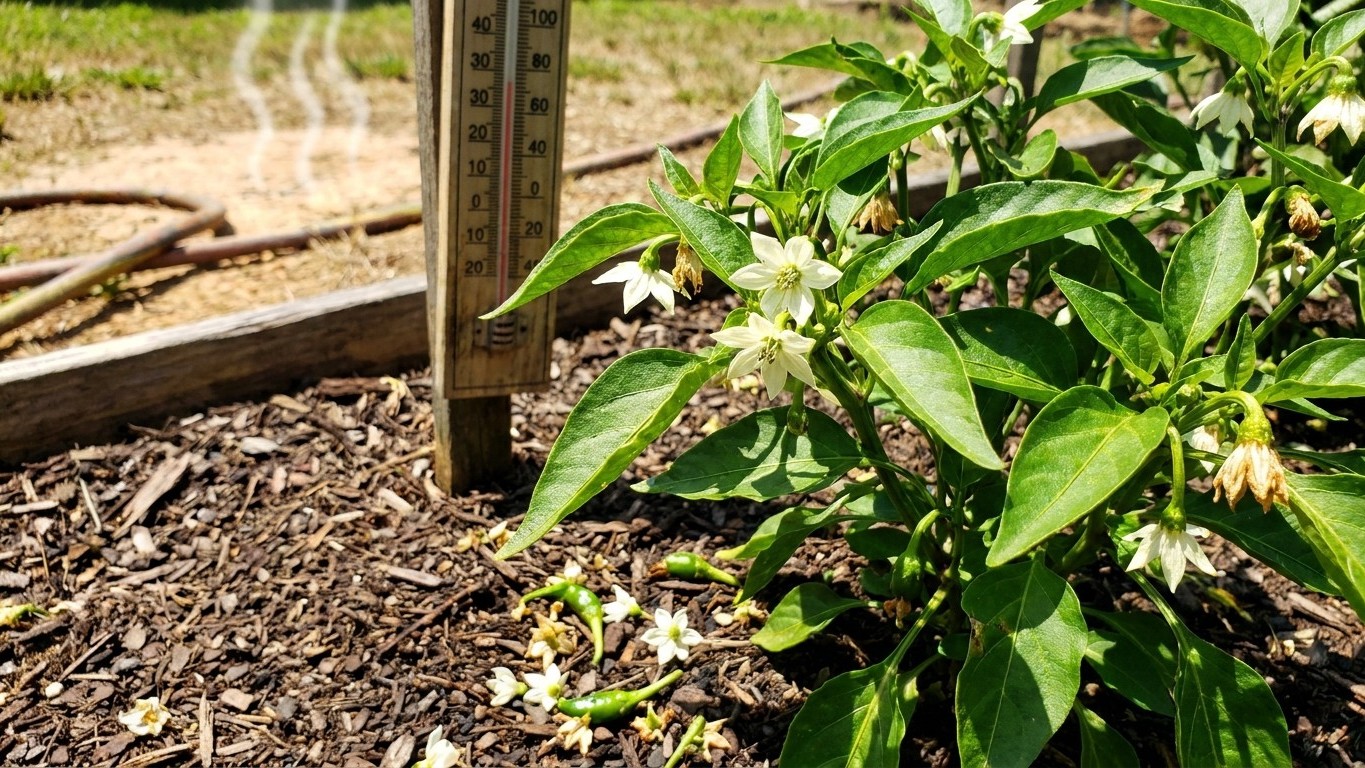
Peppers in Nova Scotia rarely stall because of heat. Halifax averages zero days a year at or above 90 F, so scorching afternoons are not the local threat.
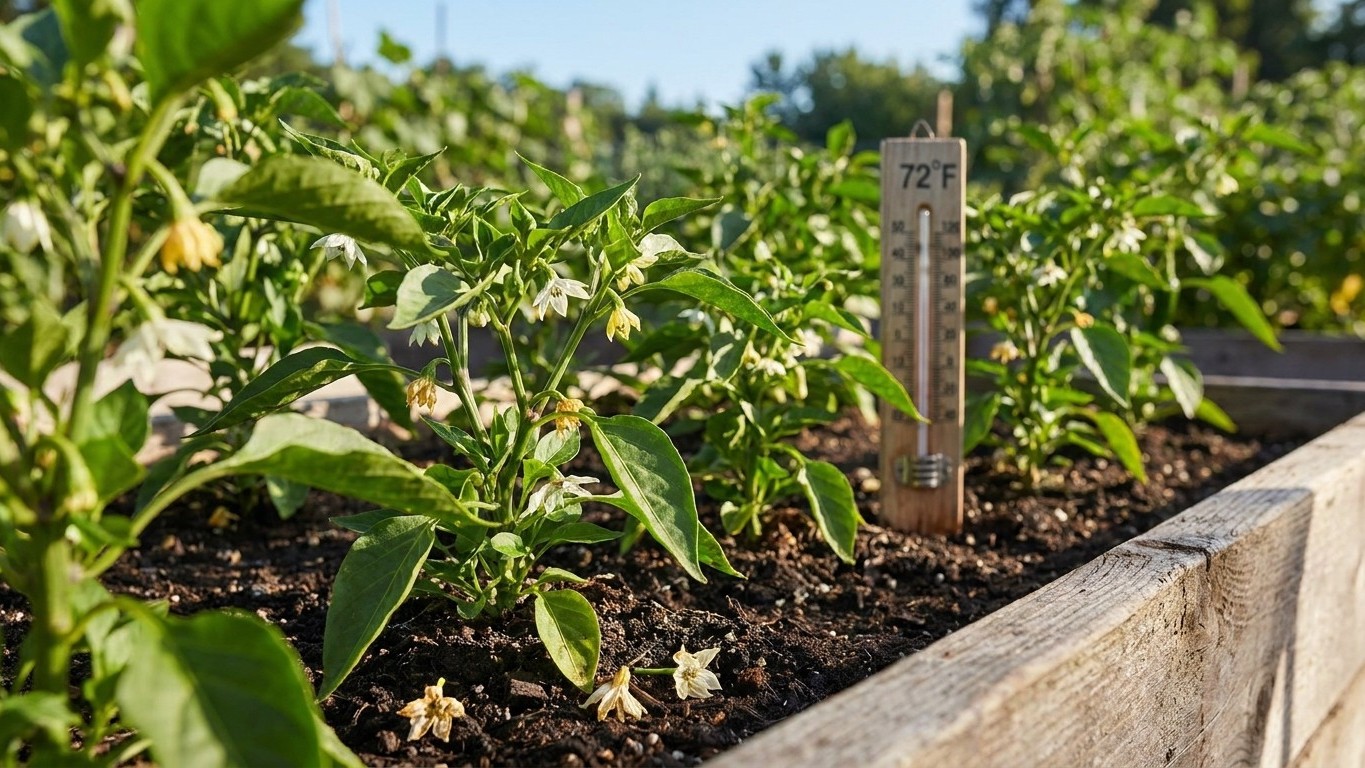
Start pepper seed indoors in Nova Scotia between mid-March and early April, counting 8 to 10 weeks back from a transplant date in late May to mid-June…
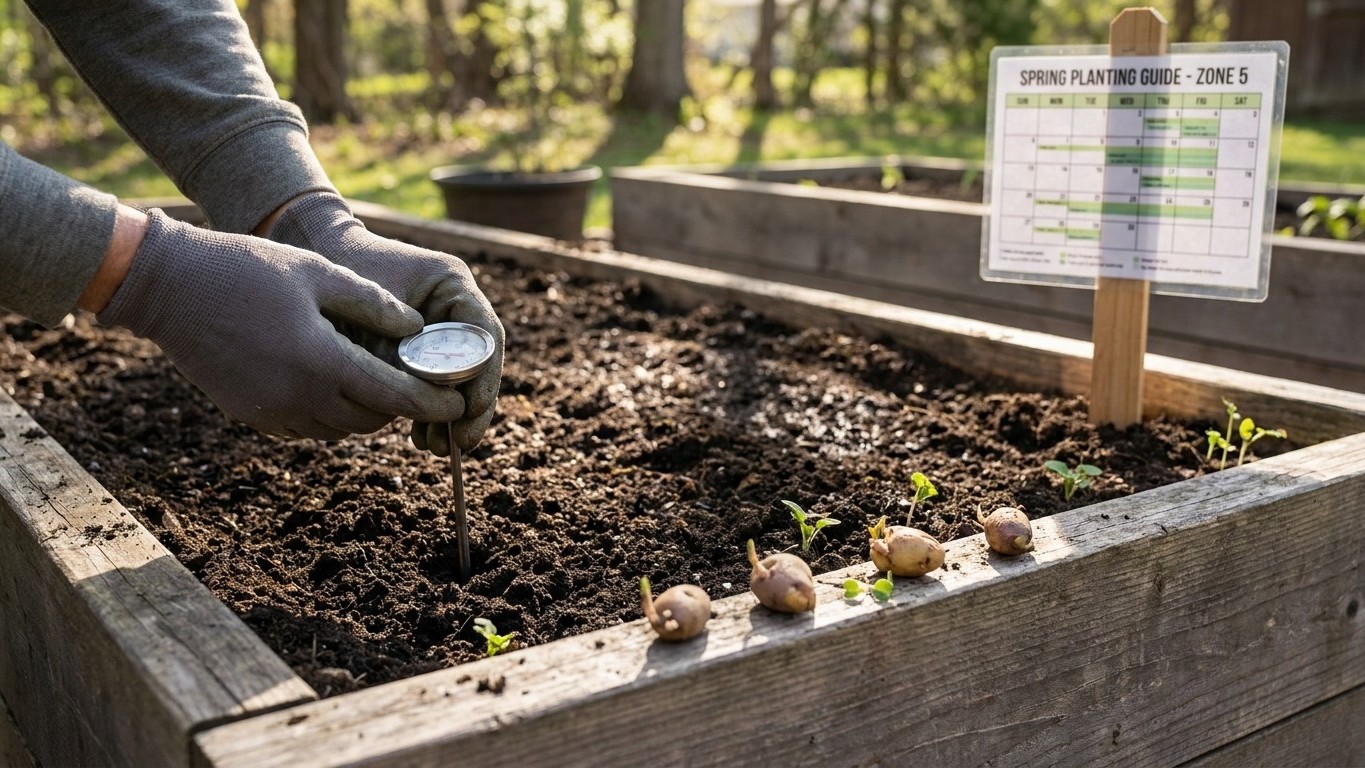
Count back 14 to 21 days from Halifax’s average last spring frost of May 7, and you land in mid to late April for that reference point, according to…
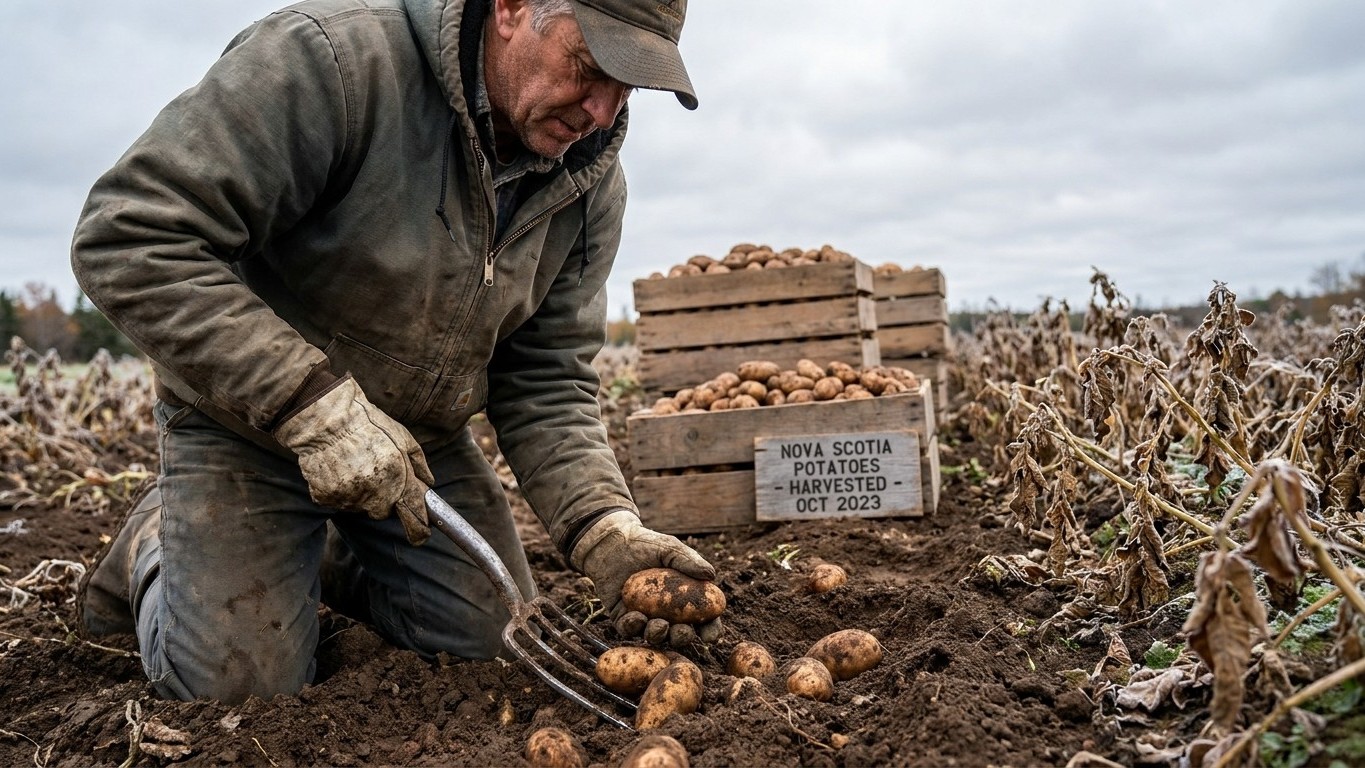
Nova Scotia growers dig potatoes ahead of the average first fall frost, October 18, and move the crop straight into curing before it ever touches a…
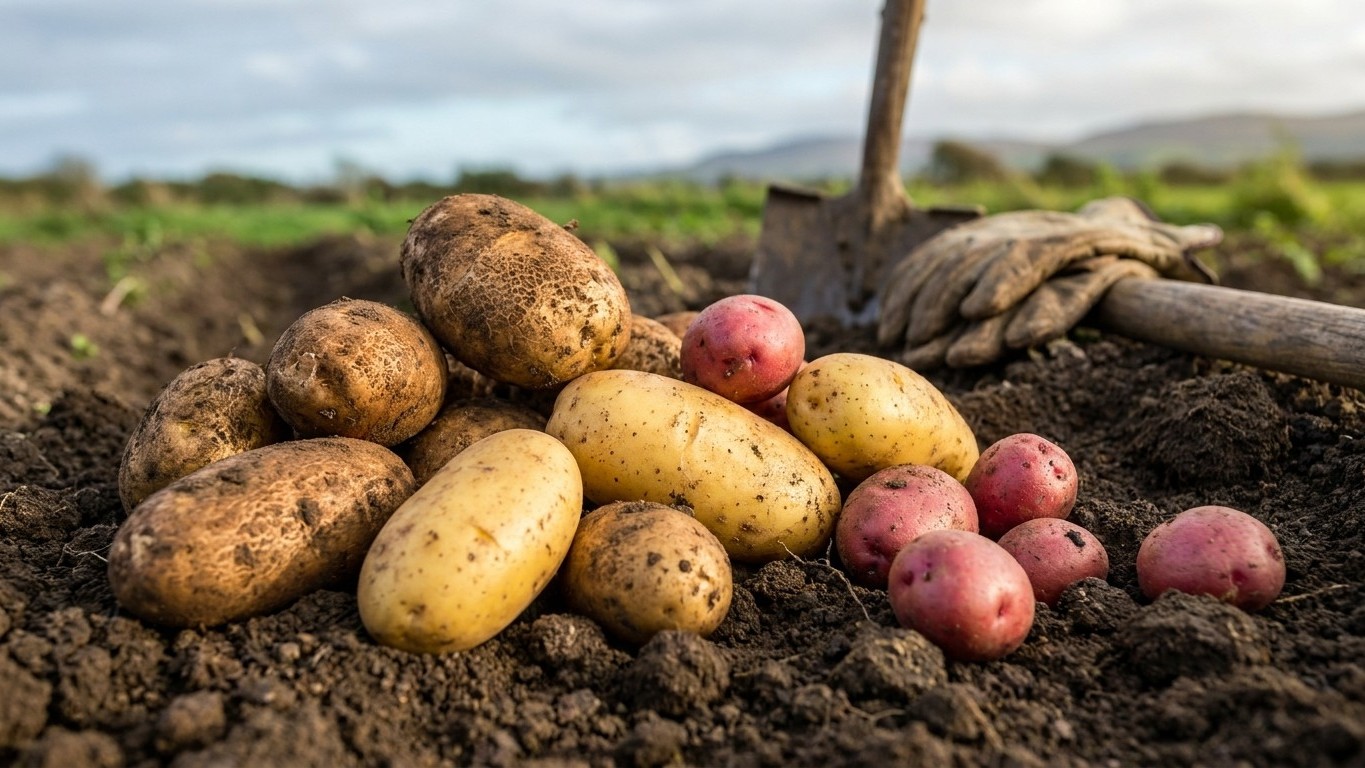
Nova Scotia’s frost calendar favors early and mid-season potato classes over late ones.
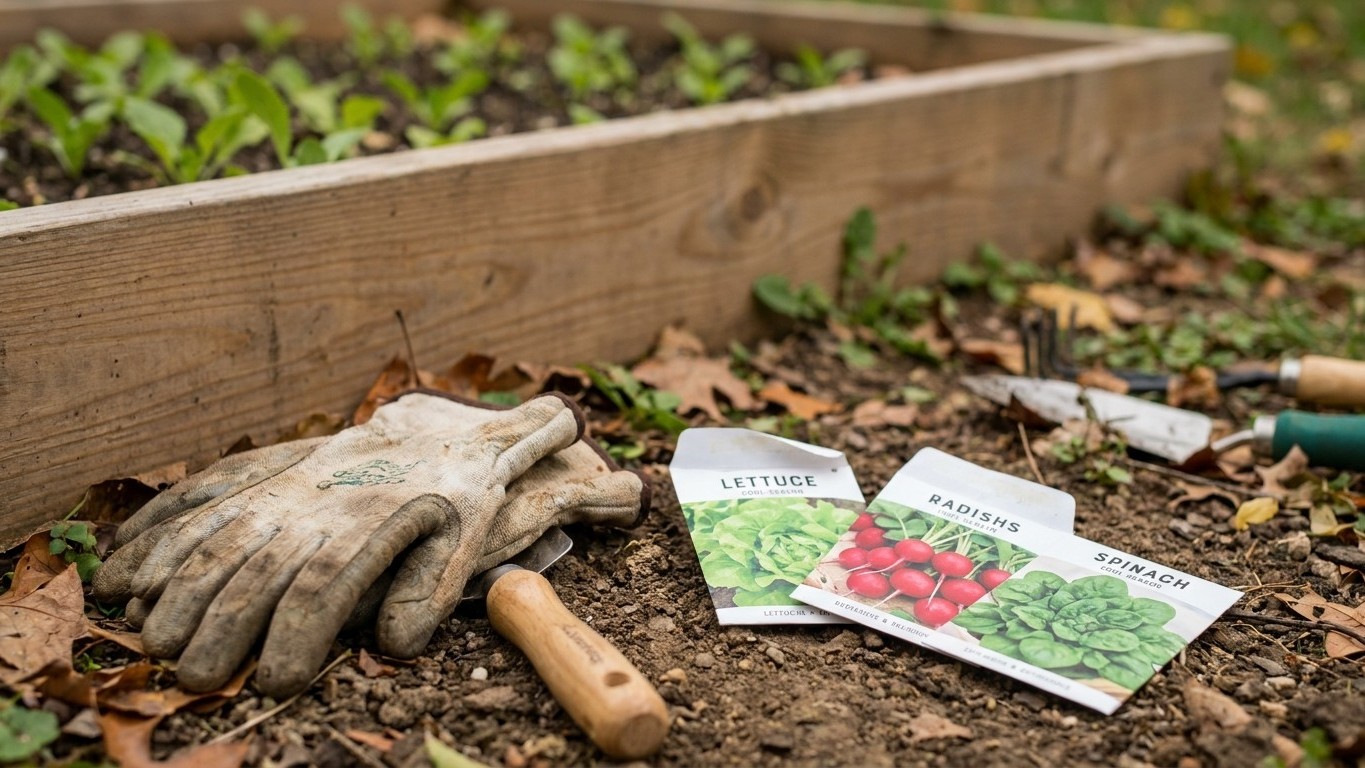
September in Nova Scotia still sits inside the growing season. The average first fall frost at Halifax Stanfield lands October 18, so there are roughly…
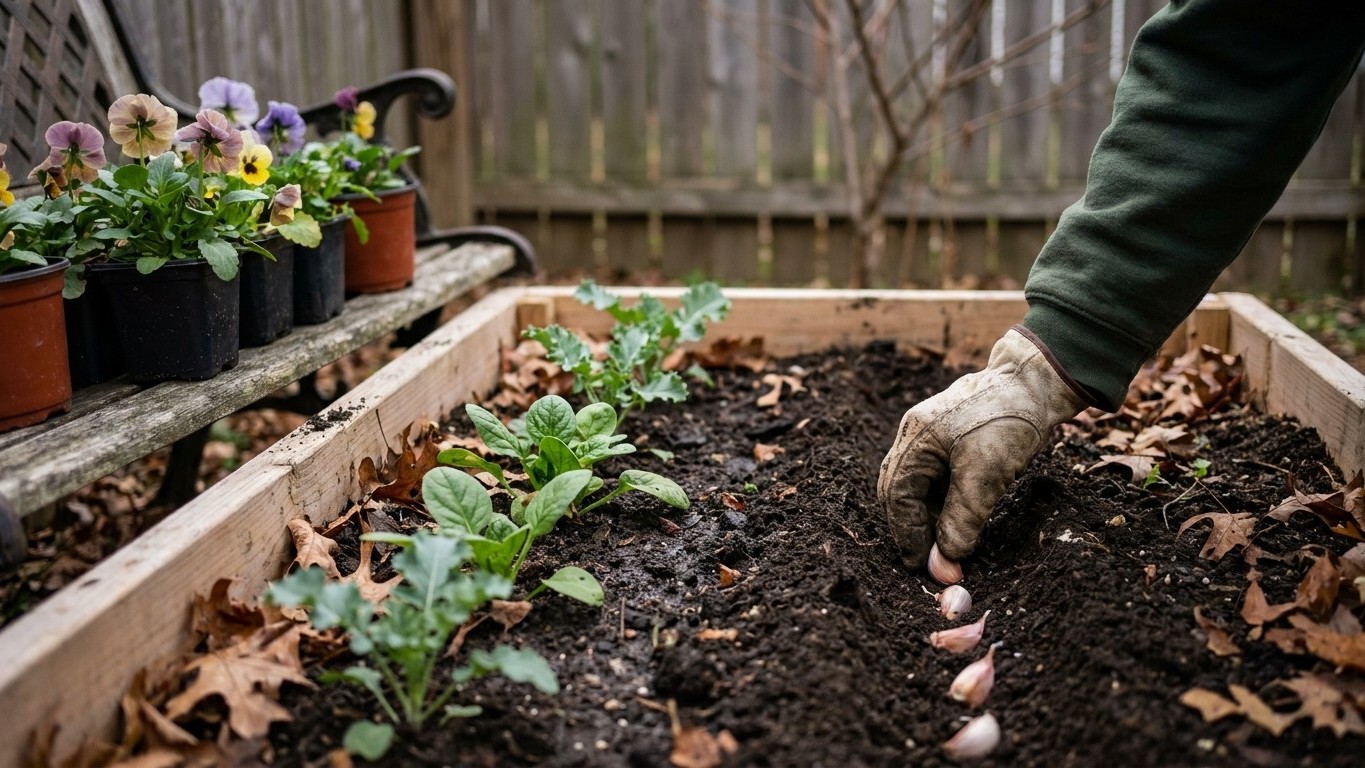
October in Nova Scotia sits right at the edge of the frost line. Garlic and shallots still go into the ground, hardy greens sown early in the month can…