Pepper Varieties That Ripen in a Nunavut Season
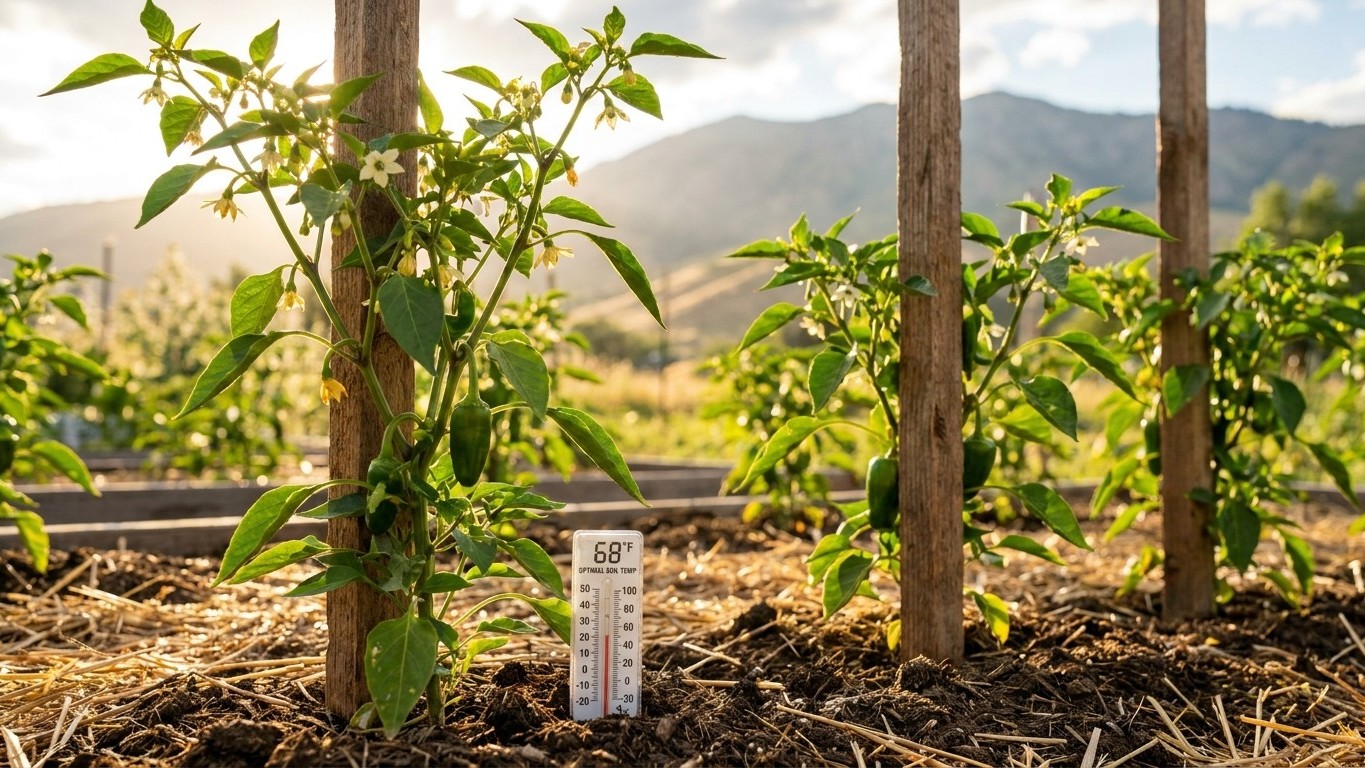
The practical answer for Nunavut growers is that no pepper variety ripens reliably in an open garden bed on the calendar alone.
Home & garden, state by state
Everything we have worked out for Nunavut: what to plant and when, which varieties finish in time, the pests that actually turn up here, and the jobs that pay off month by month. We also cover the rest of the property, from lawns and soil to home care and energy, because a garden rarely stops at the vegetable bed.
The numbers first, because everything else follows from them. Measured at the weather station in Rankin Inlet, the last spring freeze falls around June 19 and the first fall freeze falls around September 13, 159 growing degree days in the year.
That is little accumulated warmth: tomatoes need a tunnel or a greenhouse here, whatever the frost dates suggest. Garlic does well: 43.5 weeks below 40 °F, comfortably past the six it needs to form a proper head.
Figures from Environment and Climate Change Canada. A state is not one climate: elevation, a large lake or the coast can move these dates by two weeks either way, so check your own county with the extension service before you spend money.
The practical answer for Nunavut growers is that no pepper variety ripens reliably in an open garden bed on the calendar alone.
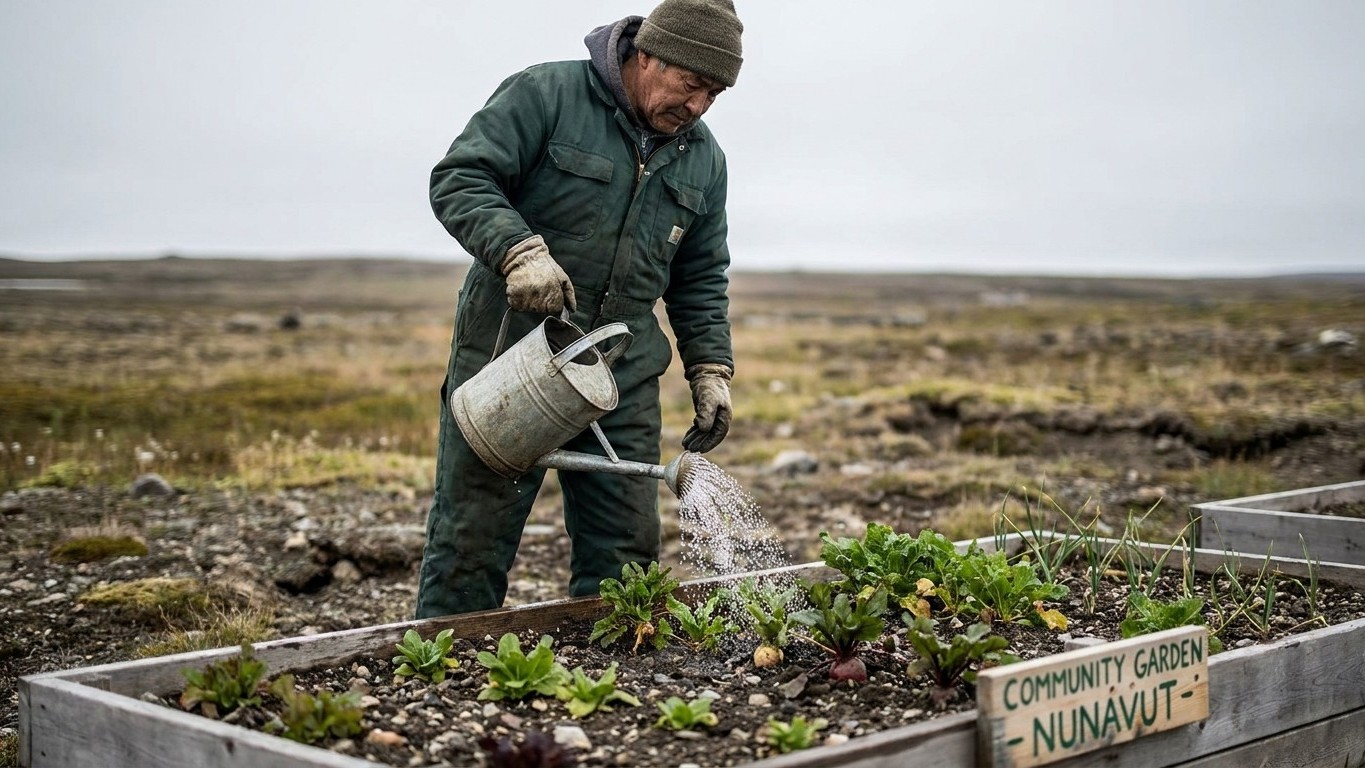
In Nunavut’s short summer, the ground rarely dries out from heat alone, since the mercury almost never climbs into stress territory.
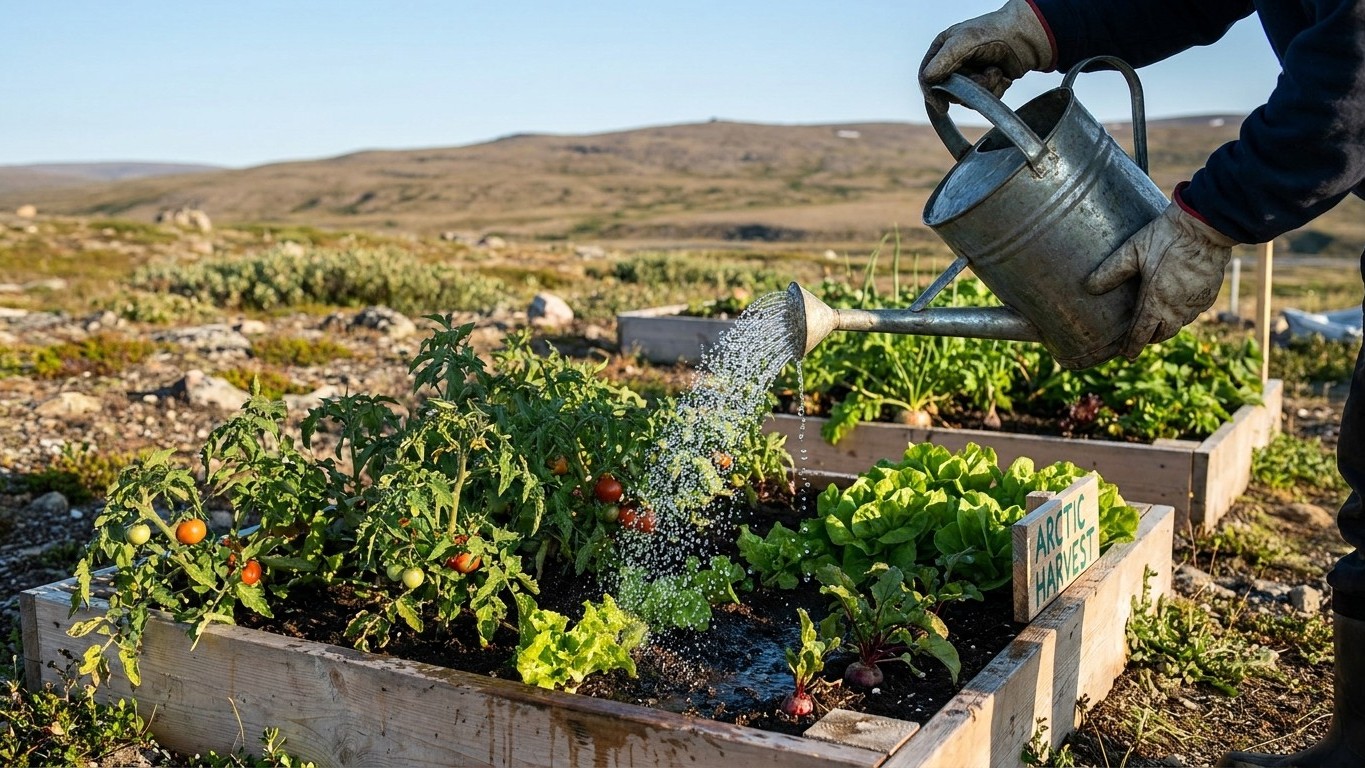
In Nunavut, the driest summer month brings just 1.05 inches of rain, and the territory averages 0.0 days a year at or above 90F.
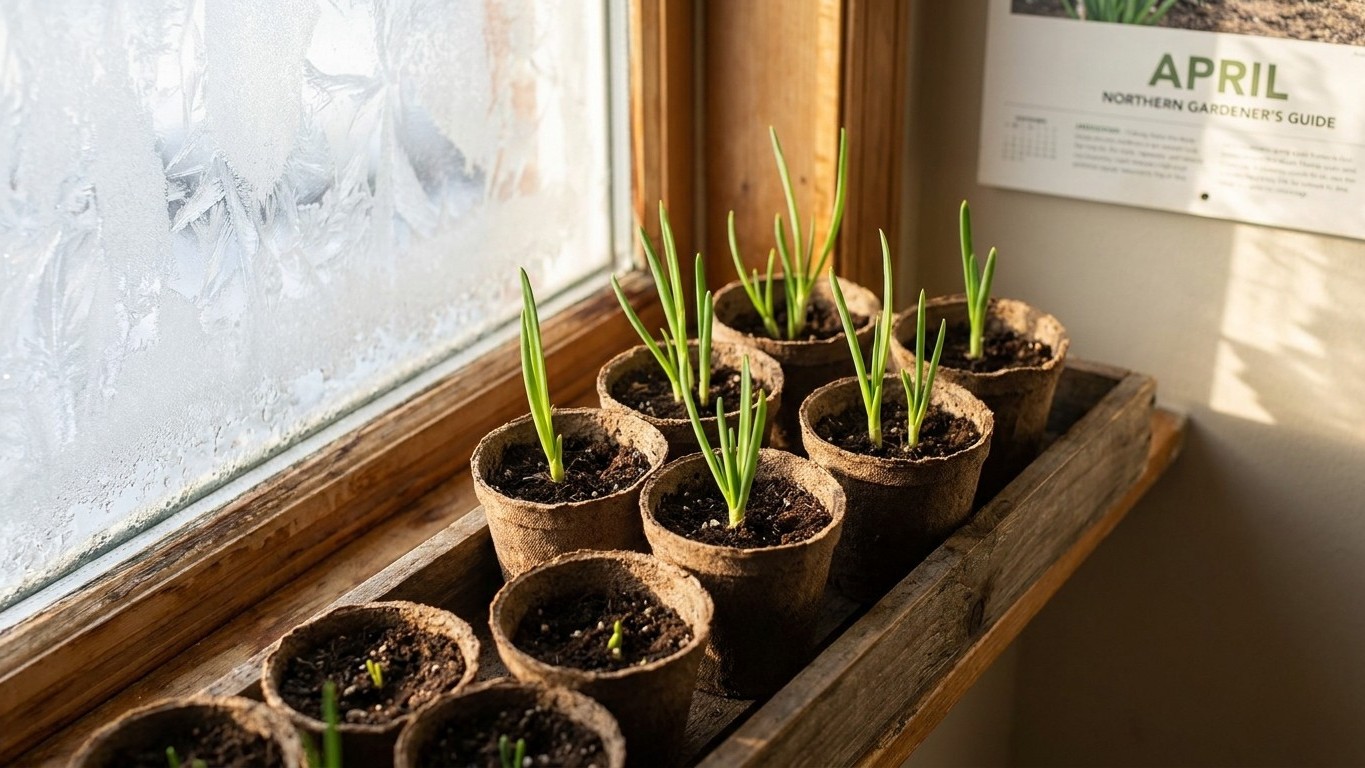
In Nunavut, onions go into the ground as transplants, not as seed sown straight into the soil, and the timing works backward from one number: 19 hours…
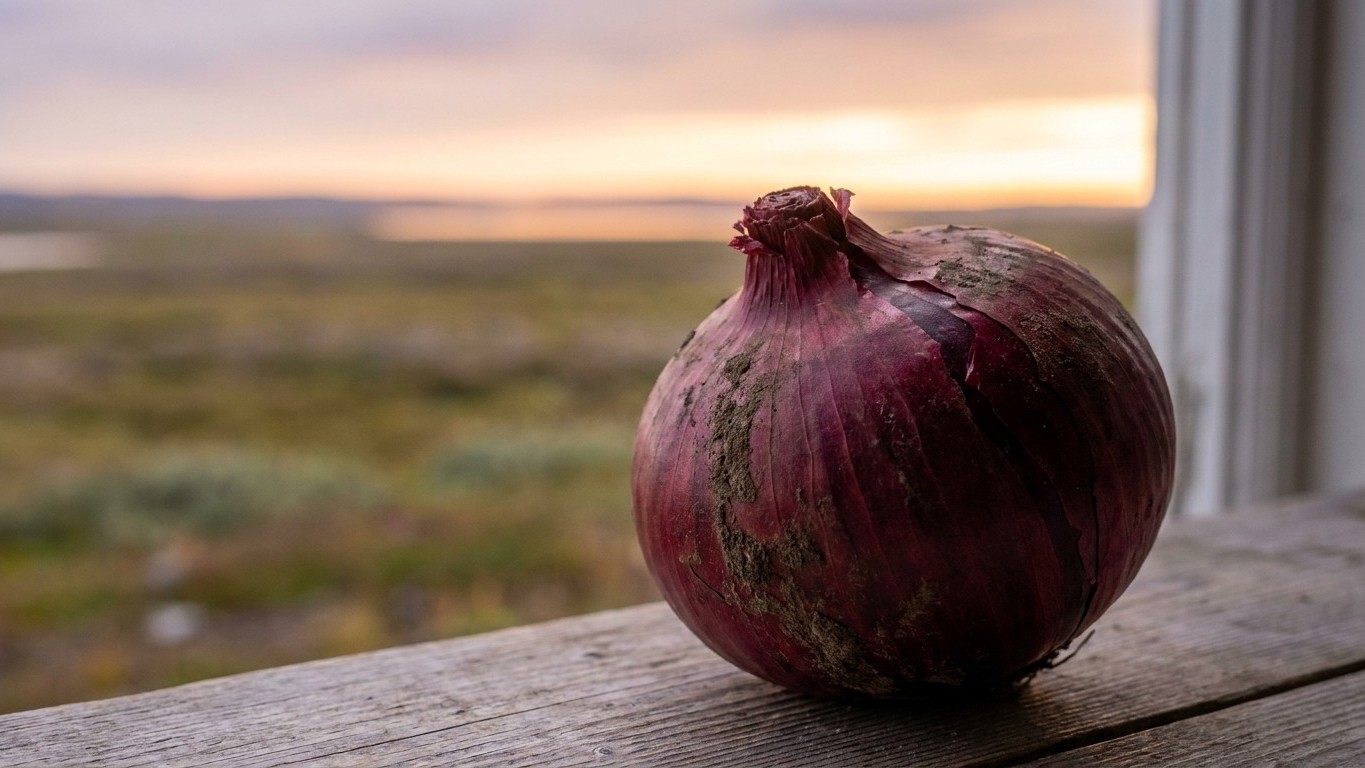
Nunavut’s Arctic summer sun barely sets, which is exactly why the answer here is narrow.
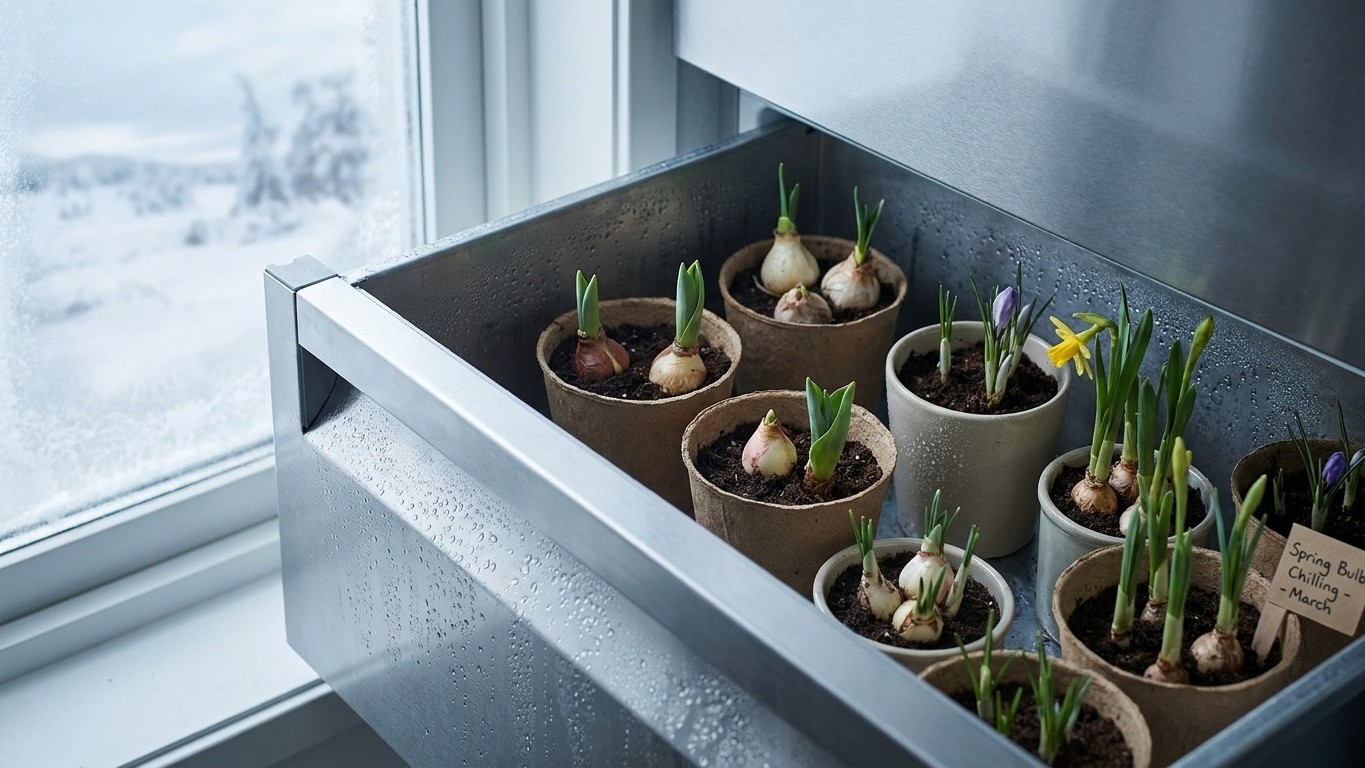
Yes, forcing spring bulbs indoors works in Nunavut, and it isn’t really optional.
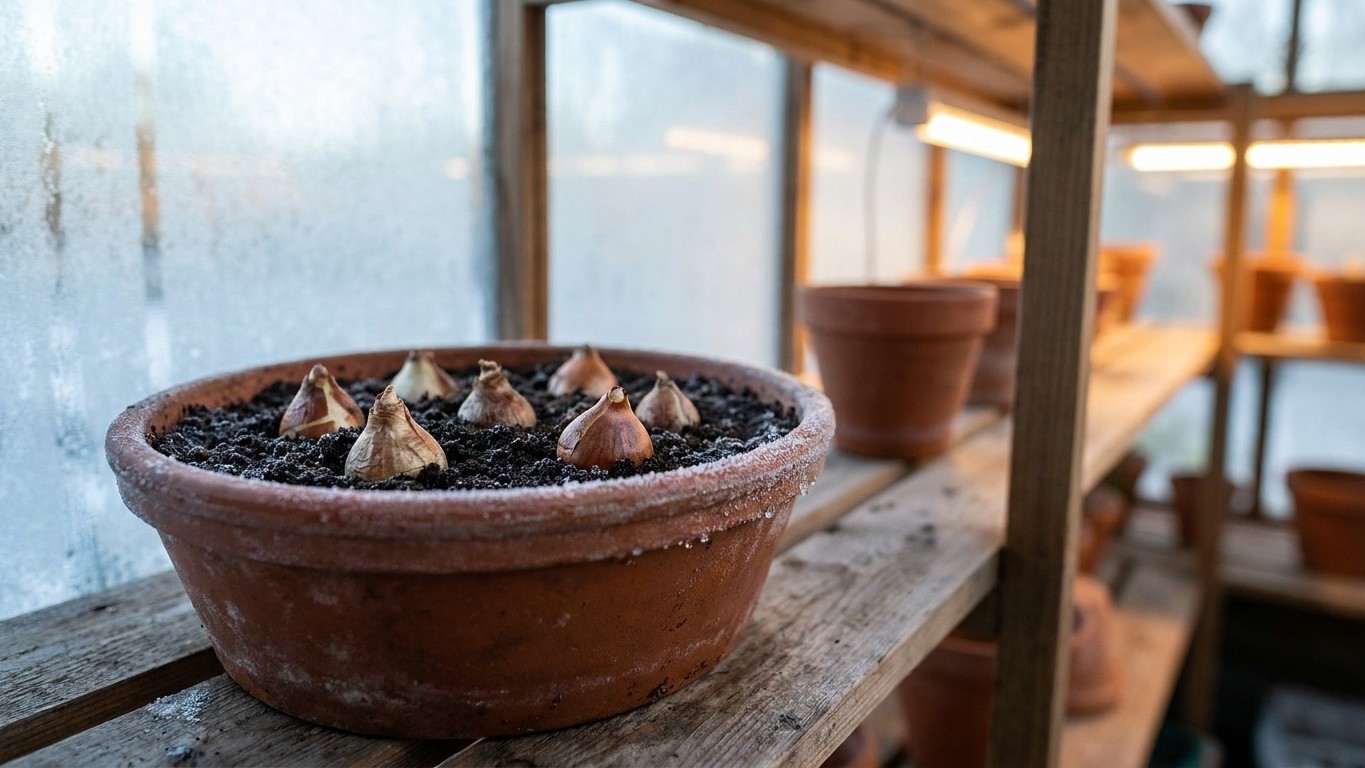
Spring bulbs in containers work in Nunavut only as an indoor forcing project.
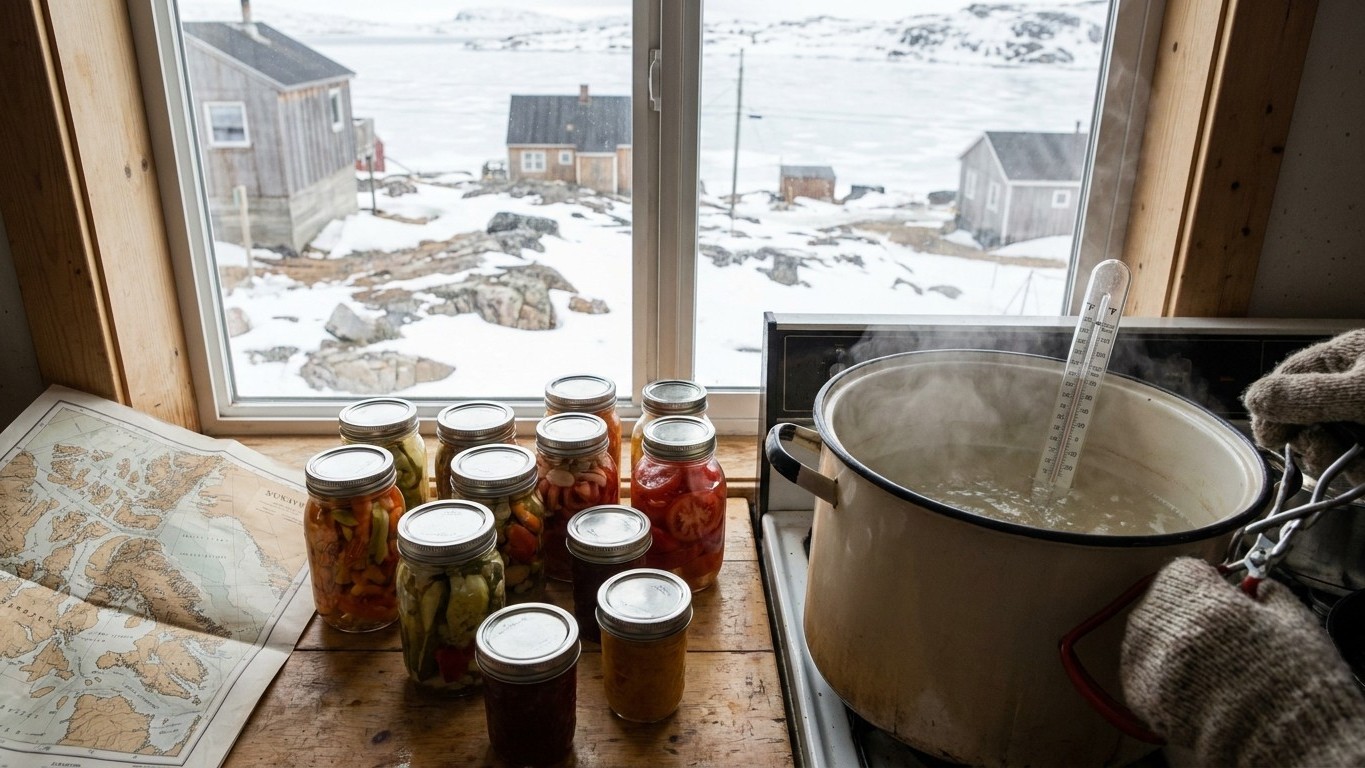
Rankin Inlet sits at 3 feet in elevation, and published boiling-point tables put water there between 208°F and 212°F.
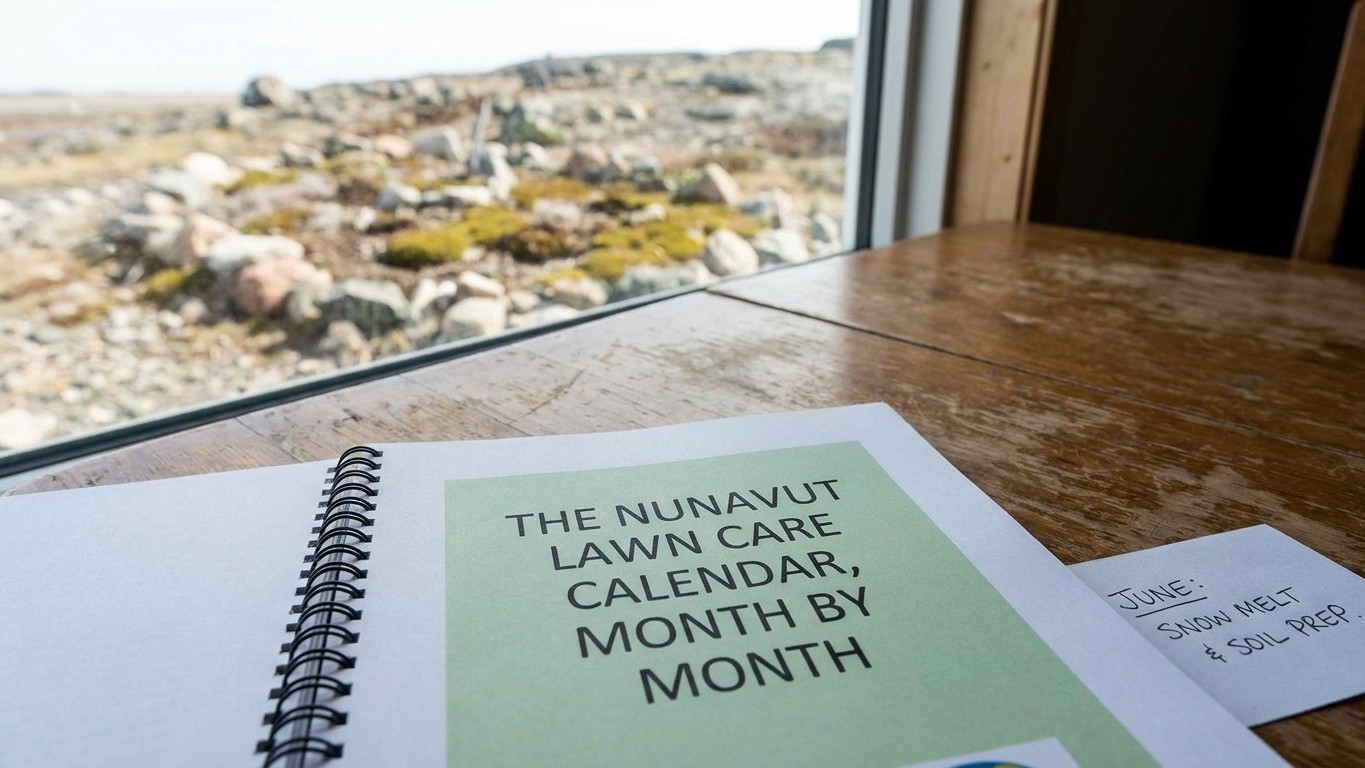
Nunavut’s lawn tasks run on Rankin Inlet’s mean September 13 frost date, with cool-season grass choices and a compressed care schedule.
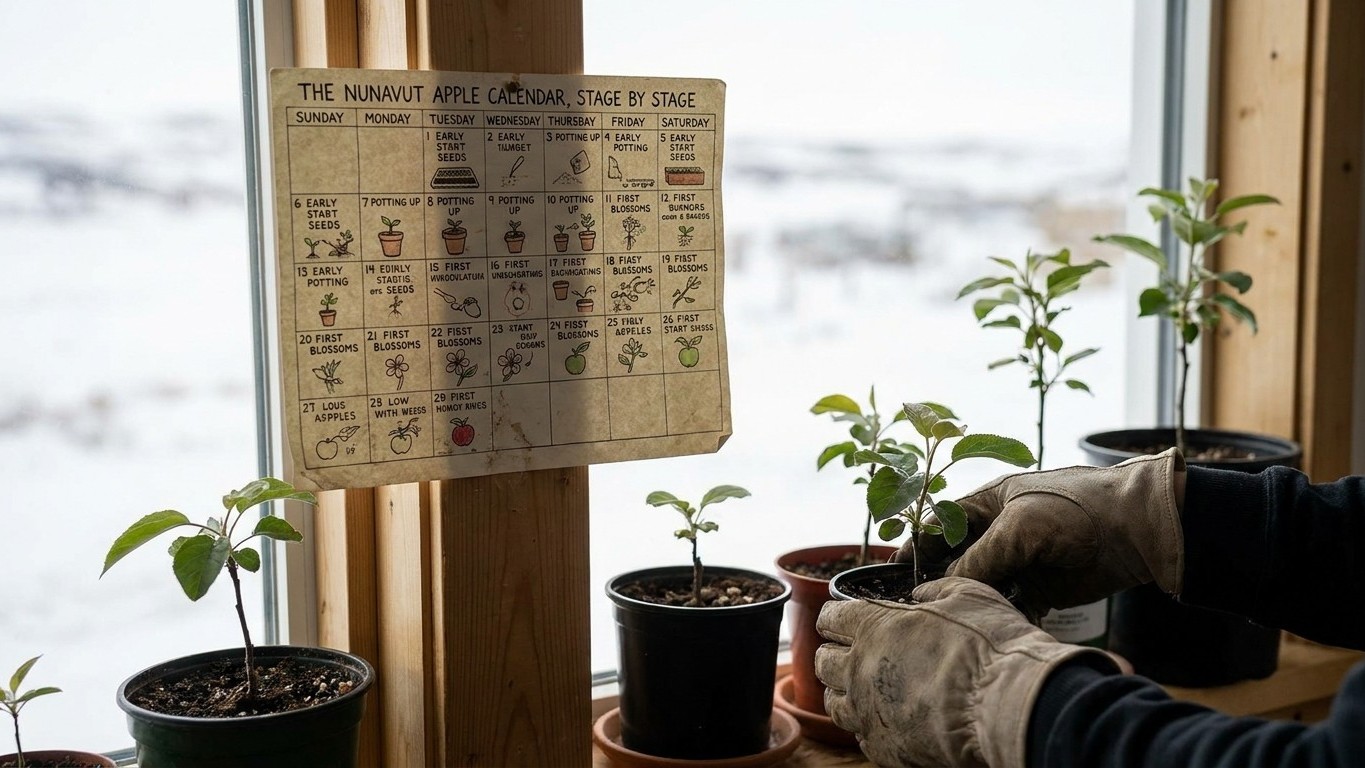
Using ECCC’s Rankin Inlet frost normals, this calendar times each apple growth stage to Nunavut’s roughly 86-day frost-free window and long, severe winter.