Heating a Home in Nunavut: What the Winter Actually Costs
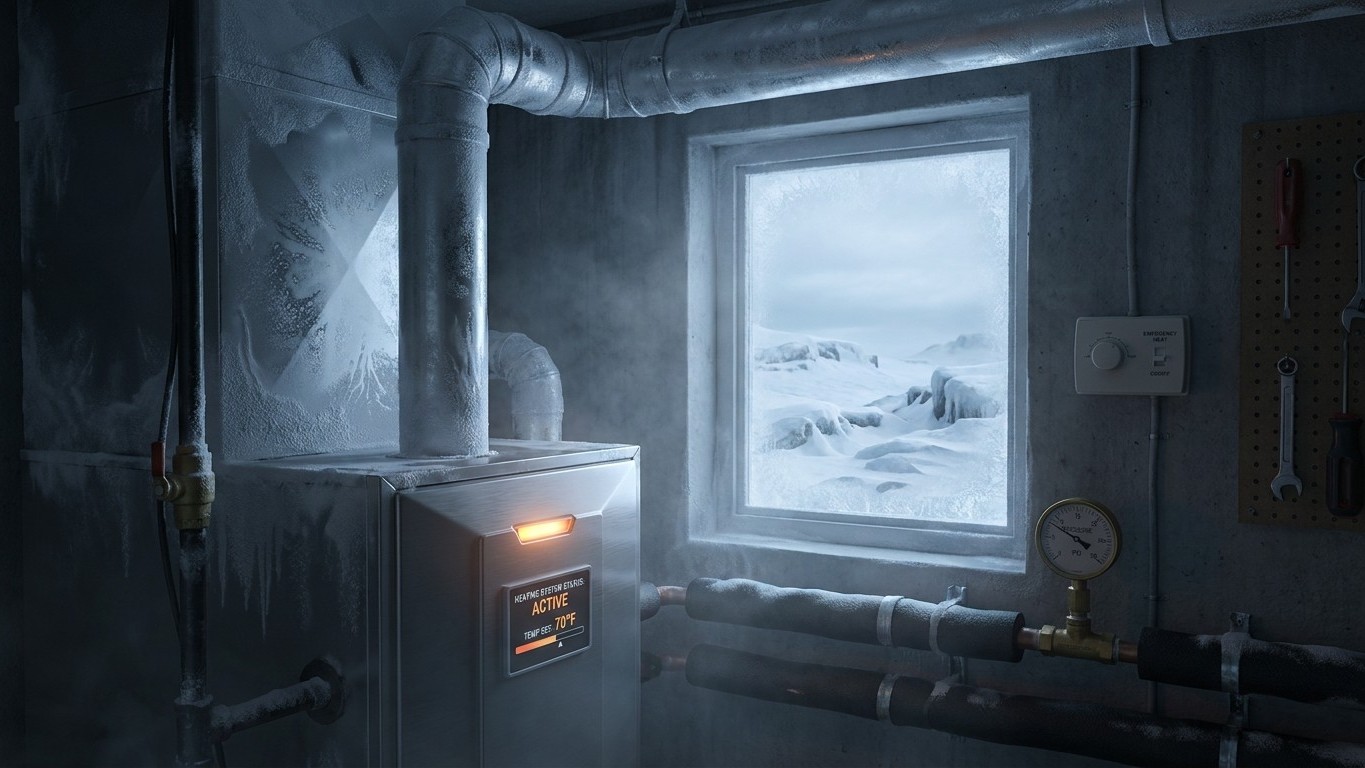
Rankin Inlet’s coldest month averages a daily minimum of -29.8°F, and that single number reshapes everything about keeping a Nunavut home livable.
Home & garden, state by state
Everything we have worked out for Nunavut: what to plant and when, which varieties finish in time, the pests that actually turn up here, and the jobs that pay off month by month. We also cover the rest of the property, from lawns and soil to home care and energy, because a garden rarely stops at the vegetable bed.
The numbers first, because everything else follows from them. Measured at the weather station in Rankin Inlet, the last spring freeze falls around June 19 and the first fall freeze falls around September 13, 159 growing degree days in the year.
That is little accumulated warmth: tomatoes need a tunnel or a greenhouse here, whatever the frost dates suggest. Garlic does well: 43.5 weeks below 40 °F, comfortably past the six it needs to form a proper head.
Figures from Environment and Climate Change Canada. A state is not one climate: elevation, a large lake or the coast can move these dates by two weeks either way, so check your own county with the extension service before you spend money.
Rankin Inlet’s coldest month averages a daily minimum of -29.8°F, and that single number reshapes everything about keeping a Nunavut home livable.
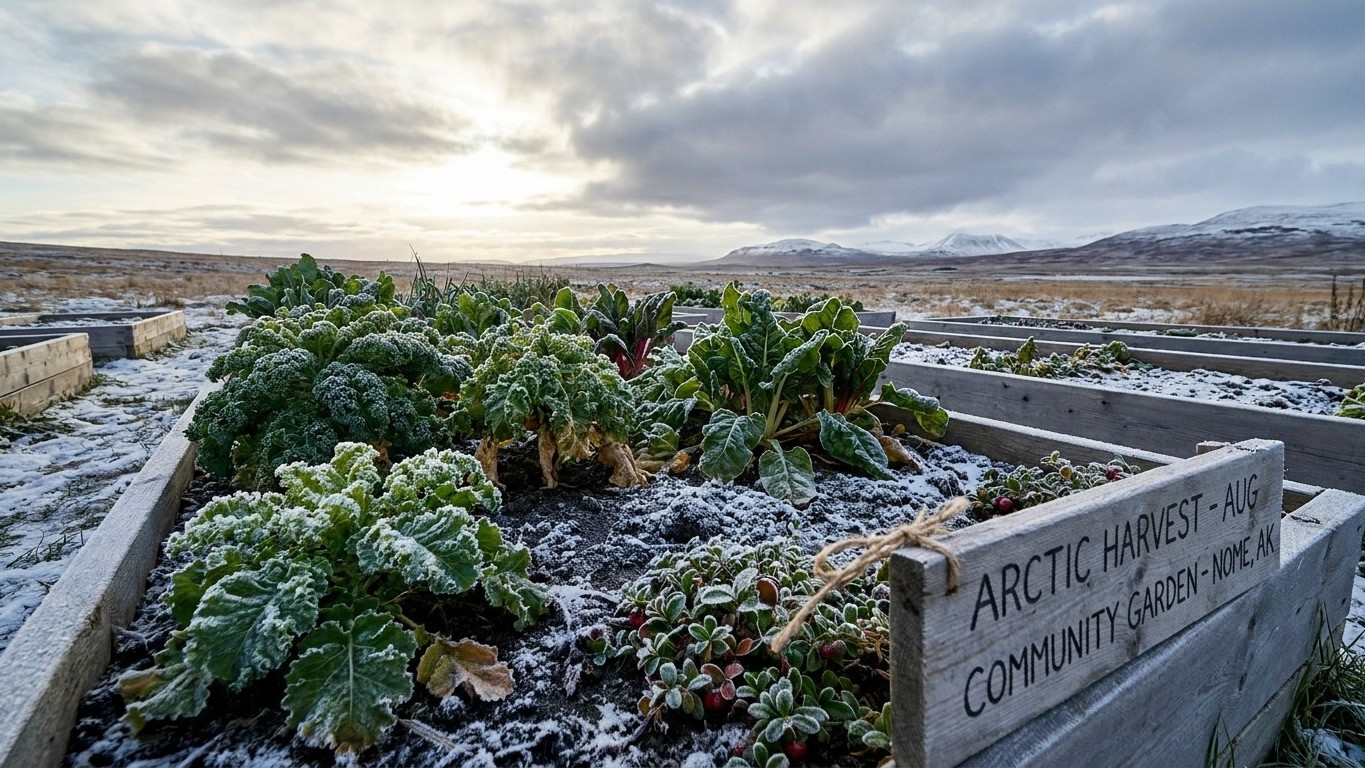
Gardening in Nunavut works on a frost-free window of roughly 86 days, bracketed by a hardiness zone so cold it barely registers on most garden references.
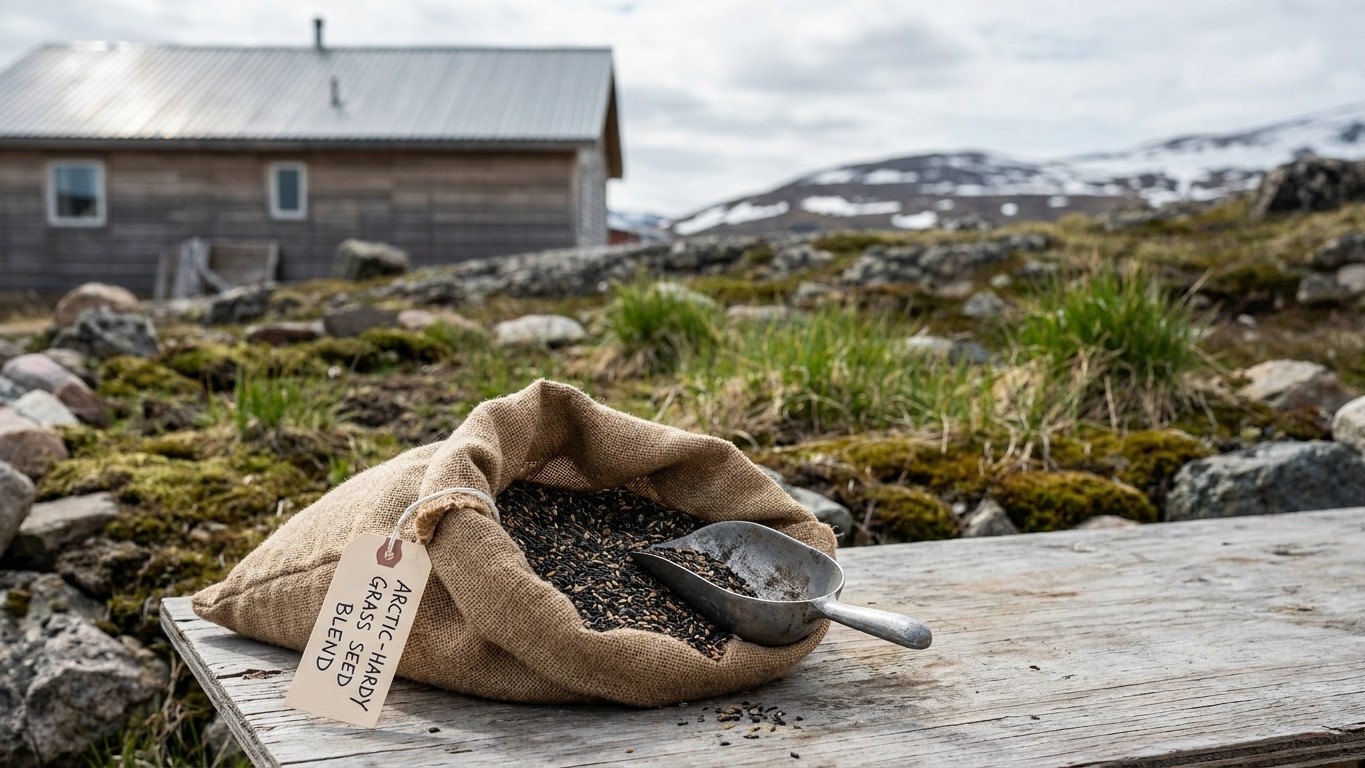
Nunavut needs cool-season grass seed like Fine Fescue, timed against the region’s short summer and early fall frost, not warm-season blends.
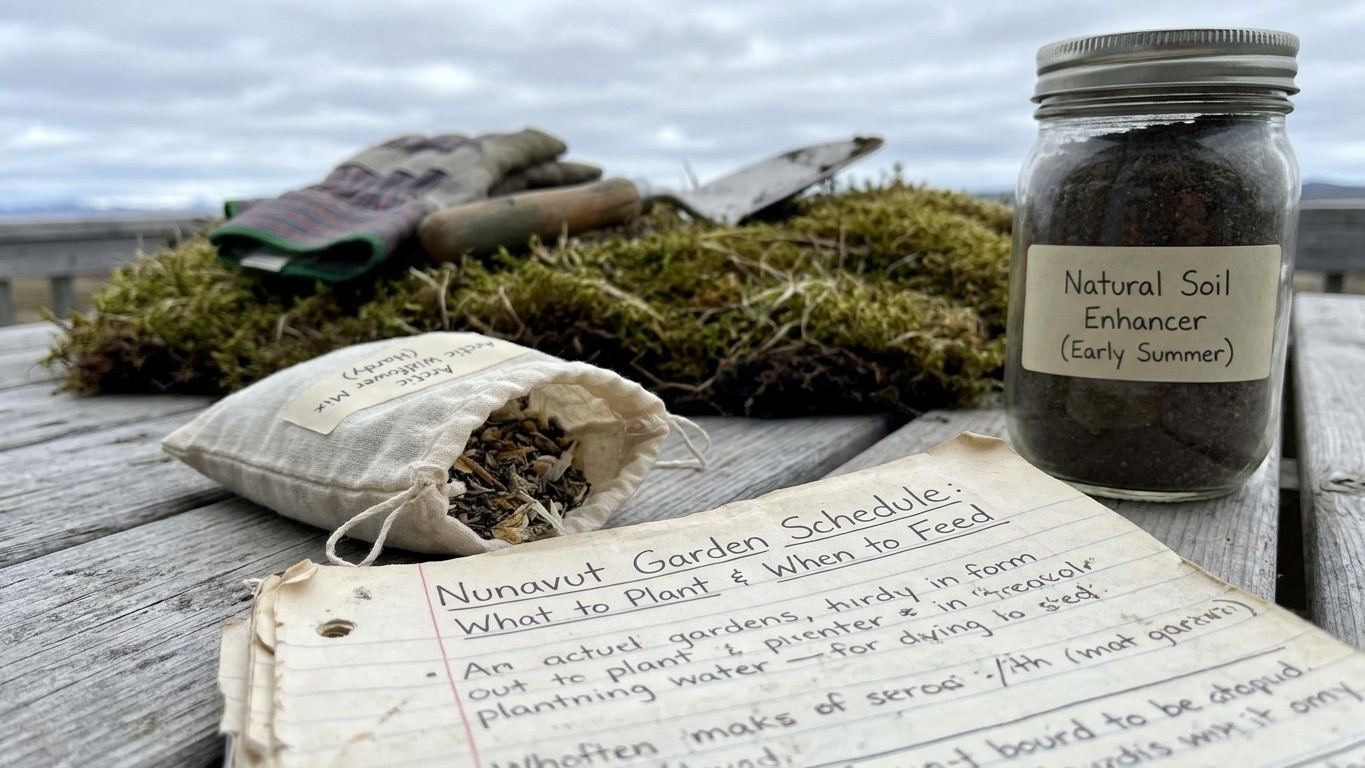
Nunavut’s brutal winters and short summers rule out warm-season turf, leaving cool-season grasses like tall fescue and Kentucky bluegrass as the only realistic lawn choice.
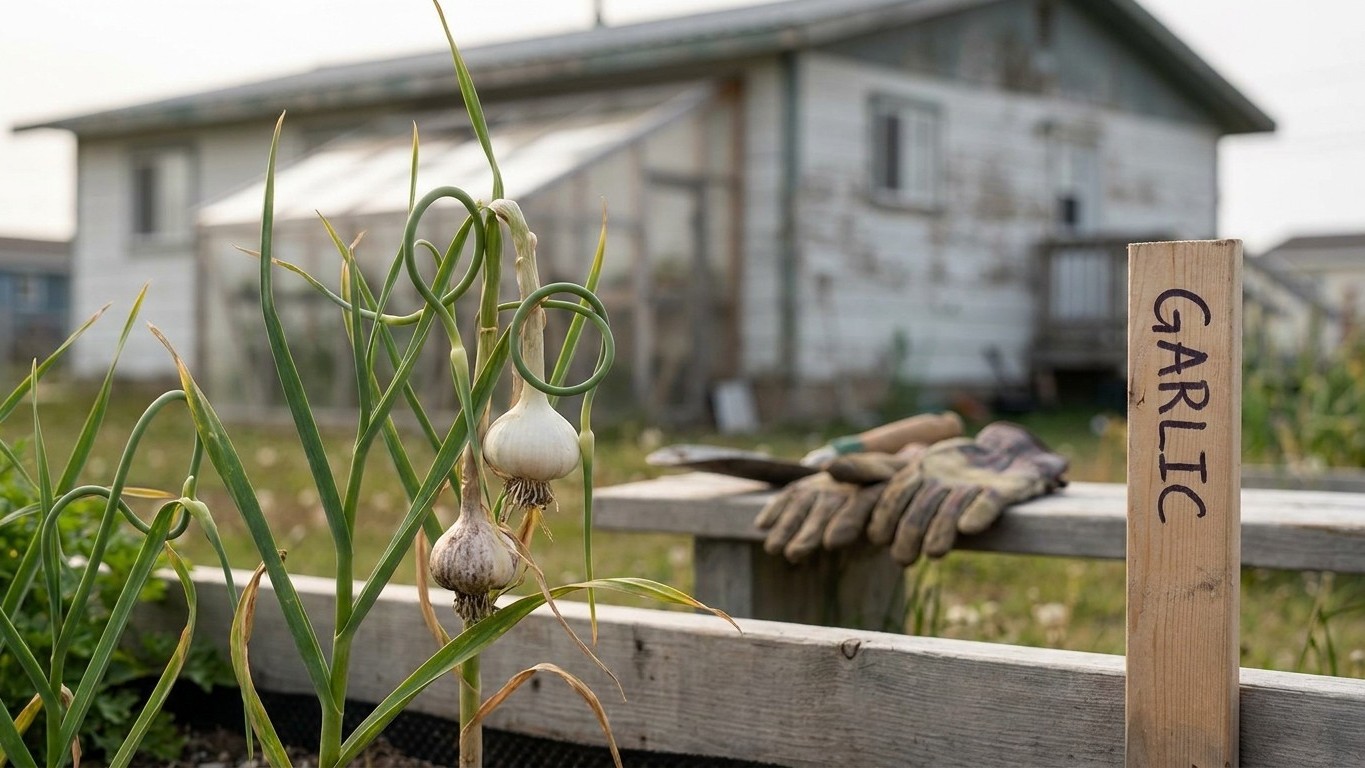
Nunavut’s closed list of hardneck and softneck garlic varieties all go into the ground in late August, timed against Rankin Inlet’s mean September frost date.
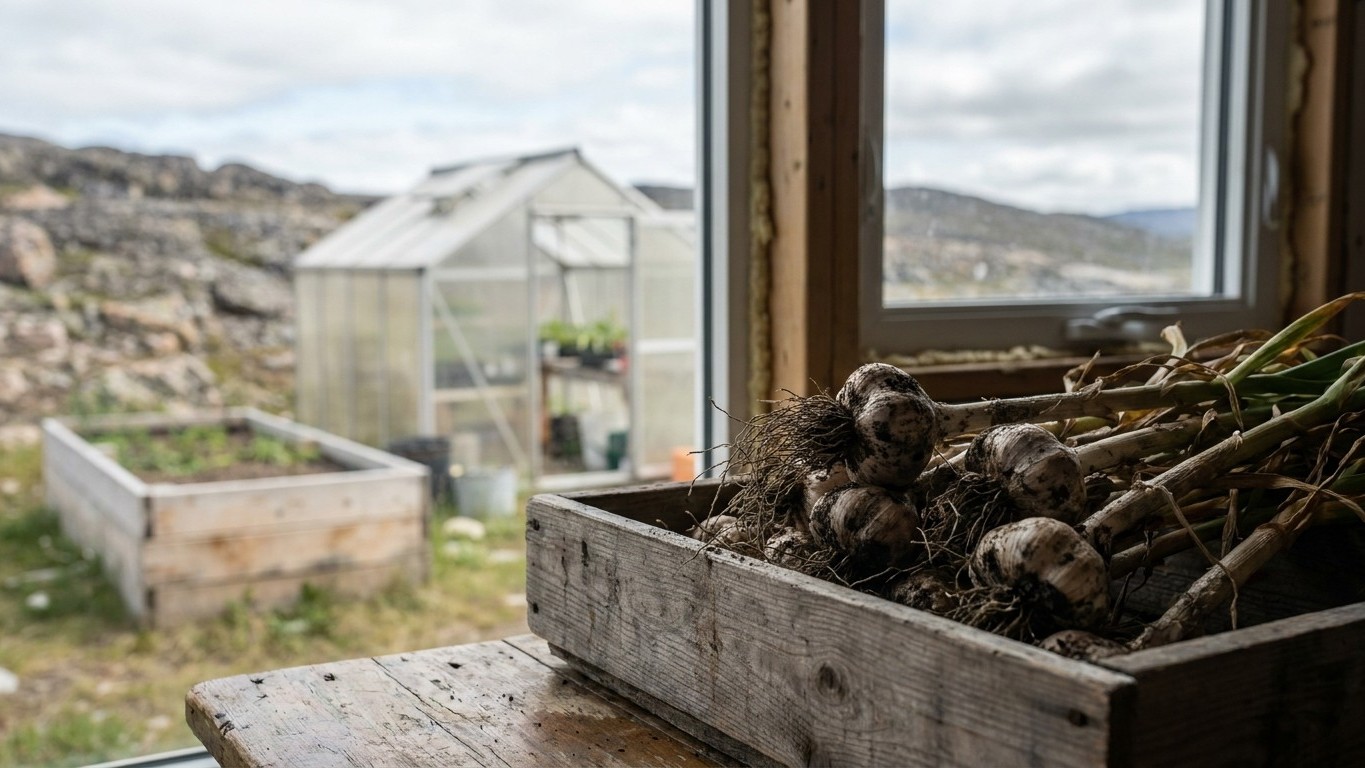
Nunavut’s garlic planting window is anchored to Rankin Inlet’s mean fall frost date, and the arithmetic behind it applies differently in every region.
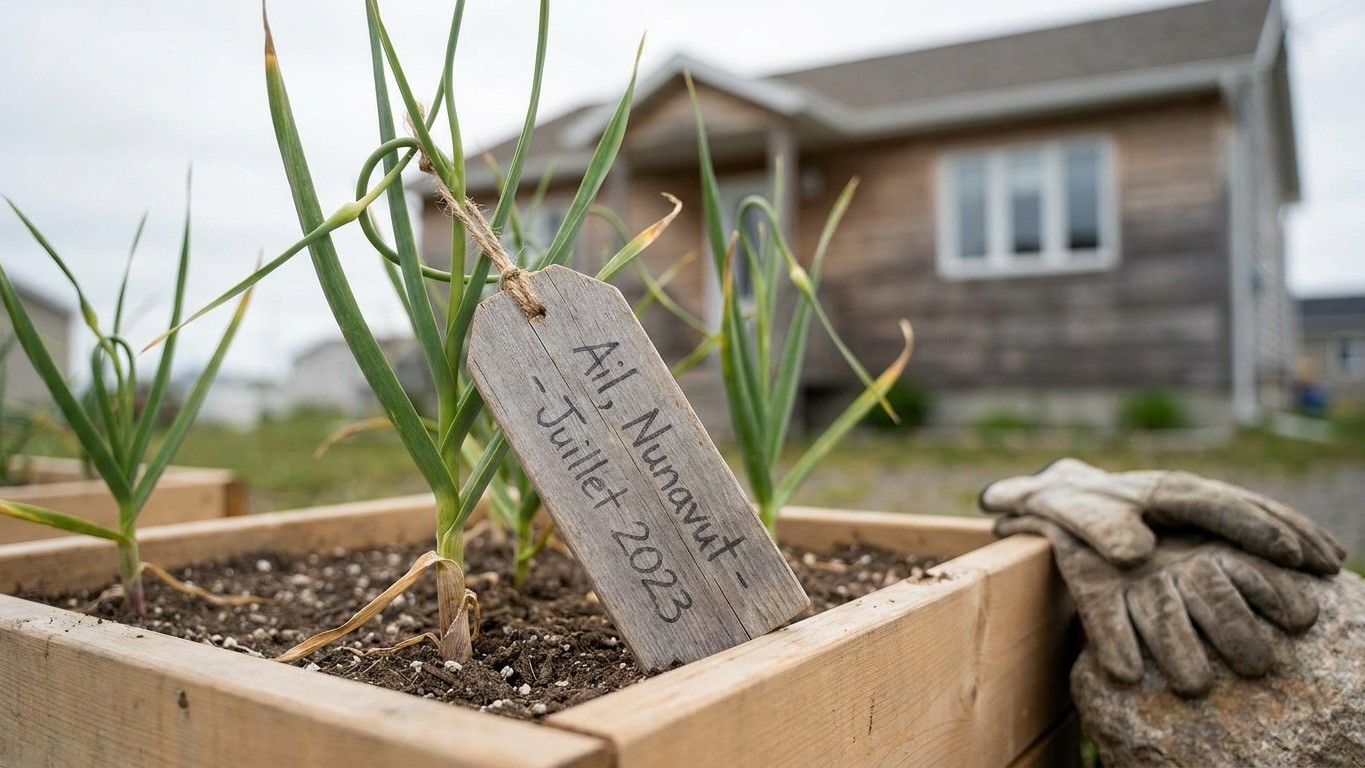
Rankin Inlet’s climate data shows Nunavut’s winters give garlic more cold than it needs, making hardneck varieties like Duganski and Chesnok Red the practical choice for the territory.
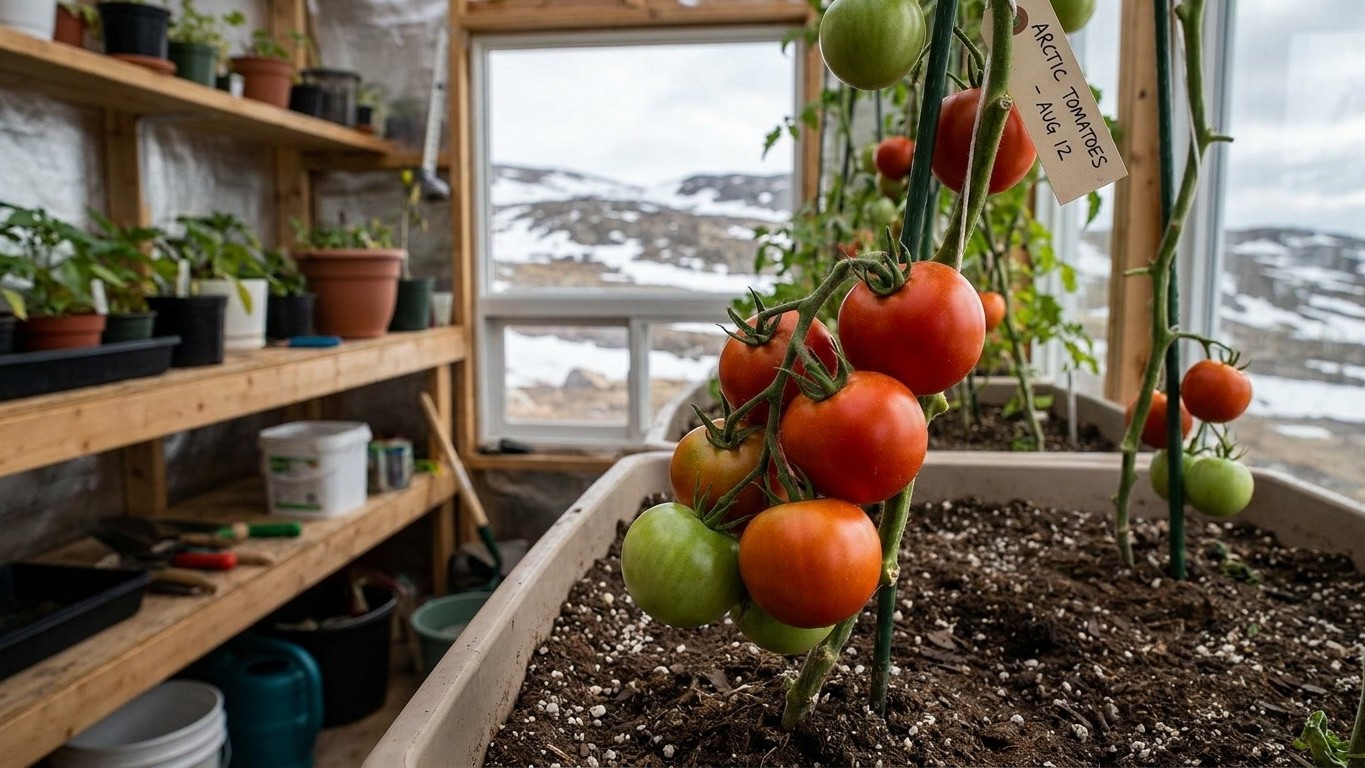
Environment Canada’s Rankin Inlet normals show an 85-day frost-free season, meaning Nunavut tomato growers need short-season varieties and a July transplant date.
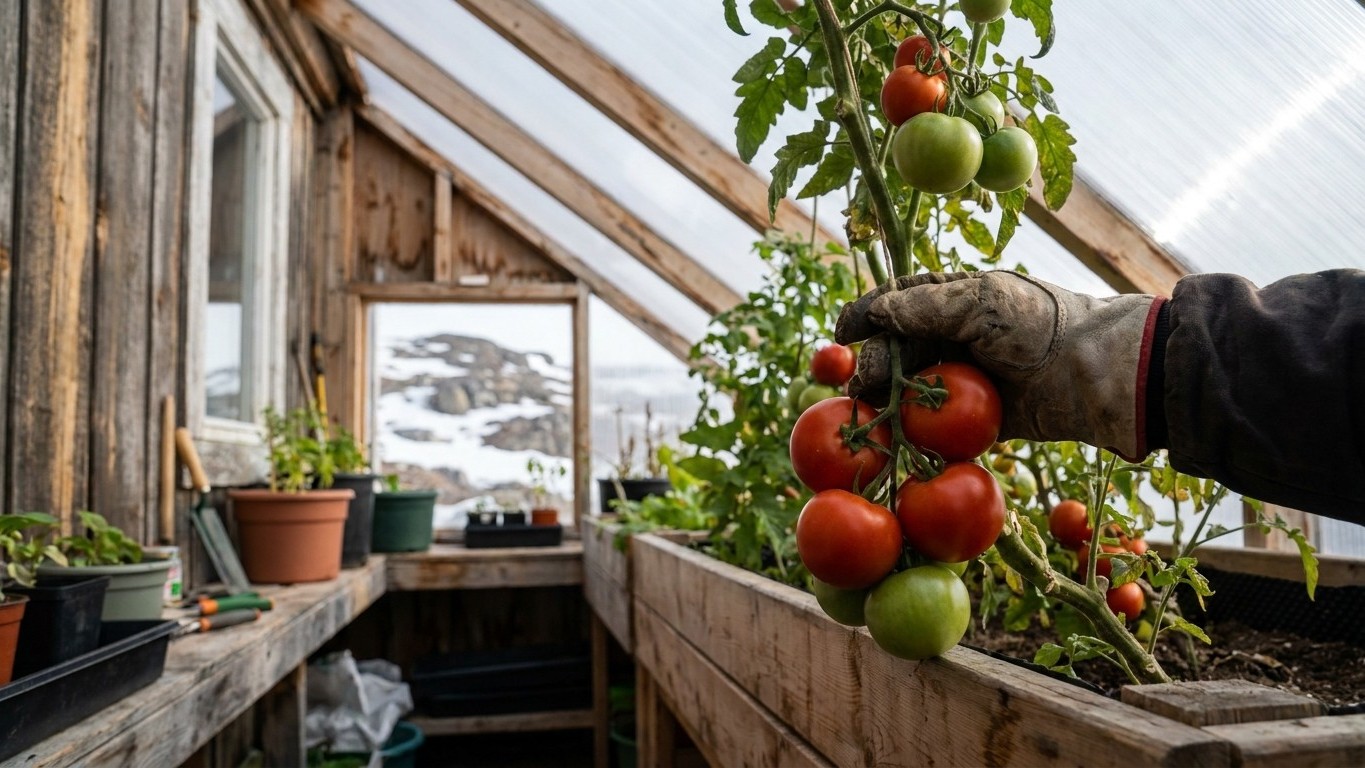
Nunavut’s frost window near Rankin Inlet leaves about an 86-day season, so most tomatoes must be transplanted in early July to ripen before fall frost.
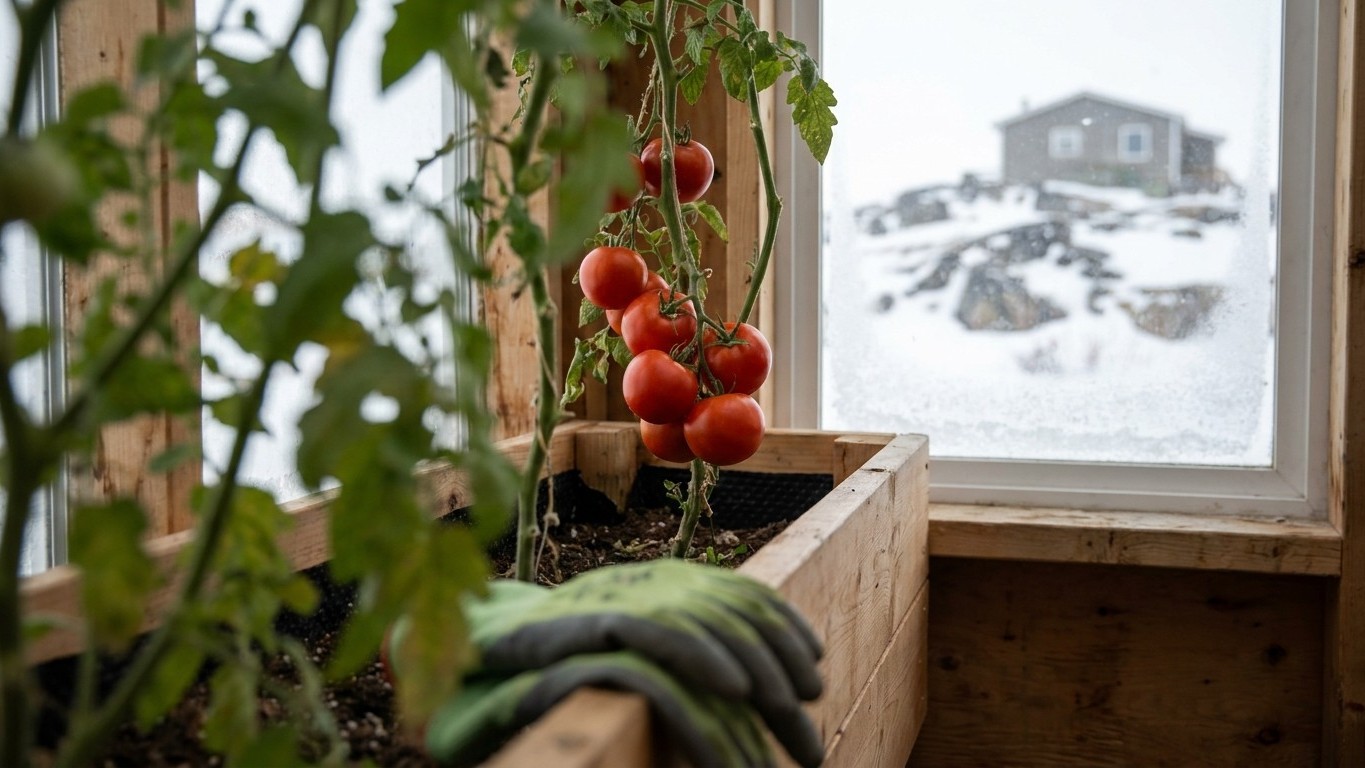
Named tomato cultivars ranked by how many days of margin they leave before Rankin Inlet’s average first fall frost, from safest to riskiest.