Gardening in Ontario: What the Season Actually Allows
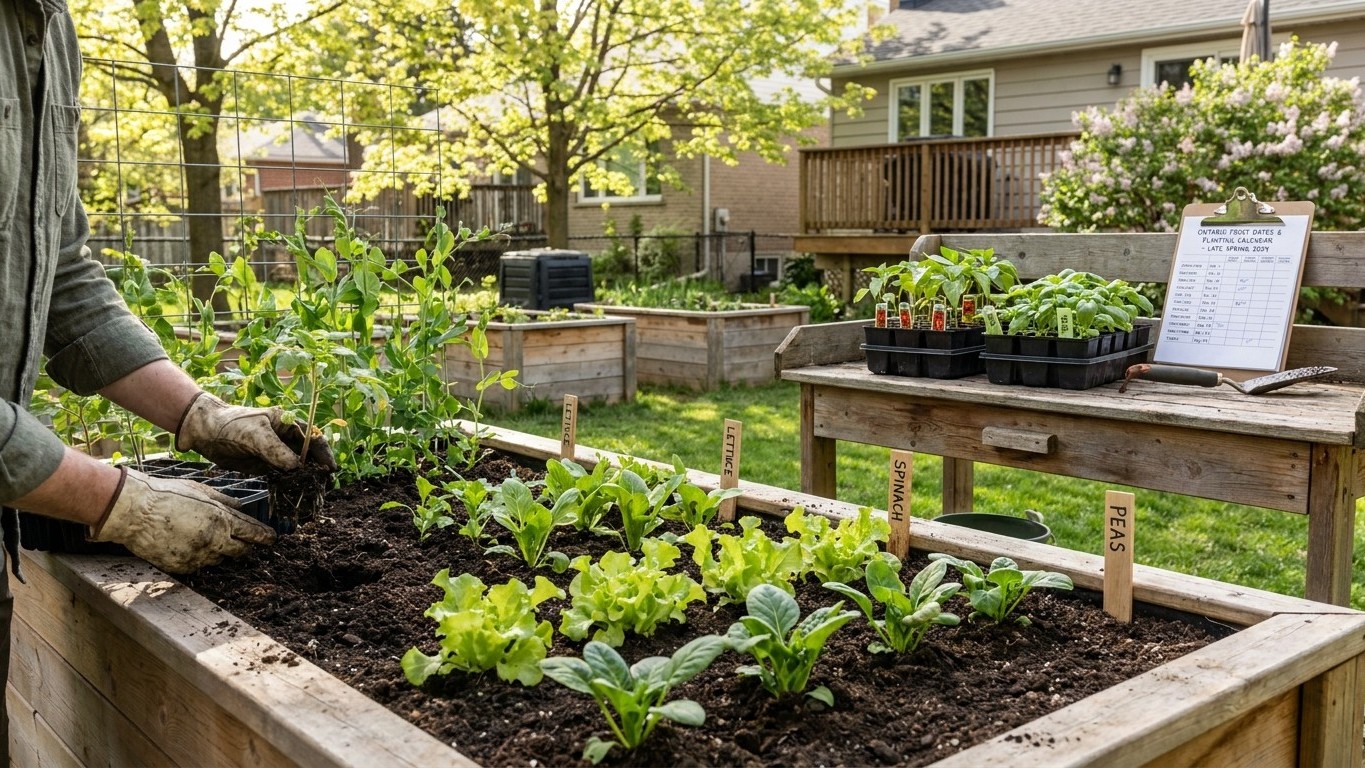
Ontario’s growing conditions come down to three numbers: a hardiness zone of 7a on the Canadian scale, a frost-free window of roughly 169 days, and…
Home & garden, state by state
Everything we have worked out for Ontario: what to plant and when, which varieties finish in time, the pests that actually turn up here, and the jobs that pay off month by month. We also cover the rest of the property, from lawns and soil to home care and energy, because a garden rarely stops at the vegetable bed.
The numbers first, because everything else follows from them. Measured at the weather station in Toronto, the last spring freeze falls around April 30 and the first fall freeze falls around October 16, 2,297 growing degree days in the year.
That is enough for early varieties, tight for anything late. Garlic does well: 30.4 weeks below 40 °F, comfortably past the six it needs to form a proper head.
Elsewhere on the property in Ontario: the pests that turn up here.
Figures from Environment and Climate Change Canada. A state is not one climate: elevation, a large lake or the coast can move these dates by two weeks either way, so check your own county with the extension service before you spend money.
Ontario’s growing conditions come down to three numbers: a hardiness zone of 7a on the Canadian scale, a frost-free window of roughly 169 days, and…
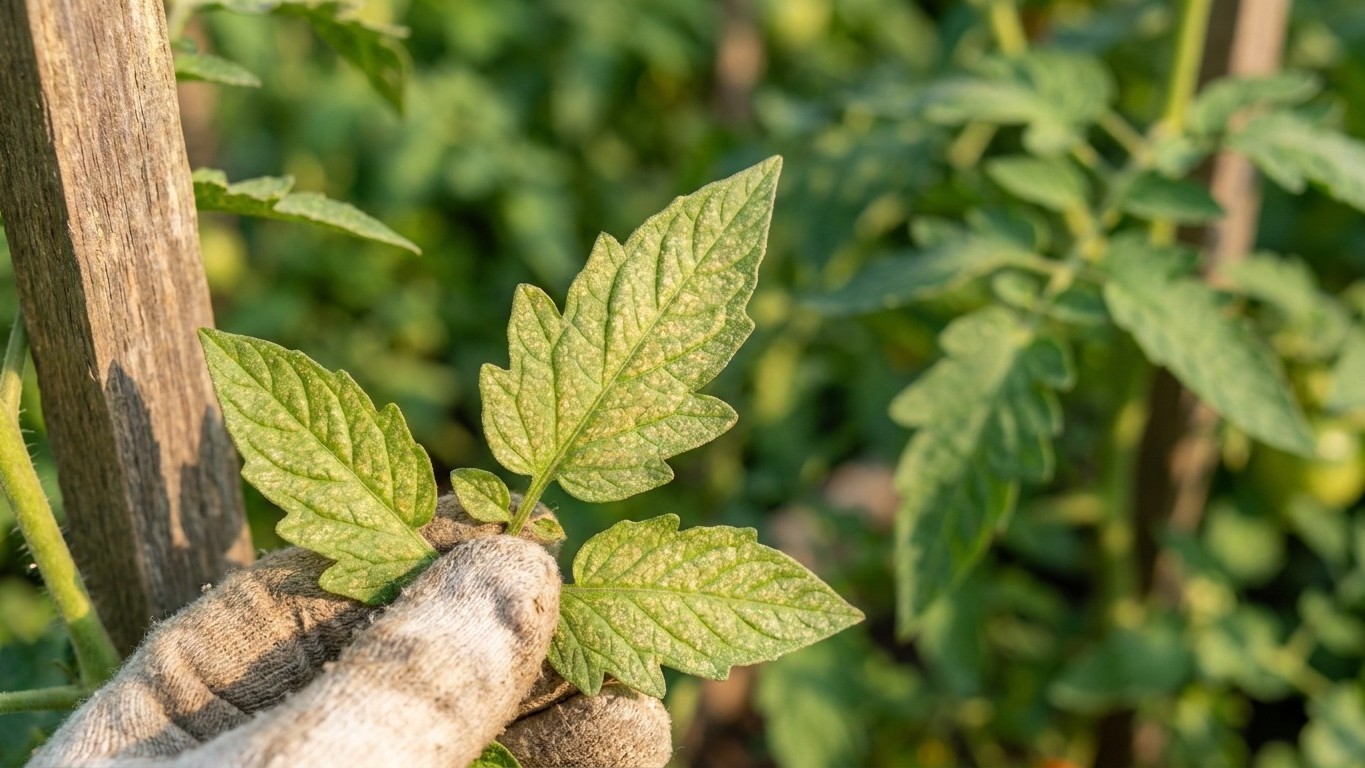
Twospotted spider mites show up in Ontario gardens once the weather turns warm and dry, usually a few weeks after transplanting, and the first sign is…
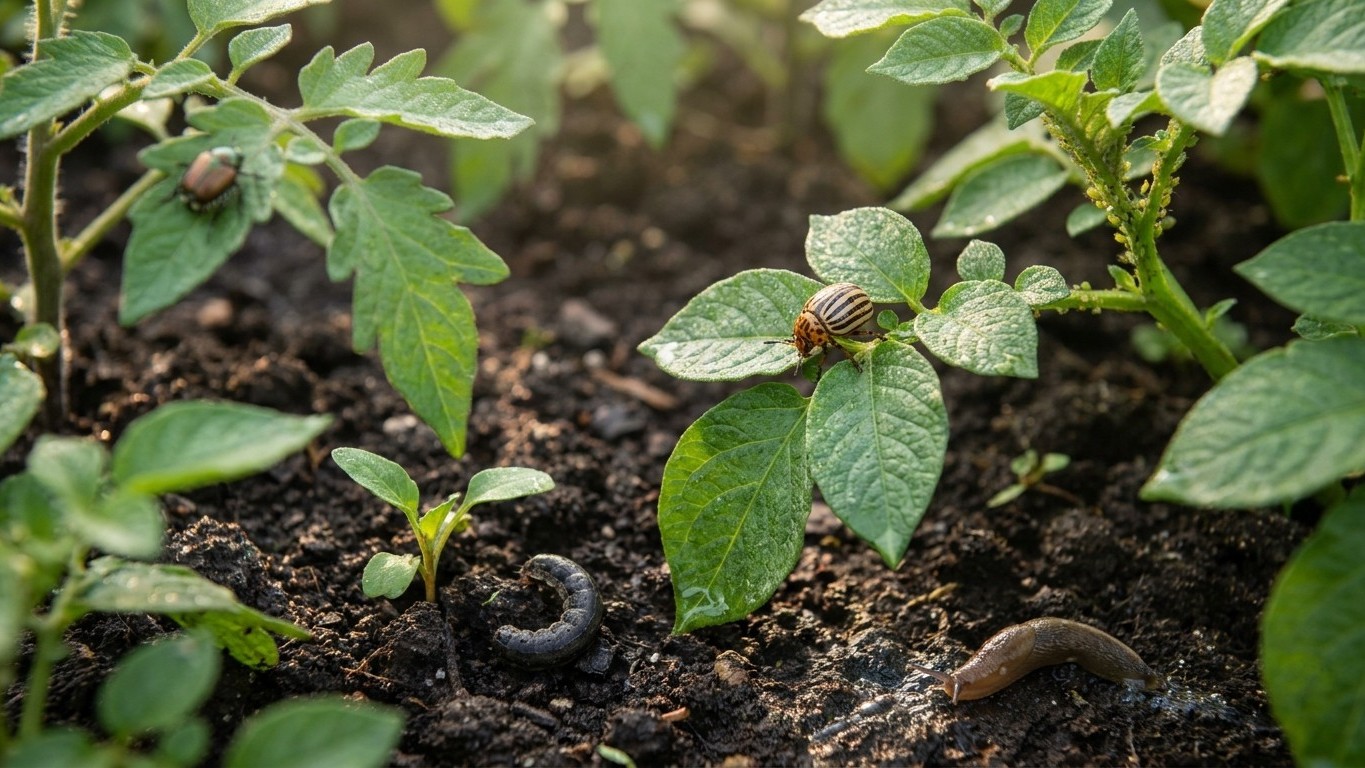
Southern Ontario gardeners deal with Japanese beetles, Colorado potato beetles, aphids, and squash vine borers all summer long, while cutworms and flea…
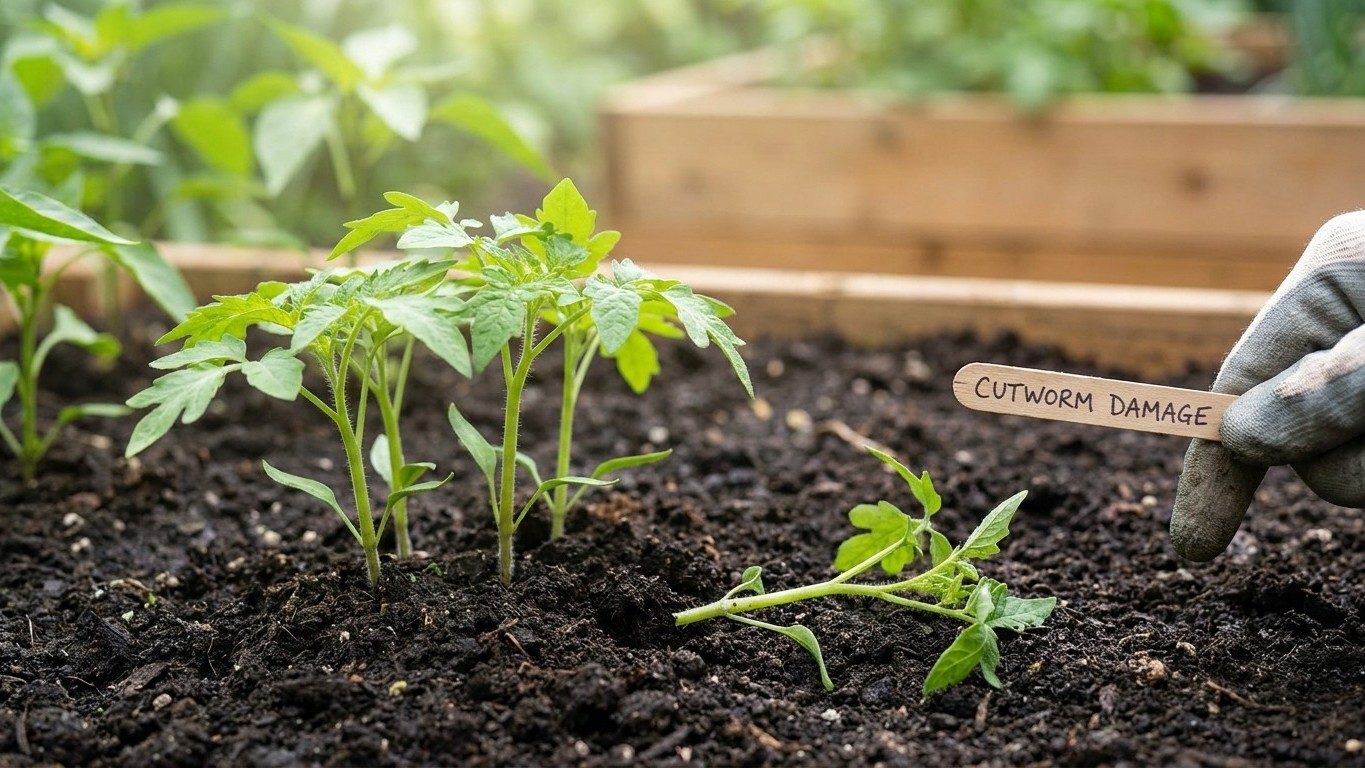
Cutworms show up in Ontario gardens and field crops starting in mid-May, right when soil temperatures climb past 50°F and overwintering larvae or newly…
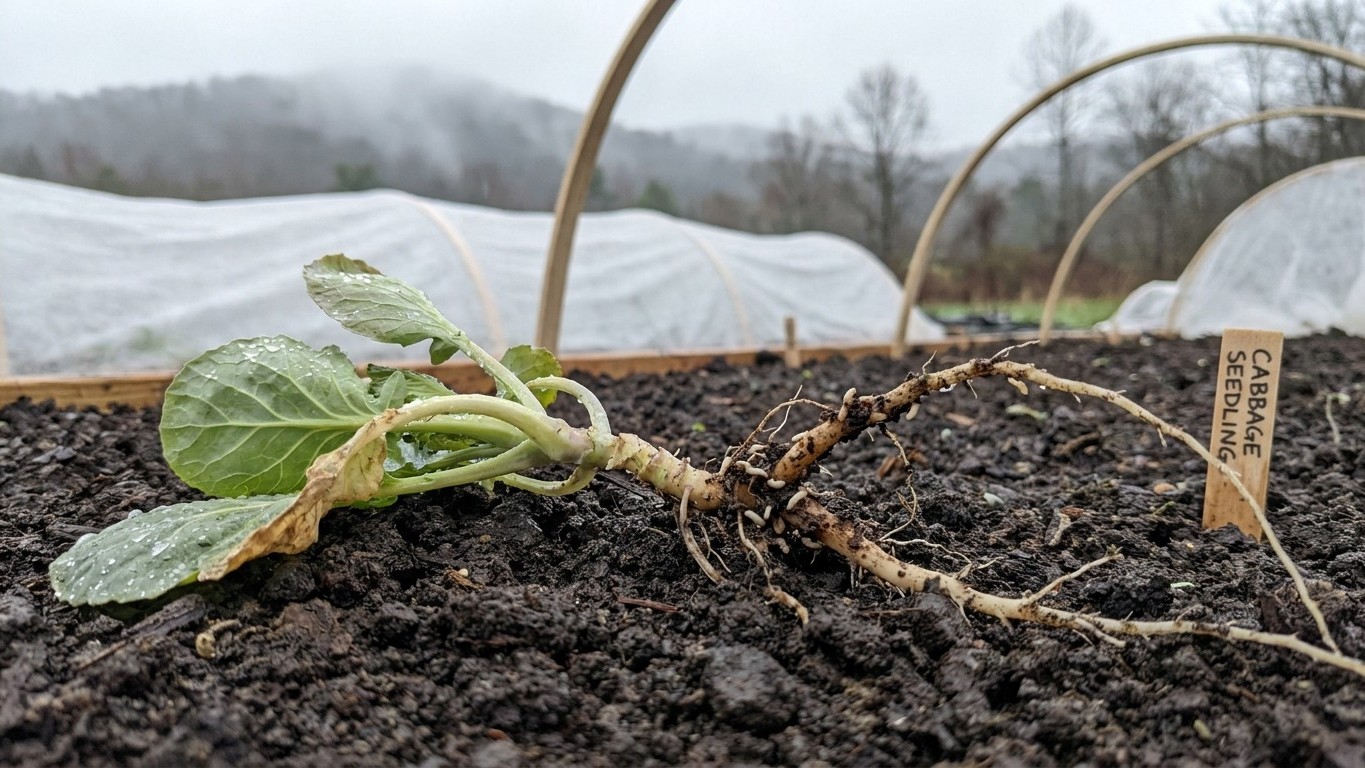
Cabbage maggot larvae start feeding on roots in Ontario as soon as soil temperatures climb past 50°F, which usually lands in mid-to-late April in the…
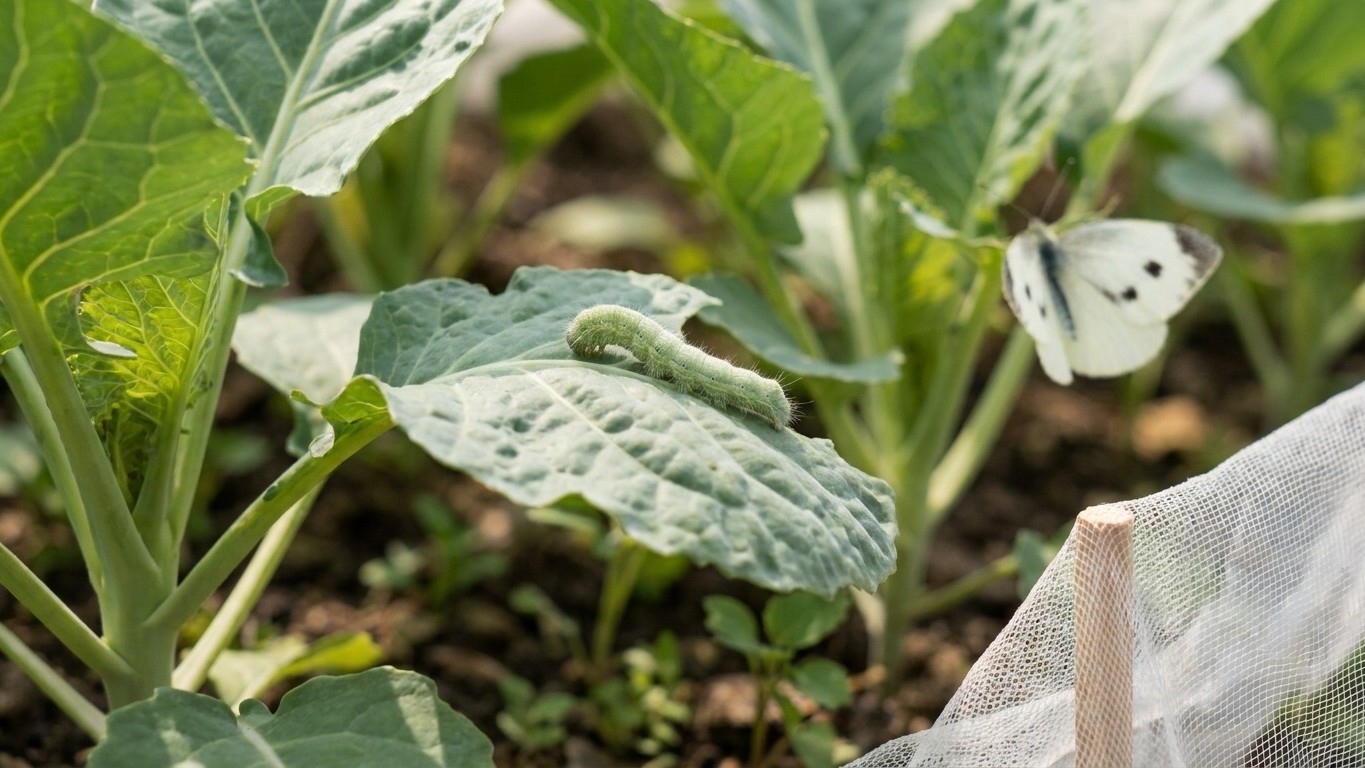
Imported cabbageworm larvae start chewing through Ontario brassica patches as early as mid-May in the south and stick around until the first hard frost…
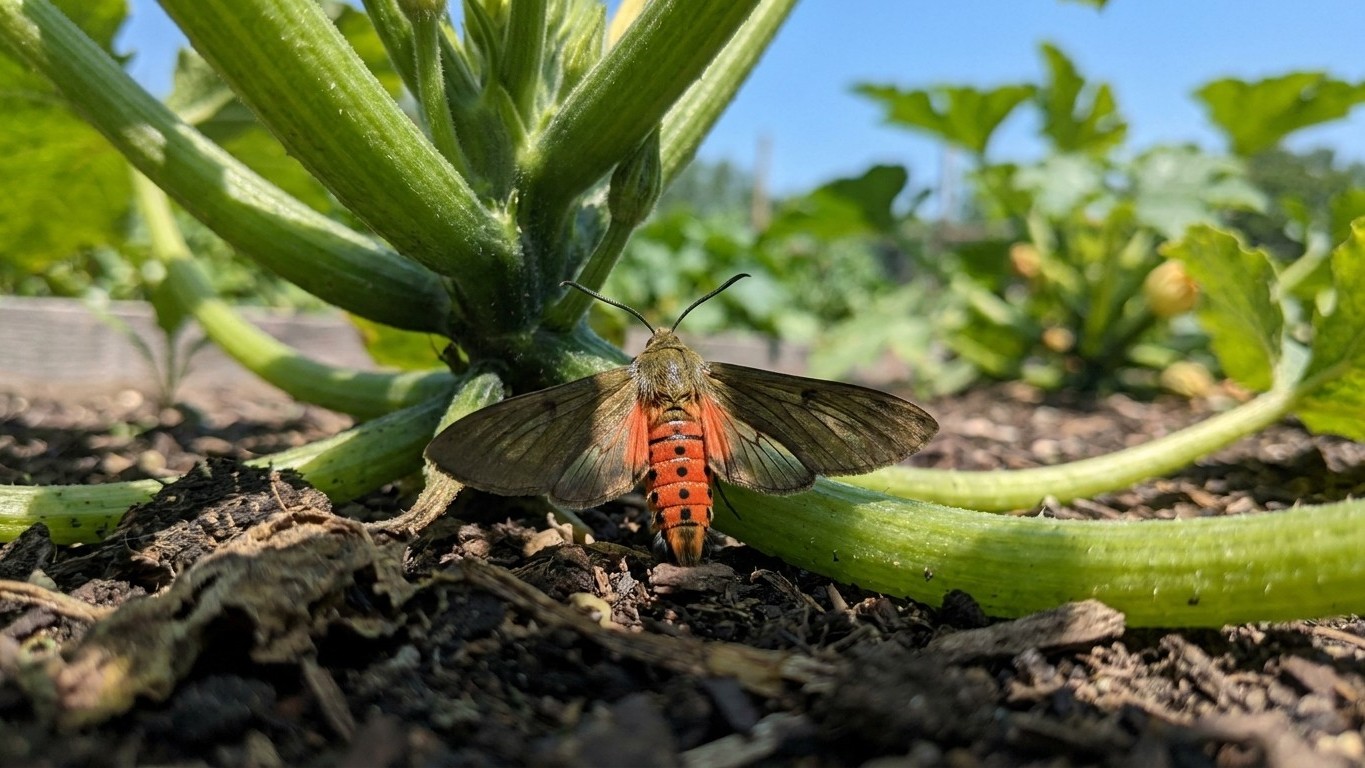
Squash vine borer moths start flying in Ontario gardens from late June through mid-July, with egg-laying and stem tunneling peaking in the following few…
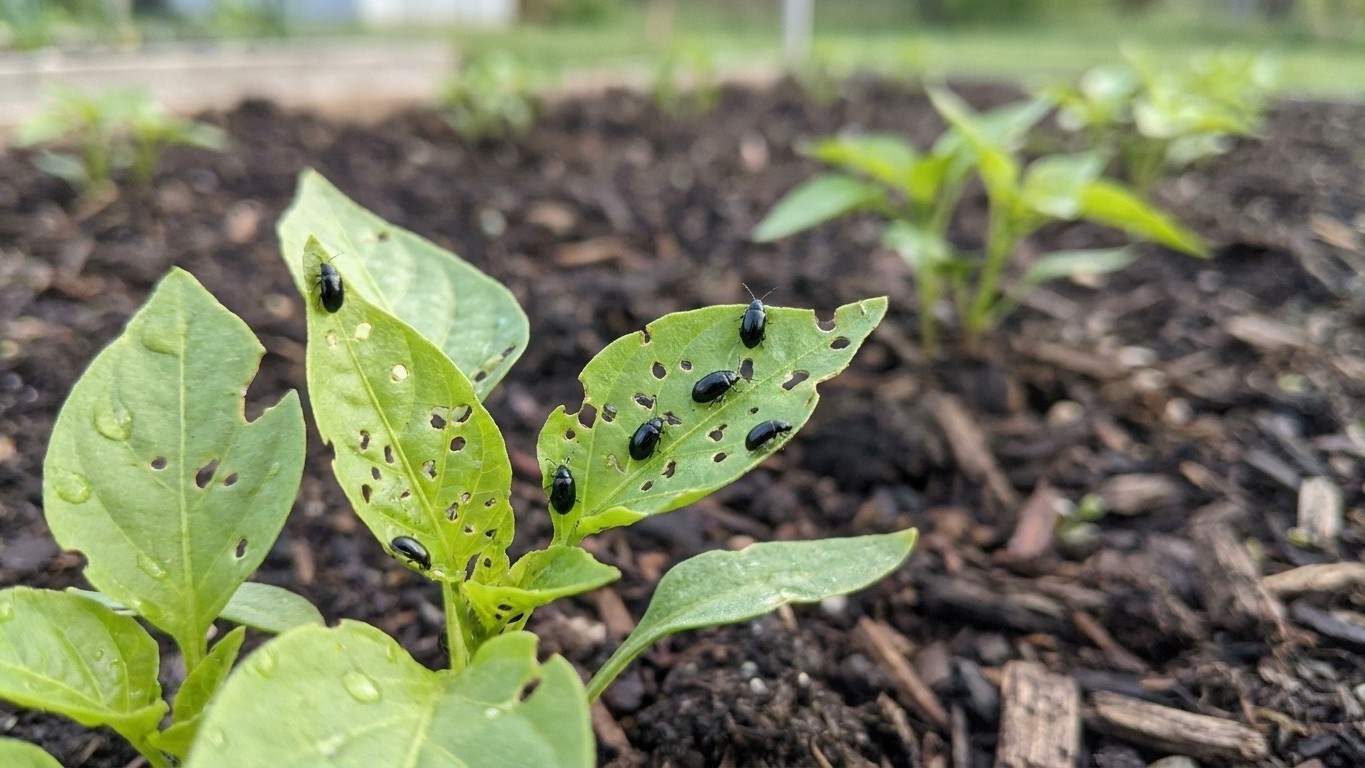
Flea beetles start chewing through Ontario gardens the moment soil temperatures hit roughly 50°F, usually in the first two to three weeks of May, and…
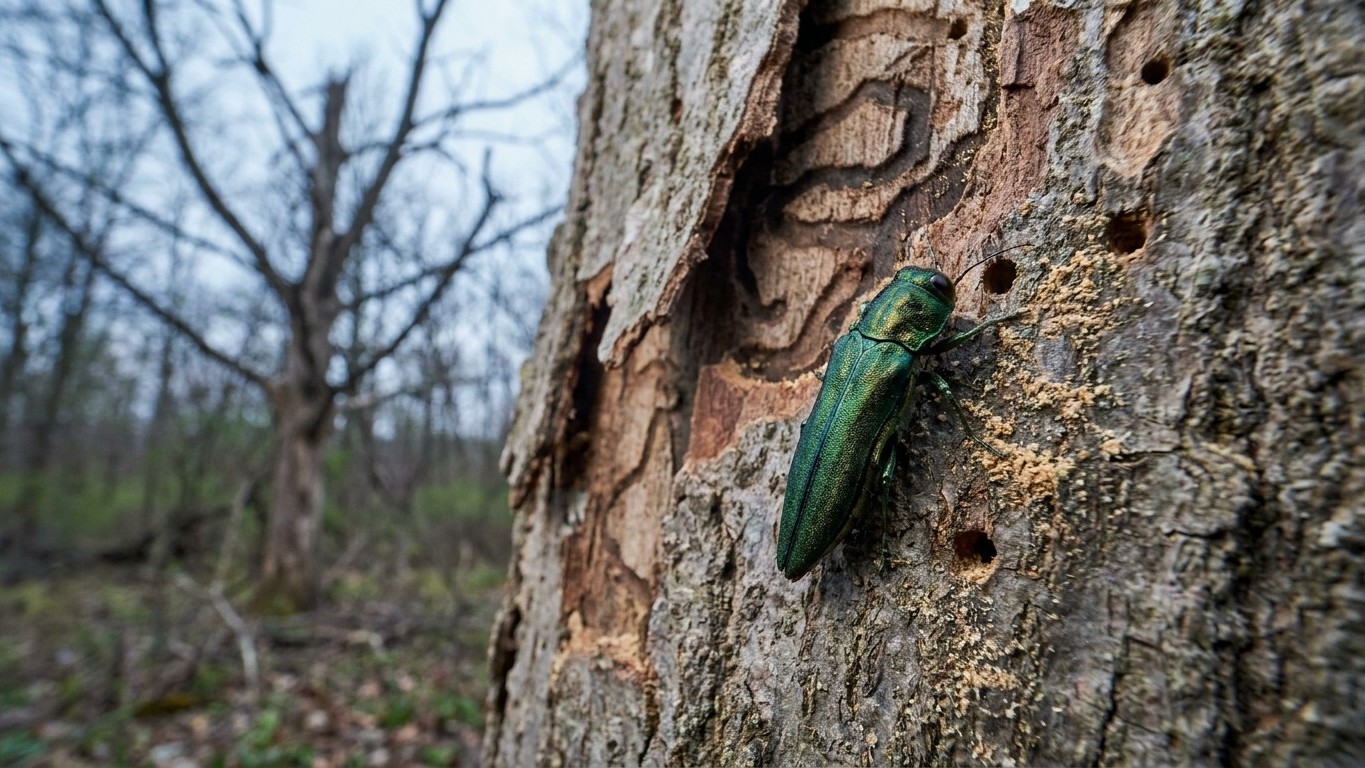
Emerald ash borer first turned up in North America in 2002, discovered almost simultaneously in Detroit, Michigan and just across the river in Windsor…
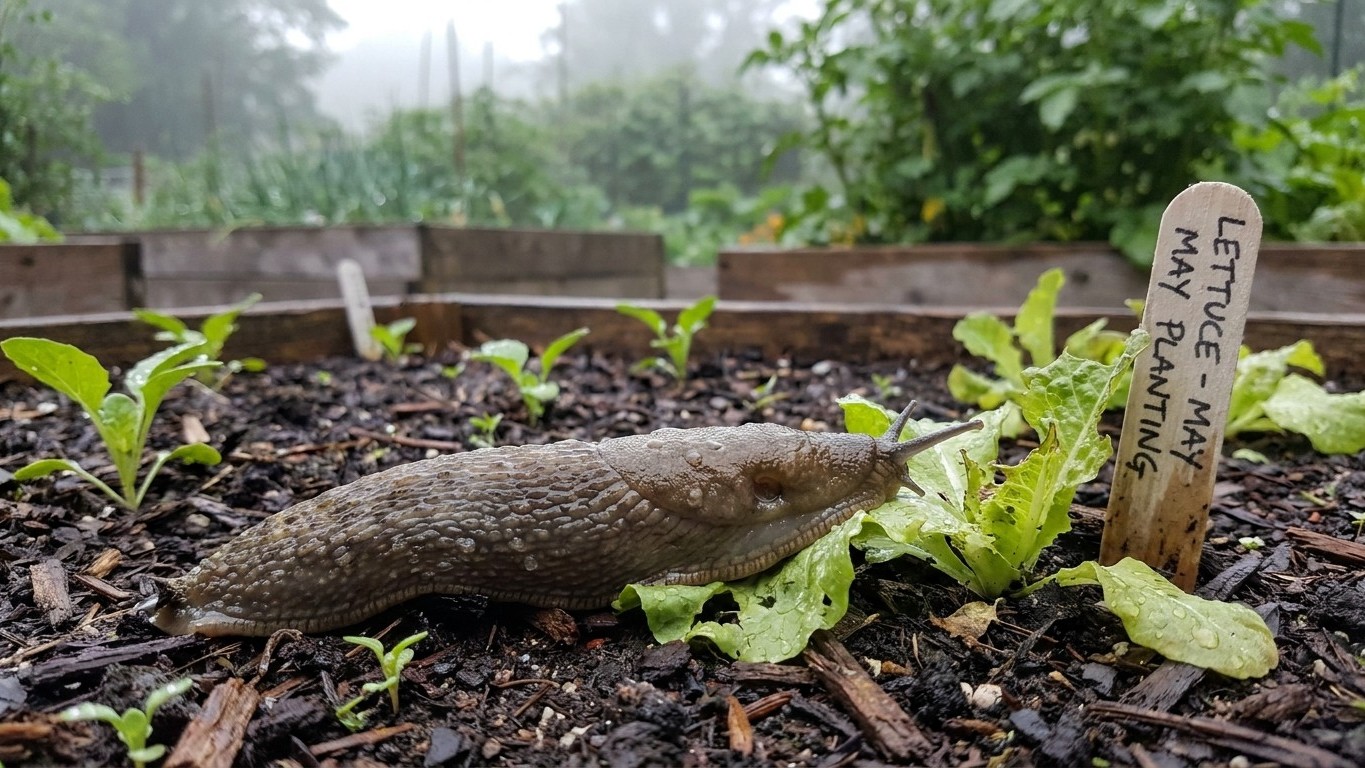
Slugs show up in Ontario the moment nighttime temperatures climb past roughly 45°F and the soil stays damp for more than a day or two, usually mid-April…