What Eats Pepper in Ontario, and When
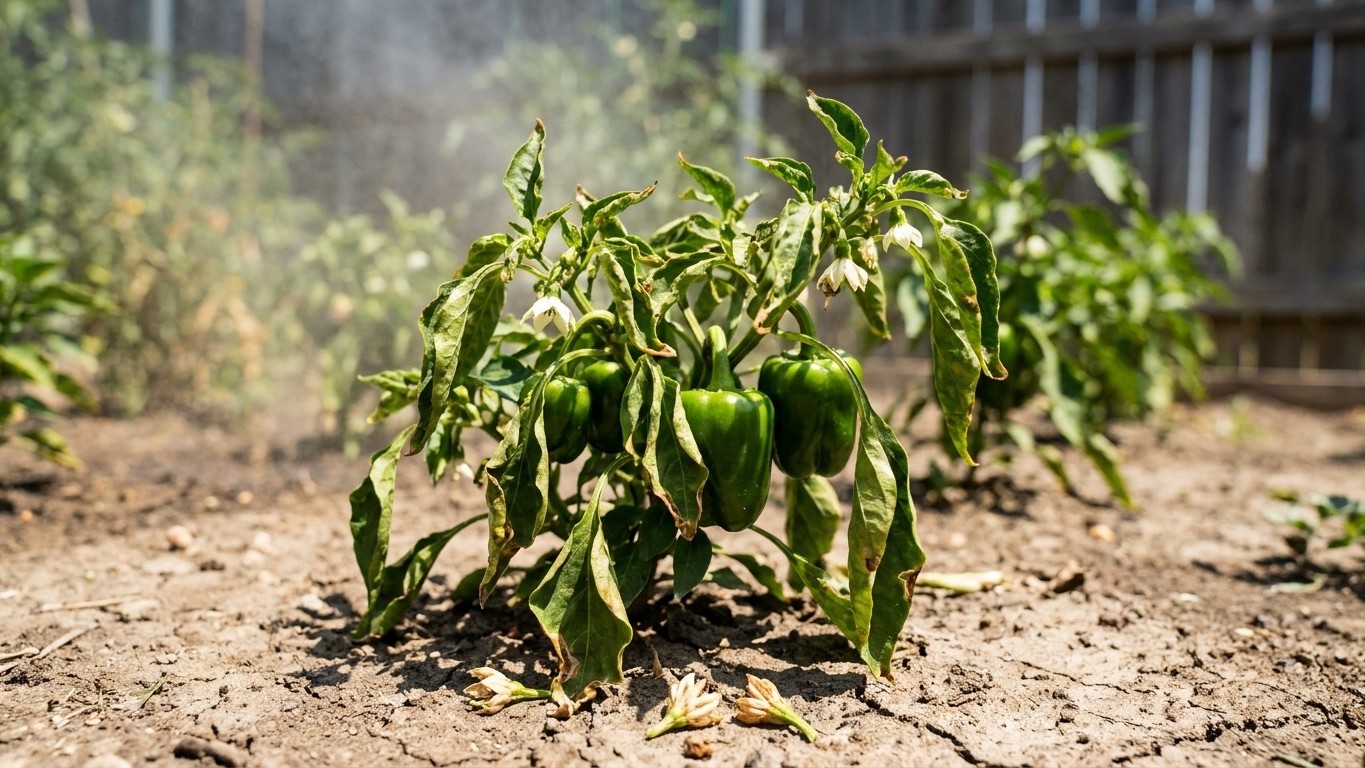
Weather does most of the damage to peppers in Ontario, and it comes from two directions: nights below 55 °F (about 13 °C) and days above 32 °C.
Home & garden, state by state
Everything we have worked out for Ontario: what to plant and when, which varieties finish in time, the pests that actually turn up here, and the jobs that pay off month by month. We also cover the rest of the property, from lawns and soil to home care and energy, because a garden rarely stops at the vegetable bed.
The numbers first, because everything else follows from them. Measured at the weather station in Toronto, the last spring freeze falls around April 30 and the first fall freeze falls around October 16, 2,297 growing degree days in the year.
That is enough for early varieties, tight for anything late. Garlic does well: 30.4 weeks below 40 °F, comfortably past the six it needs to form a proper head.
Elsewhere on the property in Ontario: the pests that turn up here.
Figures from Environment and Climate Change Canada. A state is not one climate: elevation, a large lake or the coast can move these dates by two weeks either way, so check your own county with the extension service before you spend money.
Weather does most of the damage to peppers in Ontario, and it comes from two directions: nights below 55 °F (about 13 °C) and days above 32 °C.
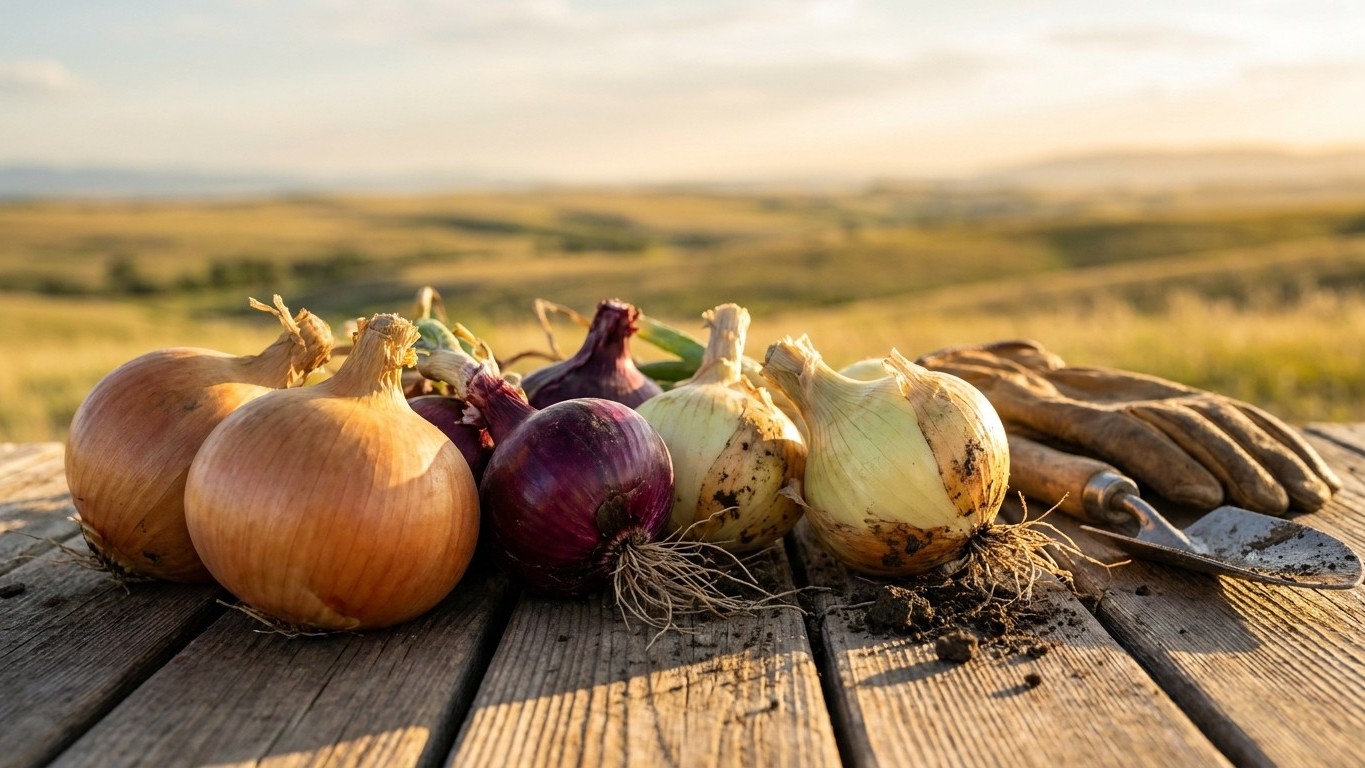
Onion maggot is the pest that actually goes after onions in Ontario, and it does its worst damage in the first few weeks after seedlings or sets go into…
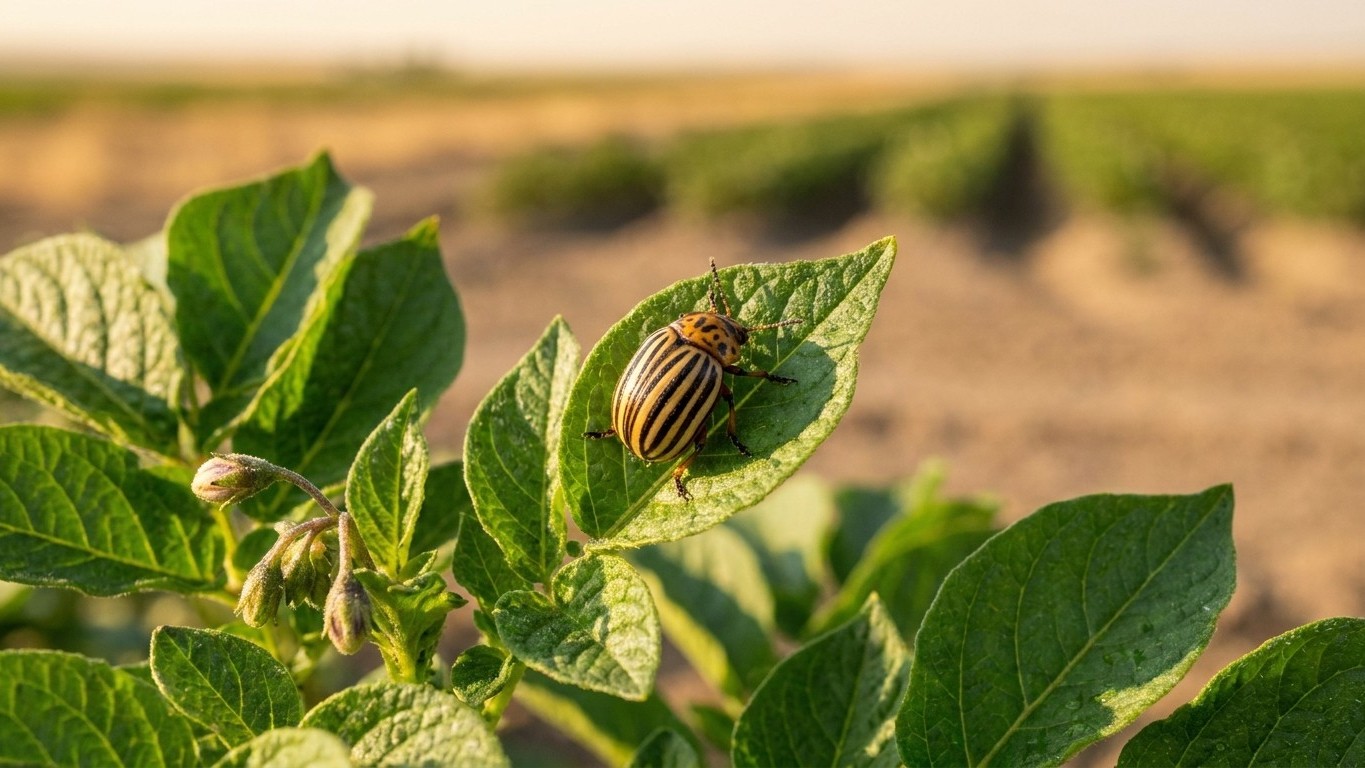
The short list that actually feeds on potato in Ontario gardens runs to about a dozen species, not the two dozen a broader vegetable-pest sheet might…
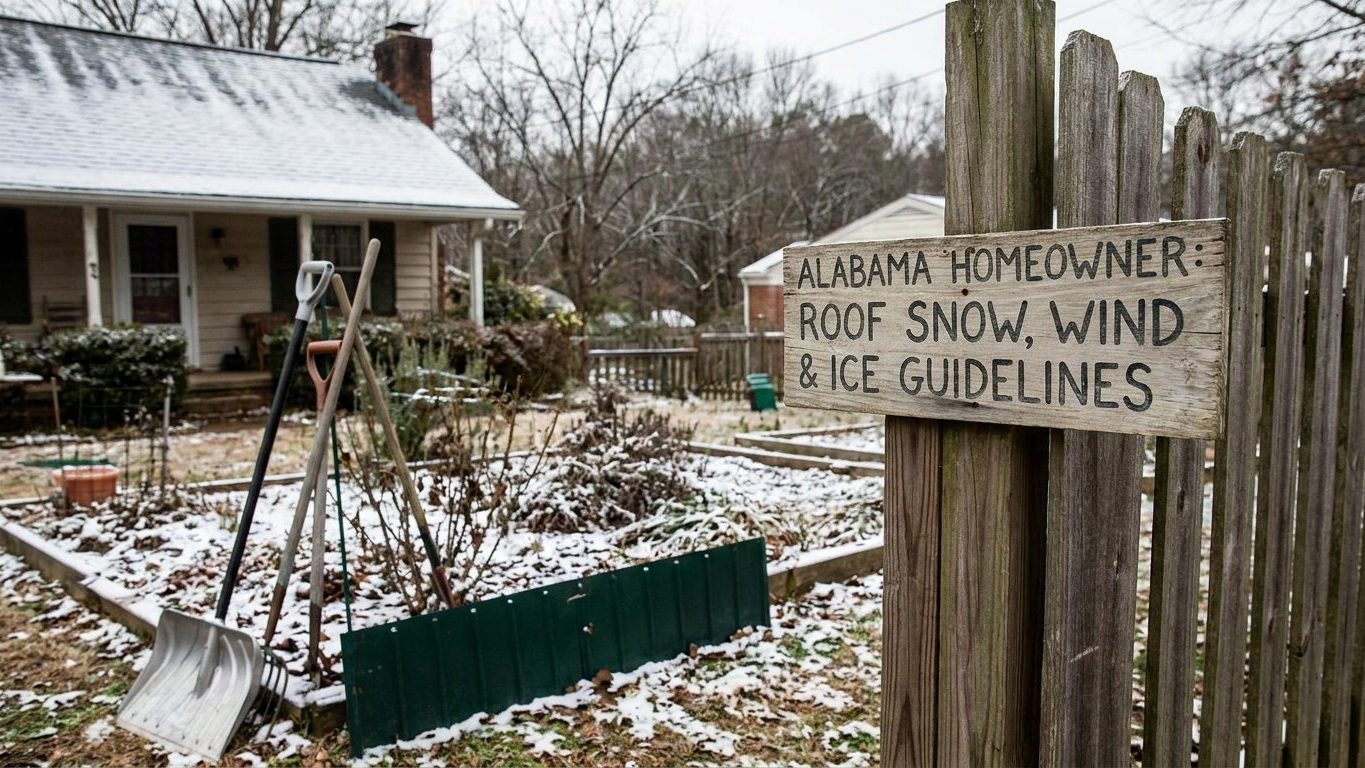
Explains Toronto’s NBC ground snow and wind pressure figures, how they convert to roof loads, and when Ontario’s building code calls for an ice barrier.

In Ontario, 83.0% of households have air conditioning, well above the 68.3% national average for Canada.
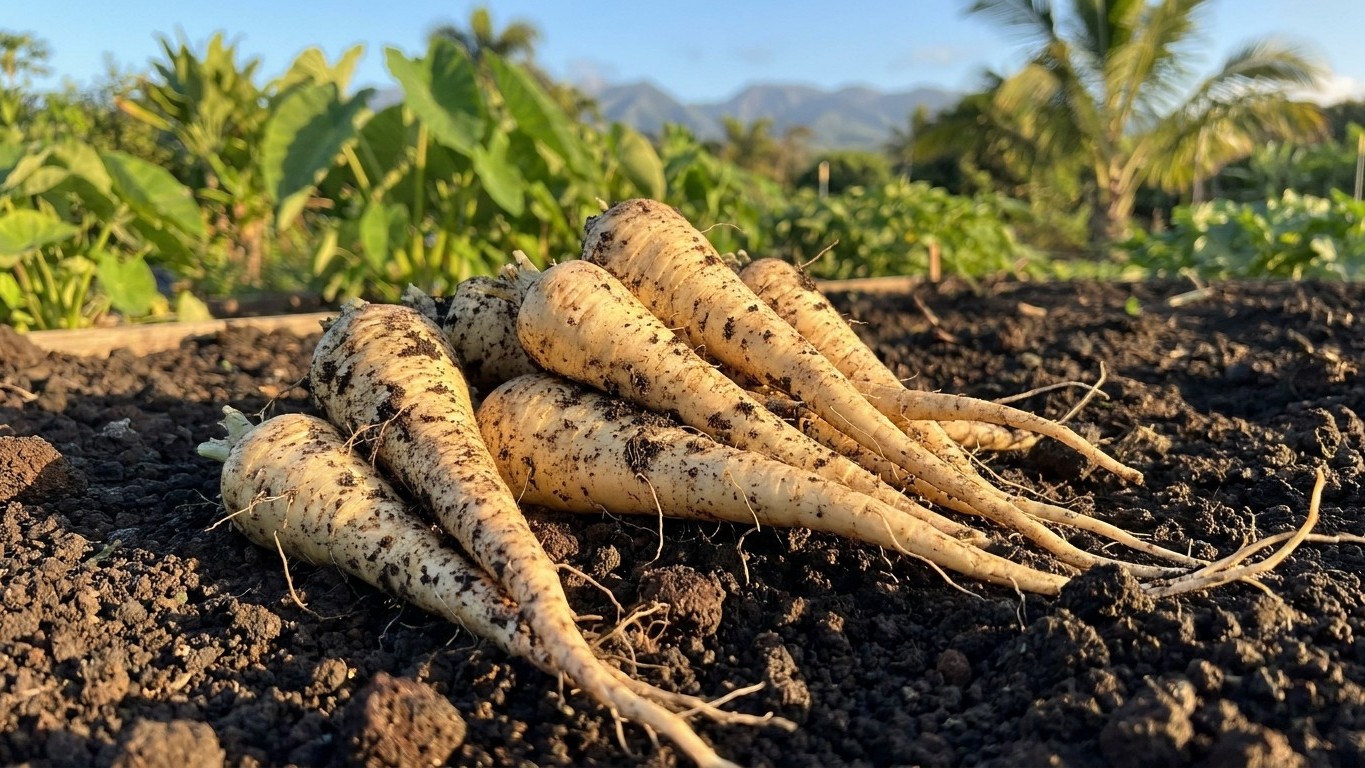
Parsnip in Ontario faces a short bench of generalist feeders rather than a crop-specific insect.
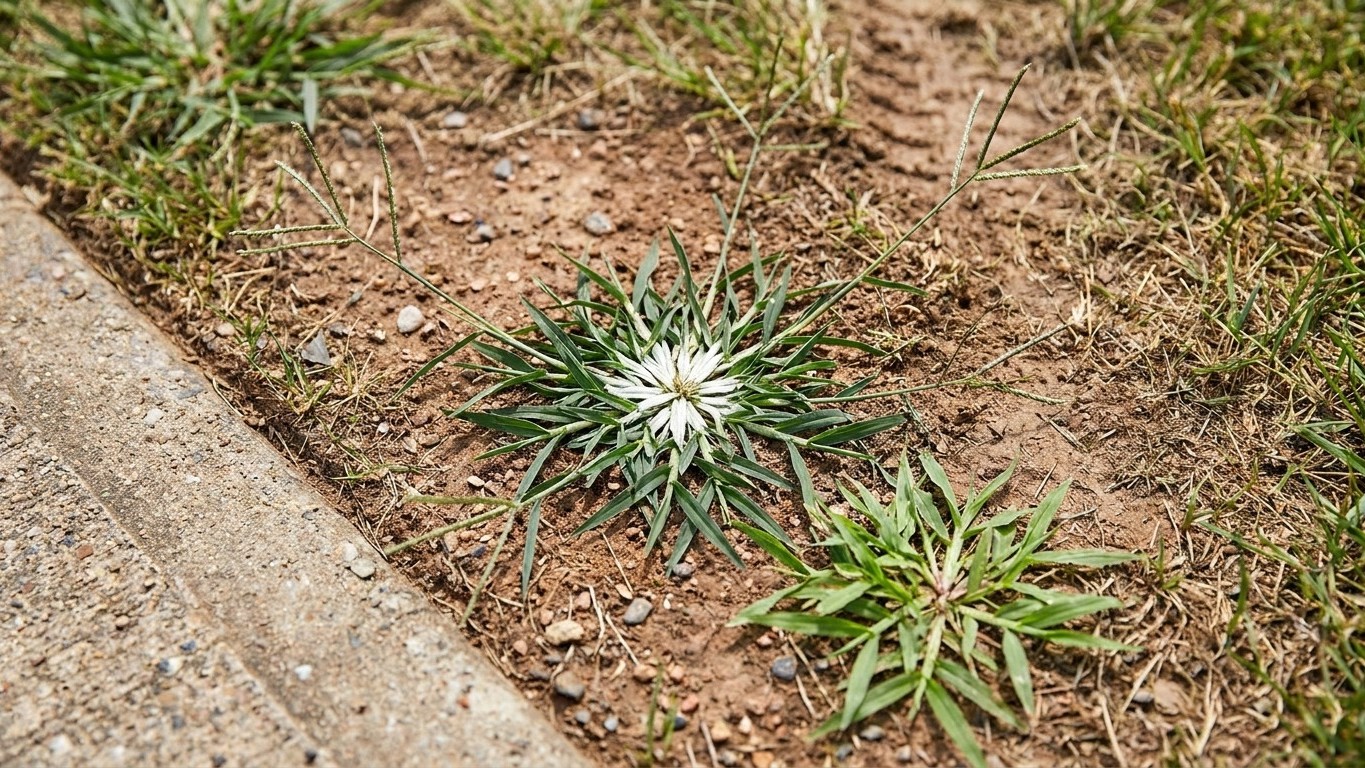
The short answer: aim for the first three weeks of September across most of Southern Ontario, working backward from the province’s average first fall…
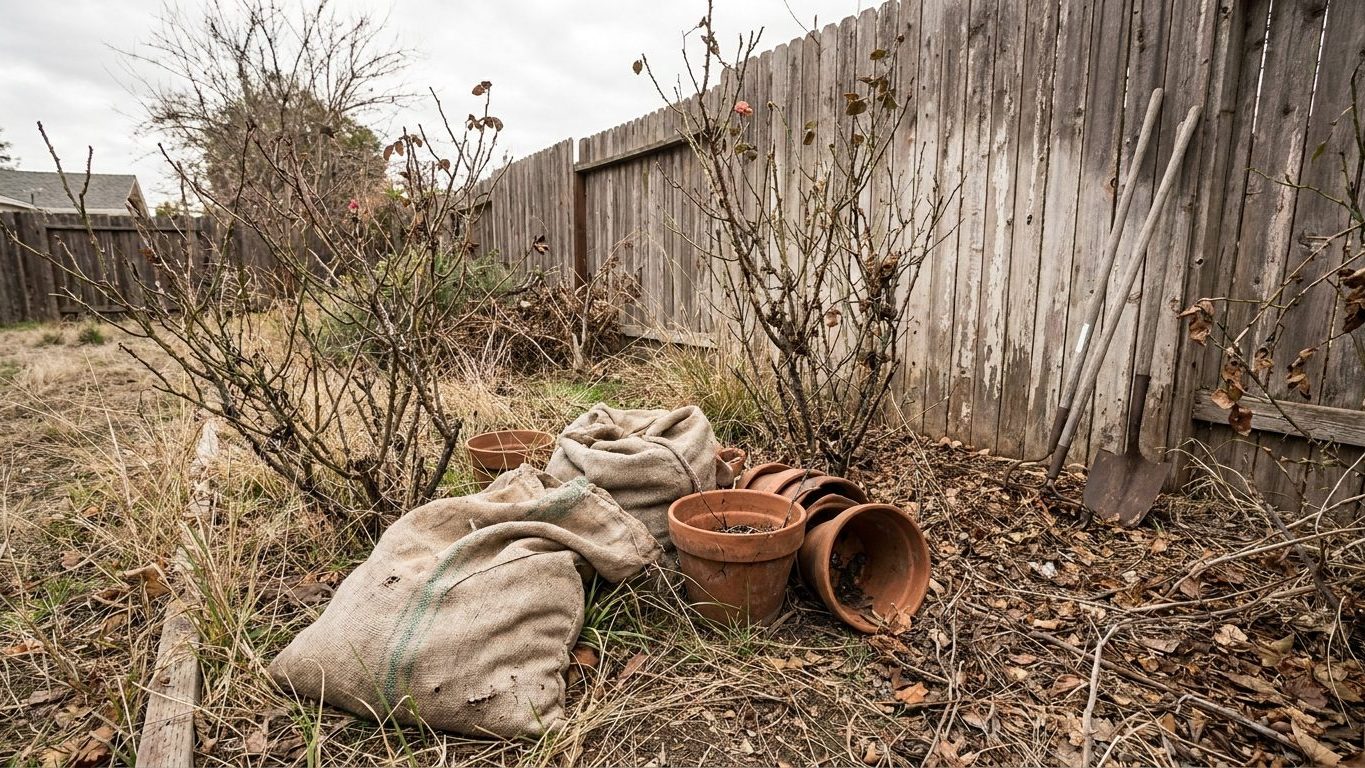
The average last spring frost in Ontario, measured at Toronto Pearson, falls on April 30, and the average first fall frost lands on October 16.
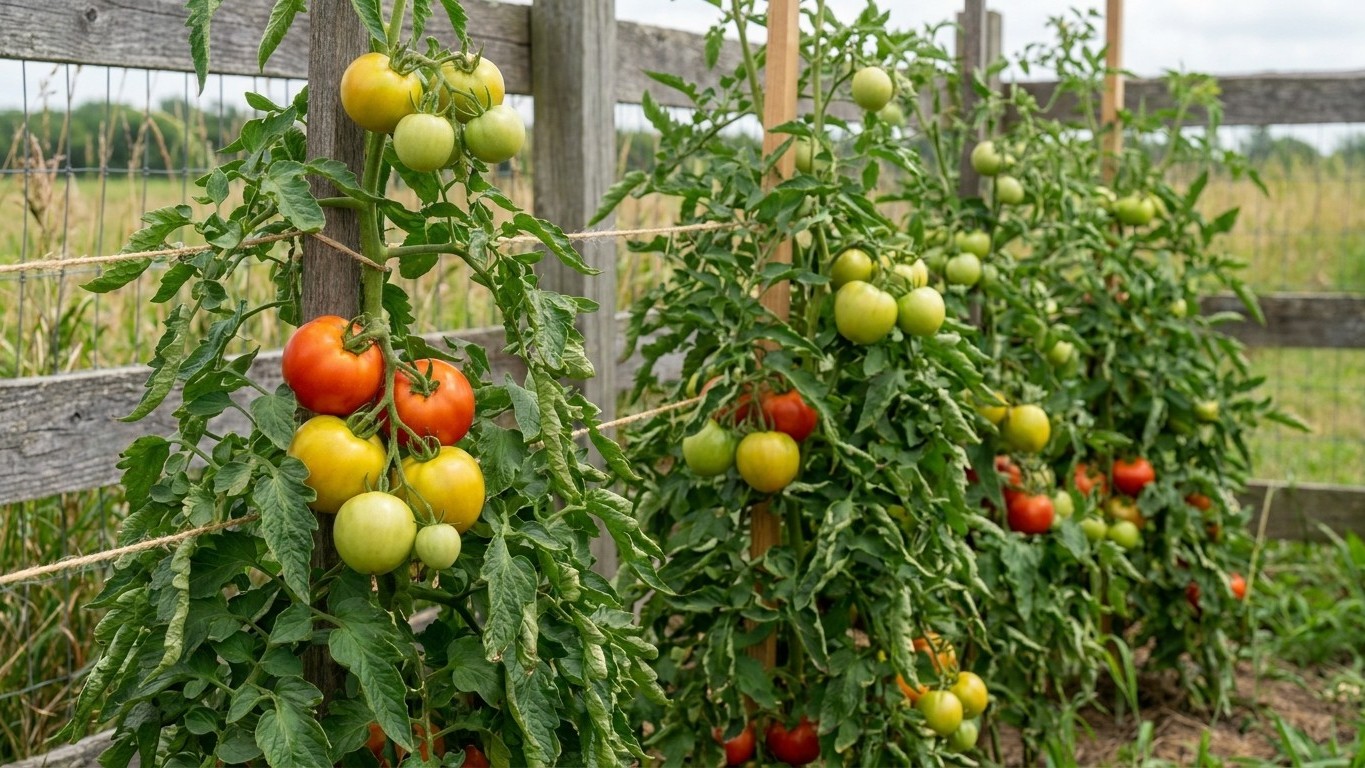
The short answer: pick by color and feel, not by the calendar, and treat mid-October as a soft deadline rather than a hard one.
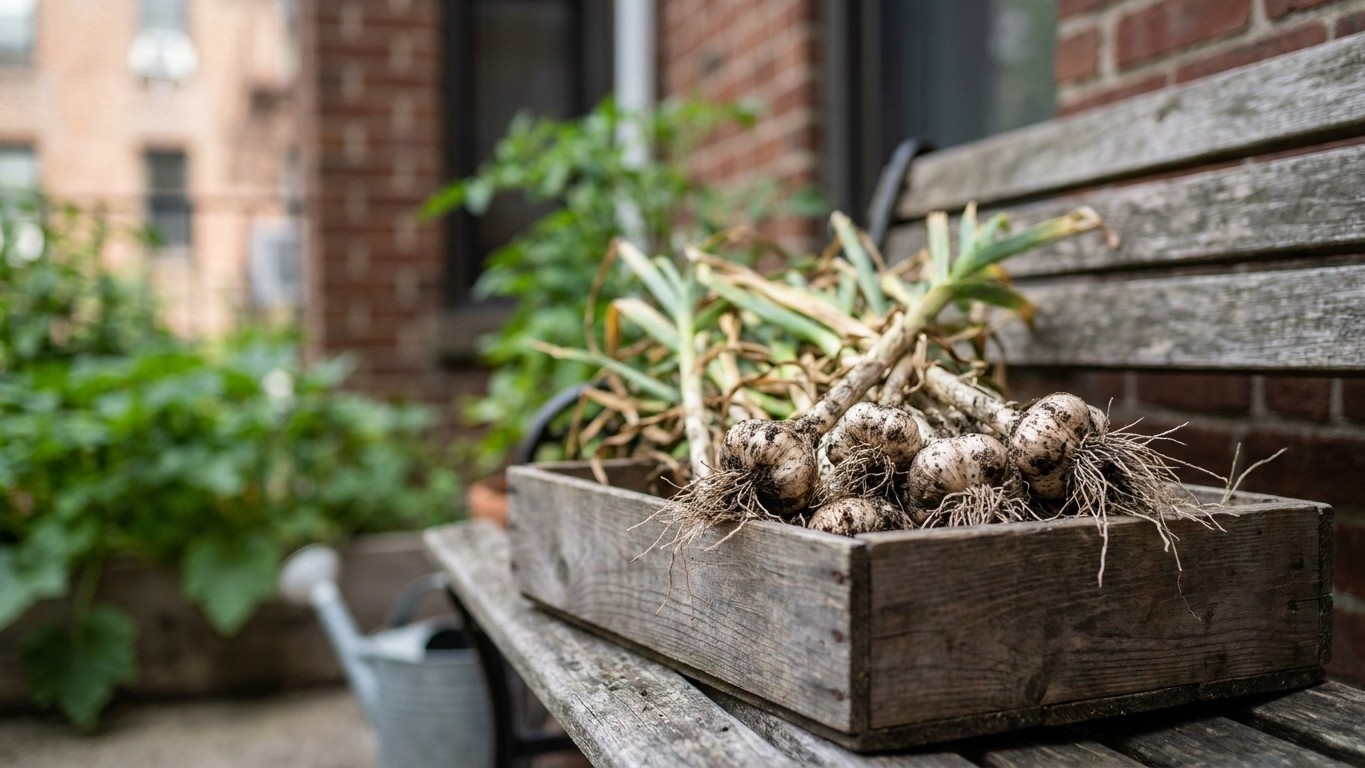
Most Ontario garlic growers pull hardneck bulbs in mid to late July, softnecks a week or two later, once the bottom third to half of the leaves have…