Growing Roses in Ontario: Planting Dates, Varieties and Local Pests
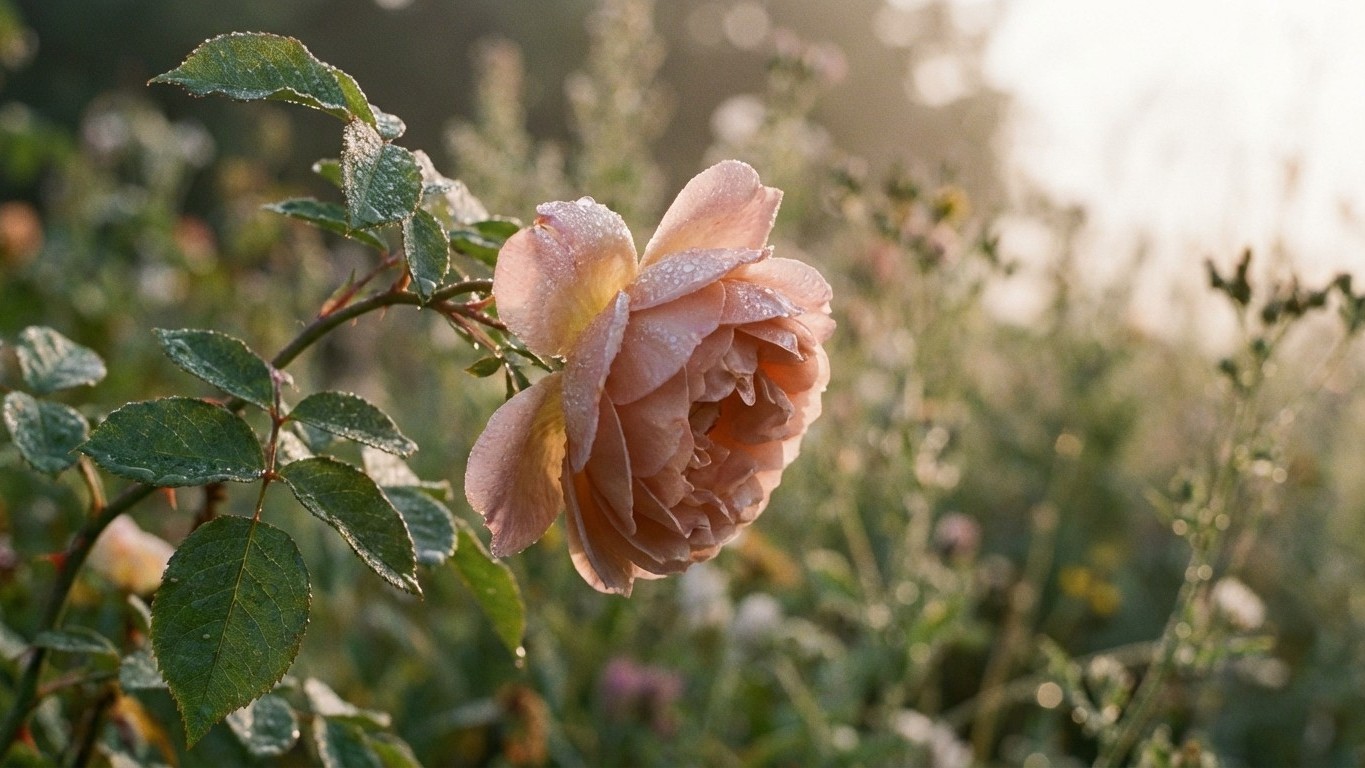
For growing roses in Ontario, plant dormant bare-root roses in April as soon as the soil can be worked, and set container roses out in mid-May.
Home & garden, state by state
Everything we have worked out for Ontario: what to plant and when, which varieties finish in time, the pests that actually turn up here, and the jobs that pay off month by month. We also cover the rest of the property, from lawns and soil to home care and energy, because a garden rarely stops at the vegetable bed.
The numbers first, because everything else follows from them. Measured at the weather station in Toronto, the last spring freeze falls around April 30 and the first fall freeze falls around October 16, 2,297 growing degree days in the year.
That is enough for early varieties, tight for anything late. Garlic does well: 30.4 weeks below 40 °F, comfortably past the six it needs to form a proper head.
Elsewhere on the property in Ontario: the pests that turn up here.
Figures from Environment and Climate Change Canada. A state is not one climate: elevation, a large lake or the coast can move these dates by two weeks either way, so check your own county with the extension service before you spend money.
For growing roses in Ontario, plant dormant bare-root roses in April as soon as the soil can be worked, and set container roses out in mid-May.
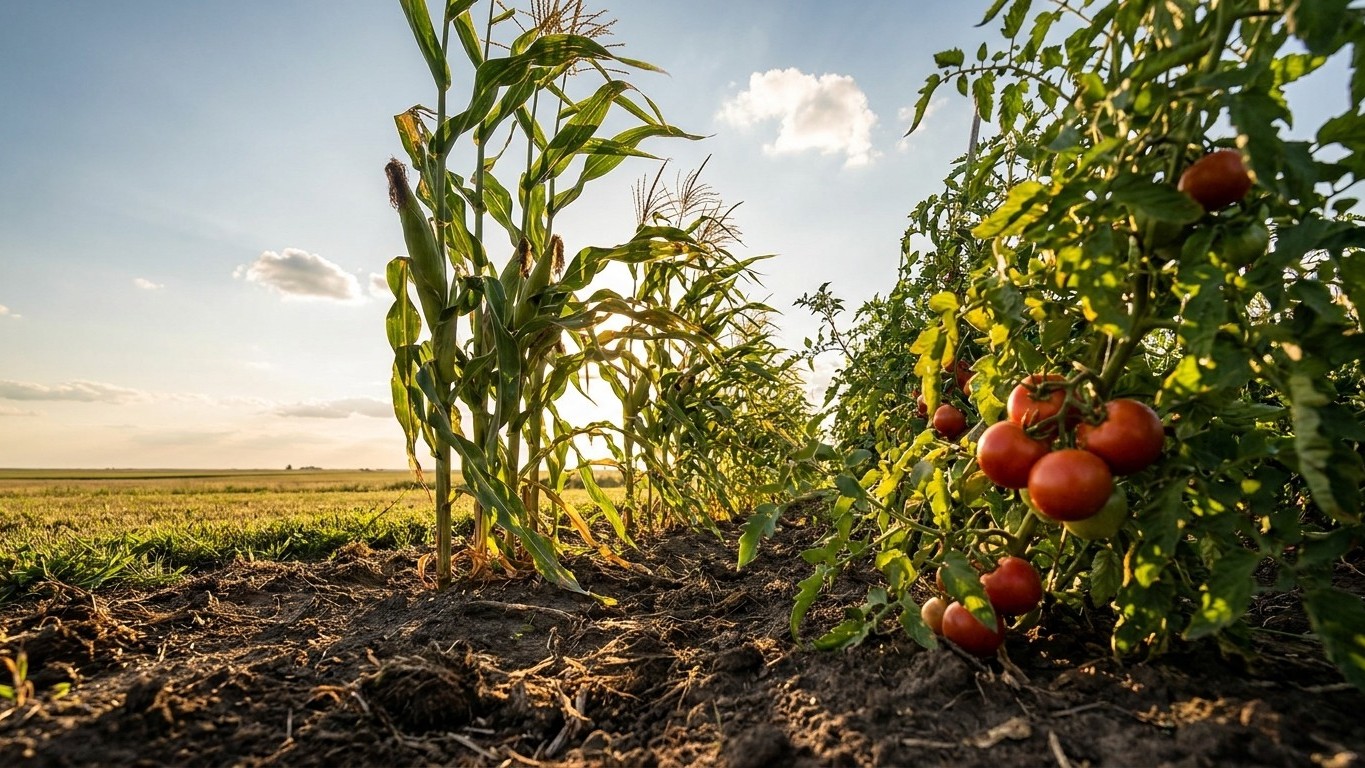
Mostly, the calendar. In Ontario, three things eat into a sweet corn crop: cold soil in spring, a fall frost that arrives before a late variety is done…
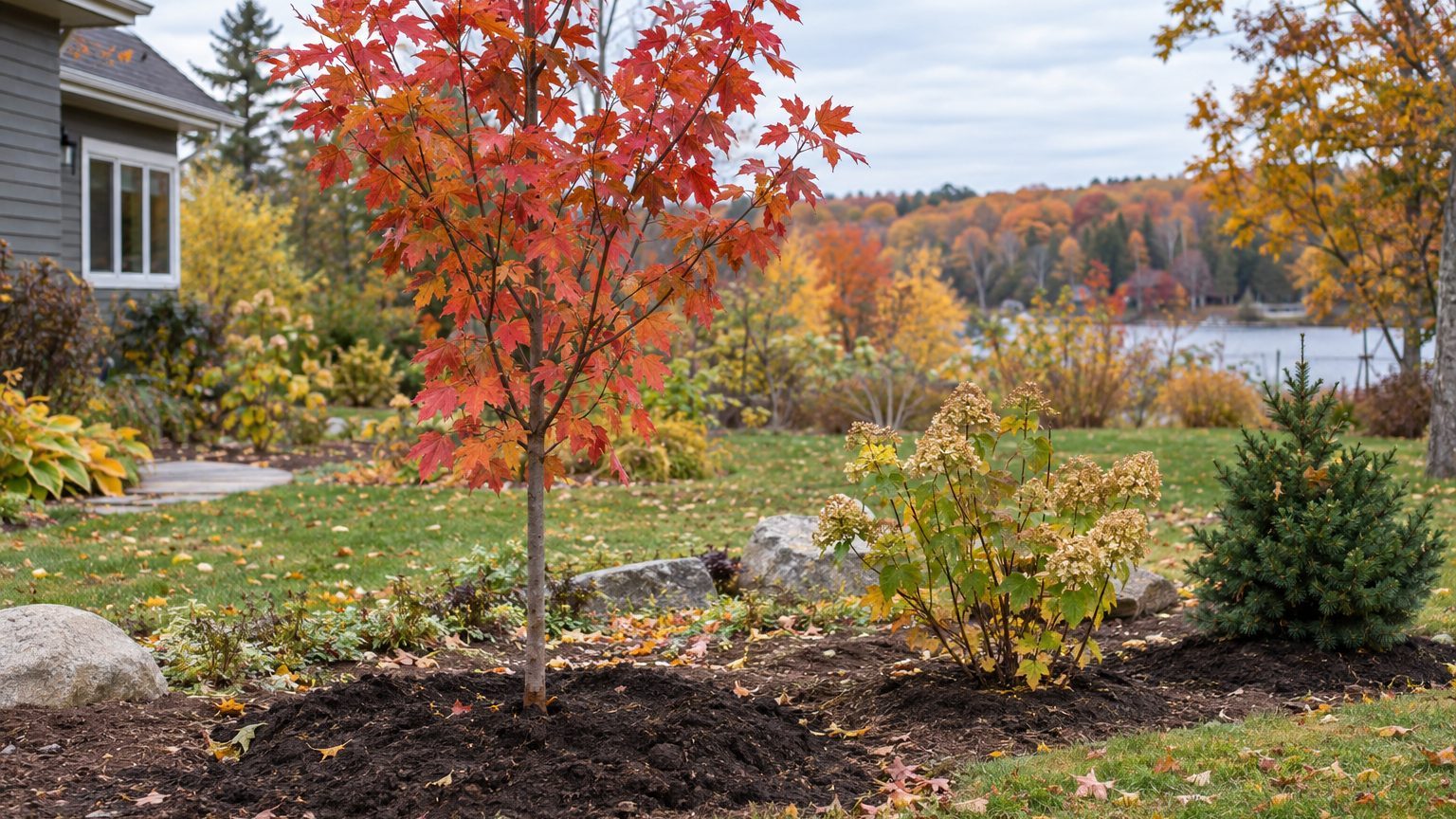
Plan to get trees and shrubs into the ground about six weeks before the first fall frost, which averages October 16 at Toronto Pearson.
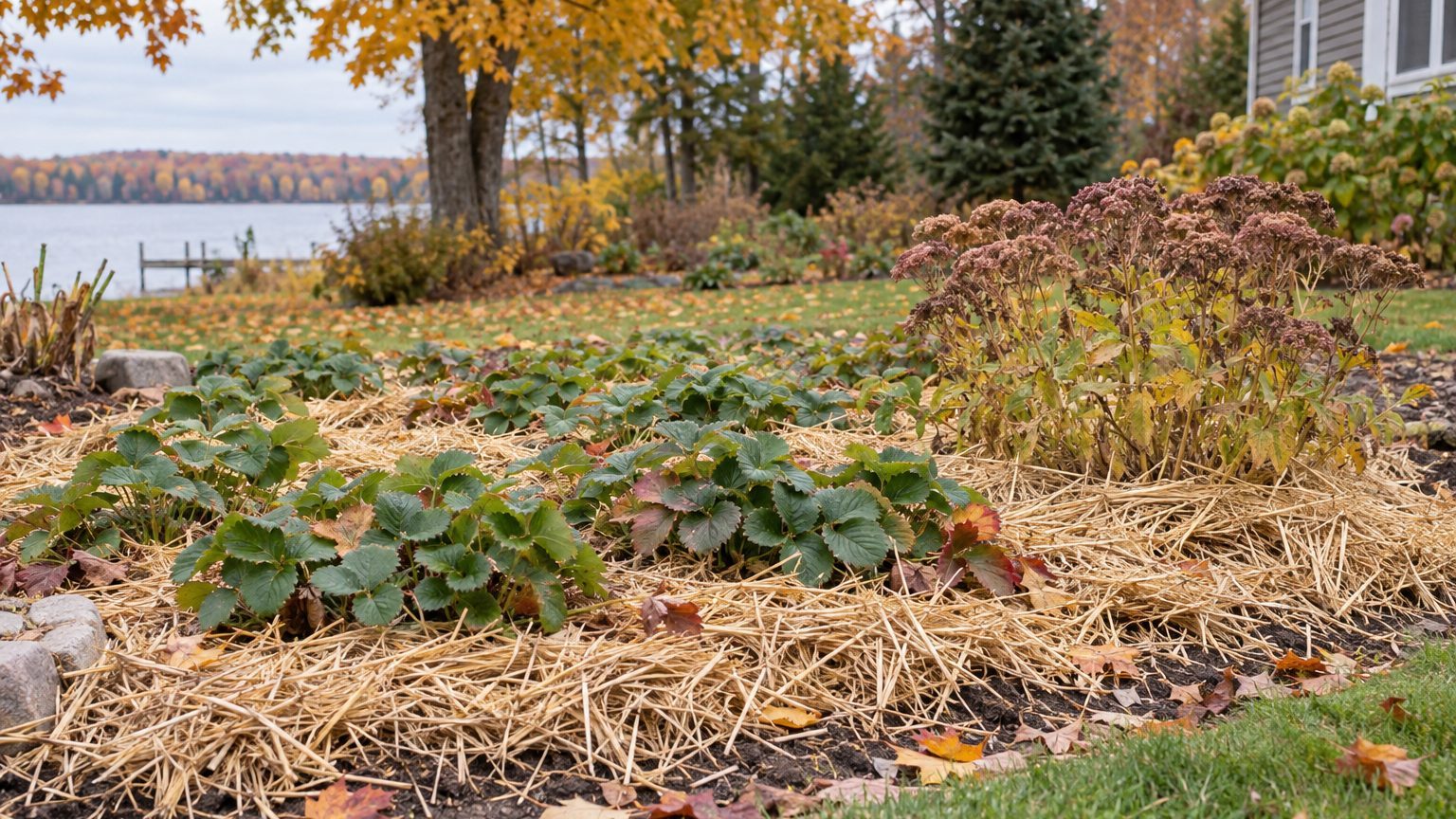
Strawberries and borderline perennials get their winter mulch after the ground begins to freeze, not when the first frost arrives.
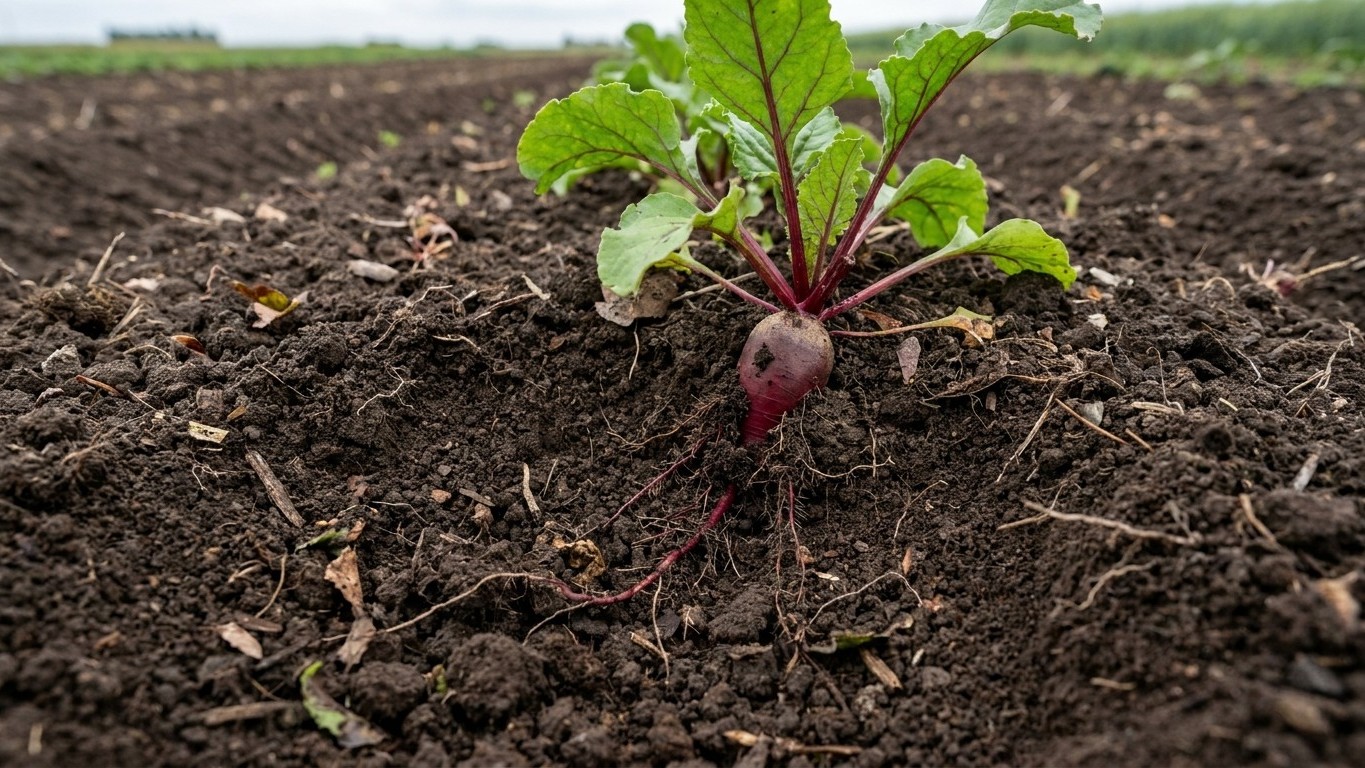
Mostly the weather and the cellar. Two failures are the most predictable in Ontario: thirst in the first six weeks, which sends young plants to flower…
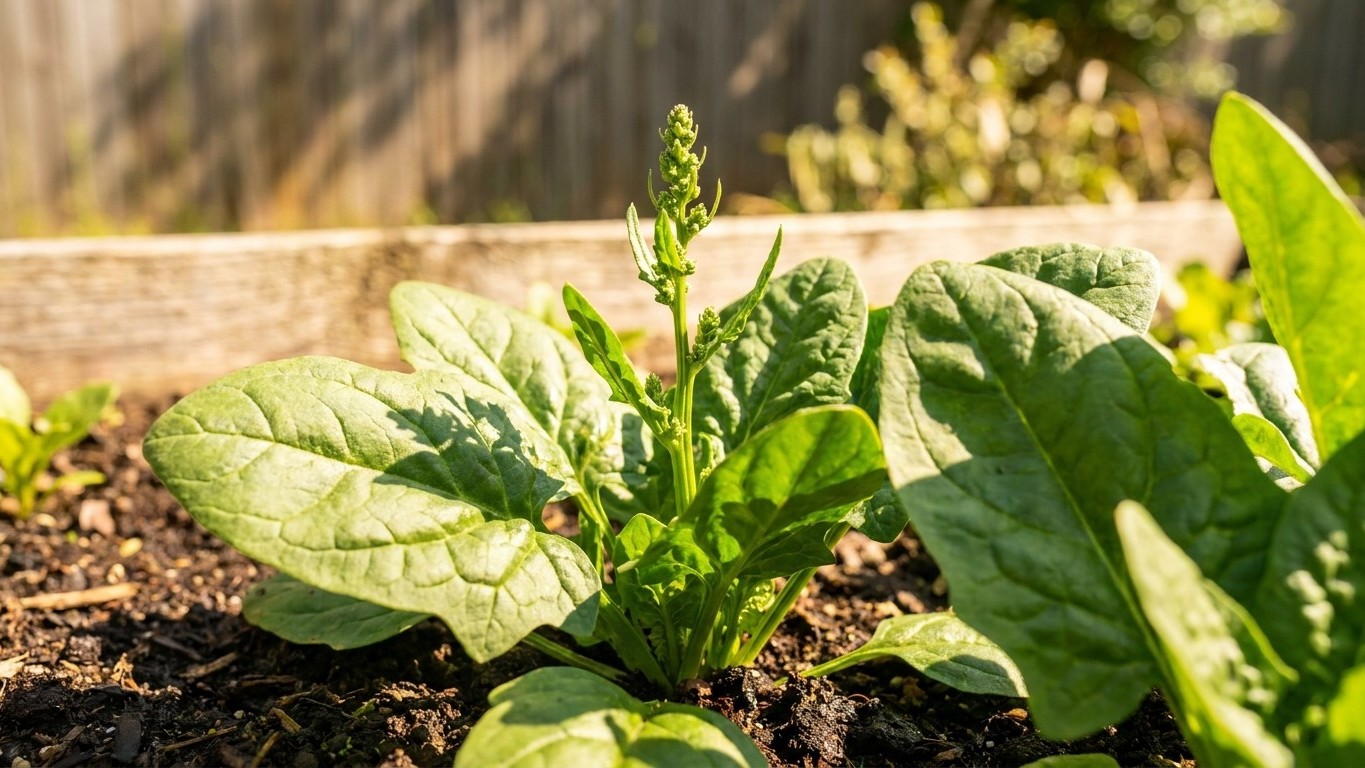
In Ontario, spinach gets two short cutting windows: a few weeks in spring from an early-to-mid April sowing, and a fall crop sown 50 to 75 days before…
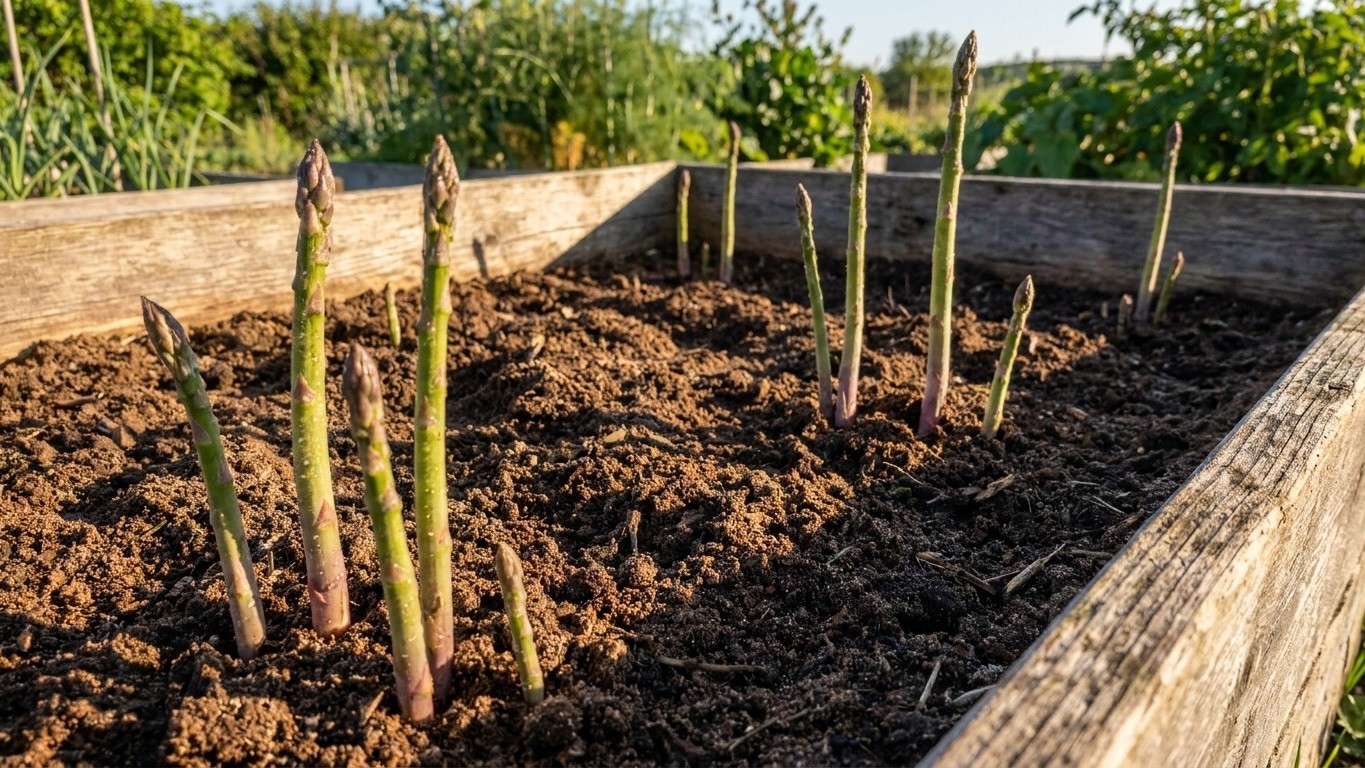
Stop cutting when most of the spears coming up are thinner than a pencil. That is the rule, and it works as an object, not a date.
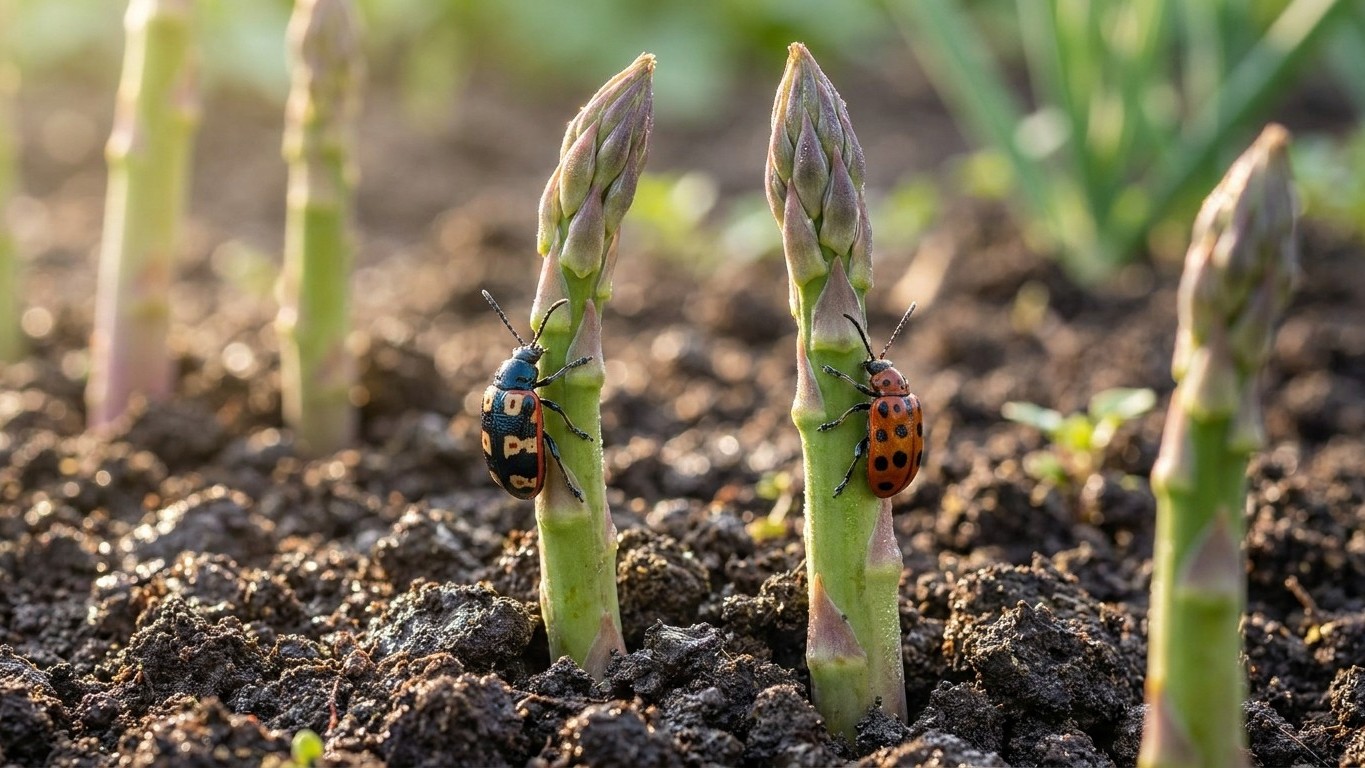
Nothing in the sources behind this page names an insect, a deer or a vole. The only authority here, Utah State University Extension, describes the bed…
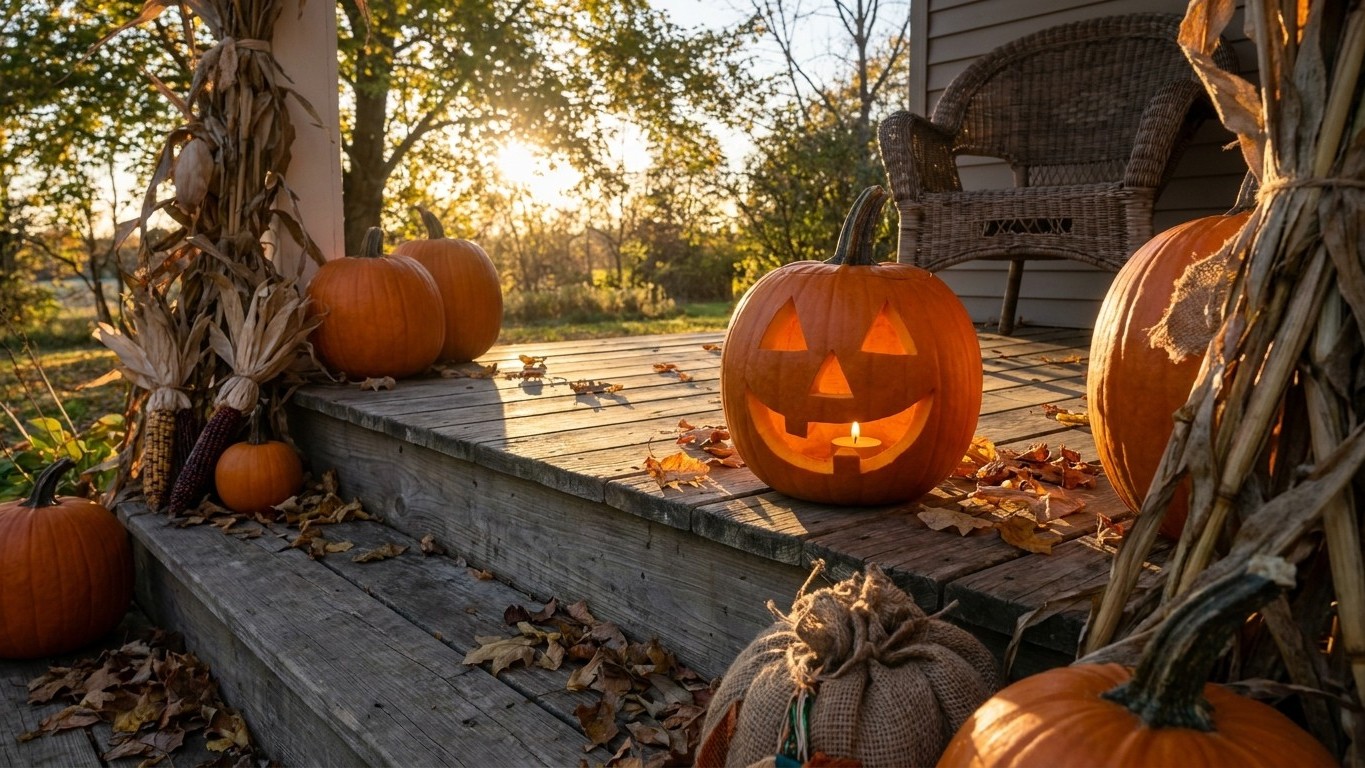
In Ontario, the thing that eats the most pumpkins is the calendar. A fruit still green when the first fall frost arrives (on average October 16 at…
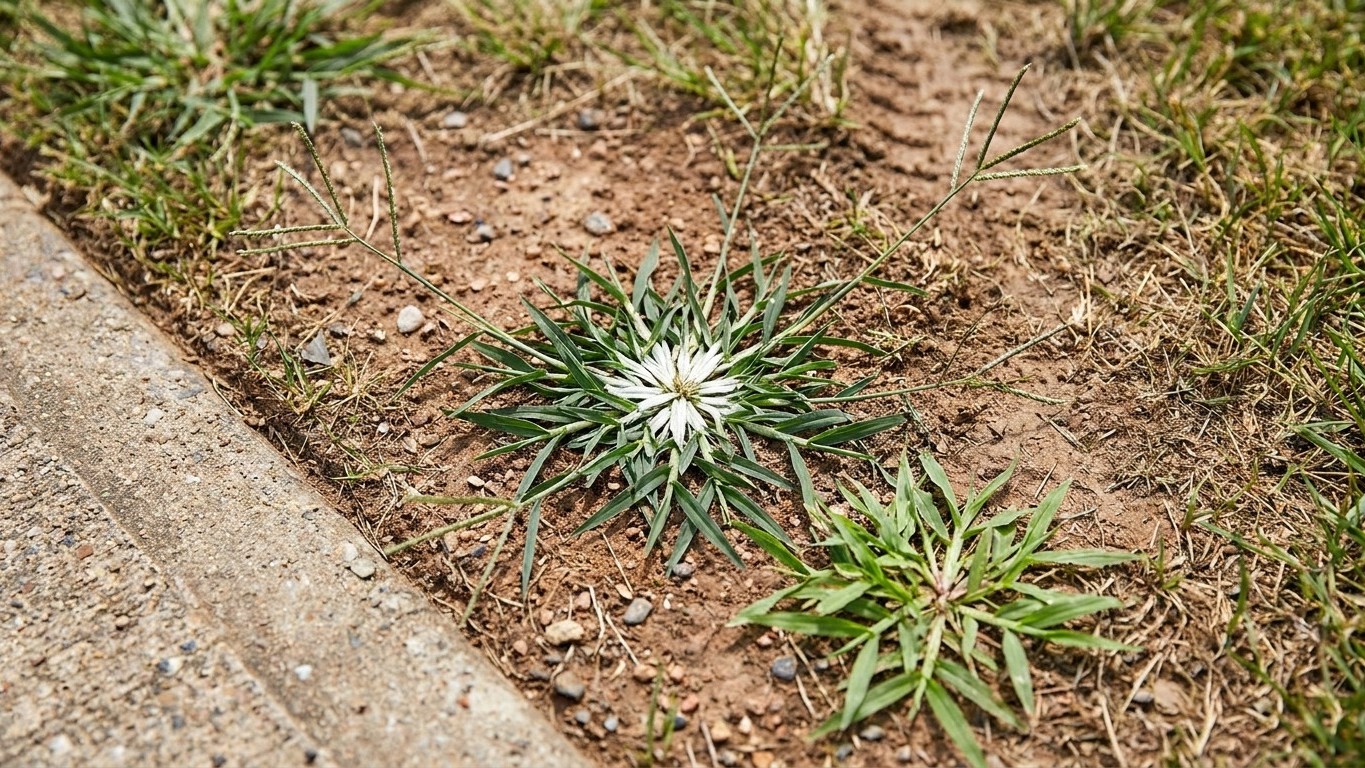
Most Ontario lawns don’t need dethatching. Cut a wedge of turf and measure the brown, spongy layer: if it’s thicker than 0.75 inch, dethatch, and do it…