Will Parsnips Sweeten in Pennsylvania?
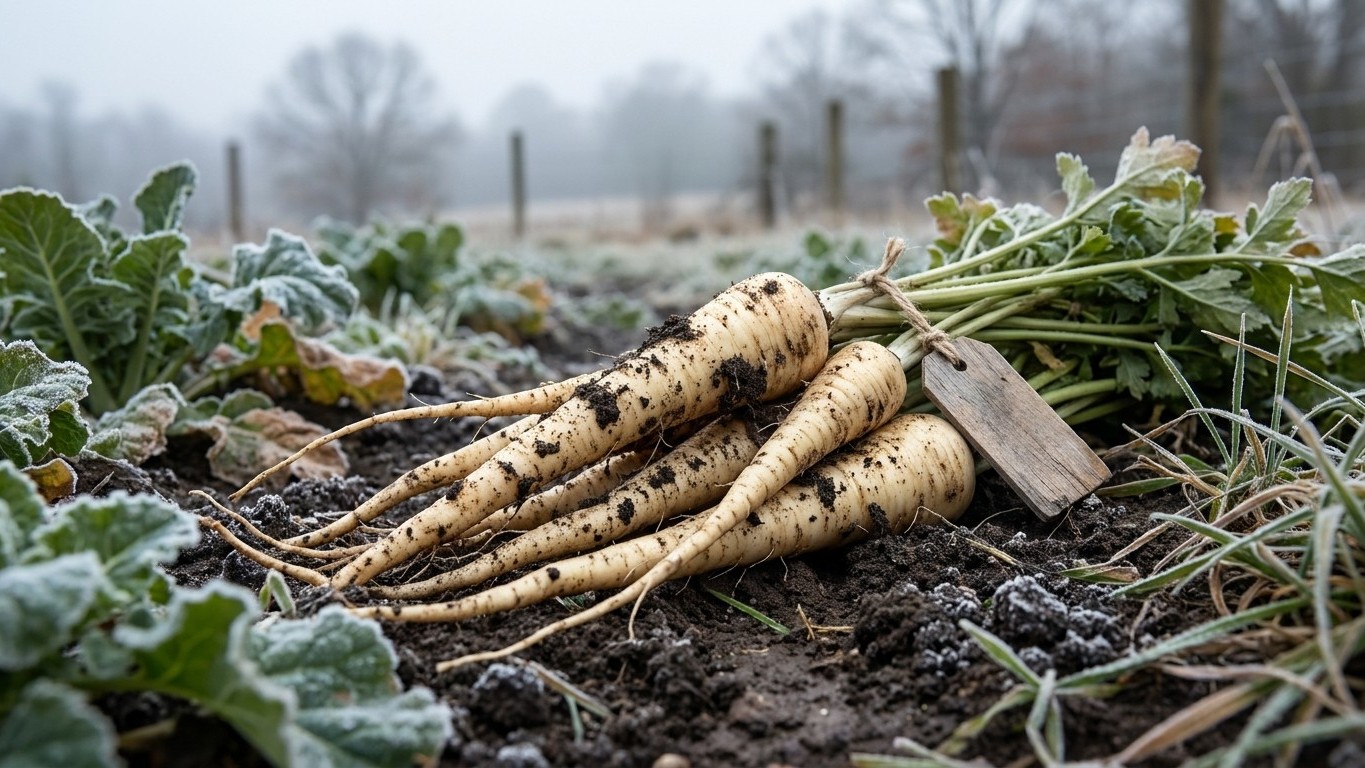
Yes, Pennsylvania delivers the kind of frost exposure parsnips need to turn sweet, not just grow tall.
Home & garden, state by state
Everything we have worked out for Pennsylvania: what to plant and when, which varieties finish in time, the pests that actually turn up here, and the jobs that pay off month by month. We also cover the rest of the property, from lawns and soil to home care and energy, because a garden rarely stops at the vegetable bed.
The numbers first, because everything else follows from them. Measured at the weather station in Philadelphia, the last spring freeze runs March 29 to April 6 and the first fall freeze runs November 5 to November 16, USDA zones 5a-7b, 4,116 growing degree days in the year.
Garlic does well: 21.8 weeks below 40 °F, comfortably past the six it needs to form a proper head.
Elsewhere on the property in Pennsylvania: the pests that turn up here.
Figures from NOAA's 1991-2020 climate normals. A state is not one climate: elevation, a large lake or the coast can move these dates by two weeks either way, so check your own county with the extension service before you spend money.
Yes, Pennsylvania delivers the kind of frost exposure parsnips need to turn sweet, not just grow tall.

Heating season in Pennsylvania opens in October, based on 30-year normals for the Philadelphia area, and runs roughly eight months into June.
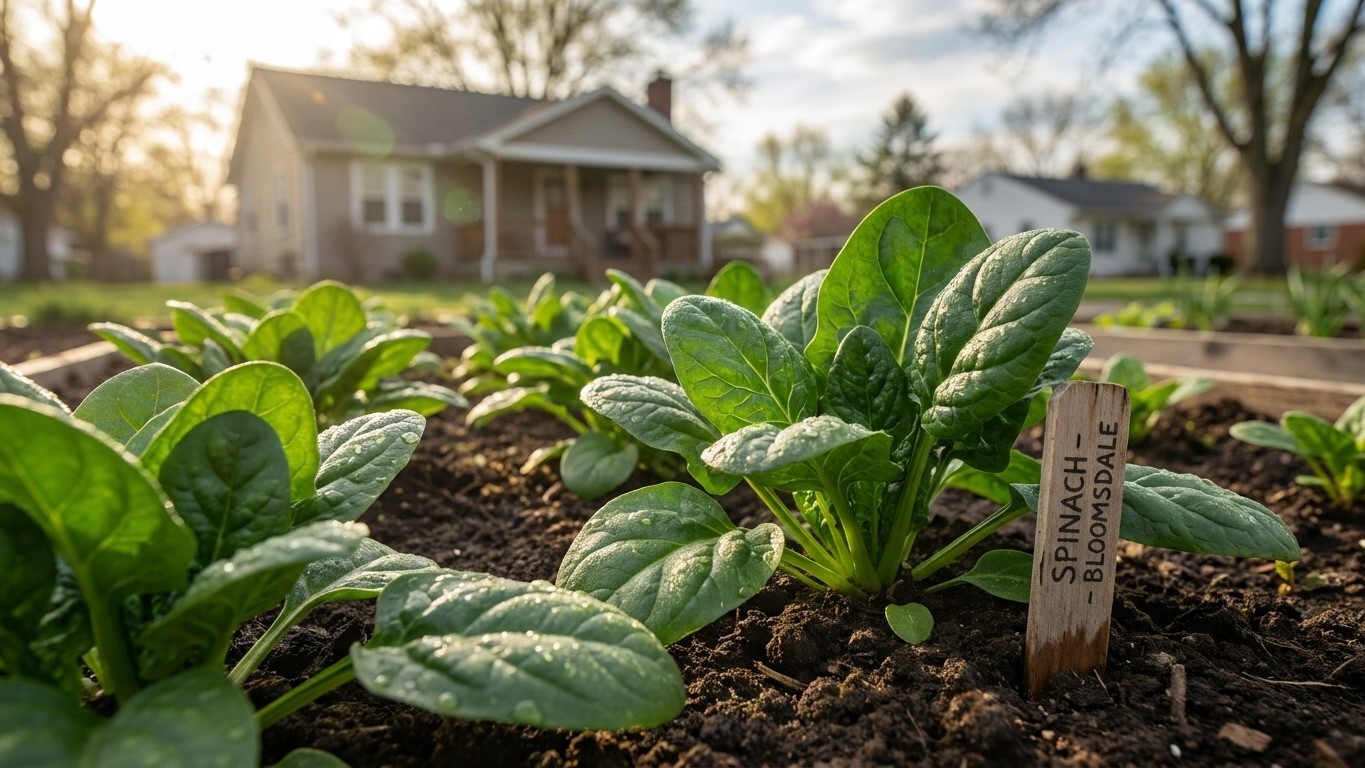
Spinach in Pennsylvania bolts once the days grow long and the air turns warm at the same time, usually as spring tips into early summer.
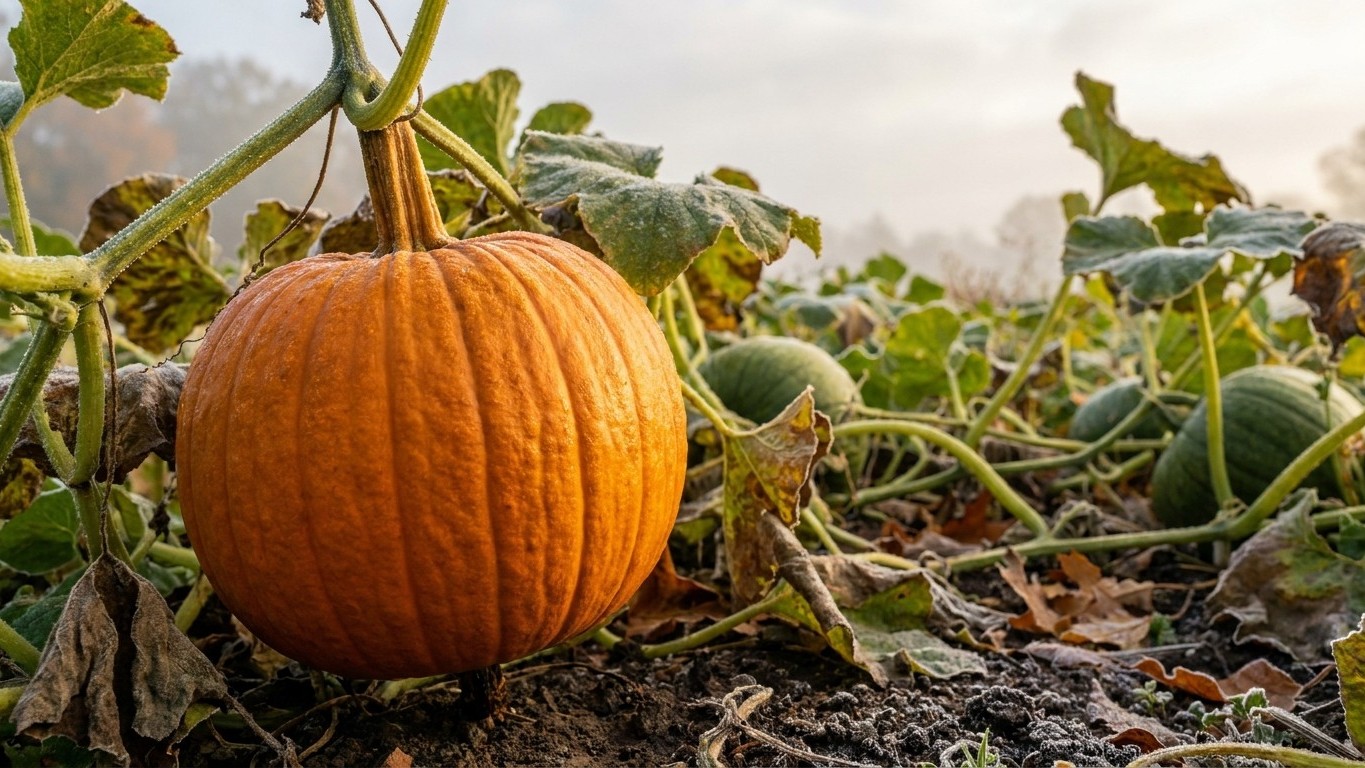
Yes, pumpkins can ripen on the vine in Pennsylvania, but only if their flowers open by roughly mid-September to early October.
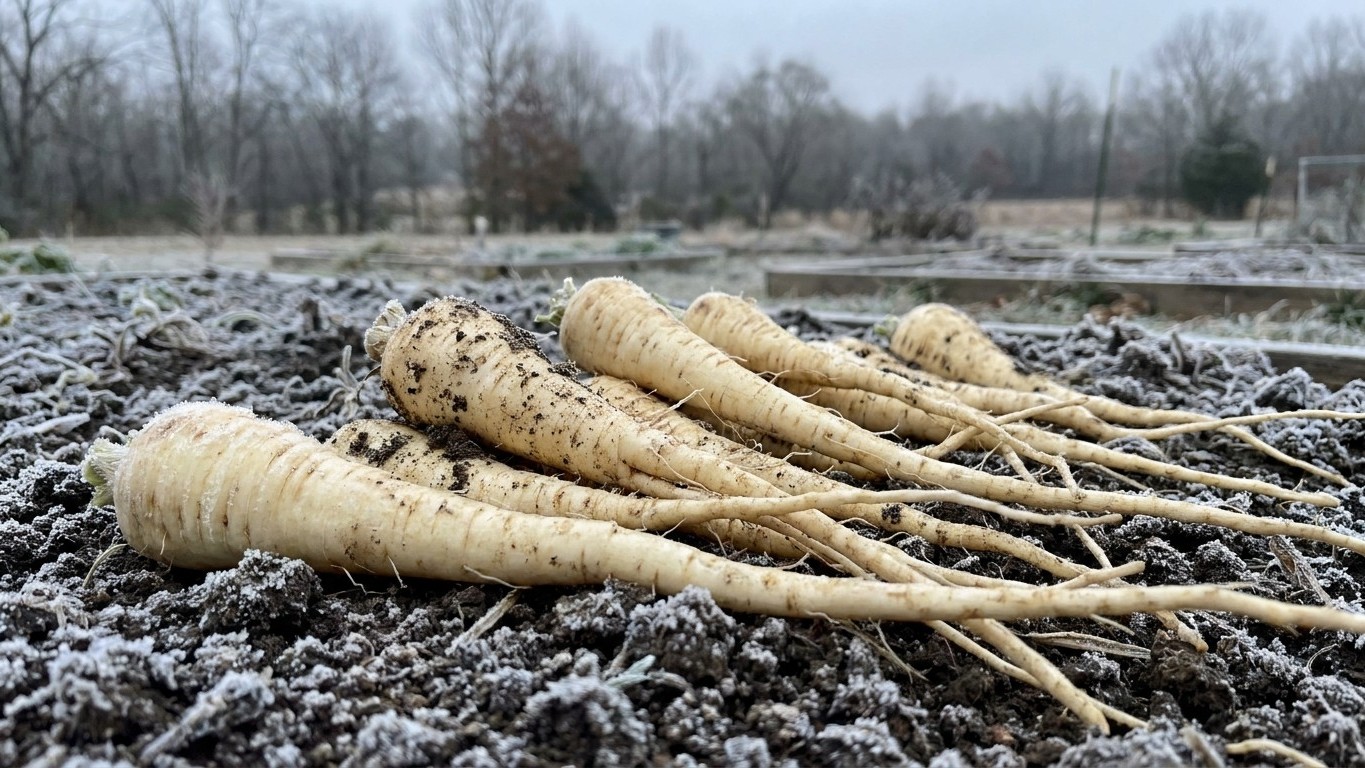
Pennsylvania winters give parsnips exactly what they need: sustained, repeated cold that converts stored starch into sugar.
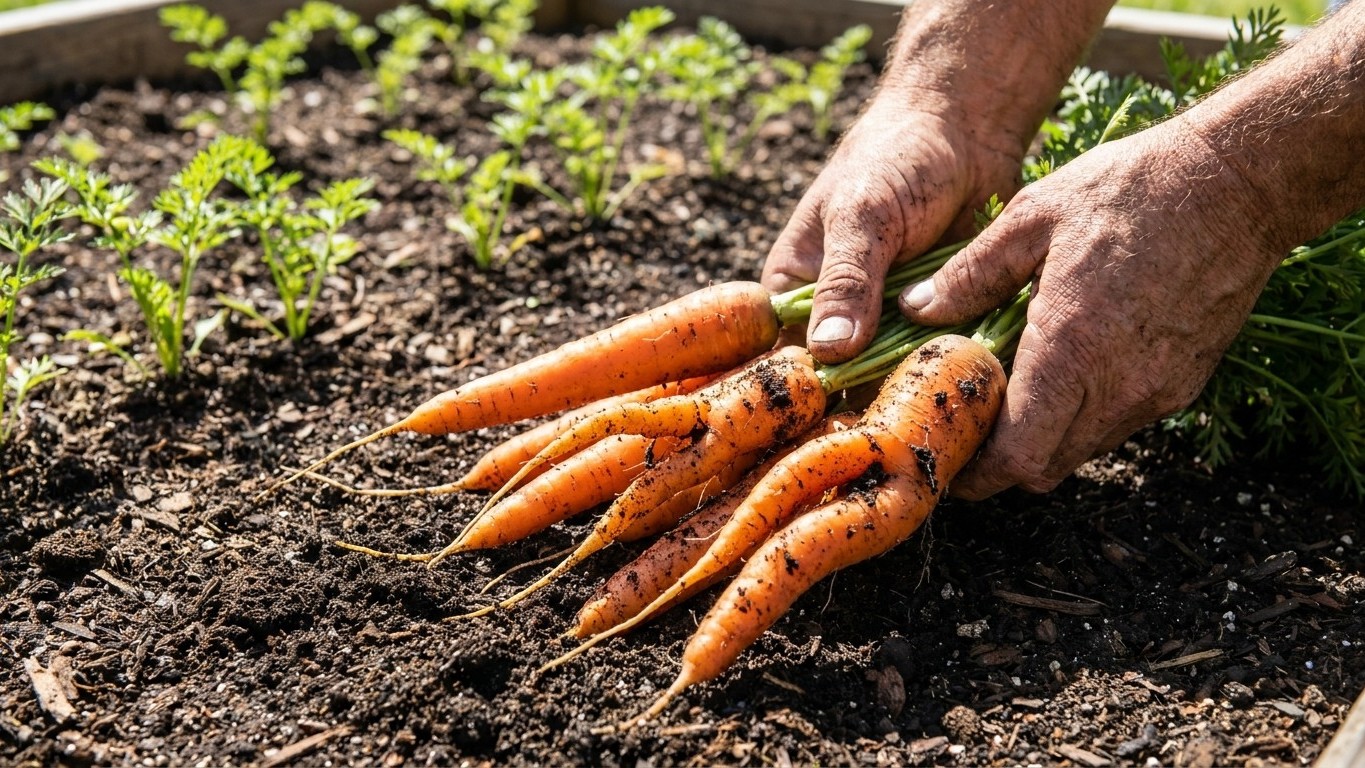
Pennsylvania gardeners sow carrot seed directly into the ground, counting backward from their local last-frost date since this root crop skips the…
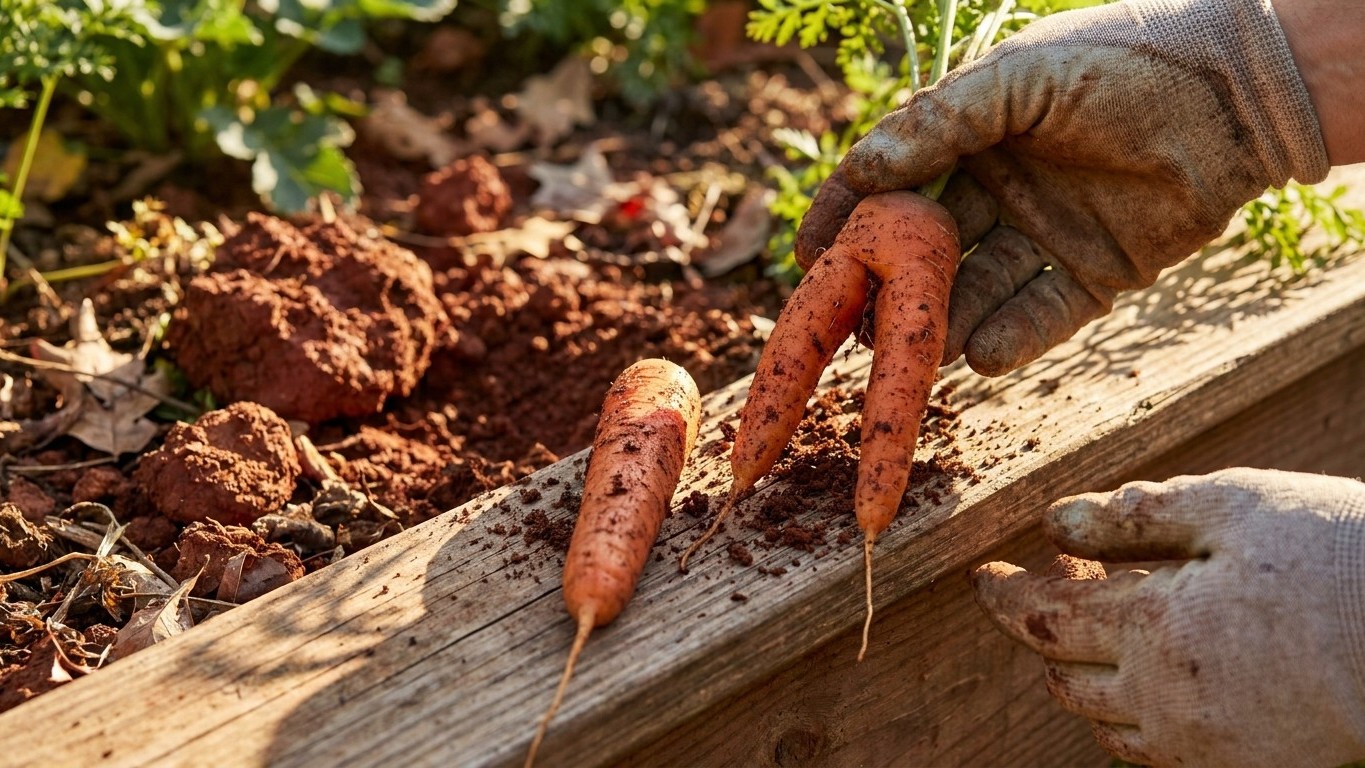
Pennsylvania’s benchmark soil, the Hazleton series, runs 46 percent sand, 42 percent silt and 12 percent clay, a loam light enough that carrots usually…
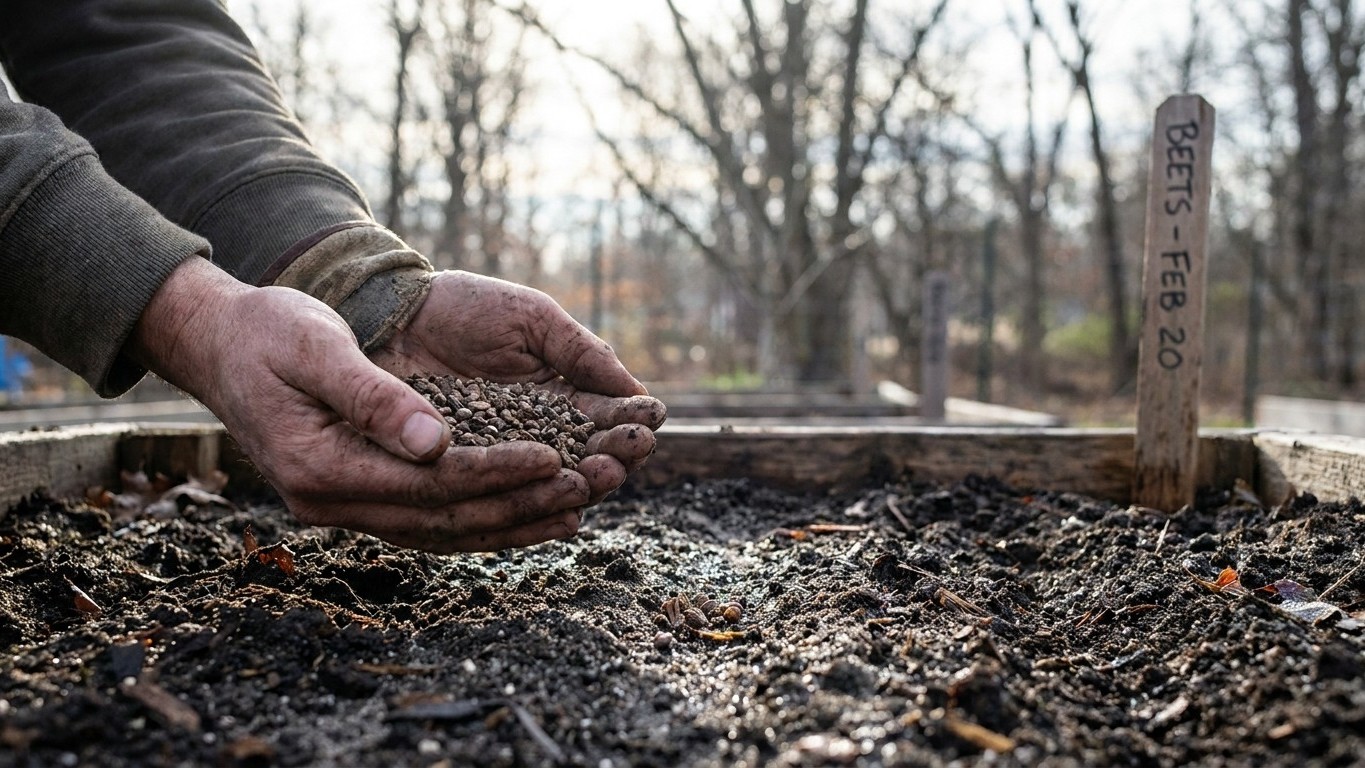
In Pennsylvania, sow beets outdoors two to three weeks before the last spring frost, which the reference station’s normals put between March 29 and April…
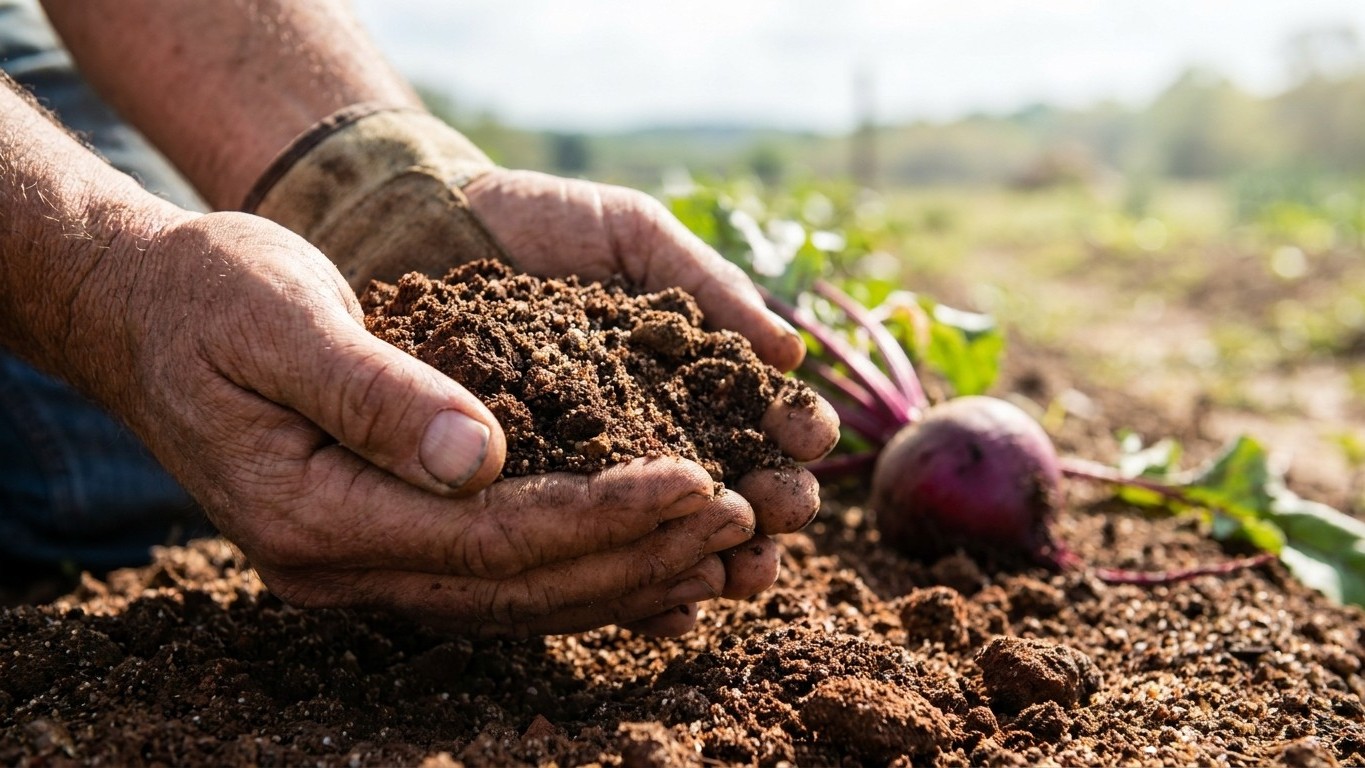
Pennsylvania’s representative ground, the Hazleton series, is a well-drained, acid loam that beets can work with but won’t love outright.
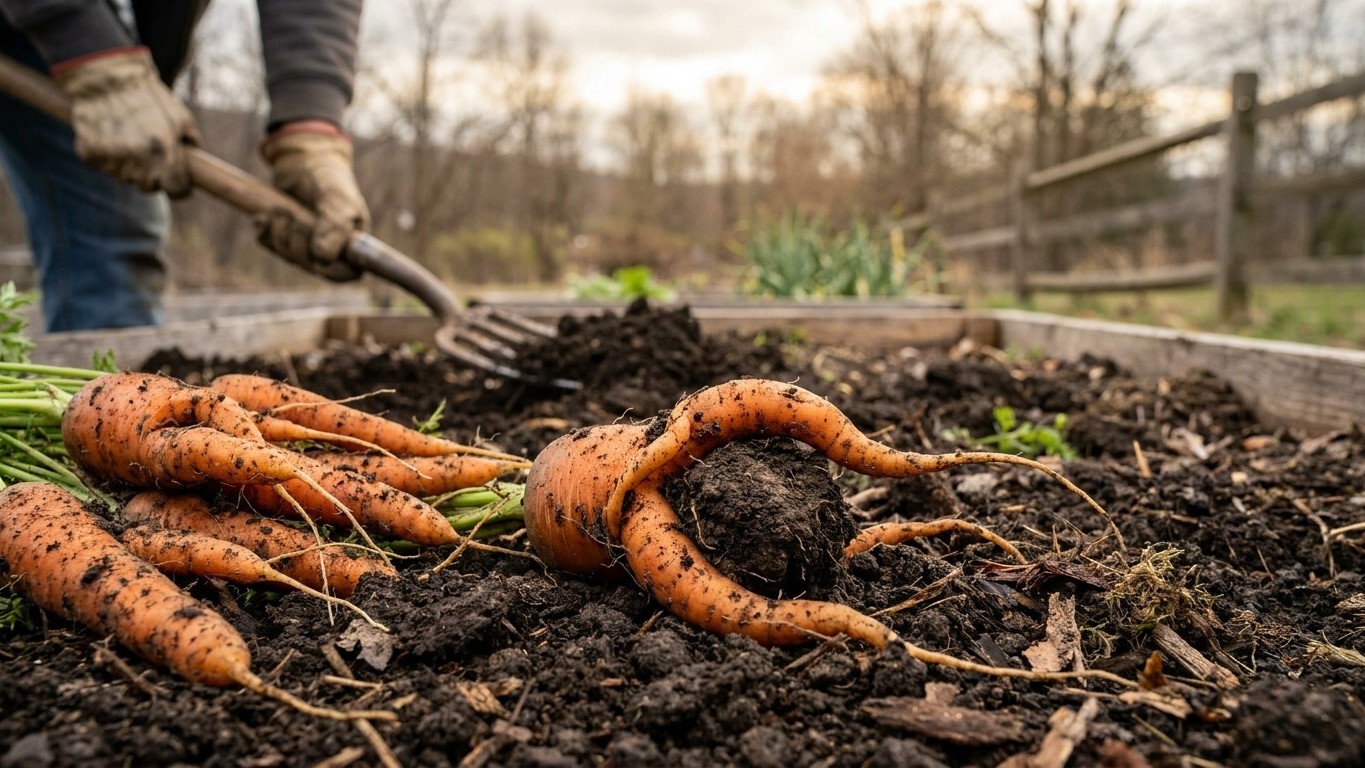
Pennsylvania’s representative soil runs strongly acid and carries just enough clay to raise forking risk if it’s never been loosened.