Quebec Lawn Care: What to Plant and When to Feed It
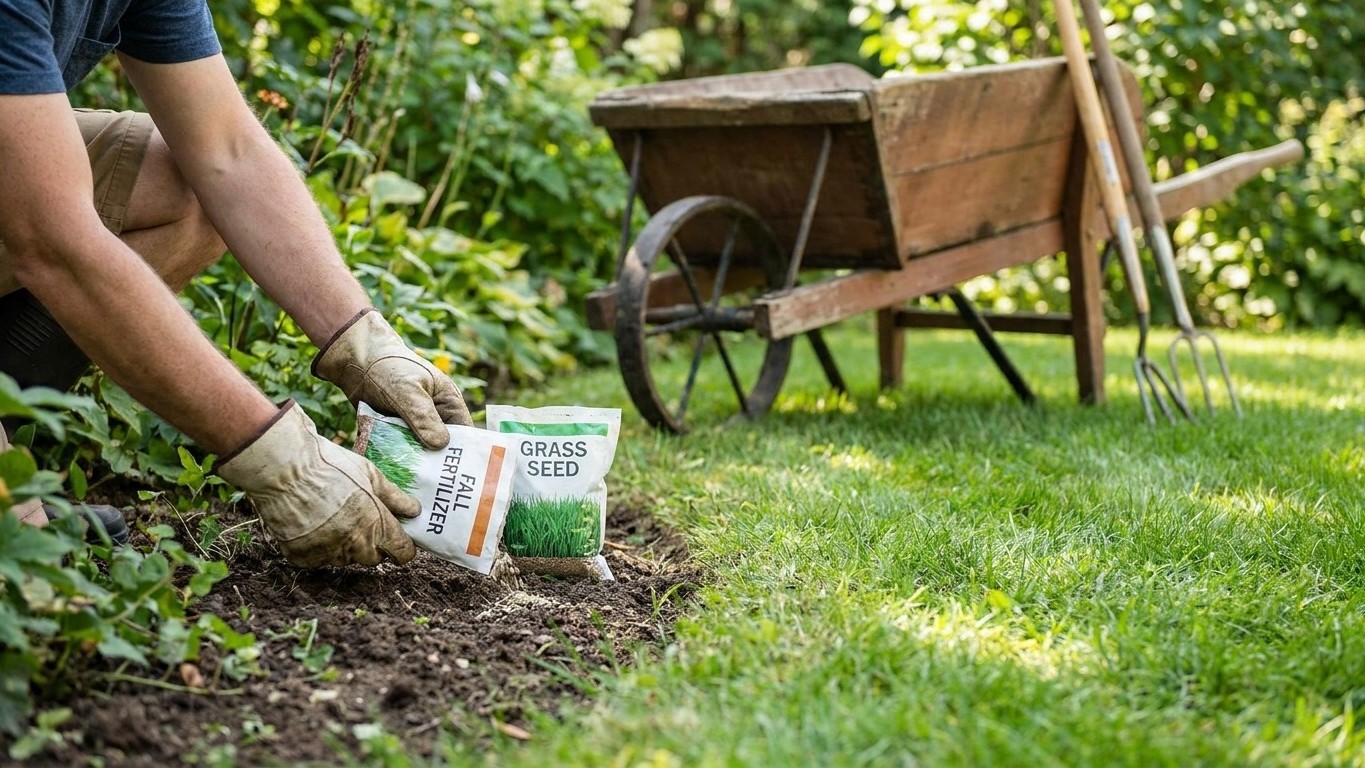
Quebec’s cold winters point lawns toward fescue and bluegrass, and this guide sets the seeding, feeding, and mowing calendar around that fact.
Home & garden, state by state
Everything we have worked out for Quebec: what to plant and when, which varieties finish in time, the pests that actually turn up here, and the jobs that pay off month by month. We also cover the rest of the property, from lawns and soil to home care and energy, because a garden rarely stops at the vegetable bed.
The numbers first, because everything else follows from them. Measured at the weather station in Montreal, the last spring freeze falls around May 6 and the first fall freeze falls around October 5, 2,268 growing degree days in the year.
That is enough for early varieties, tight for anything late. Garlic does well: 30.4 weeks below 40 °F, comfortably past the six it needs to form a proper head.
Elsewhere on the property in Quebec: the pests that turn up here.
Figures from Environment and Climate Change Canada. A state is not one climate: elevation, a large lake or the coast can move these dates by two weeks either way, so check your own county with the extension service before you spend money.
Quebec’s cold winters point lawns toward fescue and bluegrass, and this guide sets the seeding, feeding, and mowing calendar around that fact.
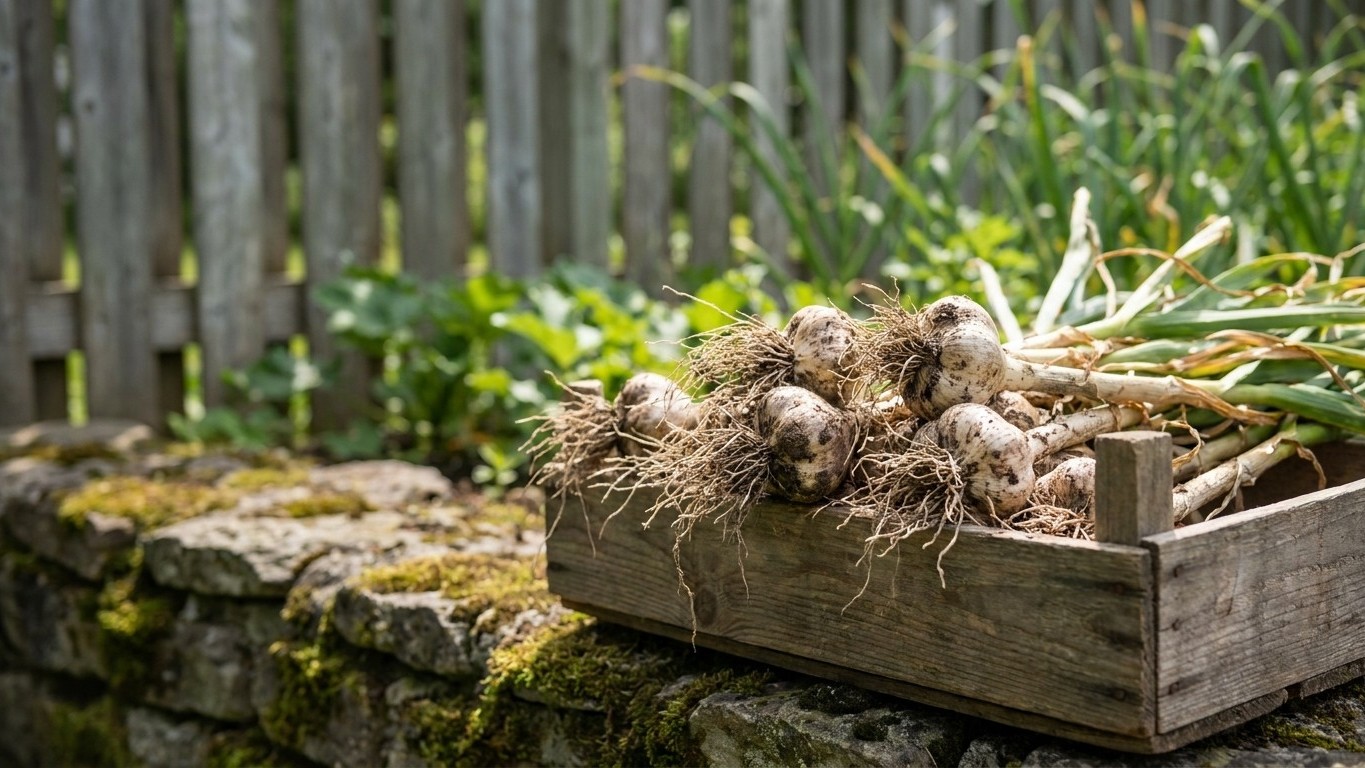
Quebec growers plant garlic in mid-September, roughly three weeks ahead of the region’s average first fall frost, choosing from fourteen hardneck and softneck varieties suited to cold winters.
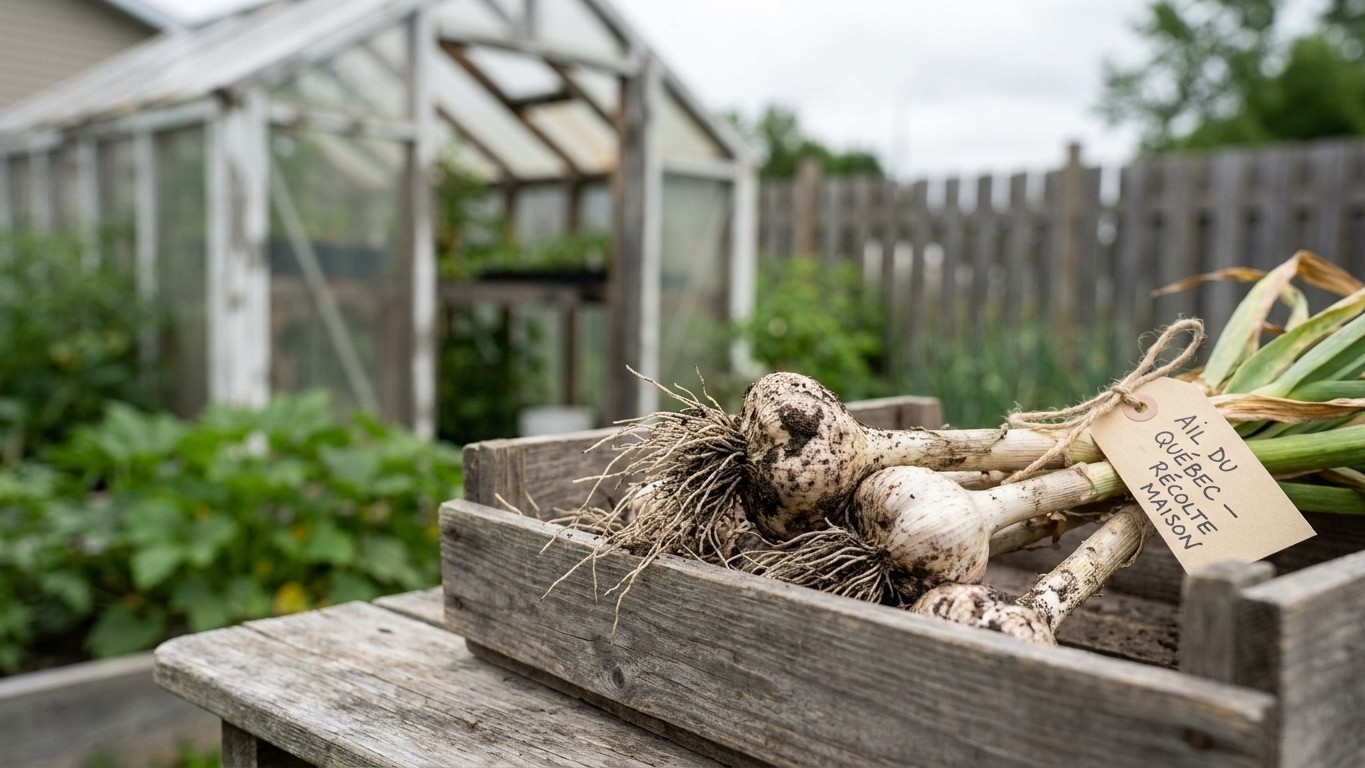
Quebec’s garlic planting window opens in mid-September, calculated back from the region’s average first fall frost, with adjustments for colder and milder districts.
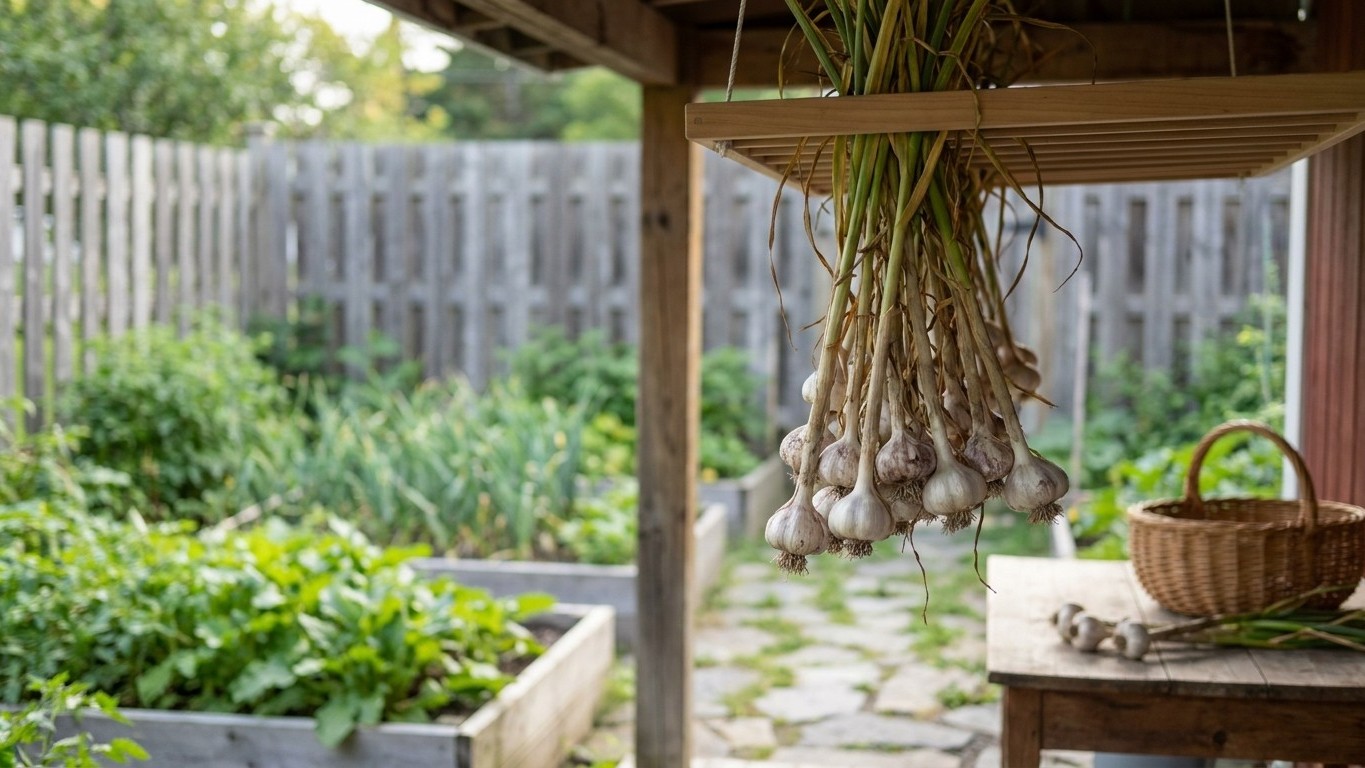
Quebec’s long cold winters comfortably vernalize garlic cloves. This piece covers the Montreal frost window, hardneck varieties, soil prep and disease risk for the province.
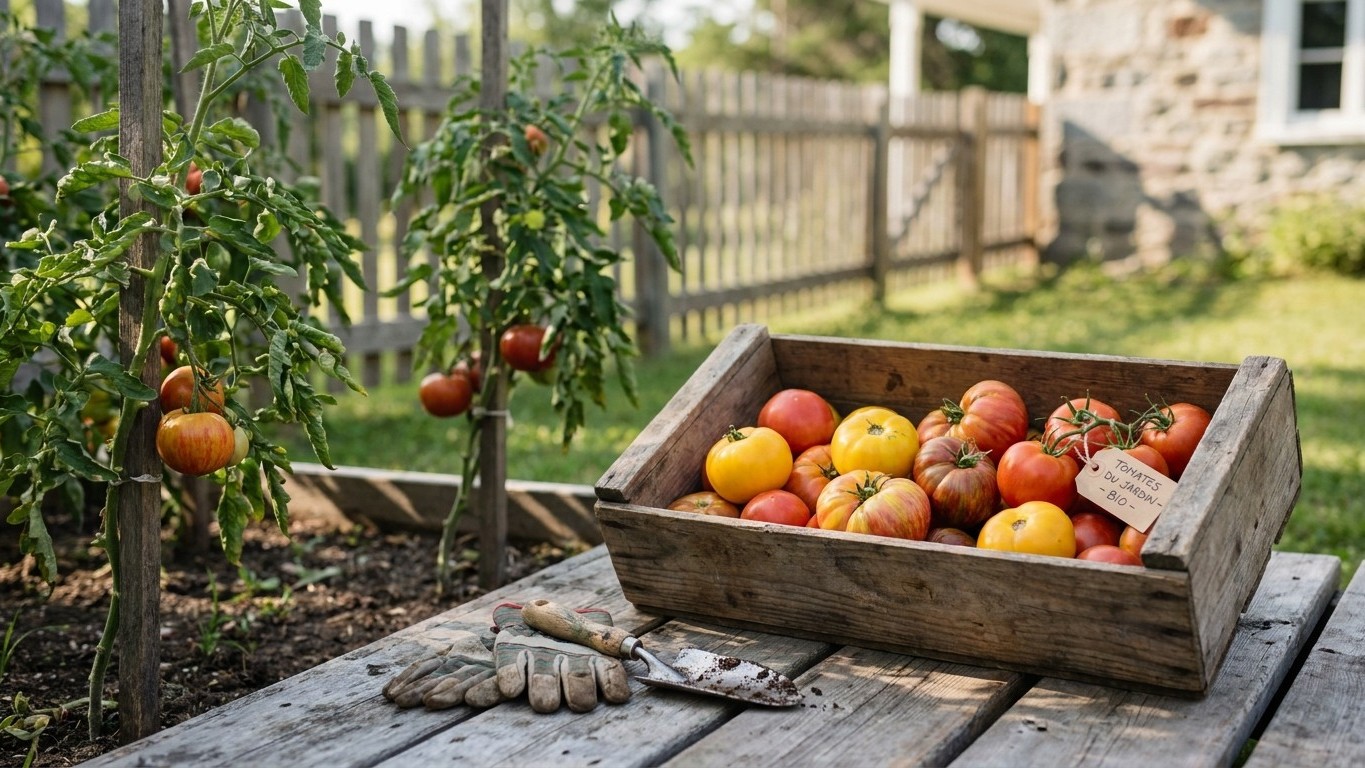
Quebec’s growing season runs about 150 frost-free days from Montreal’s climate data, which limits tomato growers to specific planting windows and days-to-maturity ranges.
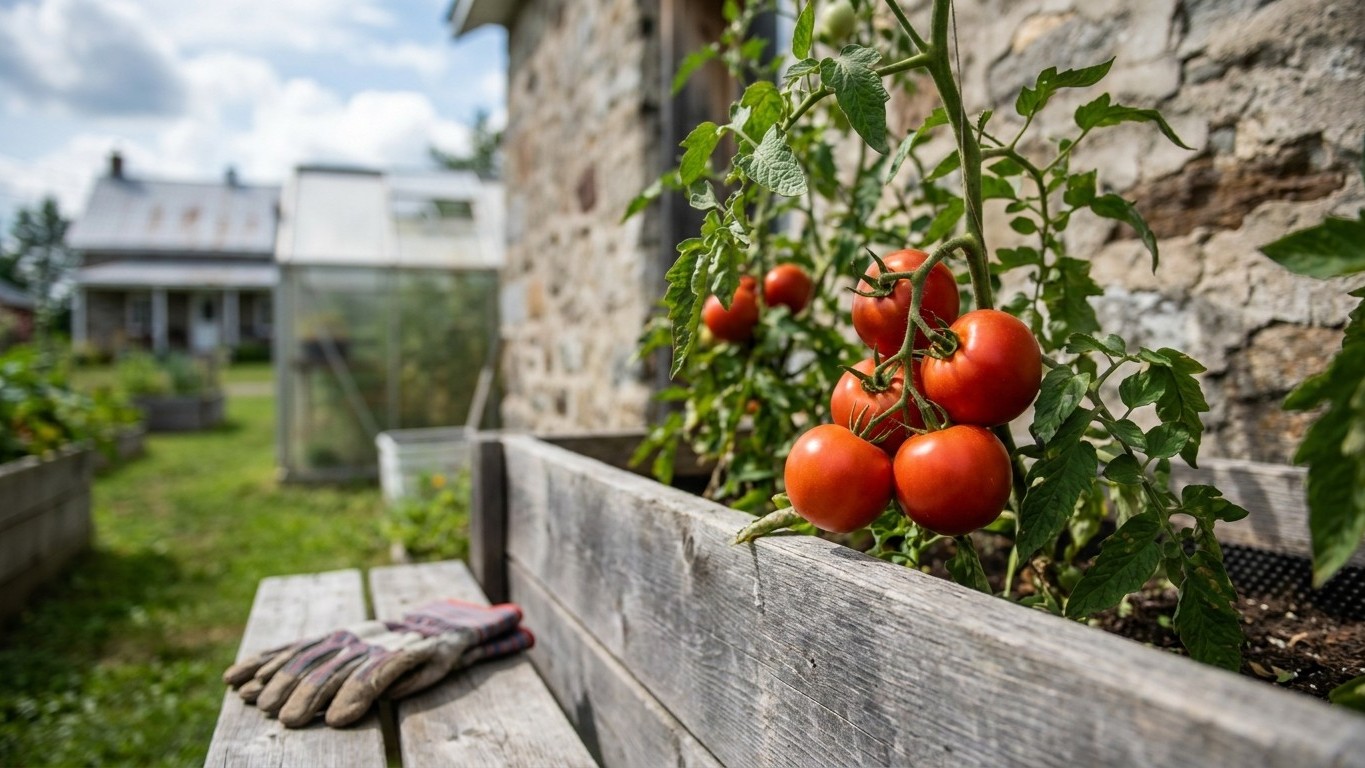
Quebec’s last spring frost falls around May 6 near Montreal on average, so tomato transplants should go out only after that window passes and soil warms.
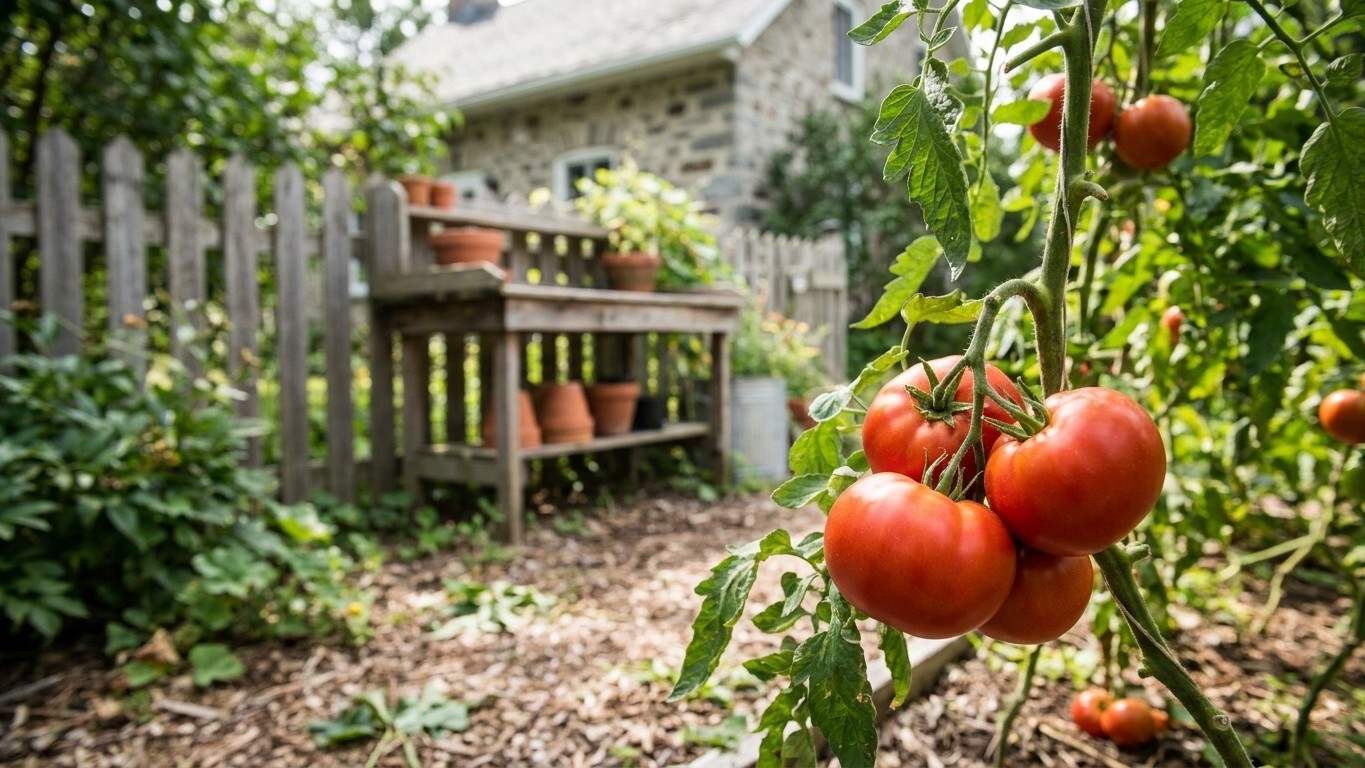
A cultivar-by-cultivar look at which tomato varieties finish ripening before Quebec’s average fall frost, and which ones cut it close.