When to Pull Beets in Rhode Island, and Why Colder Is Not Better
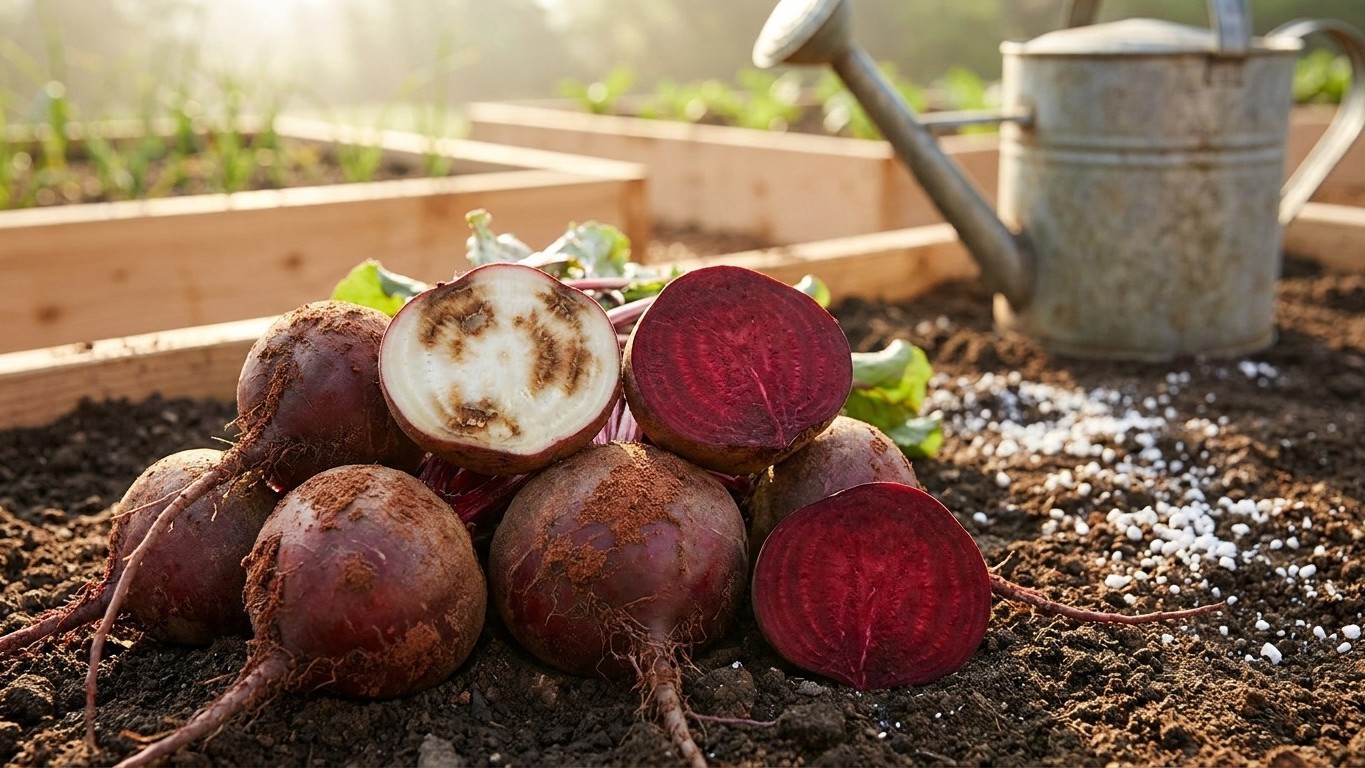
Pull beets 60 to 80 days after seeding, and plan to be done before summer heat and dry spells can toughen the roots.
Home & garden, state by state
Everything we have worked out for Rhode Island: what to plant and when, which varieties finish in time, the pests that actually turn up here, and the jobs that pay off month by month. We also cover the rest of the property, from lawns and soil to home care and energy, because a garden rarely stops at the vegetable bed.
The numbers first, because everything else follows from them. Measured at the weather station in Providence, the last spring freeze runs April 7 to April 17 and the first fall freeze runs October 24 to November 3, USDA zones 6a-7b, 3,229 growing degree days in the year.
Garlic does well: 26.1 weeks below 40 °F, comfortably past the six it needs to form a proper head.
Elsewhere on the property in Rhode Island: the pests that turn up here.
Figures from NOAA's 1991-2020 climate normals. A state is not one climate: elevation, a large lake or the coast can move these dates by two weeks either way, so check your own county with the extension service before you spend money.
Pull beets 60 to 80 days after seeding, and plan to be done before summer heat and dry spells can toughen the roots.
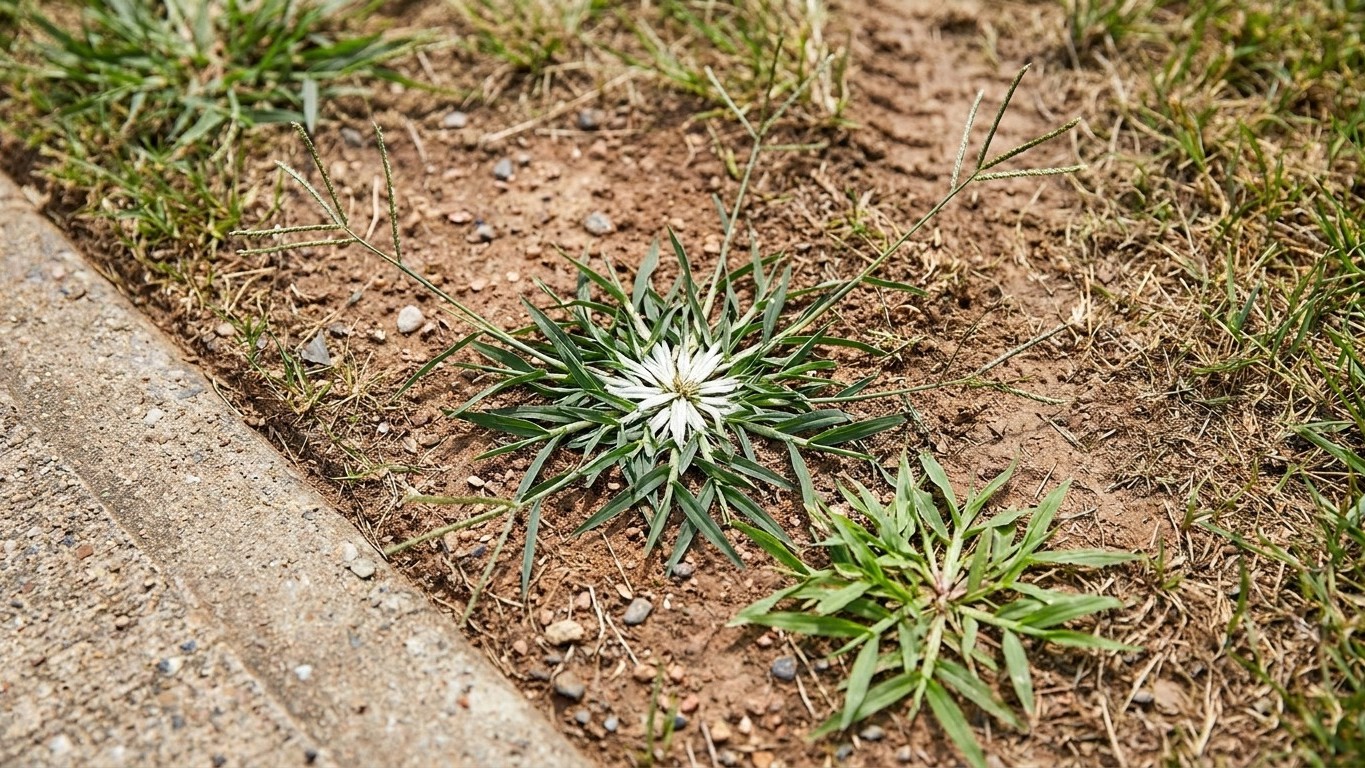
Most Rhode Island lawns never need dethatching. Cut a wedge of turf with a spade and measure the spongy brown layer under the green: below 0.5 inch…
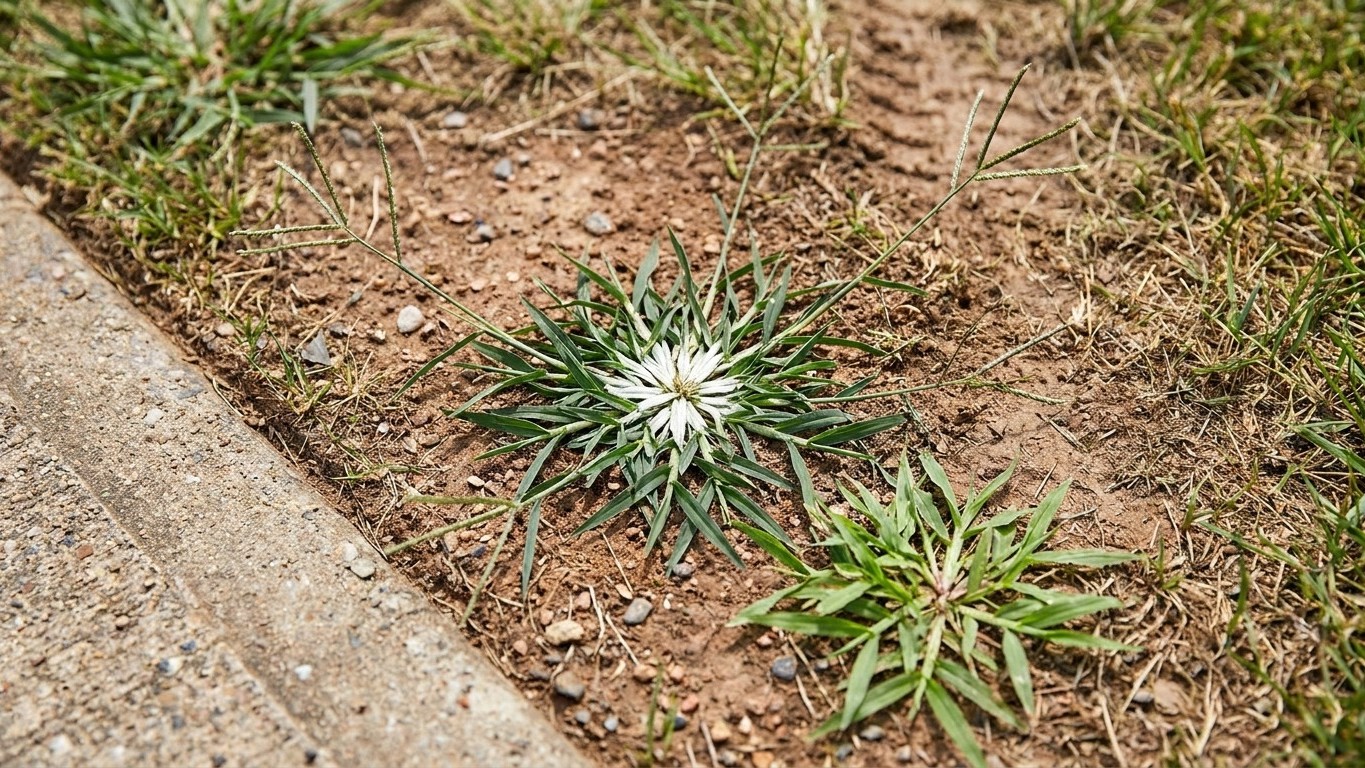
In Rhode Island, aerate a cool-season lawn in early fall, while the grass is still growing and well before the first freeze.
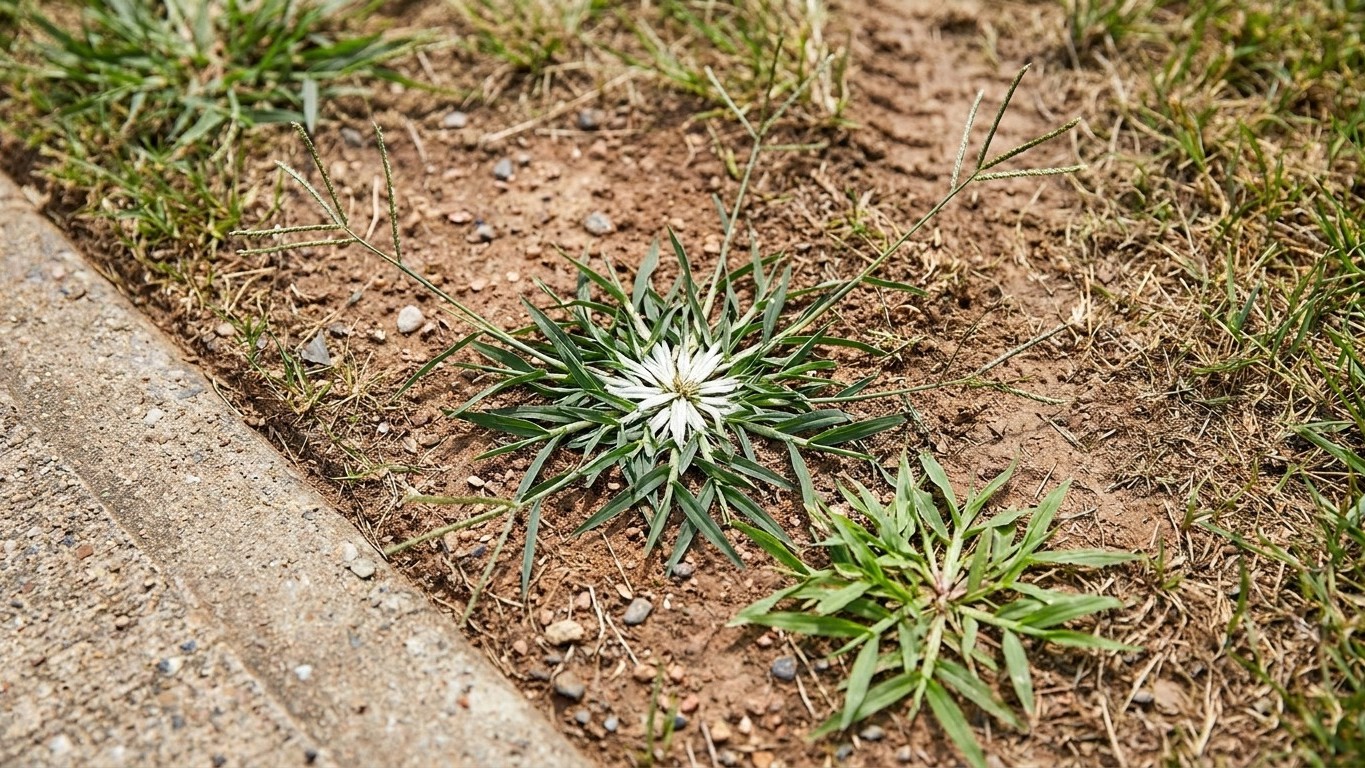
Rhode Island lawns sown from late August through mid-September get what cool-season grass needs: warm soil, cooler air and about 45 days of growing…
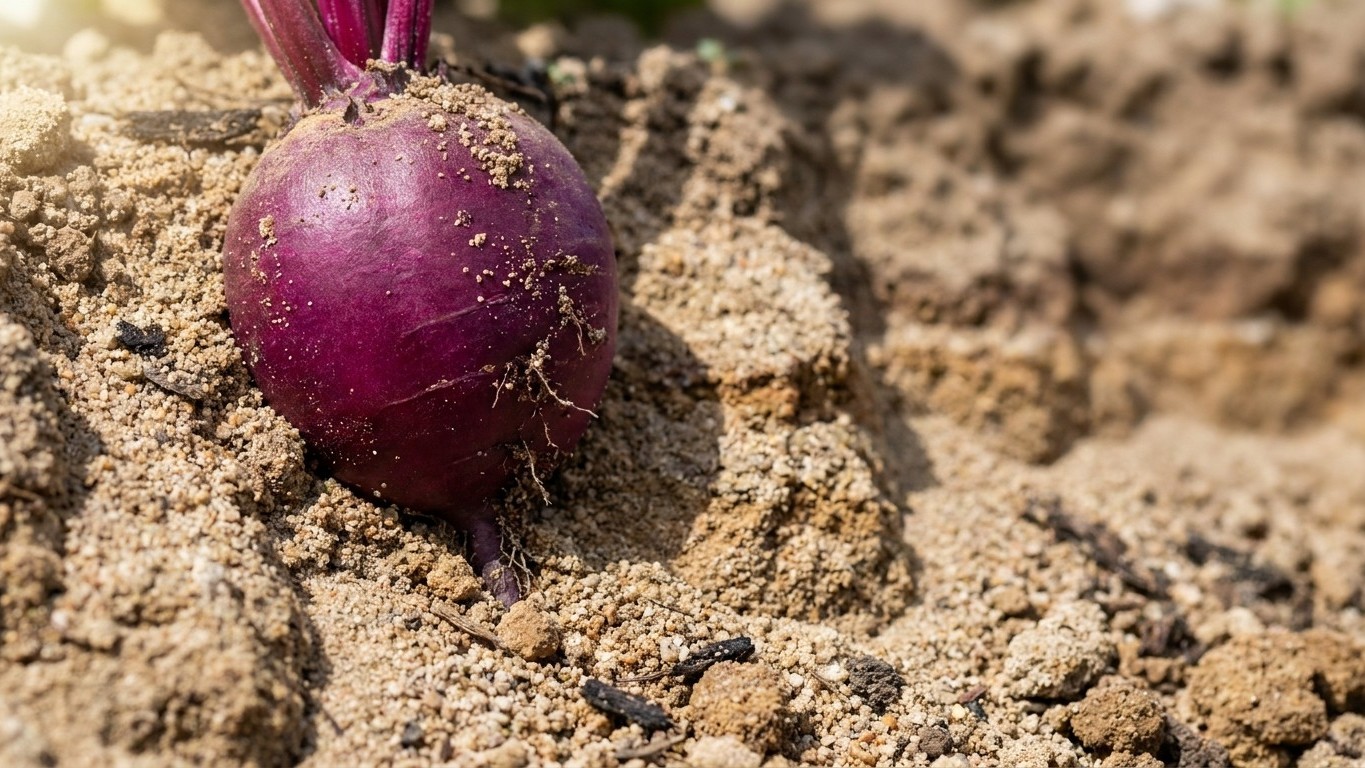
In Rhode Island, what eats into a beet crop is mostly water and heat, not a long list of enemies.
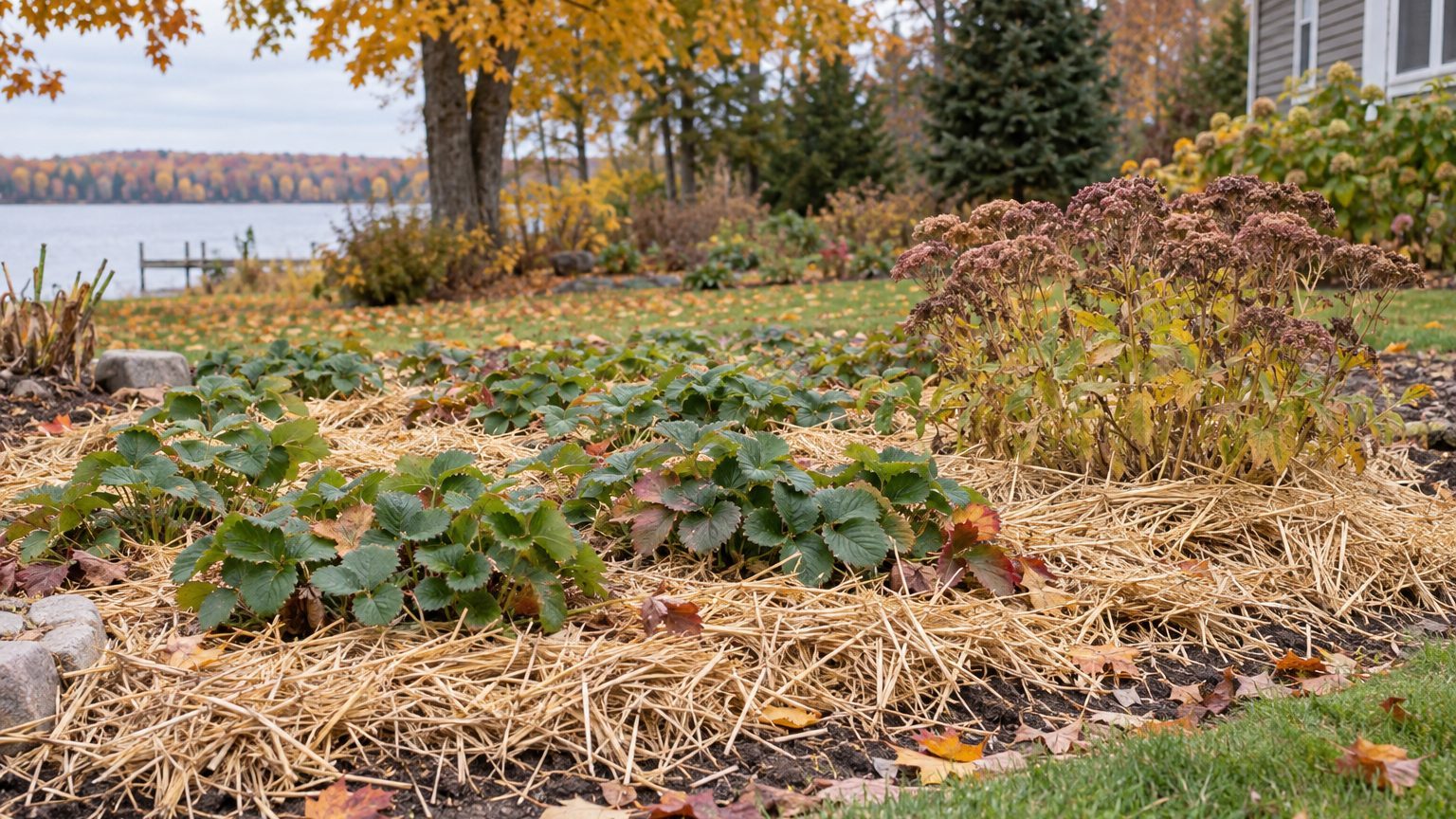
In Rhode Island, winter mulch for strawberries and tender perennials goes on in late fall, after the soil surface has started to freeze.
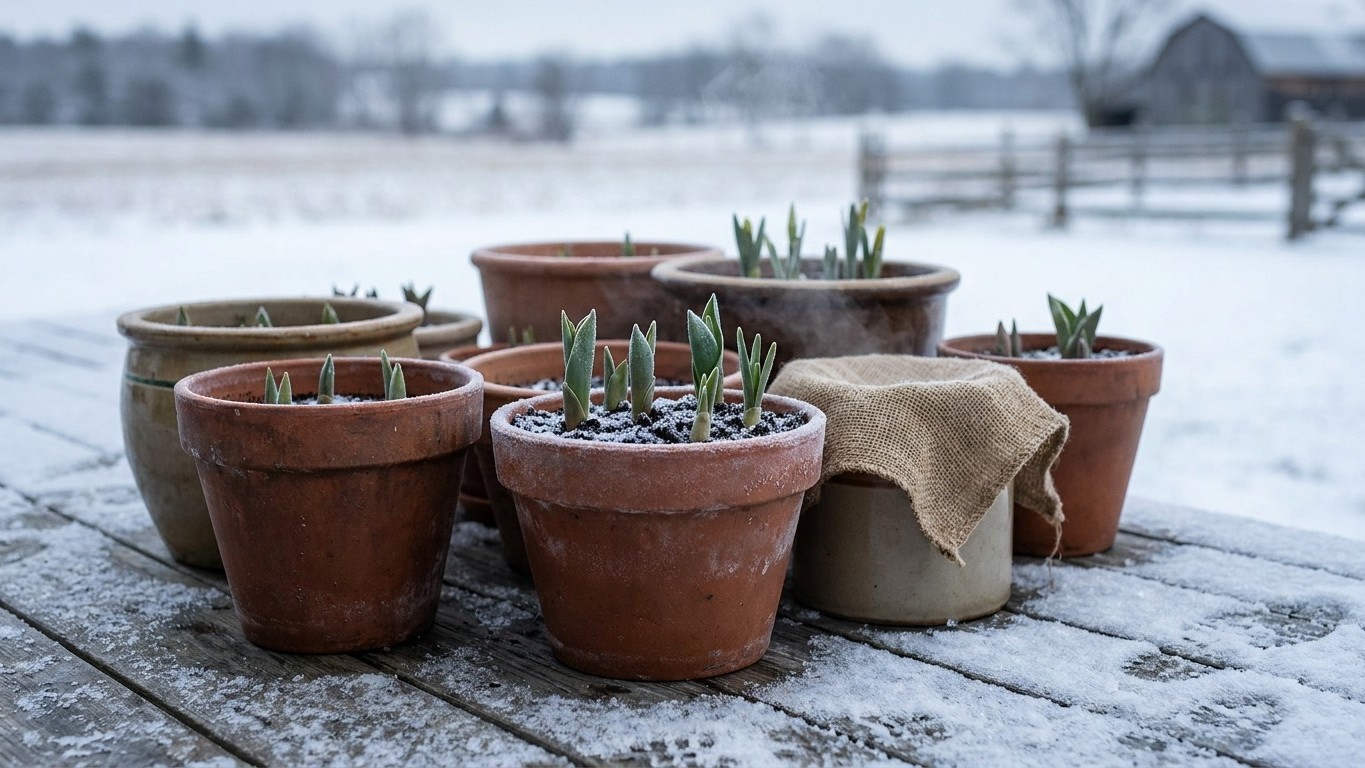
Dahlias, cannas and gladiolus come out of Rhode Island soil after the first frost blackens their leaves, not before.
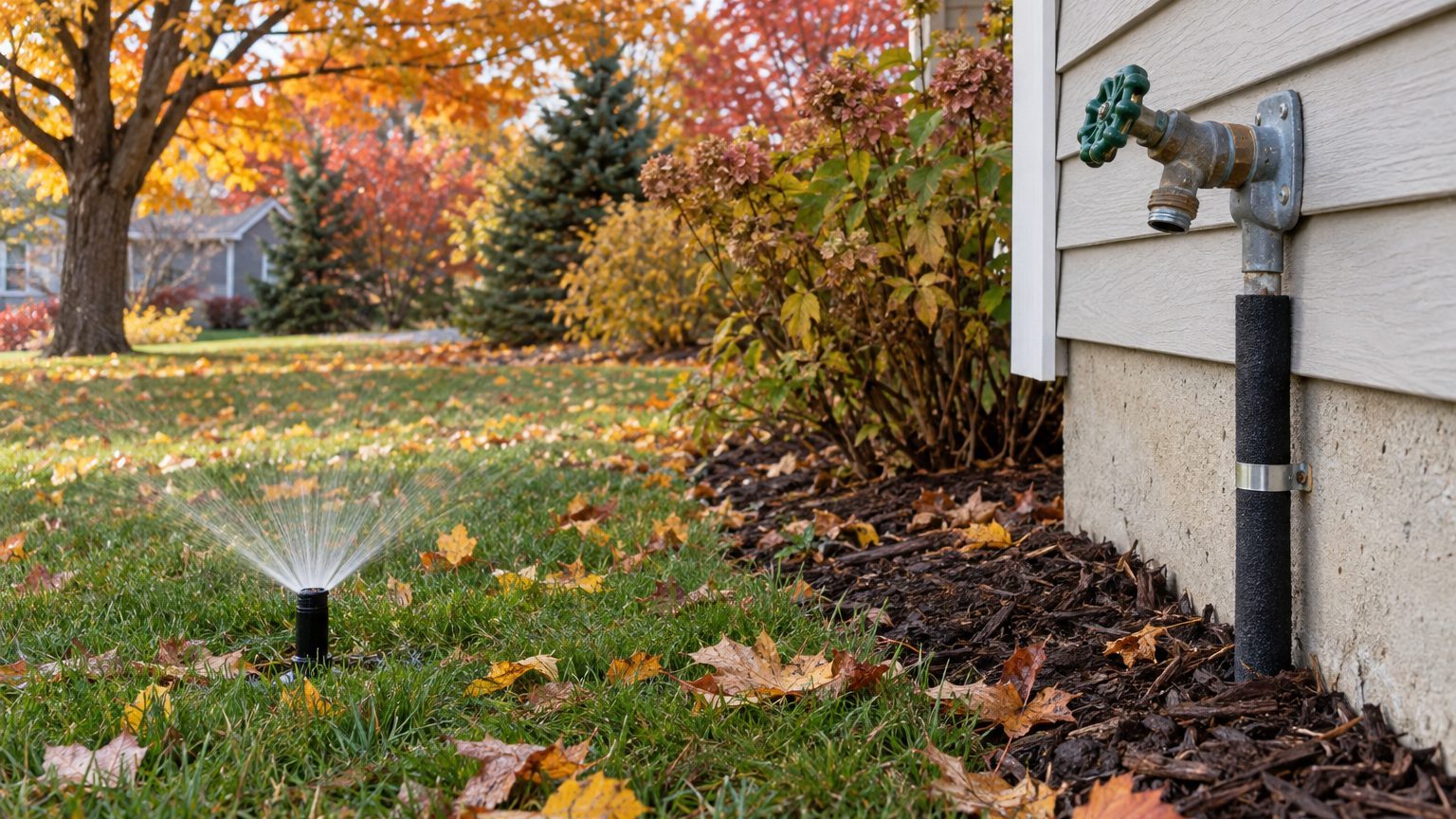
Rhode Island sprinkler systems and outdoor faucets need to be shut down before the first hard freeze, and the clock for that starts in October.
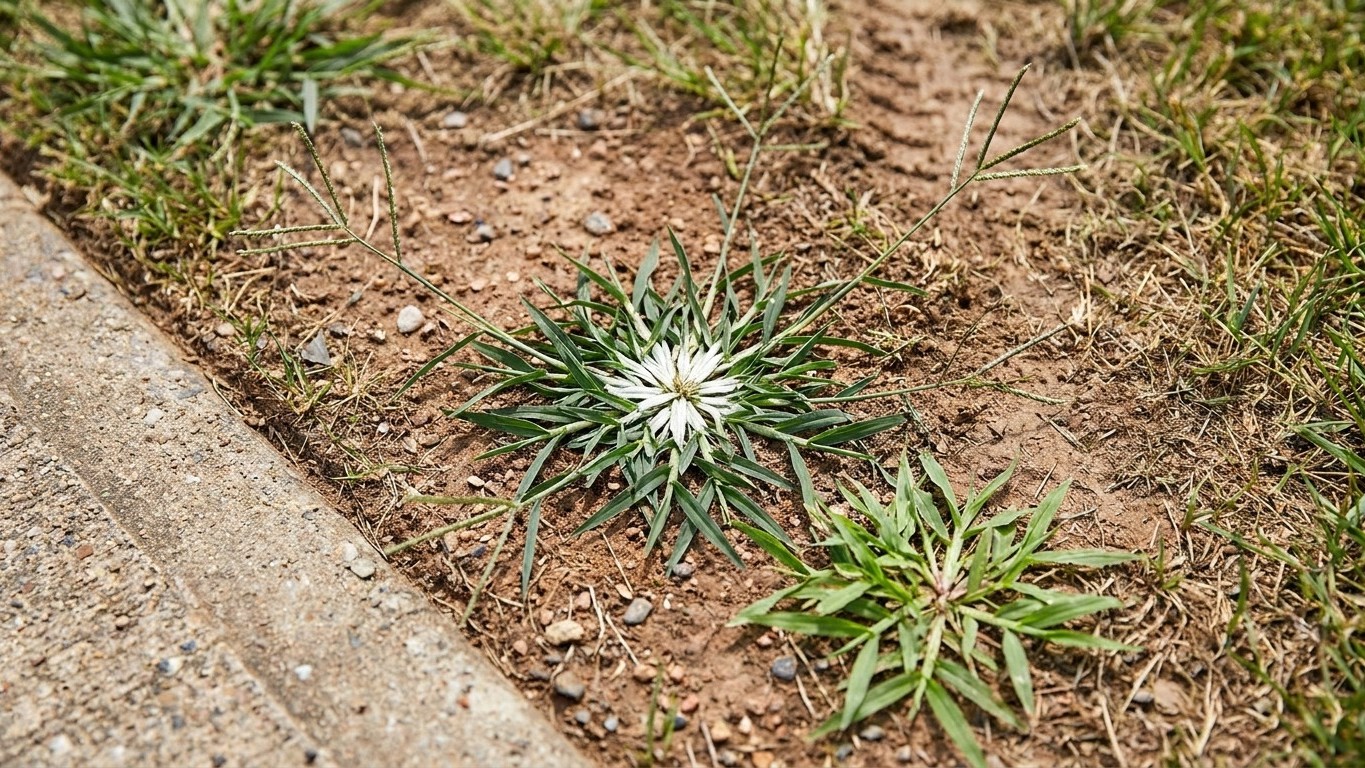
Set the mower between 2 and 3 inches for most Rhode Island lawns, and raise it to 3 to 3.5 inches if the grass is tall fescue.
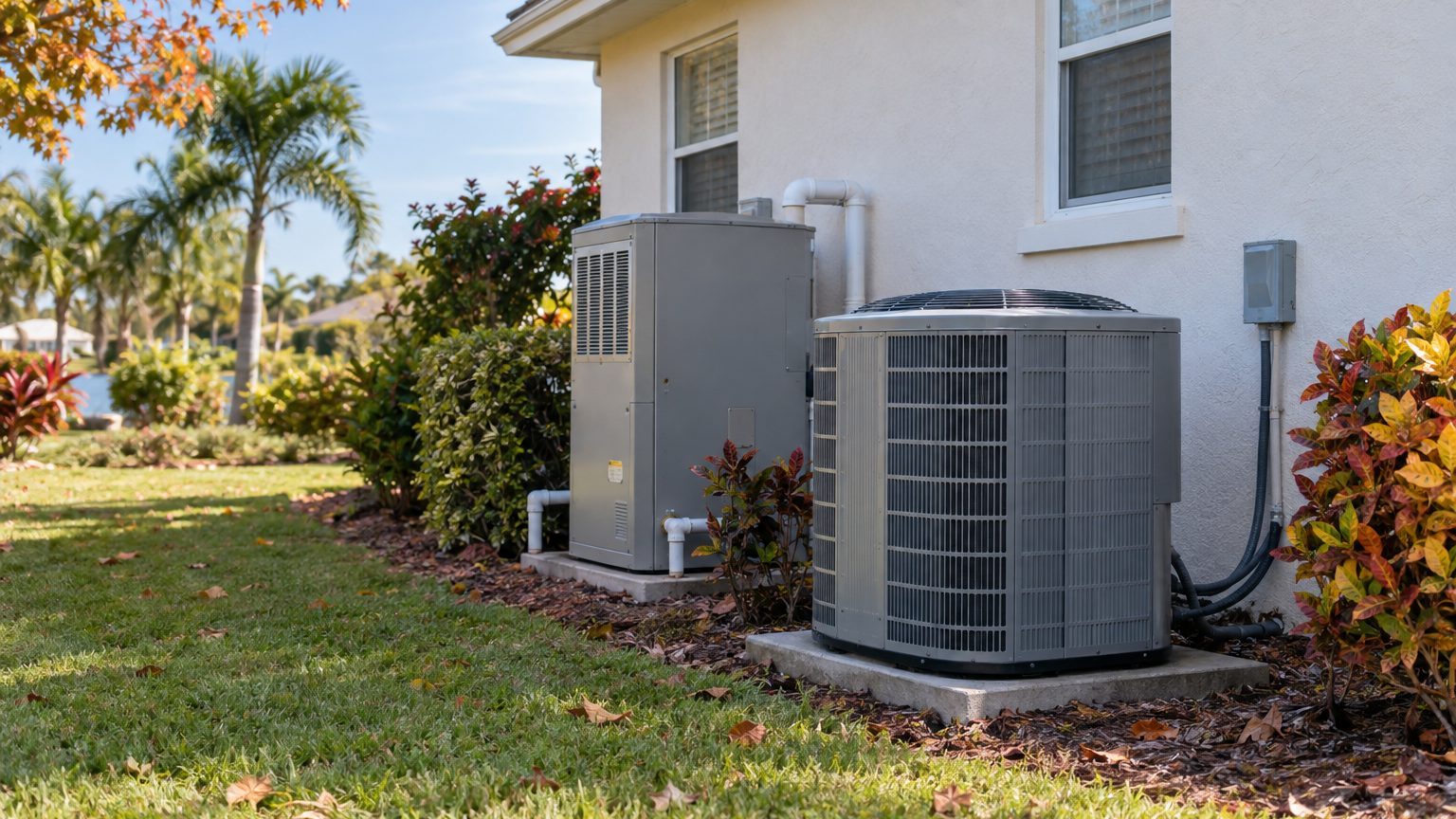
On fuel cost alone, a natural gas furnace is cheaper to run than a heat pump in Rhode Island.