What Eats Pepper in Rhode Island, and When
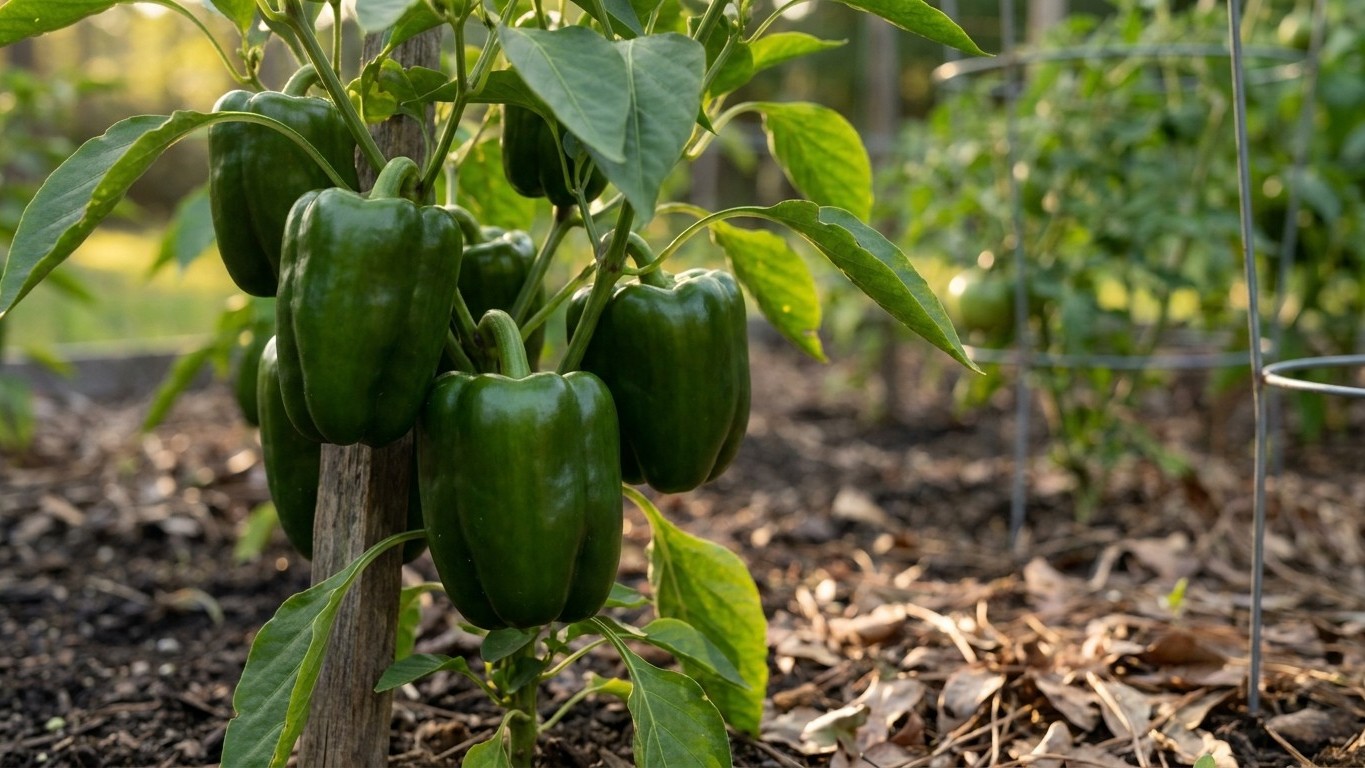
Peppers in Rhode Island lose more fruit to weather than to anything that chews.
Home & garden, state by state
Everything we have worked out for Rhode Island: what to plant and when, which varieties finish in time, the pests that actually turn up here, and the jobs that pay off month by month. We also cover the rest of the property, from lawns and soil to home care and energy, because a garden rarely stops at the vegetable bed.
The numbers first, because everything else follows from them. Measured at the weather station in Providence, the last spring freeze runs April 7 to April 17 and the first fall freeze runs October 24 to November 3, USDA zones 6a-7b, 3,229 growing degree days in the year.
Garlic does well: 26.1 weeks below 40 °F, comfortably past the six it needs to form a proper head.
Elsewhere on the property in Rhode Island: the pests that turn up here.
Figures from NOAA's 1991-2020 climate normals. A state is not one climate: elevation, a large lake or the coast can move these dates by two weeks either way, so check your own county with the extension service before you spend money.
Peppers in Rhode Island lose more fruit to weather than to anything that chews.
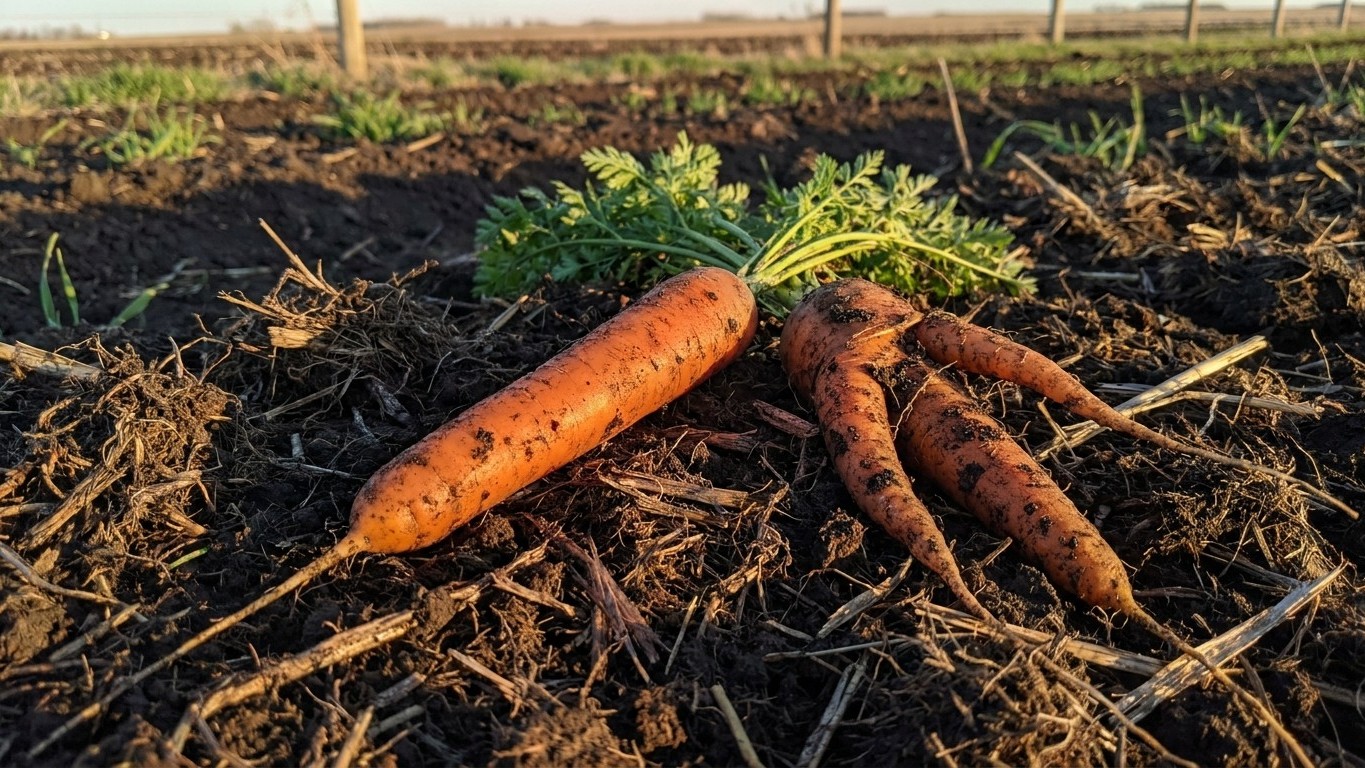
In Rhode Island, what ruins a carrot crop is more often the ground and the weather than anything with teeth: forked roots, seed that never comes up…
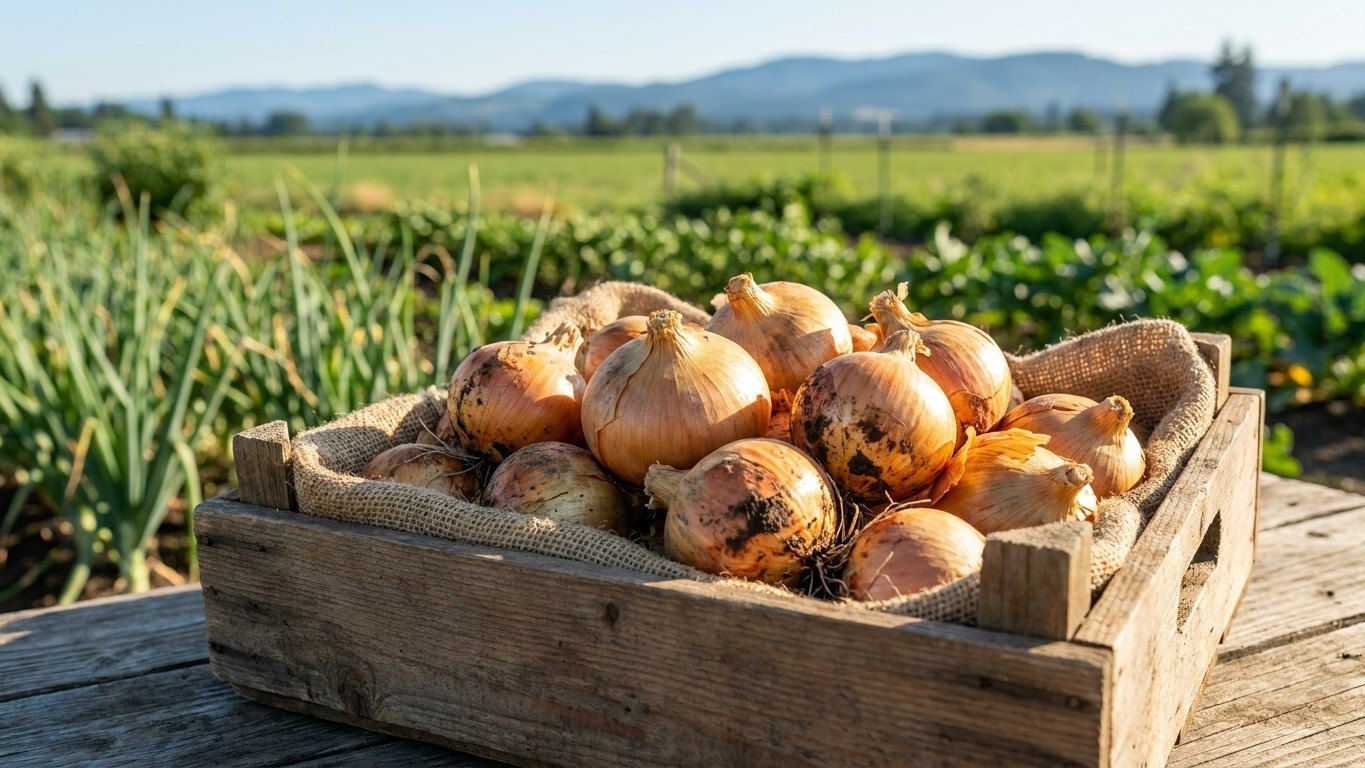
Very little on Rhode Island’s documented pest list actually eats onions. Seven insects are on it, and only one has a plausible way into a bulb bed: white…
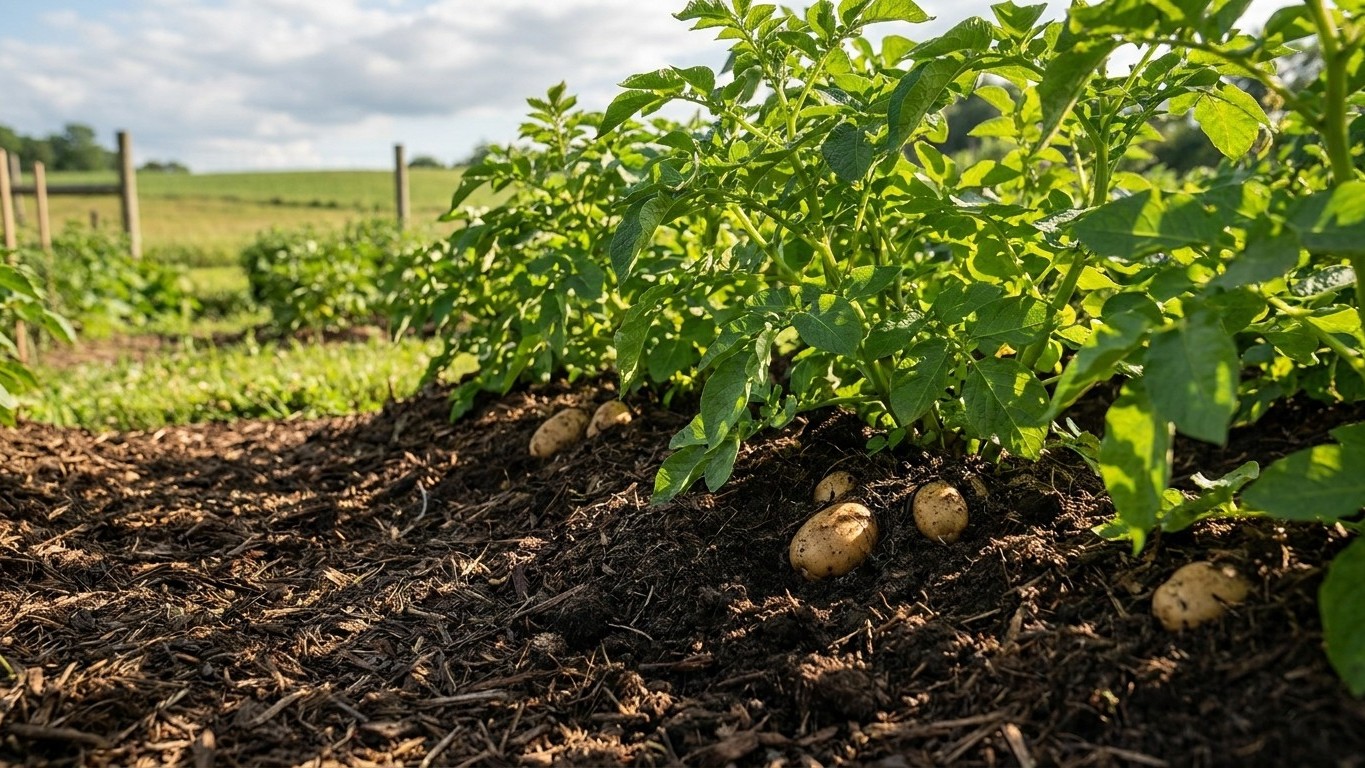
Only one insect on Rhode Island’s documented pest list has any real business in a potato patch: white grubs, including the larvae of Japanese beetle…
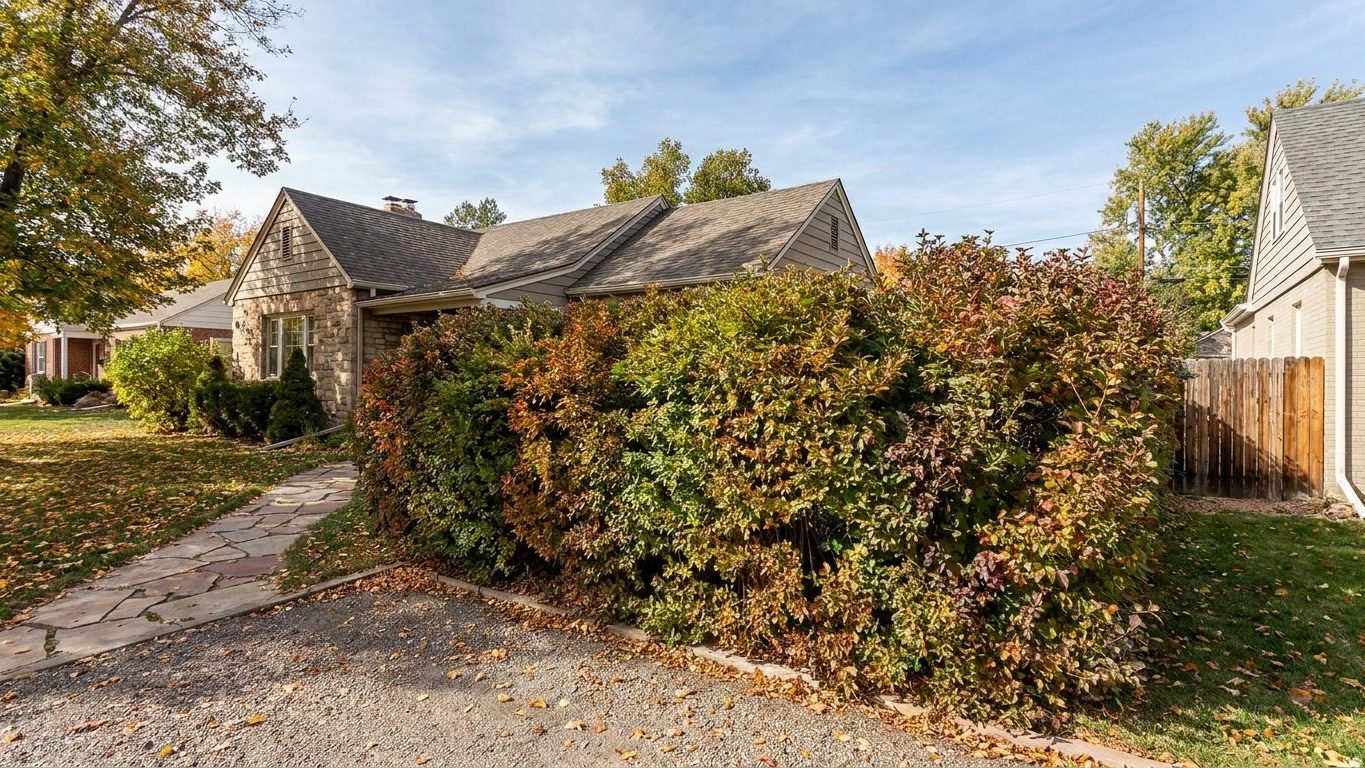
Rhode Island has no statewide hedge height law. No state statute sets a maximum for how tall a hedge, screen, or living fence can grow on private property.
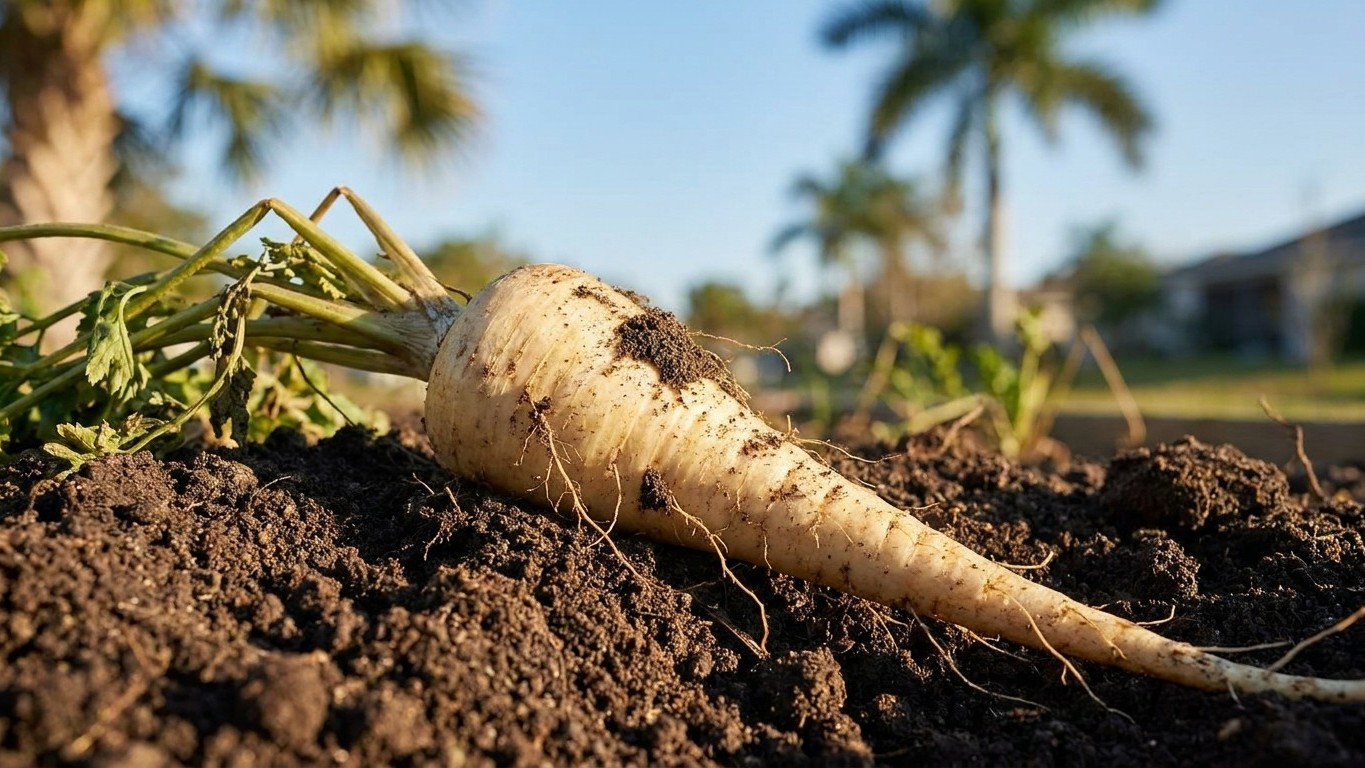
The University of Rhode Island Cooperative Extension and URI Biocontrol Lab track seven insects statewide, but only one of them has any real bearing on a…
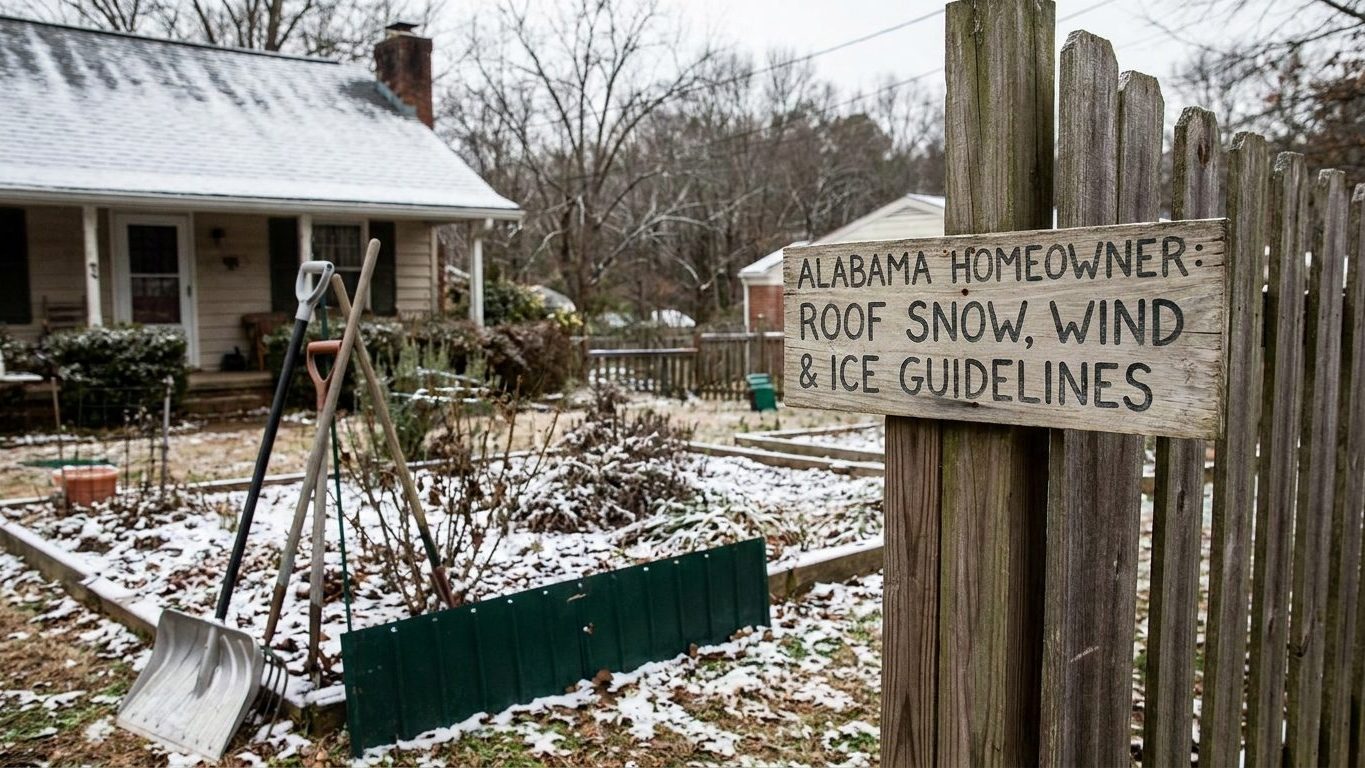
Providence’s design snow load, wind speed and Rhode Island’s ice-barrier rule explained, with the difference between ground load and roof load made clear.
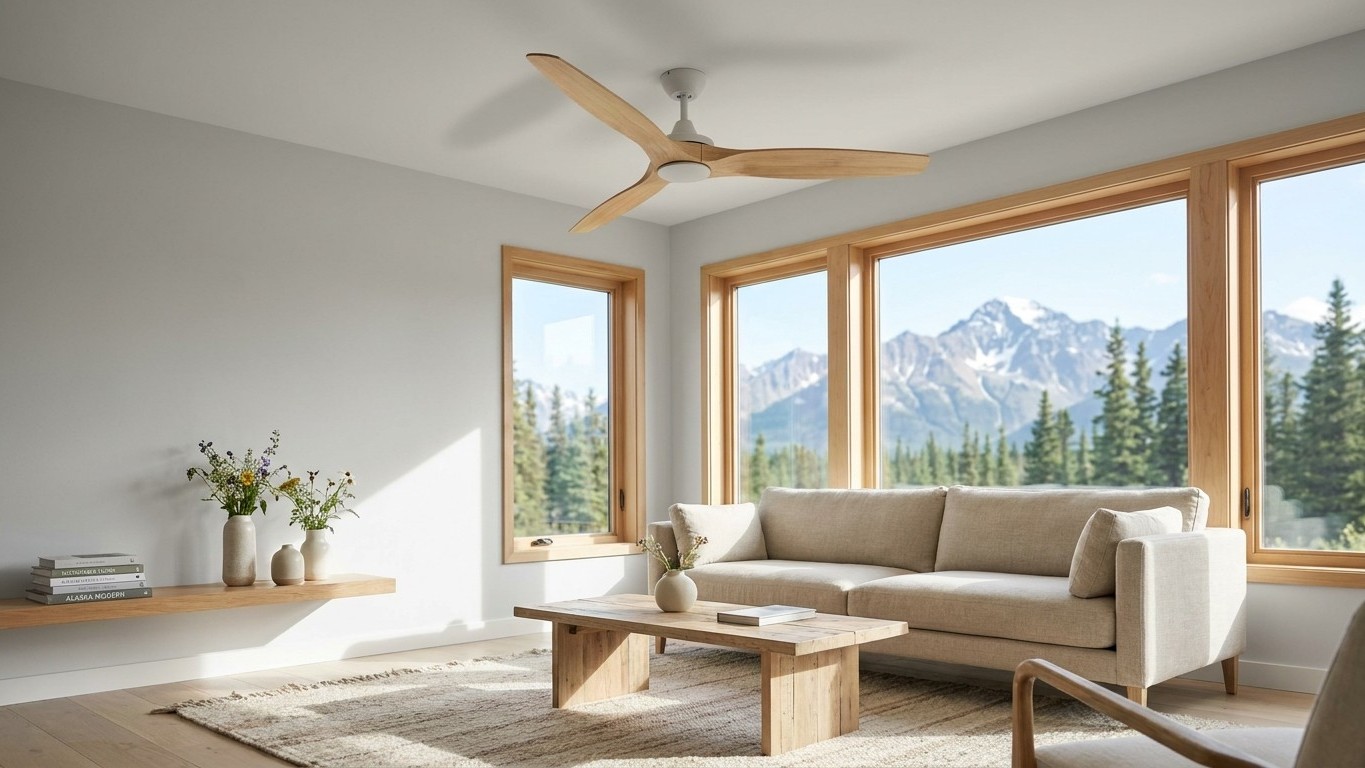
Nine out of ten Rhode Island homes run some form of air conditioning, but the majority of that cooling doesn’t come from a central system tied to ductwork.
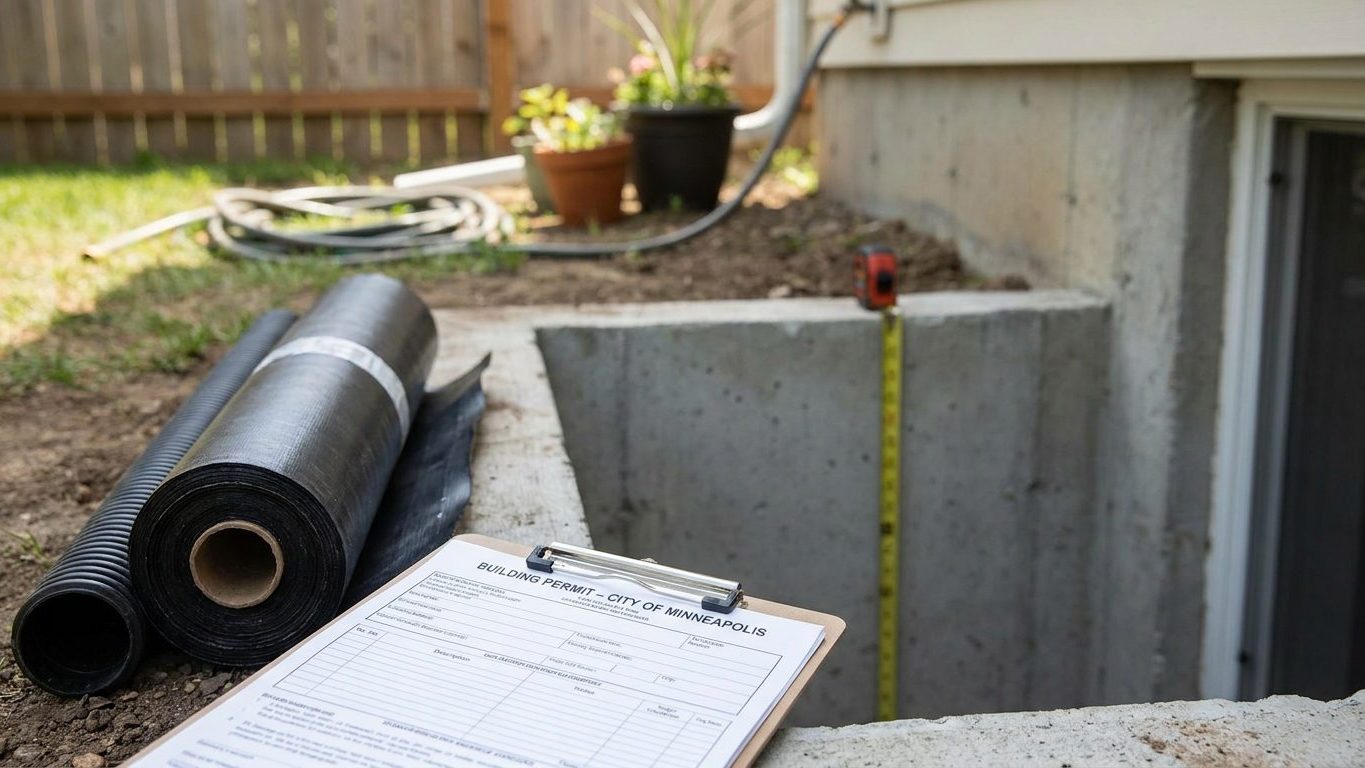
Rhode Island finishes basements under a uniform state code that sets ceiling height, egress window size, and permit requirements the same way in every town.
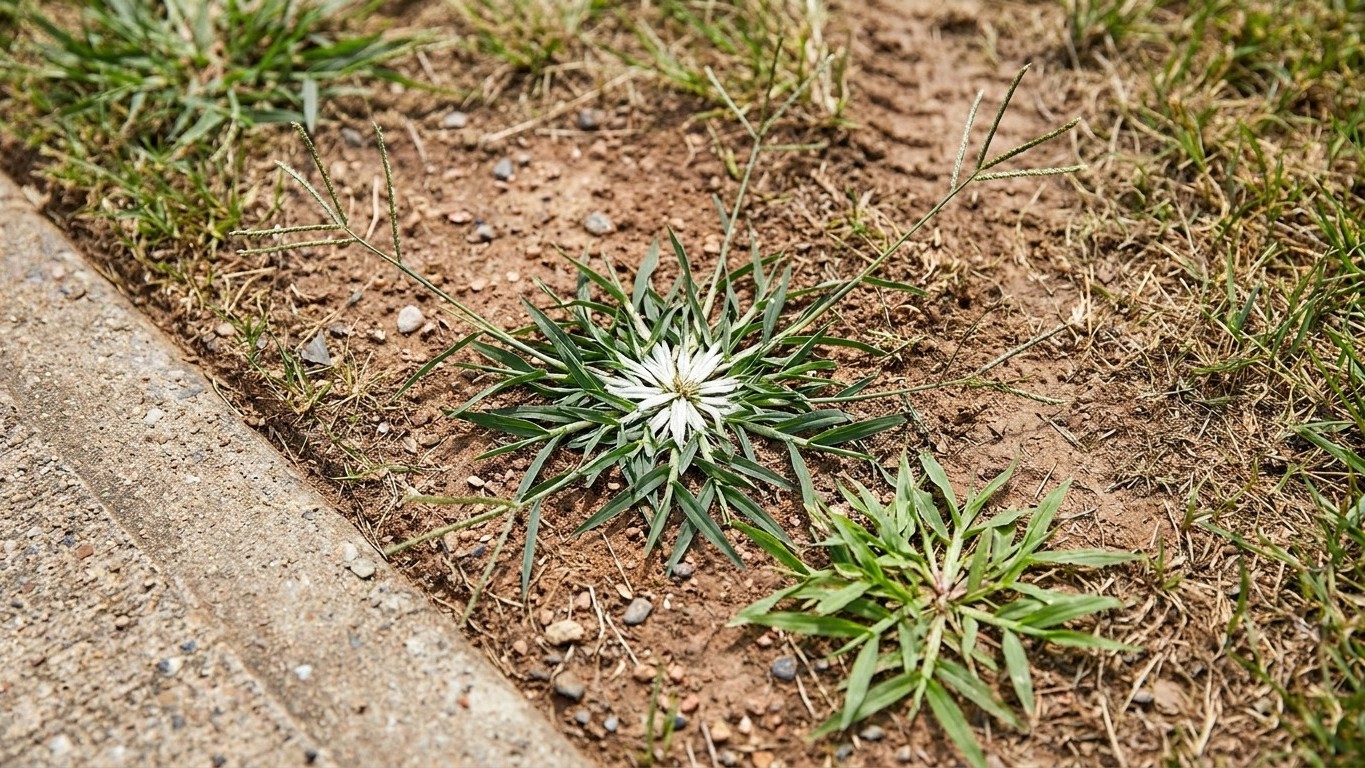
The short answer: aim for late August through mid-September, and finish sowing no later than about 45 days before your area’s first fall frost.