What to Plant in Saskatchewan in April
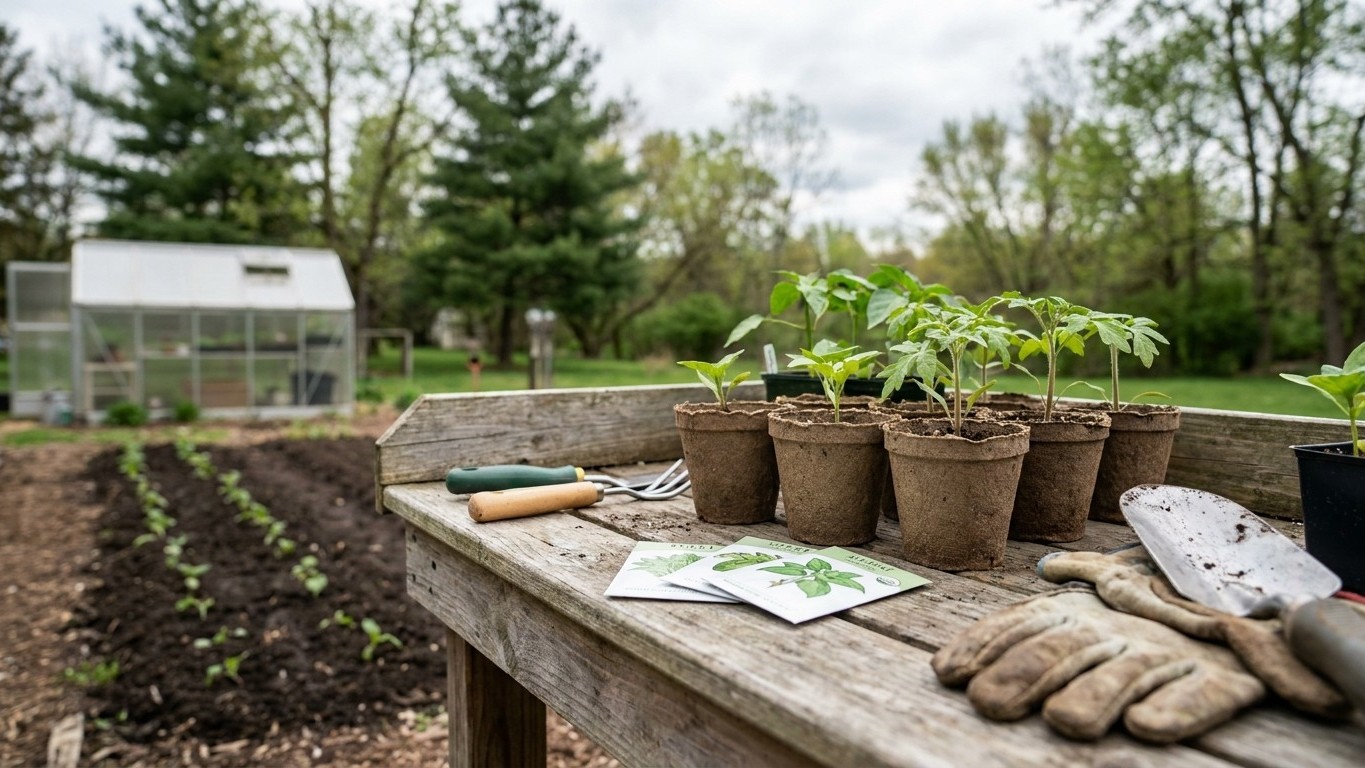
April in Saskatchewan sits well ahead of the frost line, so the honest answer is that almost nothing tender goes into open ground yet.
Home & garden, state by state
Everything we have worked out for Saskatchewan: what to plant and when, which varieties finish in time, the pests that actually turn up here, and the jobs that pay off month by month. We also cover the rest of the property, from lawns and soil to home care and energy, because a garden rarely stops at the vegetable bed.
The numbers first, because everything else follows from them. Measured at the weather station in Saskatoon, the last spring freeze falls around May 18 and the first fall freeze falls around September 18, 1,549 growing degree days in the year.
That is enough for early varieties, tight for anything late. Garlic does well: 34.8 weeks below 40 °F, comfortably past the six it needs to form a proper head.
Elsewhere on the property in Saskatchewan: the pests that turn up here.
Figures from Environment and Climate Change Canada. A state is not one climate: elevation, a large lake or the coast can move these dates by two weeks either way, so check your own county with the extension service before you spend money.
April in Saskatchewan sits well ahead of the frost line, so the honest answer is that almost nothing tender goes into open ground yet.
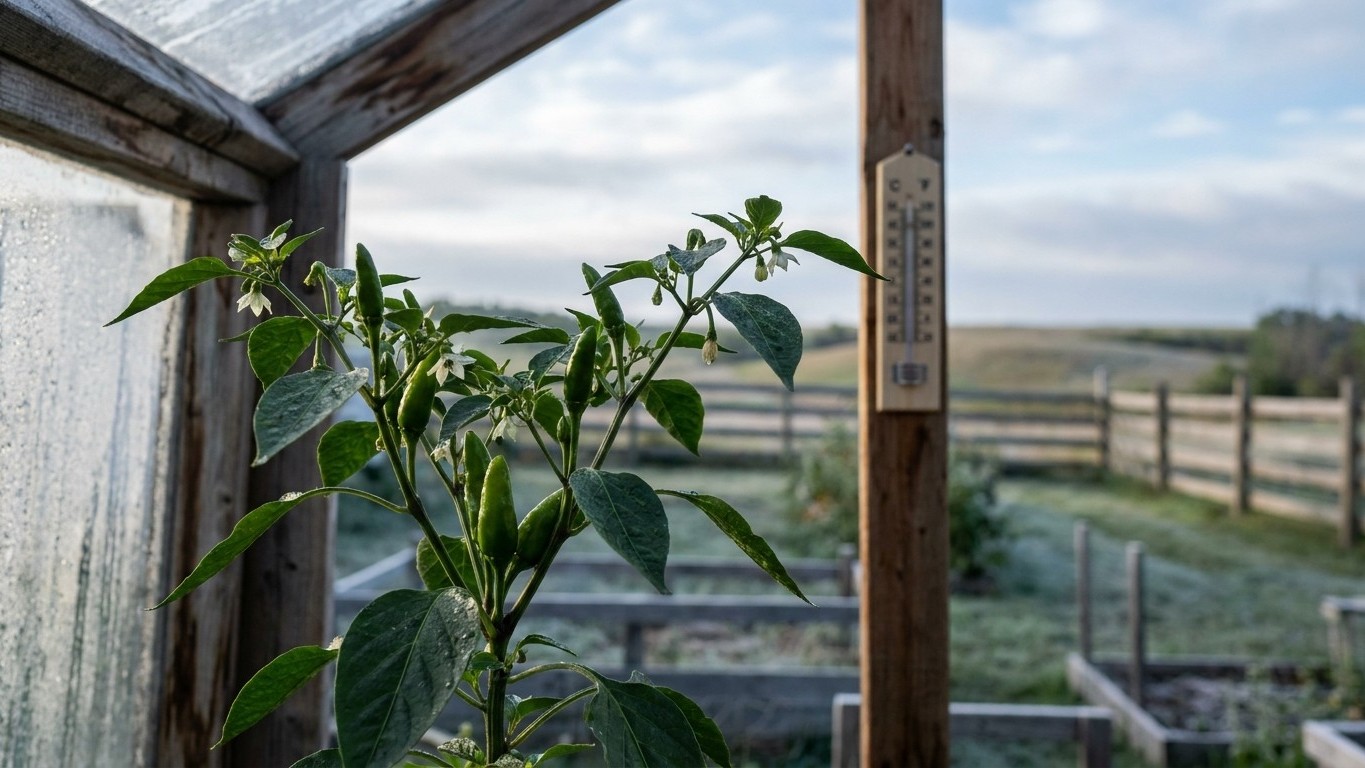
Saskatoon’s climate normals show zero days a year at or above 90 F, so heat-driven fruit drop is rarely the problem for pepper growers here.
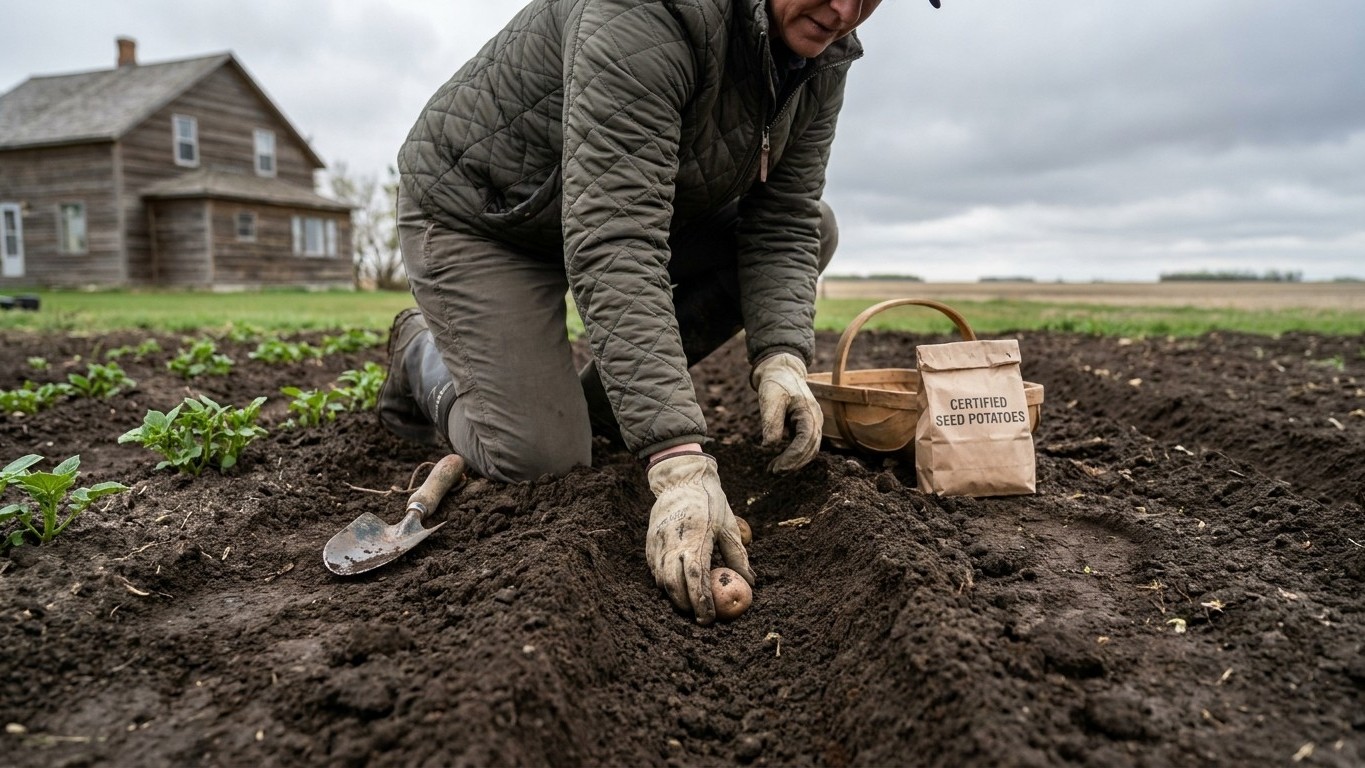
Saskatoon’s climate normals show zero days a year above 90°F, and the province’s average last spring frost falls around May 18.
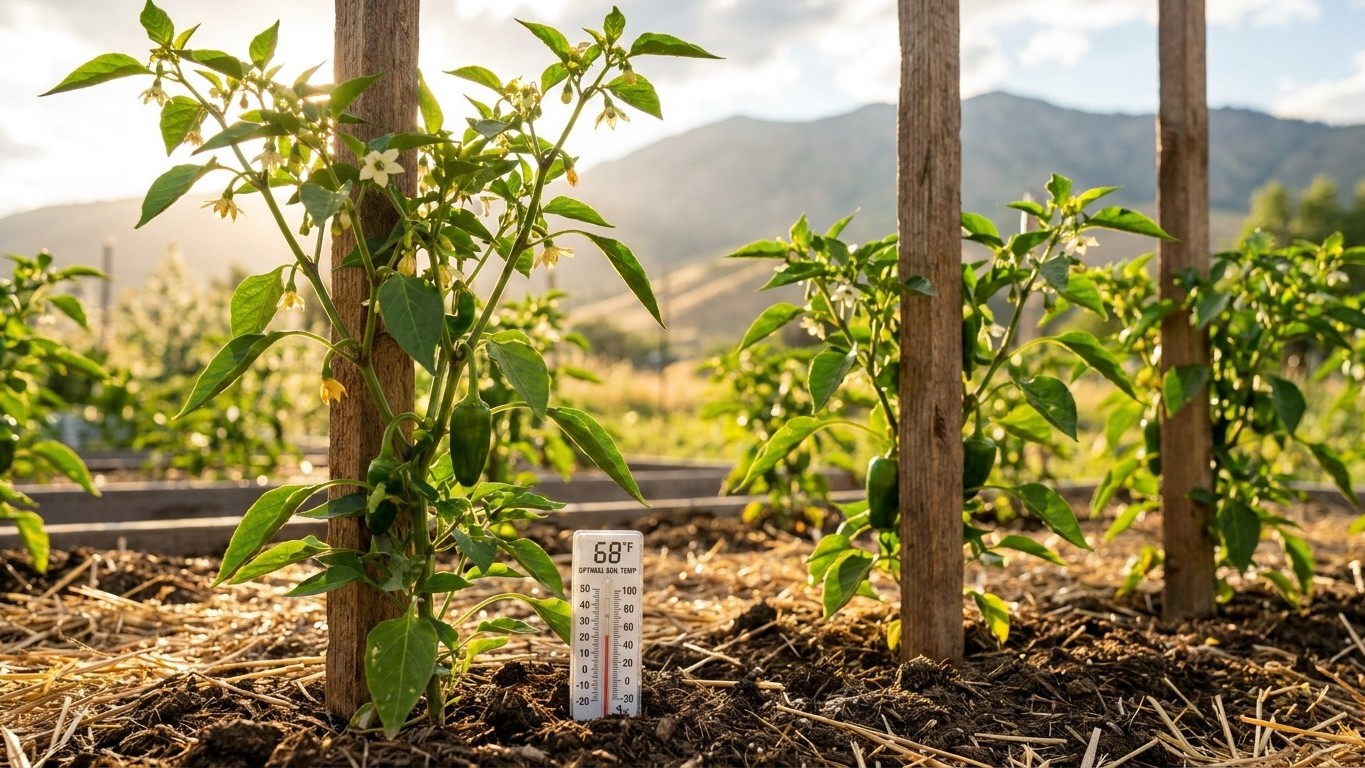
Saskatoon’s climate record shows zero days a year reaching 90 F, which means the heat-failure side of pepper growing barely exists here.
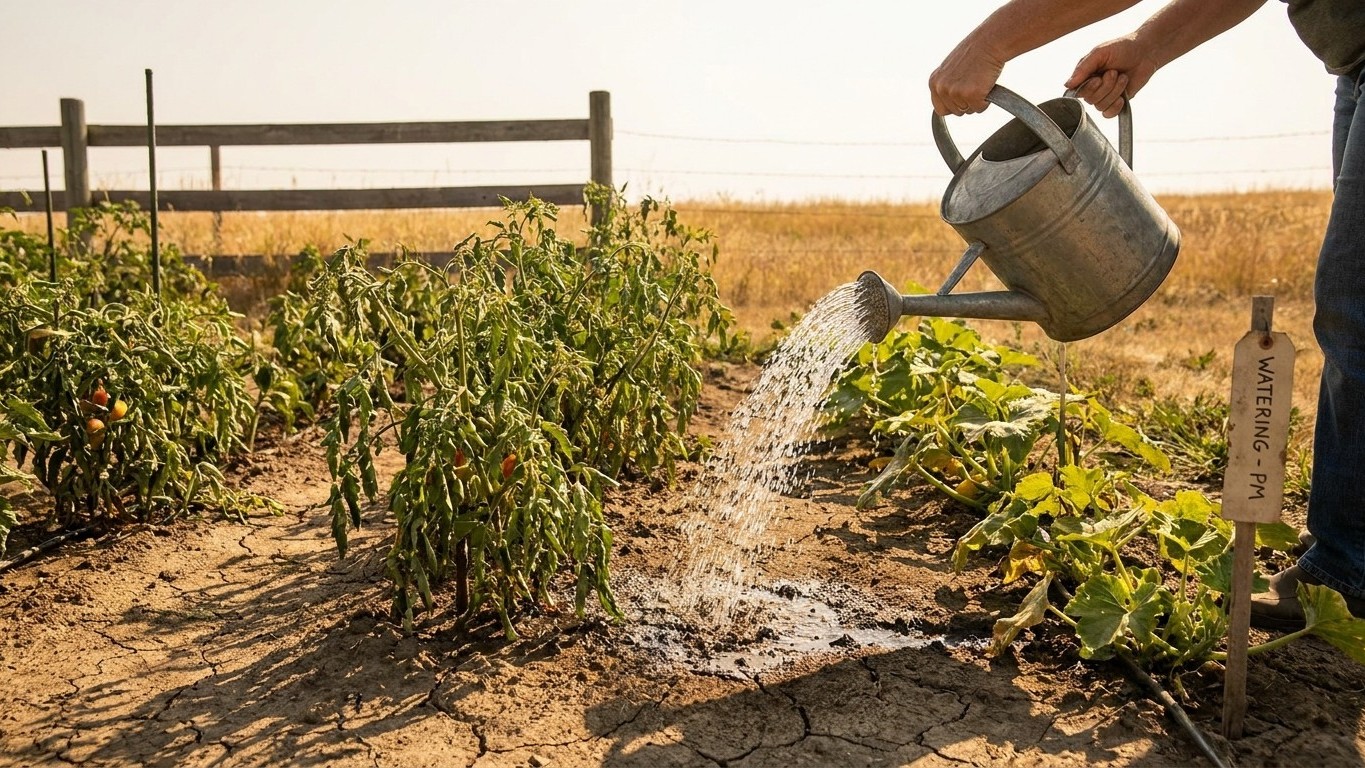
Saskatchewan summers give a garden less than an inch and a half of rain in the driest stretch, yet almost never push the thermometer past 90°F.
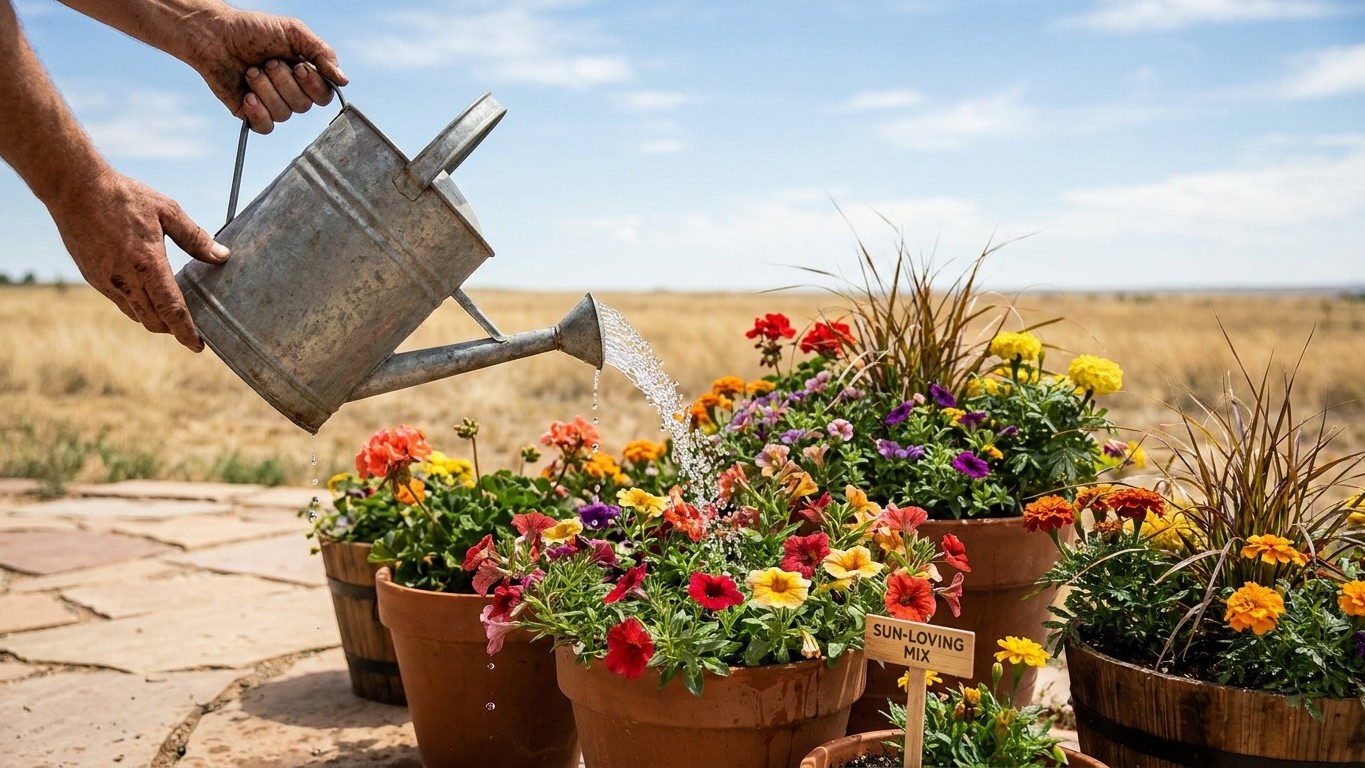
Saskatchewan pots and containers lose moisture more from wind and light, sporadic rain than from raw heat.
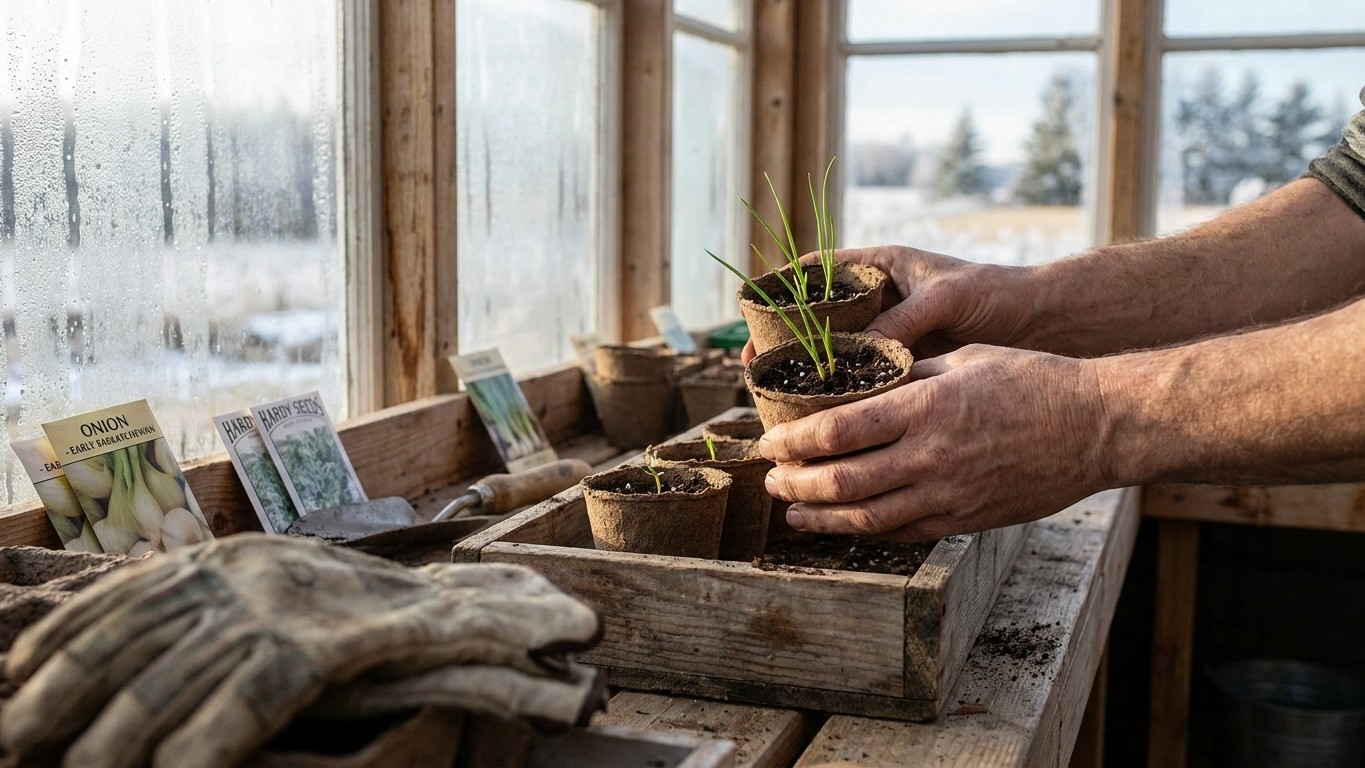
Saskatchewan sits far enough north that day length, not frost dates, decides when onions go in the ground.
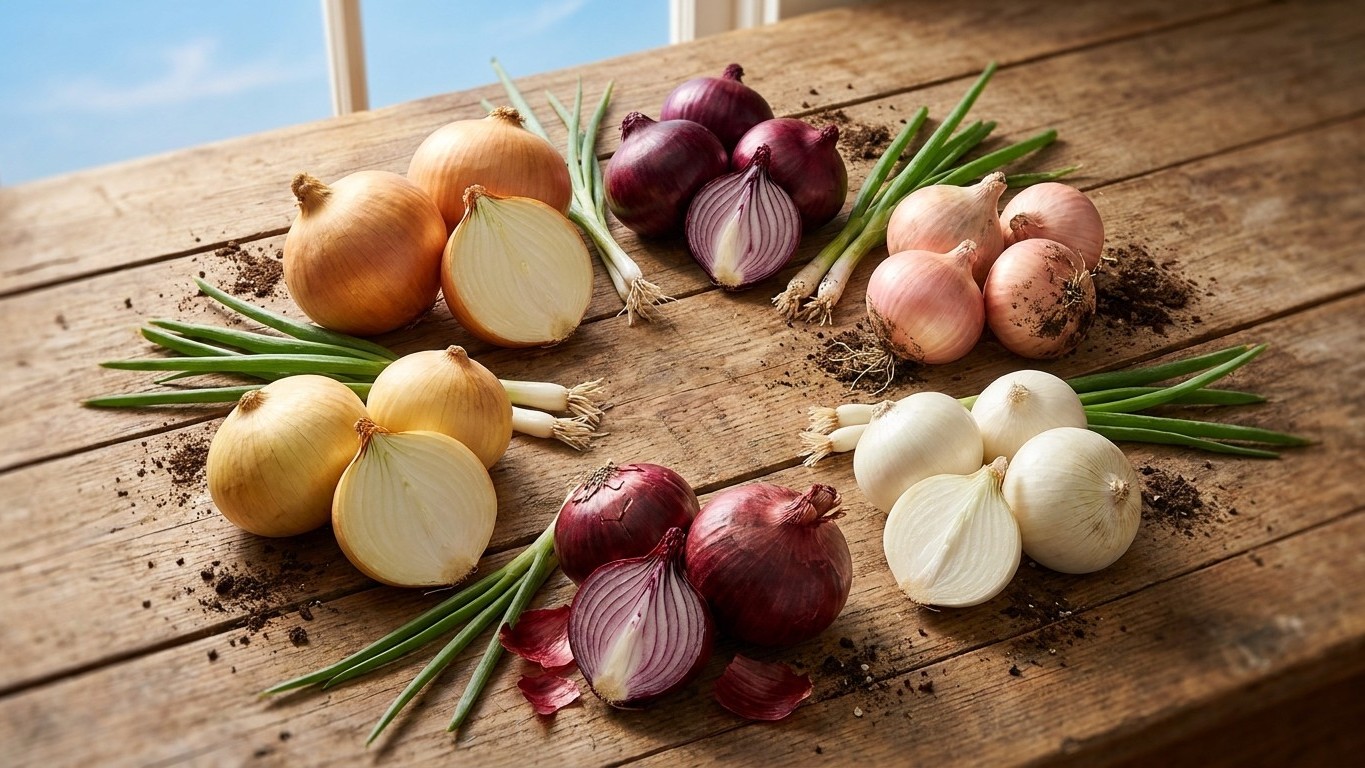
Saskatchewan sits at 52.17 degrees north, using Saskatoon as the reference point, and the longest day of summer there stretches to 16 hours and 31…
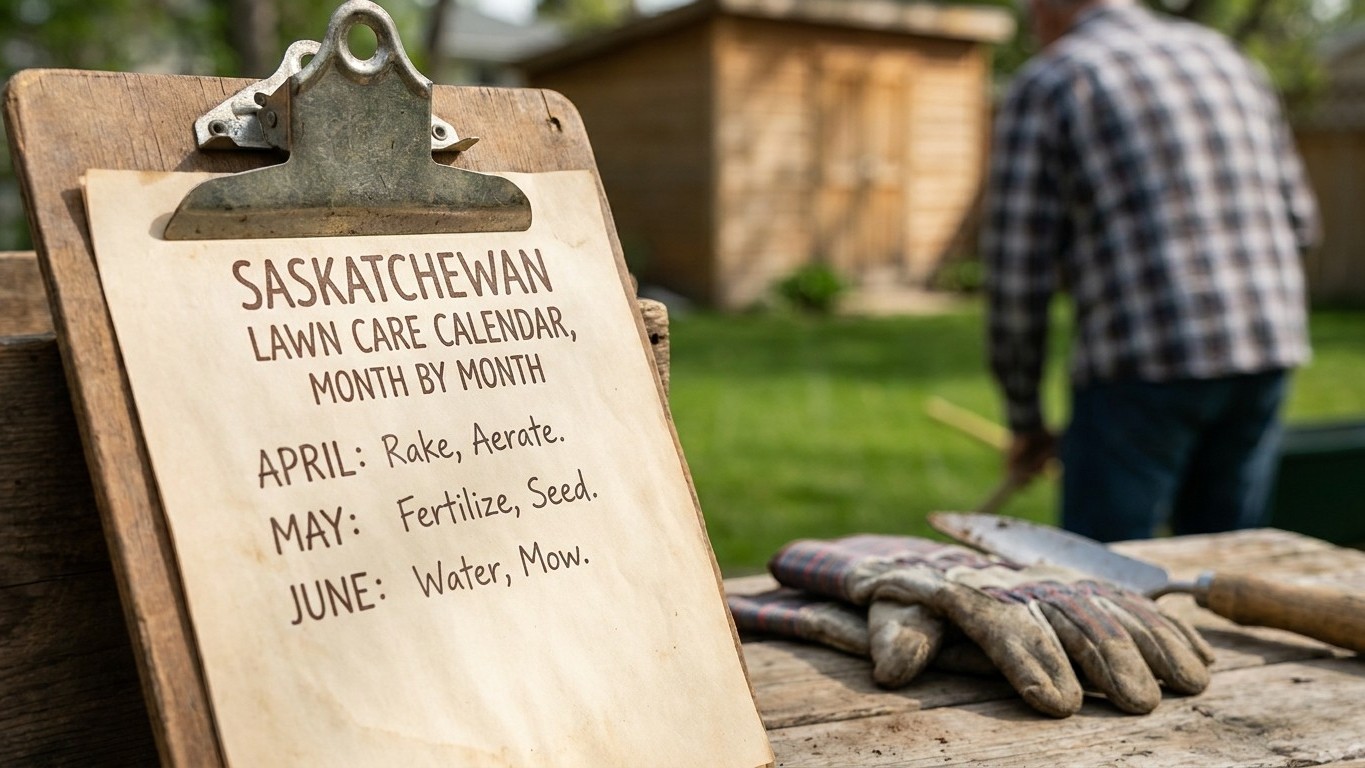
A month-by-month lawn calendar for Saskatoon’s cool-season grasses, built around the mean September 18 fall frost date and what changes across the province.
Cool-season grass seed suits Saskatchewan lawns best. This guide ranks Kentucky Bluegrass, fescue, and ryegrass by cost, timing, and use near Saskatoon.