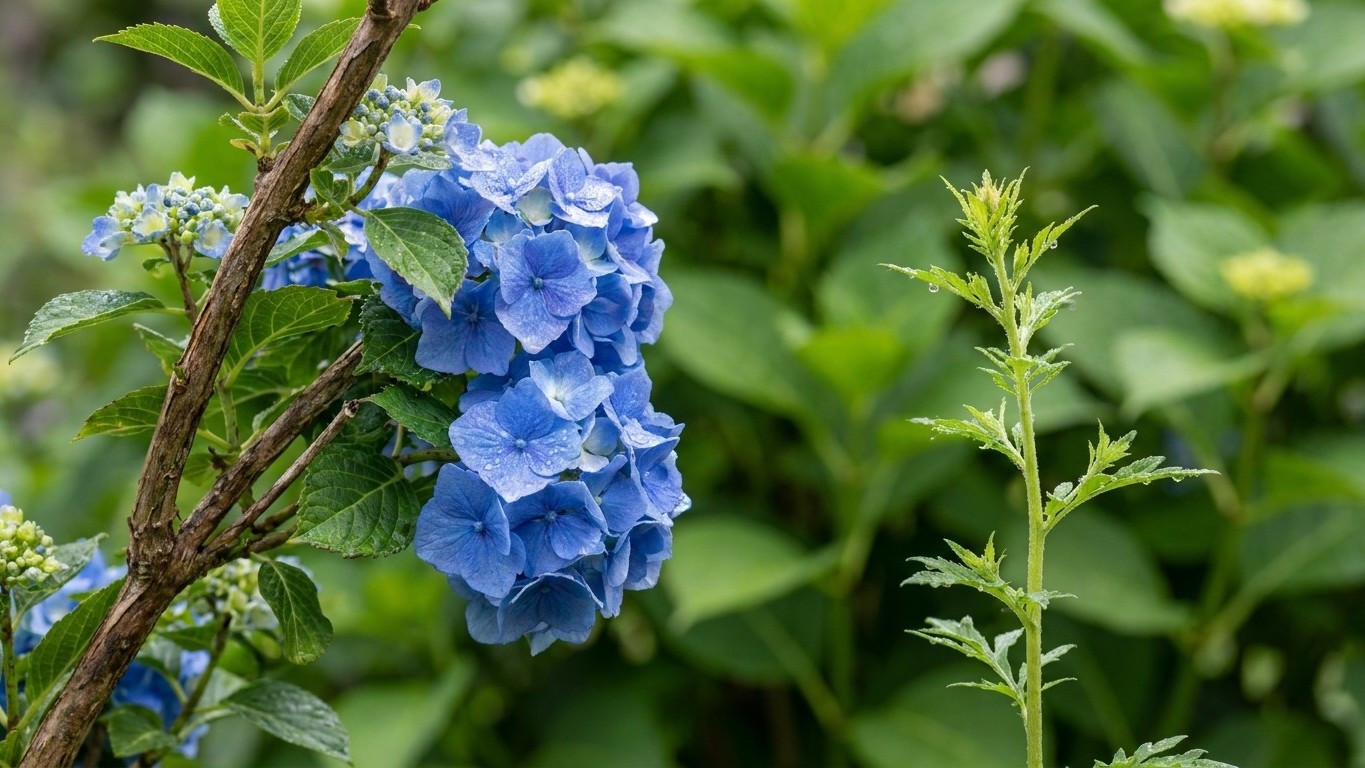

Plant hydrangeas in South Carolina in fall, from October into November, or in early spring once the last freeze has passed. Fall is better because roots keep growing through the mild winter, so the shrub meets its first summer with a head start. Choose a spot with morning sun and afternoon shade, loosen the soil, and match the type to how you prune. Bigleaf types bloom on old wood and lose buds to late freezes. Panicle and smooth types bloom on new growth and shrug those freezes off.
When to plant Hydrangeas in South Carolina

NOAA’s 1991-2020 Climate Normals for the Charleston reference station put the last spring 32°F freeze between February 28 and March 17, using the 30 to 70 percent probability band. The first fall freeze falls between November 20 and December 5. Those are the dates for Charleston. The peninsula itself is milder than the airport station, while the Upstate (Greenville, Spartanburg and the foothills) runs several weeks tighter at both ends. There, spring comes later and fall frost arrives earlier, so shift every date in this section accordingly. Your county extension office can give you a local last-frost date in a phone call.
When is the best time to plant a container hydrangea?
Fall. Nursery shrubs planted in October or early November have the whole cool season to root before they have to feed a canopy of leaves. The soil stays warm well into winter, the plant isn’t transpiring like it does in July, and rain does much of the watering. In the Midlands and coast, planting through November works. In the Upstate the window closes sooner, so get shrubs in the ground as soon as the heat breaks, ideally well before the first fall freeze.
Spring planting works too, but it comes with a deadline. Set shrubs out after the last-freeze window has closed, which means late March or later on the coast and later still inland. Then plan on deep watering all summer, because a spring-planted hydrangea has had far less time to root before heat arrives. Bigleaf hydrangeas leaf out early. If a freeze is forecast after buds swell, drape a bedsheet over the shrub that evening and take it off the next morning.
What about starting hydrangeas from seed or cuttings?
Seed is slow, and seedlings rarely match the parent plant, so most gardeners buy a shrub or root a cutting. Softwood cuttings taken from fresh growth in early summer root in a few weeks in a pot of damp, loose mix. Keep them out of direct sun indoors or in a shaded spot. The rooted cuttings need hardening off before they go in the ground: put them outside in shade for a few hours, then lengthen the time and add morning sun over a week to ten days. Count back from your local last-frost date so hardening off starts a week or two before you plan to transplant. Small rooted starts usually do better held in a pot through the first summer and planted in fall.
Soil and site preparation
Light matters more than anything else you choose. Most hydrangeas want sun in the morning and shade from early afternoon on, since South Carolina’s summer heat and humidity scorch leaves and wilt blooms on shrubs that bake from noon to five. Panicle hydrangeas are the exception and tolerate more sun. Oakleaf hydrangeas handle dry shade better than the others, which makes them the ones to try under mature pines or oaks.
Soil texture changes by region. The coast and Coastal Plain tend toward sandy soil that drains fast and holds little water or nutrition. The Piedmont and Upstate lean toward red clay that holds water but packs down and drains slowly. Hydrangeas want moist soil that also drains. Sand needs organic matter to hold water, and clay needs it to open up. Both respond to compost or finely shredded pine bark worked into the top several inches of the whole planting area, not only the hole.
Test drainage before you plant. Dig a hole about a foot deep, fill it with water, let it drain, then fill it again. If water is still standing after several hours the next day, choose a different spot or build a raised bed. Roots sitting in standing water rot, and no amount of care fixes that.
Start prep a few weeks before planting. Send a soil sample to Clemson for testing so you know the pH and nutrient levels. Soil pH is also what controls bloom color on bigleaf types (more on that below). Lime goes on only if the test calls for it, and it takes weeks to act. Clear grass and weeds from a wide area, then dig the hole about twice as wide as the root ball and no deeper. Set the top of the root ball slightly above surrounding soil. Space shrubs according to the mature size on the tag, since most hydrangeas grow wider than people expect. Crowding is the main cause of mildew in humid summers because air stops moving through the plants.
Varieties that suit South Carolina
Three traits sort the choices here: how the plant handles a late freeze, how much sun and heat it tolerates, and how prone it is to leaf spot and mildew in muggy summers. Bloom timing sits behind the first one. Types that bloom on old wood set next year’s buds in late summer and fall. A hard freeze or an ill-timed pruning removes them, and you get leaves with no flowers. Types that bloom on new wood grow their flowers each spring, so a late freeze costs you leaves at worst.
| Type | Blooms on | Light | Best for |
|---|---|---|---|
| Bigleaf (mophead and lacecap), including reblooming forms such as Endless Summer | Old wood; reblooming forms also on new wood | Morning sun, afternoon shade | Classic blue or pink color; reblooming forms recover from freeze damage |
| Panicle, such as Limelight | New wood | Sun to part shade | Heat tolerance, sturdy stems, reliable bloom after a hard winter |
| Smooth, such as Annabelle | New wood | Part shade | Big white blooms; cut back hard each winter without losing flowers |
| Oakleaf, such as Alice and Snow Queen | Old wood | Part shade to dry shade | Southeastern native, drought tolerance, fall leaf color, peeling bark |
Bigleaf hydrangeas give the showiest flowers, and they are also the most trouble in the lower South. Late freezes catch their buds, and humid summers invite leaf spot. Choose a reblooming form if you want one. Where winter is more erratic, as in the Upstate, panicle hydrangeas are the safest bet for a shrub that blooms every year without fuss. They also tolerate heat and afternoon sun better than the rest.
Oakleaf hydrangeas belong in this conversation because they are native to the Southeast. They cope with summer drought better than bigleaf types, and the foliage turns deep red and burgundy in fall, which gives you a second season of interest. Smooth hydrangeas bloom heavily, but the stems flop under the weight of the flowers, especially after rain. Neighboring states grow the same four types; the Georgia hydrangea guide and Louisiana hydrangea guide cover similar heat and humidity with their own timing, while the Arizona guide shows how different it gets in dry desert air.
What to plant alongside
The best companions for hydrangeas share their need for moist soil and filtered light. Hostas, ferns, hellebores and Japanese forest grass all thrive in the same partial shade and fill the bare ground around the shrub’s base. Liriope and other low ground covers help too, because they shade the soil and slow evaporation. A thick living carpet also suppresses weeds that would otherwise compete for water. Azaleas and camellias like acidic soil, so they work as neighbors where soil is naturally acidic. They bloom at different times, which stretches color across the year.
Pollinator draw is real, but it depends on the type. Oakleaf, panicle and lacecap hydrangeas have small fertile flowers that bees visit. Mophead blooms are mostly showy sterile florets with little for pollinators. Plant bee-friendly perennials nearby if pollinators matter to you.
Claims that a certain neighbor repels pests or boosts bloom have no solid evidence behind them for hydrangeas. Marigolds and garlic around the base are popular suggestions, but no trial I know of shows they protect shrubs. Spend that effort on spacing and airflow instead.
Several neighbors compete or cause harm. Shallow-rooted trees such as maples take most of the water from the top foot of soil, and hydrangeas lose that fight in summer. Keep hydrangeas out of lawn areas that receive weed-and-feed products, since broadleaf herbicides can damage shrub roots and foliage. Packing too many leafy shrubs together raises humidity and spreads leaf spot from plant to plant.
Watering, feeding and support
Hydrangea leaves are large and thin, so they lose water fast. During the first summer, water deeply two or three times a week during dry spells, aiming at the base rather than the leaves. A slow soak of about an inch reaches the root zone, and shallow sprinkling encourages roots to stay near the surface. Established shrubs do well on a deep weekly soak when rain is short. Water in the morning so leaves dry before evening.
Afternoon wilting on a hot day does not always mean thirst. Large leaves droop in peak heat and recover by evening. Push a finger two inches into the soil. If it is damp, wait. If it is dry, water.
Mulch holds the moisture. Spread two to three inches of pine straw, which is easy to find across the state, or shredded bark over the root zone, and keep it a few inches away from the stems. Renew it each spring.
Feed lightly. A slow-release shrub fertilizer applied once in early spring, as new growth starts, is enough for most plantings. Heavy nitrogen produces lush leaves and few flowers, and feeding late in summer pushes tender growth that a fall freeze will burn. A soil test tells you whether phosphorus or potassium is worth adding.
Pruning follows bloom timing. Bigleaf and oakleaf types flower on old wood, so prune right after flowering, and not again until the next summer. Panicle and smooth types flower on new wood and can be cut back in late winter before growth starts. Remove only dead stems from old-wood types in spring. Hydrangeas also send up suckers, especially oakleaf. Dig them out in the dormant season to keep the clump in bounds, or pot them to share. Smooth hydrangeas flop after storms, so set a stake or a peony ring around the clump in spring while the stems are short.
Common problems

Leaf spot shows up as brown or purple-edged spots on lower leaves in warm, wet weather. It is most common on bigleaf types. It rarely kills the plant, but it can strip leaves by late summer. Water at the base, thin crowded stems, rake up fallen leaves in fall, and remove spotted leaves as they appear. Powdery mildew leaves a white film on leaf surfaces, usually where air circulation is poor and nights are humid. Better spacing and sun through the day help more than spraying.
No flowers is the most common complaint. Check four causes. First, did a late freeze kill buds on an old-wood type? Second, did you prune in fall, winter or early spring and cut off the buds? Third, is the shrub in too much shade? Fourth, is nitrogen too high? Fixing the cause will bring blooms back, usually the next season.
Brown, crispy flower edges and scorched leaf margins come from afternoon sun and dry soil together. More mulch and a deeper soak usually solve it, and moving the shrub is an option if it stays hot. Yellow leaves with dark green veins point to iron chlorosis. It happens where the soil is too alkaline for the plant to pull iron from the soil, and a soil test confirms it. Overall yellowing with soft, dark roots points to waterlogged clay. Improve drainage or raise the bed.
Bloom color confuses people. Bigleaf hydrangeas turn blue in acidic soil, where aluminum is available, and pink in near-neutral to alkaline soil. White types do not change. Much of South Carolina’s native soil is acidic, but amended beds near foundations are often more alkaline from lime in concrete and fill. Test the soil first, then adjust slowly, and expect color to shift over a season or two rather than a few weeks.
Pests that actually show up in South Carolina
Hydrangeas are relatively free of serious pests. The ones below are generalist feeders that can turn up on shrubs, especially near a vegetable garden. Gardeners should confirm any unfamiliar insect with their county office.
Brown and green stink bugs peak from July through early October. What you see first is the shield-shaped bug itself on stems and flower heads, then pinpoint spotting and distorted tissue where they fed. The control that works is hand-picking into a bucket of soapy water, since spraying is rarely worth it for a few insects.
Leaffooted bugs are most common from May through fall. Look for large brown bugs with flattened, leaf-shaped hind legs, often clustered on new growth or buds. They are skittish and fly when approached. Early in the morning they are sluggish, so knock them into soapy water then. Clearing weedy edges nearby also gives them fewer places to wait.
Silverleaf whitefly shows up as a puff of tiny white insects when you shake a branch, followed by sticky honeydew on the leaves and sometimes black sooty mold. It builds in the warm months. Spray the undersides of leaves with insecticidal soap or horticultural oil, repeating as the label directs, because the young nymphs sit on the underside.
Potato aphid and other aphids gather in clusters on soft new growth in spring and leave the same sticky residue. A strong blast of water from the hose knocks most of them off. Repeat every few days until the colony thins out.
Cut Flowers and End of Season Care
Hydrangeas are grown for their flowers, and cutting them for the house is the main reason to pick them. Cut stems in the cool of the morning and plunge them straight into water. Panicle blooms last longest in a vase when cut at full color, and bigleaf blooms hold best once the florets feel a little firm. To dry flowers, let the heads age on the shrub until they turn papery and take on antique tones in late summer, then cut them, strip the leaves, and hang them upside down in a dry, dark room for a couple of weeks.
As fall settles in, stop feeding and stop pruning old-wood types. Spent flowers can stay on the plant over winter, since they help shield the buds below. Spread fresh mulch a few inches deep before the first freeze, which arrives between November 20 and December 5 at Charleston and earlier in the Upstate. Keep watering through dry autumn spells, because shrubs enter winter better with moist roots.
If a hard freeze is forecast early, cover bigleaf shrubs with a sheet or frost cloth held off the foliage by stakes. A pot of potted hydrangea can be pulled into a garage overnight. Panicle and smooth types rarely need this. Late winter is the time to cut those back, before new growth starts.
Local help
Clemson Cooperative Extension runs county offices that can give you local frost dates, soil testing and help identifying a bug or leaf spot you can’t name. For the wider picture of hydrangea care, see How to Grow Hydrangeas: The Complete Guide, and more regional advice sits in the South Carolina guides.
Common questions
Can hydrangeas grow in full sun in South Carolina?
Panicle hydrangeas can, with steady watering. Bigleaf, smooth and oakleaf types do better with morning sun and afternoon shade, since full summer sun in the Southeast scorches leaves and wilts the flowers.
Why did my hydrangea bloom blue one year and pink the next?
Bloom color on bigleaf types follows soil acidity and the aluminum it releases. Compost, lime, mulch and fertilizer can all shift the soil over time. A soil test shows where you stand before you try to change anything.
Why did my hydrangea produce leaves but no flowers?
Usually the buds were lost. A late freeze can kill them on old-wood types, and so can pruning at the wrong time. Too much shade or too much nitrogen also cuts bloom.
When should I prune hydrangeas?
Prune bigleaf and oakleaf types right after they flower in summer. Cut panicle and smooth types back in late winter, before new growth begins. When unsure of the type, remove only dead wood.
Can I grow hydrangeas in a pot?
Yes. Use a large pot with drainage holes and good potting mix, and water often since containers dry quickly in summer heat. Move pots into a sheltered spot when a hard freeze is forecast, because roots are more exposed to cold than in the ground.