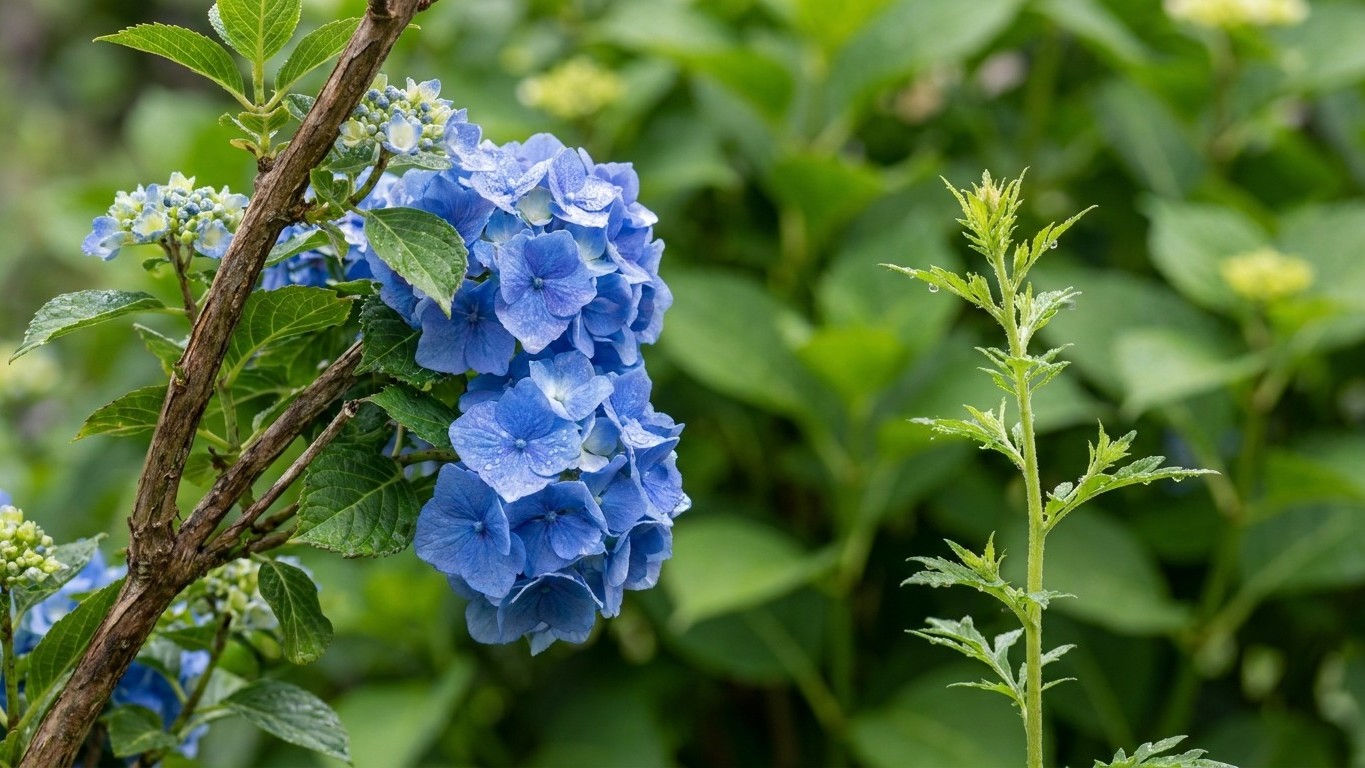

Hydrangeas can grow in Arizona, but only if you treat the desert as the limiting factor, not the frost. In the low desert around Phoenix, winter cold barely registers. The real fight is against summer heat, alkaline soil, and drying wind, so timing, shade, and soil prep matter more than any planting calendar built around frost dates.
When to plant Hydrangeas in Arizona
Forget the frost-based planting rule you’ll read for most of the country. NOAA’s 1991-2020 climate data for the Phoenix station (USW00023183) shows the ground there reached 32°F in only 6 of the last 30 springs, and NOAA lists the frost-free season as a full 365 days. There is effectively no reliable spring frost date to count back from in the low desert. The constraint that actually decides your planting window is summer heat, which shuts down growth and flowering for months, not a freeze that almost never comes.
That flips the whole planning process. Instead of asking “when is it safe from frost,” ask “how much root-establishment time can I buy before the heat arrives.” Most Arizona gardeners work backward from late May, when daytime highs in the low desert routinely push past 100°F and hydrangeas stop pushing new growth altogether. Two windows work: fall, from October through November, and late winter, roughly January into February. Both give the plant eight to twelve weeks of mild weather to root in before summer stress hits, and fall planting has the added advantage of cooler soil that doesn’t cook young roots.
Starting from nursery stock instead of seed
Almost nobody starts hydrangeas from seed. Named varieties don’t come true from seed, and germination is slow and unreliable, so the practical path is a container plant, a rooted cutting, or a bare-root division bought from a nursery. That sidesteps the indoor seed-starting and hardening-off process entirely. What you do need to “harden off” is the plant’s exposure: a hydrangea grown under nursery shade cloth will scorch if it goes straight into unfiltered desert sun. Give it a week or two in a partly shaded spot on the patio, moving it toward its final planting site gradually, before it goes into open ground.
Higher elevations change the math completely. Flagstaff and the rest of Arizona’s high country sit in a genuine four-season climate with hard freezes, and a planting calendar built around a real last-frost date applies there the way it would in Denver or Minneapolis. That specific date isn’t published in the data behind this guide, so if you garden above about 6,000 feet, your county extension office is the place to get it rather than guessing from Phoenix numbers that don’t apply to your yard.
Soil and site preparation
Sun exposure decides more of a hydrangea’s fate in Arizona than any other single factor. In most of the country these shrubs handle morning sun and afternoon shade. In the low desert, drop that further: aim for filtered light or a spot that gets direct sun only before roughly 10 a.m., with afternoon shade from a wall, a taller shrub, or a patio roof. East-facing beds against a house tend to work better than south- or west-facing ones, which bake in reflected heat off stucco and pavement.
Arizona’s native soil is typically alkaline, low in organic matter, and often heavy in clay or caliche that drains poorly once you dig past the topsoil. Hydrangeas want the opposite: a loose, moisture-retentive bed that still drains within a few hours of a deep watering. Start amending three to four weeks before planting, not the day you put the shrub in the ground. Work several inches of compost into the top foot of soil, and if you’re planting in a spot with a hardpan layer, break through it with a post-hole digger or auger so water and roots can actually move downward instead of pooling.
Raised beds or large containers solve a lot of these problems at once, since they let you control the soil mix entirely rather than fighting native ground. If you’re planting more than one hydrangea, space them 3 to 6 feet apart depending on the mature size of the variety, since the wider spacing common in cooler climates matters even more here, where airflow between plants helps keep foliage dry and reduces fungal problems in humid monsoon weeks.
Varieties that suit Arizona
The traits that matter for Arizona gardeners aren’t the ones seed catalogs push for vegetables. There’s no “days to maturity” clock on a shrub, and hydrangeas don’t come in determinate or indeterminate forms. What actually matters here is heat tolerance, sun tolerance, and how much consistent moisture a variety demands, because that determines how much babysitting it needs through a 100-degree July.
| Type | Sun tolerance | Water needs | Best fit in Arizona |
|---|---|---|---|
| Panicle (Hydrangea paniculata) | Highest of the group; tolerates more direct sun | Moderate once established | Best overall choice for low-desert yards with limited shade |
| Smooth (Hydrangea arborescens) | Good with afternoon shade | Moderate to high | Reliable bloomer, forgiving of hard pruning |
| Oakleaf (Hydrangea quercifolia) | Part shade preferred | Moderate | Good for east-facing beds with some drainage attention |
| Bigleaf (Hydrangea macrophylla) | Needs consistent shade | High, unforgiving of dry spells | Hardest to keep in the low desert; best reserved for containers or high-elevation gardens |
Panicle types tend to be the most forgiving choice for a first attempt in the low desert, since they cope with more sun and don’t wilt as dramatically the moment a watering gets missed. Smooth hydrangeas run a close second and have the advantage of blooming on new wood, so a hard late-winter pruning still gives you flowers the same year. Bigleaf hydrangeas, the ones most people picture when they think “hydrangea,” with the big mophead or lacecap blooms, are the toughest fit outside of a shaded courtyard or a container that can be moved out of the worst afternoon sun. None of this reflects a recommendation from any particular institution; it’s simply how these species’ native growing conditions map onto Arizona’s climate.
What to plant alongside
Shade-loving companions genuinely help a hydrangea bed in Arizona, mostly by sharing the same watering schedule and reinforcing the microclimate you’re trying to create. Ferns, heucheras, and hostas grown in containers or raised beds alongside hydrangeas ask for the same filtered light and steady moisture, so you’re not trying to satisfy two conflicting sets of needs in one irrigation zone. A low groundcover planted at the base also shades the soil surface, which cuts down on evaporation and keeps root zones a few degrees cooler through summer afternoons.
Pairings to avoid are usually about mismatched water needs rather than any dramatic chemical conflict. Lavender, rosemary, and other Mediterranean herbs want dry soil between waterings and full sun; planted next to a hydrangea, one of the two will suffer no matter how you run the irrigation. Cacti and other succulents fail for the same reason, since regular deep watering that keeps a hydrangea alive will rot succulent roots within a season.
Claims that certain companion plants “confuse” pests or repel them through scent get repeated often in garden writing, but there’s little solid evidence behind most of those specific pairings for hydrangeas. Treat companion planting here as a matter of shared light and water requirements first, and be skeptical of any pairing sold purely as pest magic.
Watering, feeding and support
Hydrangeas in Arizona need deep, infrequent watering rather than frequent shallow sips. A soaking that wets the top 8 to 10 inches of soil, done two to three times a week in summer and scaled back to once a week or less in winter, encourages roots to grow down into cooler, more stable soil instead of staying near the surface where they dry out fast. Drip irrigation on a timer is the practical way to hit this consistently, since hand-watering during a 110°F stretch is easy to skip on the one day it matters most.
Mulch is not optional here the way it might be elsewhere. A 3-inch layer of shredded bark or compost over the root zone, kept a few inches back from the stems, cuts soil temperature and slows evaporation enough to noticeably reduce how often you need to irrigate. Refresh it as it breaks down or blows away, generally once or twice a year.
Feed with a balanced, slow-release fertilizer in early spring as new growth starts, and again lightly in early summer if the plant looks like it’s stalling. Skip fertilizing once the hottest months hit; pushing new growth into 110°F heat just gives the plant more tissue to lose to scorch. Staking isn’t standard practice for most hydrangeas, but the heavier flower heads on panicle varieties like the well-known ‘Limelight’ type can flop after a monsoon downpour, so a simple stake or peony ring set in early summer saves you from broken stems later. Prune bigleaf and oakleaf types right after they finish blooming, since they set next year’s flower buds on old wood; panicle and smooth types can be cut back hard in late winter because they bloom on new growth.
Common problems
Leaf scorch shows up as crisp, papery brown patches along leaf edges, usually on the side of the plant facing the harshest afternoon sun. It’s a heat and light problem, not a disease, and the fix is more shade cloth or relocating the plant, not a fungicide.
Yellow leaves with green veins, a classic sign of iron chlorosis, are common in Arizona’s alkaline soils, which lock up iron in a form roots can’t absorb even when there’s plenty in the ground. A chelated iron soil drench or foliar spray corrects it faster than trying to acidify the whole bed.
Wilting that doesn’t recover overnight after a deep watering points to root rot from poor drainage rather than thirst; pull back mulch and check whether water is pooling at the base instead of draining through. Powdery mildew, a gray-white dusty coating on leaves, tends to appear during humid monsoon weeks in July and August and is worse on plants crowded too close together; thinning for airflow helps more than any spray. Bud blast, where flower buds shrivel before opening, is almost always a heat-stress response during the hottest stretch of summer, and reducing direct sun exposure the following year is the real fix.
Pests that actually show up in Arizona
The University of Arizona Cooperative Extension’s home garden pest list names aphids, whiteflies, thrips, spider mites, beet leafhopper, grasshoppers, tomato hornworm, squash bug, false chinch bug, and green fruit beetle as the pests that show up across Arizona home gardens. Most of those, the hornworm, squash bug, and beet leafhopper among them, target vegetable crops specifically and aren’t a real threat to a hydrangea bed. The ones actually worth watching on hydrangeas are aphids, whiteflies, thrips, spider mites, and grasshoppers as general foliage feeders.
Aphids cluster on new growth and flower buds, leaving a sticky honeydew residue that draws ants. A strong spray of water knocks most of them off, and insecticidal soap handles the rest without harming beneficial insects.
Whiteflies scatter in a small cloud when you brush the foliage, and their nymphs feed on leaf undersides, causing yellowing and stunted growth. Yellow sticky traps combined with insecticidal soap applied to leaf undersides is the standard response.
Thrips peak in spring and taper off as summer heat climbs into the 90s in June, according to the extension’s seasonal notes, leaving telltale silvery streaking and stippled damage on leaves and flower petals. Spider mites tend to build in the driest, hottest stretches of summer, showing up as fine webbing and stippled, dusty-looking foliage, and a strong hose-down every few days does more to knock down a mite population than most sprays.
Grasshoppers show up as ragged chewing damage on leaf edges, often worst in years following a wet spring that boosts hatch survival, and physical barriers like floating row cover over young plants work better than chasing adults around the yard with a spray bottle.
Harvest and end of season
Cutting hydrangea blooms is really the only “harvest” involved, and timing depends on what you want from the flowers. For fresh arrangements, cut stems in early morning once the petals have fully opened and feel slightly papery to the touch rather than soft, since flowers cut too early tend to wilt in the vase within a day. For dried arrangements, wait until the blooms feel almost crepe-paper dry on the plant itself, usually late summer into early fall, then hang bunches upside down in a dark, dry space for a couple of weeks.
Because the low desert has no reliable first fall frost, plants there don’t need the frost-protection routine gardeners in most of the country go through each October. NOAA’s data shows the same near-absence of frost in fall as in spring for the Phoenix area, so end-of-season care is mostly about easing off summer’s heavy watering schedule as temperatures drop and letting the plant settle into its natural slowdown rather than protecting it from cold.
In Arizona’s high country, where real fall freezes do occur, the approach is the standard one: cut back on fertilizer by late summer so the plant isn’t pushing tender new growth right before a hard freeze, and add a thicker mulch layer once nighttime temperatures start dropping consistently. The exact date to expect that first freeze isn’t part of the data behind this guide, so check with your local extension office for a number specific to your elevation.
Local help
Frost dates, soil test results, and pest pressure all shift by county and elevation across Arizona, and the state’s numbers can’t substitute for what’s happening in your own yard. The University of Arizona Cooperative Extension runs county offices that can walk you through local planting windows and get your soil tested before you invest in a hydrangea bed.
Common questions
Can hydrangeas survive Arizona’s desert heat?
They can, but only with afternoon shade, consistent deep watering, and a heat-tolerant type like a panicle or smooth hydrangea. Full, unfiltered desert sun through summer will scorch nearly any variety.
What’s the best exposure for hydrangeas in Phoenix or Tucson?
Morning sun with afternoon shade works best, ideally an east-facing bed against a wall or fence that blocks the harshest midday and afternoon light.
Do hydrangeas need acidic soil in Arizona, and does that affect flower color?
Arizona’s native soil runs alkaline, which pushes bigleaf hydrangea blooms toward pink rather than blue, since blue color depends on aluminum being available to the plant, something alkaline soil restricts. Amending soil with sulfur can shift pH over time, but it’s an ongoing project, not a one-time fix.
Will hydrangeas freeze in Arizona winters?
In the low desert around Phoenix, essentially no, since the area reached 32°F in only 6 of the last 30 springs and the frost-free season runs a full year. In Flagstaff and the high country, yes, hard freezes are a normal part of winter there.
How often should I water hydrangeas in the desert?
Deep watering two to three times a week in summer, tapering to once a week or less in cooler months, works better than frequent shallow watering, which leaves roots near the surface where the soil dries out fastest.