What Eats Potato in South Carolina, and When
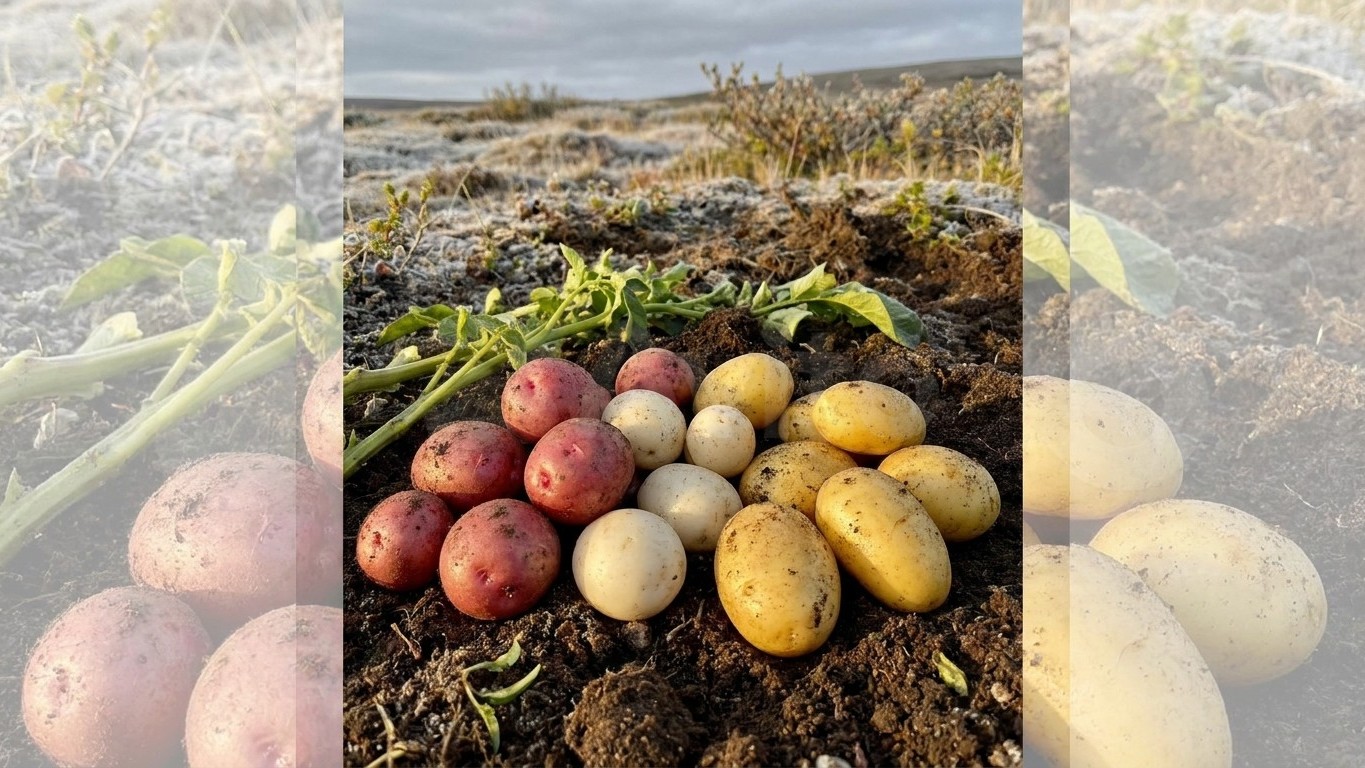
Clemson Cooperative Extension Home and Garden Information Center documents ten insect species as common vegetable garden pests across South Carolina.
Home & garden, state by state
Everything we have worked out for South Carolina: what to plant and when, which varieties finish in time, the pests that actually turn up here, and the jobs that pay off month by month. We also cover the rest of the property, from lawns and soil to home care and energy, because a garden rarely stops at the vegetable bed.
The numbers first, because everything else follows from them. Measured at the weather station in Charleston, the last spring freeze runs February 28 to March 17 and the first fall freeze runs November 20 to December 5, USDA zones 7a-9a, 6,323 growing degree days in the year.
Garlic is the awkward one: only 4.3 weeks below 40 °F, where it needs six to split into cloves. Chill the cloves before planting, or grow a softneck type.
Elsewhere on the property in South Carolina: the pests that turn up here.
Figures from NOAA's 1991-2020 climate normals. A state is not one climate: elevation, a large lake or the coast can move these dates by two weeks either way, so check your own county with the extension service before you spend money.
Clemson Cooperative Extension Home and Garden Information Center documents ten insect species as common vegetable garden pests across South Carolina.
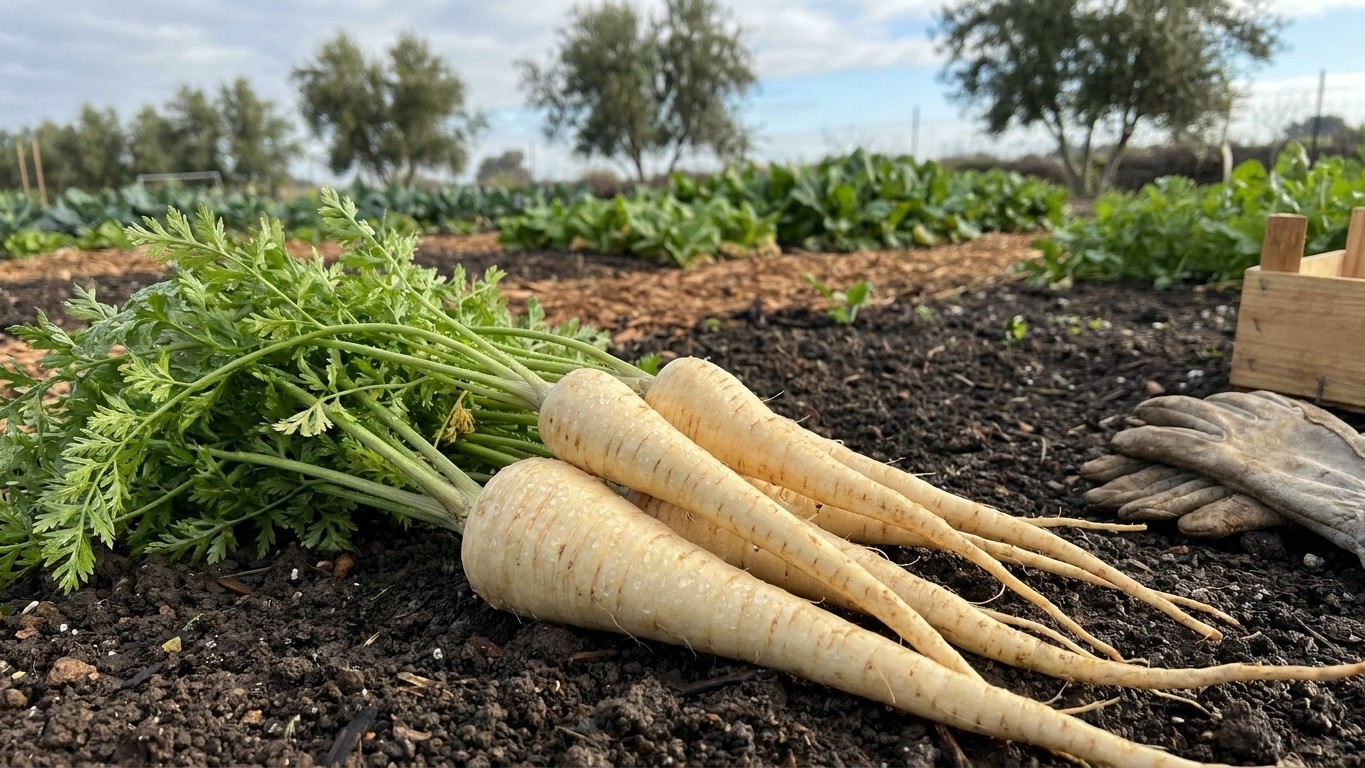
South Carolina gardeners growing parsnip mostly deal with general-feeding insects rather than a root-specific pest: stink bugs, leaffooted bugs, cabbage…
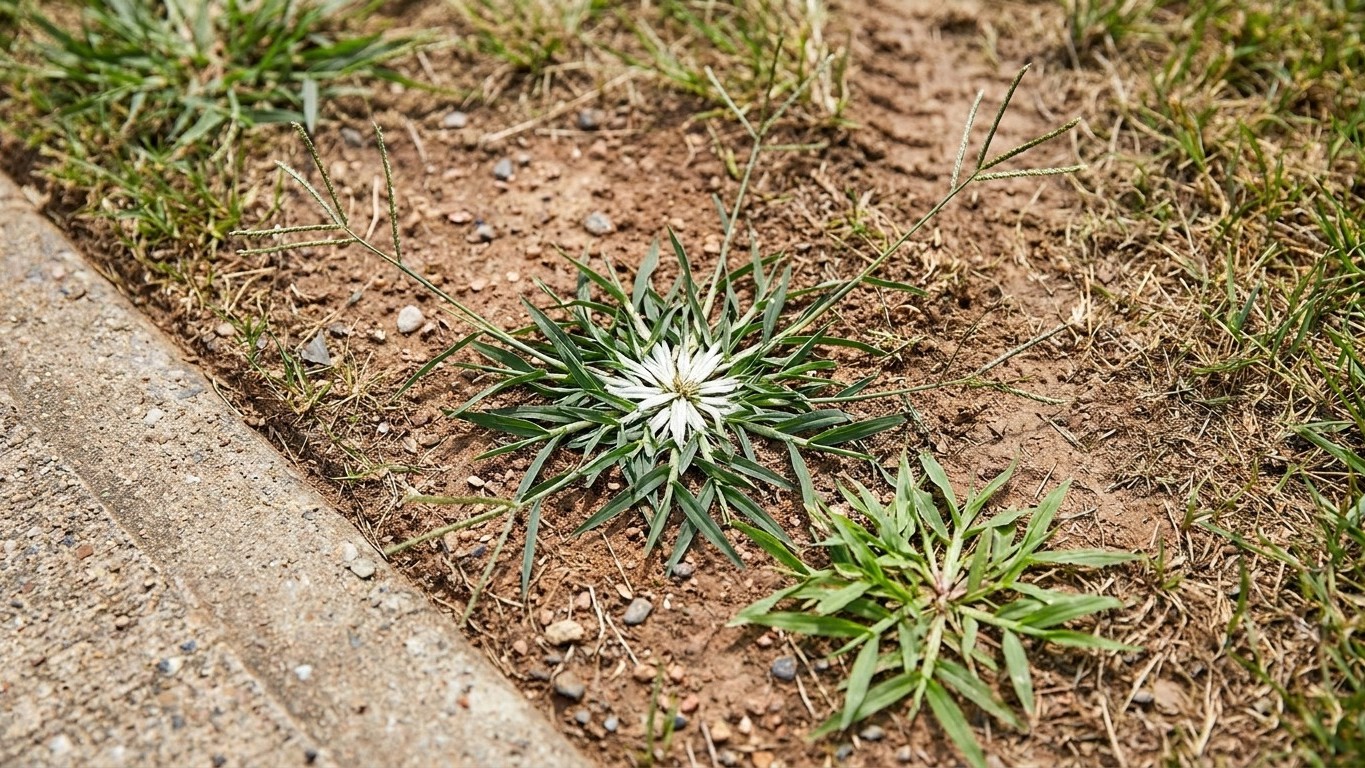
The short answer: South Carolina lawns get overseeded in spring and summer, not fall, because the recommended grasses here are warm-season types that…
South Carolina’s last spring frost falls somewhere between February 28 and March 17, and the first fall frost arrives between November 20 and December 5…
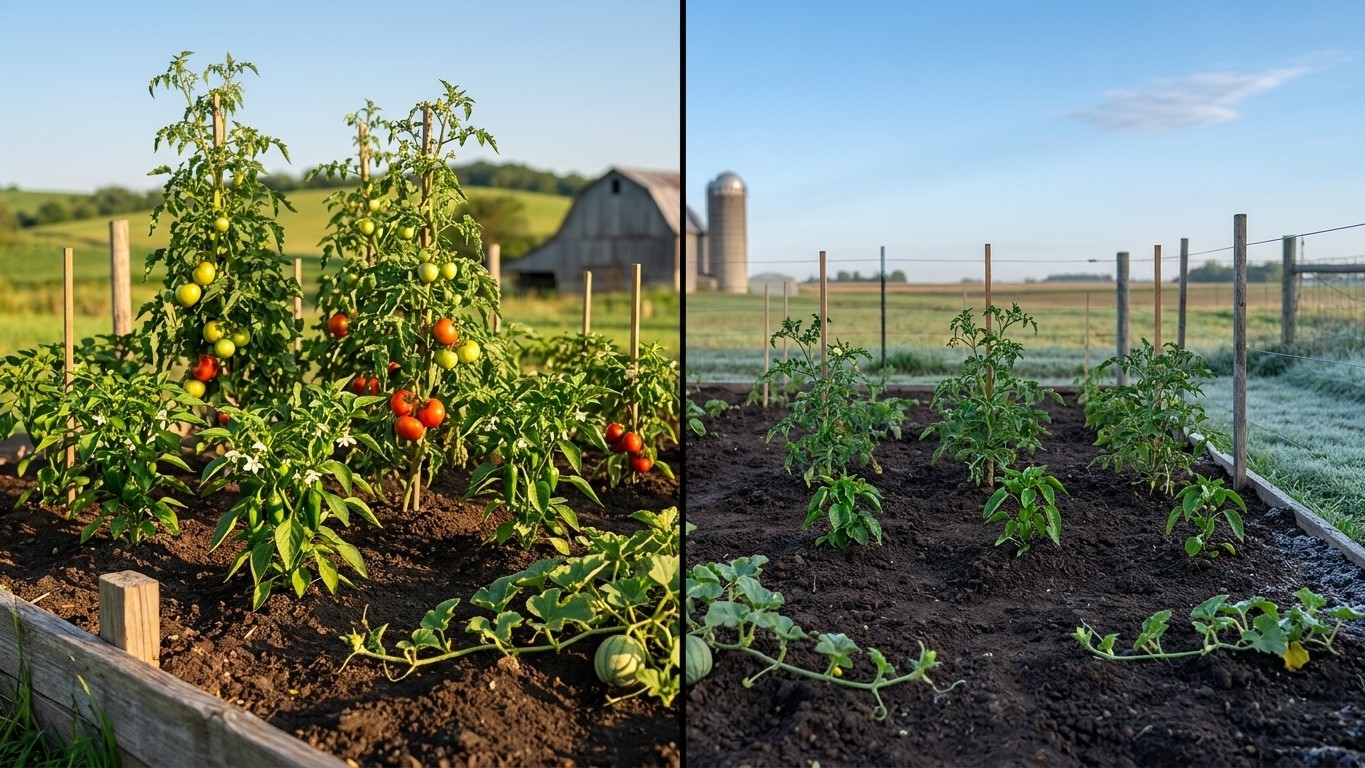
South Carolina tomato harvest runs on two clocks at once: the calendar and the thermometer.
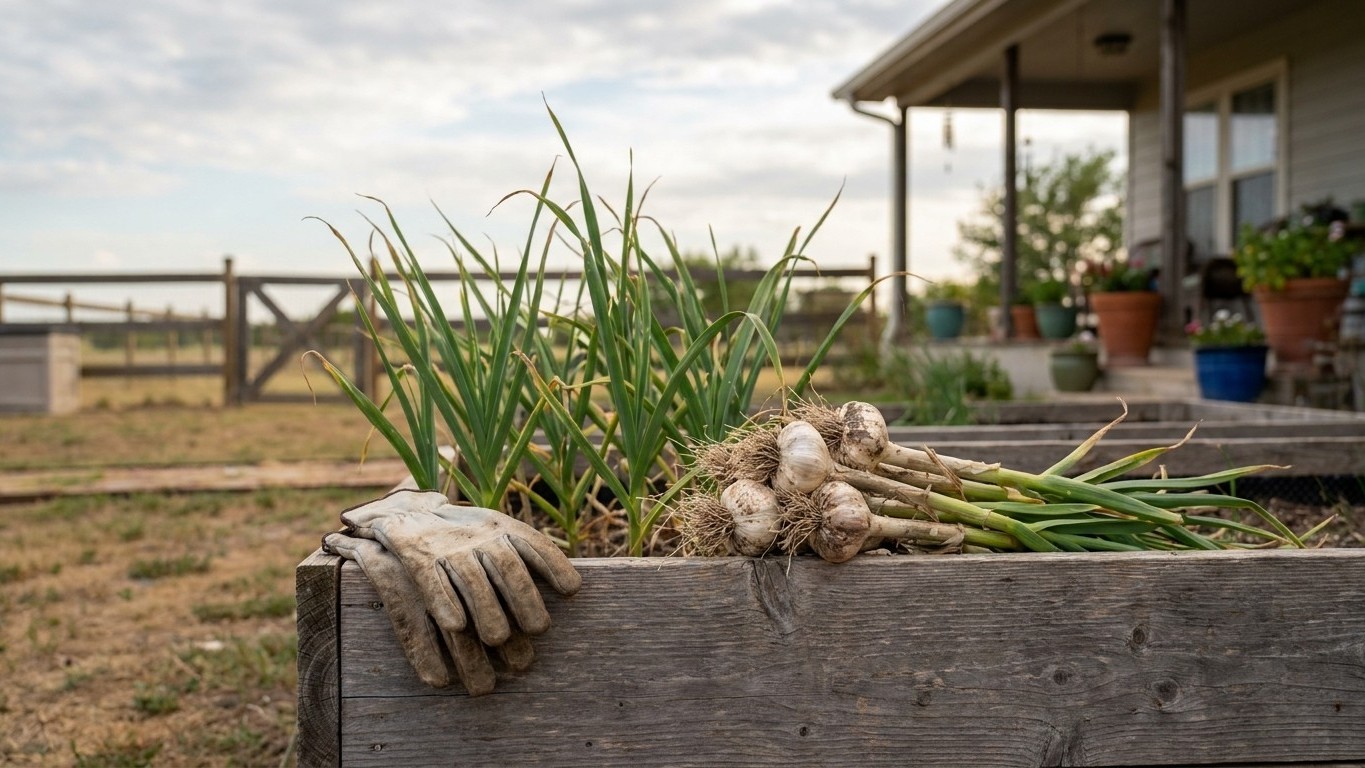
In most of South Carolina, garlic comes out of the ground somewhere between late May and late June, once the bottom third to half of the leaves have…
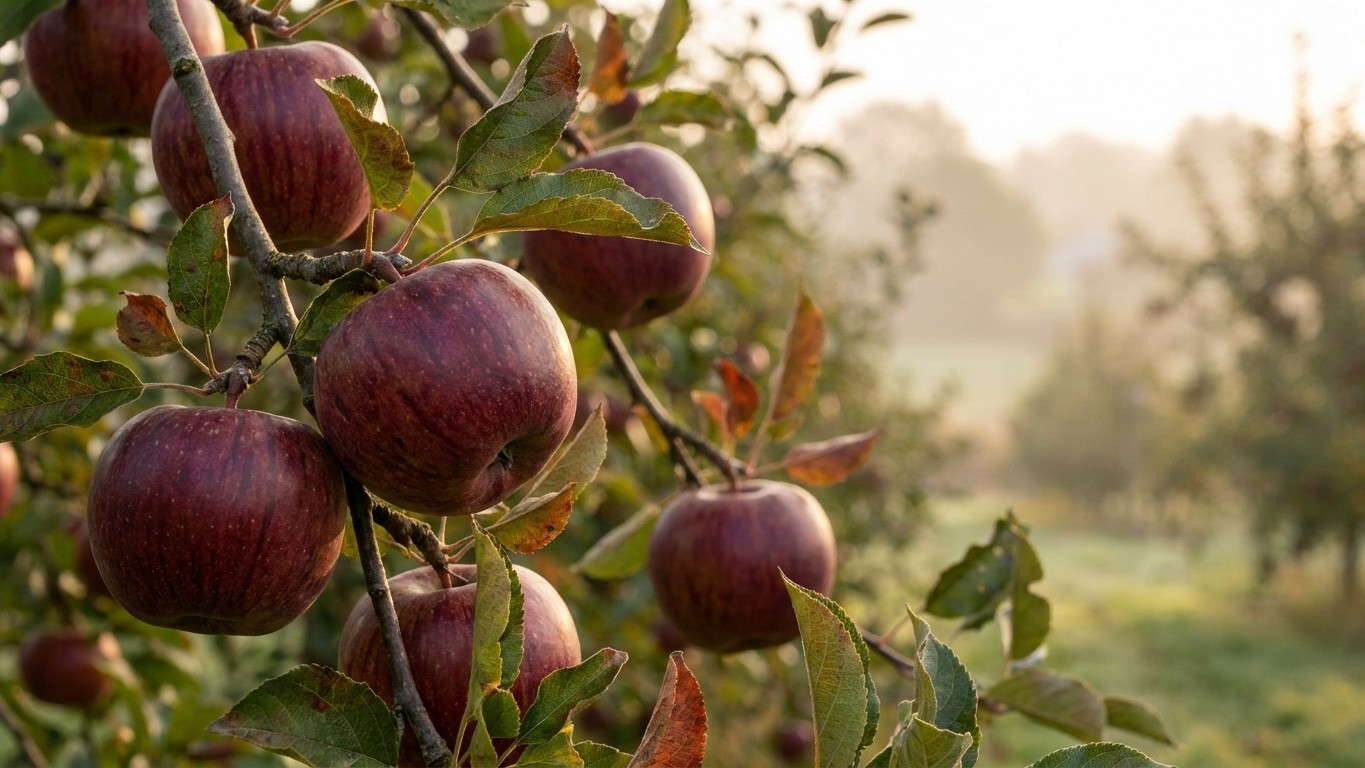
South Carolina apples are ready when the fruit’s background color shifts from green to yellow or cream and the flesh gives slightly under thumb pressure…
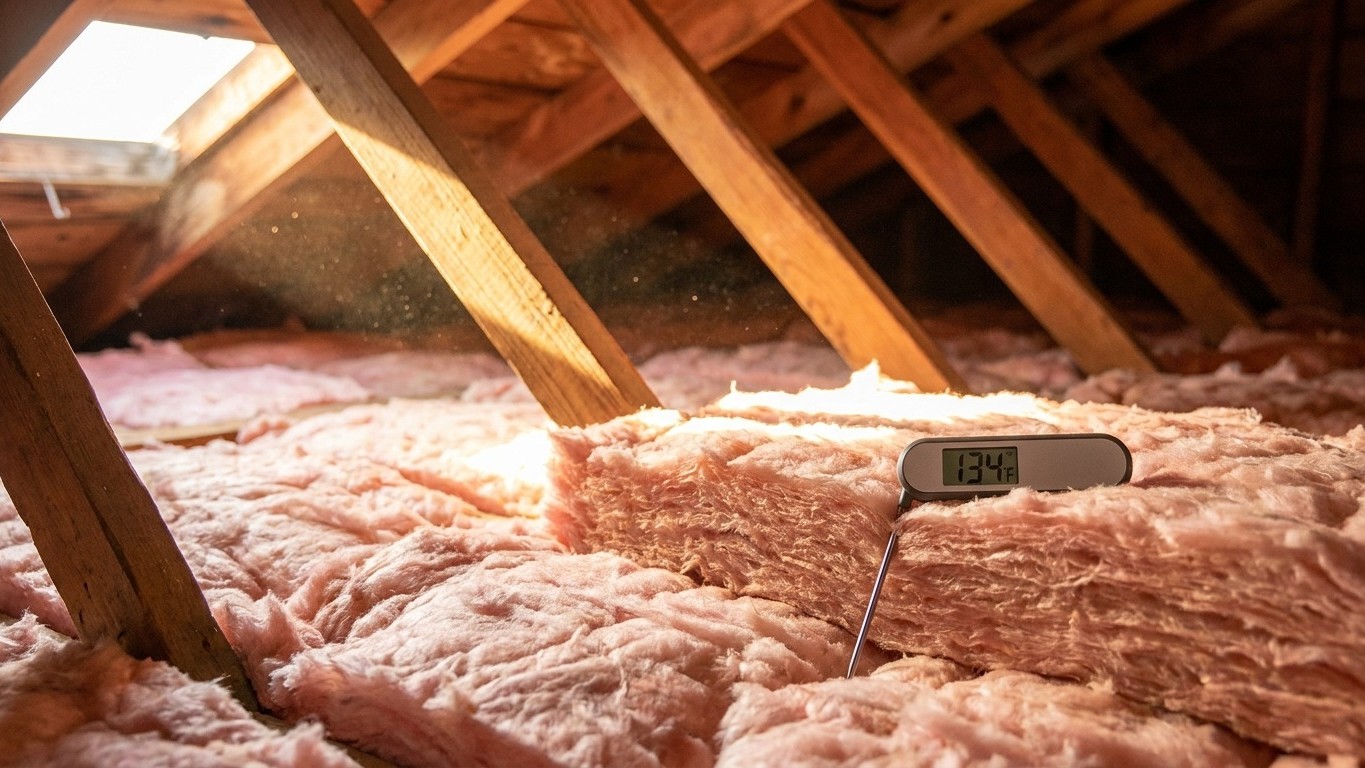
Yes, insulation makes a real difference against South Carolina summers, and the case is stronger here than in most of the country.
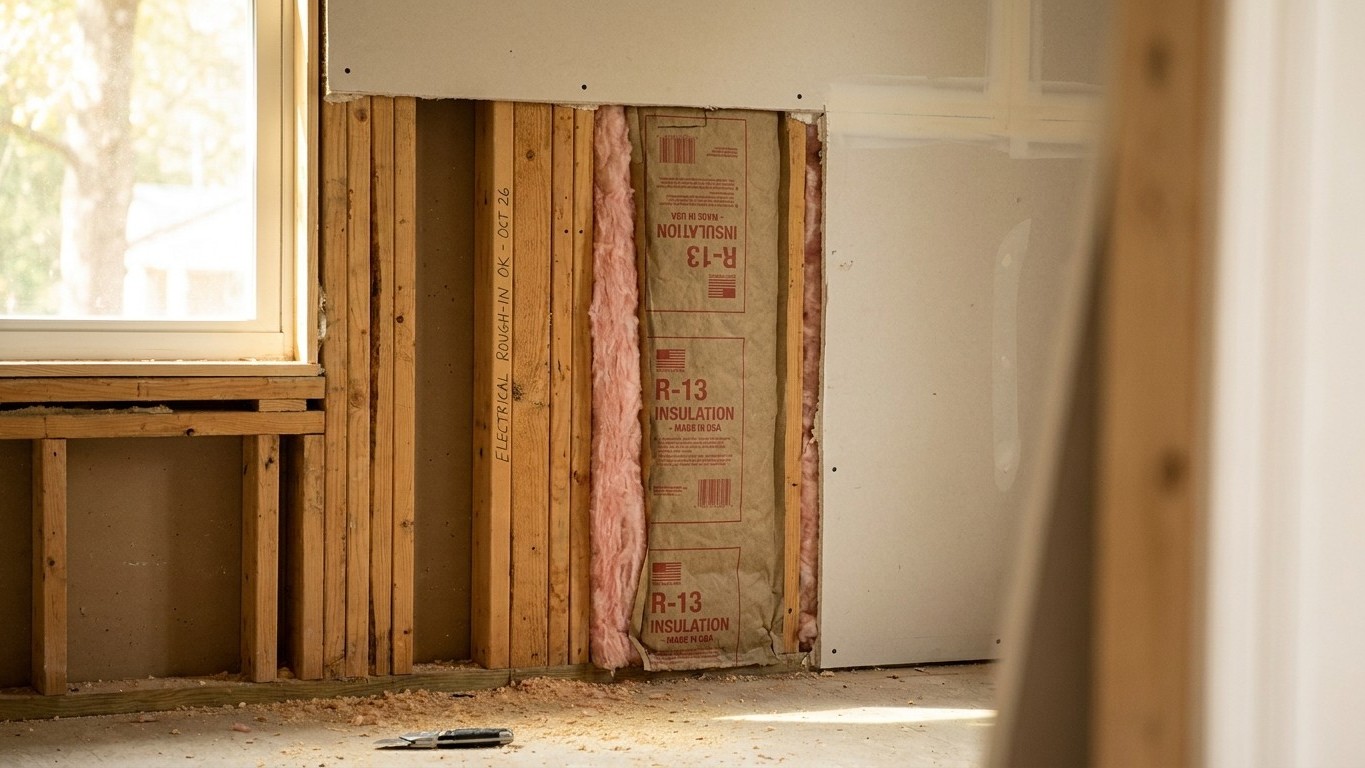
Most walls in South Carolina fall under a code exception that removes the requirement for an interior vapor retarder.
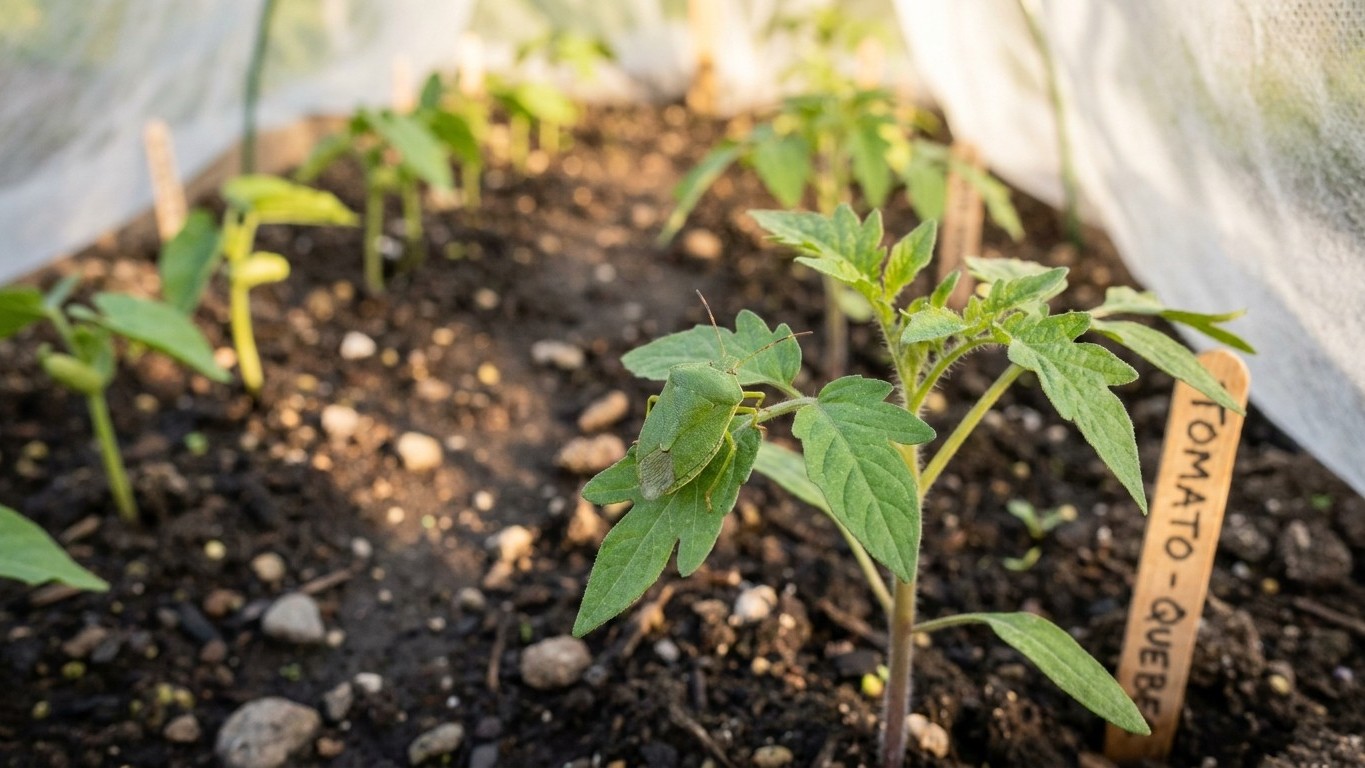
Green stink bugs turn up in South Carolina gardens as early as spring, but the feeding pressure that actually damages crops runs from July through early…