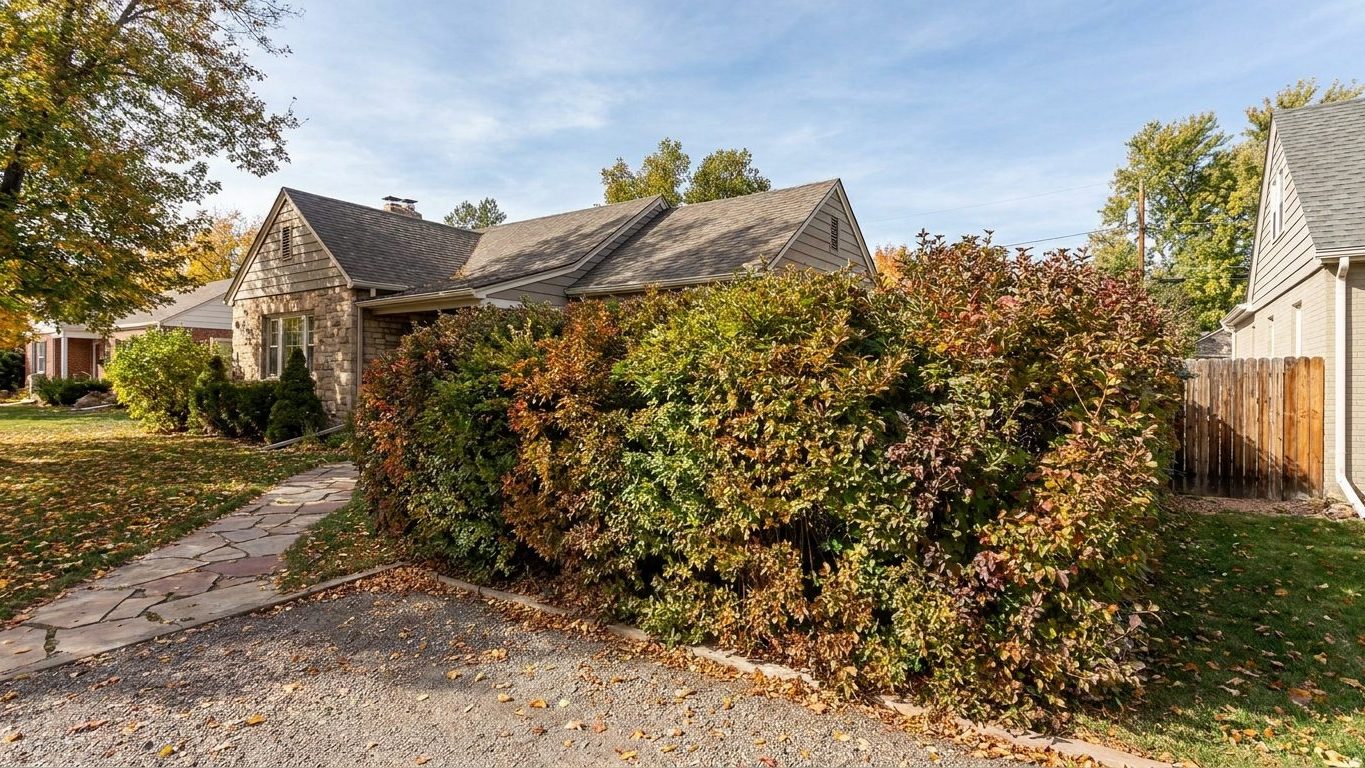

South Carolina has no statewide limit on hedge height. The number that applies to your yard comes from the zoning code of your city or town, or from the county code if you live outside city limits. Many codes regulate fences and living hedges under separate rules, or leave hedges out entirely. One restriction appears almost everywhere: at corners and driveways, nothing may block a driver’s view.
There is no South Carolina hedge height law
The state leaves hedge height to local government. No South Carolina statute caps a row of arborvitae, privet or boxwood, so any figure presented as “the state limit” is wrong. Each municipality writes its own zoning ordinance, and each county does the same for unincorporated land. Neighbors a few miles apart can live under different rules. A house near a city boundary can switch codes just by sitting on the other side of the line.
Other layers sit on top of the local code. A subdivision with an owners’ association often has deed restrictions that are stricter than the city’s, and the association enforces them on its own. Utility easements, which run along many rear and side lot lines, can bar tall plantings regardless of what zoning allows. A hedge can be legal under the city code and still break a covenant, so the code is only the first thing to check.
Websites that print one height for the whole state are usually repeating a single city’s ordinance or a generic rule of thumb. Neighboring states work the same way, which is why guides such as How High Can a Hedge Be in North Carolina? What the Law Actually Says and How High Can a Hedge Be in Iowa? What the Law Actually Says send readers to local codes too. For the wider picture, the Hedges section covers the topic state by state.
Does a hedge count as a fence in a zoning code?
Often it does not. Many ordinances treat fences as structures with a height limit and sometimes a permit, while living hedges fall under a separate “landscaping” or “screening” section, or under nothing at all. If you assume the fence limit applies to your privet, you may trim far more than the law requires. If you assume nothing applies, you may miss a rule that does.
Read the exact words your code uses. “Fence,” “wall,” “hedge,” “shrub,” “vegetation,” “screening” and “accessory structure” can each lead to a different paragraph. Many codes also set different limits for front yards and back yards, so the same hedge can be fine along the rear lot line and over the limit beside the street.
How to find the rule that actually applies to you
Start by working out which government writes your rules. A mailing address that says “Greenville” or “Charleston” does not always mean the property sits inside that city. Your county’s online parcel map, or a quick call to the planning office, tells you whether you fall under a city code or the county’s.
Most American municipal codes are published online by one of three companies. The hedge or fence rule almost always sits in the zoning chapter, under a heading such as “fences,” “walls” or “accessory structures.”
| Publisher | Where to look |
|---|---|
| Municode | library.municode.com, then pick your city or county |
| American Legal Publishing | codelibrary.amlegal.com, then pick your city or county |
| eCode360 | search “eCode360” plus your city or county name |
Once you are in the code, use the search box rather than browsing. Try “hedge,” then “fence,” then “sight triangle” (some codes say “clear vision” or “visibility triangle”). Write down the section number and any note showing when the chapter was last updated. Codes get amended, and a printout from five years ago may no longer match.
Who do you call when the code is unclear?
Call the planning and zoning department of your city or county. Some places route fence and vegetation questions to code enforcement instead, and the receptionist can tell you which. Ask for a written answer if the project is large, such as a long privacy screen along a lot line. Staff answers on the phone are helpful but are not binding, and an email or a note in your file protects you if a neighbor later complains.
Questions that get a useful answer are specific: “Does a living hedge count as a fence under section such-and-such?” “What is the height limit in the front yard versus the rear yard?” “Does a permit apply?” Vague questions like “how tall can my hedge be?” tend to get a fence answer, which may not cover plants.
The branches that cross the line
Hedges that grow over a property line cause more neighbor disputes than height limits do. In most states, a neighbor may cut back growth that crosses onto their property, up to the boundary and no further, and at their own expense. They may not kill the plant. That principle comes from court decisions, not from a statute, and it varies from state to state, so treat it as a general starting point. A South Carolina lawyer is the right person to say how it applies to your situation.
Can you cut your neighbor’s hedge back to the property line?
The general rule says yes for the part that overhangs your side, but the details carry weight. Stay on your own land while you work, and do not step over the line without permission. Cut only what crosses the boundary. Topping the whole hedge or shearing it well past the line can expose you to a claim for damage, because the plant belongs to your neighbor.
Hedge species matter here. Some conifers rarely resprout from bare wood. If you cut a conifer hedge back into brown growth, the exposed side may stay bare for good, and a dead or disfigured hedge is the kind of damage that leads to a dispute. Broadleaf hedges usually rebound from hard cuts, but a one-sided cut can still leave a lopsided plant.
What is the best way to handle it before it becomes a dispute?
Talk first. Show your neighbor where the growth crosses and ask whether they will trim it, or offer to split the cost of a landscaper. Many people simply have not looked at the back side of their own hedge. Take dated photos of the overhang before any cutting, since they document the condition at the time.
If the conversation fails, send a short written request that describes the problem and gives a reasonable deadline. Keep a copy. If branches are damaging a fence, a roof or a utility line, or the neighbor refuses and you are considering anything beyond trimming your side, consult a lawyer before acting. A city planning office can tell you what the zoning code requires, but it does not settle property-line disagreements between neighbors.
What to check before you plant
Planting is the cheapest moment to avoid trouble. Moving or removing an established hedge is hard, and a trimmed-down hedge may never look right again. A few checks before the shovel goes in can save a season of work.
What is a sight triangle, and does it apply to my hedge?
It is the closest thing to a universal hedge rule. At street corners and driveways, codes keep a triangular area clear so drivers can see approaching cars, bikes and pedestrians. Inside that area, the height limit is usually far lower than the general fence or hedge limit, and it can apply even where the code says nothing else about hedges. A corner lot is the usual trouble spot, because two streets meet and the triangle sits on your land. Check how your code measures it, since the dimensions differ by city.
Plan your planting line around it. A hedge that is comfortably legal along the back of the lot can be a violation if it creeps into the corner. A driveway that runs beside a hedge needs the same attention, because a growing plant can close a view over a few seasons.
Which other things should be checked before you dig?
Walk through these in order:
- The code’s setback rules for plantings and structures near the property line, including any rule for hedges planted close to a sidewalk or street.
- Your deed and any association rules, which may limit height, species or placement.
- Utility easements, which you can usually see on your plat or by asking the utility.
- Buried lines. Call 811 before you dig.
Then size the hedge for its mature width, not the nursery pot. Setting plants back from the line by about half their mature spread keeps most of the growth on your side and leaves room to trim from your own yard. A hedge planted right on the boundary means you can only reach one face of it without permission, and the overhang question comes up sooner.
Common questions
Is there a maximum hedge height in South Carolina?
No statewide maximum exists. Height rules come from your city, town or county zoning code, and some places have no rule for living hedges at all. Look up your own jurisdiction through its published code or by calling the planning department.
Does a hedge count as a fence under local law?
It depends on how the code is written. Some ordinances define fences to include hedges, and others regulate living plants under separate wording or not at all. Check the definitions section of your code before applying a fence limit to your plants.
Do I need a permit to plant a hedge?
Permits are usually tied to fences and walls, and plants often need none. Some codes still set rules for plantings near corners, easements or street frontage. A short call to your planning office will confirm whether your project needs any approval.
Can my neighbor make me trim a hedge?
Zoning enforcement can require trimming if the hedge violates a local rule, such as blocking a sight triangle. For branches that merely cross the line, a neighbor generally may cut back what overhangs their side. An owners’ association can also enforce its own covenants, and those sometimes carry fines, so check your subdivision documents as well.