Heating With Pellets in South Carolina: What a Winter Takes
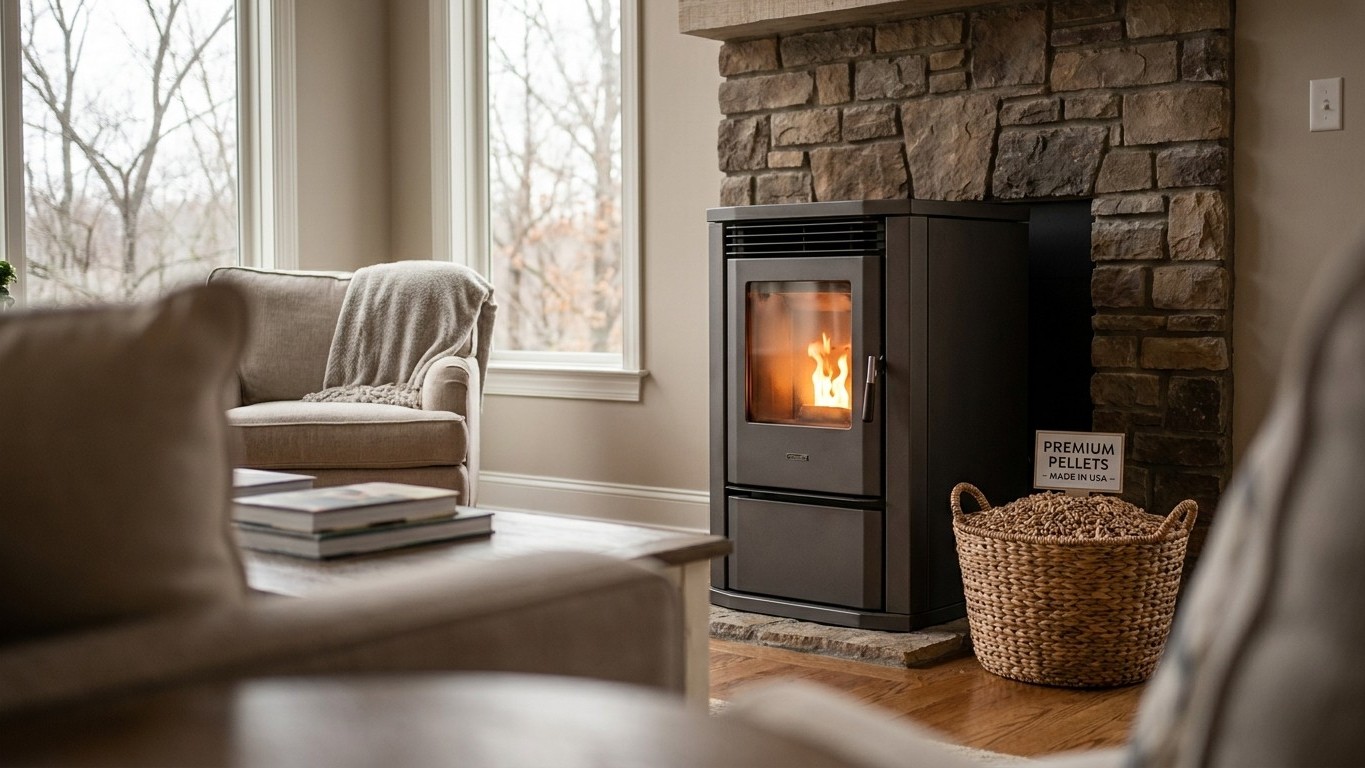
In Charleston and most of South Carolina, a pellet stove is a comfort upgrade, not a substitute for the furnace or heat pump already doing the real work.
Home & garden, state by state
Everything we have worked out for South Carolina: what to plant and when, which varieties finish in time, the pests that actually turn up here, and the jobs that pay off month by month. We also cover the rest of the property, from lawns and soil to home care and energy, because a garden rarely stops at the vegetable bed.
The numbers first, because everything else follows from them. Measured at the weather station in Charleston, the last spring freeze runs February 28 to March 17 and the first fall freeze runs November 20 to December 5, USDA zones 7a-9a, 6,323 growing degree days in the year.
Garlic is the awkward one: only 4.3 weeks below 40 °F, where it needs six to split into cloves. Chill the cloves before planting, or grow a softneck type.
Elsewhere on the property in South Carolina: the pests that turn up here.
Figures from NOAA's 1991-2020 climate normals. A state is not one climate: elevation, a large lake or the coast can move these dates by two weeks either way, so check your own county with the extension service before you spend money.
In Charleston and most of South Carolina, a pellet stove is a comfort upgrade, not a substitute for the furnace or heat pump already doing the real work.
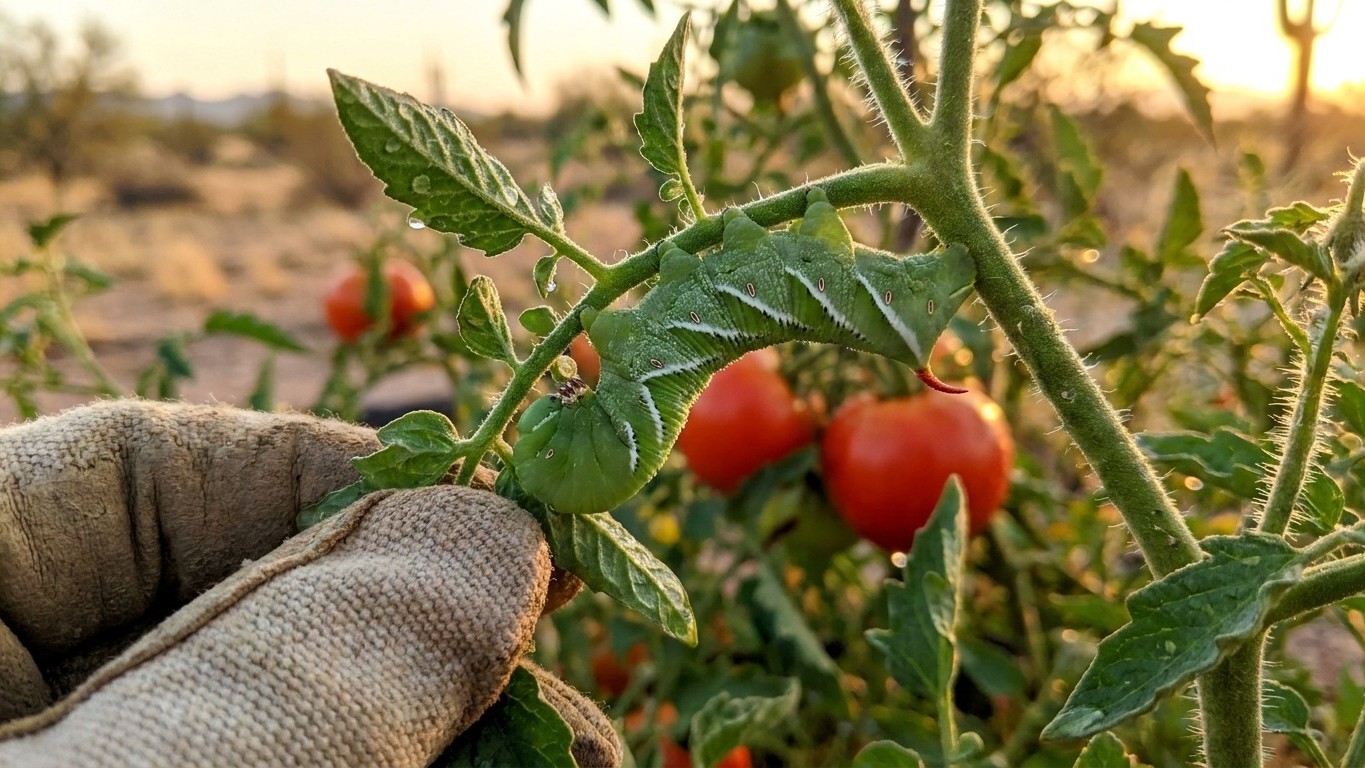
Tomato hornworms turn up in South Carolina gardens as soon as soil temperatures climb into the growing range in spring, then again in late summer…
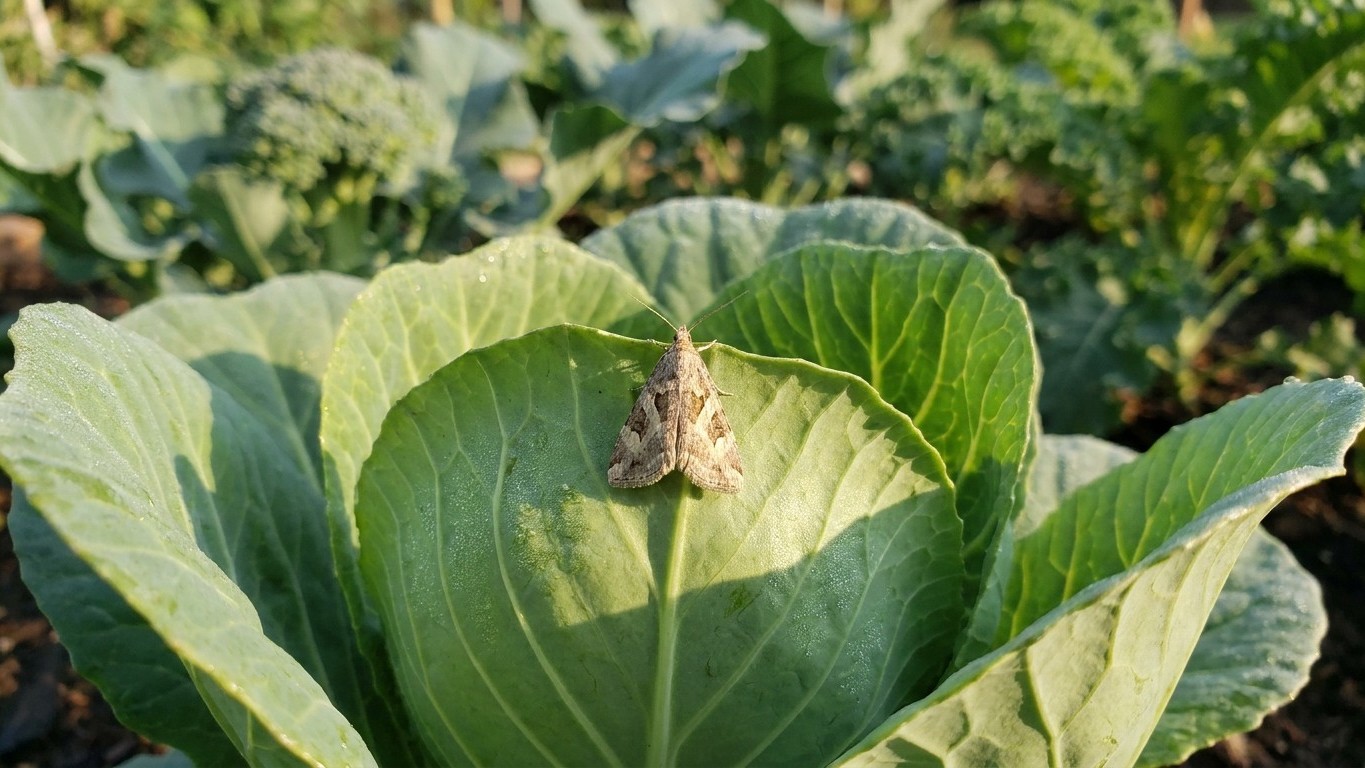
Diamondback moth shows up on South Carolina’s cole crops whenever cabbage, broccoli, or kale are in the ground, spring through fall, because the state’s…
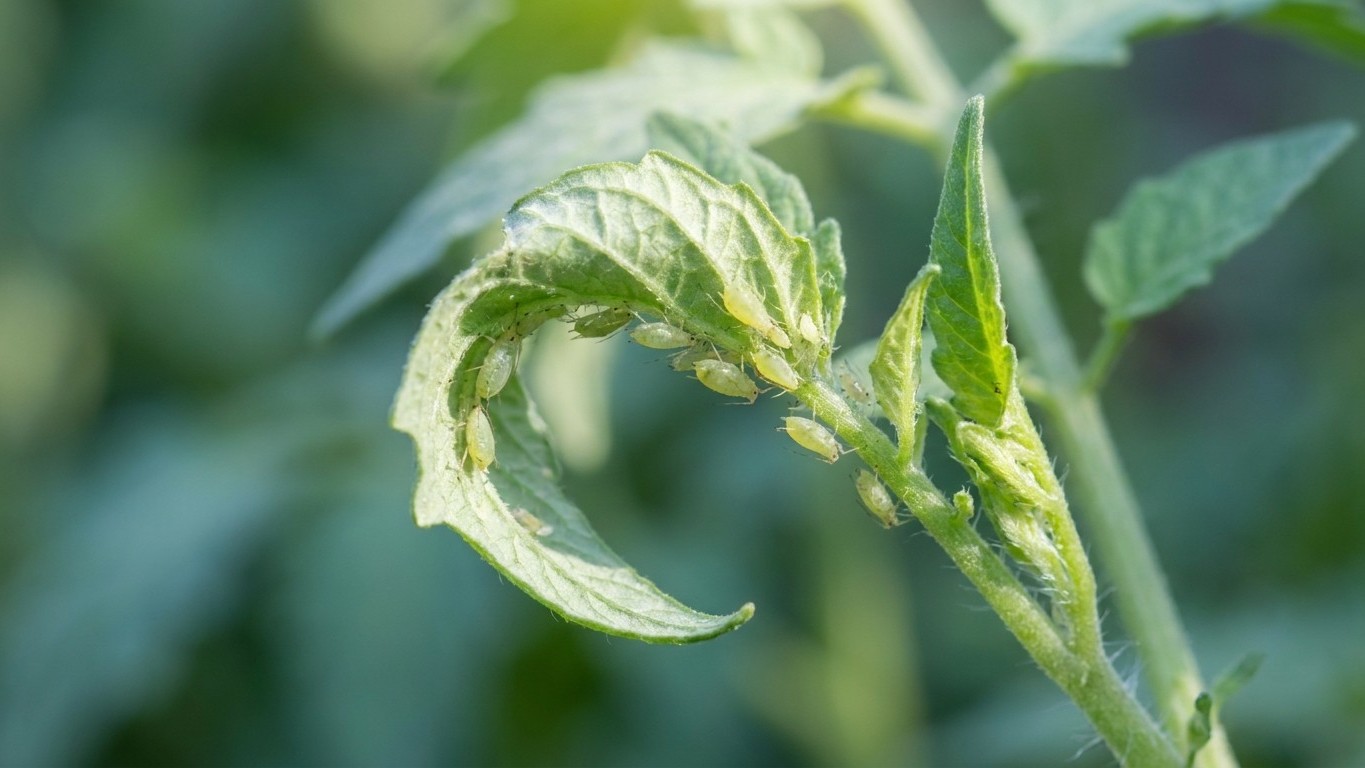
Potato aphid shows up in South Carolina gardens mainly during the cooler stretches of the growing season, spring and again in fall, tapering off during…
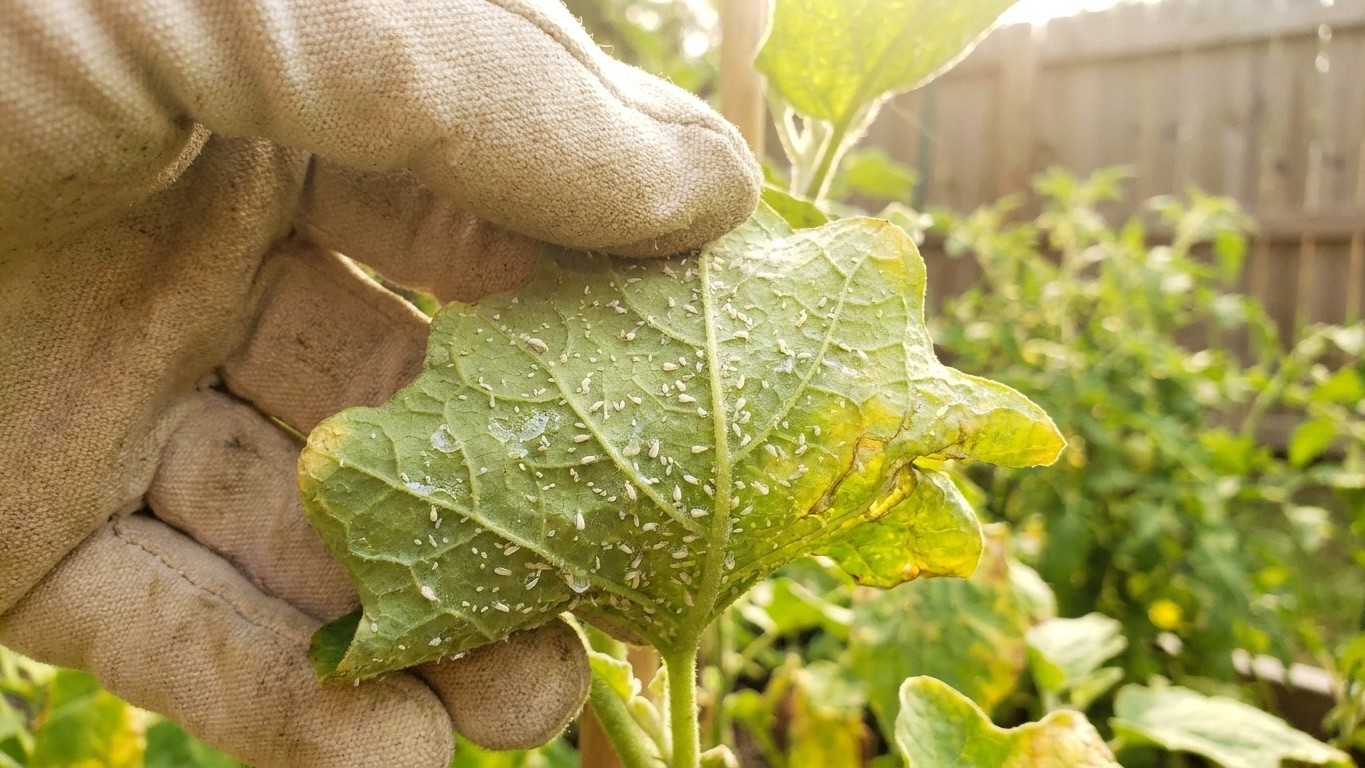
Silverleaf whitefly builds its numbers in South Carolina from spring into fall, with the sharpest jumps once nighttime temperatures stay above 60°F for…
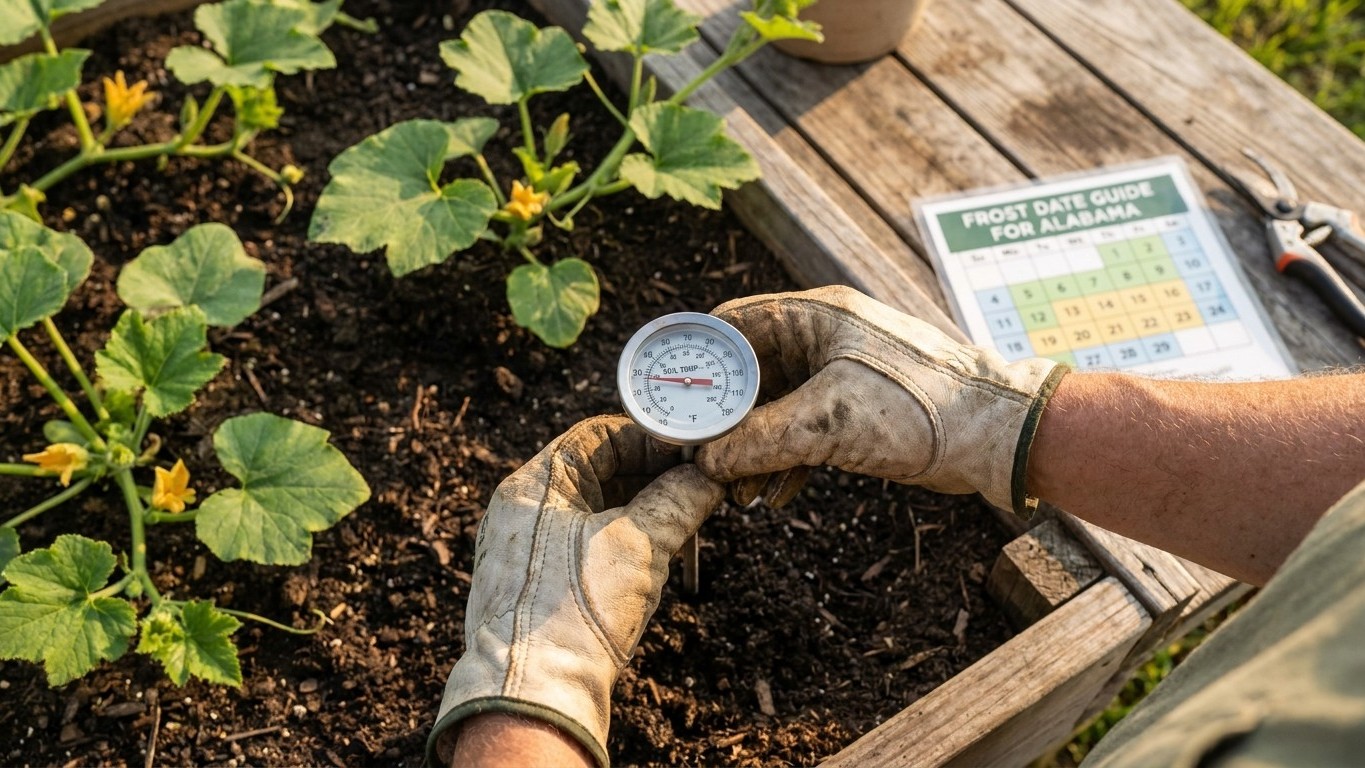
South Carolina gardeners sow pumpkin seed outdoors once soil holds at 65°F, which lands somewhere in mid-spring depending on where the garden sits.
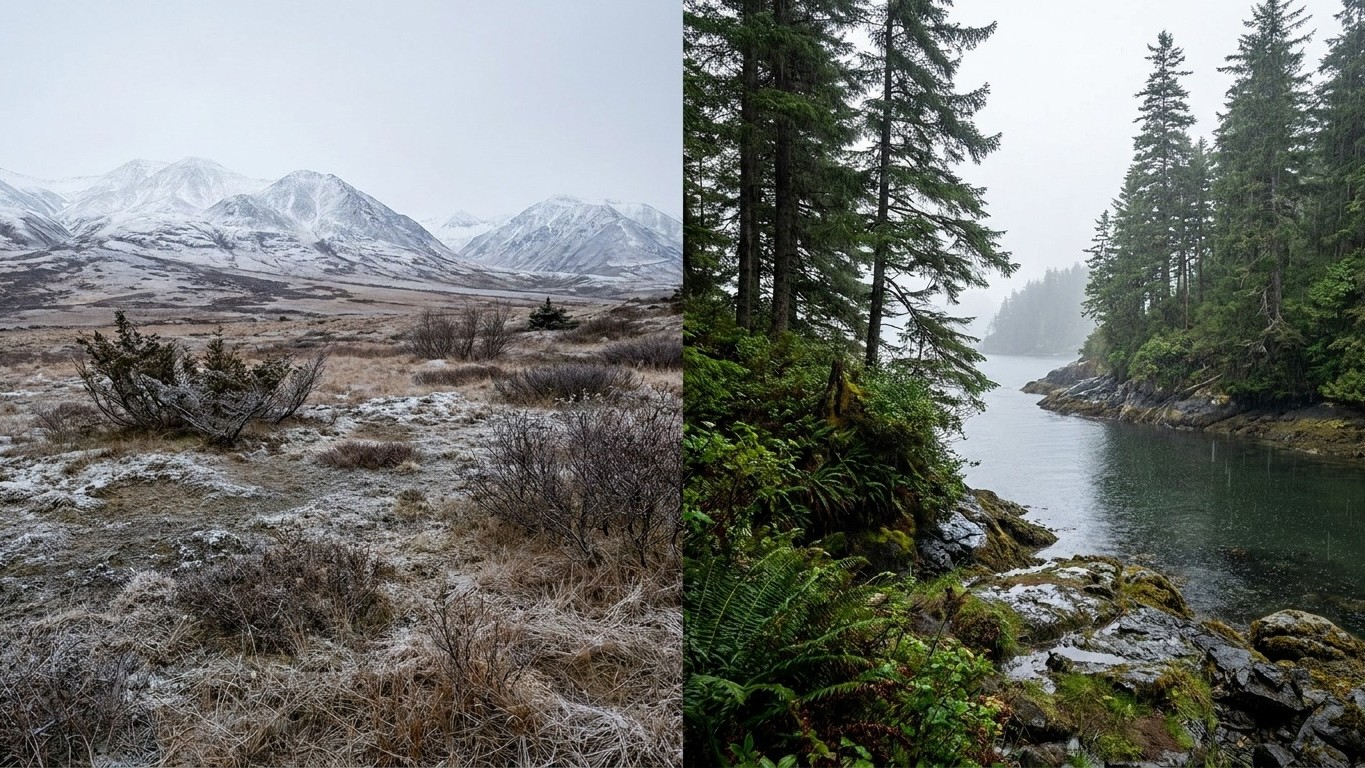
South Carolina’s hardiness range runs 7a to 9a on the USDA scale, and crossing that range against the 65 landscape plants documented on this site turns…
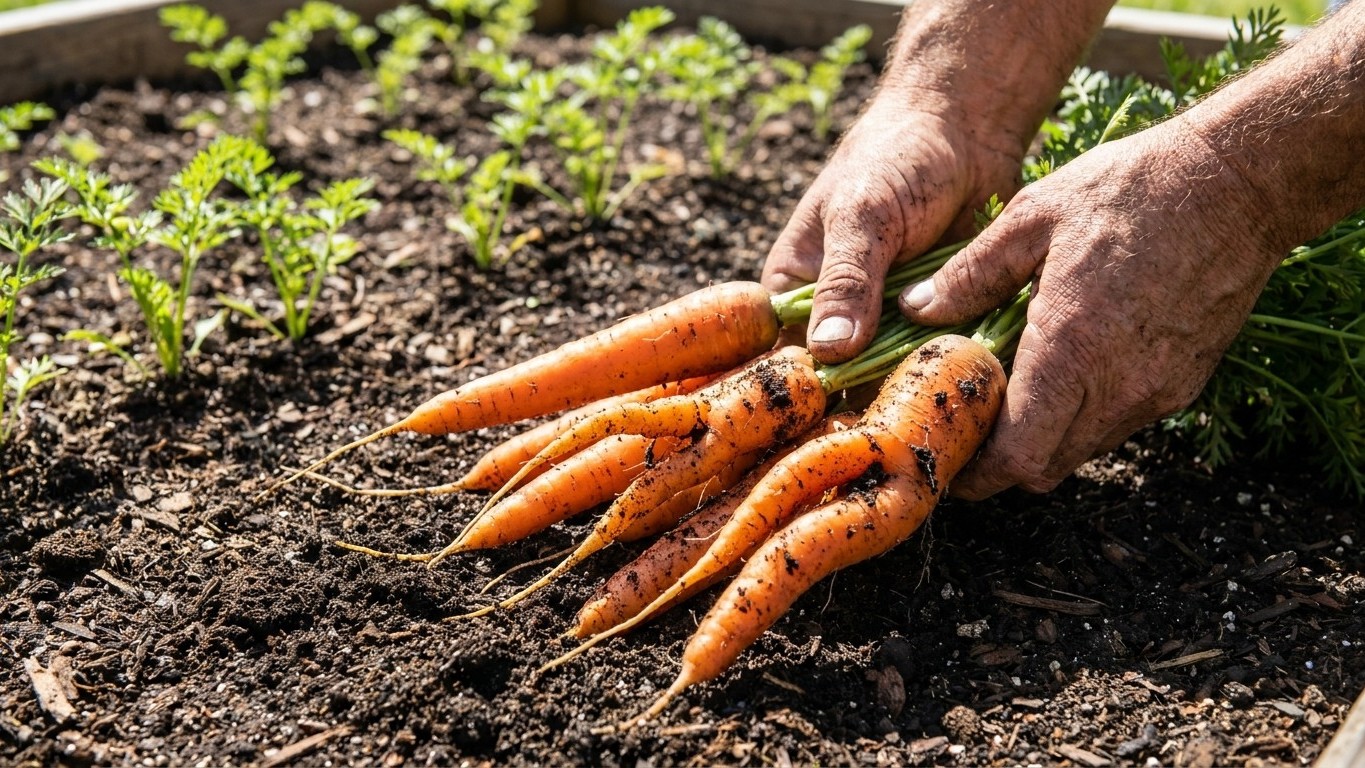
In South Carolina, the calendar matters less than the ground under your boots.
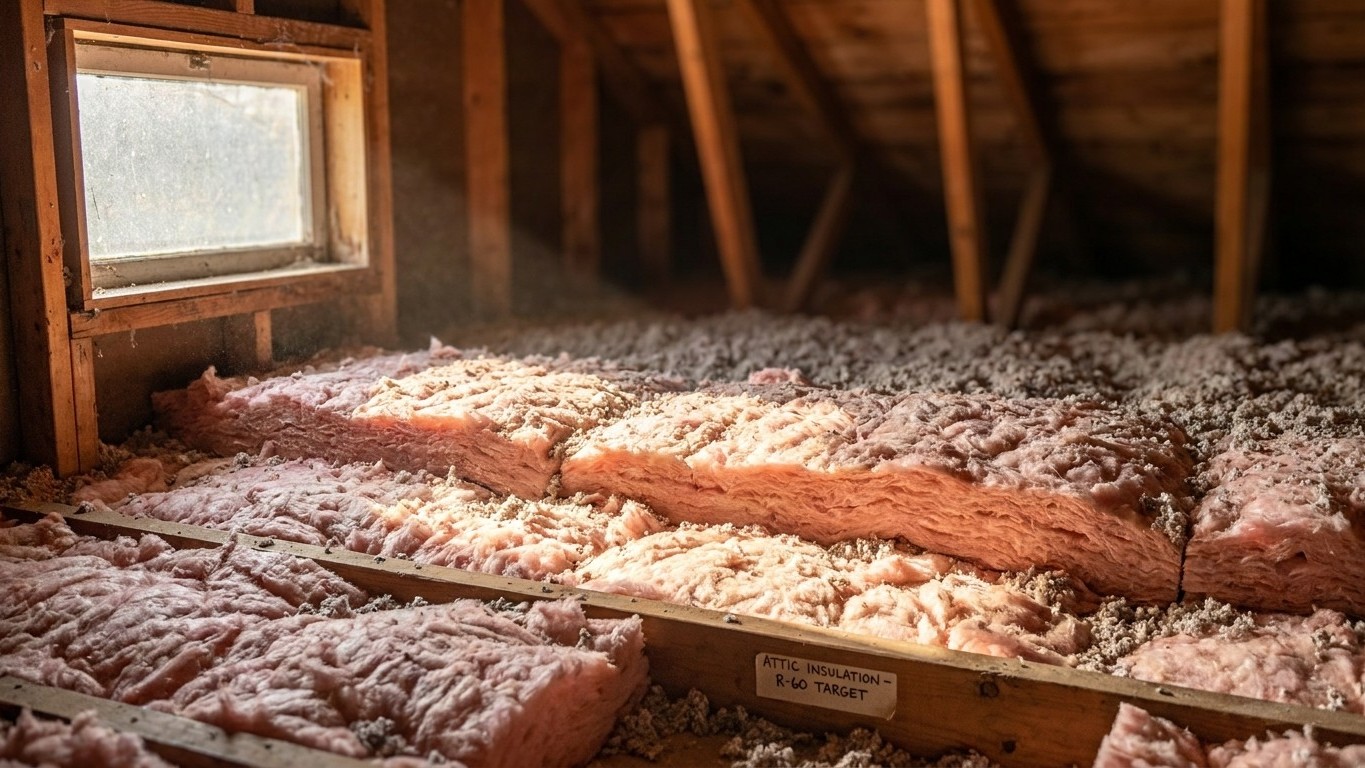
South Carolina spans two IECC climate zones, so the right amount of insulation depends on where a house sits.
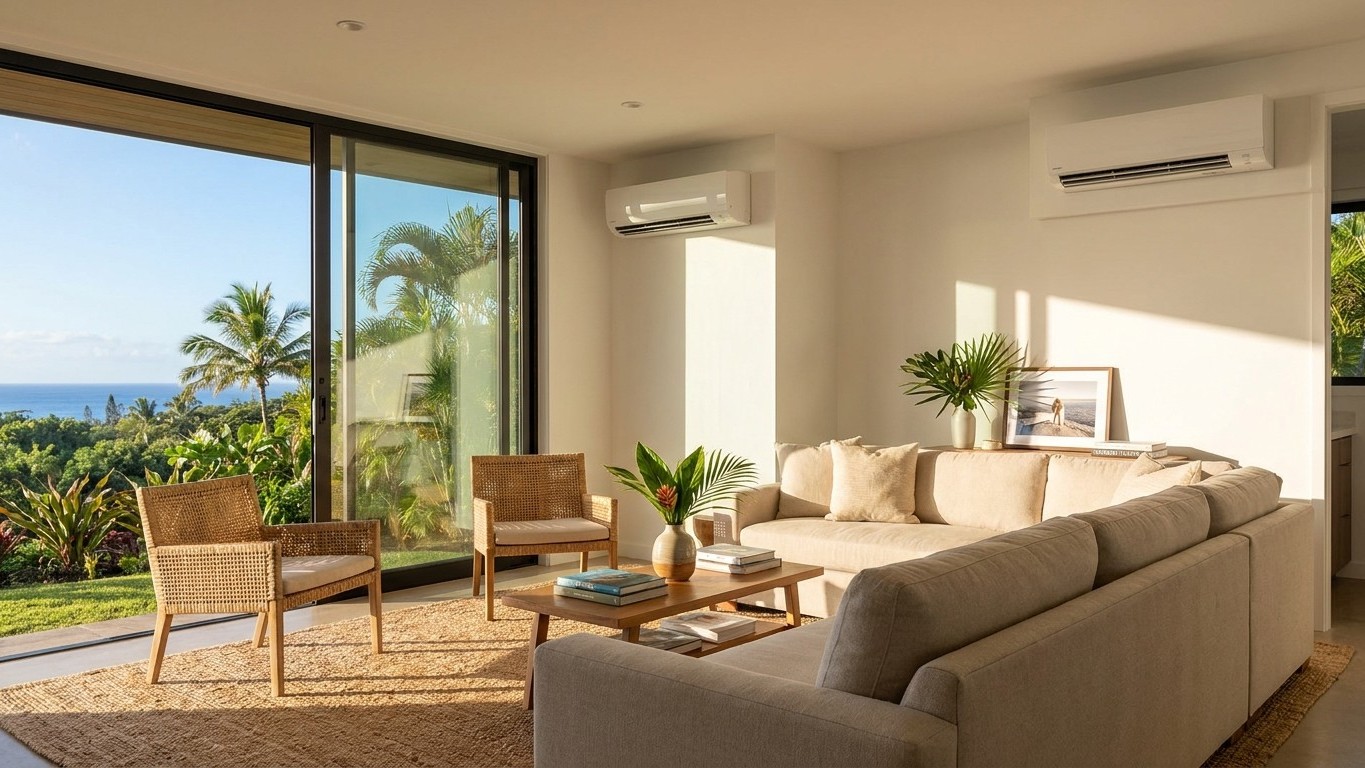
South Carolina homeowners can usually shut the heat off by April, when the state’s combined heating and cooling degree-day count drops to its lowest…