When to Pull Beets in South Dakota, and Why Colder Is Not Better
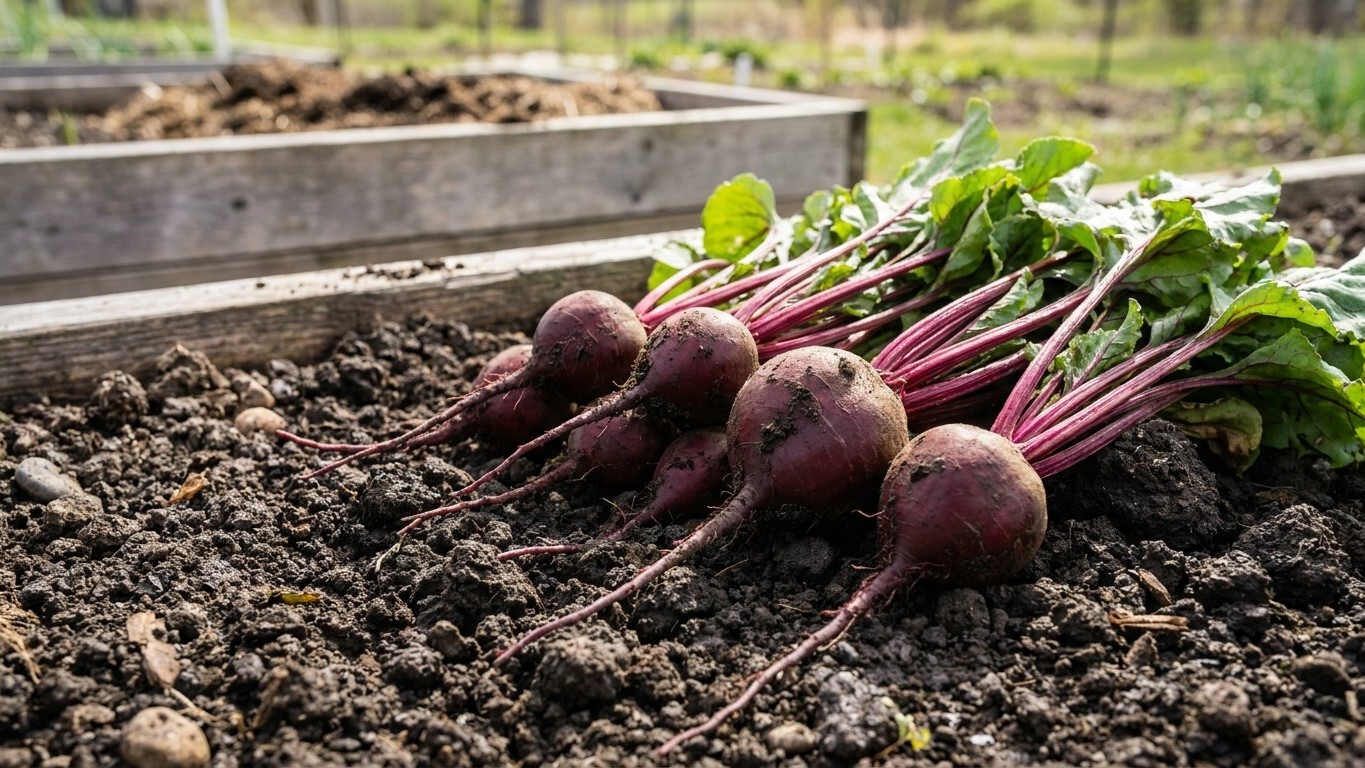
Count 60 to 80 days from the day the seed goes into the ground. Beets are sown in place and never transplanted, so the clock starts at seeding.
Home & garden, state by state
Everything we have worked out for South Dakota: what to plant and when, which varieties finish in time, the pests that actually turn up here, and the jobs that pay off month by month. We also cover the rest of the property, from lawns and soil to home care and energy, because a garden rarely stops at the vegetable bed.
The numbers first, because everything else follows from them. Measured at the weather station in Sioux Falls, the last spring freeze runs April 29 to May 9 and the first fall freeze runs September 24 to October 4, USDA zones 3b-5b, 3,003 growing degree days in the year.
Garlic does well: 30.4 weeks below 40 °F, comfortably past the six it needs to form a proper head.
Elsewhere on the property in South Dakota: the pests that turn up here.
Figures from NOAA's 1991-2020 climate normals. A state is not one climate: elevation, a large lake or the coast can move these dates by two weeks either way, so check your own county with the extension service before you spend money.
Count 60 to 80 days from the day the seed goes into the ground. Beets are sown in place and never transplanted, so the clock starts at seeding.
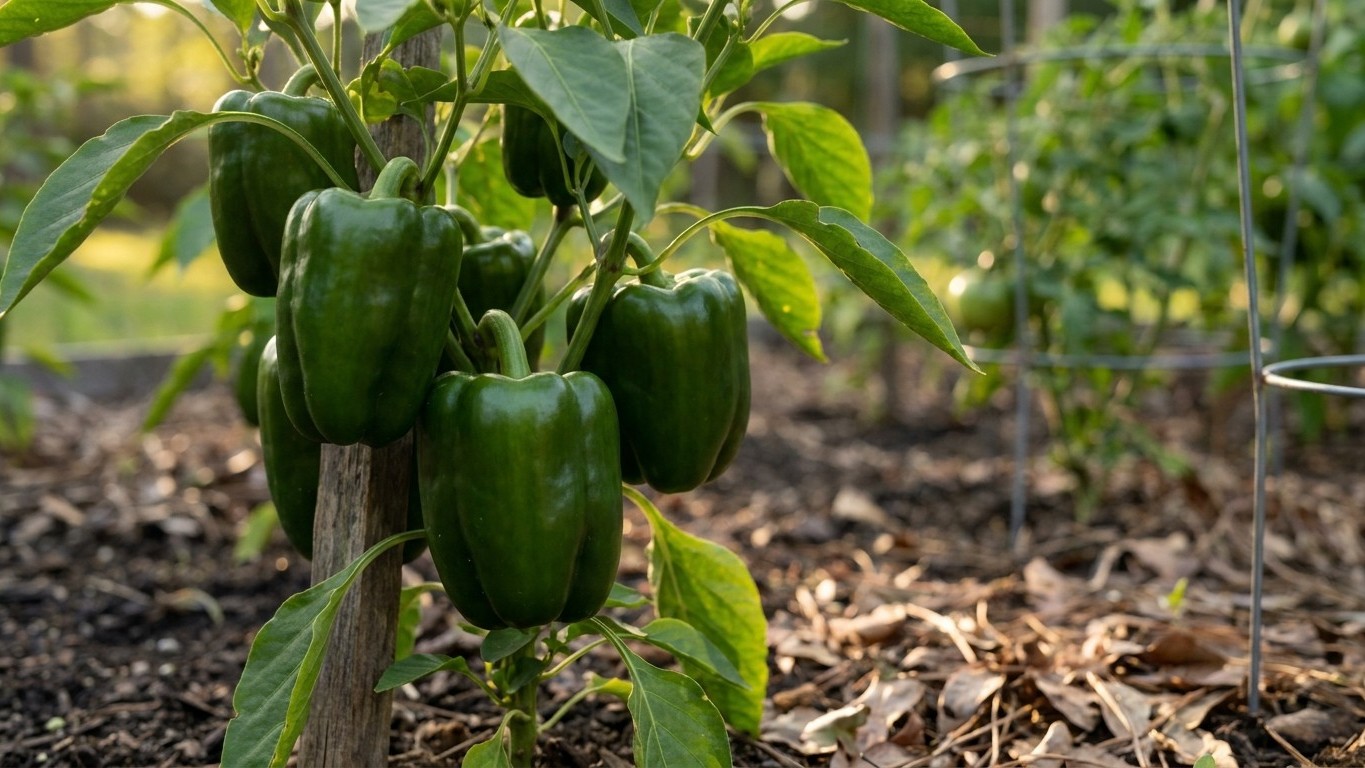
Before any insect takes a bite, weather takes its cut of a South Dakota pepper crop: heat spells, cold nights and a short season.
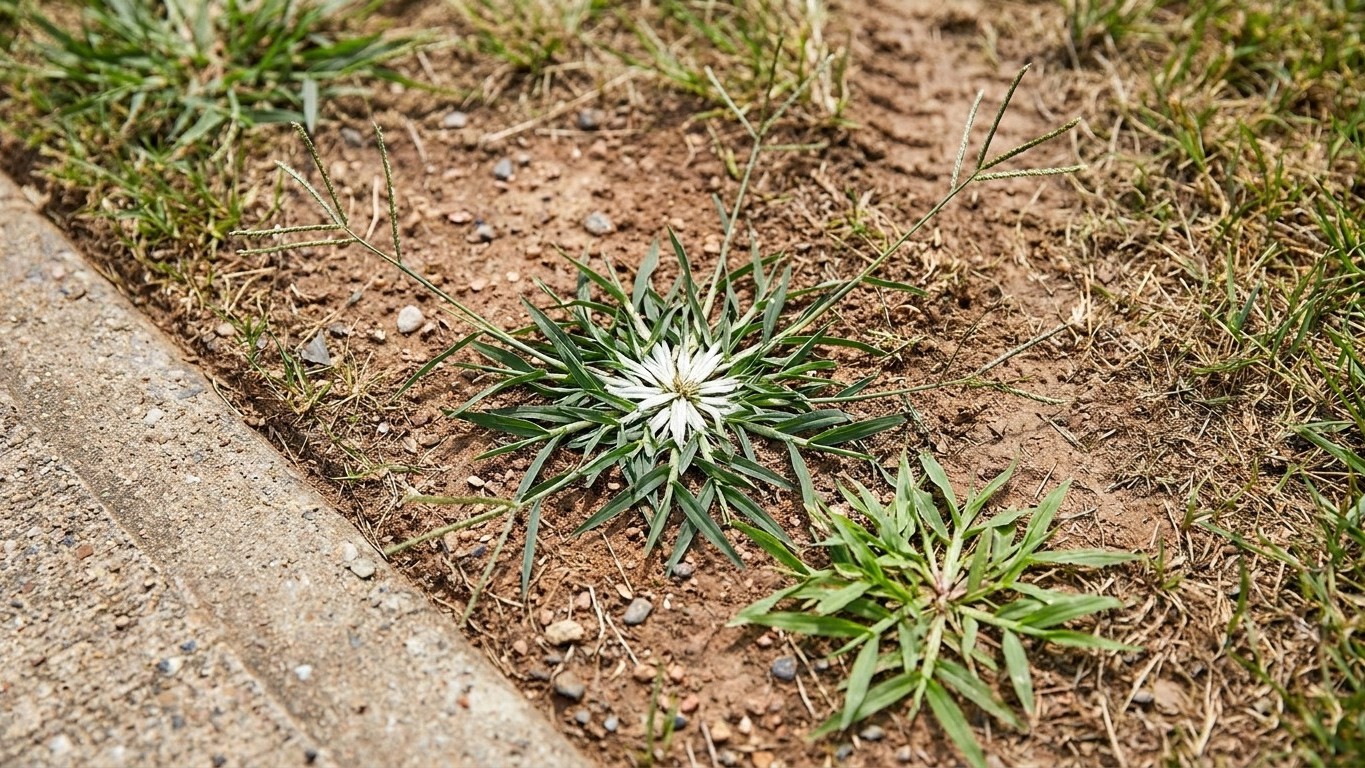
Aerate a cool-season lawn in South Dakota in fall, while the grass is still growing and before the first fall frost window of September 24 to October 4…
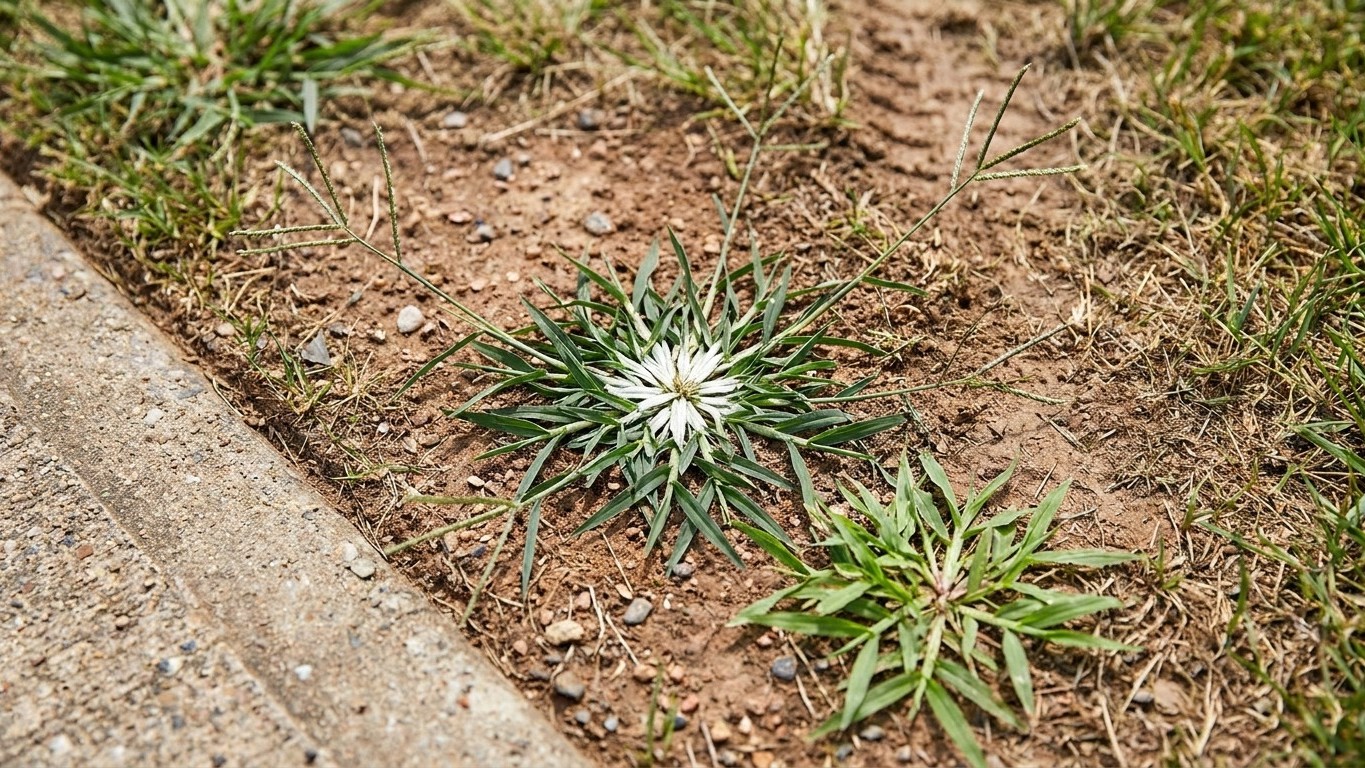
Sow cool-season grass seed in South Dakota in late summer, counting back about 45 days from your first fall freeze.
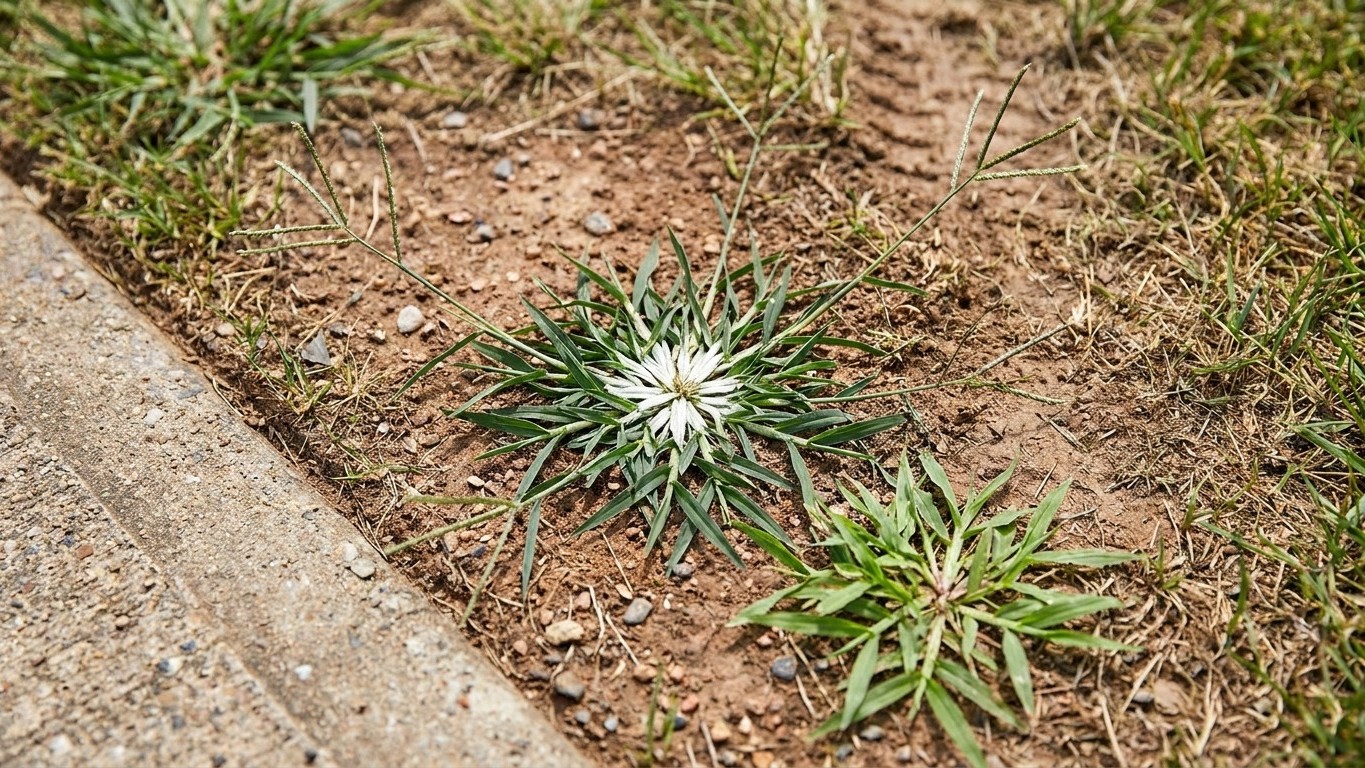
Early fall is the best time to dethatch a lawn in South Dakota, with spring as the backup. Most lawns never need it, though.
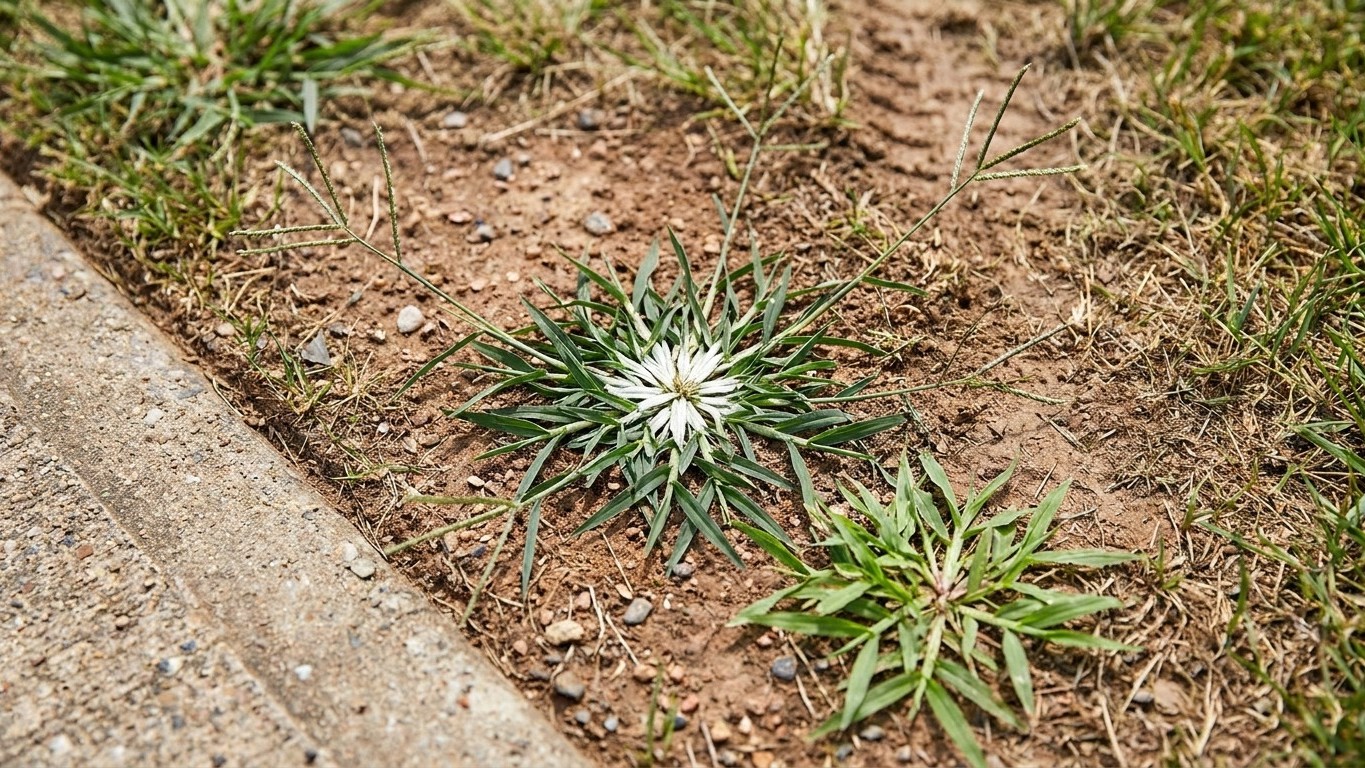
Most South Dakota lawns are Kentucky bluegrass, fescue or perennial ryegrass, and the right cutting height depends on which one you have.
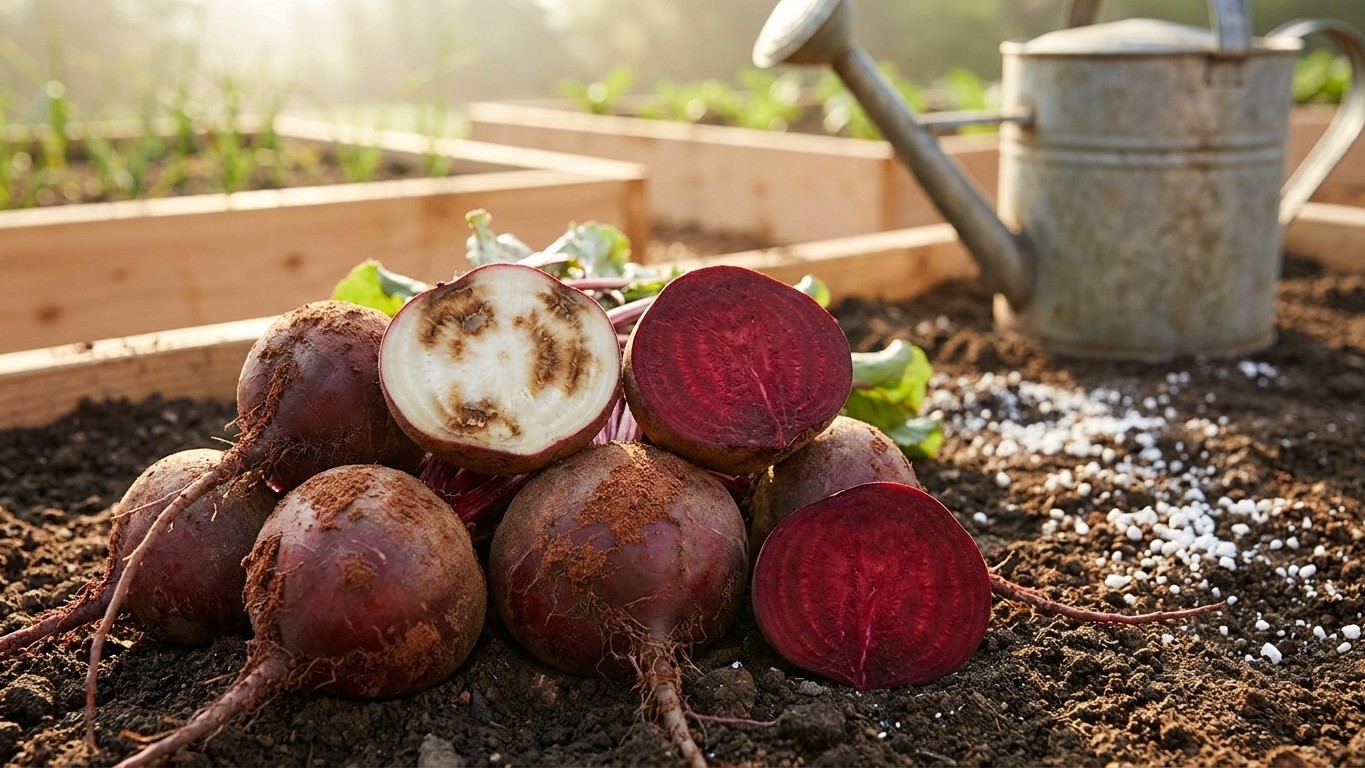
In South Dakota, two things eat into a beet crop, and they arrive at different times.
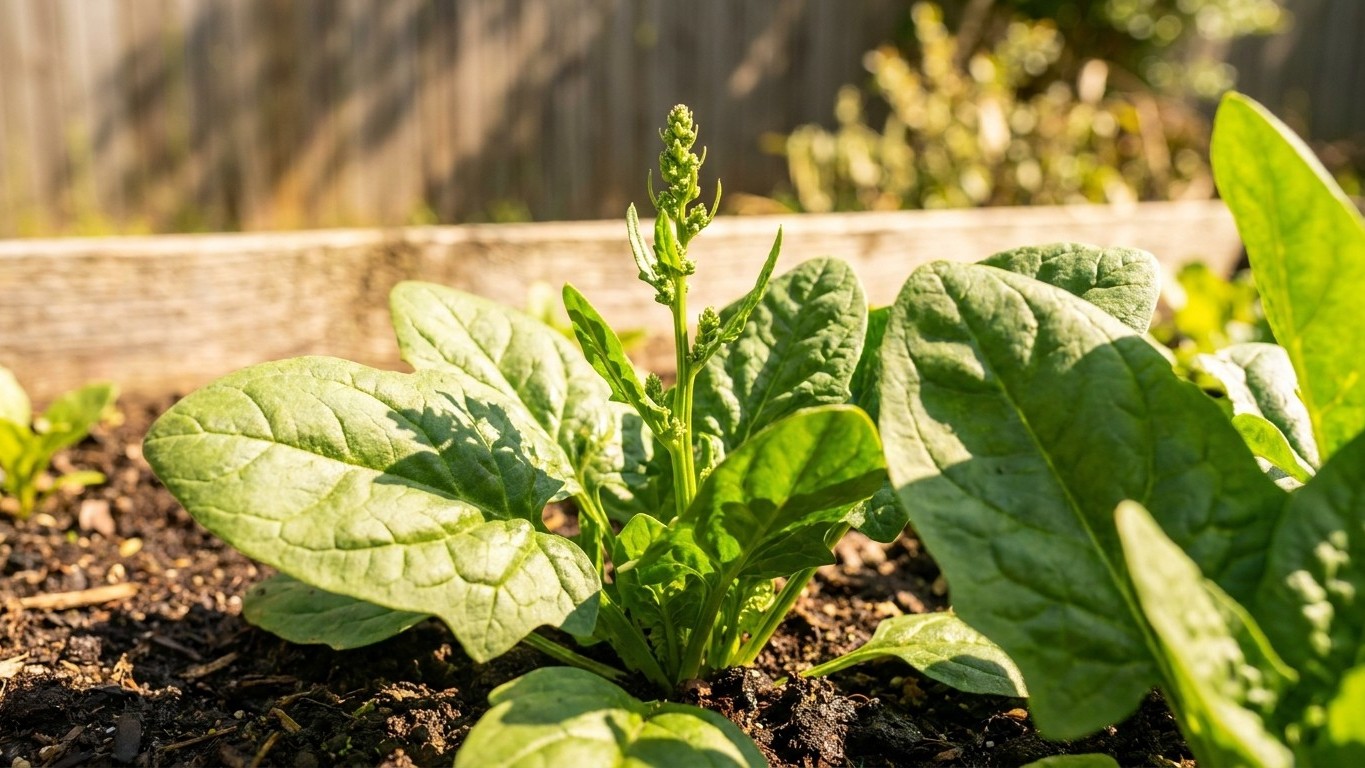
Cut spinach as soon as the leaves are big enough to eat, and don’t wait for them to get bigger. In South Dakota the clock runs out fast.
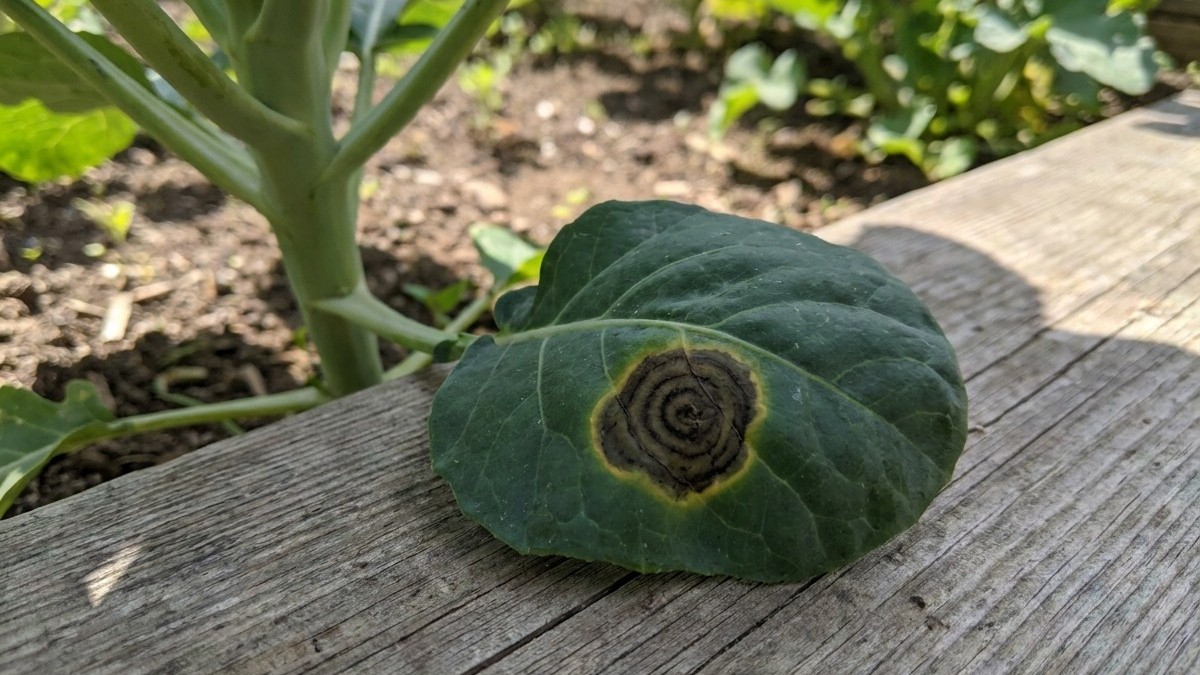
Cut a pumpkin once the color is full and the rind has hardened, and cut it before frost with the stem still attached.
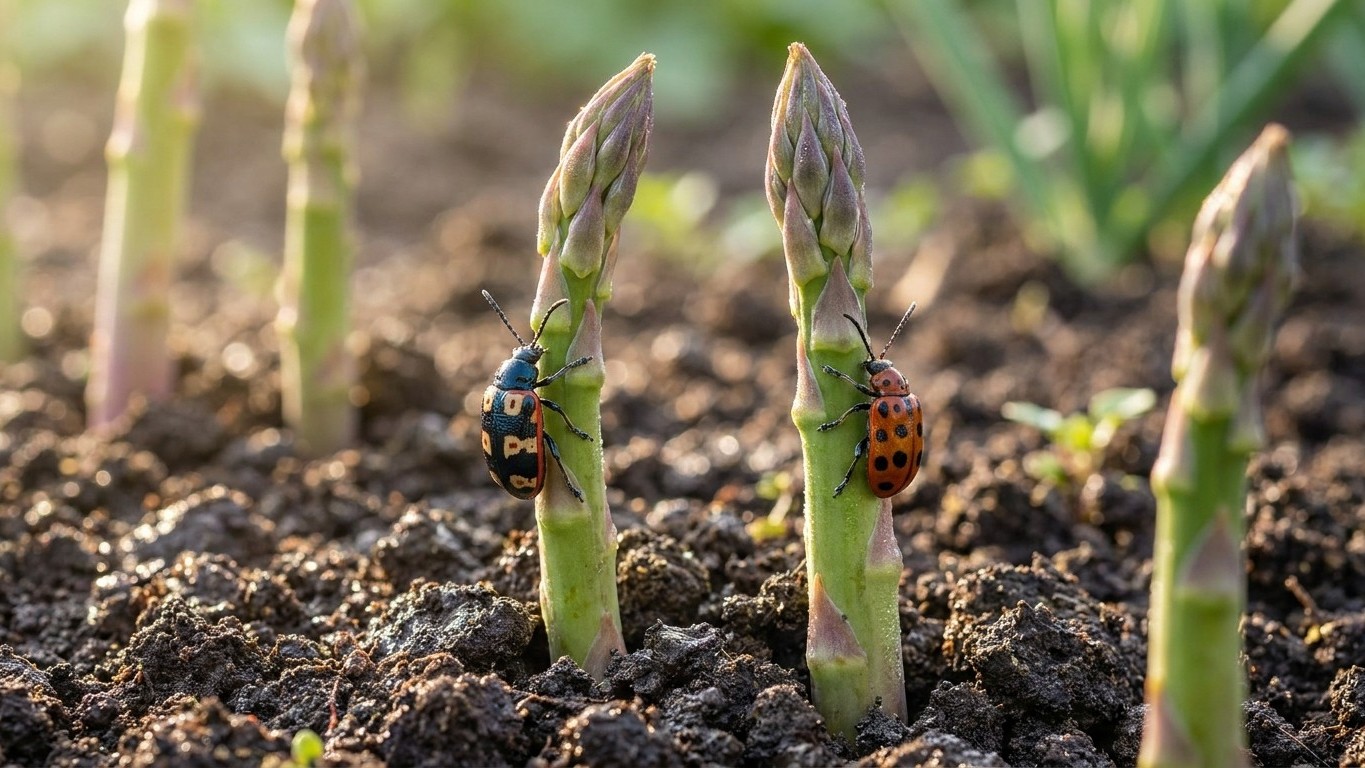
Stop cutting when most of the spears coming up are thinner than a pencil. That is a signal from the plant, not a date on the calendar.