Garlic Varieties That Suit Tennessee Winters
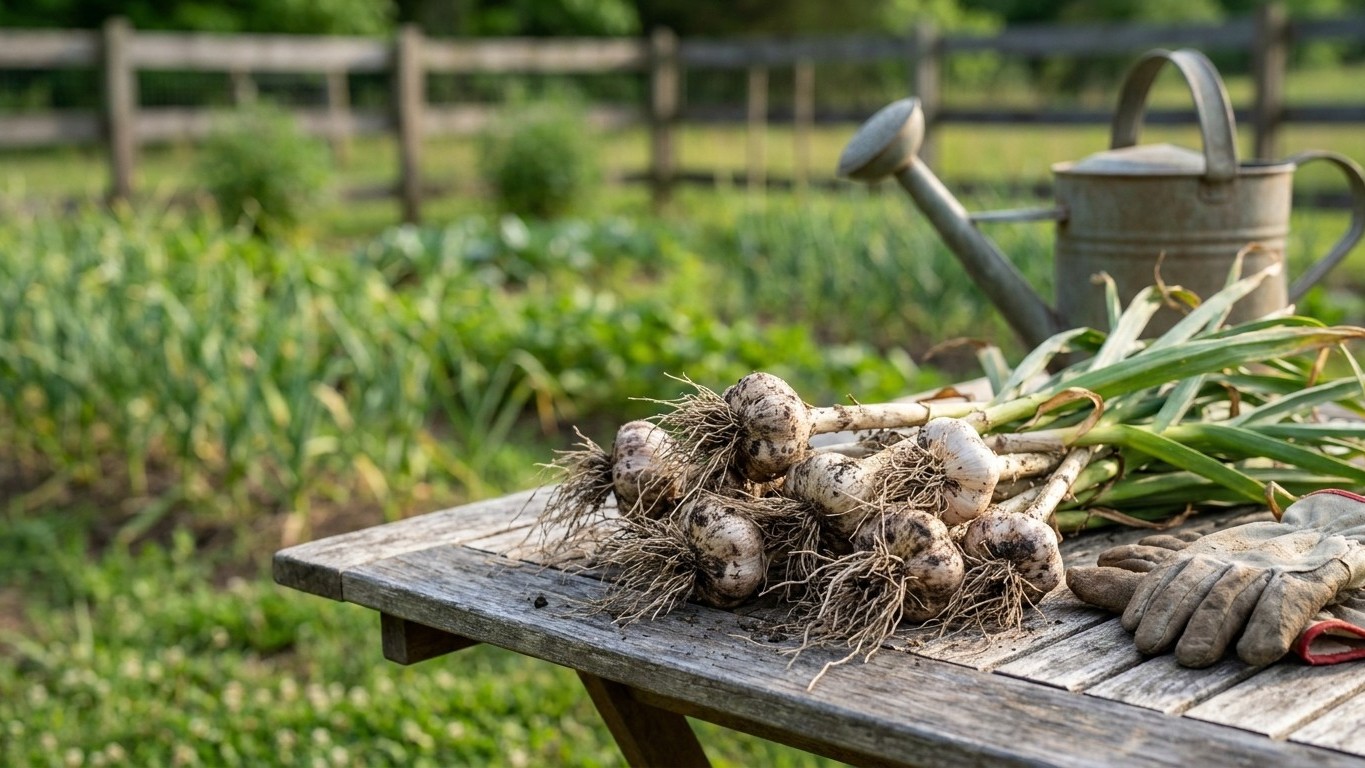
Tennessee’s long, cold winters suit almost any garlic variety, so this guide names the hardneck and softneck cultivars that fit the state’s fall planting window.
Home & garden, state by state
Everything we have worked out for Tennessee: what to plant and when, which varieties finish in time, the pests that actually turn up here, and the jobs that pay off month by month. We also cover the rest of the property, from lawns and soil to home care and energy, because a garden rarely stops at the vegetable bed.
The numbers first, because everything else follows from them. Measured at the weather station in Nashville, the last spring freeze runs March 31 to April 12 and the first fall freeze runs October 28 to November 8, USDA zones 5b-8a, 4,937 growing degree days in the year.
Garlic does well: 21.8 weeks below 40 °F, comfortably past the six it needs to form a proper head.
Elsewhere on the property in Tennessee: the pests that turn up here.
Figures from NOAA's 1991-2020 climate normals. A state is not one climate: elevation, a large lake or the coast can move these dates by two weeks either way, so check your own county with the extension service before you spend money.
Tennessee’s long, cold winters suit almost any garlic variety, so this guide names the hardneck and softneck cultivars that fit the state’s fall planting window.
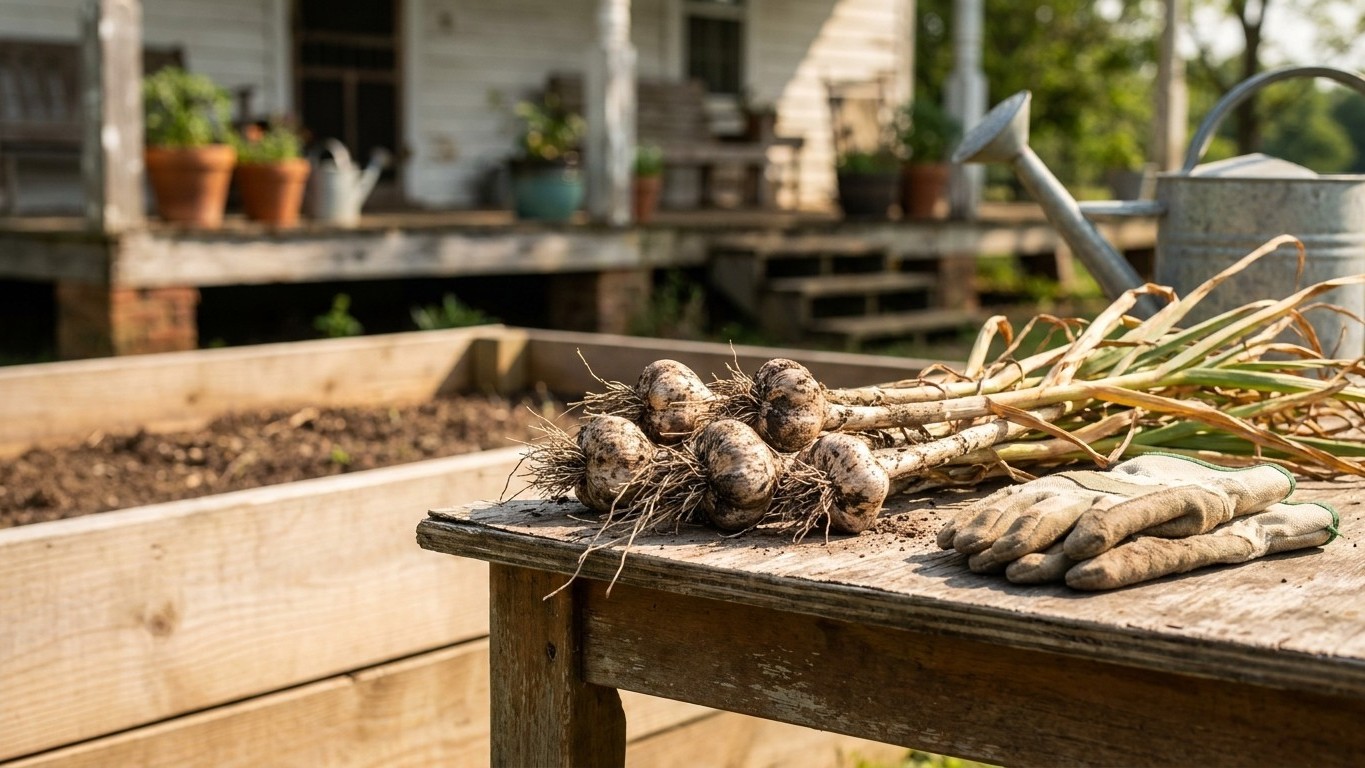
Tennessee garlic goes into the ground in early to mid October, calculated from NOAA’s fall frost window near Nashville, with adjustments for elevation and region.
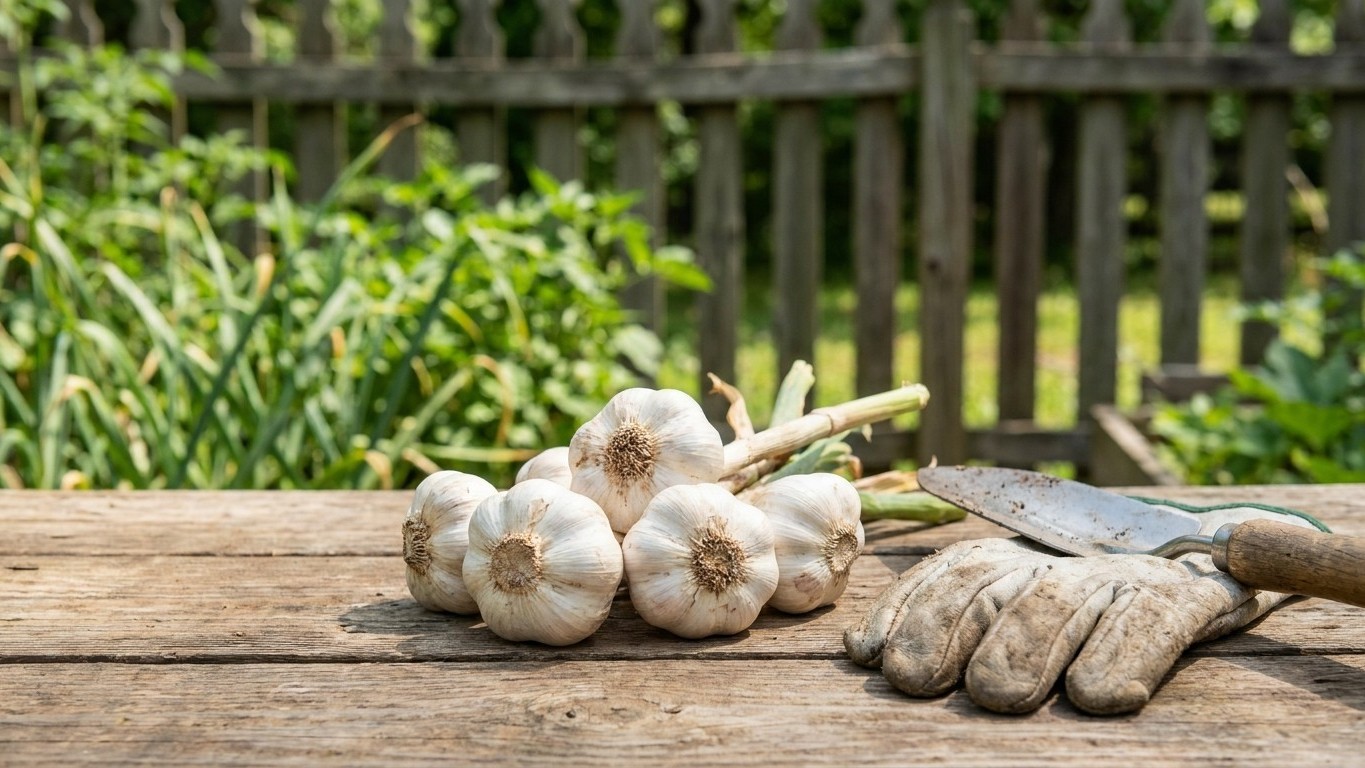
Tennessee’s cold winters comfortably split garlic cloves, and this guide gives the fall planting window, best varieties, and disease risks by month.
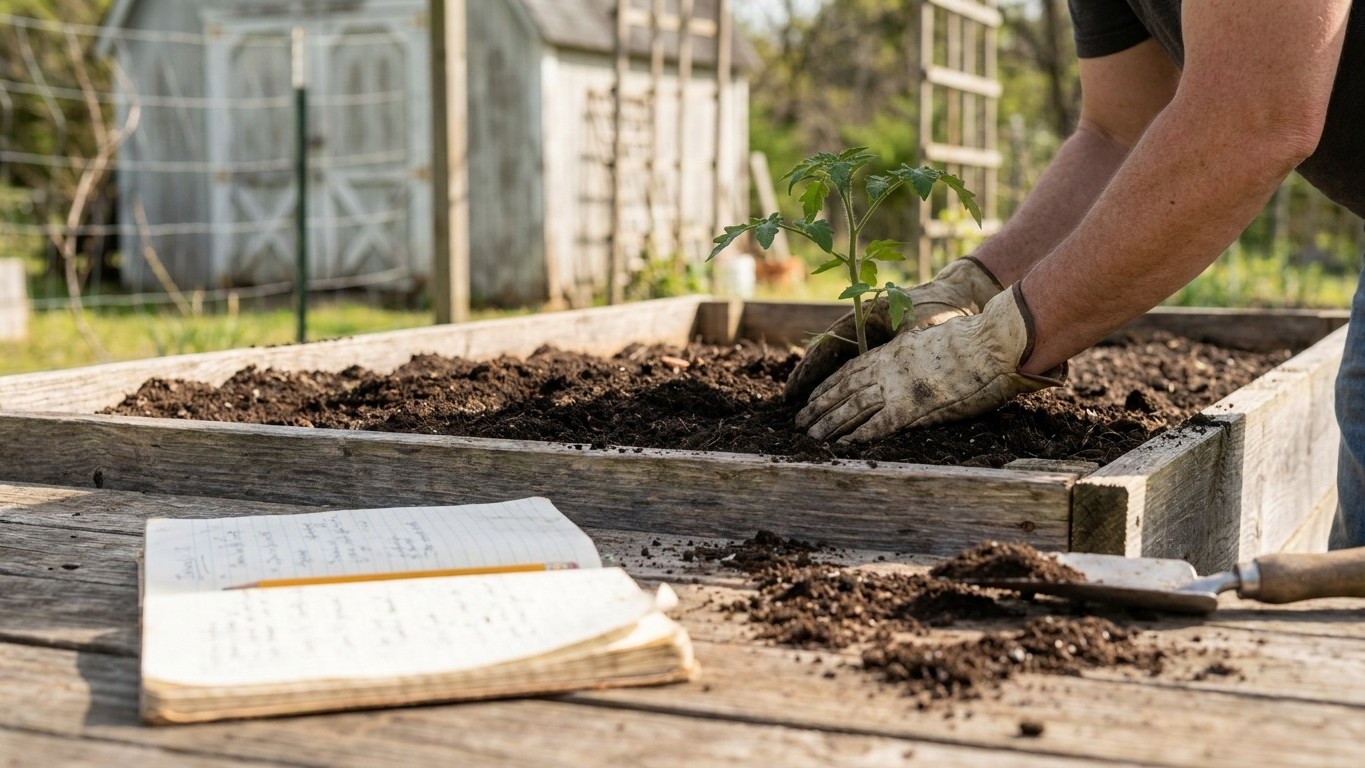
Tennessee tomato planting dates start from NOAA’s Nashville frost window, then get adjusted for elevation, region, and the cultivar’s days to maturity.
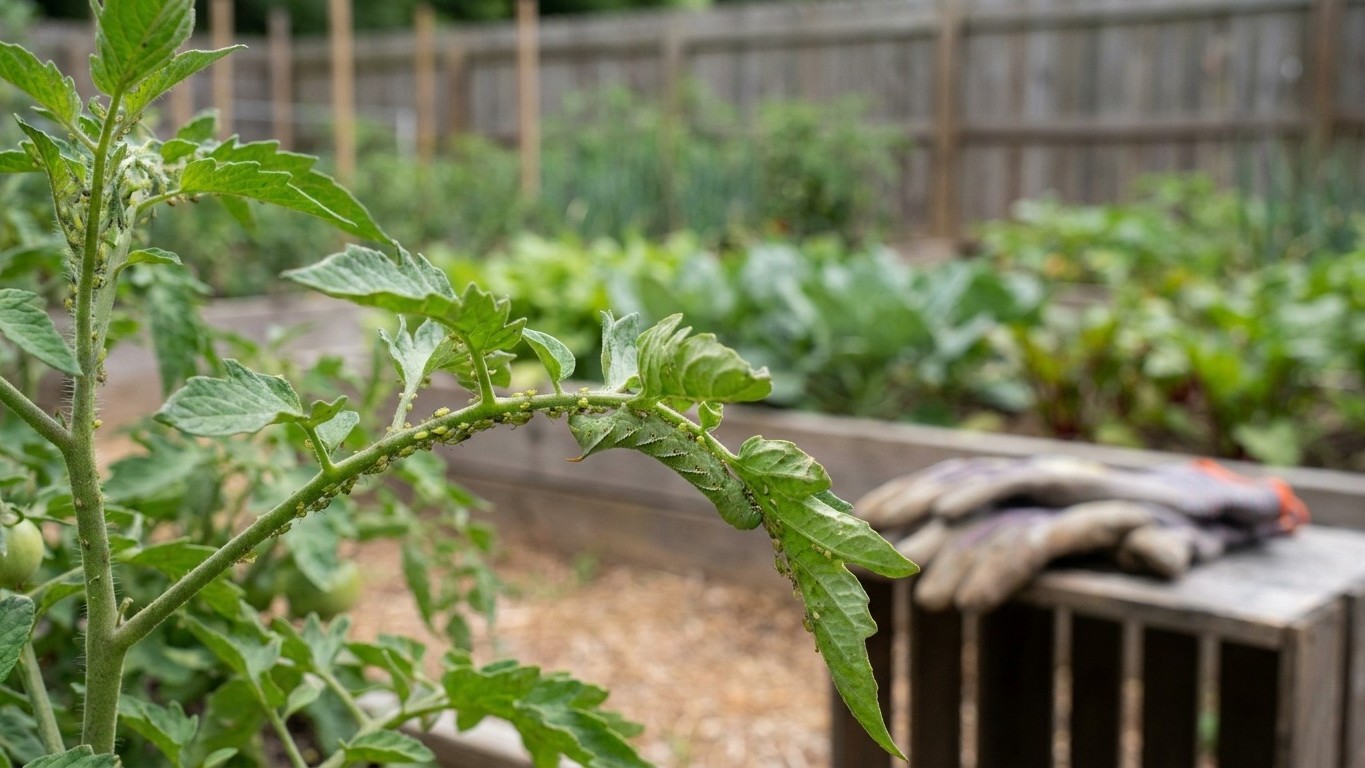
A season-by-season guide to identifying tomato hornworms, aphids, stink bugs, flea beetles and other pests that actually turn up in Tennessee gardens.
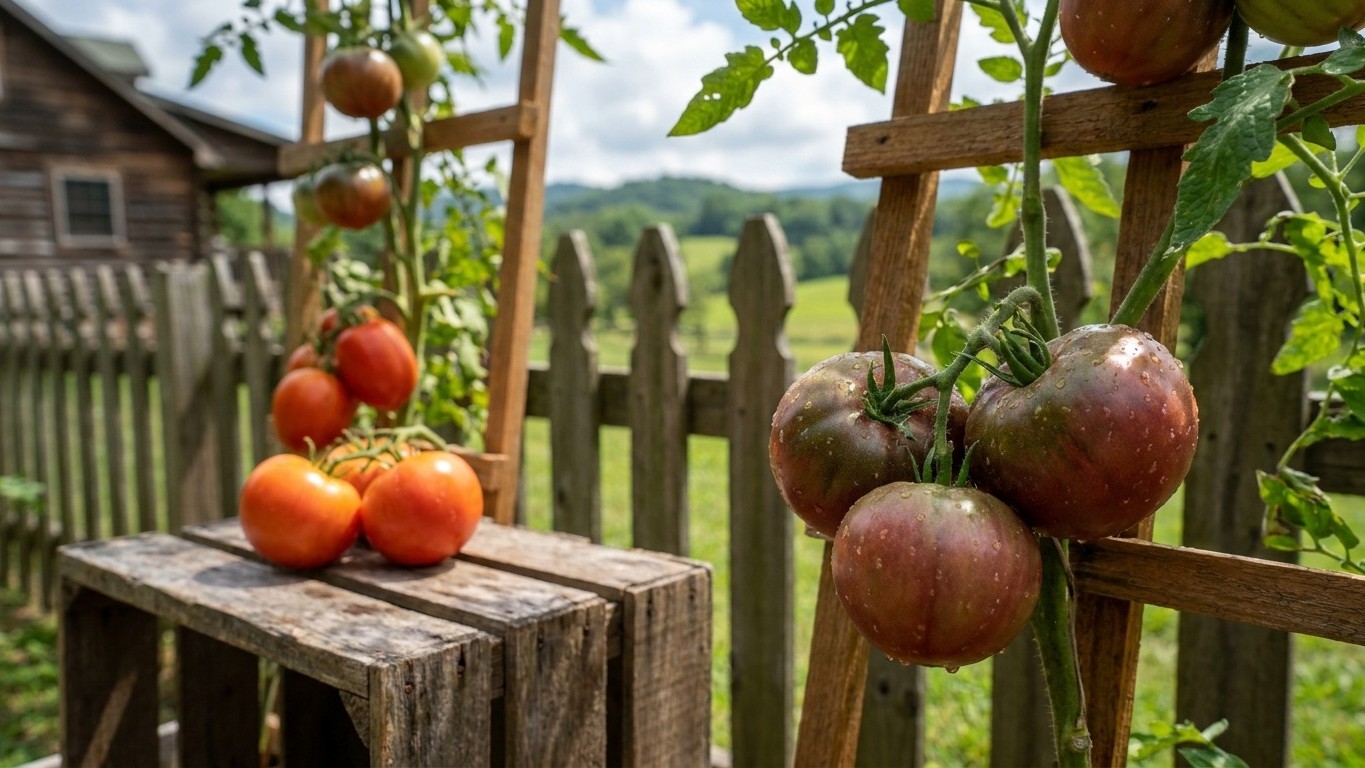
A rundown of tomato varieties suited to Tennessee’s frost-free growing season, from 55-day cherry tomatoes to 78-day paste and slicing types, with their calculated ripening windows.
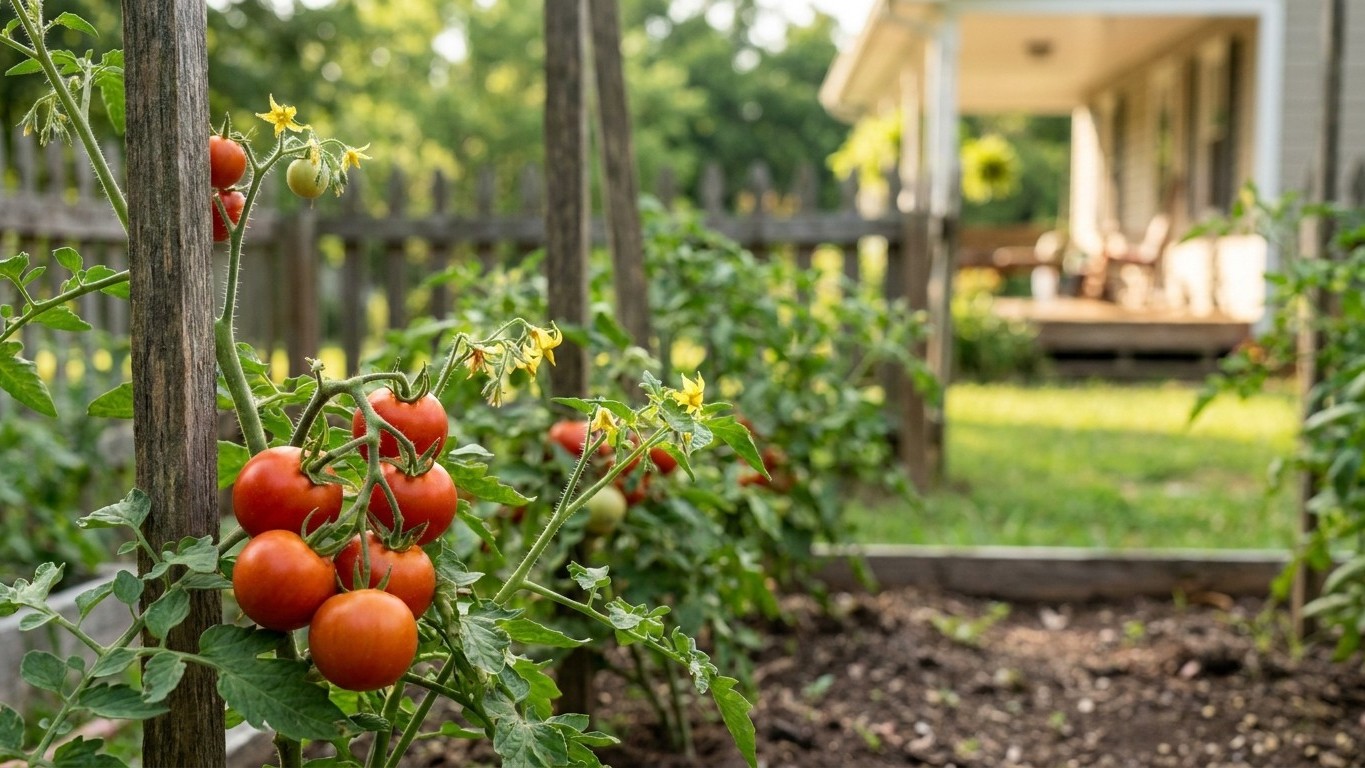
Tennessee’s frost-free planting window, soil prep, disease-resistant tomato varieties, companion crops and the pests to watch for, based on NOAA climate data and university extension guidance.