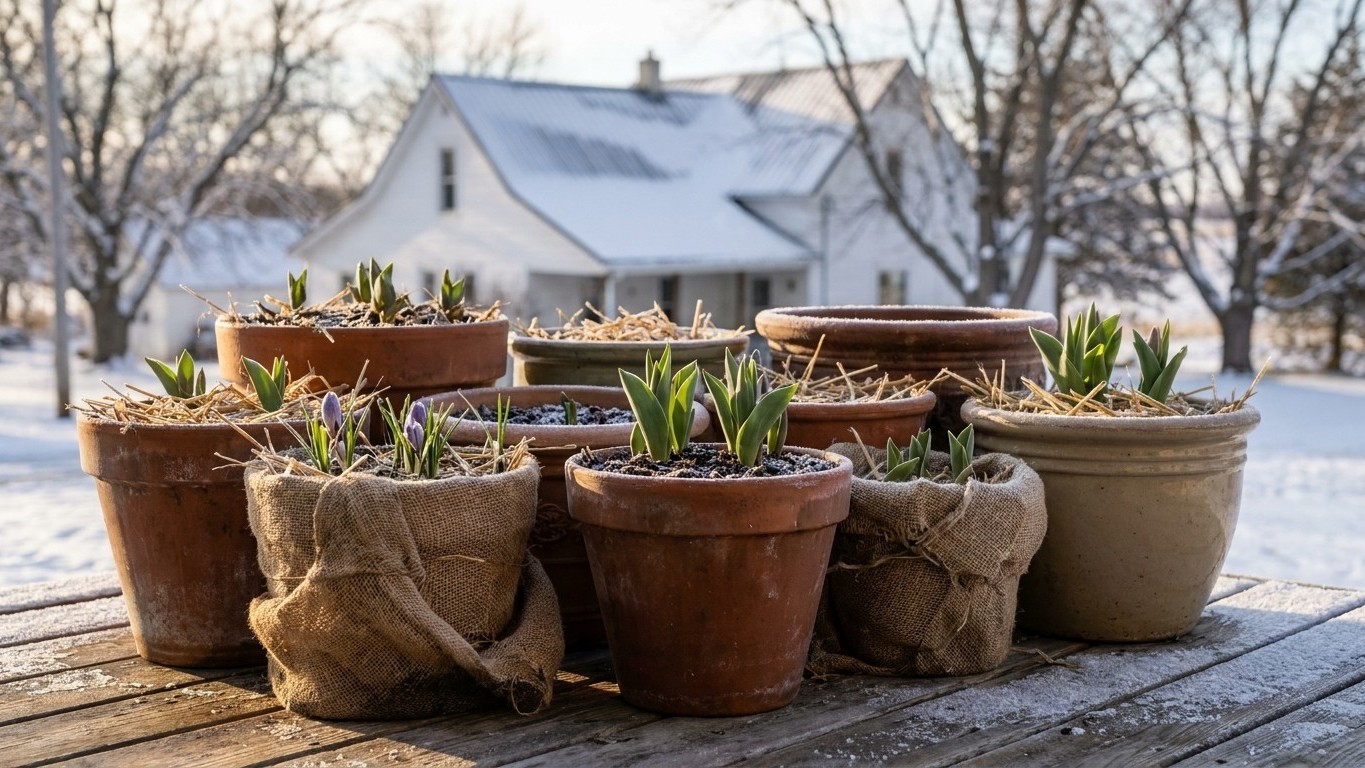

Lift dahlias, cannas and gladiolus in Utah after the first fall frost has blackened the foliage, and do it within about a week or two. At Salt Lake City that frost typically arrives between October 18 and October 29, so lifting runs from late October into early November. Yards that sit higher and colder get their frost sooner, so their digging day comes sooner too. Done at the right moment, the tubers, rhizomes and corms are mature enough to keep through winter.
Do you have to dig them up in Utah?
For most gardeners, yes. The USDA Plant Hardiness Zone Map 2023 places Utah across a wide band, 4a to 9a, and that spread is the reason one blanket answer would mislead someone. The USDA system is built on a single variable, the average annual extreme minimum temperature, so it tells you how bad the worst nights get and says little about how long the cold lingers. For a dated recommendation, Salt Lake City makes a sensible anchor. Other parts of the state differ, some by a lot.
Salt Lake City’s numbers are the ones to work from. NOAA’s NCEI Climate Normals for 1991-2020 put the mean daily minimum of the coldest month at 24.2°F. That is an average of ordinary January nights, not the record low and not a freak cold snap. A month of lows that sit well under freezing chills the soil in the top layer where these roots live, and a layer of mulch slows that chill without reliably stopping it. Soft, water-filled tubers turn to mush after a hard freeze.
So the working rule for the valley floor is simple: lift all three after the first fall frost, which at Salt Lake City falls between October 18 and October 29. Hardy bulbs such as tulips are a different story and stay put for winter (see Spring Bulbs for that side of the garden). Dahlias, cannas and gladiolus are the tender group that comes out.
Where the answer changes
Salt Lake City sits in a mild valley. Most of Utah is higher and colder, which means harder freezes, an earlier first frost and frozen soil for longer. In those yards, lifting is not optional, and it happens earlier than the Salt Lake dates, not later. Southern Utah runs warmer, and that is where the line between lifting and leaving falls. In the warmest low-elevation spots, where the ground does not freeze deeply, the roots can stay in the ground under a thick layer of mulch.
I won’t pretend the map draws that line cleanly, since a hardiness zone rests on extreme lows rather than on how deeply your own soil freezes. A better test is observational. If the soil in your beds goes rock hard in a typical January, lift. If it stays workable all winter and drains well, mulching in place becomes a reasonable gamble, especially for cannas, which are tougher than dahlias. Drainage matters as much as temperature, because cold, soggy ground rots tubers faster than dry cold does. Which Spring Bulbs Survive Your Winter walks through how to judge your own site.
When to lift them
The signal is a frost that turns the foliage black and limp. Dahlia leaves go dark and slimy, canna leaves collapse into brown sheets, and gladiolus leaves yellow and flop. The frost itself does not hurt what is underground. What it does is tell the plant to stop growing and start sealing its storage organs, and that shift is why the timing matters.
The window, counted from the frost
At Salt Lake City, NOAA’s NCEI 1991-2020 Climate Normals give a first fall 32°F freeze between October 18 and October 29 (the 30-70% probability band at station USW00024127). That band shows when a freeze becomes about as likely as not in a given year. It is a window, not a promise, and some autumns beat it while others run late. Your lifting window opens after the frost actually arrives: dig within about a week or two after the first hard frost blackens the foliage. The calendar dates only tell you when to start watching the forecast. The First and Last Frost Dates in Utah page shows how those dates shift around the state.
Colder yards, whether farther north or higher up, see that frost earlier and should lift earlier. A garden a few hundred feet above the valley floor may be digging while the Salt Lake City records still show frost weeks away. Watch your own thermometer, not the city’s.
Why waiting for the frost beats lifting early
Lifting early feels responsible, and it is the most common way to lose a dahlia. While the leaves are green and active, they keep feeding the roots, and the skin on the tubers is still thin and moist. Tubers dug at that stage lose water through the skin, bruise more easily and carry more moisture into storage. They tend to go soft or moldy by midwinter, or shrivel because the skin never toughened. A frost-blackened plant has finished that work.
Waiting too long carries its own risk. A deep freeze that penetrates the soil can damage the crown, and wet ground makes digging messy. Treat the week or two after the first frost as the sweet spot.
On the day itself, pick a dry afternoon when the soil is crumbly, not sticky. Cut the stalks back to a short stub, push a garden fork in a generous distance from the plant, and lever the clump up gently. Spearing a tuber with the fork is how you create the wounds that rot later.
Storing them over winter
The routine has three steps: cure, clean lightly and store cool, dark and slightly moist. The goal is a sweet spot where the tubers neither rot nor shrivel. Curing means letting the lifted roots dry in a sheltered, airy spot out of direct sun and safe from freezing, until the skins feel dry and the soil crumbles off. Dahlia stems are hollow and can hold water, so let the clumps drain before they go into storage.
Cleaning means brushing off loose soil, not scrubbing. Soaking or hard washing leaves moisture where you do not want it. Then comes a cool, dark place that stays above freezing: an unheated basement, a cool closet near an exterior wall or an insulated garage that does not freeze. The cool room slows growth and the darkness keeps the eyes from sprouting early.
How the three differ
They want similar conditions but not identical ones. Dahlia tubers and canna rhizomes want slight moisture around them, while gladiolus corms want to stay dry.
| Plant | What you store | How it likes to be kept | Main risk |
|---|---|---|---|
| Dahlias | Tuber clumps, left whole | Packed in lightly damp peat moss, wood shavings or vermiculite, in a ventilated box | Shriveling if too dry, rot if too wet |
| Cannas | Rhizomes with attached eyes | Slightly damp medium, in large pieces, never fully bone dry | Drying out completely, or mold in sealed containers |
| Gladiolus | Corms, with the old shriveled corm removed after curing | Dry, in paper or mesh bags with plenty of air movement | Mold from trapped moisture |
Dahlias are the fussiest. A plastic bag with a few holes poked in it holds moisture steadily, while a cardboard box with a loose layer of medium breathes more. Gladiolus are the most forgiving, but they must cure all the way dry first, because corms stored damp mold quickly. Cannas land in between, and large rhizome pieces with several eyes keep better than small scraps.
The monthly check
This is the step that saves them. Check every container once a month all winter. Pick up a few pieces and feel them. Firm and plump is right. Wrinkled and light means the medium has dried out, so mist it lightly. Soft, sour-smelling or moldy means rot has started, and you should cut it away to clean tissue and let the cut surface dry before repacking. One bad tuber left in a box spreads its problem to its neighbors, which is how a whole winter’s storage collapses by February.
What goes wrong
Most storage failures come down to four problems, and each leaves recognizable signs.
Rot and shriveling
Rot shows up as soft, mushy spots, sometimes with gray or white mold and a sour smell. It comes from too much moisture, poor air movement, tubers that were never cured or roots that were nicked during digging. Prevention is dry curing, a ventilated container and a medium that is damp, not wet. Shriveling is the opposite: wrinkled, leathery tubers that feel unnaturally light. The medium has dried out or the room is too warm. A light misting and a cooler spot usually bring them back, if the center is still firm.
Lifting too early, or leaving them in too far north
Roots lifted before the foliage has been hit by frost have thin skins and a lot of water in them, and they rot in storage the way described earlier. The fix is patience: wait for blackened leaves, then dig within about a week or two.
The other big mistake is leaving them in the ground in a yard that is colder than you think. Salt Lake City’s coldest-month minimum of 24.2°F is the mild end of the state’s range, and most of Utah is higher and colder than that valley. A yard in a colder zone, left in the ground under mulch, produces roots that turn to mush by spring. The cold winter is the reason they come up. Lift anything you are unsure about rather than gambling it in the ground, and save mulch-in-place for the warm south, where the soil does not freeze deeply.
Common questions
Can I dig up dahlias before the first frost?
You can, but the tubers will be less mature, and early-lifted ones are the ones that rot or shrivel in storage. If an early hard freeze is forecast, cut the tops and mound mulch over the crowns to buy time, and lift once the foliage has blackened. Gladiolus are the exception, since their tops yellow before frost and the corms can come up then.
Do cannas have to come up in southern Utah?
Not everywhere. Southern Utah runs warmer than Salt Lake City, and where the ground does not freeze deeply, cannas can stay in place under a thick mulch. Check your own soil first, because well-drained ground gives the best odds while wet clay rots rhizomes even in mild winters. If your beds freeze hard in January, lift.
What if frost hits and I cannot lift for a few weeks?
Cut the blackened stalks back to a stub and pile straw, shredded leaves or other loose mulch over the crowns. That protects them for a short while. Dig as soon as the soil is workable and not frozen solid, and handle the roots gently, since a cold, wet delay makes them prone to rot.
When do the stored roots go back in the ground?
After the last spring frost has passed, and the date moves later in colder, higher yards. Hardy bulbs that go in the ground this fall are covered in Planting Spring Bulbs in Utah, and the rest of the seasonal calendar sits among the Utah guides. One practical note for spring: before planting, check that the eyes on dahlia tubers and canna rhizomes have started to show, because pieces without an eye will not sprout.