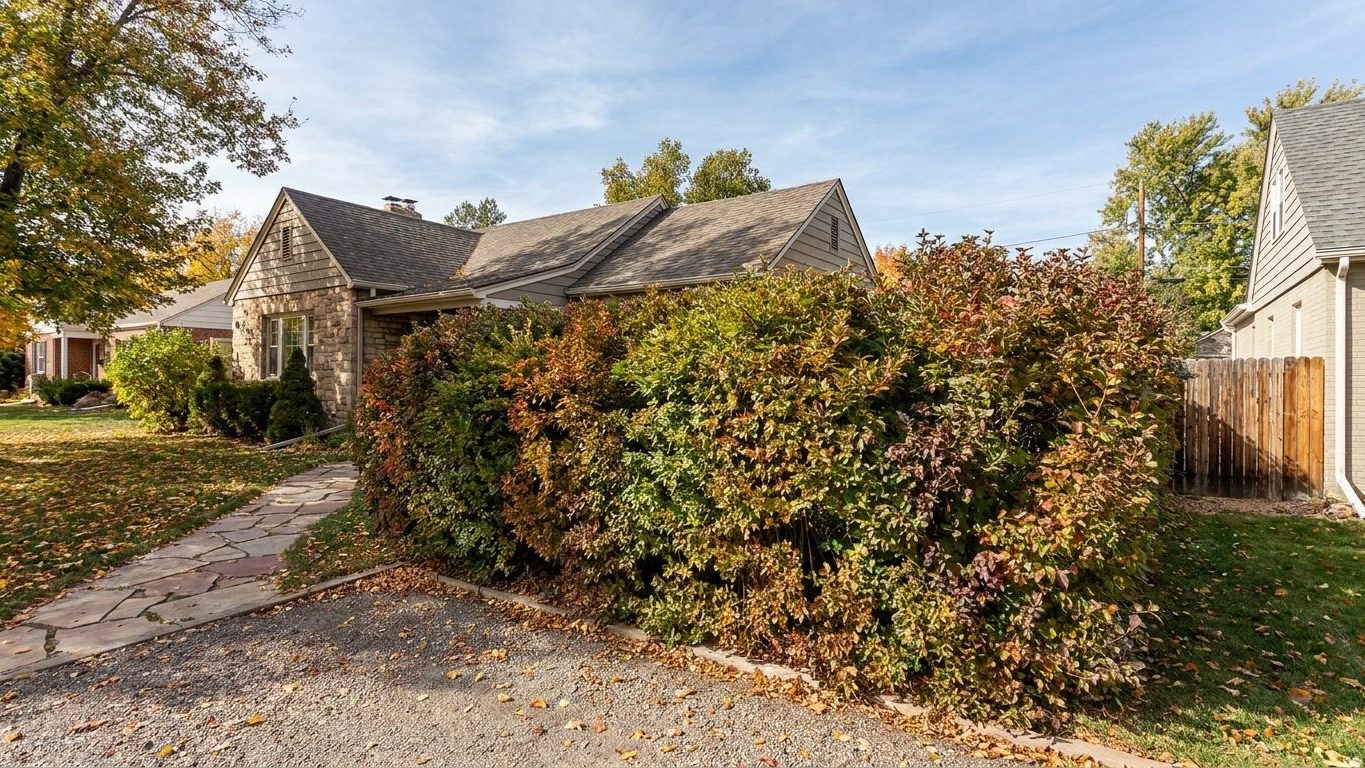

Utah has no statewide hedge height limit. No single number applies from St. George to Logan, and any page that gives you one is guessing. Height is set by the city or town where your property sits (or by the county, if you live outside city limits), and many local codes say nothing about living hedges at all. The useful question is which rule covers your lot, and that is worth answering before you plant.
There is no Utah hedge height law
Every state hands this job down to local government. Utah’s cities and towns write their own zoning ordinances, and fences, walls and hedges fall under those. So a hedge that is fine in one town can draw a notice in the next town over. The same is true in other states, as you can see in the pages on How High Can a Hedge Be in New York? What the Law Actually Says and How High Can a Hedge Be in Maine? What the Law Actually Says. The pattern repeats everywhere: no state figure, many local ones.
That is why the commercial pages that state “the Utah hedge limit” as a single figure should be ignored. They usually borrow one city’s fence rule and present it as a state rule. A number only counts when it comes from the municipal code that covers your address.
A hedge is often not a fence in the code
Most ordinances regulate fences as structures. They list a maximum height in the front yard, another in the side and rear yards, and sometimes a rule about materials. A living hedge may or may not count as a fence under that wording. Some codes regulate hedges in the same section, with the same heights. Others give hedges their own line, and some never mention them.
Check which word your code uses before you assume the fence limit applies to your shrubs. If the text says “fence or wall,” a hedge may fall outside it. If it says “fence, wall, hedge or similar screening,” it is covered. Where the code is silent, ask the city staff how they treat hedges in practice, because their reading is what a complaint will be judged against.
The one rule that applies almost everywhere
The sight triangle is the exception to all this uncertainty. At a street corner or where a driveway meets the road, nothing may block a driver’s view of cross traffic and pedestrians. The permitted height inside that zone is usually far lower than the general fence height, and it covers shrubs, fences, walls and anything else planted or built there. It tends to apply even where a code says nothing about hedges, so a corner lot deserves a second look no matter what else you find.
How to find the rule that actually applies to you
Start with the address, not the ZIP code. Mailing addresses often use a city name that is not the jurisdiction the lot sits in. A home with a “Salt Lake City” mailing address can be in an unincorporated county area or in a neighboring town. Your property tax bill and the county recorder’s parcel lookup both show which jurisdiction you belong to. If the parcel is unincorporated, the county code governs instead of a city code.
Search the municipal code online
Most American cities publish their code through one of three companies. Search the city name with the publisher, or go to the publisher’s site and pick Utah:
- Municode, at library.municode.com
- American Legal Publishing, at codelibrary.amlegal.com
- eCode360, the third common host
Some towns host the code on their own website instead, usually as a PDF. Whichever you find, use the search box inside the code and try several terms: “hedge,” “fence,” “wall,” “screening,” “landscaping,” and “clear view” or “sight distance.” The rule you want usually sits in the zoning chapter, under a heading like fences and walls, or accessory structures. Corner visibility rules often have their own section, sometimes in the traffic or streets chapter.
Call the right office
Codes are written in legal language and are sometimes out of date online. A short call settles doubts. Ask for the planning and zoning department, which may be called community development or development services. Smaller towns may route you to the city recorder or a building official. Code enforcement is the office that would respond to a complaint, so it is worth asking what they look for.
Questions that get a useful answer:
- Does the code treat a living hedge as a fence?
- What is the height limit in the front, side and rear yard?
- Is there a corner or driveway visibility rule, and how does it measure the area?
- Do any easements or utility corridors run along my lot lines?
Ask for the code section number, and write down the name of the person you spoke with and the date. If the answer comes by email, even better.
Check what sits on top of the city rule
A homeowners association can be stricter than the city. Covenants recorded against your lot may cap hedge height, require approval of plantings or restrict species, and the HOA can enforce them even if the city allows more. If you rent, the lease and the landlord’s rules come first, and plantings usually need written permission. Utah’s cities may also set rules for historic districts or special overlay zones, which show up on the zoning map your city posts online.
The branches that cross the line
Height is only half the hedge conflicts. The other half starts when growth leans over the boundary. The common-law principle in most states is that a neighbor may trim branches and roots that cross onto their land, up to the property line and no further, at their own expense. They may not kill the plant, and they may not cut deeply enough to ruin its health or structure. That principle comes from court decisions rather than from statute, and the details vary from state to state, so treat it as a general rule and not as a statement of what a Utah court would hold in your case.
What trimming from the other side looks like in practice
Say a neighbor’s hedge pushes over your fence. Under the general rule, you may cut back what hangs over your side. You may not go onto their land to do it without permission, and you should not shear the whole hedge flat or take a chain saw to the trunk to make a point. A hedge cut so hard that it dies can turn into a claim for damages, even if every cut was on your side of the line.
Hedges planted right on the boundary are a special case. In many places a plant growing on the line is treated as shared, and neither owner may remove it without the other’s consent. Before anyone cuts, find out where the line really runs. A fence is not always on the boundary, and a survey is the only way to know.
Talk first, and know when to call a lawyer
Most trimming disputes end with a short conversation and an offer to split the cost. Put it in writing, a friendly note or text with a date, and describe what you plan to cut. If the plant is large, valuable or a mature shade tree, a certified arborist can tell you whether a cut will damage it. When talk fails, damage occurs, or someone threatens legal action, a local attorney who handles property disputes can tell you how Utah courts and your city treat the situation. This article describes how these disputes usually work, not what to do in a specific case.
What to check before you plant
A hedge is a slow, expensive decision. Privet, arborvitae and boxwood can take years to fill in, and pulling out a row after a complaint costs more than the original planting. A few checks before the nursery trip prevent most trouble.
First, get the local rule in writing, or at least know the code section. Measure the height you want against it, then plan for what the plants will do at full size and not what they look like in the nursery pot. A shrub sold as “medium” can outgrow a height limit in a few seasons if it is not pruned. If your limit is tight, pick a variety that tops out below it, because shearing a plant every month to hold it down is a chore most people drop.
Second, set the planting line back from the boundary. A practical rule is to place the trunks well inside your line, with room for pruning access. That keeps branches from crossing, and it leaves room to walk behind the hedge with a trimmer without stepping onto the neighbor’s yard.
Third, look underground and at the corners. Call 811 a few days before you dig, since utility lines often run along lot edges. Check any recorded easement on your property, because a city or utility can require removal of plantings inside one. On a corner lot or beside a driveway, keep the plants low or well back from the sight triangle.
Last, read your HOA covenants if you have an HOA, and ask your landlord if you rent. A hedge that is legal under city code can still break a private rule.
For more on hedge species and care across the country, see the main guide to Hedges.
Common questions
Is there a maximum hedge height in Utah?
No state law sets one. Each city, town or county writes its own ordinance, and some do not regulate living hedges at all. Look up the code for your address or call the planning and zoning office.
Does a fence height limit apply to my hedge?
It depends on the wording. If the code says “fence” or “wall” only, a hedge may not be covered. If it names hedges or screening, it is. Ask city staff how they apply it, since their reading decides whether a complaint goes anywhere.
Can I trim my neighbor’s hedge where it hangs over my yard?
Generally, you may cut branches that cross onto your property, up to the line, at your own cost, but you may not kill the plant or enter their land without permission. This general principle comes from case law and varies, so talk to your neighbor first and see a lawyer if the dispute escalates.
Why does the corner of my lot have a lower limit?
Sight triangle rules keep drivers able to see cross traffic and pedestrians at corners and driveways. The allowed height there is usually much lower than the general fence or hedge height, and it often applies even where the code is silent on hedges elsewhere on the lot.