Growing Peppers in Utah: Fruit Set, Heat and Timing
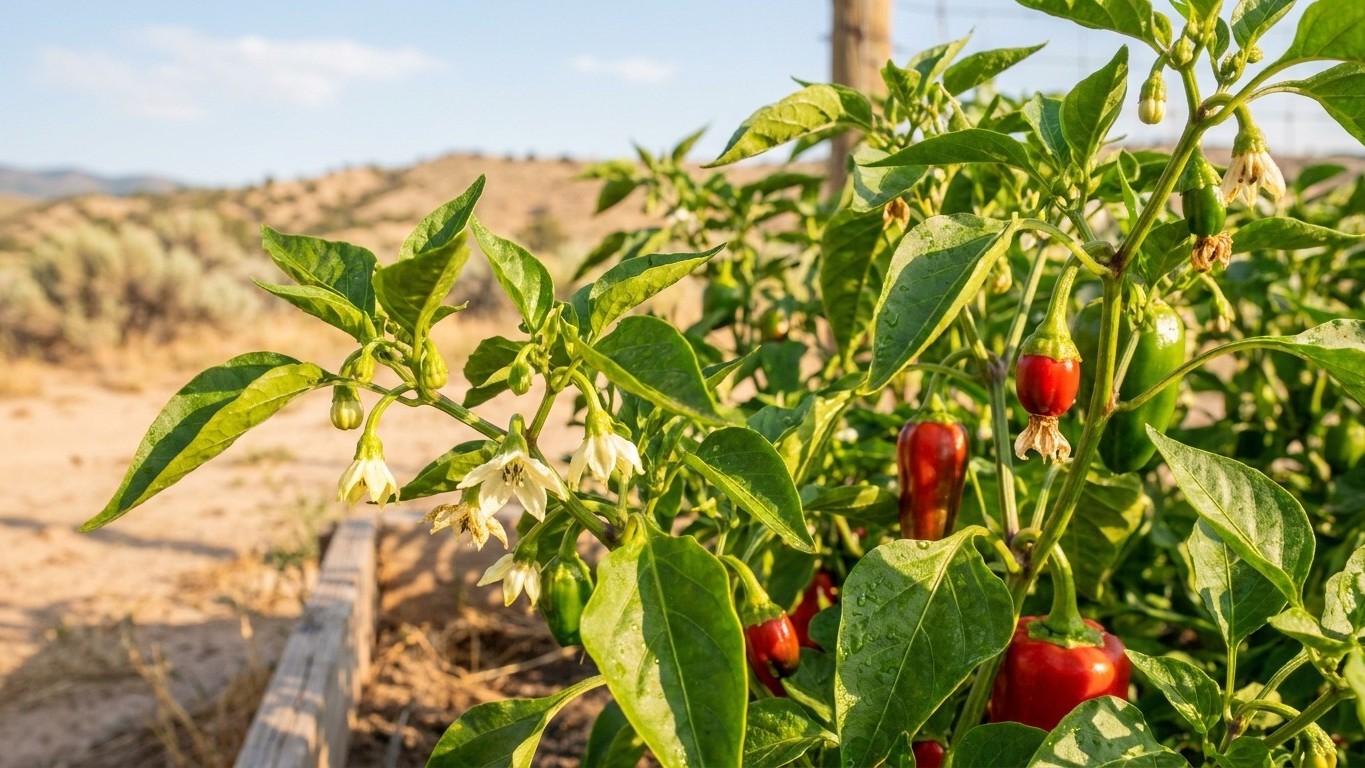
Peppers need warmth to set fruit, but Utah delivers both extremes in the same growing season.
Home & garden, state by state
Everything we have worked out for Utah: what to plant and when, which varieties finish in time, the pests that actually turn up here, and the jobs that pay off month by month. We also cover the rest of the property, from lawns and soil to home care and energy, because a garden rarely stops at the vegetable bed.
The numbers first, because everything else follows from them. Measured at the weather station in Salt Lake City, the last spring freeze runs April 12 to April 29 and the first fall freeze runs October 18 to October 29, USDA zones 4a-9a, 3,551 growing degree days in the year.
Garlic does well: 26.1 weeks below 40 °F, comfortably past the six it needs to form a proper head.
Elsewhere on the property in Utah: the pests that turn up here.
Figures from NOAA's 1991-2020 climate normals. A state is not one climate: elevation, a large lake or the coast can move these dates by two weeks either way, so check your own county with the extension service before you spend money.
Peppers need warmth to set fruit, but Utah delivers both extremes in the same growing season.
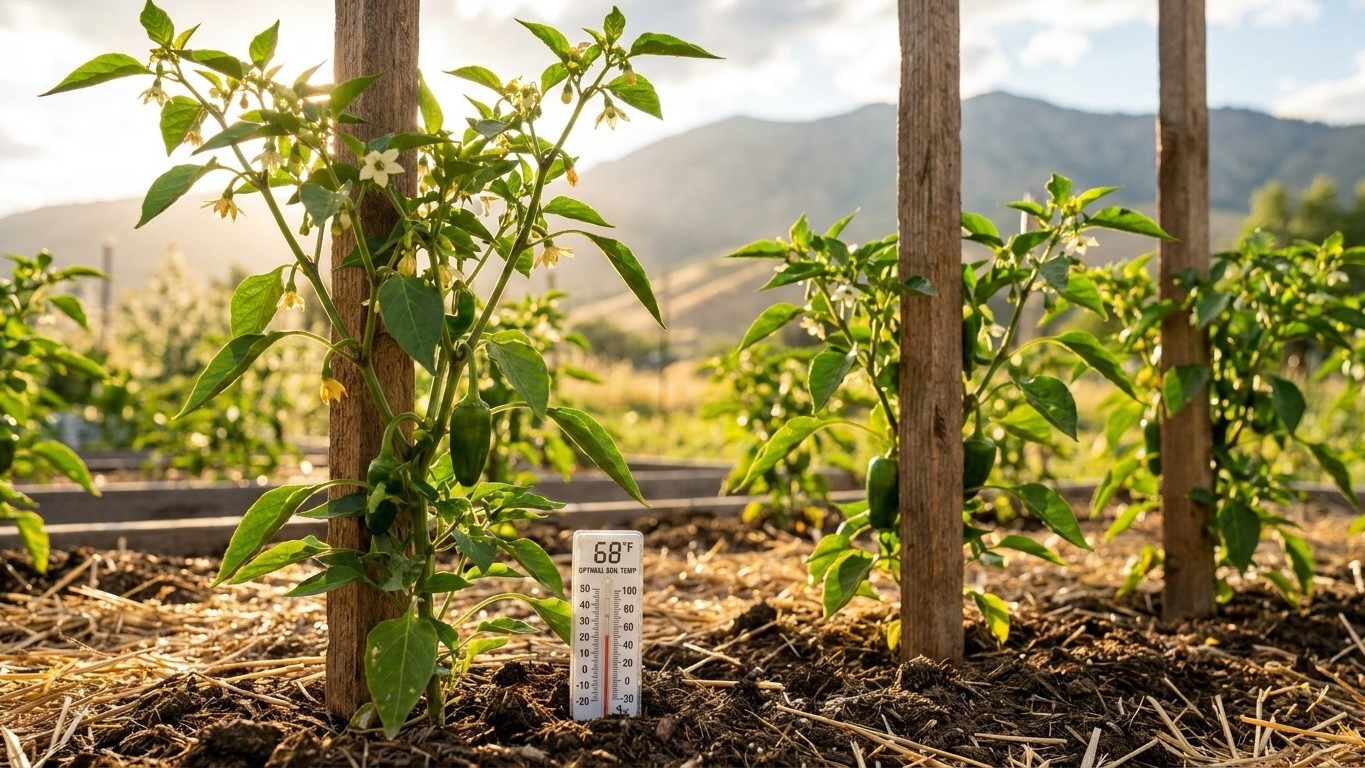
Utah’s growing season runs hot enough to stall pepper fruit set on the worst days and short enough that timing your transplant date matters more than…
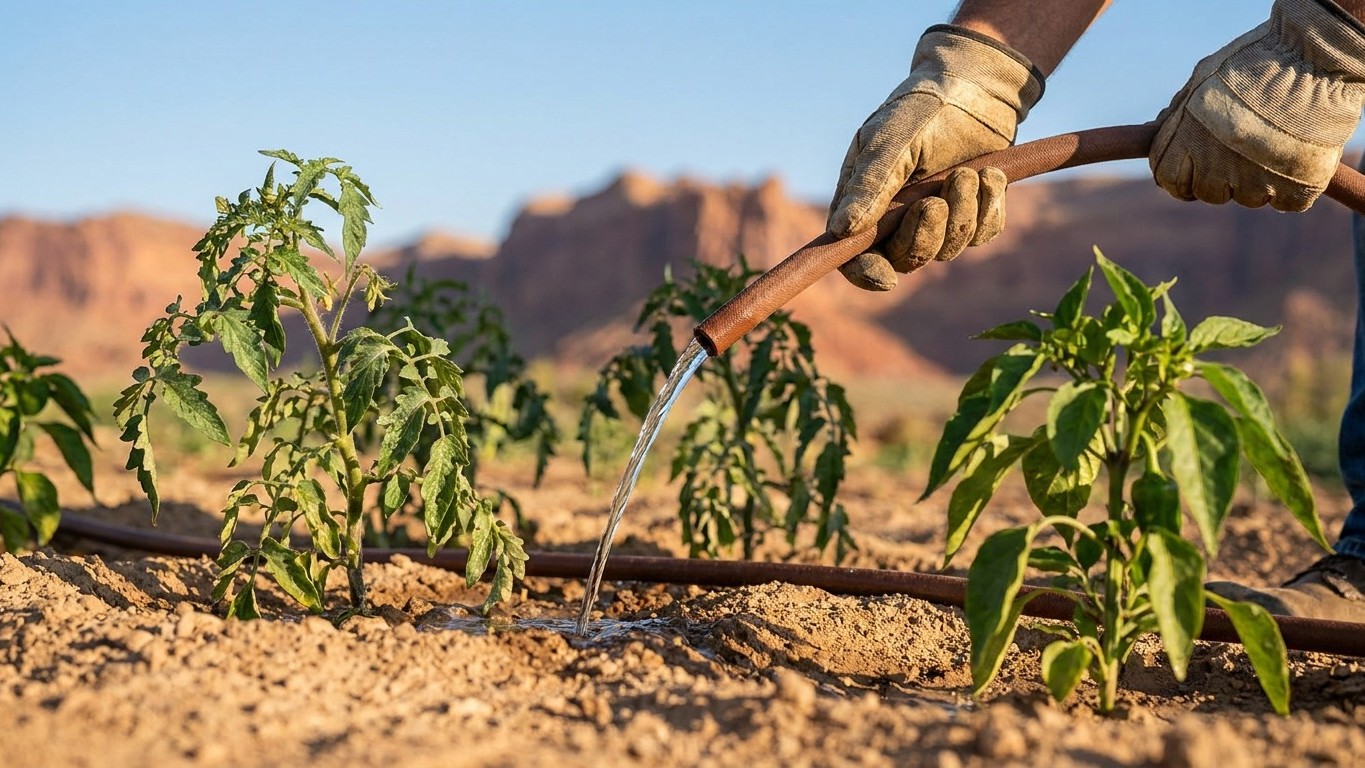
Through Utah’s driest weeks, gardens need roughly an inch of water delivered by hand or by hose, since the sky is offering only a fraction of that.
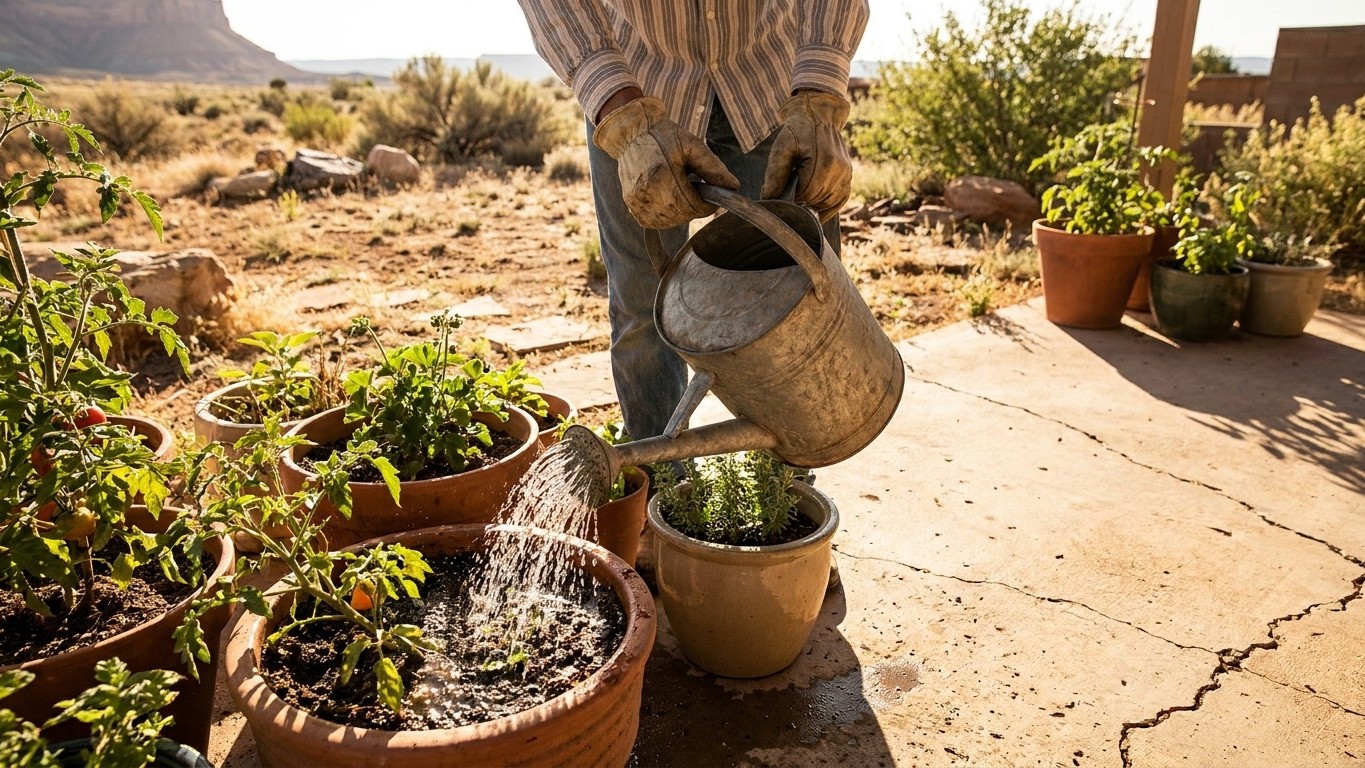
In an average July here, the sky delivers less than half an inch of rain for the entire month, while the thermometer clears 90F on more than fifty days a…
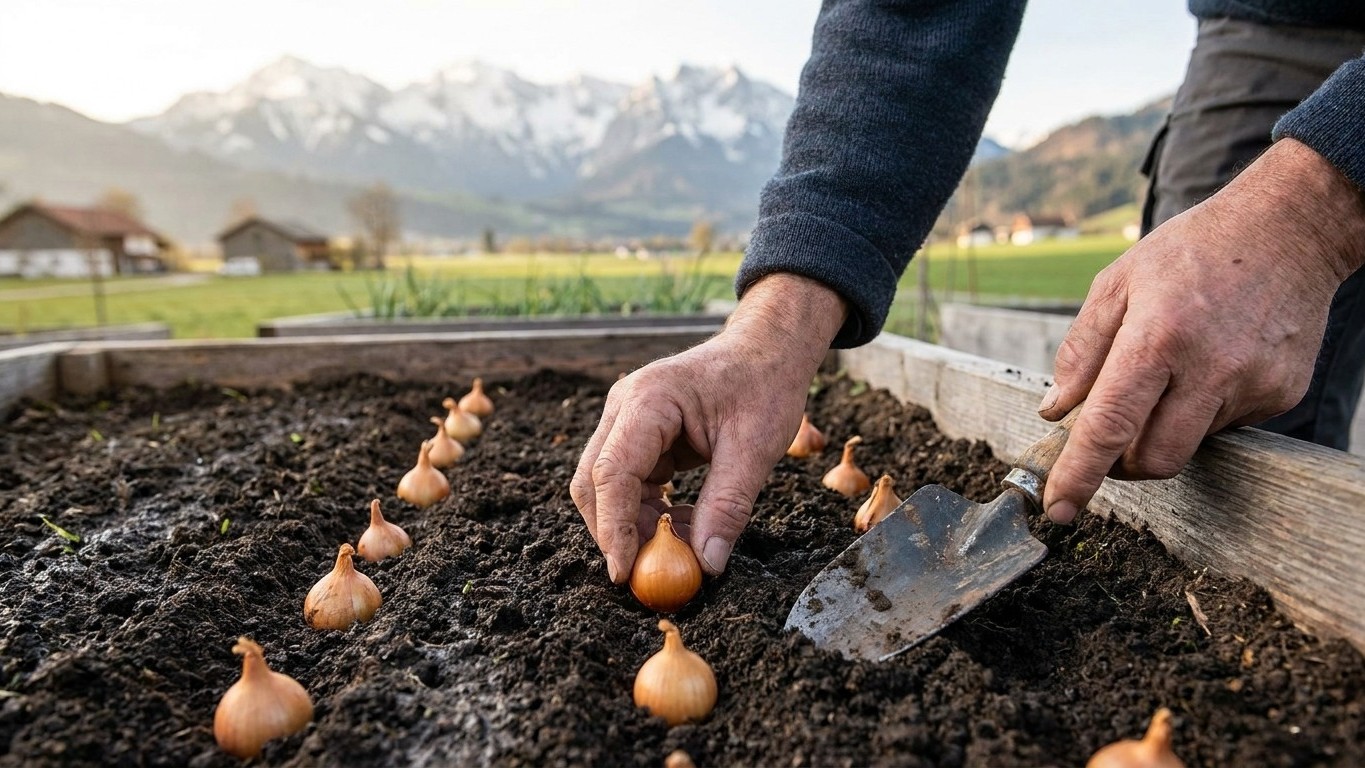
Utah onions go in the ground in late winter to early spring, not fall, because winters here are too cold for overwintering sets.
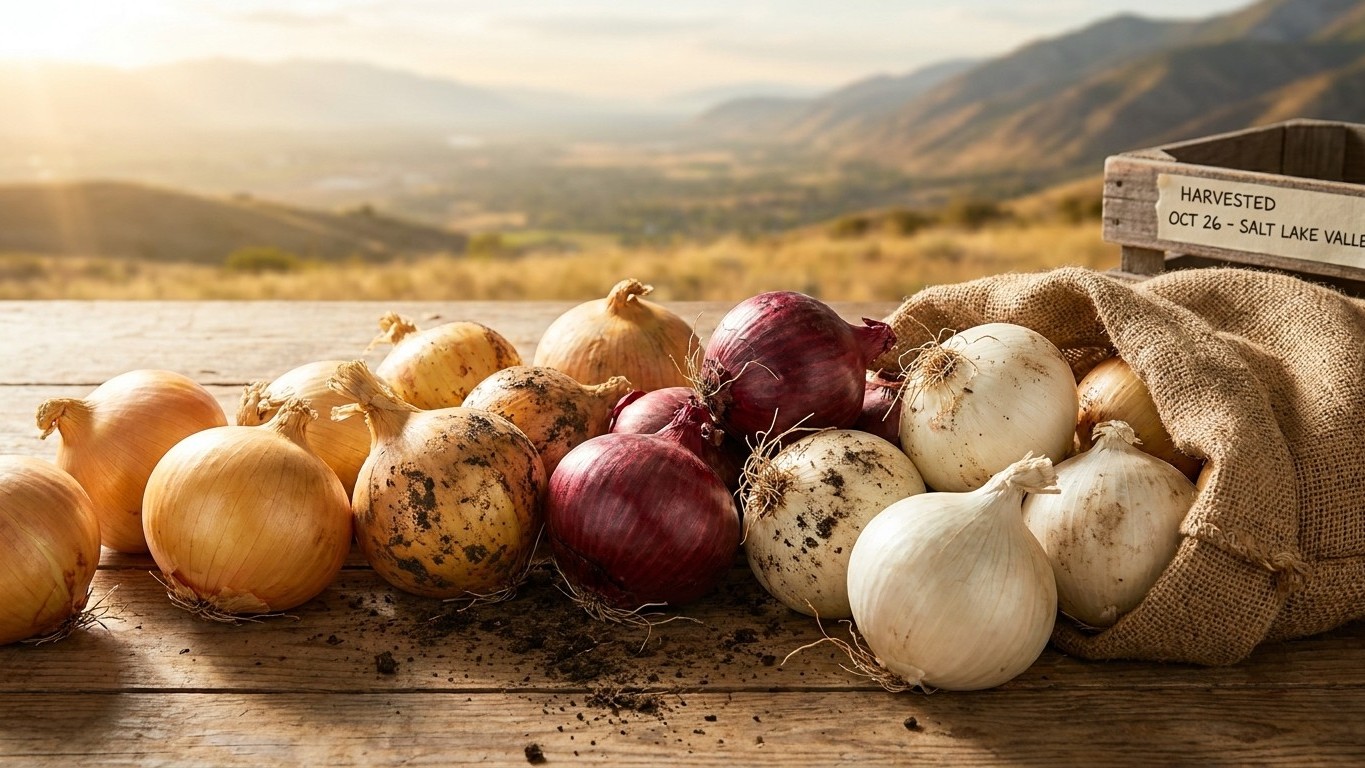
Utah sits at a latitude where both long-day and intermediate-day onions bulb reliably, while short-day types fail outright and a couple of far-northern…
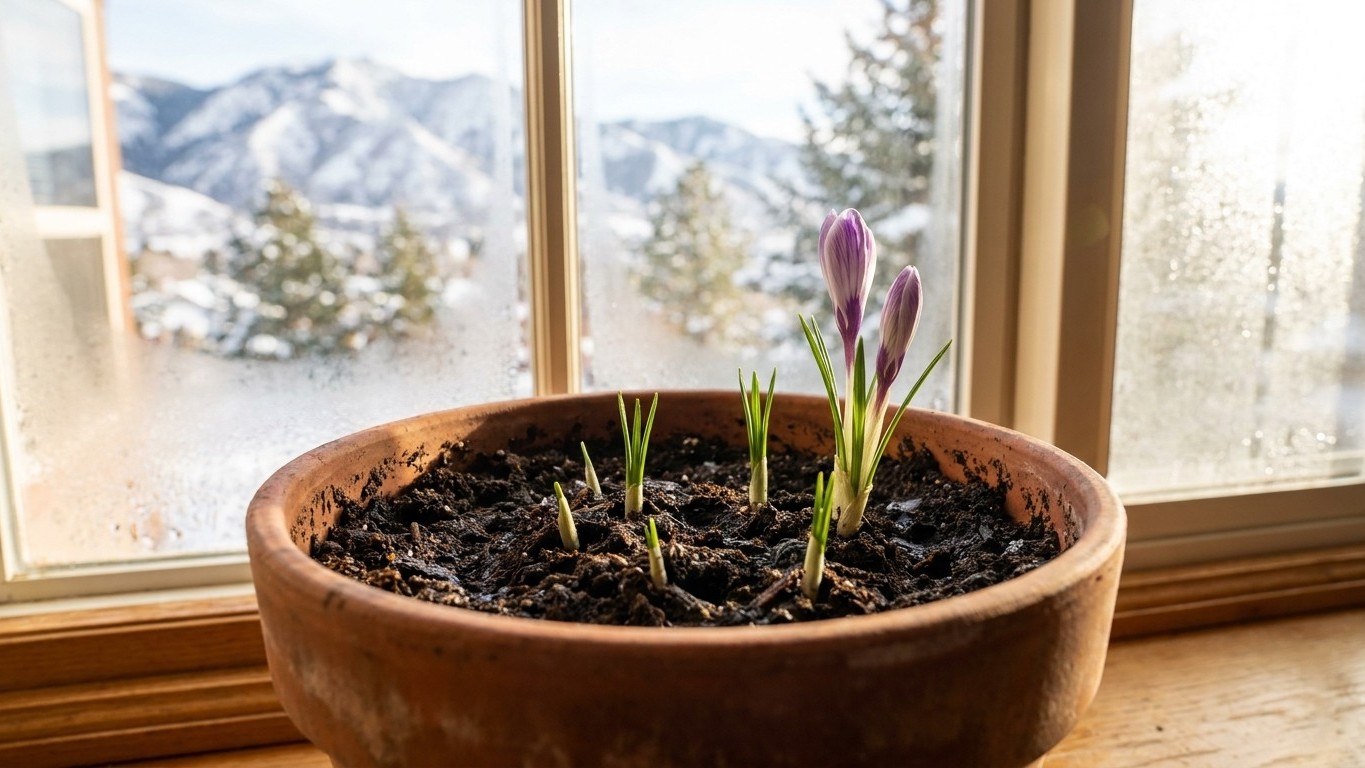
Forcing spring bulbs indoors works in Utah, but the reason to bother isn’t a shortage of winter cold.
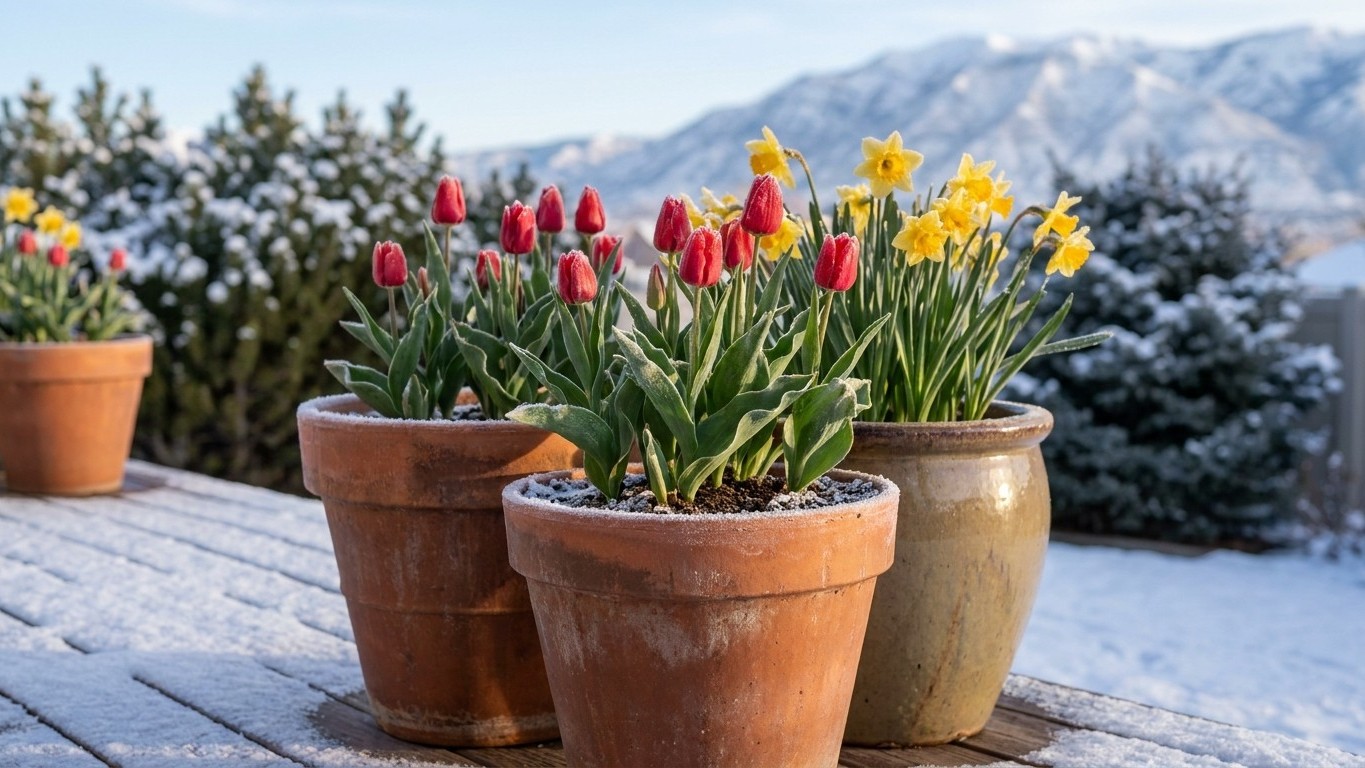
Bulbs like tulips and daffodils grow fine in containers in Utah, but the pot itself is the risk, not a shortage of winter cold.
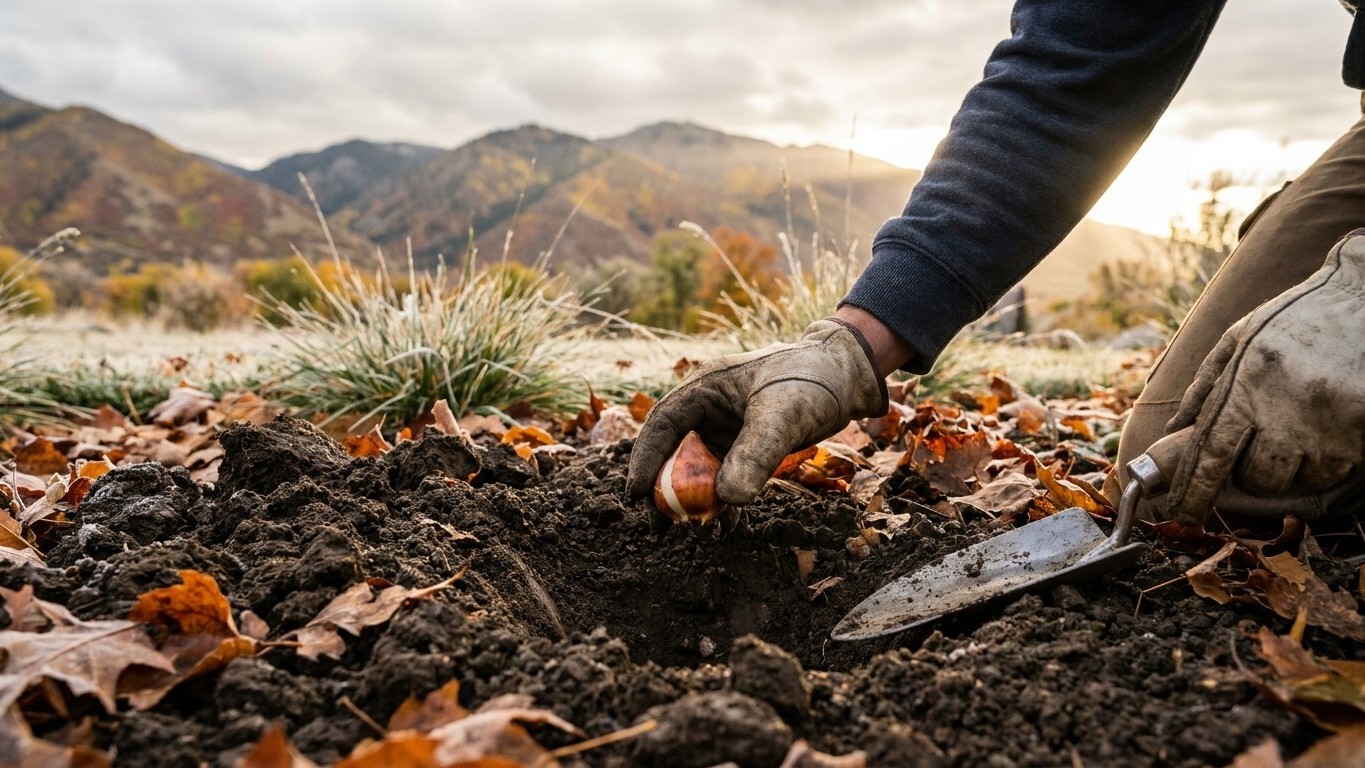
Spring bulbs planted in Utah face two separate tests: does the ground stay open long enough this fall to root, and does the winter stay cold long enough…
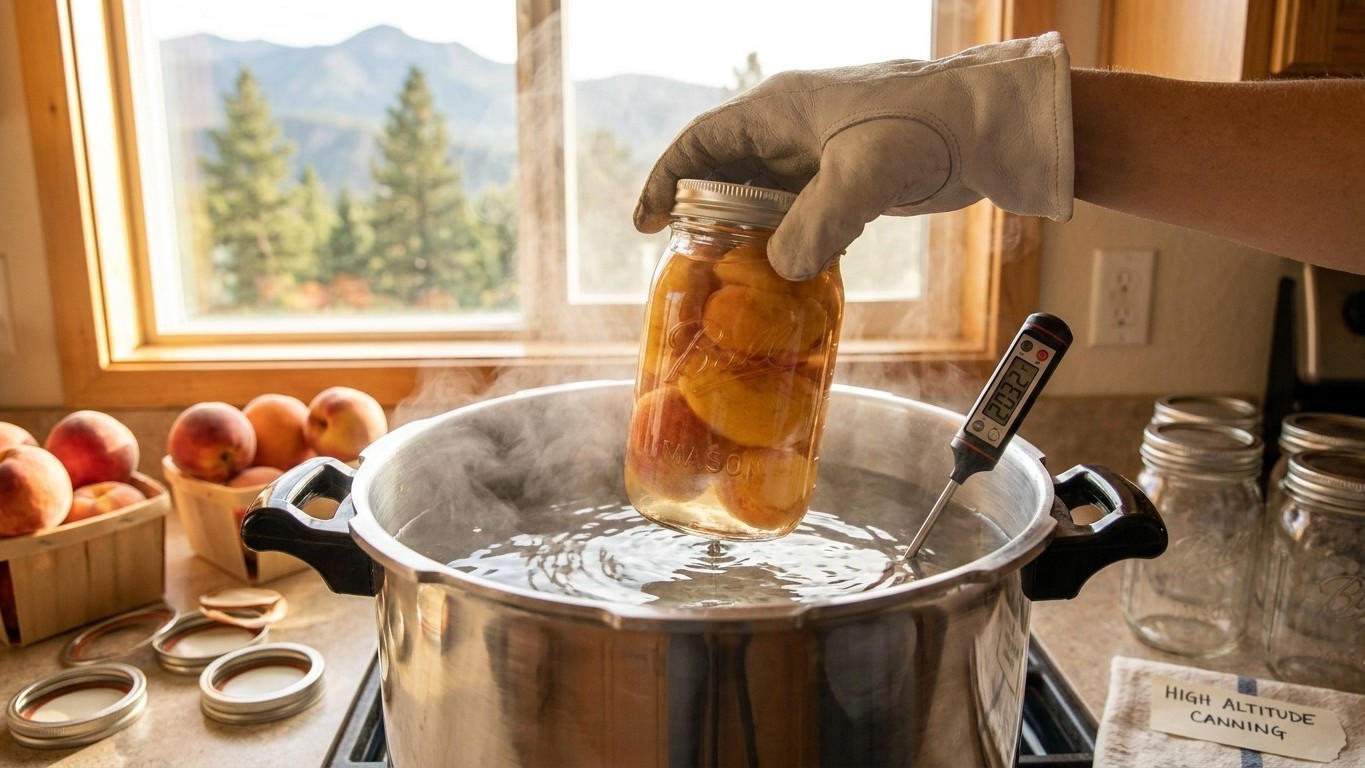
Salt Lake City sits at 4,262 feet, and at that height water boils somewhere between 201°F and 204°F instead of the 212°F you’d get at sea level.