The Best Grass Seed for Utah Lawns
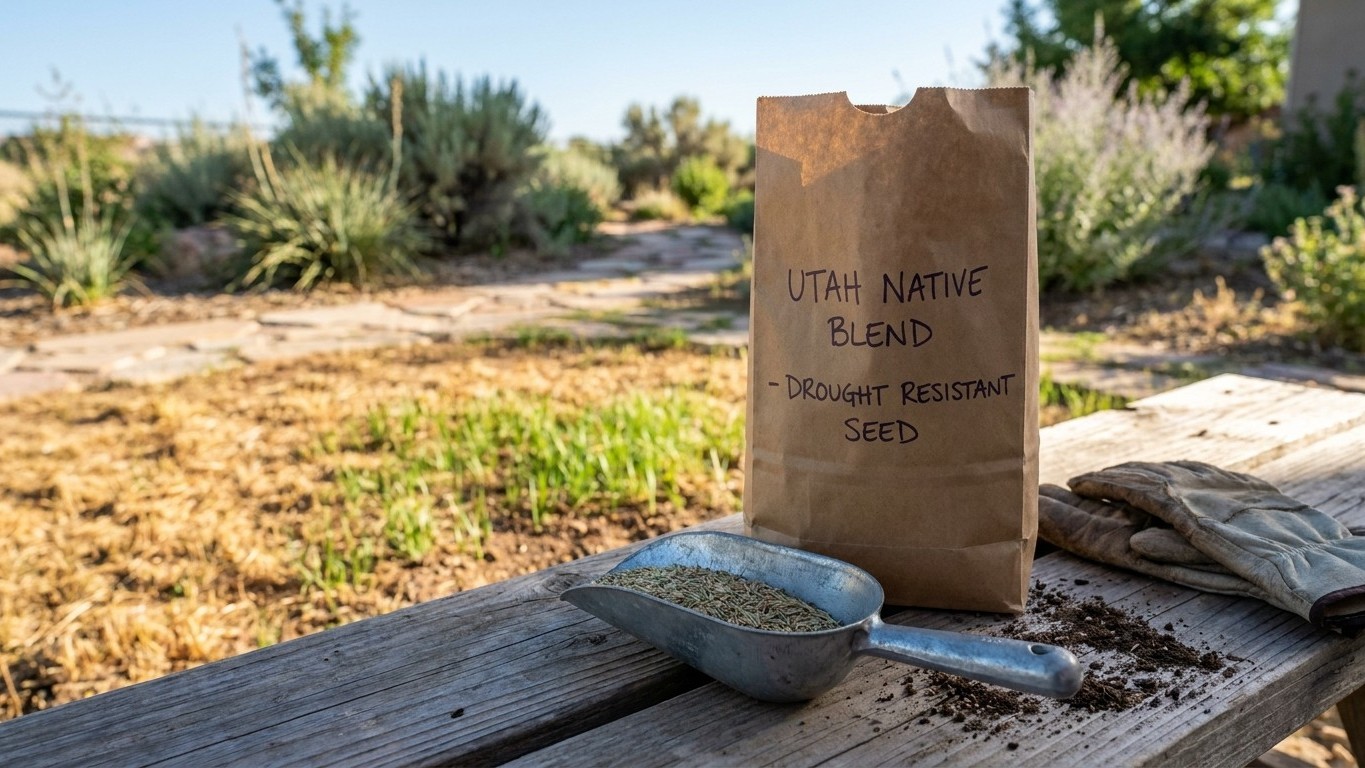
Utah’s transition-zone climate means no single grass wins outright, so this guide weighs Tall Fescue, Kentucky Bluegrass, Zoysiagrass and Bermudagrass against each other.
Home & garden, state by state
Everything we have worked out for Utah: what to plant and when, which varieties finish in time, the pests that actually turn up here, and the jobs that pay off month by month. We also cover the rest of the property, from lawns and soil to home care and energy, because a garden rarely stops at the vegetable bed.
The numbers first, because everything else follows from them. Measured at the weather station in Salt Lake City, the last spring freeze runs April 12 to April 29 and the first fall freeze runs October 18 to October 29, USDA zones 4a-9a, 3,551 growing degree days in the year.
Garlic does well: 26.1 weeks below 40 °F, comfortably past the six it needs to form a proper head.
Elsewhere on the property in Utah: the pests that turn up here.
Figures from NOAA's 1991-2020 climate normals. A state is not one climate: elevation, a large lake or the coast can move these dates by two weeks either way, so check your own county with the extension service before you spend money.
Utah’s transition-zone climate means no single grass wins outright, so this guide weighs Tall Fescue, Kentucky Bluegrass, Zoysiagrass and Bermudagrass against each other.
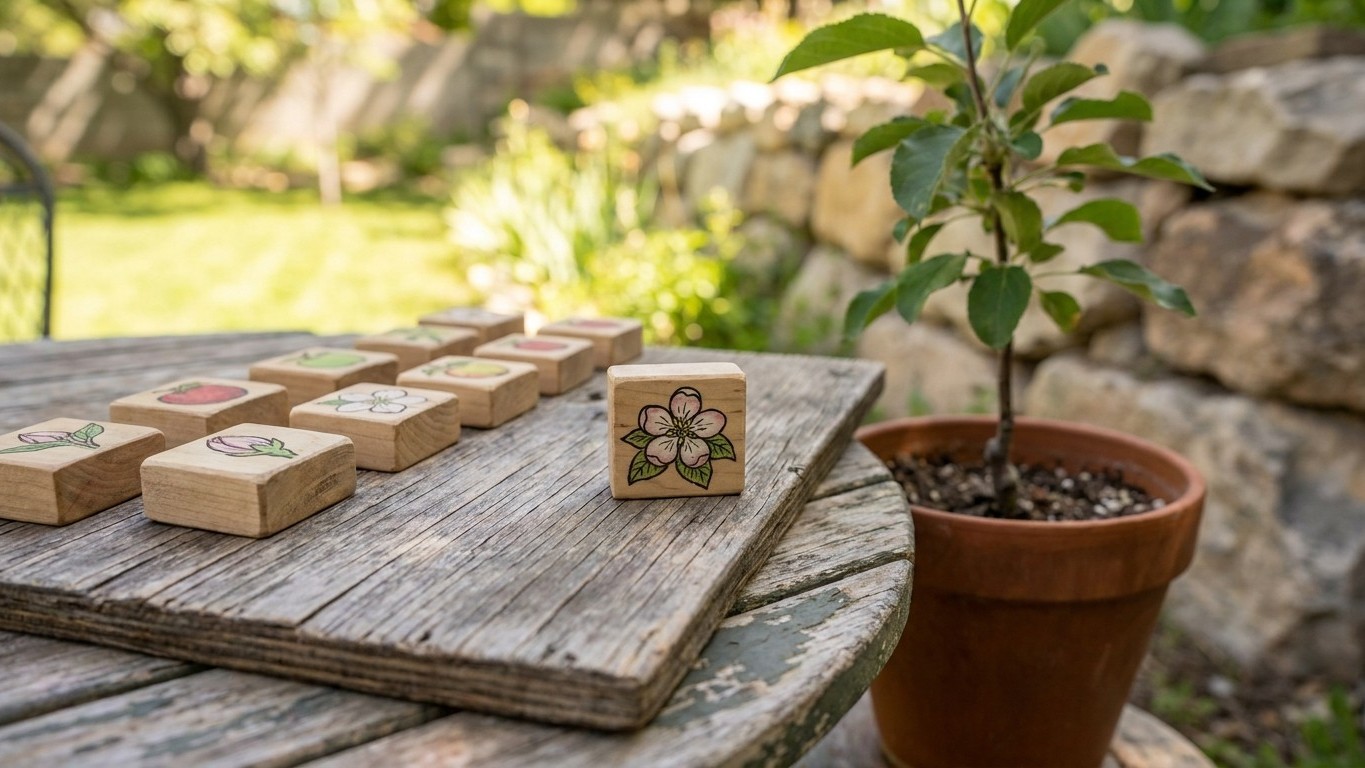
Utah’s apple bloom and harvest dates track frost stages, not months. This page walks through each stage using Salt Lake City’s NOAA frost data and regional differences.
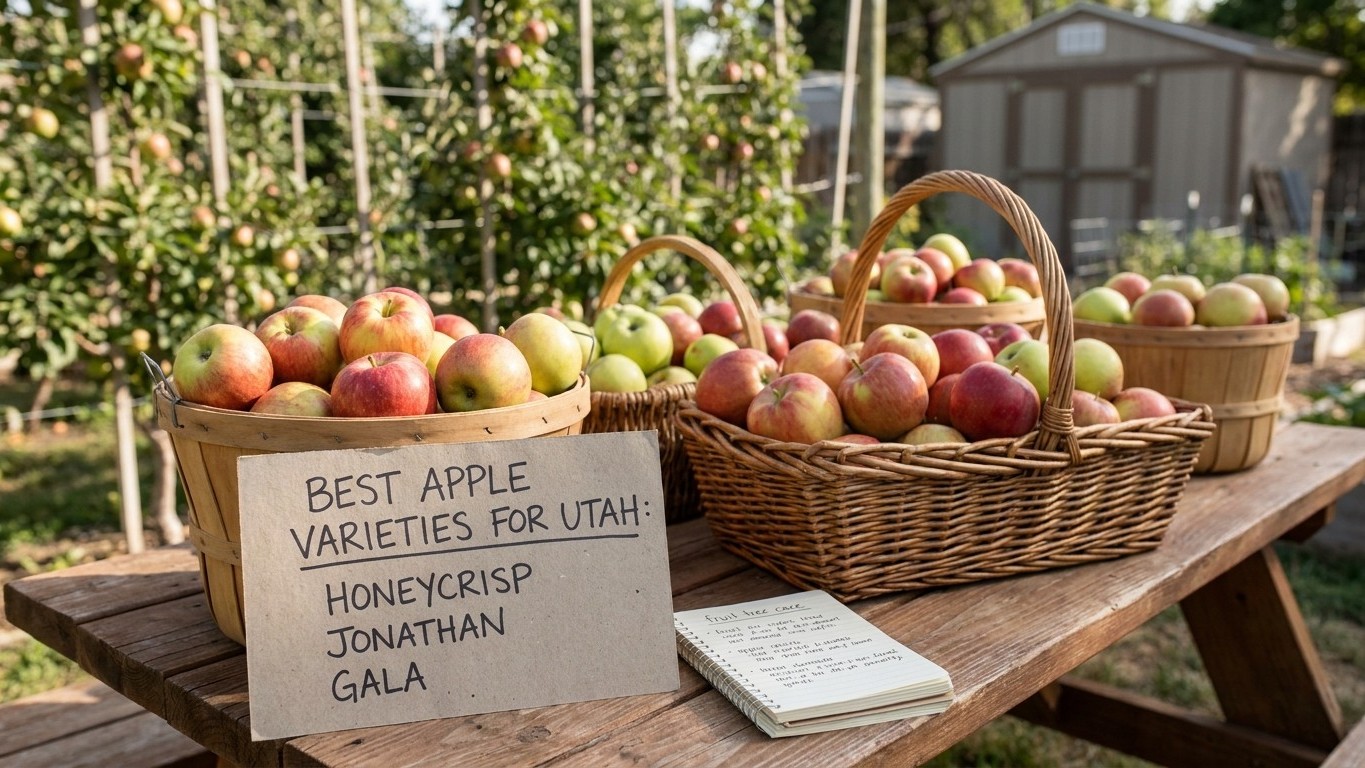
Utah apple success depends on matching bloom timing, hardiness, and chill needs to your county’s own frost dates, not a statewide pick.
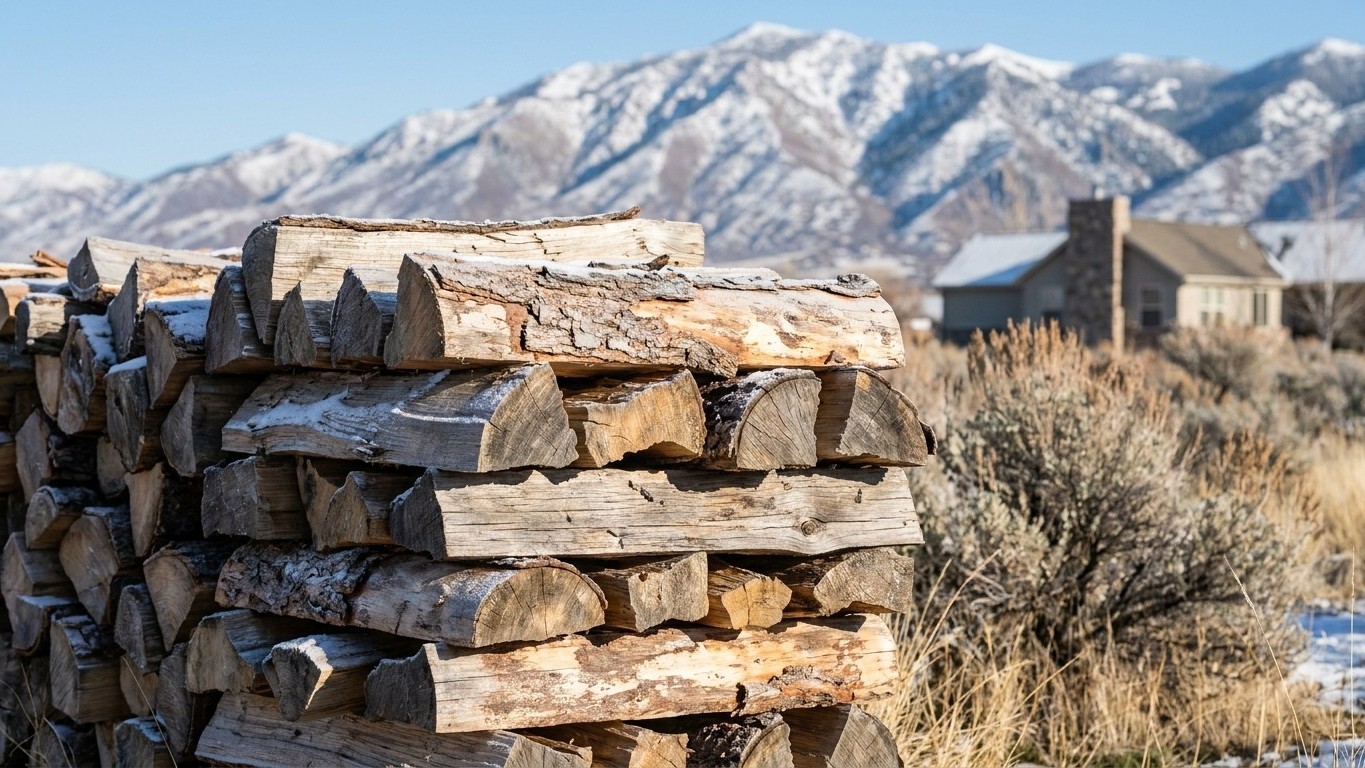
Salt Lake City’s coldest month averages a nightly low of 24.2°F, according to NOAA’s 1991-2020 Climate Normals.
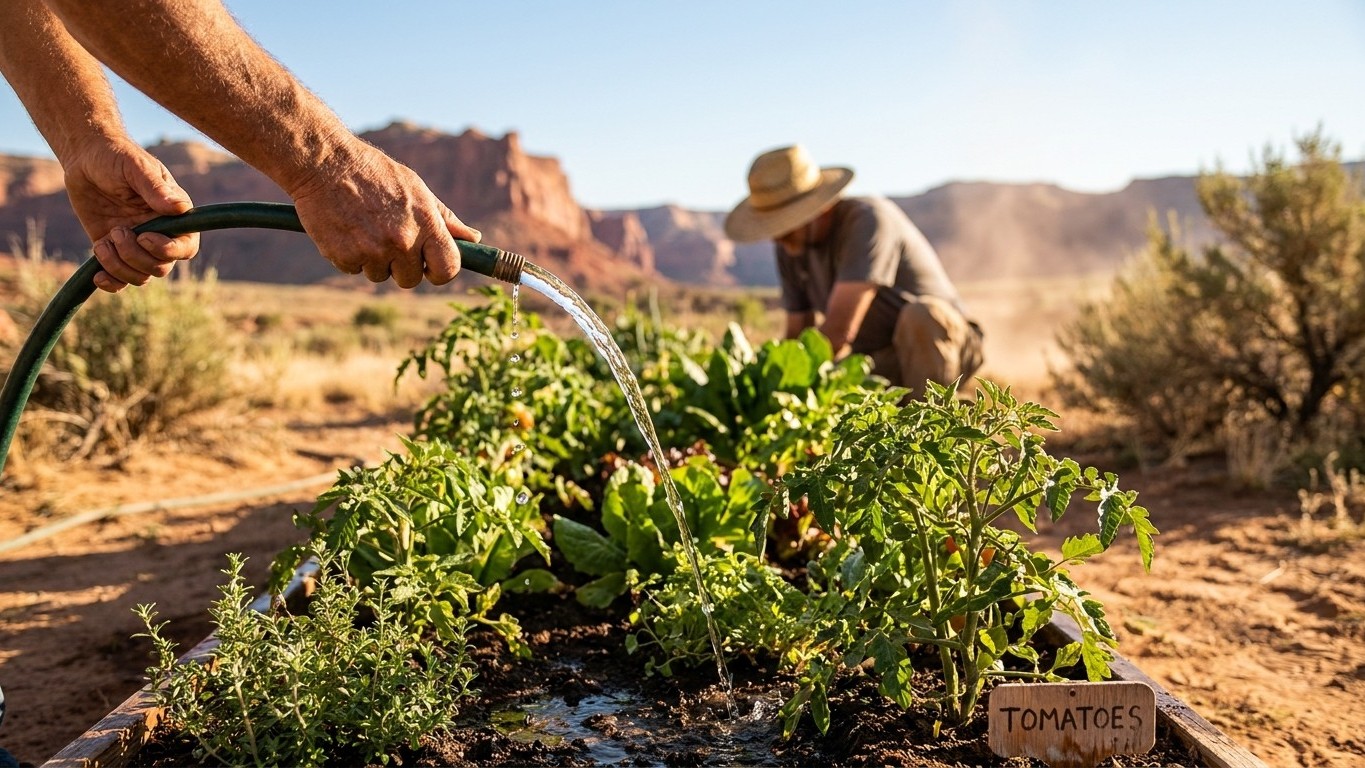
Utah gardens live or die by two numbers: 52.1 days a year that hit 90F or hotter, and a summer sky that hands over almost none of the water a garden bed…
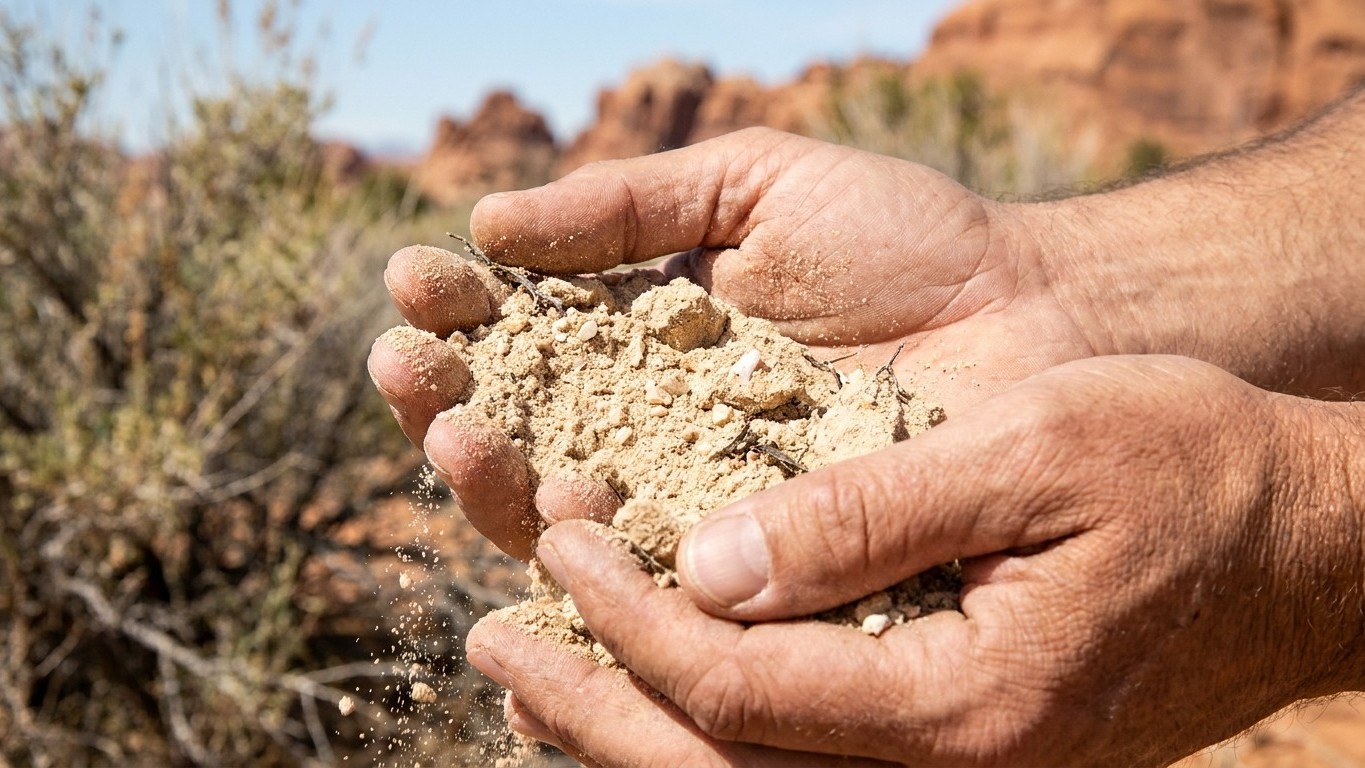
Utah soil, according to USDA’s representative state series, is the Mivida series: a dry-climate Aridisol that runs alkaline, sandy, and low in organic…
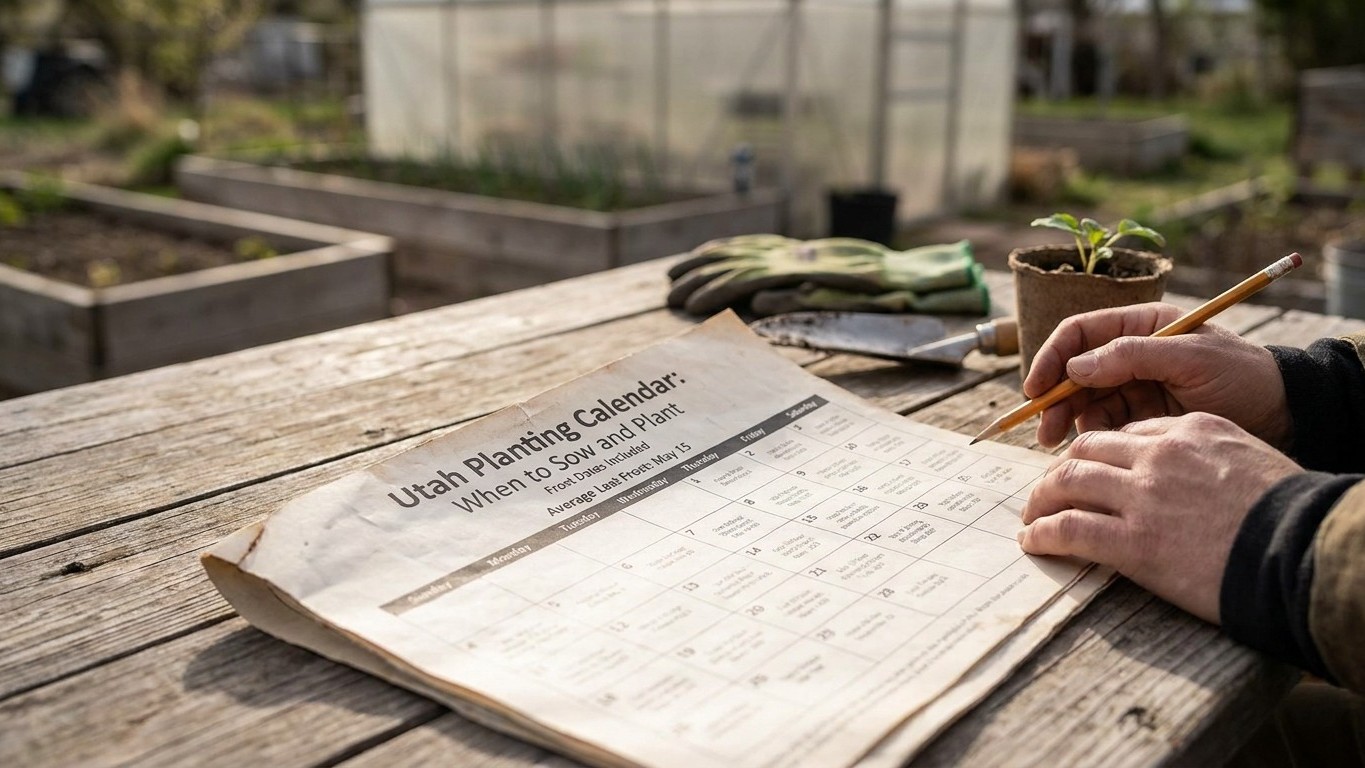
A plain-language guide to Utah’s spring and fall frost dates, cool-season and warm-season planting windows, and where to check local extension guidance.
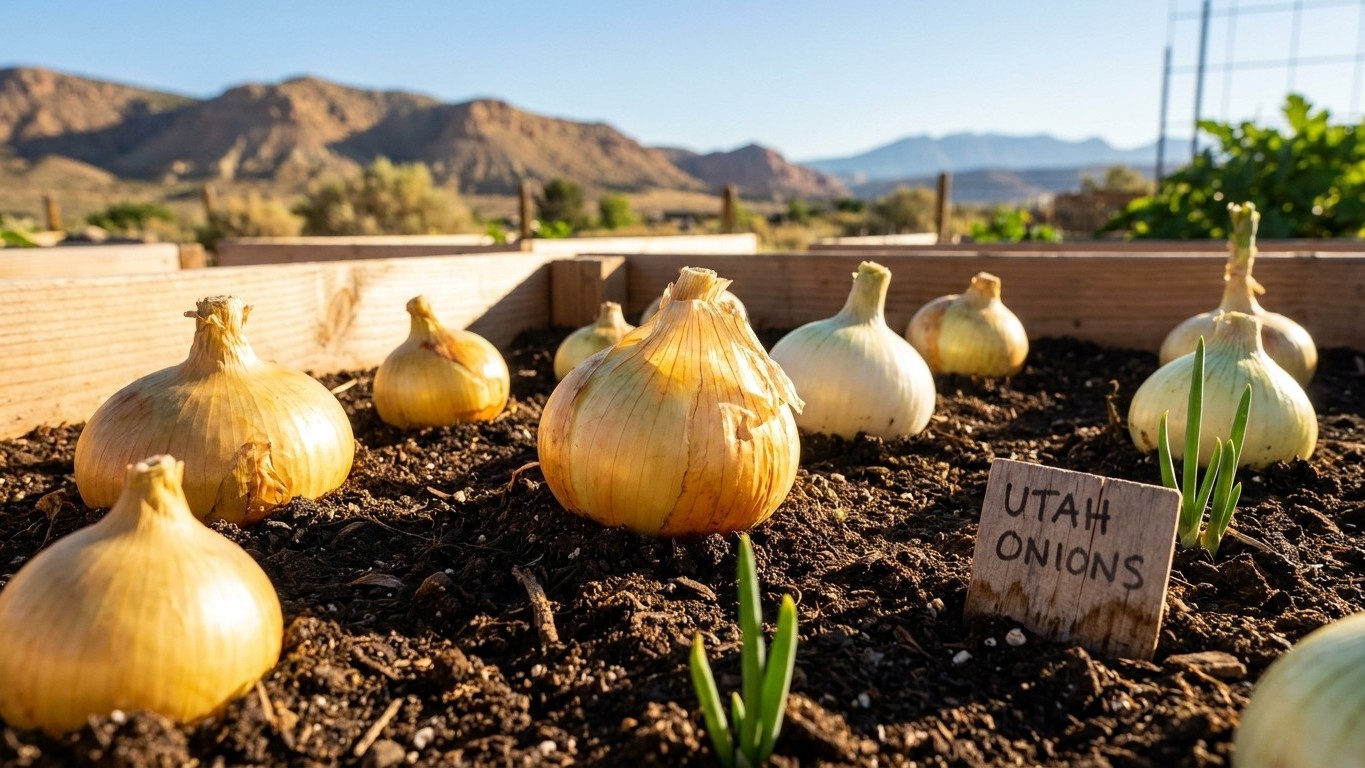
Salt Lake City sits at 40.78 degrees north, and on the longest day of the year it gets 14 hours and 56 minutes of daylight.
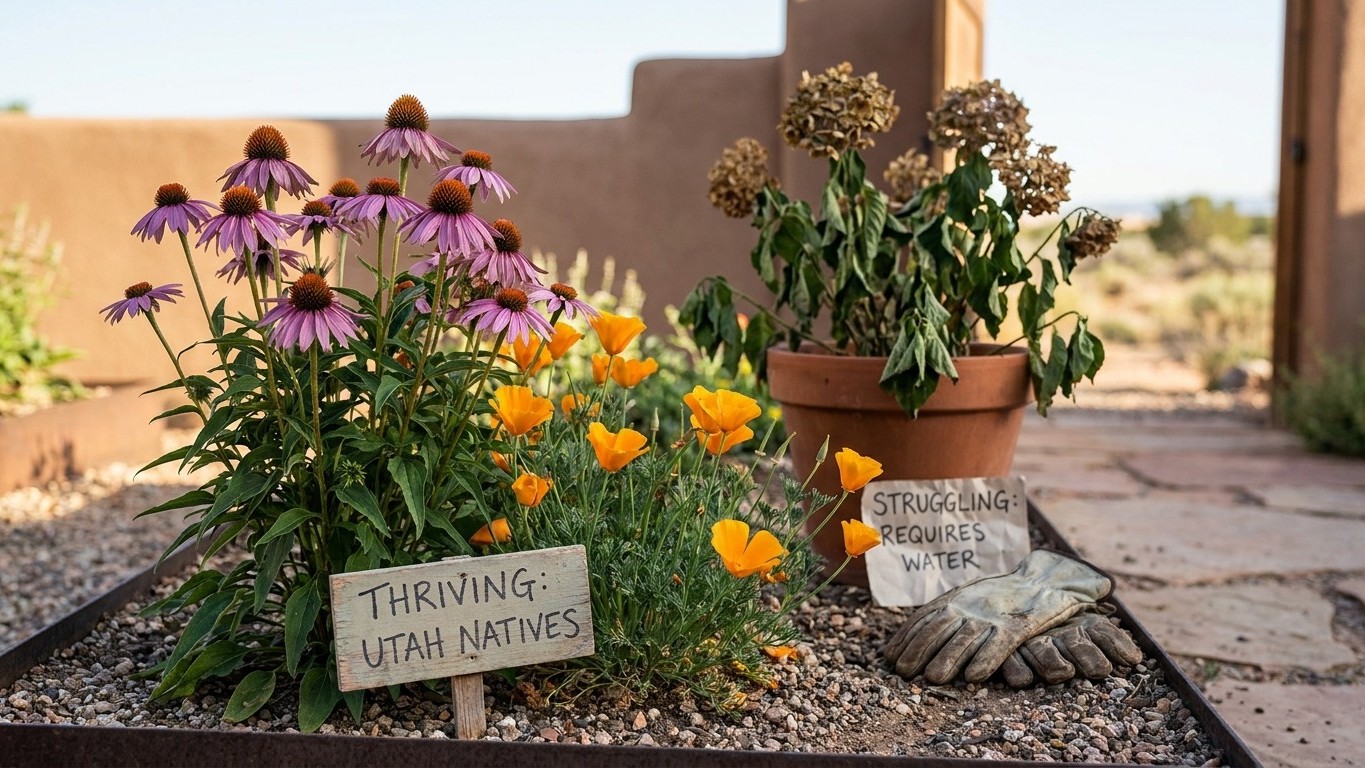
A plain-language guide to which flowers survive Utah’s cold winters and hot, dry summers, using NOAA and USDA climate data for Salt Lake City.
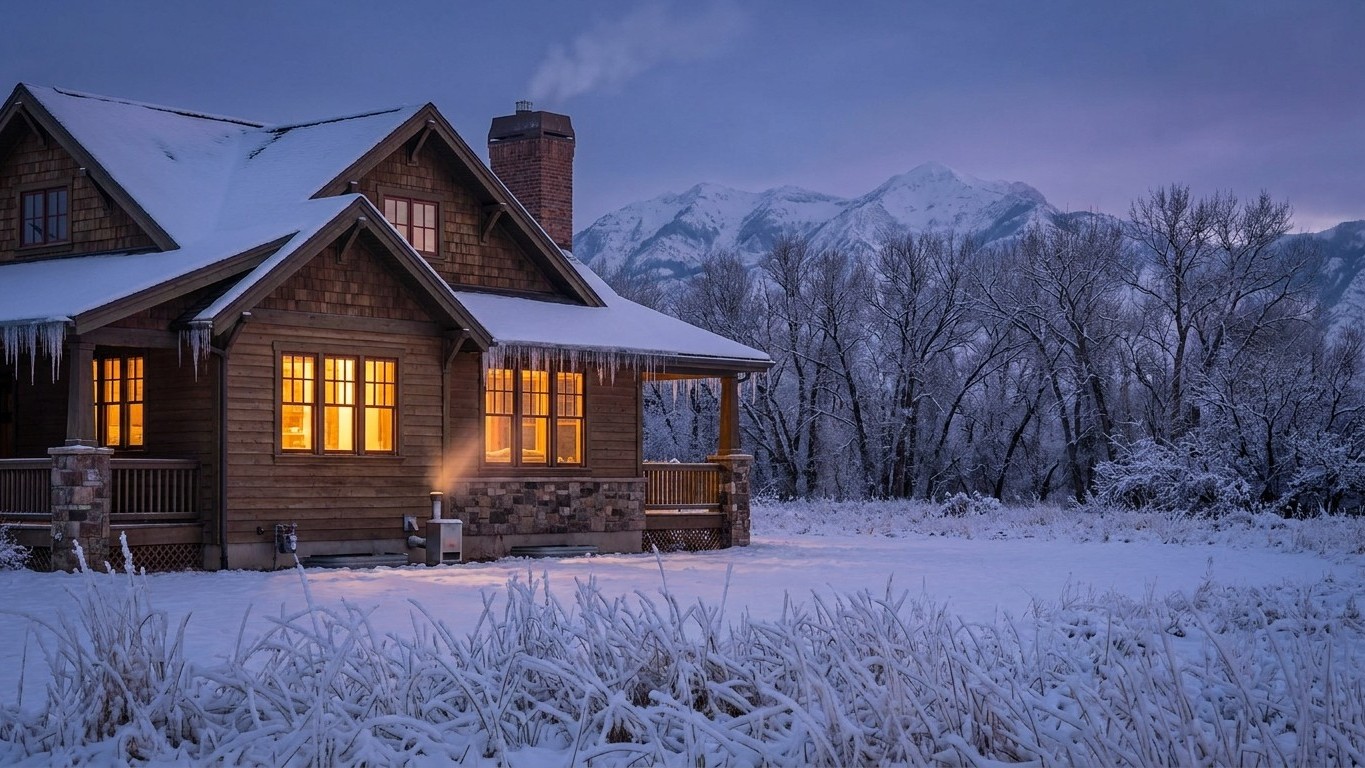
Salt Lake City’s coldest month bottoms out at a mean daily minimum of 24.2°F, and that single number shapes everything from furnace runtime to firewood…