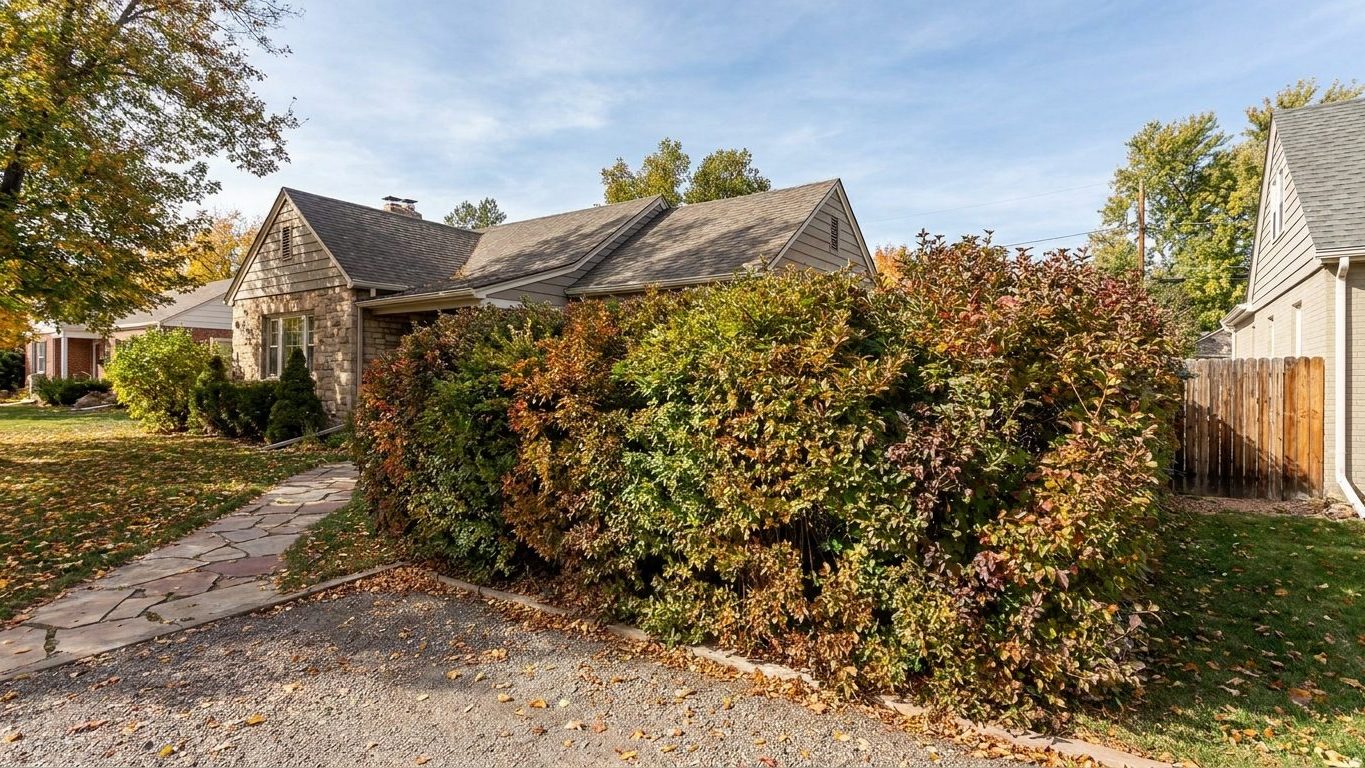

West Virginia has no statewide hedge height limit. Nothing in the state code sets a number of feet for how tall a hedge can grow on residential property. That question is answered city by city through municipal zoning ordinances that vary widely in how they treat living hedges versus built fences. If you want a real answer, you need your town’s code, not a state statute.
There is no West Virginia hedge height law
Search “hedge height law West Virginia” and you’ll find pages that quote a single figure as if it applies everywhere in the state. It doesn’t. West Virginia, like every other state, leaves fence and hedge height to local government. The legislature has never passed a general statute capping how tall a homeowner’s hedge, shrub row, or privacy screen can grow. What exists instead is a patchwork of municipal ordinances, each written by a different town council and enforced by a different zoning office.
This isn’t unique to West Virginia. No state regulates hedge height at the state level. Height limits are a land-use decision, and land use is handled locally, through zoning codes that cities and incorporated towns adopt on their own. A rule that applies in Charleston has no bearing in Morgantown, and a rule in Morgantown has no bearing in Martinsburg. Even within a single county, an incorporated city and the surrounding unincorporated area can have completely different rules, or no written rule at all.
Plenty of rural and unincorporated parts of West Virginia have never adopted a zoning ordinance that mentions hedges specifically. In those areas, the closest thing to a rule might be a nuisance provision, a road-visibility requirement tied to the state Department of Transportation, or nothing at all beyond common-law principles about interfering with a neighbor’s property. The absence of a written limit doesn’t mean anything goes; it means the rule, if one exists, has to be tracked down rather than assumed.
So why do so many websites confidently state a number for “West Virginia hedge law”? Usually because they’re borrowing a figure from one city’s fence ordinance, sometimes from a different state entirely, and presenting it as a blanket answer. A fence height limit and a hedge height limit are also frequently two separate things in a code, written under different sections, with different enforcement paths. Treating them as interchangeable is a common mistake homeowners make before they plant.
The honest answer for West Virginia is that the state sets no number. Your municipality does, if it addresses the topic at all. Finding out which category your property falls into, and what your specific town’s code says, is the actual task in front of you, and it’s more straightforward than it sounds once you know where these codes live online.
How to find the rule that actually applies to you
Municipal codes in the United States are almost always published by one of a small number of specialized code publishers, and West Virginia towns are no exception. The three names to know are Municode (library.municode.com), American Legal Publishing (codelibrary.amlegal.com), and eCode360. Between them, these platforms host the searchable, current zoning code for most incorporated cities and towns in the country. If your city has an online code, it’s very likely on one of these three sites.
Start with a search for your city’s name plus “municipal code.” That search will usually land you directly on the relevant page. Once you’re there, don’t search for the word “hedge” first. Search for “fence.” Most zoning codes bundle fences, walls, and hedges together under a section labeled something like Fences and Walls, Accessory Structures, or Screening and Landscaping. That section is typically inside the broader zoning chapter, though it’s worth checking a nuisance chapter too if the fence section stays quiet on plant material.
Read the definitions section first
Before you trust a height number you find, check how the code defines “fence.” A surprising number of ordinances define a fence strictly as a built or manufactured structure, meaning wood, metal, vinyl, or masonry, and explicitly exclude living plant material. If your town’s code does this, the fence height limit may not legally apply to your hedge at all, and a separate landscaping or vegetation section, if one exists, becomes the relevant text instead. Some towns have no hedge-specific language whatsoever. That’s not a gap in your research; it’s a gap in the ordinance, usually meaning the town has never chosen to regulate hedge height as its own category.
If the online search doesn’t turn up a clear answer, call the city or town’s planning and zoning department directly. That office, sometimes folded into a broader building or permits department in smaller towns, actually enforces height rules and fields complaints. Give them your address and ask two direct questions: does the code regulate hedge height separately from fence height, and is there a different rule for corner lots or driveway sightlines on your street. County-level zoning offices are the right call if you’re outside any incorporated town limit, since West Virginia counties without their own zoning ordinance may leave the matter entirely unaddressed.
The branches that cross the line
Height limits, where they exist, are a separate issue from what happens when a hedge simply grows sideways into a neighbor’s yard. That situation is governed by a much older and more universal principle, one that comes from case law rather than any zoning ordinance, and it applies whether or not your town has ever written a word about hedge height.
The general rule, recognized in some form across most states, is that a property owner may trim back branches, roots, or foliage that cross the boundary line onto their own property, at their own expense, up to the property line itself. They may not cross onto the neighbor’s side to do the cutting, and they may not trim so aggressively that it kills the plant or causes lasting damage. This is sometimes called the “self-help” remedy, and it exists precisely because most local governments never wrote a statute covering encroaching branches. Courts filled the gap instead, over more than a century of property disputes.
It’s worth being precise about what this principle covers. It addresses encroachment, meaning physical growth crossing the line, not height. A hedge can be perfectly legal under whatever height rule applies and still have branches that can legally be cut back once they cross onto the neighbor’s side. Conversely, a hedge that stays entirely on the owner’s property but exceeds a local height limit is a zoning violation even if no branch has ever crossed the line. These are two independent legal questions, often conflated when a dispute starts.
Because this principle rests on precedent rather than a single clean statute, the exact boundaries (how much can be cut, whether notice is owed, what counts as “damage”) can shift from one jurisdiction to the next. Treat it as a reliable rule of thumb, not a guaranteed outcome for your specific situation. If a dispute is heading toward real conflict, meaning letters, threats of legal action, or actual damage to a hedge either side already trimmed, that’s the point to bring in a local attorney rather than rely on general principles found online.
What to check before you plant
The smartest time to research any of this is before the hedge goes in the ground, not after it’s six feet tall and a neighbor is unhappy. A few checks take less than an afternoon and can save years of dispute.
- Corner and driveway sightlines. This is close to a universal rule across American municipalities, and it typically sits well below whatever the general fence or hedge height limit is. Zoning codes almost always include a “clear sight triangle” requirement at intersections and where a driveway meets a street, restricting anything that could block a driver’s view. Even towns with no other hedge rule tend to enforce this one, because it’s tied to traffic safety rather than aesthetics.
- Property line accuracy. A hedge planted a foot or two off the actual boundary, based on an old fence line or an assumption about where the property ends, is the single most common source of neighbor disputes. A survey, or at minimum a check of the plat map on file with the county assessor, is worth doing before planting anything meant to grow into a permanent screen.
- Utility easements. Many residential lots carry a recorded easement along the front or side property line for utility access. Planting a dense hedge inside an easement doesn’t necessarily violate a height rule, but it can create a problem if a utility company needs to dig or access equipment later, sometimes with the right to remove the planting without compensation.
- HOA rules, separate from the city code. If the property is inside a homeowners association, the HOA’s covenants can impose a stricter height limit than the municipal code does, and those rules are enforced through the association, not the zoning office. Checking the city code alone isn’t enough in that case.
None of these checks require a lawyer or a permit application in most cases. A phone call to the zoning office, a look at the county’s online plat records, and a read of the HOA covenants if one applies cover the practical groundwork. The species and mature height of whatever you’re planting matter too, since a hedge that starts at eighteen inches can reach a height that violates a rule years later even if it was compliant on planting day.
Common questions
Does West Virginia have a maximum hedge height for residential yards?
No. There is no statewide statute setting a maximum hedge height anywhere in West Virginia. Any height limit that applies to your property comes from your city or town’s zoning ordinance, if it addresses hedges at all, or from an HOA’s covenants if the property is part of one.
Where do I find my town’s hedge or fence ordinance?
Search for your city name plus “municipal code.” Most West Virginia towns publish their code through Municode, American Legal Publishing, or eCode360. Once on the site, look in the zoning chapter under a section called “Fences and Walls” or “Accessory Structures,” and check the definitions to see whether living hedges are treated the same as built fences.
Can my neighbor legally cut branches from my hedge that cross onto their yard?
In most jurisdictions, yes, up to the property line. The general principle recognized in case law across many states allows a neighbor to trim encroaching branches at their own expense, as long as they stay on their own side of the line and don’t kill or seriously damage the plant. This isn’t a written West Virginia statute; it’s a broader legal principle, and its exact limits can vary.
What if my town’s code doesn’t mention hedges at all?
That’s common, especially in smaller towns and unincorporated areas. If the local code is silent, the clearest rule likely to still apply is the sight-triangle requirement at corners and driveways, since that’s usually tied to traffic safety rather than the general fence or landscaping section. Beyond that, call the local zoning or planning office directly and ask whether any unwritten enforcement practice exists before you plant.