Watering a Garden in Wisconsin: How Much, How Often, and the Local Rules
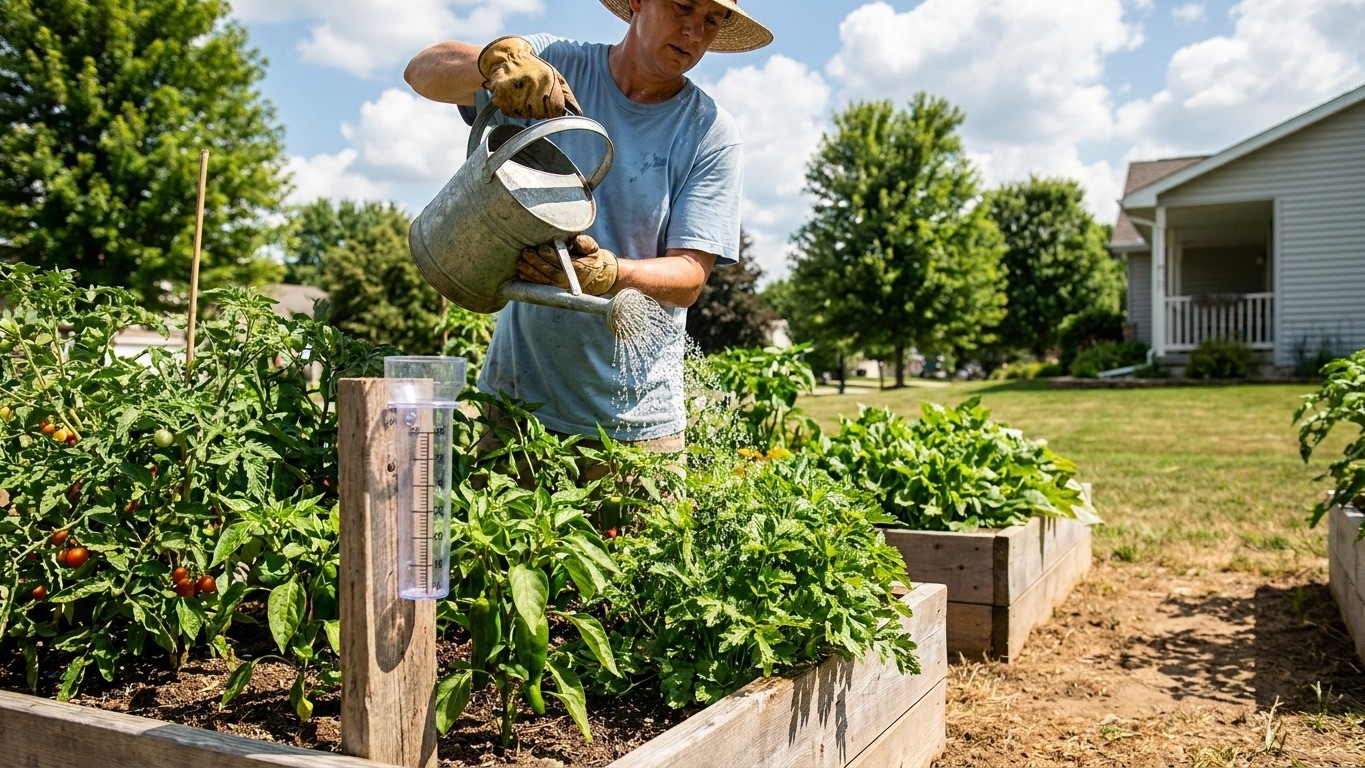
Wisconsin summers run short and intense: only about seven days a year top 90°F at the Milwaukee reference station, and the growing season is bracketed by…
Home & garden, state by state
Everything we have worked out for Wisconsin: what to plant and when, which varieties finish in time, the pests that actually turn up here, and the jobs that pay off month by month. We also cover the rest of the property, from lawns and soil to home care and energy, because a garden rarely stops at the vegetable bed.
The numbers first, because everything else follows from them. Measured at the weather station in Milwaukee, the last spring freeze runs April 16 to April 29 and the first fall freeze runs October 17 to October 29, USDA zones 3b-6a, 2,808 growing degree days in the year.
Garlic does well: 26.1 weeks below 40 °F, comfortably past the six it needs to form a proper head.
Elsewhere on the property in Wisconsin: the pests that turn up here.
Figures from NOAA's 1991-2020 climate normals. A state is not one climate: elevation, a large lake or the coast can move these dates by two weeks either way, so check your own county with the extension service before you spend money.
Wisconsin summers run short and intense: only about seven days a year top 90°F at the Milwaukee reference station, and the growing season is bracketed by…
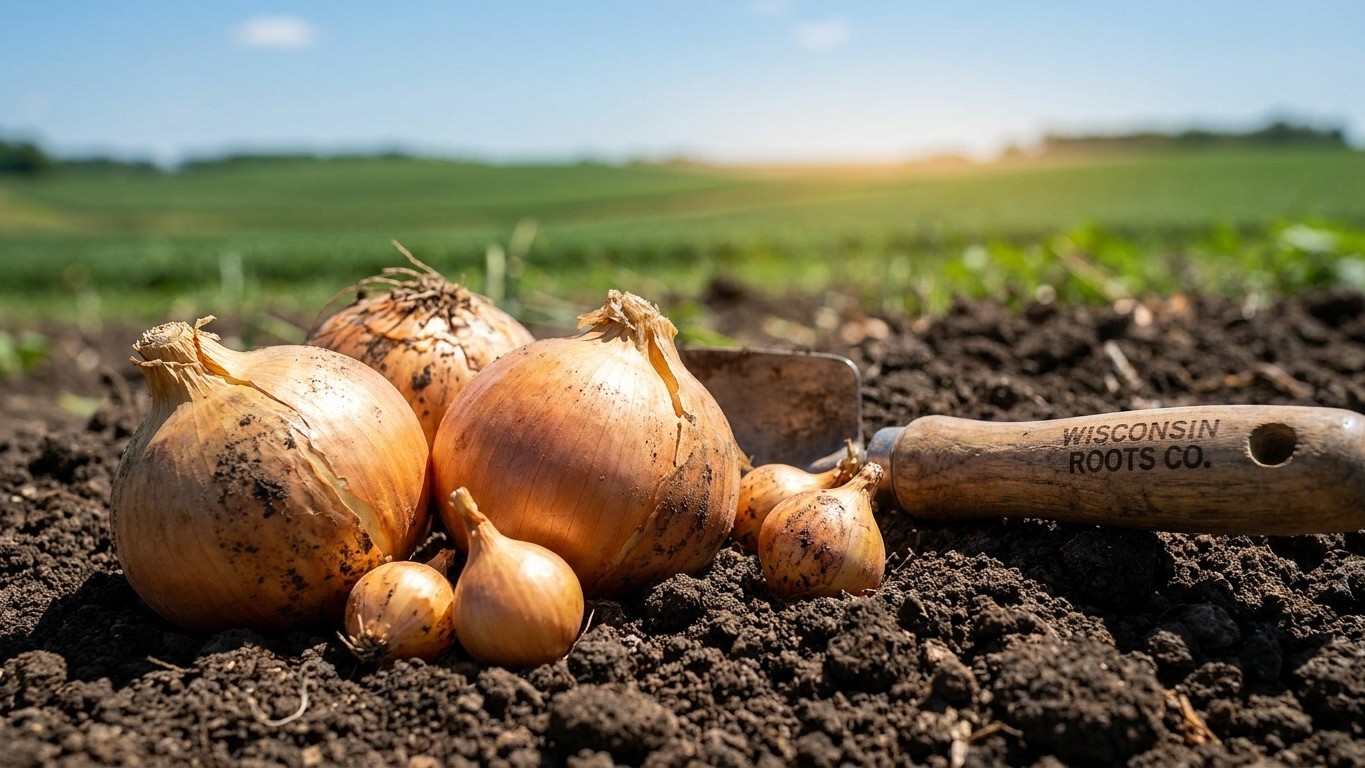
Wisconsin sits far enough north that its summer days run long, and that single fact decides which onion varieties will actually form bulbs in your garden.
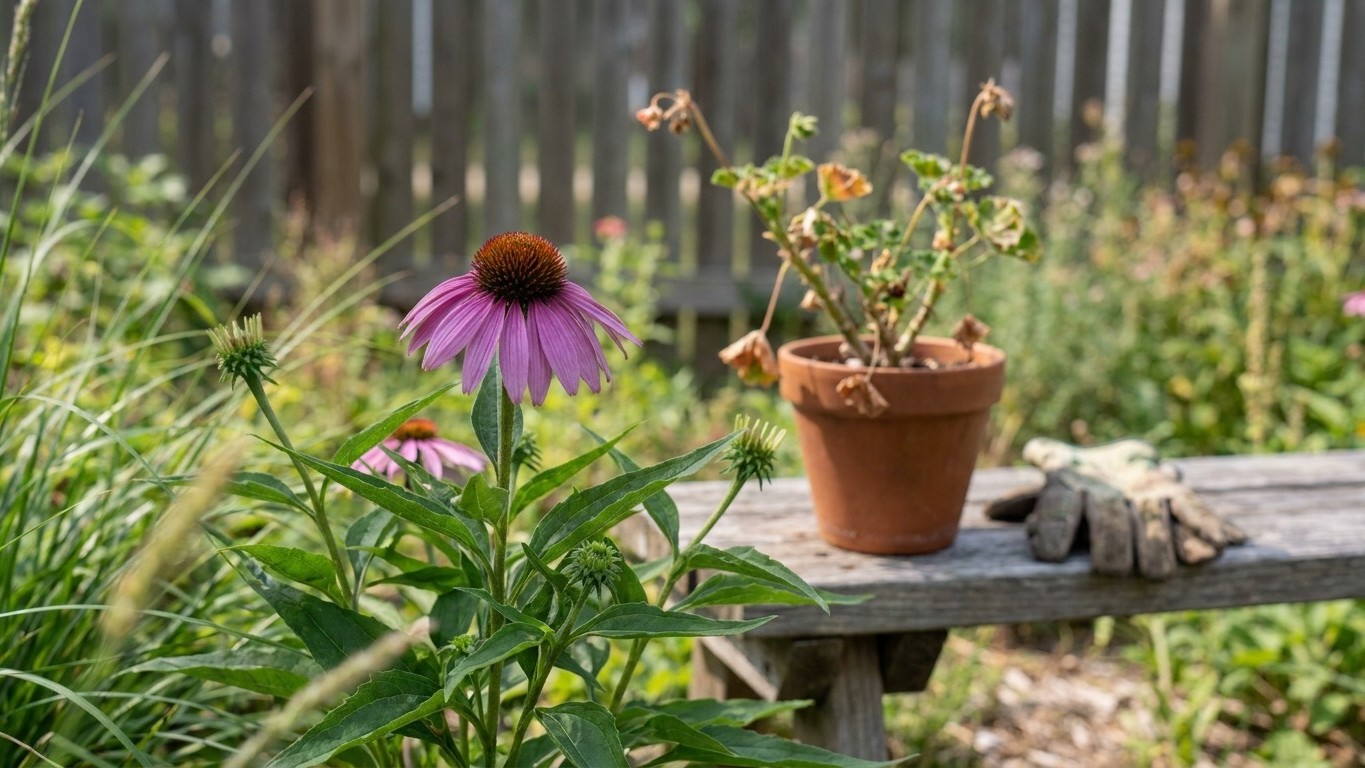
Wisconsin’s cold winters and short summers favor hardy perennials and native prairie flowers. This guide names which varieties reliably survive and which don’t.
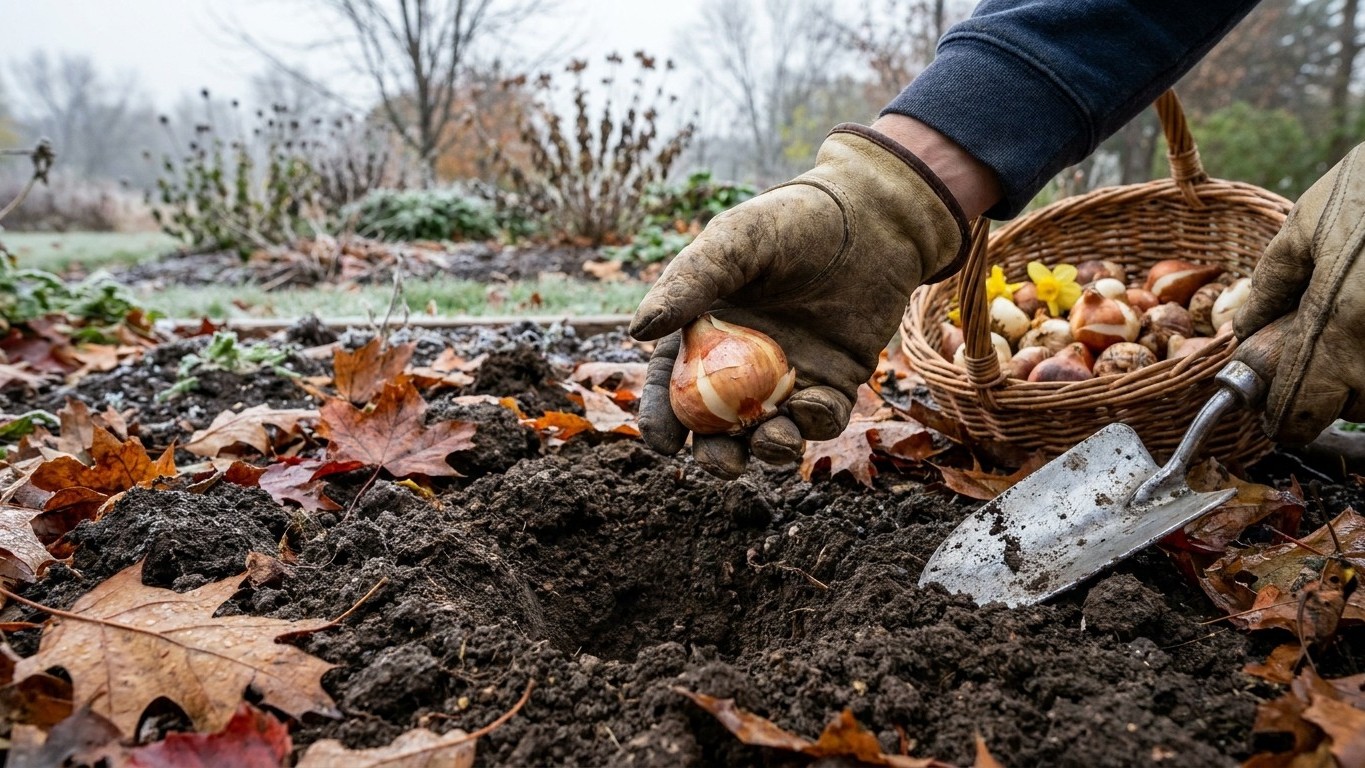
Spring bulbs planted in Wisconsin get something most of the country can’t offer: a winter cold enough, and long enough, to force real flowers rather than…
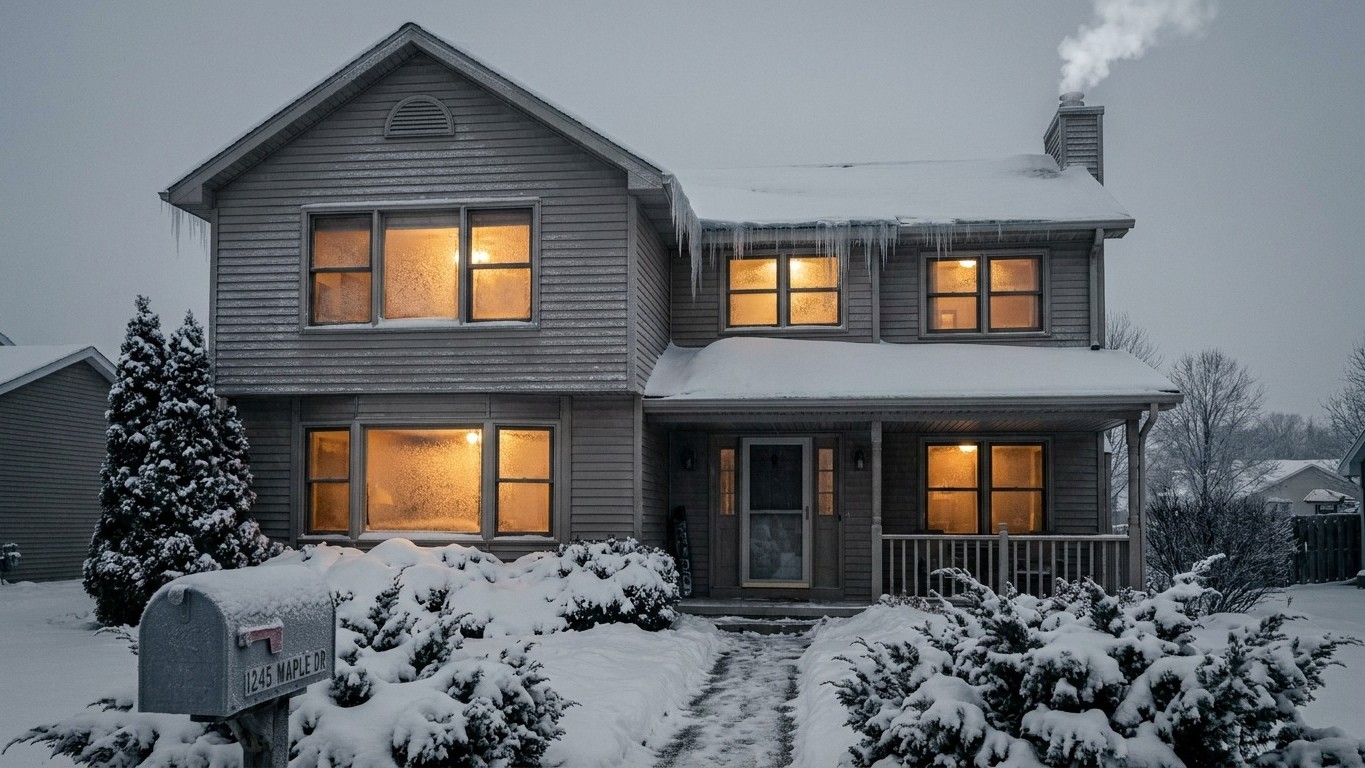
Winter in Wisconsin doesn’t just get cold, it stays cold. The coldest month averages a low of 17.2°F, and that number alone explains why heating bills…
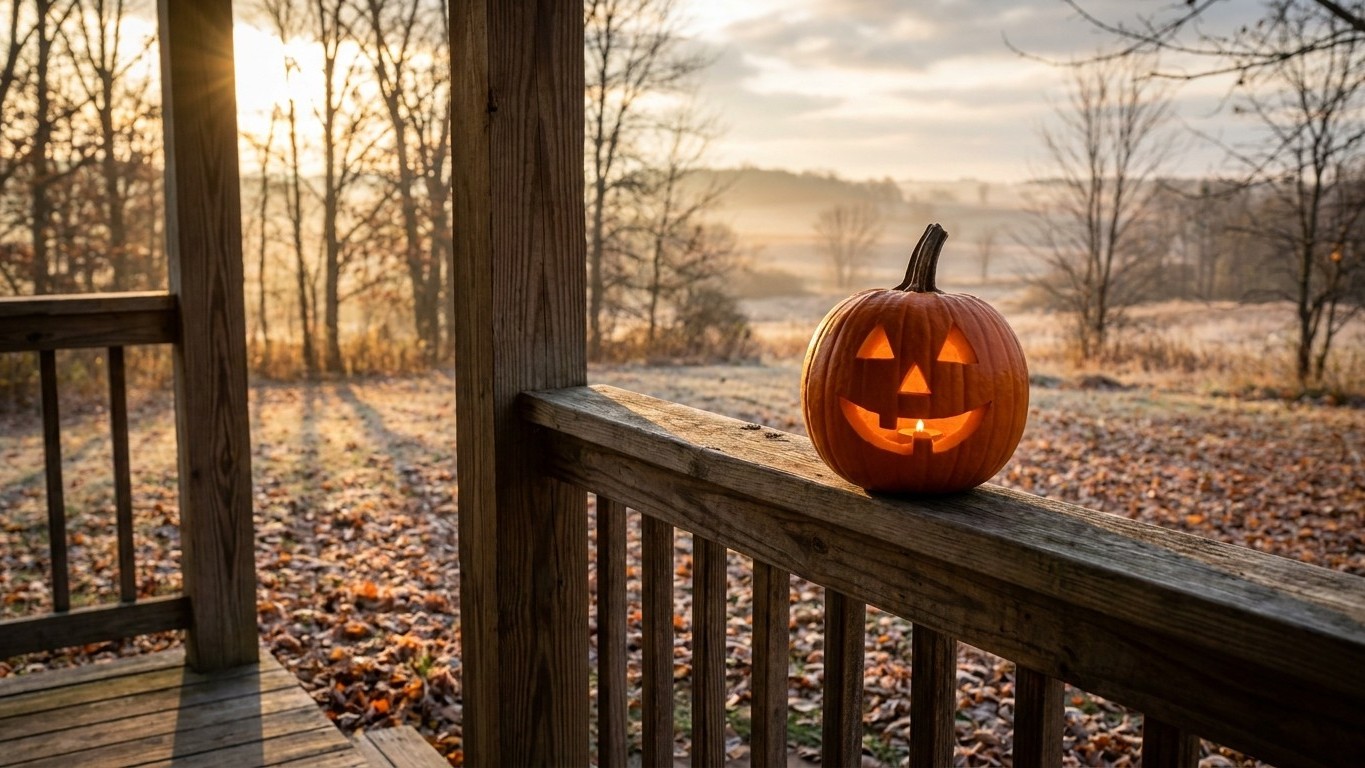
Wisconsin doesn’t hand out one answer for the whole state. Along Lake Michigan, fall lingers into late October.
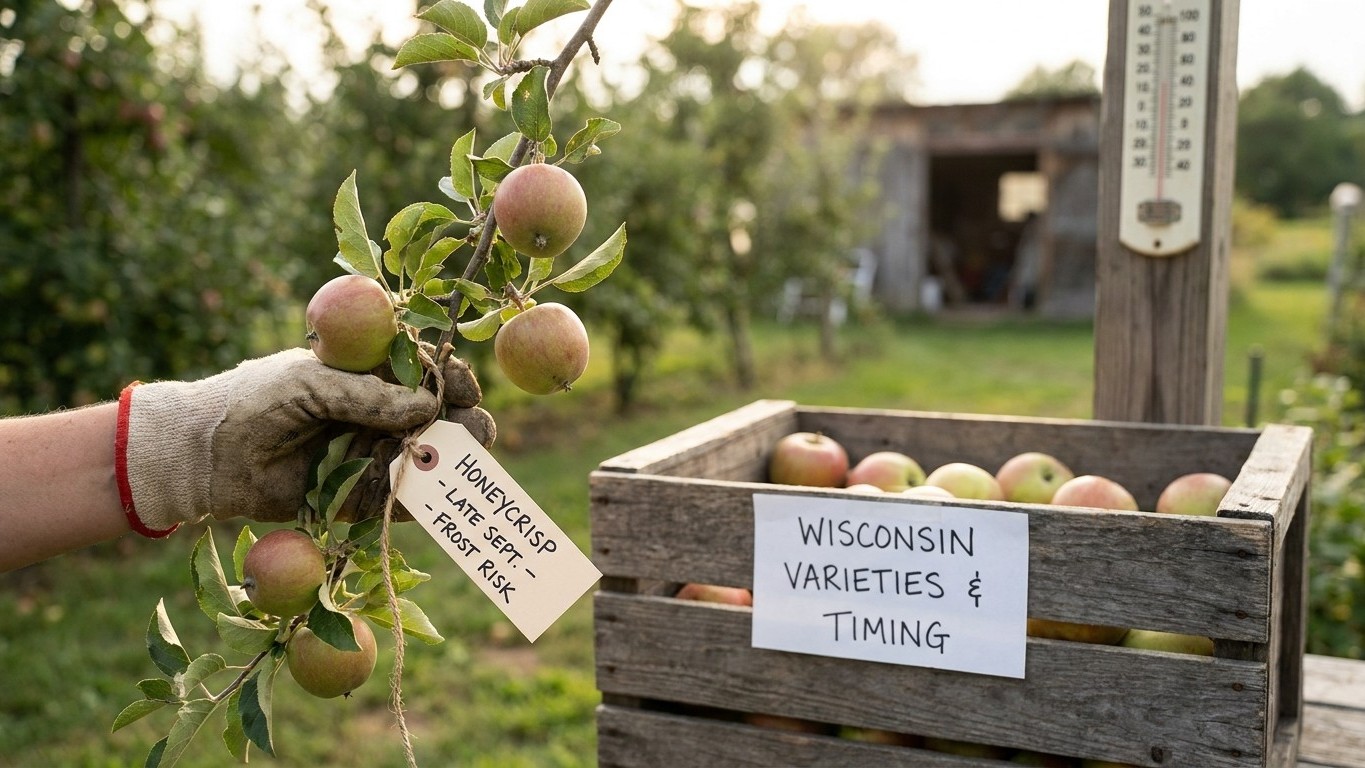
A guide to which apple varieties survive Wisconsin winters, how to pair pollinators correctly, and why the state’s spring frost window can erase a bloom.
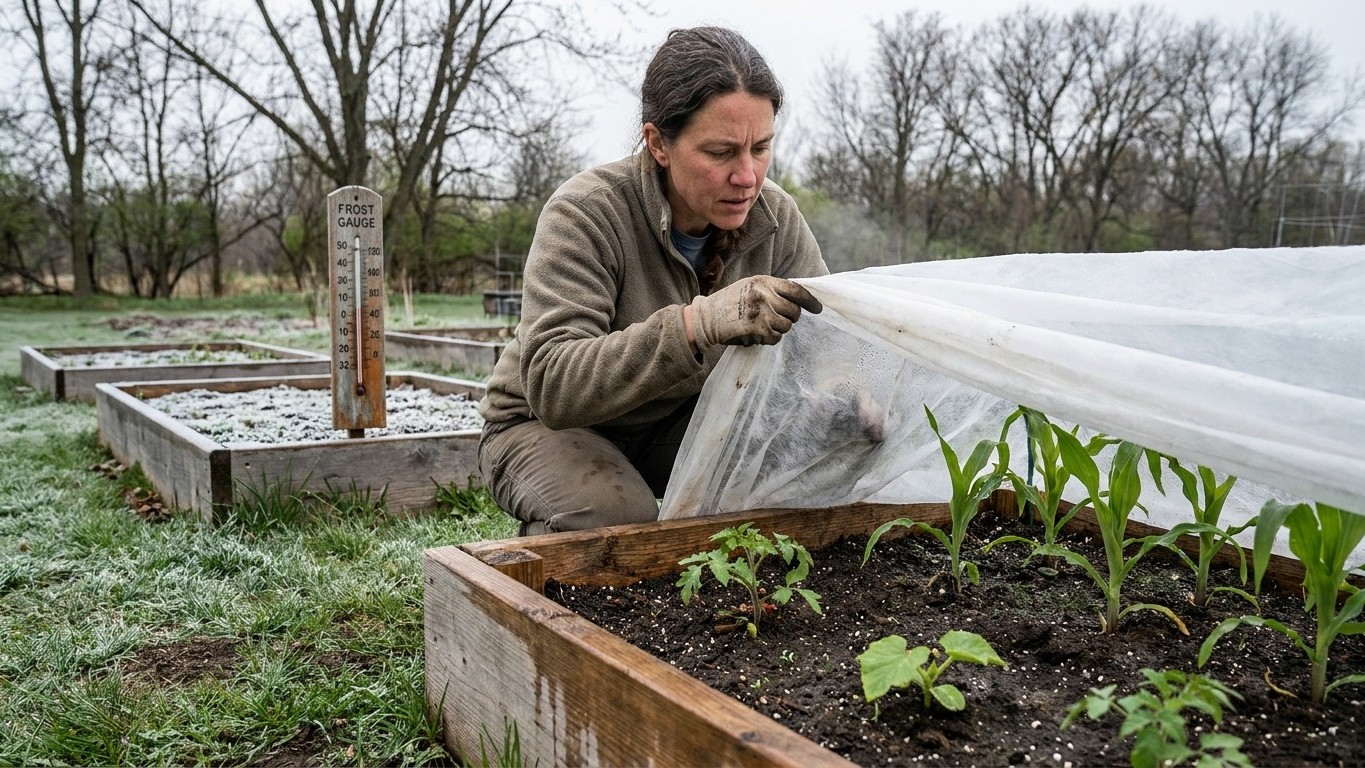
Gardening in Wisconsin means working inside a frost-free window of roughly 171 to 196 days, in a state that spans USDA zones 3b to 6a.
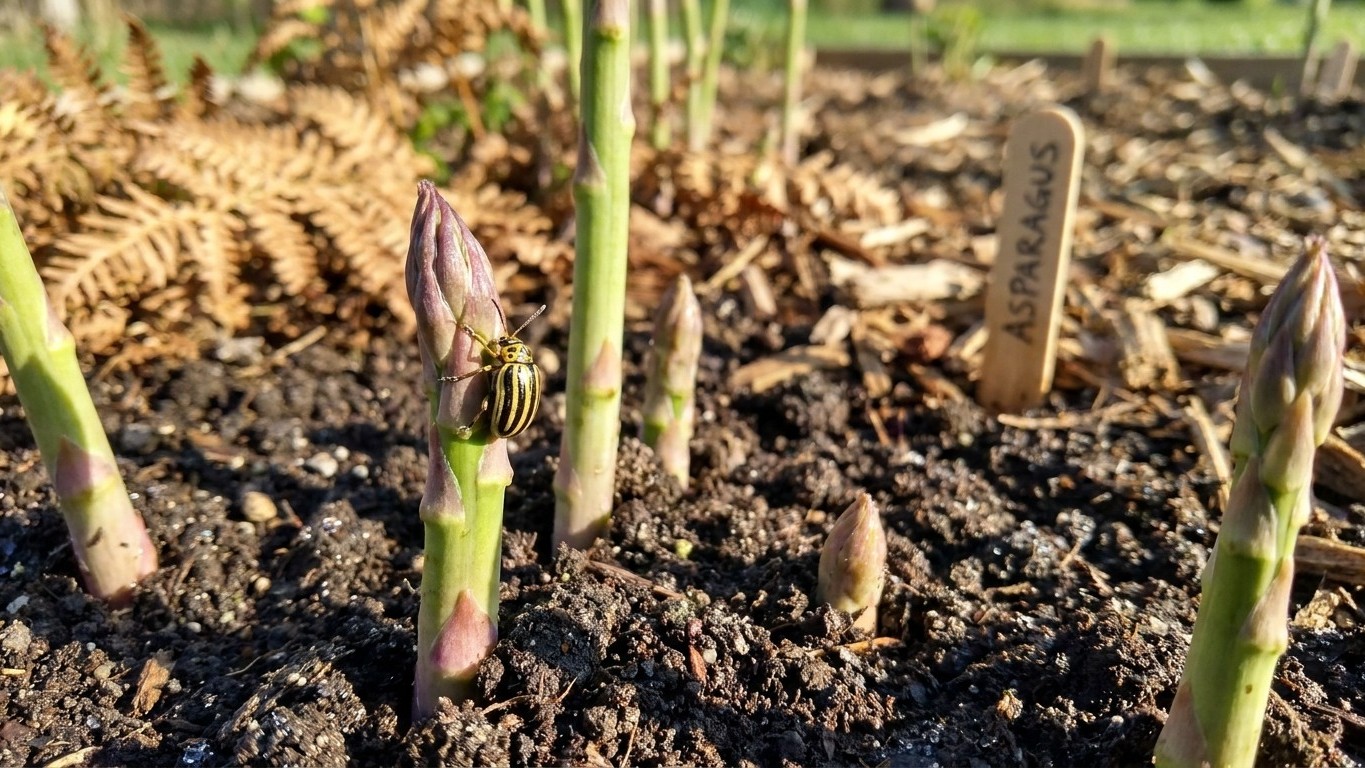
Asparagus beetles show up in Wisconsin gardens as soon as the spears start pushing through the soil in spring, and they keep coming back for a second…
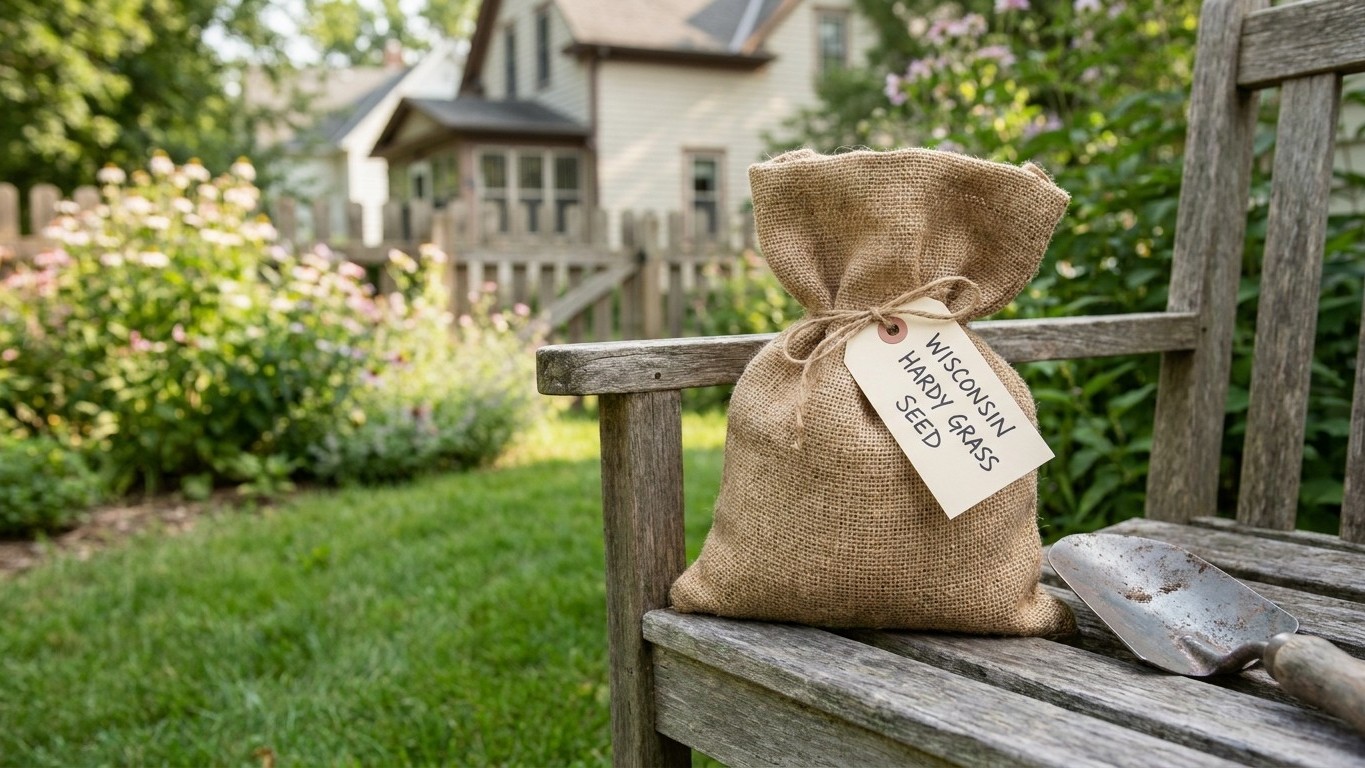
Wisconsin’s cool-season climate calls for grasses like Kentucky bluegrass, tall fescue and fine fescue, chosen by sun, shade and traffic, sown in late summer.