When to Plant Onions in Wisconsin
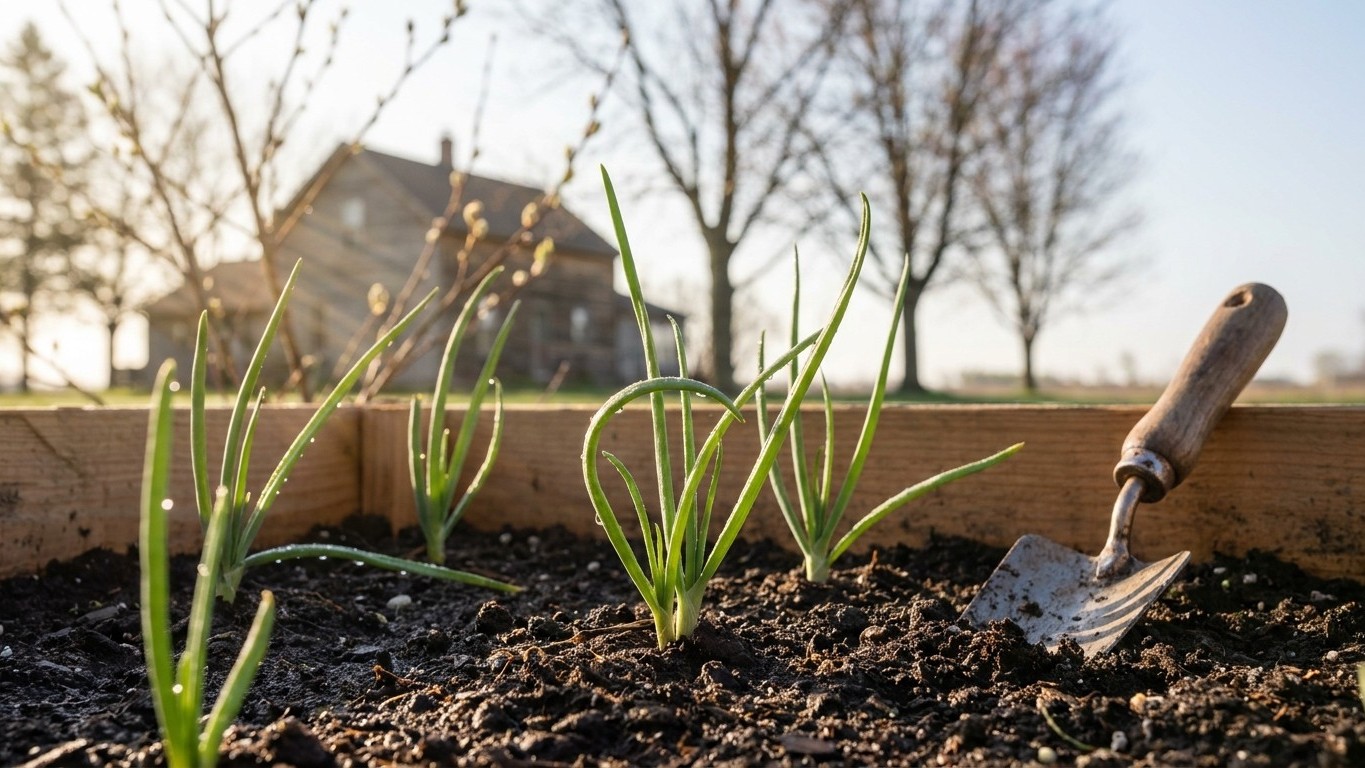
Wisconsin gardeners plant onions in late winter to early spring, not in fall.
Home & garden, state by state
Everything we have worked out for Wisconsin: what to plant and when, which varieties finish in time, the pests that actually turn up here, and the jobs that pay off month by month. We also cover the rest of the property, from lawns and soil to home care and energy, because a garden rarely stops at the vegetable bed.
The numbers first, because everything else follows from them. Measured at the weather station in Milwaukee, the last spring freeze runs April 16 to April 29 and the first fall freeze runs October 17 to October 29, USDA zones 3b-6a, 2,808 growing degree days in the year.
Garlic does well: 26.1 weeks below 40 °F, comfortably past the six it needs to form a proper head.
Elsewhere on the property in Wisconsin: the pests that turn up here.
Figures from NOAA's 1991-2020 climate normals. A state is not one climate: elevation, a large lake or the coast can move these dates by two weeks either way, so check your own county with the extension service before you spend money.
Wisconsin gardeners plant onions in late winter to early spring, not in fall.
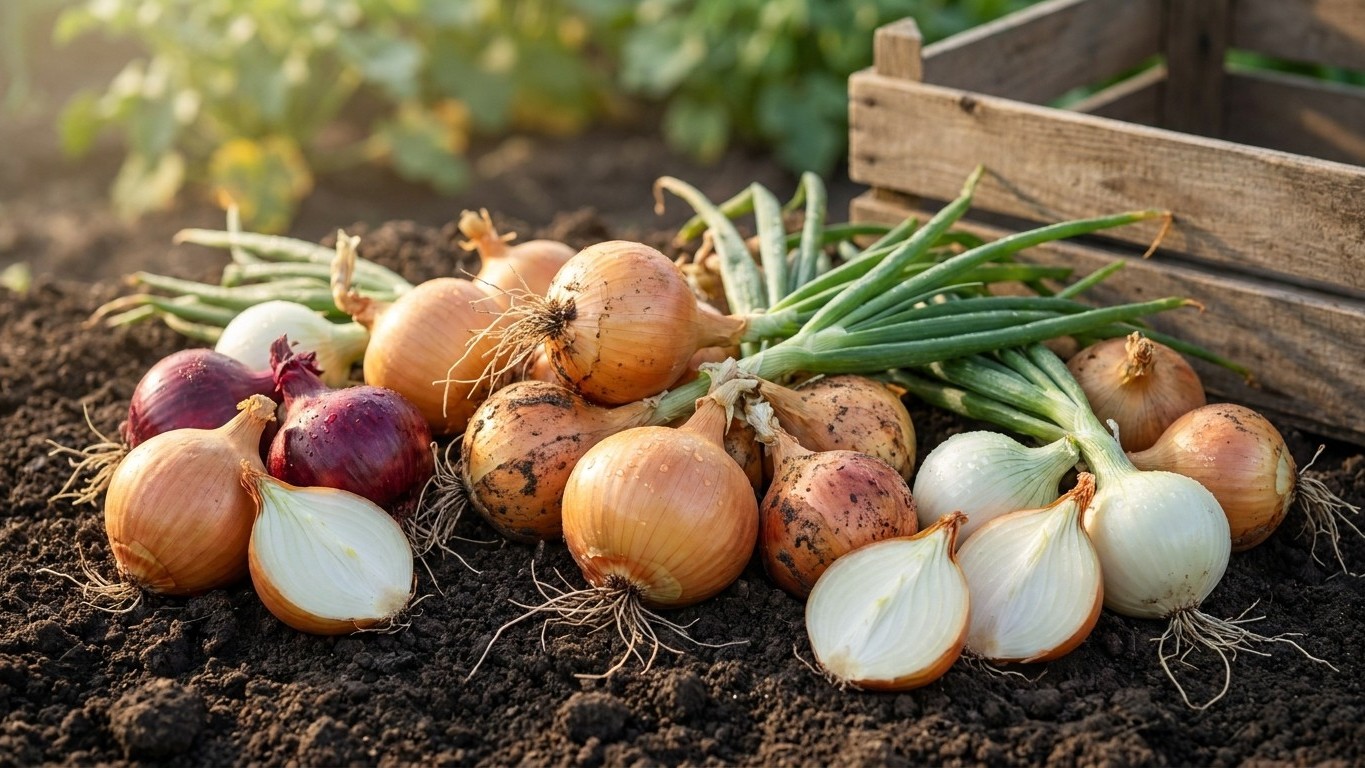
Wisconsin sits far enough north that day length, not the calendar, decides which onions will actually size up in your garden.
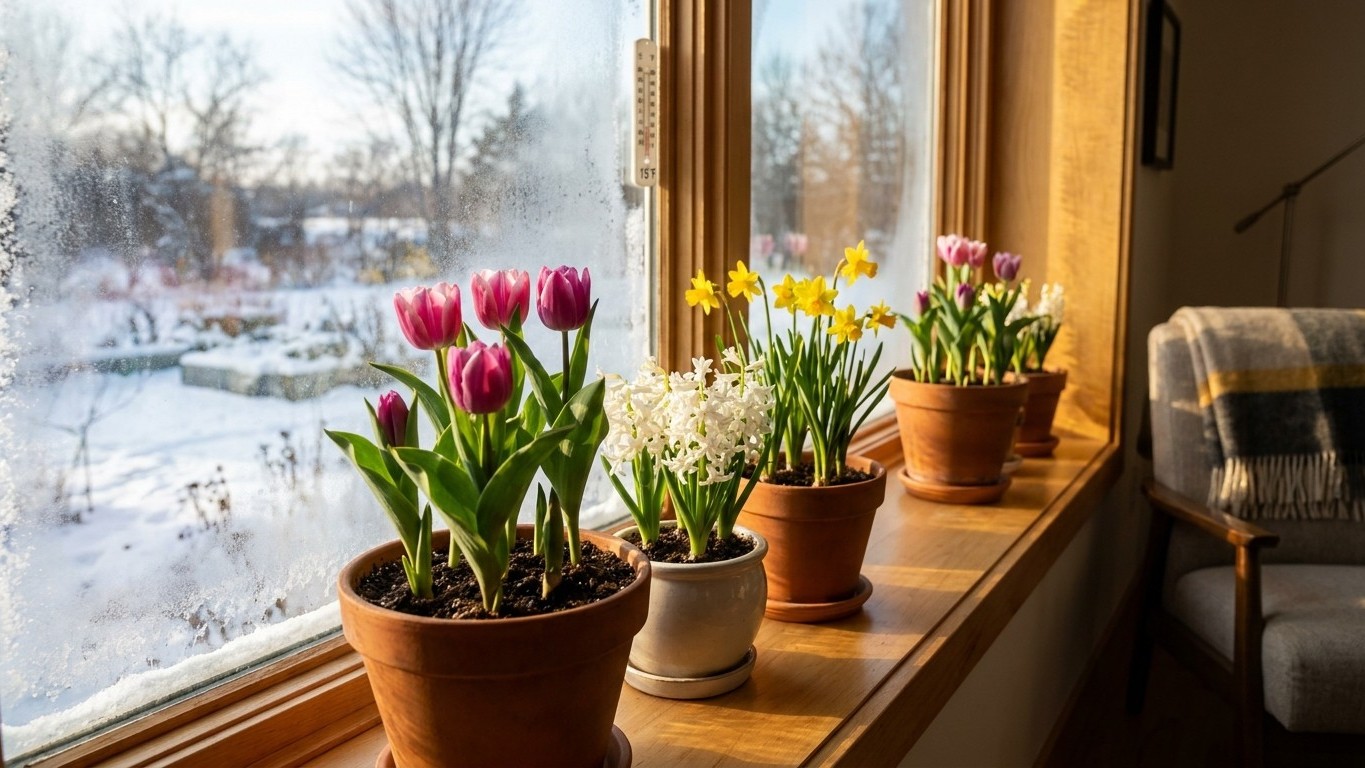
Forcing spring bulbs indoors in Wisconsin isn’t about tricking a shortage of cold into a bulb that needs it. This state hands out cold in abundance.
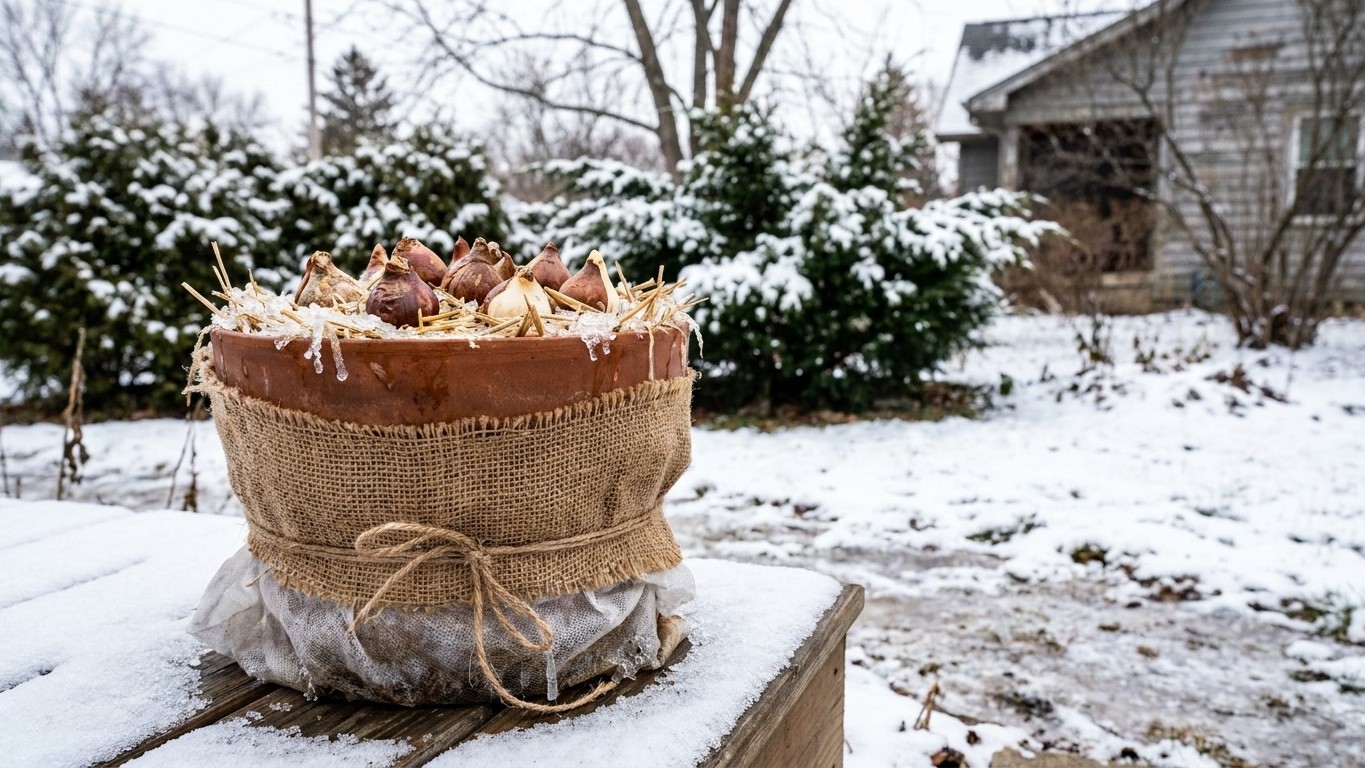
A container of spring bulbs survives a Wisconsin winter only if the pot itself gets extra protection, not because the state lacks cold.
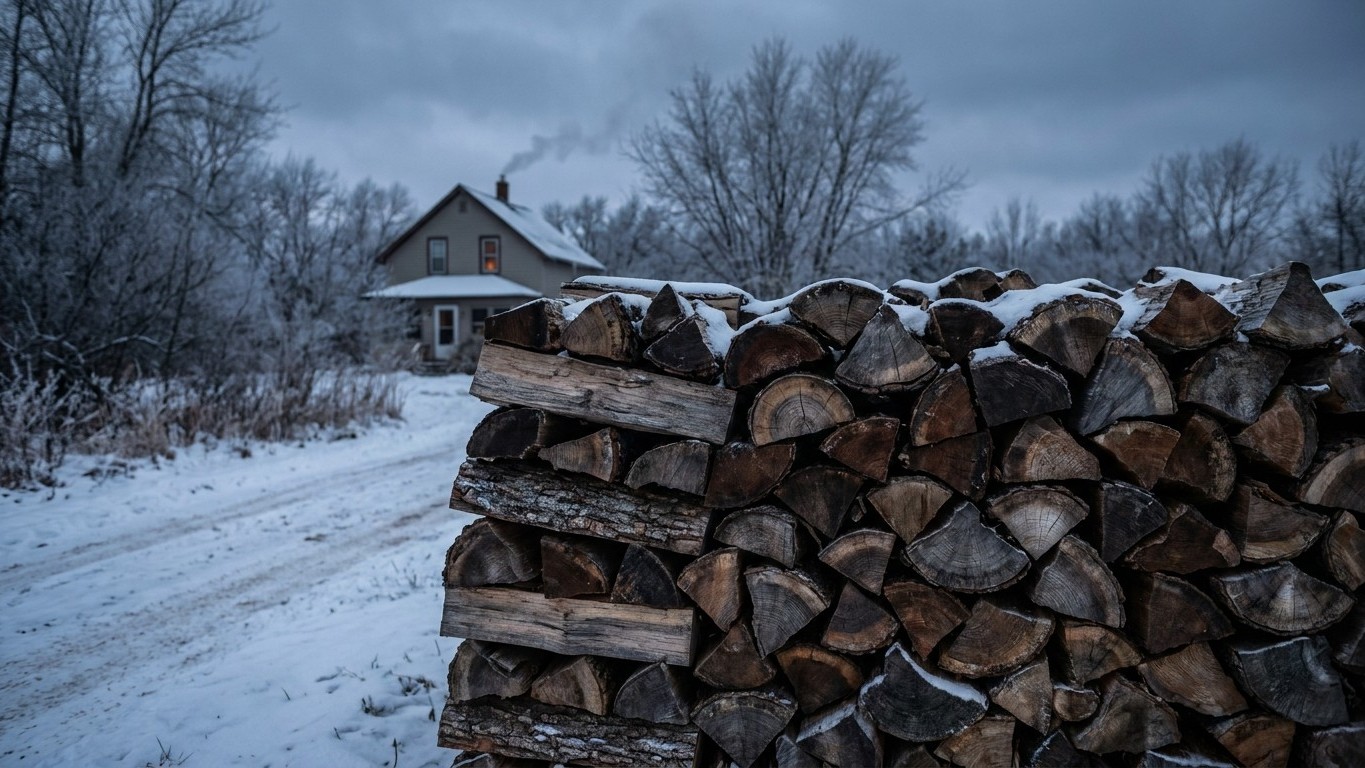
Wisconsin winters don’t ask what firewood you’d prefer. They tell you what you need.
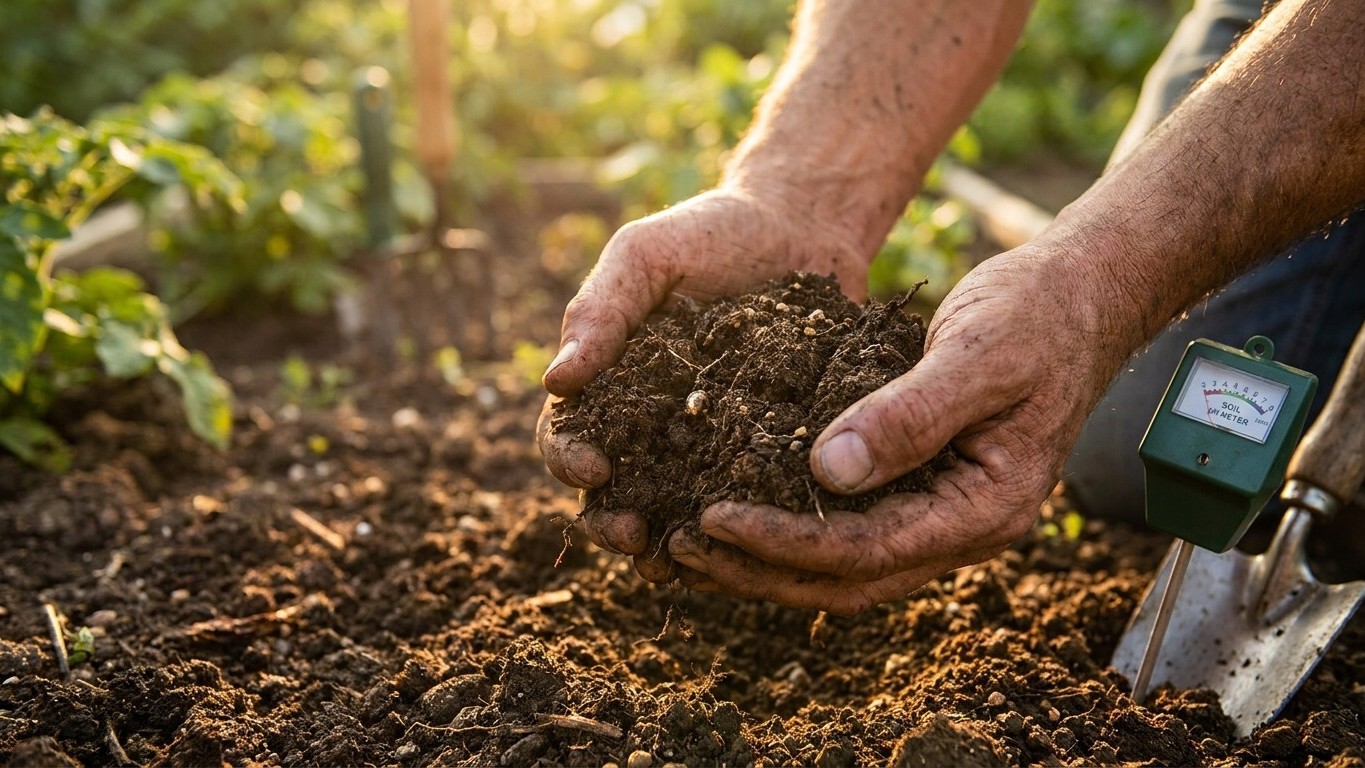
Wisconsin’s official state soil is the Antigo series, a loam-to-silt ground that runs slightly acid and holds nutrients better than it drains water fast.
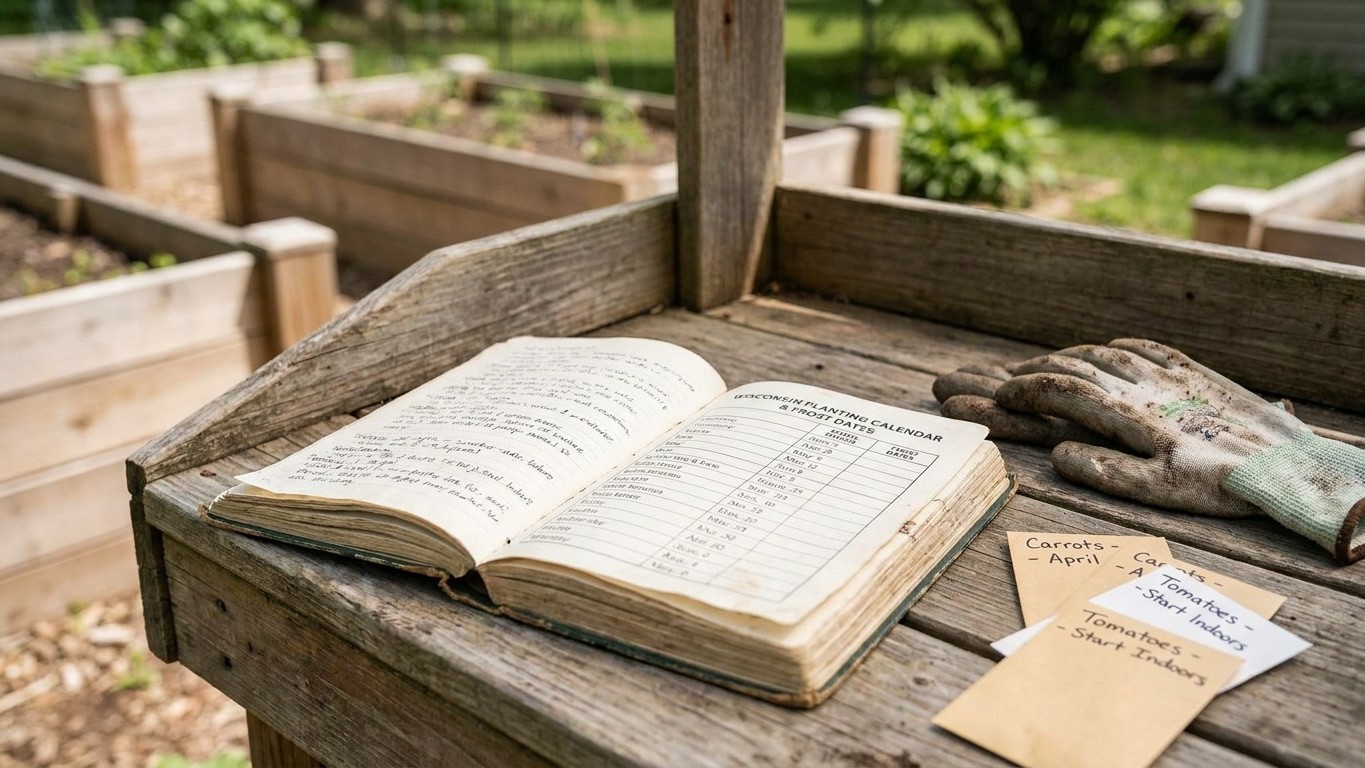
Milwaukee’s frost dates from NOAA, plus when to sow cool-season crops, transplant tomatoes, and plant a fall garden anywhere in Wisconsin.
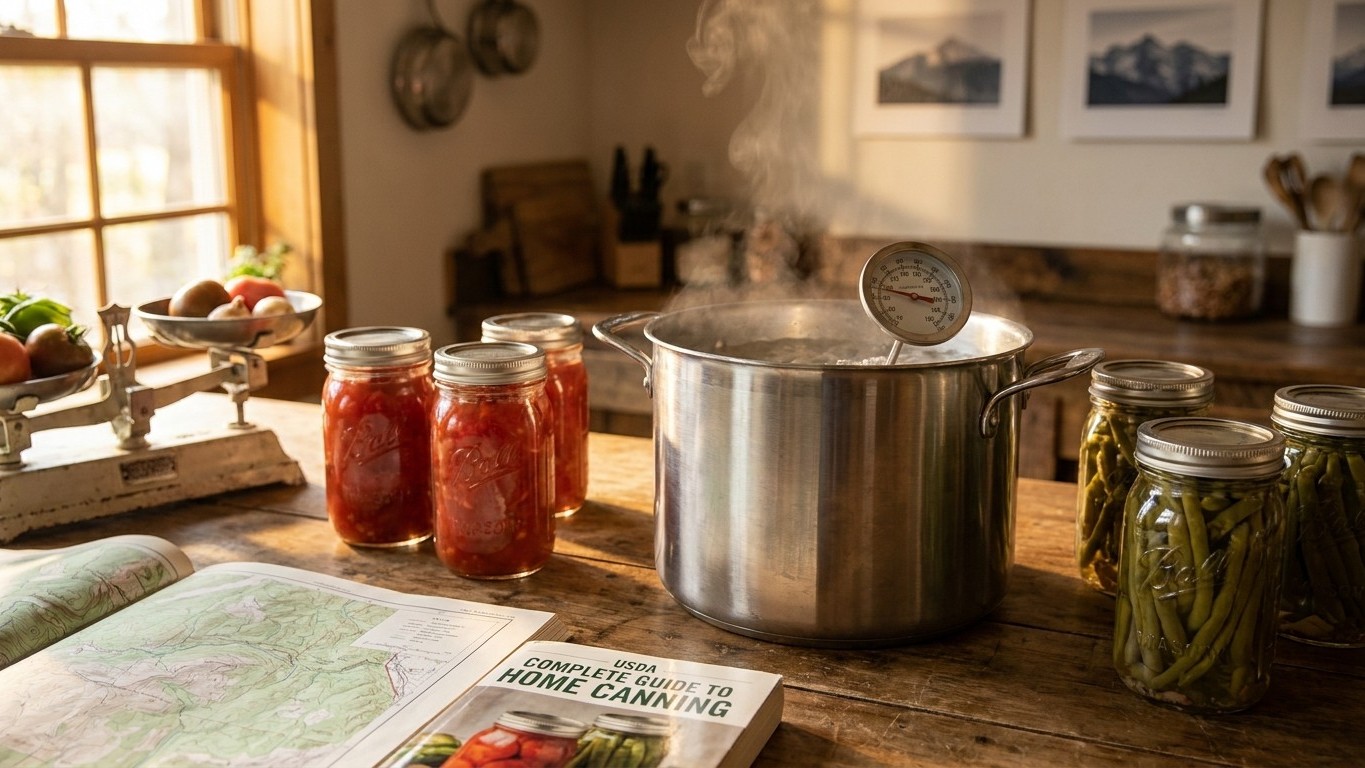
Milwaukee sits at 617 feet above sea level, and water there boils somewhere between 208°F and 212°F depending on the day’s barometric pressure.
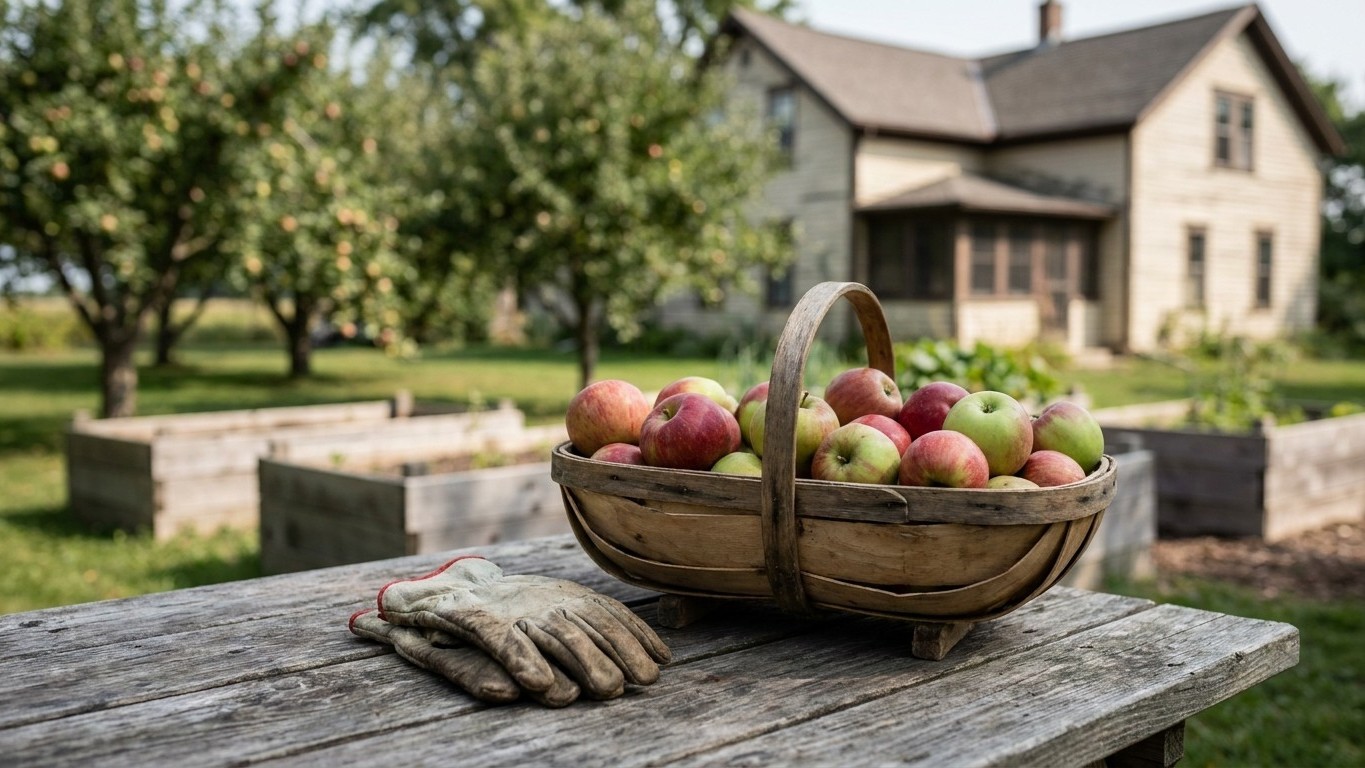
A stage-by-stage guide to dormancy, bloom, and harvest timing for Wisconsin apples, based on NOAA frost data and where the state’s climate differs.
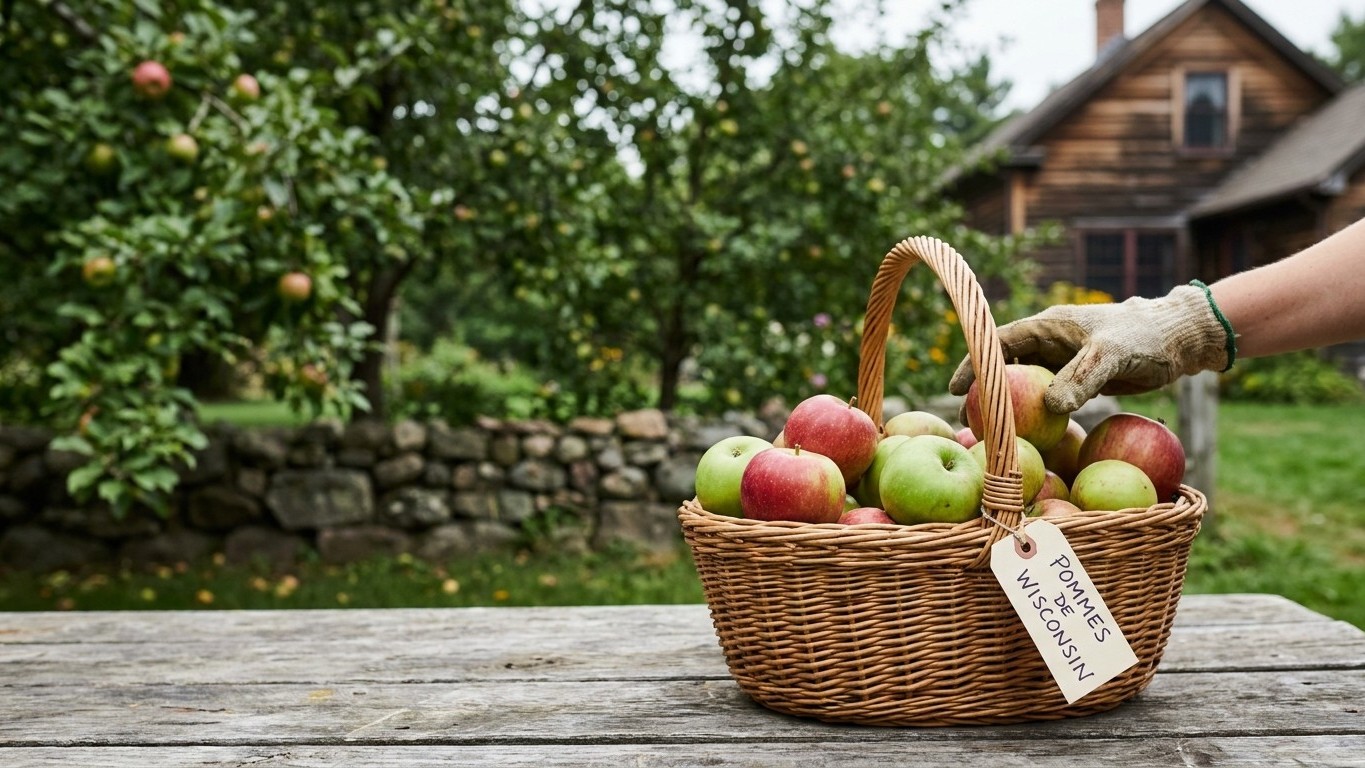
This page explains how to check a cultivar’s winter hardiness and chill needs against Wisconsin’s frost dates before you buy an apple tree.