The Yukon Apple Calendar, Stage by Stage
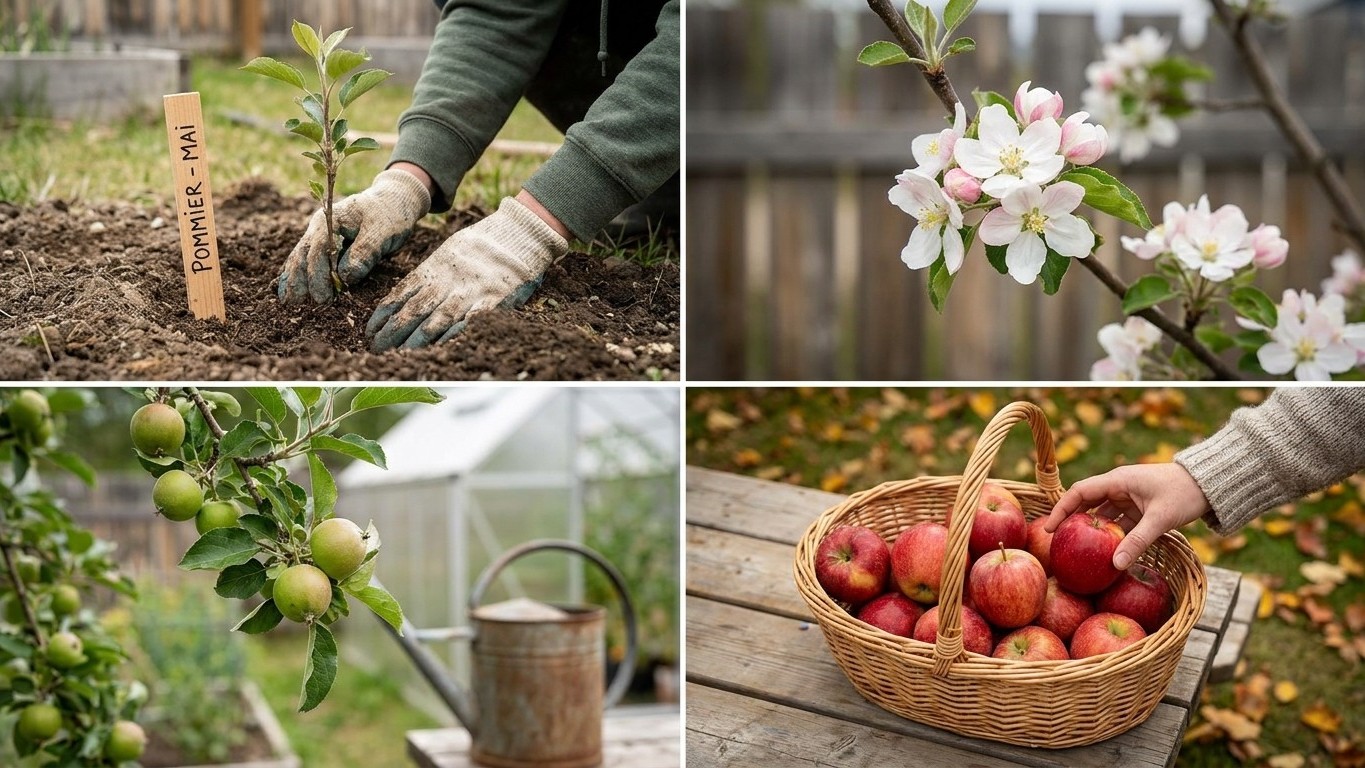
Yukon’s apple stages line up against Whitehorse’s June 5 and August 25 mean frost dates, from ECCC’s 1981-2010 normals, county by county.
Home & garden, state by state
Everything we have worked out for Yukon: what to plant and when, which varieties finish in time, the pests that actually turn up here, and the jobs that pay off month by month. We also cover the rest of the property, from lawns and soil to home care and energy, because a garden rarely stops at the vegetable bed.
The numbers first, because everything else follows from them. Measured at the weather station in Whitehorse, the last spring freeze falls around June 5 and the first fall freeze falls around August 25, 600 growing degree days in the year.
That is little accumulated warmth: tomatoes need a tunnel or a greenhouse here, whatever the frost dates suggest. Garlic does well: 39.1 weeks below 40 °F, comfortably past the six it needs to form a proper head.
Elsewhere on the property in Yukon: the pests that turn up here.
Figures from Environment and Climate Change Canada. A state is not one climate: elevation, a large lake or the coast can move these dates by two weeks either way, so check your own county with the extension service before you spend money.
Yukon’s apple stages line up against Whitehorse’s June 5 and August 25 mean frost dates, from ECCC’s 1981-2010 normals, county by county.
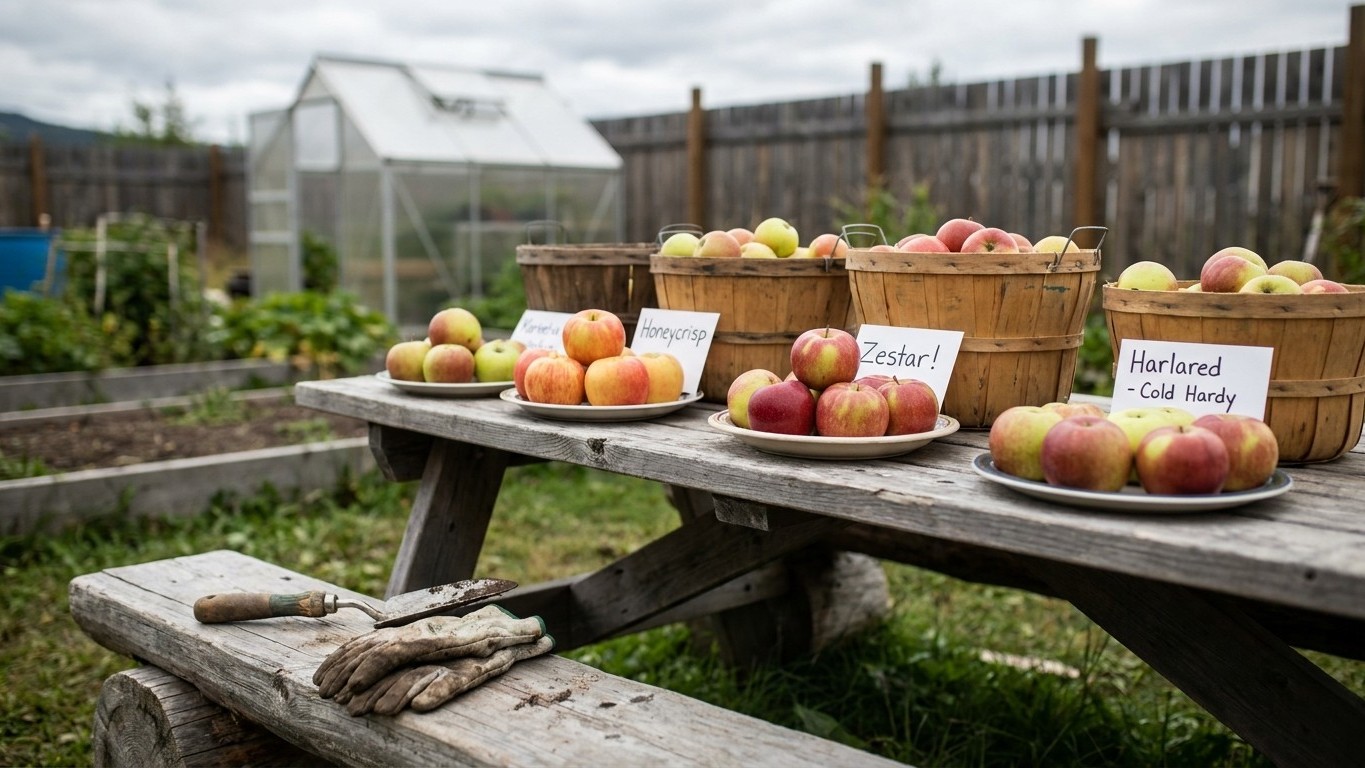
Yukon’s short, cold season rules out most orchard apples, leaving extreme-hardy crab type trees and a sheltered microsite as the realistic path to fruit.
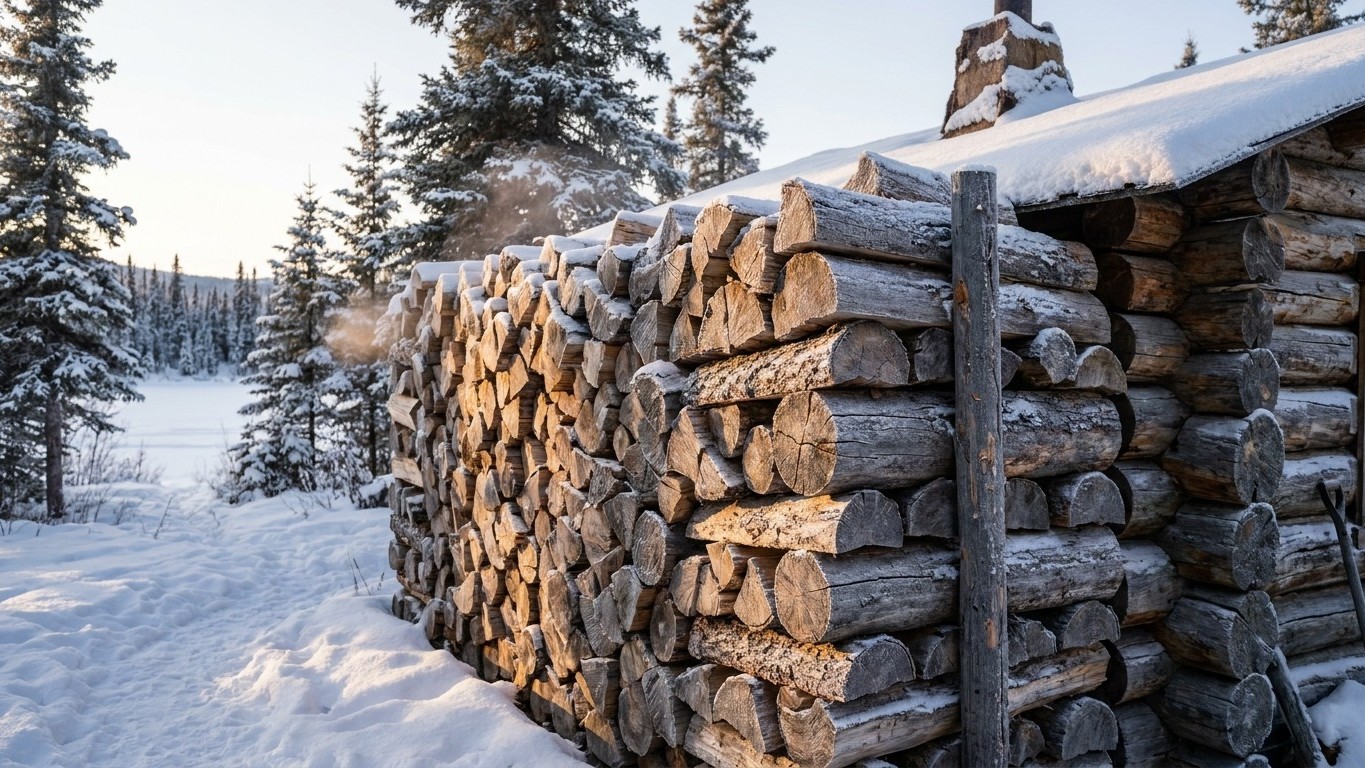
Firewood in the Yukon isn’t about ambiance. With coldest-month lows that sit below zero Fahrenheit, wood heat here is a survival system, and the wood you…
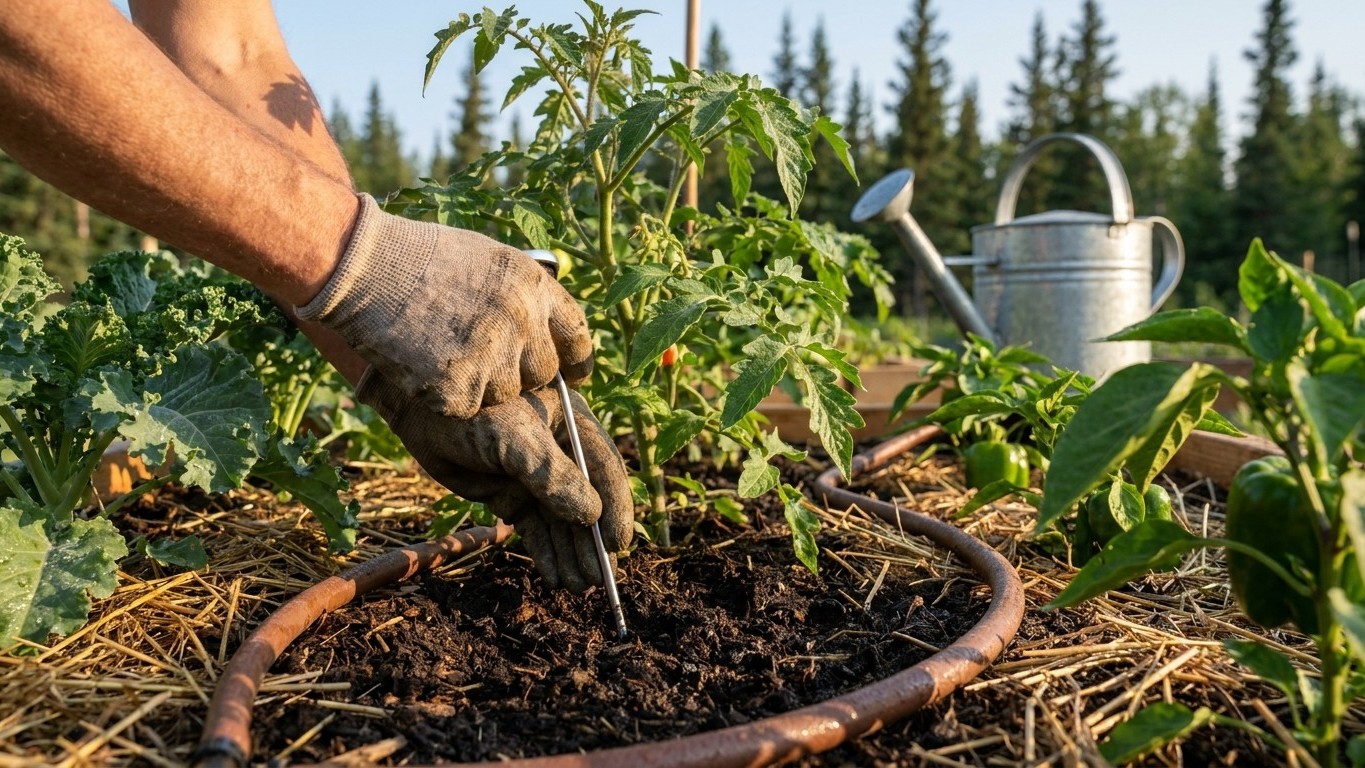
Yukon gardeners work with a short, intense growing season and a climate that rarely turns brutally hot, which changes both how much water a garden needs…
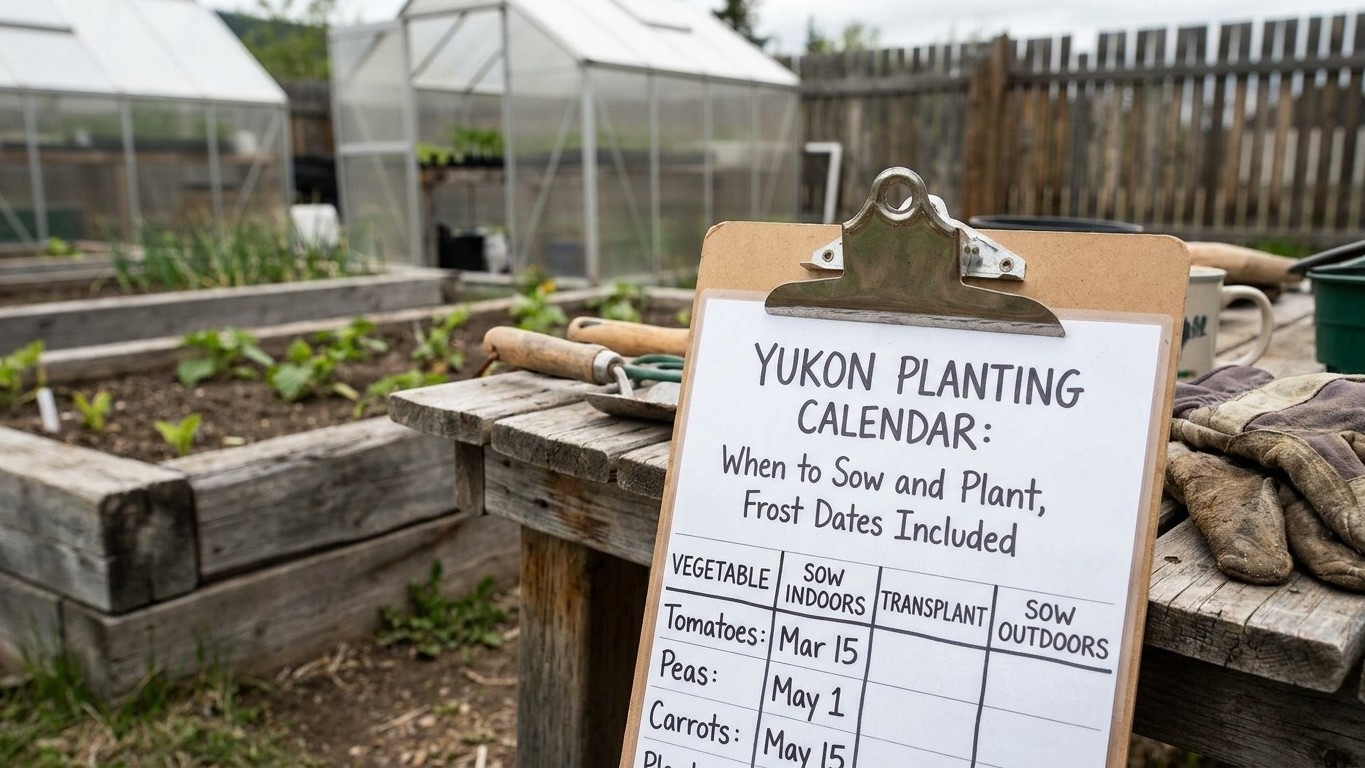
Yukon’s average frost dates, from Environment and Climate Change Canada, define an 81-day growing season and which vegetable varieties can mature before fall frost.
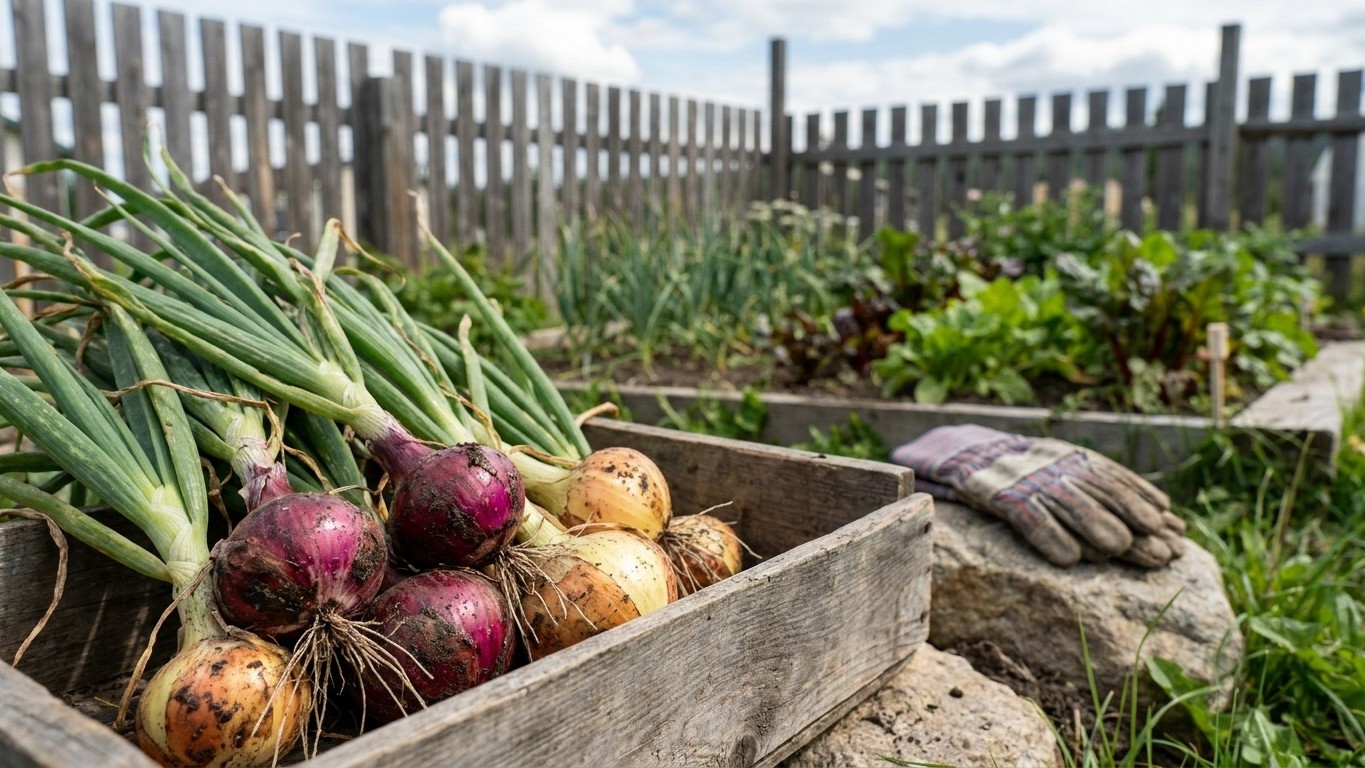
Whitehorse’s long summer days trigger long-day onions like Redwing to bulb, while short-day and intermediate varieties just grow leaves and never form bulbs.
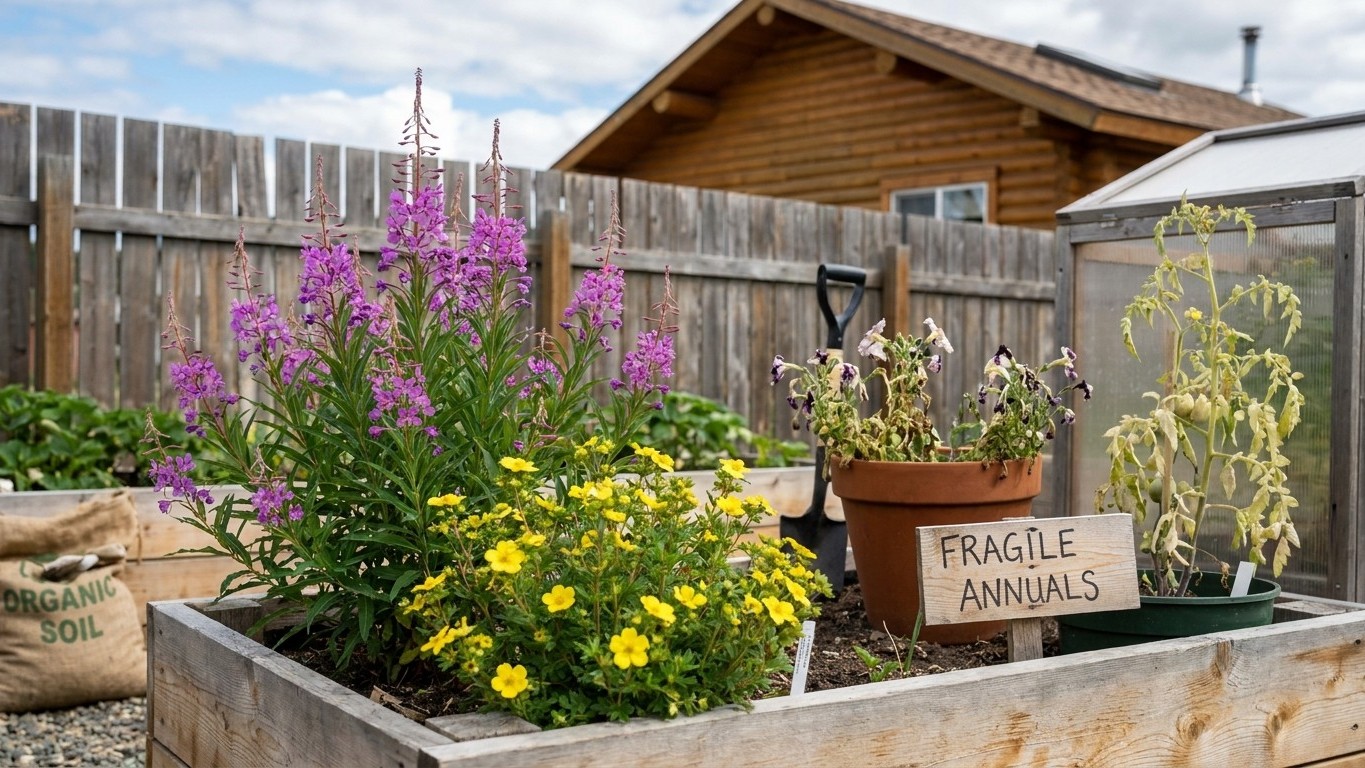
Yukon’s short, cool growing season favors fast, frost-tolerant flowers over heat-lovers; here’s what actually blooms and what fails.
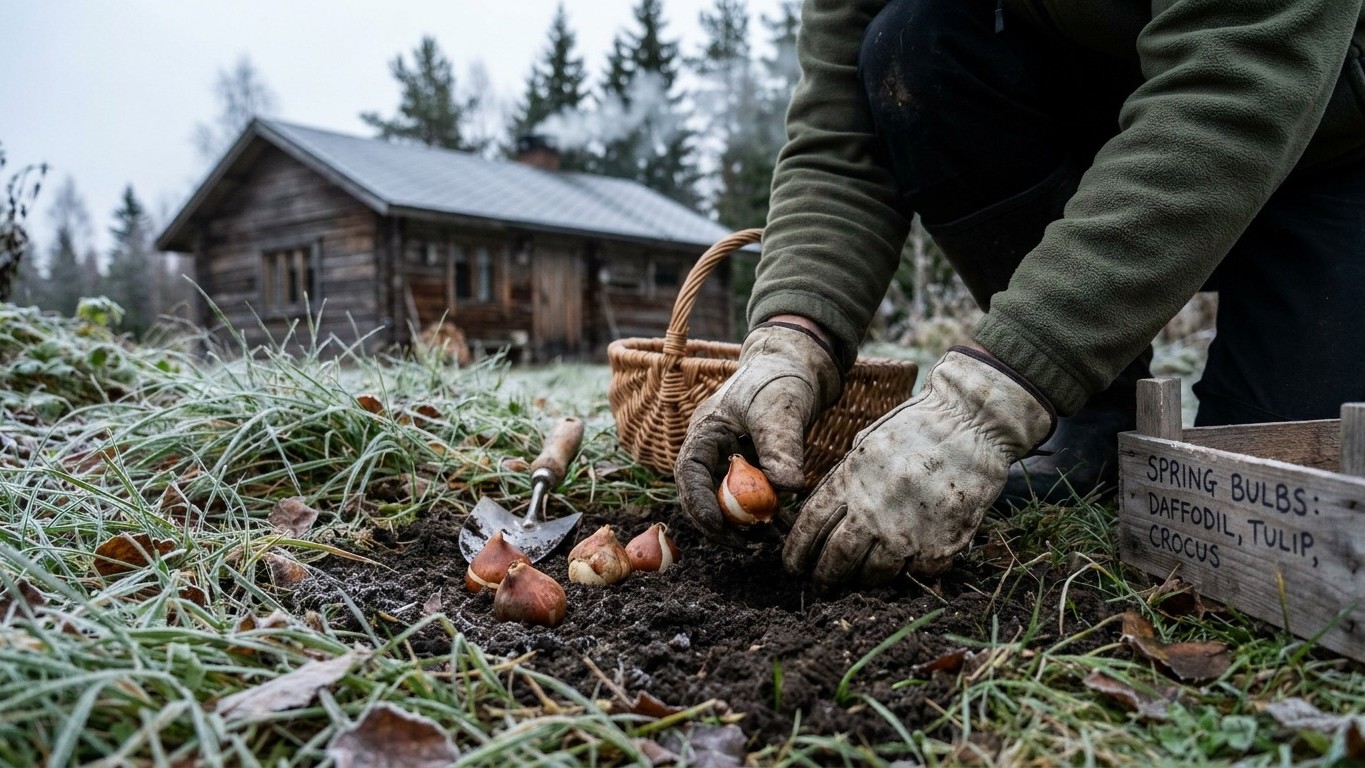
The short answer: plant in early September, and don’t worry about whether Yukon gets cold enough for spring bulbs to bloom. It does, several times over.
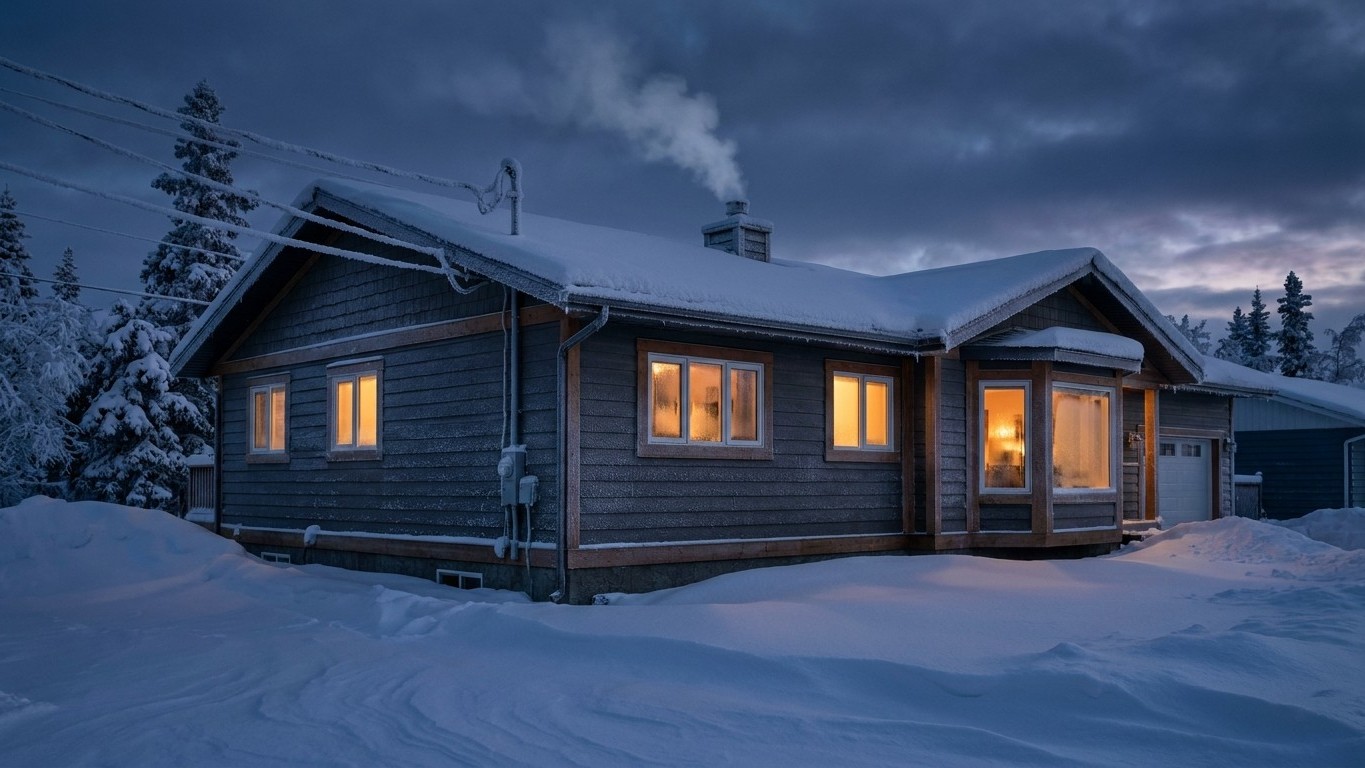
Whitehorse averages -2.6°F for the coldest month’s daily minimum, and that single number explains why heating costs in Yukon run higher than almost…
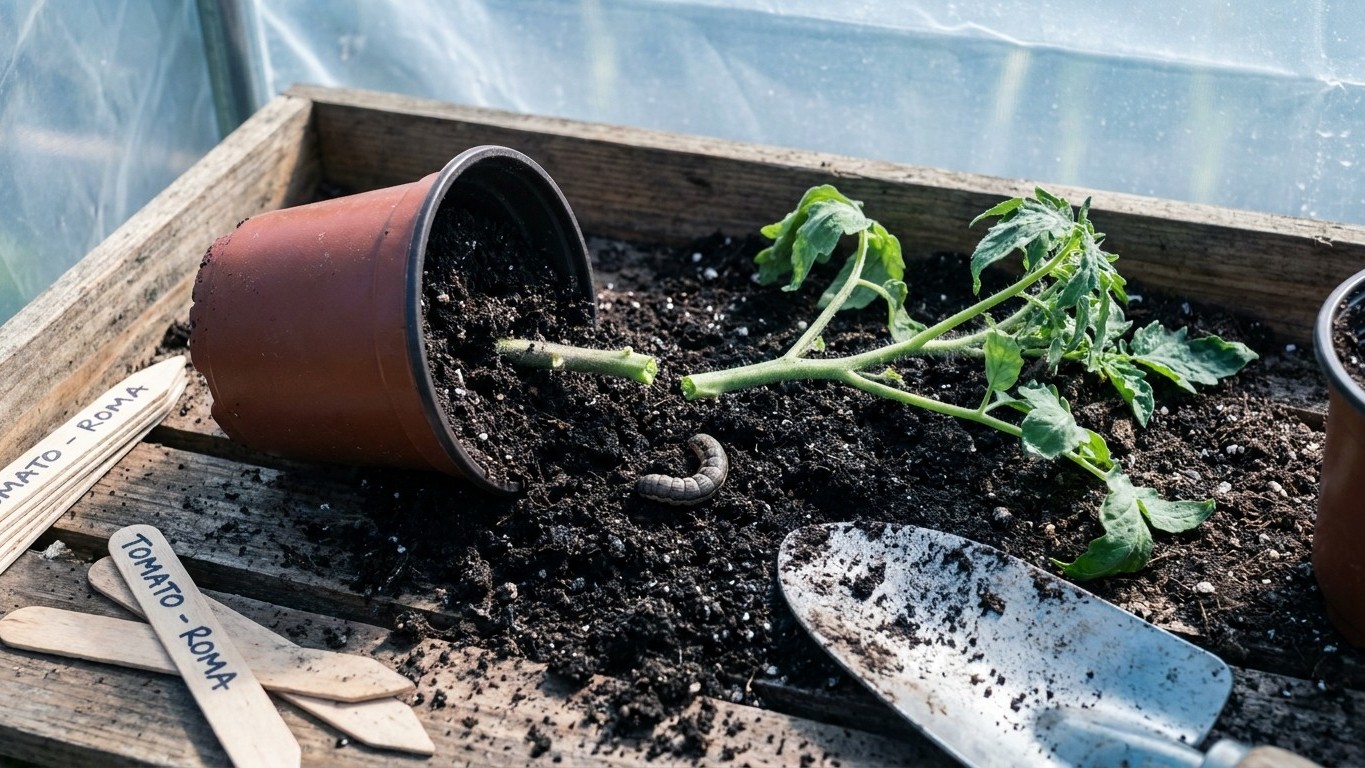
Real tomato pest pressure in Yukon is lighter than almost anywhere else covered on this site, because the growing season itself is so short.