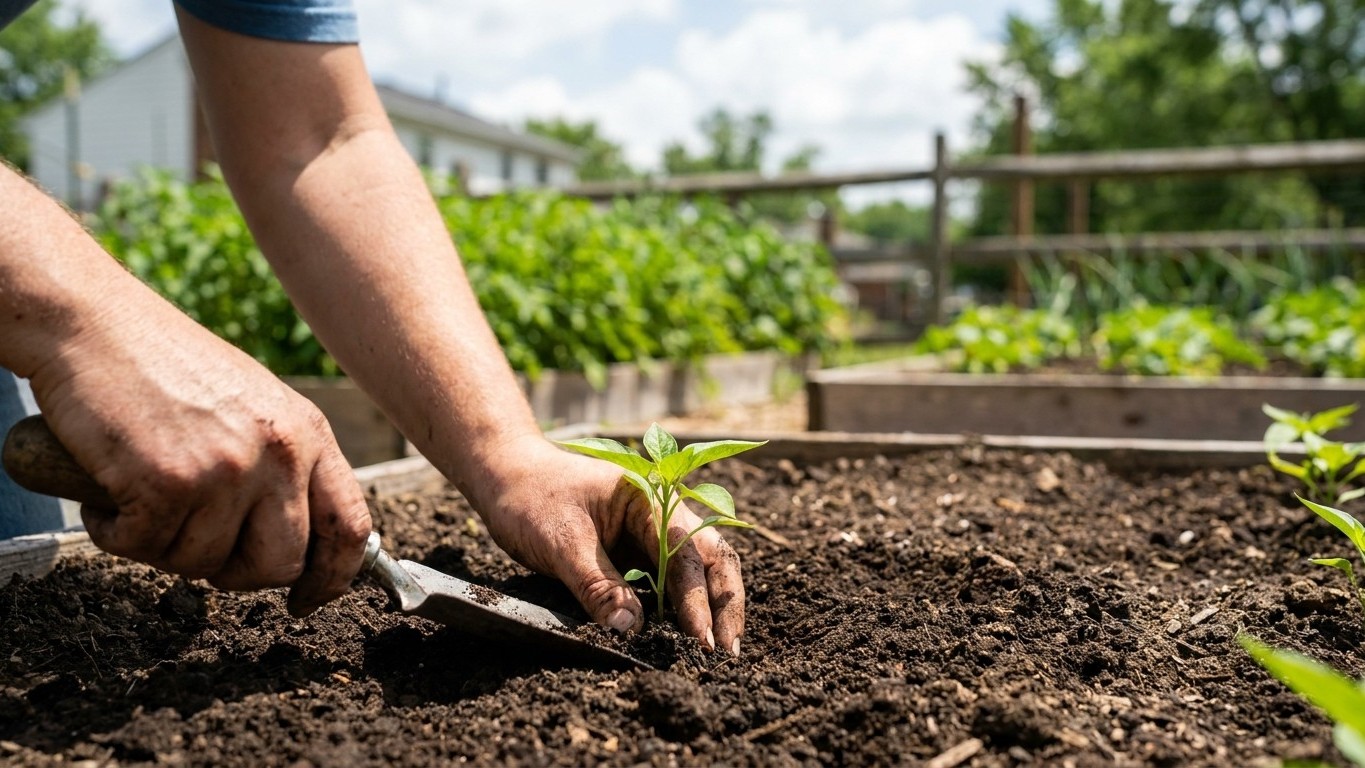

July in Montana means the frost risk has passed almost everywhere in the valleys, and the clock is now running the other direction: toward the first fall freeze. In Billings, that means a growing window of roughly 145 to 165 days, and the smart move is to keep the soil working with fast crops, fall brassicas started under cover, and steady harvest of what went in back in May.
What goes in the ground in July

The math that matters this month isn’t the calendar, it’s the countdown. Billings sees its first fall freeze between October 1 and October 14, based on NOAA’s 1991-2020 climate normals. That gives a gardener sowing in early July somewhere between 90 and 105 days before frost risk climbs back into the 30-70% band. Quick crops fit that window easily. Long-season ones don’t, and starting them now is a gamble that usually loses.
Bush beans, summer squash, and cucumbers can still go in as direct seed early in the month in most valley locations, since they mature in 50 to 65 days and will be well clear of harvest before frost returns. Radishes, quick turnips, and a second round of beets are safe bets almost anywhere in the state through the middle of the month. Carrots sown now for a fall harvest need the full runway, so treat late July as the cutoff for those in most locations.
Corn is the trickiest call. If it’s still early July and the variety matures in under 80 days, it can work in the warmer valleys. Push much past the first week of the month and the odds tip against you, especially at higher elevations where the growing season runs shorter than Billings’ numbers suggest.
What to skip this month
Garlic and shallots are fall plantings in Montana, not summer ones, so hold those bulbs until September. Tomato and pepper transplants going in for the first time in July are also a poor bet almost everywhere in the state: even with the frost window still months off, they won’t have enough heat units left to produce a real crop before the season ends. If you’re in a mountain valley rather than a lower, warmer basin like Billings, treat all of this with extra caution. NOAA’s own data notes that frost can occur in any month at higher elevations, no matter what the valley floor is doing.
What to start under cover
July is fall-crop season for anything grown indoors first. The arithmetic works backward from that October 1 to October 14 frost window rather than forward from today’s date, and it’s worth doing the math out loud so it can be repeated for any county.
Take kale or a fast cabbage variety that needs about 60 days from transplant to harvest. Counting back from the earliest likely frost date, October 1, that means transplants need to go into the ground by roughly the first days of August. Most brassica transplants need four to six weeks indoors before they’re ready to go out, which pushes the indoor sowing date back to the very start of July, or even late June in cooler counties. Broccoli and cauliflower run a little longer, closer to 70 to 80 days to maturity, which tightens that window further.
There are two ways this goes wrong. Start too early and the seedlings sit in their trays too long, turning leggy and rootbound before the soil and air outside are ready for them, which sets back the whole planting once it finally goes in. Start too late and the plants run out of daylight and warmth before they size up, leaving small heads that never fill out before a hard frost ends the season. The narrow, correct window sits in between, and it’s only a few weeks wide.
Lettuce and spinach for fall harvest can also be started under light shade or in trays now, since direct-sown seed in open July soil tends to bolt or fail to germinate in the heat.
What is ready to pick
Peas planted in spring are hitting their peak in July across most of the state, and the tell is simple: pods should feel plump and full through the pod wall, not flat or wrinkled. Once picking starts, checking the vines every day or two keeps production going instead of letting pods go tough and starchy.
Garlic scapes, the curling flower stalks that hardneck garlic sends up, are ready to cut as soon as they form a loop. Cutting them redirects the plant’s energy back into the bulb and gives an early harvest in its own right, good in a stir-fry or blended into a pesto.
Strawberries planted in prior seasons are usually finishing their main flush this month, and early potatoes planted in spring can be dug as “new potatoes” once the plants flower, well before the full crop matures later in the season. Lettuce, spinach, and radishes sown earlier in spring should be coming out steadily too, and the sign to watch for on lettuce is any hint of a central stalk stretching upward, a signal the plant is about to bolt and turn bitter.
Herbs like basil, dill, and cilantro are usually ready for regular cutting by now, and taking cuttings often rather than letting them flower keeps the plants productive longer instead of running to seed.
The jobs that matter this month
Watering rhythm is the single biggest job in a Montana July. The high plains and valleys dry out fast under summer sun and wind, and shallow, frequent watering trains roots to stay near the surface where they’re most vulnerable to heat stress. A deep soak two or three times a week, aimed at wetting the soil several inches down, builds deeper roots that handle a dry spell far better than daily sprinkling does.
Mulching pays for itself directly against that same heat and wind. A few inches of straw, grass clippings, or wood mulch around vegetables cuts evaporation and keeps soil temperatures more even, which matters most for shallow-rooted crops like lettuce and beans that are already struggling in July heat.
Staking and caging tomatoes, peppers, and peas needs to happen now, before the plants sprawl and tangle. Once a tomato vine is lying on the ground loaded with fruit, trying to lift and stake it does more damage than good.
Succession sowing keeps the harvest coming instead of arriving all at once. Dropping in a new short row of beans, radishes, or lettuce every two weeks through the middle of the month spreads out the workload in the kitchen and hedges against any one planting failing.
Pest scouting matters more in July than any other month, since aphids, potato beetles, and grasshoppers all peak in Montana’s summer heat. Checking the undersides of leaves weekly catches an infestation while it’s still small enough to pick off by hand or knock back with a simple insecticidal soap, instead of after it’s spread across a whole bed.
What not to do in July
The most common mistake this month is judging soil readiness by the air temperature instead of the soil itself. A string of hot days can make it feel safe to push in a heat-loving crop, but if the soil underneath is still cool from a wet June, seeds will sit and rot rather than germinate. A simple soil thermometer pushed a few inches down gives a far better answer than the forecast does.
Heavy nitrogen feeding is another trap. Tomatoes and peppers that get a big dose of nitrogen once they’re already flowering respond by growing lush foliage instead of fruit, which delays harvest rather than helping it. A lower-nitrogen, higher-phosphorus and potassium feed suits July better, once plants have moved from establishing themselves to actually producing.
Letting quick crops sit in full afternoon sun without any relief is a fast way to lose a lettuce or spinach bed to bolting. A simple shade cloth over these beds during the hottest stretch of the day, or shifting new sowings to a partly shaded spot, buys real time before the plants turn bitter and go to seed.
Finally, don’t assume every part of the state is running on Billings’ clock. Treating the whole state as frost-free through summer ignores the caution built into the data itself: mountain valleys can see frost in any month, and a warm stretch at 3,000 feet doesn’t mean the same thing it does at 6,000.
Checking this against your own county
Everything above is built on Billings, one of Montana’s milder valley locations, and it’s a starting point rather than an instruction for the whole state. Elevation shifts frost windows by weeks, not days, and the difference between a warm river valley and a high mountain basin can mean planting dates that don’t overlap at all. The state’s hardiness range runs from USDA zone 3a to 6a, a spread wide enough that a plan built for one end can fail outright at the other.
The most reliable next step is checking local numbers directly through Montana State University Extension, which tracks county-level frost data and planting guidance built for conditions well beyond any single valley floor.
Common questions
Is it too late to plant tomatoes in Montana in July?
In most valley locations, yes, for a first planting. Tomato transplants going in this late generally don’t have enough warm days left before fall frost risk returns in October to produce a meaningful harvest, especially outside the warmer river valleys.
Can I still direct-sow beans in July in Montana?
Early in the month, yes, in most lower-elevation areas. Bush beans typically mature in 50 to 65 days, which fits comfortably within the roughly 90 to 105 days remaining before Billings’ first fall frost window opens on October 1.
What vegetables are ready to harvest in a Montana garden in July?
Peas, garlic scapes, early “new” potatoes, strawberries, and spring-sown lettuce, spinach, and radishes are the typical July harvest, along with herbs like basil and dill that are ready for regular cutting.
When should I start fall brassicas like kale or broccoli indoors?
Working backward from the first fall frost window of October 1 to October 14, most kale and cabbage transplants need to go into the ground by early August, which means starting seed indoors around the very start of July in most areas, earlier in cooler, higher-elevation counties.