
July in Pennsylvania sits squarely between the last frost (March 29 to April 6) and the first fall frost (November 5 to November 16), so the answer is simple: this is the month to keep beans, squash and cucumbers coming with succession sowing, get fall brassicas started under cover, and start watching the calendar backward from that November frost window instead of forward from spring.
What goes in the ground in July

By July, frost has been off the table for roughly three months across most of the state, so the question isn’t whether the soil is warm enough anymore. It almost always is. The real decision is arithmetic: how many days are left before the first fall frost (November 5 to November 16 at the reference station), and does the crop you want to plant have time to finish before that date arrives.
Bush beans, summer squash, cucumbers and zucchini can still go into open ground through the first half of July almost anywhere in the state, because they mature in 45 to 65 days and leave a comfortable cushion before frost. Direct-sown carrots, beets and bush green beans for a fall crop also fit this window, especially in the milder southeast where the frost date lands closer to mid-November.
Where the calendar gets tight is the far north and the Alleghenies, where frost typically arrives two to four weeks earlier than in Philadelphia. A gardener in those counties who plants a 60-day squash on July 20 is cutting it close. The safer play there is to shift toward crops with shorter days-to-maturity, or to treat late July as the cutoff for anything that isn’t a quick-maturing green.
Transplants that belong in the garden now
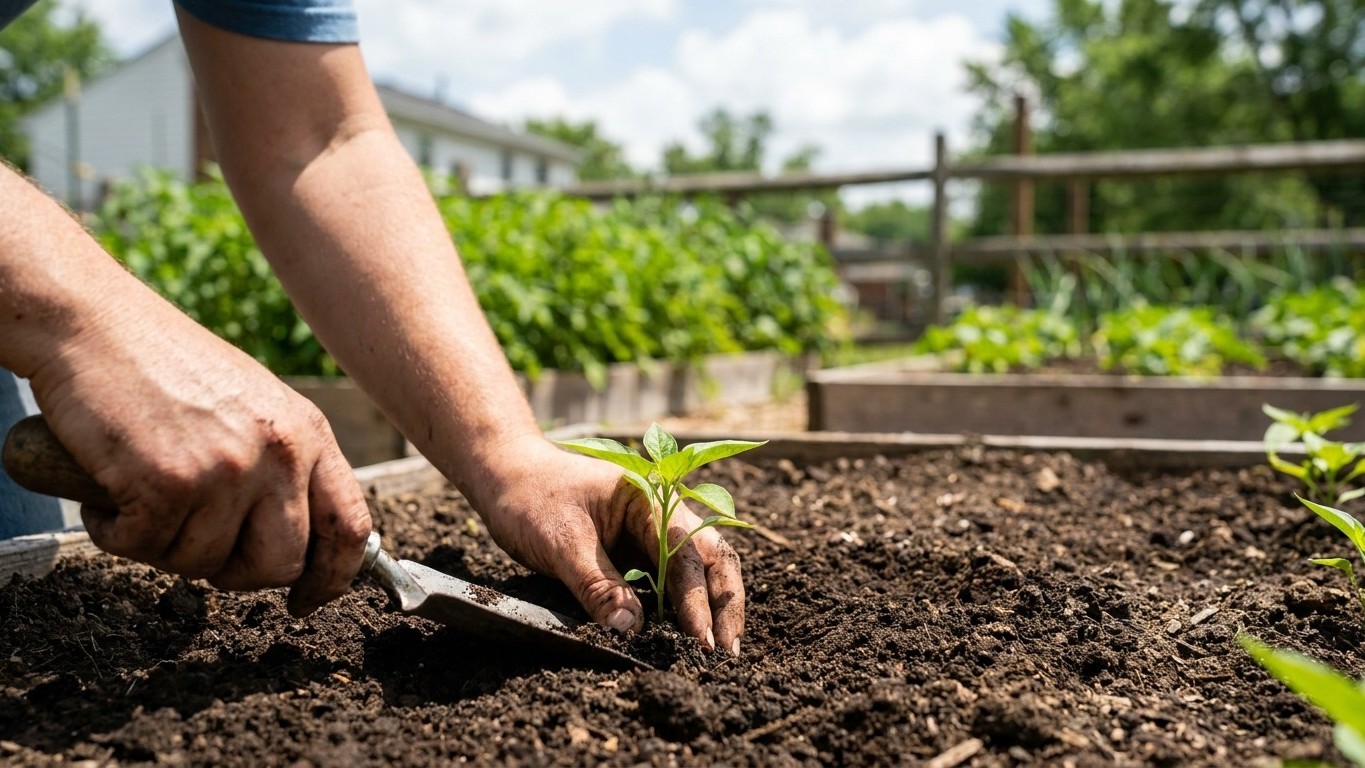
Fall cabbage, broccoli and cauliflower started indoors in June are ready to go into the ground through July. Set them out on an overcast day or in the evening, and water them in heavily, because July soil surface temperatures can run well above what young brassica roots prefer.
What to start under cover
Counting backward from the first fall frost is the only reliable method this month, because a fixed date on a seed packet doesn’t know which county you garden in. Take the reference frost window of November 5 to November 16, subtract the days to maturity listed for your variety, then subtract another two to three weeks as a buffer for slower fall growth as daylight shortens. That’s your latest safe start date.
For a broccoli variety that needs 65 days plus a three-week buffer, that math points to starting seed indoors or in a shaded cold frame in early to mid-July, with transplanting out by mid-August. Kale, collards and fall lettuce follow the same logic but with more slack, since they tolerate a light frost and can be started a bit later.
The two ways this goes wrong are mirror images of each other. Start too early in the summer heat and seedlings sit in small cells too long, turning rootbound and stressed before they ever reach the garden. Start too late, particularly in the northern tier or the Alleghenies where frost arrives weeks ahead of Philadelphia, and the plants are still small when the cold shuts the season down. Splitting the difference, and erring toward earlier rather than later if your county runs colder, is the safer bet.
What is ready to pick
Garlic is one of the signature July harvests in Pennsylvania. It’s ready when the lower third to half of the leaves have browned and dried, usually mid to late July depending on variety and planting date. Pull a test bulb, check that the cloves have separated and the wrapper is intact, and cure the rest in a shaded, airy spot for two to three weeks before storing.
Summer squash and zucchini should be picked young, six to eight inches for most varieties, because oversized fruit turns tough and the plant slows production if fruit is left to mature. Cucumbers follow the same rule: pick before the skin dulls and seeds harden. Green beans snap cleanly when ready and should be picked every two to three days to keep plants producing.
Blueberries and early raspberries ripen through July across most of the state, and early tomato varieties start coloring by the end of the month in warmer pockets. New potatoes can be gently dug from around the base of plants that are still flowering, without disturbing the whole hill, for a small early harvest ahead of the main dig later in the season.
The jobs that matter this month

Watering rhythm matters more in July than almost any other month, because heat and inconsistent rain stress plants right when tomatoes, squash and beans are setting fruit. A deep soak of about an inch to an inch and a half of water per week, delivered slowly at the base rather than overhead, beats frequent shallow watering every time. Shallow watering trains roots to stay near the surface, which makes plants far more vulnerable the next time a hot, dry stretch hits.
Mulch does double duty this month: it holds soil moisture between waterings and keeps weed pressure down while everything is growing fast. Straw, shredded leaves or grass clippings applied two to three inches deep around tomatoes, peppers and squash pay for themselves within a couple of weeks.
Staking and caging need to happen before, not after, plants sprawl. A tomato left unstaked into July becomes a tangled mat that’s nearly impossible to support cleanly later, and sprawling fruit sitting on wet soil is an invitation for rot. The same goes for pole beans and vining squash on trellises.
Pest scouting earns its keep this month. Japanese beetles peak in July across Pennsylvania and can skeletonize bean and grape leaves within days if ignored. Squash vine borer moths lay eggs at the base of squash stems in early summer, so checking stems for small entry holes and frass now catches an infestation before the vine collapses. Tomato hornworms, easy to miss until the damage is done, are worth a weekly leaf-by-leaf check.
Succession sowing rounds out the list: a new row of bush beans or a fresh block of summer squash seeded every two to three weeks through mid-July keeps harvests coming instead of arriving all at once, then stopping.
What not to do in July
The most common mistake this month isn’t planting too early, it’s planting warm-season crops too late and expecting a full harvest. A squash or bean variety needing 65 days, seeded in the last week of July in a county where frost lands in mid-October rather than mid-November, simply runs out of season. Check days-to-maturity against your local frost window before adding anything new.
Feeding nitrogen at the wrong point does real damage to fruiting crops. Tomatoes, peppers and squash that get a heavy nitrogen application once they’re setting fruit respond with lush leaf growth and little else, because the plant channels that nitrogen into foliage instead of flowers and fruit. A balanced or fruit-focused fertilizer, applied lightly, serves better once flowering starts.
Mulch piled directly against stems traps moisture against the plant and invites rot and stem-boring pests, so keep a couple of inches of bare soil around the base even when mulching heavily elsewhere.
Letting garlic sit in the ground too long after the leaves brown is another July-specific error. Bulbs left too long can split or the wrappers deteriorate, hurting storage life, so check plantings weekly once the lower leaves start yellowing rather than waiting for a convenient weekend.
Checking this against your own county
Everything above is built on the reference station used for Pennsylvania’s frost data, which sits in the mildest corner of the state. Elevation and geography move these windows by weeks: the northern tier and the Alleghenies see frost arrive two to four weeks earlier in fall and linger two to four weeks later in spring than the Philadelphia-area numbers suggest. The state spans USDA hardiness zones 5a to 7b, and a garden at the cold end of that range is working with a noticeably shorter season than one at the warm end.
Treat the dates in this article as a starting point, then confirm against local conditions through the Penn State Extension for county-level guidance and planting calendars tailored to your specific region.
Common questions
Can I still start tomatoes from seed in July in Pennsylvania?
Not for an outdoor crop that needs to ripen before frost. Tomatoes typically need 60 to 85 days to fruit after transplanting, on top of six to eight weeks of indoor growing time, which doesn’t leave room to start from seed in July and still harvest before the November frost window closes.
Is it too late to plant a vegetable garden in July?
No. Beans, summer squash, cucumbers, carrots, beets and fall brassicas started now all have enough time before frost across most of the state, especially in the milder southeast. The main risk is starting long-season crops too late in the colder northern and mountain counties.
When should garlic be harvested in Pennsylvania?
Most years, garlic comes out of the ground in mid to late July, once the lower third to half of the leaves have browned. Pulling a single test bulb before harvesting the whole bed is the most reliable way to check timing.
How do I know how much water my garden needs in July heat?
Aim for roughly an inch to an inch and a half of water per week, applied slowly and deeply rather than in frequent light sprinklings. Checking soil moisture a few inches down with a finger or trowel is more reliable than judging by how the surface looks.