
Virginia’s long frost-free window, roughly seven months at the coastal reference station, favors slower winter squash more than a first glance at the calendar suggests. Butternut is the safest all-around choice. Acorn and delicata cover the shorter end. Giant Hubbard types only make sense near the coast, where the season has room to spare.
The short answer for Virginia
Start with the frost window itself, because it decides which squash even get a shot at maturing. At the NAS Oceana reference station, the last spring frost falls between March 20 and April 3, and the first fall frost arrives between November 10 and November 24. That gives a frost-free stretch of roughly 220 to 245 days at the mild end of the state, which is generous by East Coast standards. Add the heat load, an average of 26.0 days a year at or above 90°F, and you get a growing season that is long but not scorching, the kind of climate that rewards patience more than speed.
That combination points toward a specific hierarchy of types rather than a single winner. Butternut squash, which typically needs 100 to 110 days from seed, fits this window with margin on both ends, which is why it shows up so often in Virginia gardens and at farm stands from Loudoun County to the Eastern Shore. Acorn and delicata, both closer to 80 to 100 days, act as insurance: if a wet spring delays planting or a cool June slows early growth, they still have time to finish before the November frost. Kabocha sits in between, usually 95 to 110 days, and performs well in the same conditions that suit butternut.
Giant Hubbard and other 110-to-120-day types are the ones to treat with caution, and only at the coastal end of the state where the frost-free window is longest. Plan on butternut as the default choice for most of Virginia, with delicata or acorn as backup if planting slips past mid-May. Blue Hubbard and similar long-season squash need every one of those 220-plus days, and a cool, wet spring can eat into that margin fast.
| Type | Typical days to maturity | Fit for Virginia |
|---|---|---|
| Acorn / delicata | 80-100 | Reliable statewide, best insurance against a late start |
| Butternut | 100-110 | Best all-around match for the coastal season length |
| Kabocha | 95-110 | Performs alongside butternut in the same window |
| Hubbard / giant types | 110-120+ | Coastal areas only; risky inland or at altitude |
What will not work here
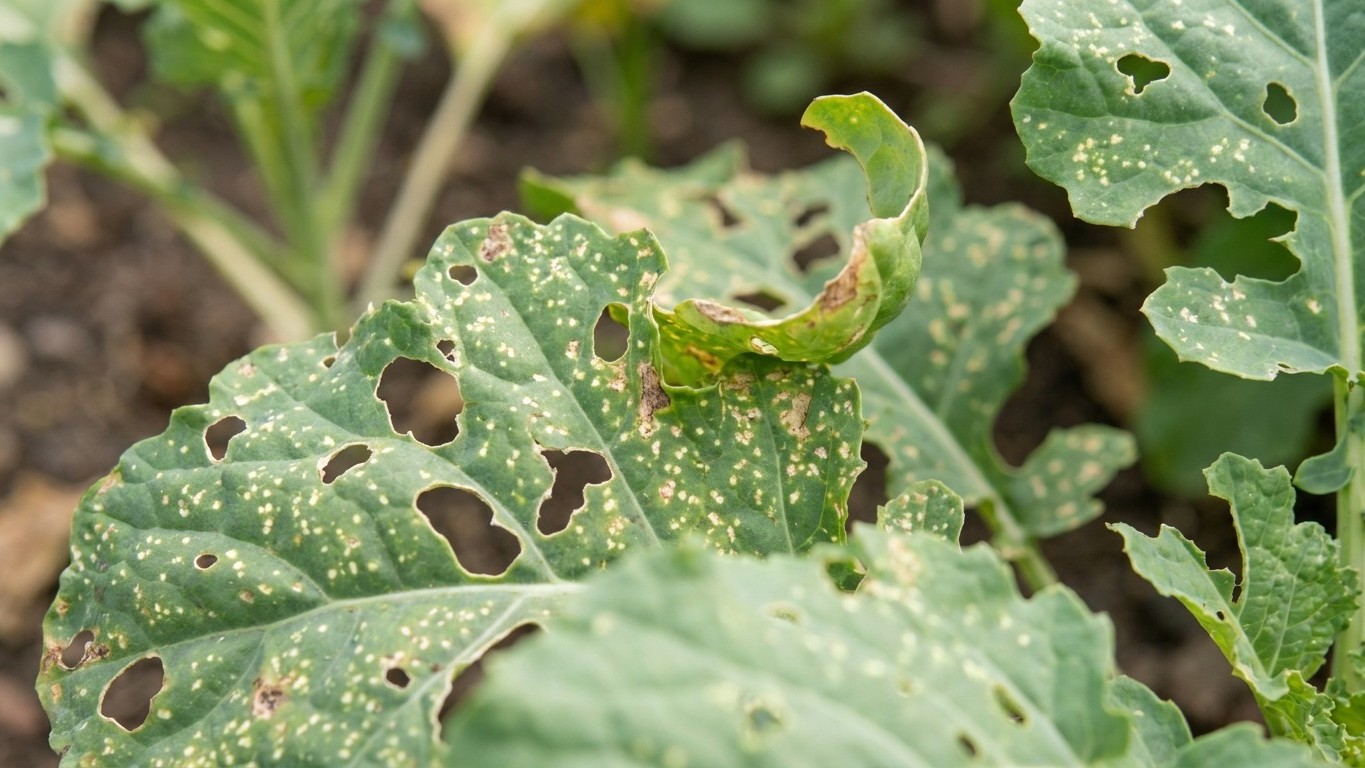
The failure mode in Virginia is rarely a short season. It’s humidity paired with close spacing. Summer rainfall averages about 15.0 inches across June, July and August, with July the wettest month at 5.76 inches. That moisture, combined with 26 days a year of 90°F-plus heat, creates exactly the conditions powdery and downy mildew need: warm, still, damp air sitting on foliage overnight. Vines planted too close together lose airflow and hold that dampness longer, which is why a squash patch that looked healthy in July can collapse into gray, mildewed leaves by mid-August in a garden that never lacked water.
Weekly watering schedules built for drier climates also misfire here, just not in the way gardeners expect. June, the driest summer month, still averages 4.15 inches of rain, which sounds like plenty. But that rain often arrives as a handful of heavy thunderstorms rather than a steady drizzle, so a squash bed can go ten days bone dry between downpours even while the monthly total looks generous. Gardeners who water on autopilot once a week, assuming the summer rain will fill the gaps, sometimes find their vines wilting on the days between storms, particularly on sandy soil that drains fast.
The other trap is planting a 120-day Hubbard or a similar long-season type inland or at higher elevation and assuming the coastal frost dates apply. They don’t. The Blue Ridge and southwest Virginia run their spring frost weeks later and their fall frost weeks earlier than the Oceana station used for the state’s baseline numbers, which shrinks the usable season by a month or more in some counties. A squash that needs every one of those 220 coastal days has no cushion left once that window narrows.
What changes across Virginia
Virginia’s hardiness zone range, 5a to 8b under the USDA Plant Hardiness Zone Map (2023 update, based on 1991-2020 averages), is one of the widest spans of any Eastern state, and it’s built on a single variable: average annual extreme minimum temperature. That range alone tells you there is no single planting date or variety list that covers the whole state. A gardener near the coast, closer to the milder end of that range, works with a longer frost-free season and can afford a slower squash. A gardener in the mountains, closer to the colder end, is working with a shorter one, even though both live in the same state and read the same seed catalog.
What should shift, practically, is the type of squash chosen and the cushion built into the planting date. In the milder zones, butternut and even Hubbard types have room to mature at a relaxed pace. In the colder zones, acorn and delicata become the safer default, and starting seedlings indoors three to four weeks before the local last frost, rather than direct-seeding, buys back some of the days a shorter season takes away. Row cover at transplant time can add another one to two weeks of protection against a late cold snap, which matters more in a zone 5a pocket than it does near the water.
None of this replaces knowing which end of the 5a-8b range applies to a given piece of ground. Elevation, distance from the Chesapeake Bay, and even which side of a ridge a garden sits on can shift the effective zone by a full step or more. The USDA’s interactive map is the tool built for that resolution, not a statewide average.
Where to check this for your own county
This page describes Virginia as a whole, built around one reference station on the coast. That’s useful for understanding the pattern, but it is not a substitute for a county-level answer. Virginia Cooperative Extension, at https://ext.vt.edu/, publishes exactly that: planting calendars and variety recommendations tested at the county level, often through local Extension offices and Master Gardener programs that track how squash actually performs in that specific soil and microclimate.
Two things are worth searching for once there. First, the local planting calendar for vine crops or cucurbits, which will reflect the actual frost dates for that county rather than the coastal station cited throughout this page. Second, any list of winter squash varieties that Extension agents or Master Gardener trials have specifically flagged as reliable in that area, since local disease pressure (particularly the mildew risk discussed above) varies enough county to county that a variety thriving in the Tidewater humidity might struggle in a drier Piedmont pocket, or vice versa.
A county recommendation will always outrank a state one, because it accounts for local soil, local disease history, and the real frost dates for that ground rather than a single reference station’s averages. This page is the state-level starting point. The county Extension office is where that starting point gets corrected for the garden a reader is actually standing in.
Checking this against your own garden
Every date on this page describes an average. A reader’s own garden will confirm or contradict it faster than any calendar can, and three simple checks do most of that work.
Soil warmth by feel comes first. Winter squash seed sits and rots in cold ground, so before planting, a hand pushed a few inches into the bed should feel comfortably warm, not cool or damp-cold, roughly the temperature of bathwater rather than tap water. If the soil still feels cold in late April, that’s a local signal to wait, regardless of what the calendar says.
The first flush of male flowers is the second checkpoint. Squash plants produce male blossoms before female ones, often by a week or two, and their appearance means the plant has shifted into active growth. No flowers by midsummer is a sign that heat, spacing, or nitrogen levels need attention before fruit will follow.
The first true leaves, the ones that look like miniature squash foliage rather than the rounded seed leaves, mark the point where a seedling has really established. Seeing them within seven to ten days of planting is a good sign the local soil temperature and moisture matched the seed’s needs. A slower emergence than that is worth noting for next year’s planting date, since it says more about that particular yard’s microclimate than any regional average ever could.