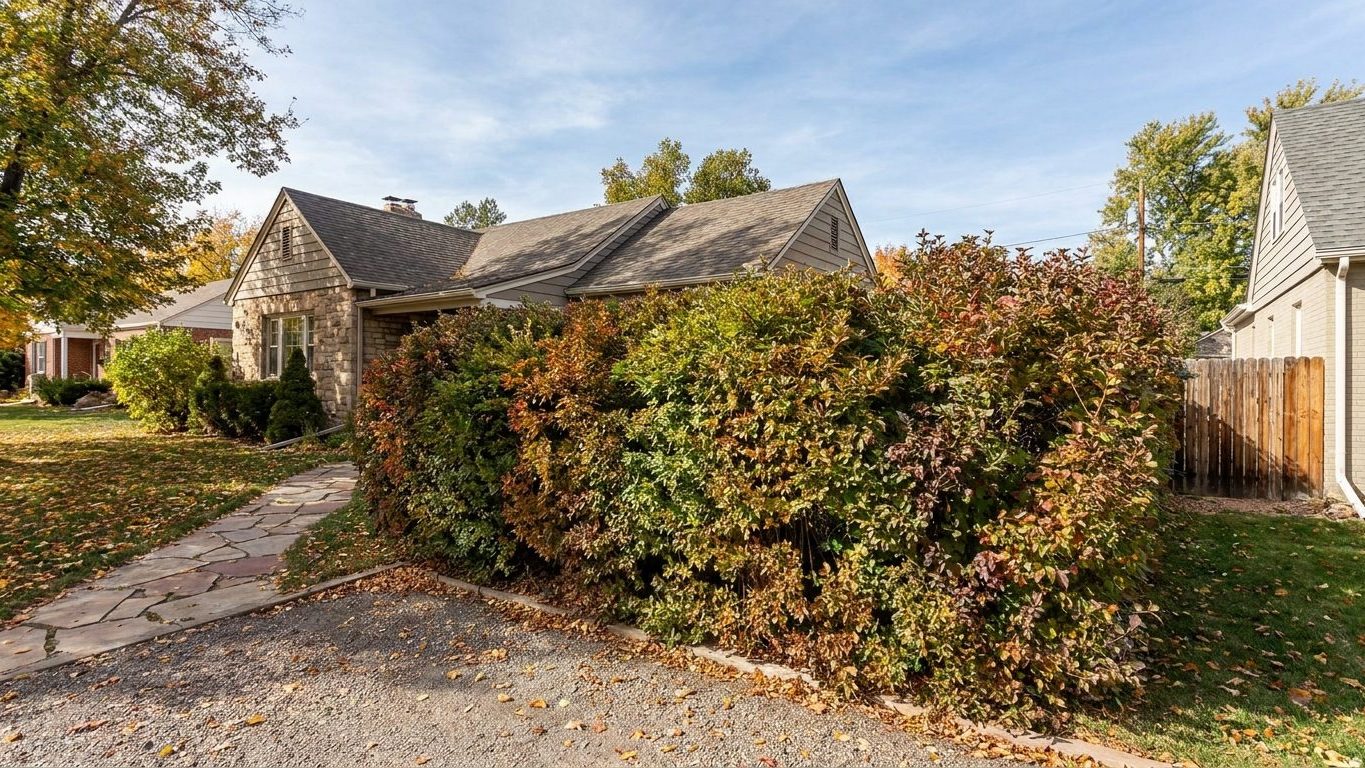

Arizona has no statewide hedge height law. There is no chapter of the Arizona Revised Statutes that sets a number in feet for how tall a hedge can grow. That authority sits with cities and towns, which write their own limits into local zoning codes, usually inside the section on fences or accessory structures. The one near-universal exception is the sight triangle at corners and driveways, where visibility rules trump whatever general height limit applies elsewhere on the lot.
There is no Arizona hedge height law
Search “hedge height law Arizona” and you’ll find pages that quote a single number, often six feet, as if it applied statewide. It doesn’t. That figure usually comes from one city’s ordinance, lifted out of context and presented as universal fact. Arizona’s legislature has never adopted a uniform height limit for hedges, fences, or living screens. Instead, land use and zoning authority is delegated down to the municipal level, which means Phoenix, Tucson, Flagstaff, Yuma, and every incorporated town in between can and do set their own rules, and those rules can differ by several feet from one city limit to the next.
This isn’t unique to Arizona. Height limits for hedges and fences are a classic example of local police power, the authority cities use to regulate things like noise, setbacks, and lot coverage for the sake of neighborhood character and public safety. A state legislature could theoretically preempt that and impose one number everywhere, but few states have bothered, and Arizona is not one of the exceptions.
What that means if you live in unincorporated Arizona
If your property sits outside any city or town limit, in unincorporated county land, the relevant code is your county’s planning and zoning ordinance rather than a city’s. Arizona’s counties, Maricopa, Pima, Pinal, Yavapai, and the rest, each maintain their own zoning code, and the fence and hedge provisions live there instead of in a municipal code. The mechanism is the same, just one level up the ladder: no state number, a local one instead.
None of this means the question is unanswerable. It means the answer is local, and it changes depending on which side of a city line your lot happens to sit on. Two houses a quarter mile apart, one inside city limits and one just outside it, can legally follow completely different hedge height rules. That’s not a loophole. That’s how zoning authority in Arizona, and in most of the country, is actually built.
The practical takeaway is simple: stop looking for “the Arizona rule” and start looking for your city’s rule, or your county’s if you’re unincorporated. The next section walks through exactly where that rule lives and how to pull it up in a few minutes.
How to find the rule that actually applies to you
Municipal codes in the United States are published online, and almost every Arizona city’s code sits on one of three platforms: Municode (library.municode.com), American Legal Publishing (codelibrary.amlegal.com), or eCode360. A quick search for your city’s name plus “municipal code” will usually land you on one of these three. Once you’re there, don’t search for “hedge.” Many codes never use that word. Search instead for “fence,” “wall,” “screening,” or “accessory structure,” because that’s where height limits for living barriers are typically folded in, even when the barrier in question is a row of oleanders rather than a chain-link fence.
Fence rules and hedge rules aren’t always the same rule
Here’s the detail that trips up a lot of homeowners: a hedge is not automatically treated as a fence in the code. Some cities define “fence” broadly enough to include “any structure or vegetation forming a barrier,” which pulls hedges under the same height cap as a wooden or vinyl fence. Others define fences narrowly as built structures and leave living hedges completely unregulated, or address them in a separate, shorter provision buried elsewhere in the zoning chapter. Before you assume your city’s six-foot fence limit applies to your ligustrum hedge, check which word the ordinance actually uses. If it says “fence, wall, or hedge” together, you’re covered by that number. If it says only “fence” and never mentions vegetation, the hedge may fall into a gap the code doesn’t address at all, or it may be picked up somewhere else, like a landscaping or visibility section.
| Code publisher | Typical URL pattern | Where to look |
|---|---|---|
| Municode | library.municode.com | Zoning chapter, search “fence” or “accessory structure” |
| American Legal Publishing | codelibrary.amlegal.com | Land use / zoning title, “screening” or “walls and fences” |
| eCode360 | ecode360.com | Zoning ordinance, keyword search bar built into the site |
If the online code leaves you unsure, call the city’s planning and zoning department directly. That’s a five-minute phone call, and the staff who answer it field this exact question regularly. For county land, the equivalent office is usually called the planning and development department. Either way, ask for the specific ordinance section number when they give you an answer, so you can look it up yourself and keep a copy for your records.
The branches that cross the line
One rule shows up in almost every Arizona municipal code, even the ones that say nothing at all about general hedge height: the sight triangle. At intersections and at driveway entrances, nothing, hedge, fence, parked trailer, or ornamental boulder, may sit tall enough to block a driver’s line of sight. That limit is almost always lower than the general fence or hedge height allowed elsewhere on the same lot, sometimes dramatically so. A city might allow a six-foot hedge along most of a side yard but cap anything inside the corner sight triangle at two or three feet, precisely because that’s the zone where a driver pulling out of a driveway or approaching an intersection needs an unobstructed view of cross traffic and pedestrians.
The sight triangle provision typically lives in the traffic or public works section of the code rather than the general fence section, so it’s worth a separate search when you’re checking your city’s rules. If your property sits on a corner lot or has a driveway that opens onto a street with any real traffic, this is the rule most likely to actually bite you, more than the general height cap most homeowners assume is the only thing to worry about.
When a neighbor’s hedge crosses your property line
Separate from height limits entirely is the question of encroachment, branches or roots that physically cross from one yard into another. In most states, a well established legal principle allows a property owner to cut back growth that has crossed onto their land, up to the boundary line and no further, at their own expense, without killing the plant in the process. This comes from case law built up over decades, not from a single statute, and the exact contours vary state by state and even case by case. It is a general principle worth knowing, not a specific Arizona statute with a citation attached, and it does not override any local ordinance governing height or setbacks.
If a neighbor’s hedge is both too tall for the local ordinance and physically crossing onto your land, those are two separate issues with two separate remedies, one through the city’s code enforcement office, the other through the self-help trimming principle described above. Mixing them up is a common mistake, and if a disagreement escalates, a property attorney familiar with your county is a better resource than a guess.
What to check before you plant
Before you put a hedge in the ground, particularly one you intend to let grow tall for privacy, run through a short checklist rather than assuming a national or statewide default applies.
- Call your city’s planning and zoning department, or your county’s planning and development office if you’re unincorporated, and ask for the fence and hedge height limits in writing or by section number.
- Ask specifically whether “hedge” or “vegetation” is included in the definition of “fence” in your local code, since that single word can change which height limit applies to you.
- Check whether your lot has a corner or driveway sight triangle requirement, and get the reduced height limit for that specific zone before you plant anything near it.
- If you’re in a subdivision with a homeowners association, read the CC&Rs separately. HOA rules can be stricter than city code, and HOAs enforce their own limits regardless of what the municipality allows.
- Think about the plant’s mature height, not its size at planting. A species that tops out well above your local limit will eventually put you in violation even if it looks compliant the day you plant it.
None of these checks take more than an afternoon, and doing them before you plant is far cheaper than removing or drastically cutting back a hedge that’s grown five years past a limit you never confirmed.
Common questions
Does Arizona have a maximum fence height that applies to hedges?
No. There is no statewide maximum for fences or hedges in Arizona. Each city and county sets its own limit, and whether a hedge counts as a “fence” under that limit depends on how the local code defines the term.
Can my HOA set stricter hedge rules than the city?
Yes. Homeowners associations can impose height limits, species restrictions, or setback rules that go beyond what the city or county requires, and those private CC&R rules are enforced separately from municipal code.
What happens if my hedge blocks a neighbor’s view or sunlight?
This is generally a private matter between neighbors rather than a code violation, unless your hedge exceeds a documented height limit or intrudes on a sight triangle. Disputes over view or shade alone typically require a conversation with the neighbor or, if unresolved, legal advice rather than a call to code enforcement.
Who do I call if I disagree with my neighbor about hedge height?
Start with your city’s planning and zoning department to confirm whether the hedge violates any documented ordinance. If it doesn’t, and the disagreement continues, a property attorney can advise on encroachment or nuisance claims, since those fall outside what code enforcement typically handles.