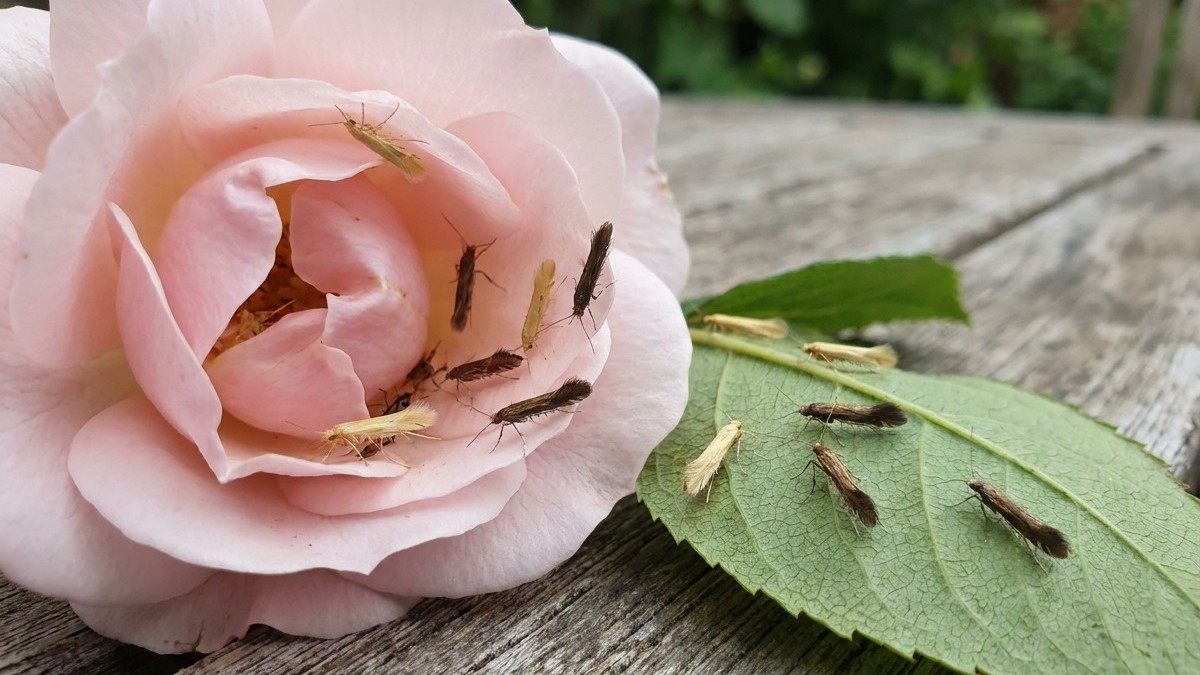

Roses that survive an Alberta winter are almost always own-root shrub roses bred specifically for prairie cold, not grafted hybrid teas from a warmer growing zone. The reference city Calgary sits in Canadian hardiness zone 4a, and the roses that make it through are the Explorer and Parkland series, hardy rugosas, and native species roses. Anything rated for a milder US zone on its tag is a gamble here.
Which roses survive a Alberta winter
Cold tolerance in roses comes down to two separate questions: how hardy is the root system, and how hardy is the wood above ground. A grafted hybrid tea might have a root hardy enough for a mild winter, but the graft union itself, sitting an inch or two above the soil line, is often the weak point. When that union freezes and dies, the top growth you paid for is gone even if the rootstock technically survives. Own-root roses sidestep this entirely: if the top dies back, the plant can regrow from below ground and still be the variety you planted, not a rootstock sucker.
The Canadian hardiness zone system that rates Calgary as 4a is built from seven climate variables, not one. That matters because a lot of rose tags sold in North American garden centers still use the single-variable USDA scale, and Natural Resources Canada is explicit that the two systems don’t convert cleanly. Canadian zone 4a alone overlaps nine different USDA zones, stretching from roughly 3a to 7a. So a rose labeled “hardy to USDA zone 5” tells you almost nothing about whether it will survive here. It might be bred for a wet, mild Pacific coast winter that never sees anything close to a prairie cold snap.
Frost windows, not fixed dates
The mean last spring frost at Calgary Int’l A is May 21, and the mean first fall frost is September 16, based on Environment and Climate Change Canada’s 1981-2010 climate normals. That’s a midpoint, not a promise. In one year out of two, frost shows up later than that May date, sometimes weeks later. The gap between those two mean dates works out to roughly four months of frost-free growing, but treat that as a loose planning window rather than a guaranteed season, especially since a single station at the Calgary airport doesn’t speak for the whole province. Northern counties and higher-elevation districts run behind it by weeks.
Beyond the raw cold, prairie roses also have to tolerate wild temperature swings. Chinook winds can push a January afternoon well above freezing before the temperature drops hard again that same night, and roses bred without that stress in mind can suffer more from the freeze-thaw cycling than from the cold itself. The varieties that hold up here tend to have been selected, deliberately or by accident, for tolerating that kind of instability, not just for surviving a steady deep freeze.
Named roses that hold up here
Two Canadian breeding programs built their reputations specifically on prairie survival, and their roses show up again and again in Alberta gardens for a reason. The Explorer series, developed through Agriculture and Agri-Food Canada, was bred with cold-hardy species roses in the background, and most of the line is grown own-root, which removes the graft-union weak point entirely. The Parkland series, bred at the Morden research station in Manitoba, was built with prairie winters as the design target from the start rather than as an afterthought, and it tends toward compact, repeat-blooming shrubs that die back hard but rebuild from the base each spring.
Rugosa roses and their hybrids are the other reliable category. Their thick, crinkled foliage and dense, twiggy growth habit come from a species that naturally handles harsh coastal and continental cold, and rugosas are commonly own-root as well. They’re not fussy about soil, they throw large hips in fall, and gardeners who want a rose that behaves more like a tough hedge shrub than a delicate specimen plant tend to land here.
The native option
Rosa acicularis, the prickly wild rose, is Alberta’s provincial floral emblem, and it grows wild across the province’s boreal and parkland regions without any winter protection at all. It’s a single-flowered species rose rather than a repeat-blooming garden hybrid, so it won’t give you the long bloom season of a Parkland shrub, but it’s proof that roses can and do survive here with zero human intervention, which says something about what the genetics of a rose need to look like before a nursery variety has any business being planted this far north.
Sold here, but not for this zone
Garden centers restock every spring from wholesale growers, and a lot of that stock is grown in nurseries located in far milder climates before being trucked in and displayed alongside the roses actually suited to the region. Hybrid tea roses, the classic long-stemmed florist-style bloom, are the most common casualty. They’re almost always grafted, bred for a long, mild growing season, and rated for USDA zones that sit well outside what Calgary’s 4a actually overlaps with. Floribundas and grandifloras carry the same graft-union vulnerability, just with a different flower form.
Tree roses, sometimes called standard roses, compound the problem twice over: they graft a bloom variety onto a trunk, which is itself often grafted onto rootstock, giving you two vulnerable union points instead of one, both raised well above any snow cover that might otherwise insulate them. Climbing roses run into a different issue. Many climbers need two or three seasons of undisturbed old wood to build up the long canes that eventually flower, and a prairie winter that kills canes back to the snow line every year never lets that structure develop, so the plant survives but never performs the way the tag promised.
None of this means these roses are mislabeled or fraudulent. Their ratings are usually accurate for the climate they were designed around. The trouble is a shopper reading a tag at a local nursery has no way of knowing that “hardy to zone 5” was written with a Pacific Northwest or Great Lakes winter in mind, not a Calgary one, and the two are not the same test.
What to check on the label before buying
The single most useful thing on a rose tag is whether it names a breeding program built for prairie or northern conditions, something like Explorer, Parkland, or a rugosa cross. That single line tells you more than any zone number will.
Beyond that, a few checks are worth the extra minute at the garden center:
- Look for “own-root” language, or ask staff directly; a grafted rose with no mention of rootstock protection is a higher-risk purchase here.
- Note which hardiness system the tag uses. If it only shows a USDA number with no Canadian zone equivalent, treat that number with caution rather than assuming it translates.
- Check the plant’s description for repeat bloom on new wood versus bloom only on old wood; new-wood bloomers recover better after a hard prairie dieback.
- Ask where the nursery stock was actually grown, not just where it’s being sold; roses trucked in from a distant, milder growing region carry no local hardening.
A rose that dies back to the snow line every winter and rebuilds from the base isn’t a failure, it’s the normal life cycle for most prairie-hardy shrub roses. The label question that actually matters isn’t “will this survive a hard freeze” so much as “was this variety ever tested against one.”
Checking this against your own county
Everything above is anchored to Calgary Int’l A, a single weather station, and Natural Resources Canada is clear that the zone 4a rating attached to it belongs to that reference city, not to Alberta as a whole. A county further north, at higher elevation, or further from the moderating influence of chinook winds can run colder and later in spring than these figures suggest. Before committing a rose bed to a specific variety, check the zone for your own municipality on Natural Resources Canada’s Plant Hardiness site, and lean on Alberta’s agriculture and irrigation extension service for region-specific growing guidance beyond what a single station’s climate normals can tell you.
Common questions
Do hybrid tea roses ever survive an Alberta winter?
Some do, in sheltered microclimates with heavy snow cover, but they’re grafted and bred for milder zones, which makes them a poor bet for a reliable planting compared with own-root prairie-bred varieties.
What hardiness zone is Alberta for roses?
Calgary, the reference city these figures are drawn from, sits in Canadian zone 4a. That’s a single-station figure on the seven-variable Canadian scale, and it does not represent every county in the province.
Is a USDA zone 5 rose safe to plant here?
Not automatically. Canadian zone 4a overlaps nine different USDA zones, from 3a to 7a, so a USDA number alone doesn’t tell you whether a rose was bred for prairie cold or for a milder coastal winter.
Why do Parkland and Explorer roses keep coming up as recommendations?
Both series were bred through Canadian government research programs specifically targeting prairie winter survival, and most are grown own-root, removing the graft-union failure point that trips up hybrid teas and other grafted varieties.