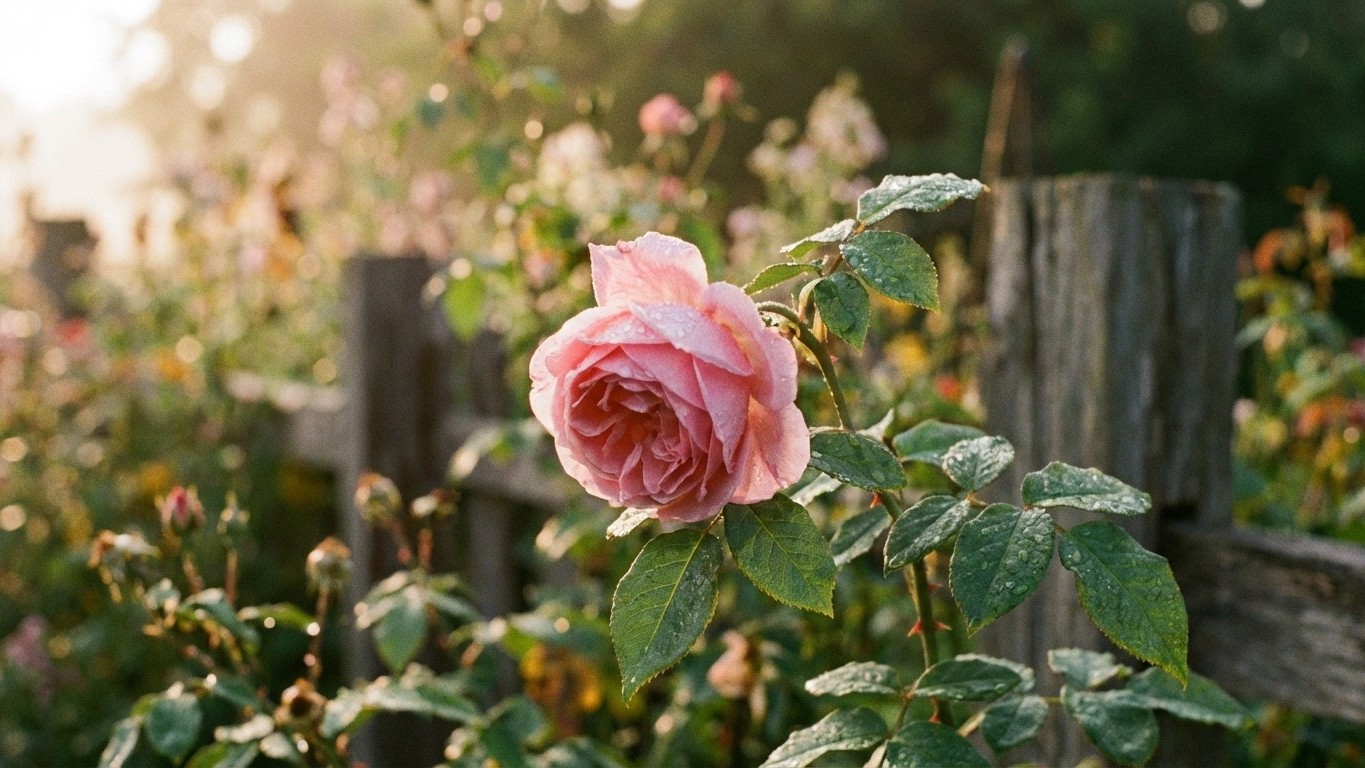

Plant bare-root roses in Pennsylvania as soon as the soil can be worked, which means mid-March to early April around Philadelphia and later as you move north. Set out potted roses after the last freeze, which falls between March 29 and April 6 in Philadelphia and two to four weeks later in the colder parts of the state. Choose varieties bred for black spot resistance, give them six hours of sun, and expect Japanese beetles and aphids by midsummer.
When to plant Roses in Pennsylvania

Its 1991-2020 NOAA NCEI U.S. Climate Normals put the last spring 32°F freeze between March 29 and April 6 (the 30 to 70 percent probability band). Philadelphia is the mildest corner of the state. The northern tier and the Alleghenies run two to four weeks later, so add 14 to 28 days to those dates and you land between roughly April 12 and May 4. Use the date that fits your county, not the one that fits the city.
Bare-root, potted and fall planting
Dormant bare-root roses are the cheapest way to buy a good plant, and they handle cold better than their leafed-out cousins. Plant them once the soil crumbles in your hand instead of clumping or sitting frozen. In southeastern Pennsylvania that is about mid-March, two weeks ahead of the last-frost window. Further north, late March through mid-April is the realistic stretch. Soak the roots in a bucket of water for 12 to 24 hours first, no longer.
Potted roses from a garden center are already leafing out, and that soft growth burns in a late freeze. Wait until the last-frost window has passed, or be ready to throw a bucket or blanket over them on cold nights. Fall is the second planting season. Count back about six weeks from the first fall frost (November 5 to November 16 in Philadelphia) and you get late September to early October. Roses planted then have time to root before the ground locks up.
Starting from seed, with the arithmetic
Most roses are not grown from seed. Hybrid teas and many shrub roses are grafted or propagated from cuttings, and seedlings will not match the parent plant. Species roses and rugosas do come reasonably true, and some gardeners enjoy the gamble. If you try it, rose seed needs cold stratification (about eight weeks in a refrigerator in damp sand or paper towel) before it will sprout. Count back from a April 1 last freeze: seedlings go outdoors around April 1, hardening off starts one week earlier (March 25), roughly eight weeks of indoor growth puts sowing near February 4, and stratification begins around December 10. Shift every date later by two to four weeks for the northern tier.
Hardening off and transplanting out
Hardening off applies to seedlings and to greenhouse-grown potted roses alike. Spend seven to ten days giving them an hour or two of shade outdoors, then lengthening the time and adding morning sun, wind and finally a night outside. Transplant on an overcast day or in the evening, and water the hole before and after. A rose that sits in a hot driveway for a week before planting loses ground it has to rebuild.
Soil and site preparation
Roses want six hours of direct sun, and morning sun matters most because it dries dew off the leaves early and cuts down fungal disease. A spot with afternoon shade is fine in a hot Pennsylvania summer. A spot under a maple, where roots will drain the bed dry, is not. Air movement counts too. A rose crammed against a solid fence in a damp corner will grow black spot almost on schedule.
Texture and drainage decide more than fertility. Roses like loamy soil that holds moisture without staying soggy, and much of Pennsylvania has heavy clay in the lowlands or thin, rocky soil on ridges. To test drainage, dig a hole about a foot deep, fill it with water, let it drain, and fill it again. If water is still standing after several hours the second time, choose another spot or build a raised bed about 10 to 12 inches high.
The weeks before planting do the real work. In the fall before a spring planting (or about a month ahead of any planting), spread two to three inches of compost over the bed and work it into the top 8 to 10 inches. A soil test from your county Penn State Extension office tells you the pH and whether you need lime or sulfur. Roses do best in slightly acidic soil, with a pH around 6.0 to 6.5. Add lime or sulfur only to a test result, and do it weeks ahead, because both work slowly.
On planting day, dig a hole wide enough to spread the roots without bending them, usually 18 inches across. In colder parts of the state, set the graft union (the knobby swelling where the canes meet the rootstock) an inch or two below the soil surface for winter protection. Space hybrid teas about 2 to 3 feet apart, shrub and landscape roses 3 to 4 feet, and climbers at least 6 to 8 feet from the next plant. Crowding is the easiest mistake to make and the hardest to fix.
Varieties that suit Pennsylvania
Pennsylvania roses face a humid, hot-summer, cold-winter pattern. That makes three traits matter most: resistance to black spot and powdery mildew, winter hardiness (especially in the northern tier and mountains), and a repeat-blooming habit. Once-blooming roses flower heavily for a few weeks and stop. Repeat bloomers keep producing through the season until frost.
These widely sold varieties carry one or more of those traits. Test local performance with your neighbors and county office.
| Variety or group | Type | Good for | Watch for |
|---|---|---|---|
| Knock Out series | Shrub, repeat bloomer | Low-maintenance beds and hedges, strong black spot resistance | Can still catch rose rosette disease and attract beetles |
| Drift roses | Compact groundcover | Slopes, borders, containers | Needs sun; thin in heavy shade |
| Carefree Beauty | Shrub, repeat bloomer | Fragrance with good disease tolerance | Large plant, so give it room |
| Iceberg | Floribunda | Steady white bloom and cut flowers | Some black spot in wet summers |
| Hansa and other rugosas | Hardy shrub | Cold-tolerant plantings, hips, scent | Suckers and spreads |
| William Baffin | Hardy climber | Fences and trellises in colder counties | Less fragrance than hybrid teas |
| New Dawn | Climber, repeat bloomer | Arbors, soft pink flowers, vigor | Needs regular tying and pruning |
| Peace or Double Delight | Hybrid tea | Classic form and fragrance | Black spot, so plan on a spray routine |
Hybrid teas are lovely, but they are the highest-maintenance choice in a humid state. If you want a low-effort garden, start with shrub roses and add one or two hybrid teas for cutting. For general background on rose types, see How to Grow Roses: The Complete Guide. Gardeners comparing climates may also find the Growing Roses in Illinois: Planting Dates, Varieties and Local Pests and Growing Roses in Colorado: Planting Dates, Varieties and Local Pests guides useful, since the same varieties behave differently in drier or colder places.
What to plant alongside
Good companions for roses do ordinary jobs: they cover bare soil, draw pollinators, and keep the rose’s crown from being crowded. Catmint and lavender are the standard pairings, and both earn their place. Catmint is tough, blooms for weeks, and fills gaps, while lavender wants very sharp drainage and does poorly in the heavy clay that many Pennsylvania roses sit in. Low perennials such as hardy geraniums cover the ground and shade the soil at the rose’s base.
Alliums and garlic have a long reputation as aphid deterrents. The evidence is thin. The strong smell may confuse insects slightly, but nobody should count on chives to stop an aphid outbreak. They are still pleasant, cheap neighbors that do no harm. Marigolds have a similar story: they can suppress some root-feeding nematodes, but there is no solid evidence that they protect roses from the beetles and aphids above ground.
Climbing roses and clematis share trellises often, and they can work, but give each its own root zone and expect to untangle them during pruning. Plant clematis at least a foot from the rose.
Keep the following away from rose beds:
- Turf grass and aggressive groundcovers, which compete for water and nitrogen right at the roots.
- Large trees and shrubs whose root systems will drain the bed in July.
- Crowded perennials that block air flow, which sets up fungal disease on the lower leaves.
- Plants Japanese beetles favor, such as linden and grape, close to the rose bed.
Watering, feeding and support
Water deeply and less often. One inch per week, from rain plus the hose, soaks the root zone to a depth that encourages roots to go down. Water at the base in the morning, because wet leaves overnight invite black spot. Newly planted roses need more attention: water every few days for the first two to three weeks, then taper off. A screwdriver pushed into the soil tells you quickly whether the top six inches is dry.
Mulch holds moisture and suppresses weeds. Spread two to three inches of shredded bark or compost over the root zone after the soil has warmed, and keep it a couple of inches off the canes so the bases do not stay damp. Refresh it in spring.
Feed when new growth is a few inches long, then again after the first big flush of bloom. A balanced rose fertilizer or compost works. The cutoff matters most: stop feeding about six weeks before the first fall frost, because late nitrogen pushes soft growth that winter will kill. In the Philadelphia range of November 5 to November 16, that cutoff lands roughly between September 24 and October 5. Shift it earlier for colder areas.
Prune in late winter or early spring, when buds begin to swell (many gardeners watch for forsythia in bloom). Remove dead, damaged and crossing canes, then cut back to an outward-facing bud so the plant opens in the center. Repeat bloomers can be cut harder than once-bloomers, which flower on last year’s wood and should be pruned right after blooming. Climbers need canes tied horizontally to a trellis or fence, because horizontal canes produce more flowering side shoots. Staking is rarely needed, except for a tall hybrid tea in a windy spot.
On grafted roses, suckers from the rootstock appear below the graft. They usually have seven leaflets per leaf rather than the five on most hybrid teas, and different color and thorns. Dig down and pull them off at the root instead of cutting at ground level, which only encourages more.
Common problems

Black spot is the Pennsylvania rose problem. Round black spots with fringed edges appear on leaves, the leaves yellow and drop, and the plant looks bare by August. It spreads in wet weather from splashing water. Water at the base, give plants space, rake up and discard fallen leaves, and apply a labeled fungicide early in the season if you grow susceptible varieties. A resistant variety does more than any spray.
Powdery mildew looks like white dust on new leaves and buds, and tends to show up when days are warm and nights are cool and humid. Better airflow and morning sun are the best prevention. Distorted red or purple new growth with abnormal thorns, especially a dense witches’-broom of shoots, can mean rose rosette disease, which is spread by a tiny mite. There is no cure. Dig out the whole plant, roots included, and bag it.
Cane dieback after winter shows up as brown or black stems that stay dead when buds should be breaking. Cut each one back into green, white-centered wood. Winter damage is more common in the northern tier and on grafted roses that were not protected.
Roses that grow but do not bloom are usually short of sun, over-fed with nitrogen, or pruned at the wrong time (once-bloomers cut in spring lose their flowers). Buds that turn brown and fail to open, called balling, happen in humid, damp weather, and the cure is to clip them off and wait for drier conditions. Leaf curl or distorted growth after a spring spray often means herbicide drift from a nearby lawn treatment, so check what your neighbors have used.
When the damage looks like chewing, skeletonizing or sticky residue, look for insects. The next section covers the pests that matter in Pennsylvania.
Pests that actually show up in Pennsylvania
Penn State Extension’s home garden pests and diseases guidance highlights a list for the state. Pressure varies from county to county, so take unfamiliar damage to your county office for identification. The ones that matter for roses are below.
Japanese beetle. What you see first is lacy, skeletonized leaves and chewed flowers, with metallic green and copper beetles clustered on the blooms. Adults generally arrive in early to midsummer. The control that works is hand-picking into a bucket of soapy water in the cool morning, when they are sluggish. Skip the pheromone traps, which can pull more beetles into your yard than they catch.
Aphids. Clusters of tiny green or pink insects crowd new shoots and flower buds, usually in spring, leaving sticky residue and curled growth. A strong blast of water from the hose knocks most off, and a second pass a few days later handles the rest. Insecticidal soap is the next step if the colony rebuilds. Heavy nitrogen feeding makes the soft growth aphids love.
Spotted lanternfly. This one shows up as small black nymphs with white spots in late spring, then as colorful winged adults in late summer into fall, often with sticky honeydew and black sooty mold beneath. It feeds on many plants, and roses can be hit as collateral. The most useful control is scraping egg masses (gray, mud-like patches) from trees, fences and stones in fall and winter, then dropping them into rubbing alcohol or bagged trash. Check Pennsylvania’s current quarantine guidance before moving outdoor items.
Brown marmorated stink bug. Look for shield-shaped brown bugs on buds and stems from summer into fall, and dimpled or distorted buds where they have fed. Knock them into soapy water by hand or shake the plant over a container. In fall they look for shelter, so sealing gaps around windows and doors keeps them out of the house.
Harvest and end of season
Cut roses for the vase in the early morning, when stems are full of water. Pick when the bud is soft and just starting to open, with the sepals pulled back. Make a clean cut just above a five-leaflet leaf, plunge the stem into water immediately, and recut it under water at home. Cut flowers keep longer in cool rooms, and a floral preservative helps. A tight green bud cut too early will often never open.
Deadhead through summer by cutting spent blooms back to a five-leaflet leaf. Stop deadheading about a month before the first frost, so that the plant can form hips and slow into dormancy. Hips from rugosas, Knock Outs and species roses add color and feed birds.
The first fall frost arrives between November 5 and November 16 in Philadelphia, earlier than that in cooler parts of the state. Before then, clean up fallen leaves and bag them, which removes black spot spores. After a few hard frosts and once the ground starts to freeze, mound 10 to 12 inches of soil or compost over the base of grafted roses. Wait until the roses are fully dormant to apply it, because mulching too early can invite mice and rot. Leave pruning for spring, and tie climbers’ canes down against winter wind.
Local help
Penn State Extension runs county offices that can confirm local frost dates, run soil tests and identify mystery bugs or leaf spots from a sample. Bring a bagged piece of the damaged plant. For other regional guidance, the Pennsylvania guides collection covers more of the state.
Common questions
When is the best time to plant roses in Pennsylvania?
Bare-root roses go in as soon as the soil is workable, around mid-March near Philadelphia and later in the north. Potted roses go in after the last freeze (March 29 to April 6 in Philadelphia, two to four weeks later in the colder regions). Fall planting works until about six weeks before the first frost.
What are the easiest roses to grow in Pennsylvania?
Shrub and landscape roses with strong disease resistance, such as the Knock Out series, Drift roses and Carefree Beauty, need the least care. Rugosas and hardy climbers like William Baffin are good choices for colder counties.
Do I need to spray roses in Pennsylvania?
Not always. Resistant varieties, spacing, morning watering and fall leaf cleanup reduce disease a great deal. Hybrid teas and other susceptible types often need a fungicide program starting early in the season.
How do I protect roses in winter?
After the ground begins to freeze, mound 10 to 12 inches of soil or compost over the base of grafted roses and tie climbers down. Hold off on pruning until spring, and stop fertilizing about six weeks before the first frost.
Why are Japanese beetles destroying my roses?
Japanese beetles feed on rose leaves and flowers in early to midsummer, skeletonizing the leaves. Hand-picking into soapy water in the morning is the most reliable control for a home garden, and pheromone traps often draw in more beetles than they catch. Penn State Extension’s pest guidance lists the Japanese beetle among the insects it highlights for the state’s home gardens.