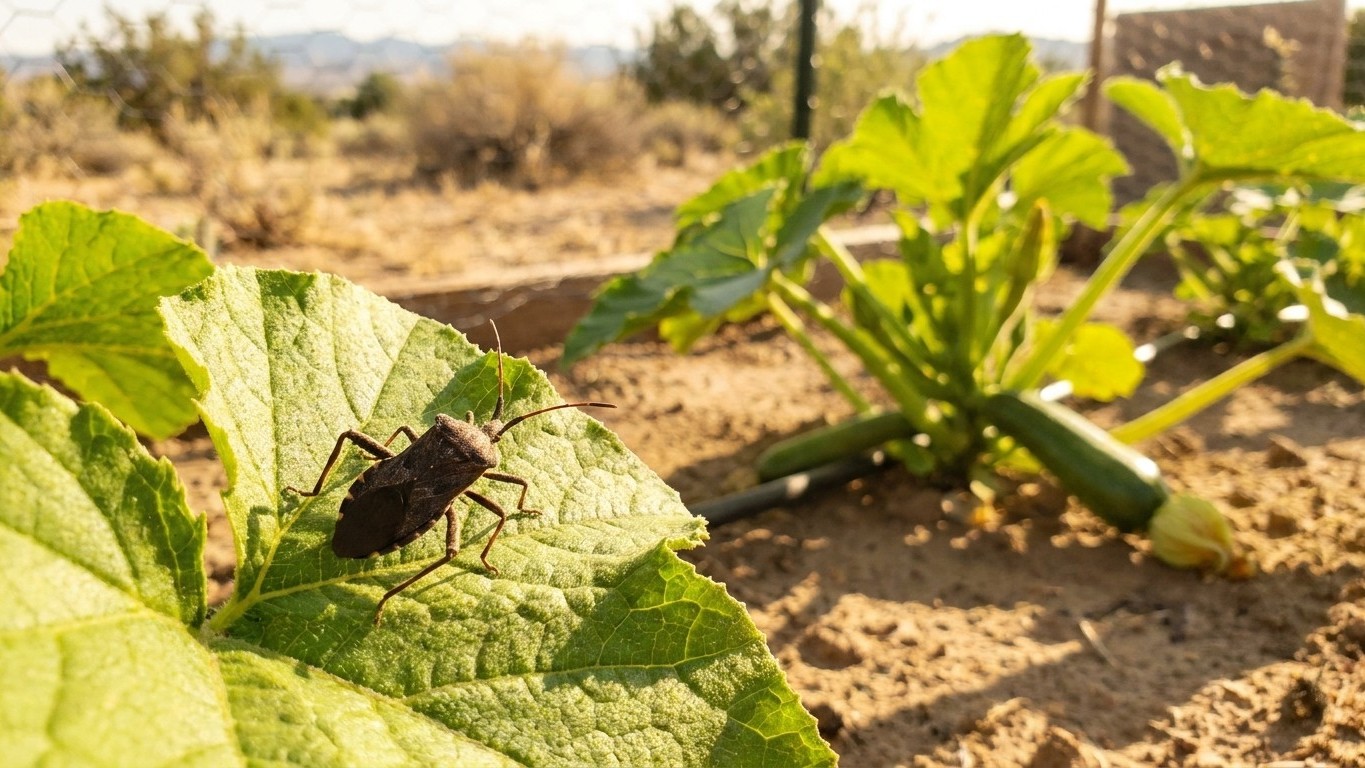

Pick summer squash while the fruit is still small and the skin is glossy. Once picked, it keeps about a week in the refrigerator, and that is the limit. There is no cellar trick for it. A big harvest has to be frozen, shared or cooked into something that lasts.
When summer squash are ready in North Dakota
Watch the flowers. A squash is ready within days of its blossom fading, while the skin is shiny and a thumbnail pierces it with little pressure. Sown after the last frost, plants reach that point about 55 days after planting, and the harvest runs until frost ends it.
The frost dates behind that window come from the reference weather station in Fargo. There, the last spring freeze falls between May 4 and May 15, and the first fall freeze between September 25 and October 5. Gardens outside the city usually get their last spring frost one to two weeks later and their first fall frost one to two weeks earlier. Rural plots and higher ground run even more extreme. Treat the Fargo dates as a starting point and ask your county office at NDSU Extension what is typical near you. Squash is a tender annual, so the USDA Plant Hardiness Zone Map, which rates the state from zone 3a to 4b on winter minimum temperatures, tells you little about when to plant. Frost dates matter far more.
A planting delayed to early June starts closer to the end of the month. That is why many northern gardeners stagger two sowings a few weeks apart, though a single planting can already be more than a household wants.
How often should you check the plants?
Check the plants often once the first fruit sets. A zucchini can go from tender to oversized in the time it takes to spend a weekend away. Fargo averages 11.7 days a year at 90°F or higher, and those hot spells push growth fastest. Most summers the plants run steadily, and the fruit keeps coming.
Picking small and often matters for the plant too. Once one fruit matures fully, the plant stops setting new ones, so harvest frequency is your yield. A forgotten club-sized squash hiding under the leaves slows the whole plant. If you find one, cut it off and compost it.
Water matters as well. Summer rainfall at the reference station is about 10.0 inches across June, July and August (23.9 inches for the whole year), and August is the driest month at 2.6 inches. June brings 4.29 inches and July 3.07. Those are normals for one station, and soil changes what they mean. Sandy ground drains within the day, so a sandy plot may need water every couple of days even in a wet stretch. Clay holds water for a week. A single thunderstorm often runs off hard, dry soil instead of soaking in. A cheap rain gauge on your own plot settles it better than any average.
Bugs show up in the same weeks as the fruit. If you find damaged stems or wilting vines, read What Eats Summer Squash in North Dakota, and When before you pull a plant. And if you are still choosing what to sow, The Best Summer Squash to Grow in North Dakota covers which types fit a short northern season.
Keeping them, and for how long
Clemson Cooperative Extension gives the plain answer: store summer squash in a plastic bag in the refrigerator for up to 1 week. That is a ceiling under good conditions. A squash picked a little too ripe, bruised during harvest or left on a warm counter first will not last that long. Tender-skinned fruit softens, wrinkles and then turns slick at the stem end.
Summer squash is picked immature, with thin skin and soft seeds, and that is why it does not store. Winter squash is picked with the rind hardened, and it can sit for months. People mix the two up because the plants look alike in July. A cellar full of zucchini turns to mush in days. If you have a pile of summer squash and a cool basement, the basement will not help.
What can you do with more squash than you can eat?
Freeze it, or turn it into something that lasts. Squash is mostly water, so frozen slices come out soft, good for soups, stews and casseroles, poor for sautéing. Most gardeners blanch slices briefly before freezing, or shred the raw squash and pack it in measured portions for baking. Shredded squash goes into quick breads, muffins and pancakes all winter. Squeeze out some of the liquid first or the batter turns soggy.
Preserving takes more care. Extension food-safety guidance does not recommend canning plain summer squash at home. If you want shelf-stable jars, use a tested pickle or relish recipe from an extension service and follow it as written, with the vinegar and proportions it gives. Drying thin slices works too, and the chips keep well once fully dry.
Giving it away is a perfectly good option. Neighbors, food pantries and coworkers will take fresh squash in July and August, and many pantries welcome garden produce when it is clean and not overgrown. Doing that on the day you pick gives them the most time to use it.
One more idea: harvest less. If three plants are burying you, the answer is not a bigger freezer. Next year plant fewer, and keep picking the ones you have while the fruit is small. Small fruit tastes better anyway, and the plants keep producing.
Where in the house that actually is
The refrigerator is the room that comes closest, because it is the only place in most homes that matches the one-week guidance. Even so, it is not a perfect match. Keep the squash in the plastic bag, as the extension advice says, and use it before the week is out.
The other rooms are poorer choices. A heated kitchen or pantry is too warm, so a counter works only for the squash you will cook tonight. A basement may be cooler than the living space, but cool is not the same as cold and humid, and it stays warm through most of a North Dakota summer. A garage swings with the weather. In August it can heat up like a shed, and by late September the nights drop close to freezing, which is exactly when many gardeners are bringing in the last fruit.
Fridges vary a lot, and an old one in the garage or basement used as overflow space often runs at its own temperature. Put a thermometer in the crisper drawer for a day and read it morning and evening. If the drawer is frosty or the squash comes out pitted, move the bag to a higher shelf nearer the door. Skipping the check can cost you a whole armload of squash you worked a season to grow.
If you do not have room, bag only what you will eat in the next few days, and freeze or share the rest on the same afternoon. Squash that sits in a garden bucket or on a porch all day starts to age before it ever reaches the fridge.
Common questions
How big should summer squash be when I pick it?
Pick it while it is still small and tender. For zucchini, that means picking while the skin is glossy. Patty pan and yellow squash are best picked before the skin dulls. If your thumbnail does not pierce the skin easily, it has gone too far. Large fruit has tough skin and big seeds, though you can still shred it for baking.
Can I leave a squash on the plant to get bigger?
You can, but you will pay for it in yield. Once a fruit matures, the plant stops setting new fruit, so one oversized squash can cut production from the whole plant. If you want a giant for stuffing or shredding, pick it, and keep picking the others.
Can I store summer squash in a cellar like winter squash?
No. Summer squash has thin skin and does not hold up in a cellar. The fridge gives you up to a week in a plastic bag, and after that the choices are freezing, a tested pickle or relish recipe, or giving it away. Winter squash is the crop that stores for months, and it needs its hard rind to do it. For the full picture of growing the crop, see Growing Summer Squash in North Dakota.
Will frost kill summer squash in North Dakota?
A frost kills the plants. At the Fargo reference station the first fall freeze usually lands between September 25 and October 5, and many gardens outside the city see it one to two weeks sooner. When a frost is forecast, pick every usable fruit that afternoon, even the small ones, and cook, freeze or share them. A light early frost in September can end the season well before the calendar says it should, so check your own county’s dates with NDSU Extension.