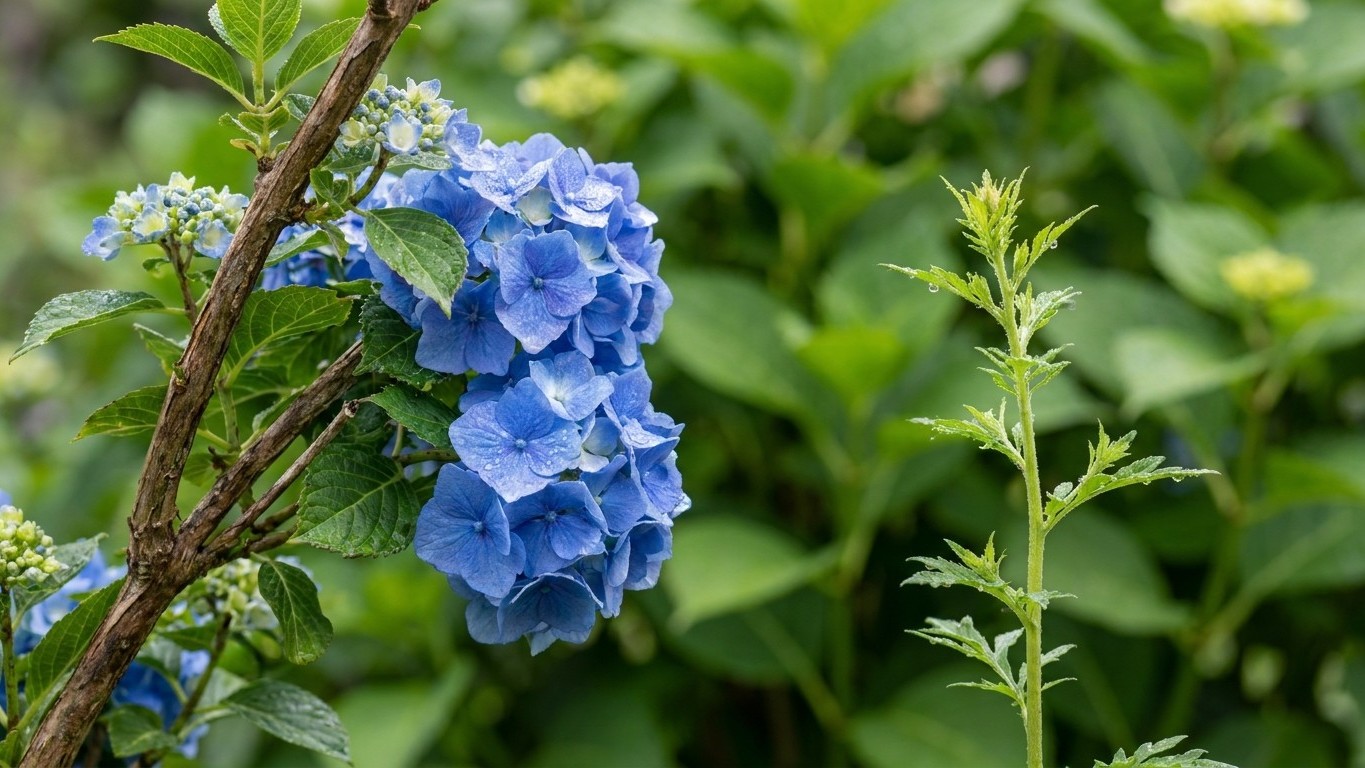

Hydrangeas fall into two pruning camps. Those that bloom on old wood get trimmed right after the flowers fade in summer. Those that bloom on new wood get cut in late winter or early spring, before growth starts. Cut at the wrong time and you remove the season’s flower buds, or you push out tender growth that the next freeze kills. Knowing which group your shrub belongs to settles most of the question.
What this comes down to in New Mexico

In Albuquerque, the reference city for the frost figures here, the average last spring frost falls between March 31 and April 12, and the first fall frost arrives between October 29 and November 9, according to the NOAA NCEI U.S. Climate Normals. Prune new-wood hydrangeas from late winter until the buds start to swell, and prune old-wood hydrangeas in the weeks after bloom, finishing well before the fall window opens. The reference station has a frost-free stretch of roughly seven months, but pruning decisions depend on what happens at each end of it.
The mechanism is simple. Some hydrangeas form next year’s flower buds in late summer and fall, and those buds ride through winter on the stems. Others make their flower buds on shoots that grow in spring. Winter cold, a late freeze or a pair of loppers all affect these two groups differently, which is why the calendar splits.
Which hydrangeas get pruned right after they bloom?
Bigleaf hydrangeas (the round mopheads and flat lacecaps in blue or pink), mountain hydrangeas and oakleaf hydrangeas bloom on old wood. Prune them once the flowers fade, usually in mid to late summer, and keep the cuts light: a few of the oldest stems taken to the ground, and spent flower heads trimmed back to the first pair of plump buds. Reblooming bigleaf types flower on both old and new wood, so they tolerate a little more spring cleanup, though they still reward restraint.
Which hydrangeas get pruned in late winter?
Panicle hydrangeas (cone-shaped blooms that open white and age to pink) and smooth hydrangeas (big round white heads on thin stems) bloom on new wood. They can be cut back from late February through March, ahead of leaf-out, and tolerate fairly hard pruning. Higher, colder gardens should wait until later in spring. Shade, soil and watering are a separate topic, covered in growing hydrangeas in New Mexico.
Working it out for your own garden
Start by identifying the shrub. The bloom shape gives most of it away: cones mean panicle, loose white globes on thin stems mean smooth, and lobed leaves shaped like an oak’s mean oakleaf. If the label is long gone, prune nothing but dead wood for one full year and note when and where the flowers appear. Blooms on last year’s stems in early summer point to old wood. Blooms on fresh shoots later in summer point to new wood.
Next, check which stems are alive. In March a bigleaf can look like a bundle of dead sticks. Scratch the bark with a fingernail: green underneath means the stem is alive, while brown and dry means it is dead. Even stems that fail the test at the tips often have live buds lower down, so cut back to the lowest set of green or swelling buds and no further.
Then work the dates. Albuquerque’s last spring frost window runs March 31 to April 12. Suburban and rural gardens can see the last frost a week or two later, which would move the window to roughly April 7 through April 26, and higher ground can run later still. For old-wood hydrangeas, wait until that window has passed before removing winter-killed stems, so you can see which buds survived. For new-wood hydrangeas, finish pruning before the first leaves open, since a frost on fresh regrowth sets the shrub back.
The fall end works backward from the first frost window of October 29 to November 9. Shoots need time to harden before freezing weather, so watch the plant and count back from your expected frost. Gardens that freeze earlier should stop sooner, in late August. Cuts after that can invite soft growth that the first freeze burns.
| Group | Blooms on | When to prune |
|---|---|---|
| Bigleaf, mountain, oakleaf | Old wood | Right after flowers fade; dead wood in spring once buds show green |
| Reblooming bigleaf | Old and new wood | Light cleanup after first flush; dead wood in spring |
| Panicle, smooth | New wood | Late winter to early spring, before leaf-out |
What changes across the state
The Albuquerque figures describe one valley at one elevation. New Mexico ranges from USDA hardiness zone 4b to 9a, a system built on a single variable, the average annual extreme minimum temperature, and the spread tells you how much the state’s gardens differ.
Elevation does most of the work. In mountain towns such as those in the northern part of the state, spring arrives weeks later than in the Rio Grande valley, and the last frost can come well into May. New-wood hydrangeas there should be pruned later in spring, when buds begin to swell. The fall deadline for any pruning moves earlier too. Bigleafs in those colder gardens often lose their stems to winter cold, which makes the old-wood timing less useful: whatever buds survive will be low on the plant.
The south and the lower valleys run the other way. Gardens near Las Cruces or in the warmer southern basins see earlier springs and later falls, so late-winter pruning can start sooner and the summer cutoff can slide later. The risk there is different. Intense sun and very low humidity make heavy summer cuts hard on bigleaf and oakleaf shrubs, because newly exposed stems and leaves scorch quickly. Keep summer pruning light and finish it early in the day.
Even inside one town, a garden at the foot of a slope, where cold air settles, behaves differently from one on higher ground a few blocks away. Watch your own shrubs for a season and adjust by a week or two.
The mistakes this state punishes

A common error is pruning during a warm spell in late winter. Warm spells can come in late winter, and the shrub starts pushing buds. Then a late freeze arrives, and the new growth is lost. Prune new-wood hydrangeas when the forecast is steady, and leave old-wood types alone until the frost window has passed.
Cutting old-wood hydrangeas to the ground in spring comes next. The stems look dead, so the shears come out, and with them goes a full year of flower buds. The shrub regrows, but it leafs out without blooming. Wait for green, then remove only what is truly dead.
A third mistake is pruning in fall. A tidy-up in October feels natural, but in Albuquerque the first freeze can arrive in the last days of October, and earlier in colder gardens, and cuts made late in the season can trigger soft growth with no time to harden. Leave any remaining dried flower heads on through winter. They protect the buds below, and you can remove them in spring.
The last one is a heavy summer prune in full sun. Bigleaf and oakleaf shrubs cut hard in July or August lose the leaves that shade their stems, and the dry heat scorches what remains. Take light cuts immediately after bloom, keep the shrub watered the week after, and save any serious thinning for the following year.
Checking this against your county
A reference-city frost window is a starting point for your garden. Your county’s real dates depend on elevation, slope and how much cold air pools on your lot. The county office of New Mexico State University’s extension service can tell you the local frost pattern and answer questions about hydrangeas that struggle in your soil or water. Ask for the typical last and first freeze dates for your town, then use the methods above to set your pruning calendar. Keep notes for a season or two: the date buds swelled, the date of your last frost, and what bloomed. After that, you won’t need a chart.
Common questions
Can I prune hydrangeas in fall in New Mexico?
Avoid it. The first fall frost arrives between October 29 and November 9 in Albuquerque and earlier in colder gardens, and fall cuts push tender growth that freezes. Leave the dried flower heads on through winter and clean up in spring.
When should I cut back a hydrangea that looks dead in spring?
Wait until after the last frost window for your area, then scratch a stem. Green tissue means the stem is alive. Cut dead stems back to the lowest live, swelling buds, since bigleaf hydrangeas often leaf out late.
How do I know if my hydrangea blooms on old or new wood?
Look at the bloom shape and note the timing. Cone-shaped blooms mean panicle and round white heads on thin stems mean smooth, and both flower on new wood. Mopheads, lacecaps and lobed oak-shaped leaves point to old wood. If you can’t tell, prune only dead wood for a year and watch.
How hard can I prune a hydrangea?
New-wood types such as panicle and smooth hydrangeas take hard cuts in late winter, down to a low framework if needed. Old-wood types need light cuts only: spent blooms and a few of the oldest stems after flowering.