Pepper Varieties That Ripen in a Alabama Season
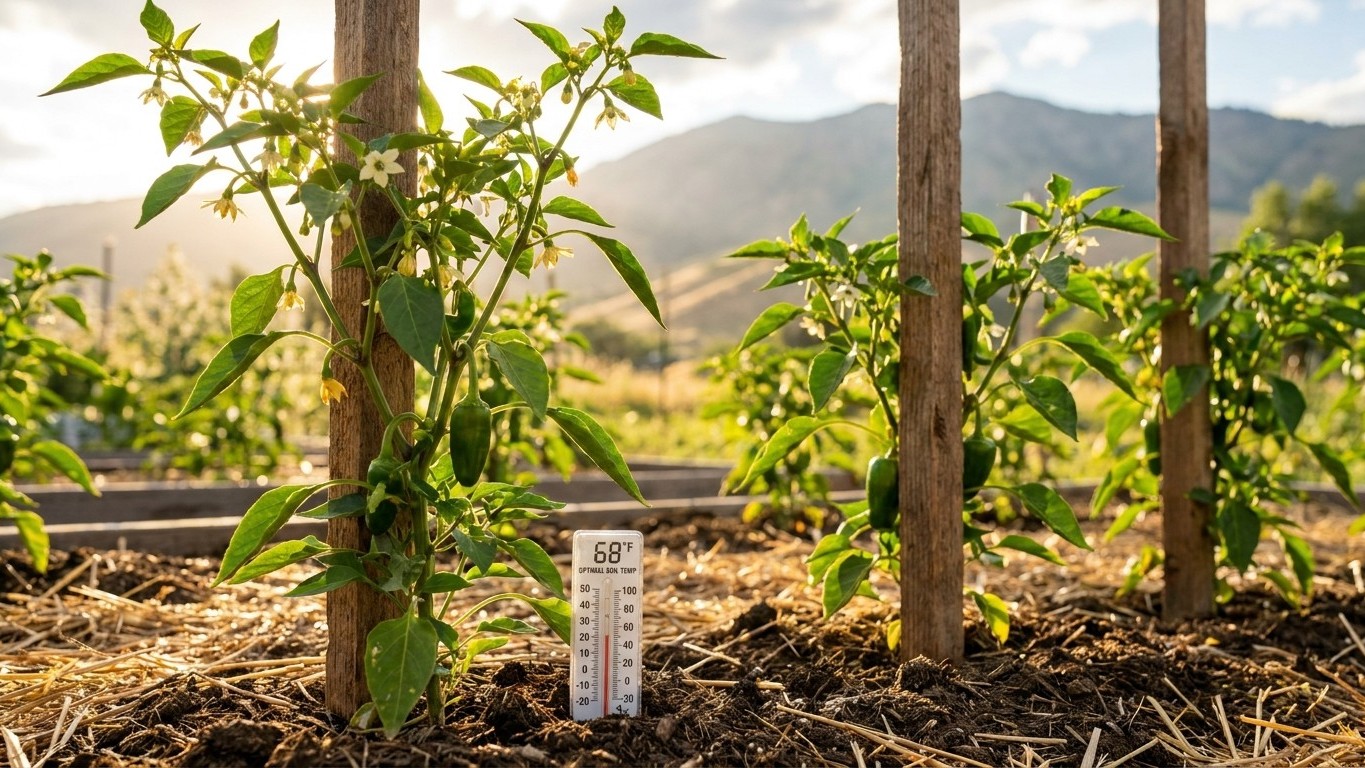
Alabama gardeners can ripen a full pepper crop in one season, but the window isn’t as simple as counting frost-free days.
Home & garden, state by state
Everything we have worked out for Alabama: what to plant and when, which varieties finish in time, the pests that actually turn up here, and the jobs that pay off month by month. We also cover the rest of the property, from lawns and soil to home care and energy, because a garden rarely stops at the vegetable bed.
The numbers first, because everything else follows from them. Measured at the weather station in Huntsville, the last spring freeze runs March 19 to April 3 and the first fall freeze runs November 2 to November 16, USDA zones 7a-9a, 5,449 growing degree days in the year.
Garlic does well: 13 weeks below 40 °F, comfortably past the six it needs to form a proper head.
Elsewhere on the property in Alabama: the pests that turn up here.
Figures from NOAA's 1991-2020 climate normals. A state is not one climate: elevation, a large lake or the coast can move these dates by two weeks either way, so check your own county with the extension service before you spend money.
Alabama gardeners can ripen a full pepper crop in one season, but the window isn’t as simple as counting frost-free days.
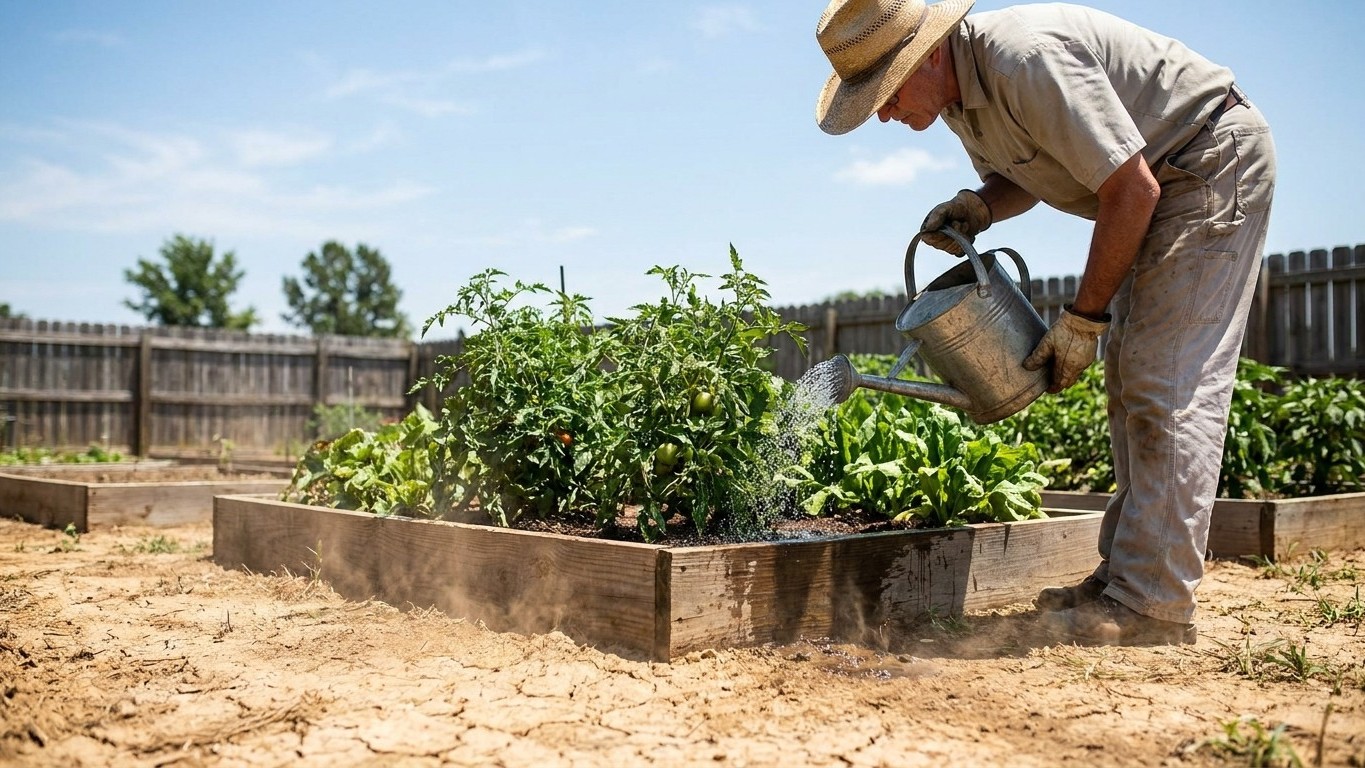
Alabama gardens face a rough combination during peak summer: rainfall drops to its lowest point right when heat pushes evaporation to its highest.
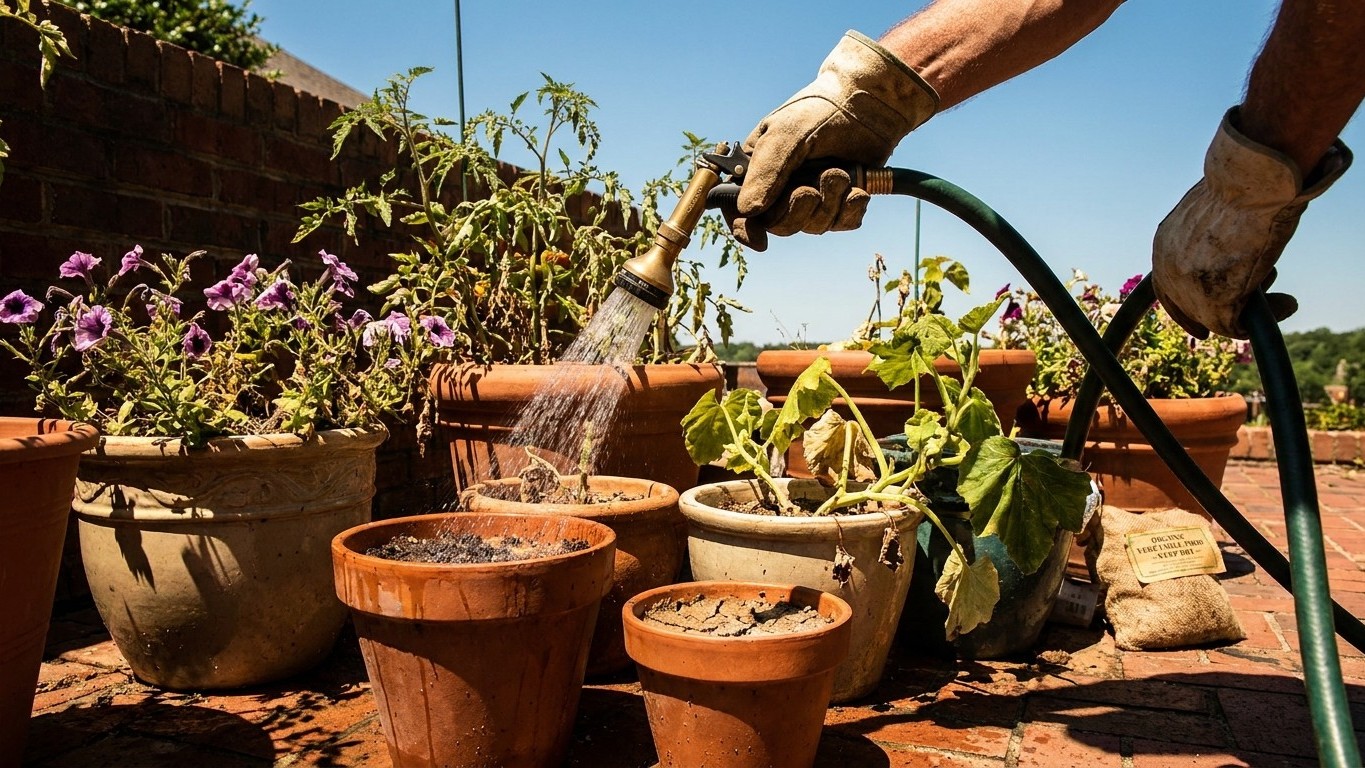
August is the driest month of an Alabama summer, delivering just 3.55 inches of rain on average, while the state logs 58.5 days a year at or above 90F.
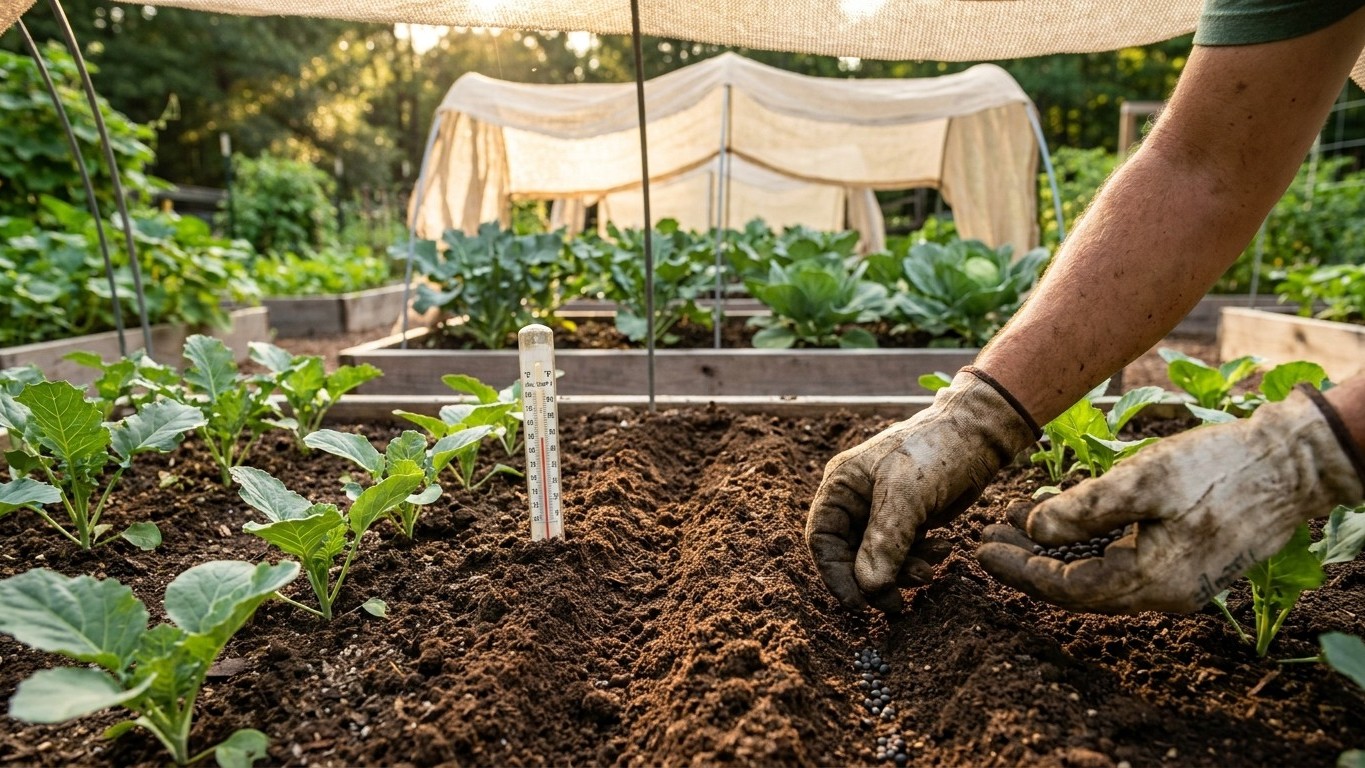
September in Alabama means one thing for the vegetable garden: it is fall-planting month, not the off-season.
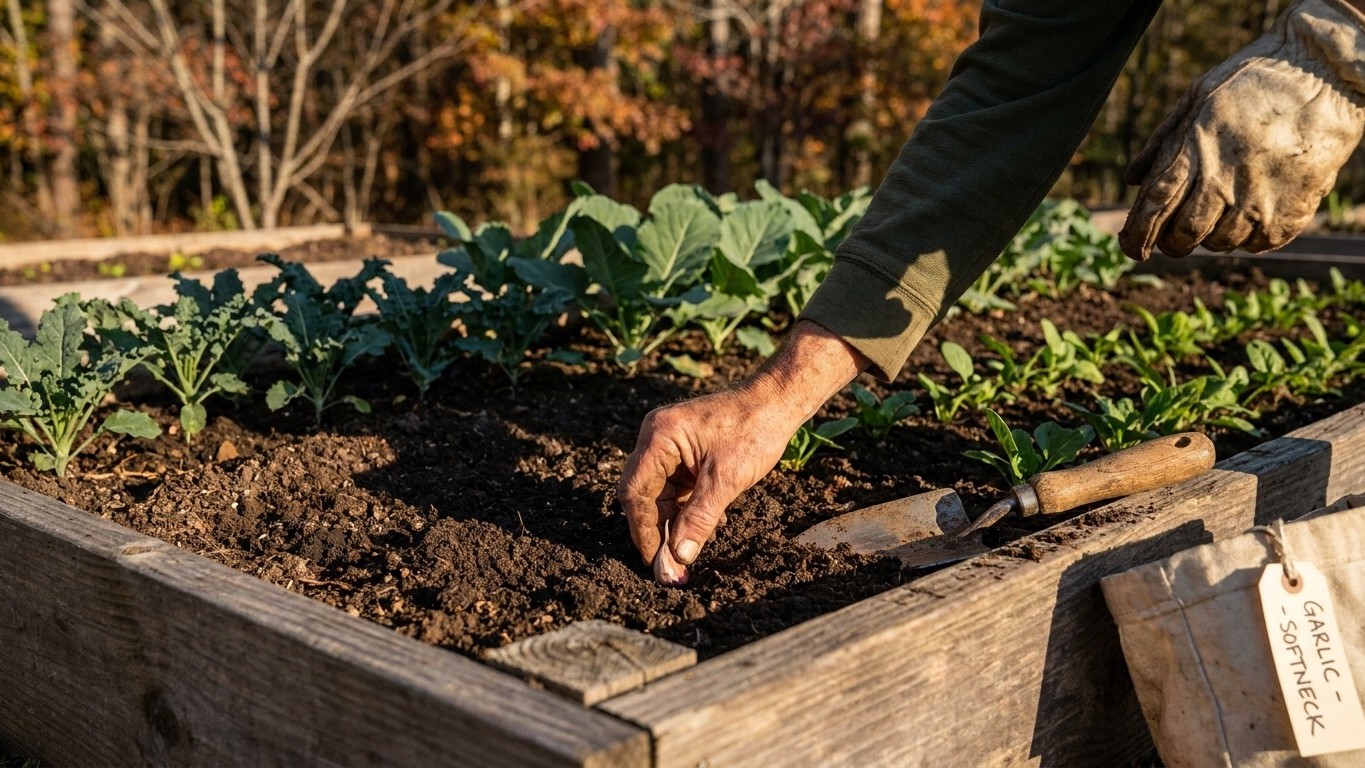
October is prime time to plant in Alabama. The first fall frost at the reference climate station doesn’t typically arrive until November 2 to November…
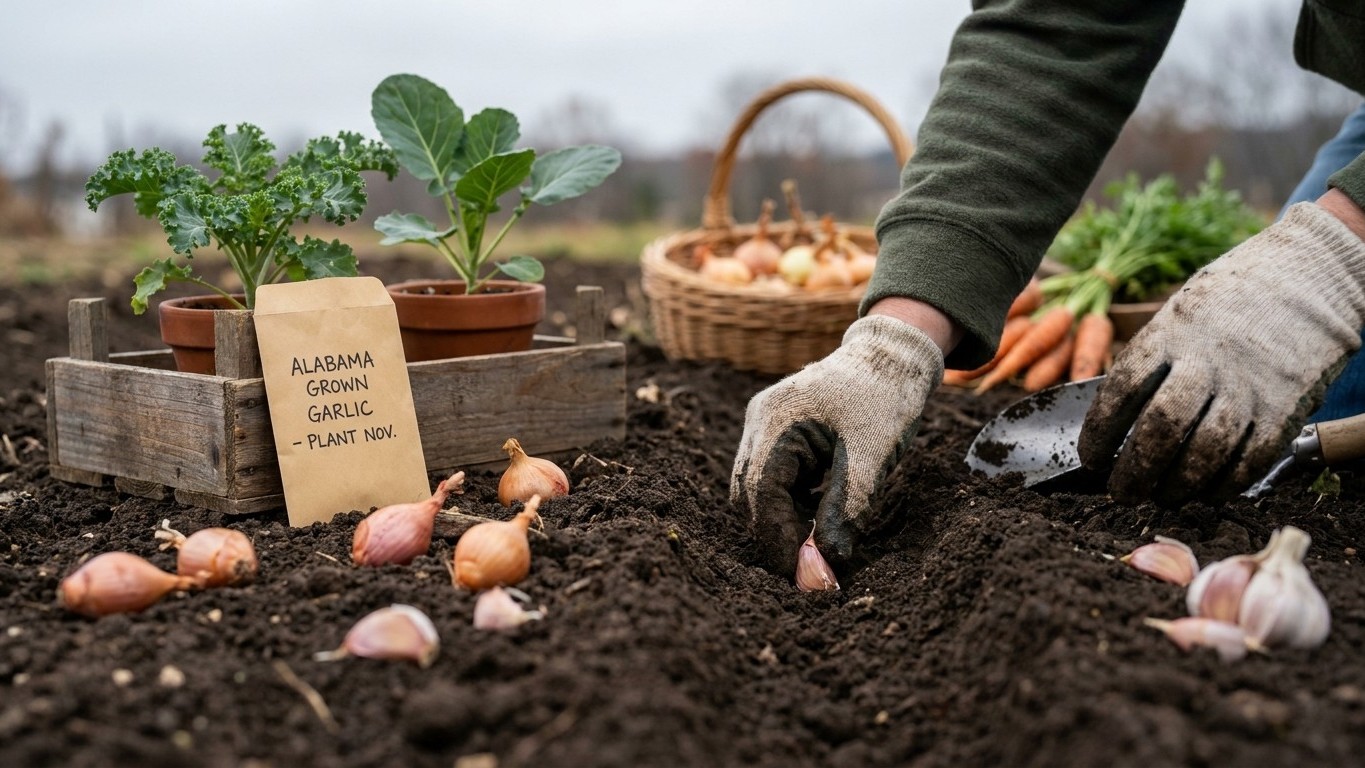
November in Alabama still means planting, not just cleanup. With the state’s first fall frost typically landing between November 2 and November 16…
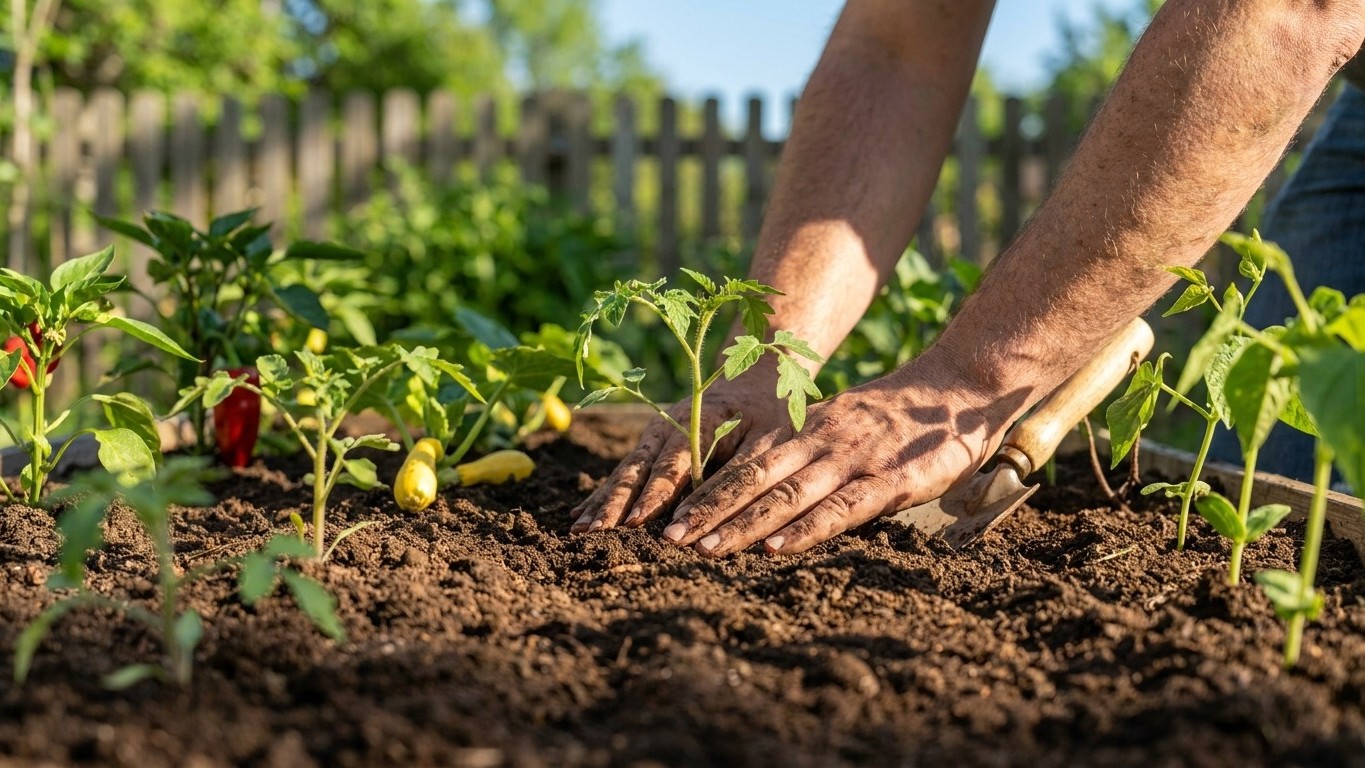
Late frost is a memory by May across Alabama. The state’s reference climate data puts the last spring freeze between March 19 and April 3, so soil has…
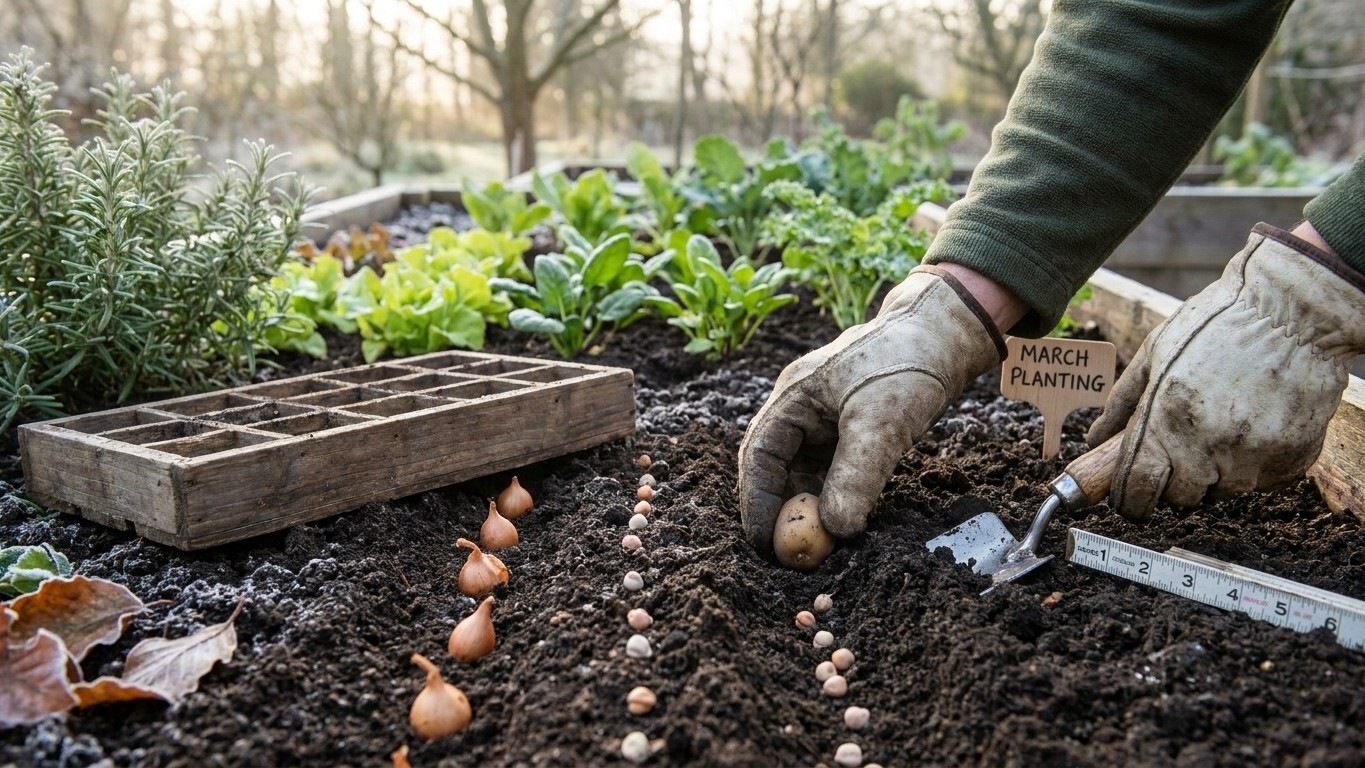
March in Alabama is a two-speed month. Peas, onions, potatoes, and leafy greens can go into the ground right now across most of the state, tolerant of…
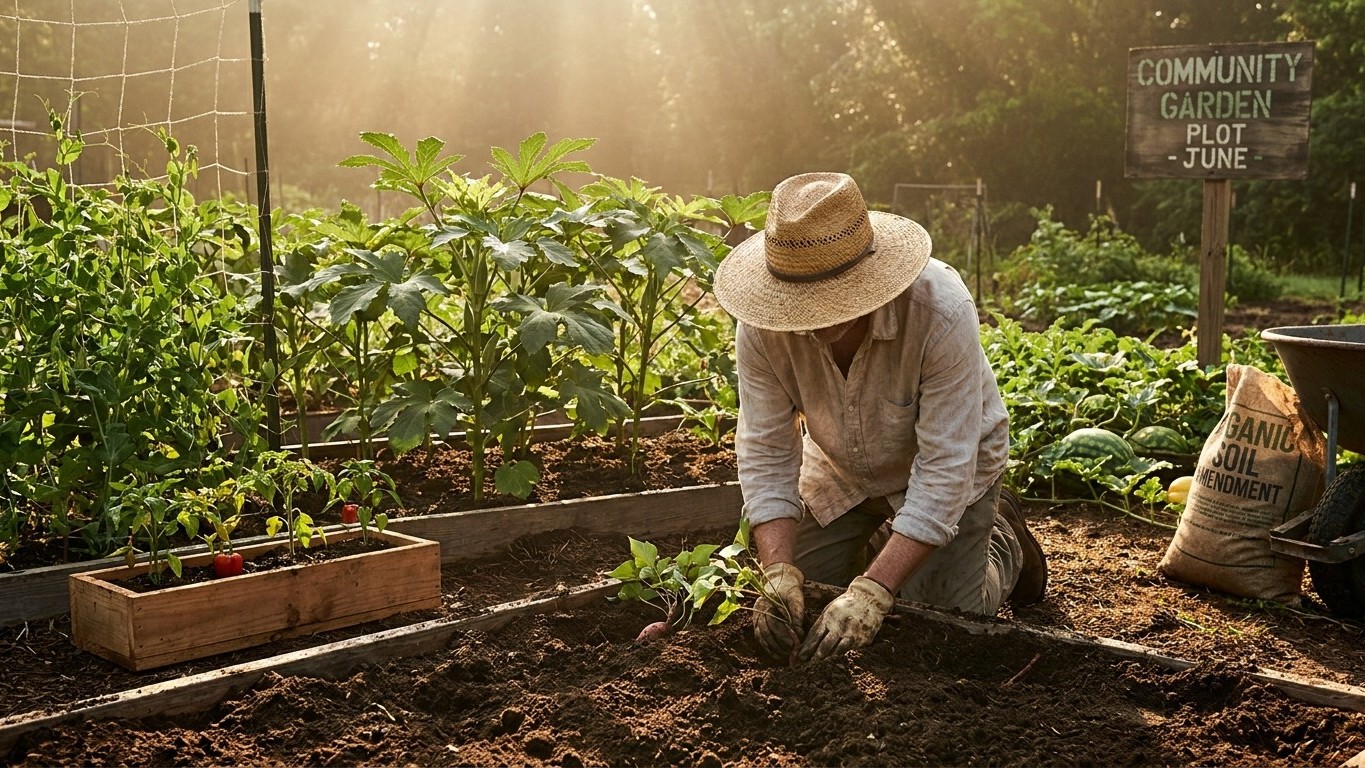
June in Alabama means the frost question is long settled. With the last spring frost falling between March 19 and April 3 across the reference climate…
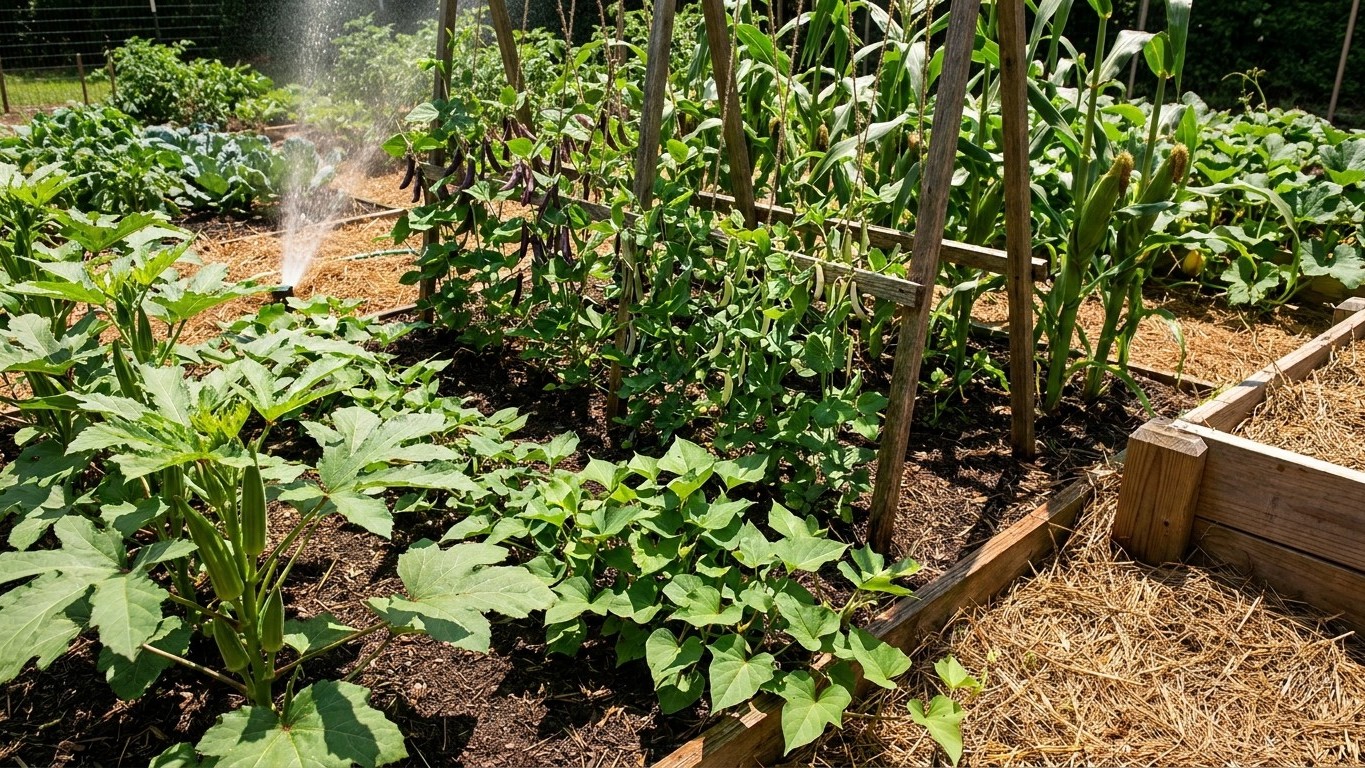
July in Alabama is a summer garden at full tilt, not a planting dead zone. Direct-sow heat-lovers like southern peas, okra, and sweet corn early in the…