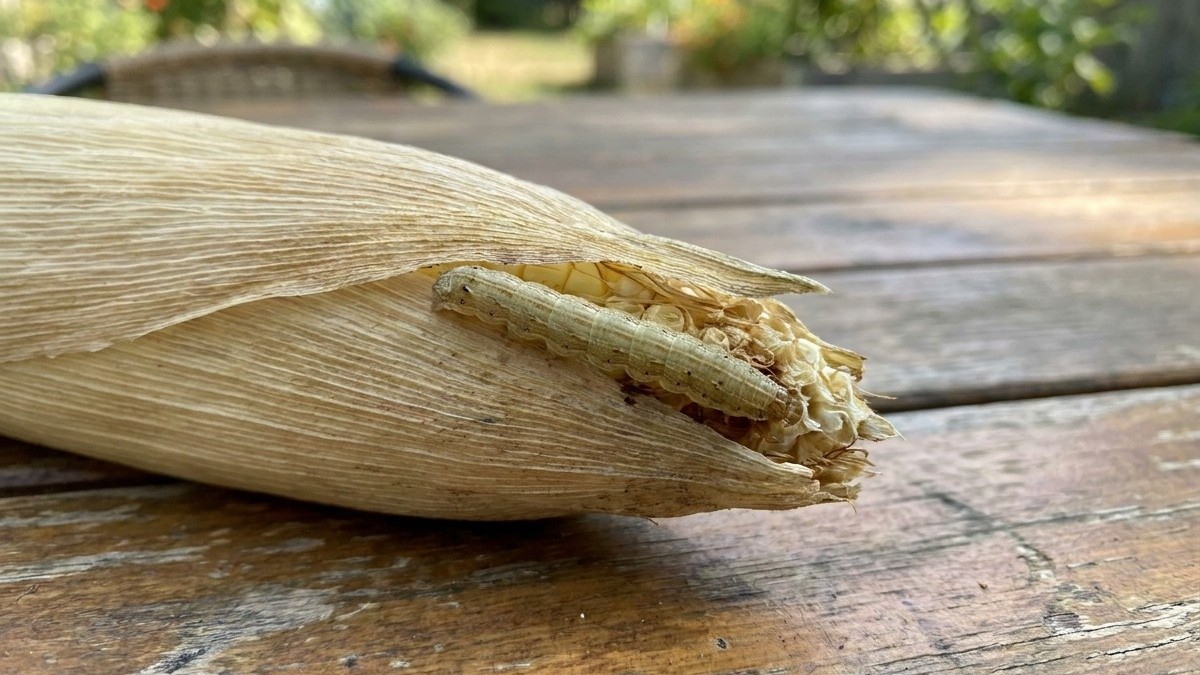

Corn in Alaska deals with a short but real list of insect pests: aphids, cutworms and slugs are the ones that actually feed on corn plants, according to UAF Cooperative Extension. Each shows up at a different point between the soil warming above 60 F and the first fall frost, and each leaves a different kind of damage behind.
Which pests attack corn in Alaska

UAF Cooperative Extension documents five pests for this territory: aphids, cutworms, root maggots, slugs and spruce beetle. That is the full list this site can point to. Not every name on it belongs on a corn plant, though, and sorting that out matters more than the list itself.
Aphids feed on corn foliage and the sap running through young stalks, clustering on the underside of leaves and around developing tassels. Cutworms operate at ground level, chewing through the stem of a seedling right at the soil line, often overnight. Slugs graze on the same tender seedlings, rasping tissue off leaf edges and leaving ragged holes rather than clean cuts. All three are generalist feeders that will take corn along with plenty of other garden crops, which is exactly why they show up on a corn pest list at all.
Root maggots do not belong here. They target the roots of brassicas and alliums, cabbage, radish, onion, and related crops, tunneling into root tissue that simply does not exist in the same form on a corn plant. Spruce beetle does not belong here either. It is a forest pest that attacks stressed and dying spruce trees, nowhere near a vegetable bed, and its presence on the county’s documented pest list reflects Alaska’s forests, not its gardens.
The mistake worth avoiding is treating a statewide pest list as a corn-specific one. A county extension roster covers everything from timber pests to vegetable pests in one place, and a gardener who sees “spruce beetle” and assumes it explains chewed corn leaves is chasing the wrong insect entirely. The three that matter for corn, aphids, cutworms and slugs, are common enough elsewhere in North America that most gardeners will recognize the damage once they know what to look for.
None of these three pests are unique to Alaska. What is unique is the compressed window they operate in. With roughly 143 frost-free days between the last spring frost and the first fall frost, every one of these pests has to do its damage, and get dealt with, inside a season that is short by almost any other state’s standard.
When each one shows up, and what it does first
The clock for corn pests here starts with the same clock that governs planting itself. Corn seed needs soil above 60 F before it goes in the ground, and that date lands well after the last spring frost, which falls between May 3 and May 12 at the reference station. Nothing chews on a corn plant before there is a corn plant to chew on, so pest activity effectively begins at planting, not at the calendar date of the frost.
Cutworms are usually the first sign of trouble, and they show up fast. Within days of seedlings pushing through the soil, a gardener may find one or two stalks simply gone, severed at ground level with no plant lying nearby to explain it. The larvae feed at night and hide in the soil during the day, which is why the damage looks sudden even though the insect has likely been present in the bed all along.
Slugs follow a similar early timeline but leave a different signature. Cool, damp soil right after planting is exactly the condition slugs prefer, and young corn leaves are soft enough for them to rasp through easily. The tell is ragged, irregular holes in the leaf blade rather than a severed stem, often paired with a faint slime trail visible in early morning.
Aphids arrive later, once the plant has enough leaf surface and sap flow to make colonizing worthwhile. That typically means as the corn moves into active vegetative growth, well into the growing season and before tasseling. Look for clusters on the underside of leaves and along the stalk near the whorl, sometimes with a sticky residue on the leaves below where the colony has been feeding.
The corn’s own maturity clock, 60 to 90 days from planting to harvest, has to fit entirely inside the frost-free window that closes between September 22 and October 1. That means every pest problem, cutworms at planting, slugs through early growth, aphids as the plant fills out, has to be caught and addressed without the luxury of a second season to try again.
Telling the damage apart from everything else
Not every damaged corn plant has a pest behind it. Alaska’s short season and cool soil produce their own set of stress symptoms that look a lot like insect feeding to an untrained eye, and telling them apart before reaching for a fix saves a lot of wasted effort.
Symptom, cause, and what actually distinguishes it
| Symptom | Possible cause | What distinguishes it |
|---|---|---|
| Seedling missing or cut at soil line | Cutworm | Severed cleanly at ground level, plant lying nearby, no root damage |
| Ragged holes in young leaves | Slugs | Irregular chewed edges plus a slime trail, worse after rain or watering |
| Sticky residue and clusters on leaf undersides | Aphids | Visible insect colonies, often with ants tending them |
| Pale or yellowing lower leaves | Nutrient deficiency | Uniform discoloration across the plant, no chewing or holes present |
| Curled, wilted leaves in dry stretches | Drought stress | Improves within a day or two of watering, no insect visible |
| Streaked or spotted leaves | Disease | Pattern spreads plant to plant, does not correspond to feeding marks |
| Bent or broken stalks with no chew marks | Mechanical damage | Clean break or bruising, often tied to wind or foot traffic |
A clean cut at the soil line with the plant left lying beside it is the single sign that points to cutworms rather than anything else on this list. Every other symptom above can plausibly come from more than one cause, which is exactly why a photo and a call to a local expert beats a guess based on a chart alone.
None of this is a substitute for an on-site look. A cooperative extension office can confirm what a table can only narrow down.
What actually works here, and what is a waste of time
Physical barriers do more work in a short Alaska season than almost anything else, largely because they act the moment a seedling is most vulnerable rather than after damage is already visible. A collar around the base of each seedling, pushed slightly into the soil, blocks cutworms from reaching the stem during the exact window when they do the most damage. It costs nothing more than material already lying around a shed and takes minutes per plant.
Handpicking slugs in the early morning or evening, when they are active on the soil surface, works better here than most gardeners expect, precisely because slug pressure is heaviest in that same early, damp period right after planting. Reducing standing moisture around seedlings, clearing mulch that holds dampness against the stem, cuts down on the conditions slugs need without any product involved.
Timing beats treatment on a season this short. Catching cutworms at planting and slugs in the first few weeks matters more than any later intervention, because by the time aphid colonies build up on mature foliage, the plant has already put on most of its growth. Checking seedlings daily during that early stretch is worth more than a monthly spray schedule.
What wastes time is guessing at a product before confirming the pest. Spraying broadly for aphids when the actual damage is cutworm cutting does nothing for the plant and nothing for the budget. This site does not recommend specific products, rates or active ingredients, because what is legal and appropriate to use varies by state and by crop, and only a state extension service can confirm what is currently labeled for use on corn in a home garden.
Where to check this for your own county
UAF Cooperative Extension is the authority for what is documented in this territory, and its county offices are where a specific garden problem gets confirmed rather than guessed at. A statewide pest list tells a gardener what has been recorded across the state, not what is actually present on a particular block or in a particular season.
Pest pressure inside Alaska varies as much as its geography does. A garden near the coast with a longer frost-free stretch faces different slug and aphid pressure than one further into the Interior, where the season is shorter and cooler. The five pests documented statewide do not tell a gardener which of them, if any, are active in their own soil this year.
The next useful step is a call or a photo sent to the local extension office, not another search for a general answer. Bring a sample or a clear photo of the damage, note when it appeared relative to planting, and let the office match it against what is actually active in that county this season.
Common questions
Do all five pests on the state’s list actually affect corn?
No. Only aphids, cutworms and slugs feed on corn. Root maggots target brassicas and alliums, and spruce beetle attacks spruce trees, not garden vegetables.
When should I start checking for cutworms?
As soon as seedlings emerge, since soil needs to reach 60 F before planting and cutworm damage typically appears within days of that emergence.
Can I treat for a pest before confirming which one it is?
It is not recommended. Treating for the wrong pest wastes effort and product, and a local extension office can confirm the cause from a photo or sample faster than trial and error.
Does pest pressure change across Alaska?
Yes. Coastal areas with longer frost-free windows and Interior areas with shorter, cooler seasons see different levels of aphid and slug activity, which is why a county-level check matters more than the statewide list alone.