Does a Wall in Alaska Need a Vapor Barrier?
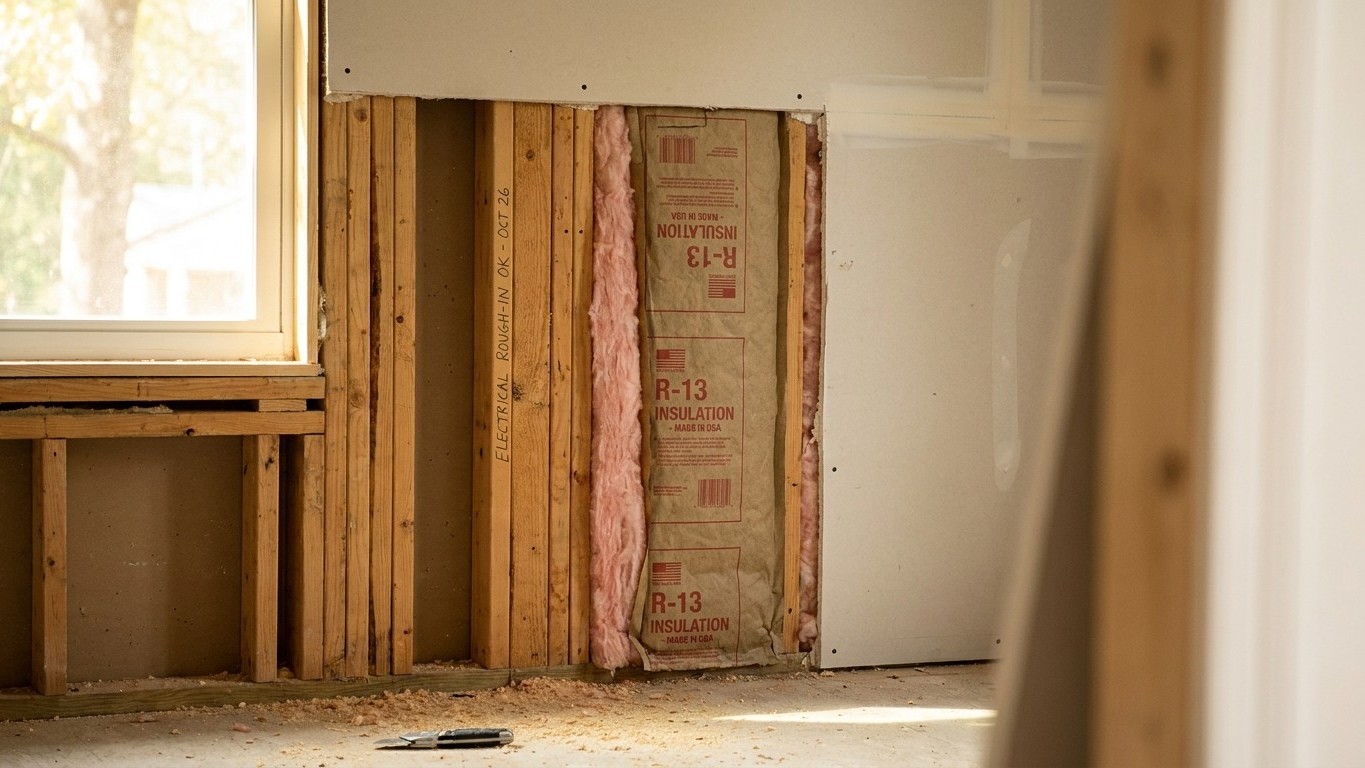
Yes. Every one of Alaska’s 27 counties sits in IECC climate zone 5C, 6A, 7, or 8, and none of those reach the zone 1, 2, or 3 exception written into the…
Home & garden, state by state
Everything we have worked out for Alaska: what to plant and when, which varieties finish in time, the pests that actually turn up here, and the jobs that pay off month by month. We also cover the rest of the property, from lawns and soil to home care and energy, because a garden rarely stops at the vegetable bed.
The numbers first, because everything else follows from them. Measured at the weather station in Anchorage, the last spring freeze runs May 3 to May 12 and the first fall freeze runs September 22 to October 1, USDA zones 1a-8a, 917 growing degree days in the year.
That is little accumulated warmth: tomatoes need a tunnel or a greenhouse here, whatever the frost dates suggest. Garlic does well: 34.8 weeks below 40 °F, comfortably past the six it needs to form a proper head.
Elsewhere on the property in Alaska: the pests that turn up here.
Figures from NOAA's 1991-2020 climate normals. A state is not one climate: elevation, a large lake or the coast can move these dates by two weeks either way, so check your own county with the extension service before you spend money.
Yes. Every one of Alaska’s 27 counties sits in IECC climate zone 5C, 6A, 7, or 8, and none of those reach the zone 1, 2, or 3 exception written into the…
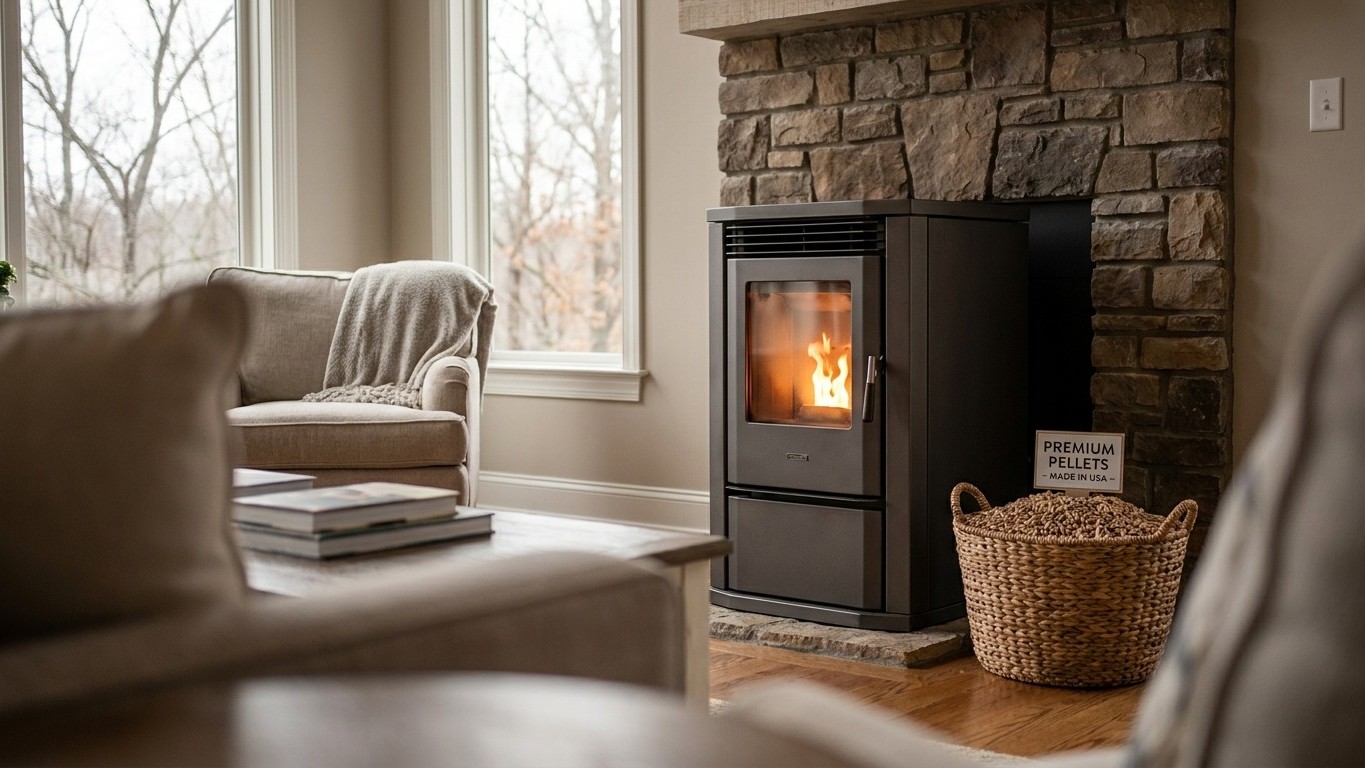
Heating with a pellet stove in Anchorage means feeding it through a season that, by the numbers, never fully lets up.
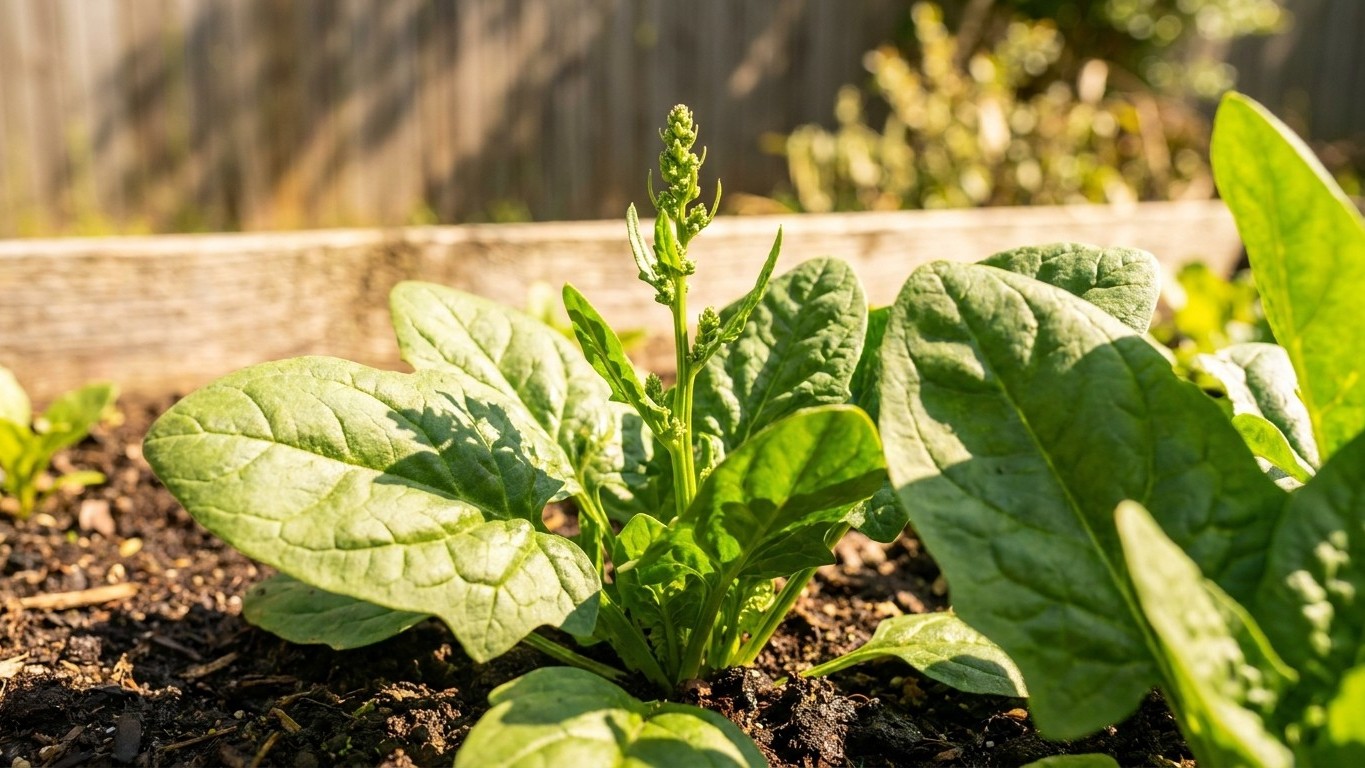
Four of the pests Alaska gardeners ask about most often do target spinach: aphids, cutworms, root maggots, and slugs.
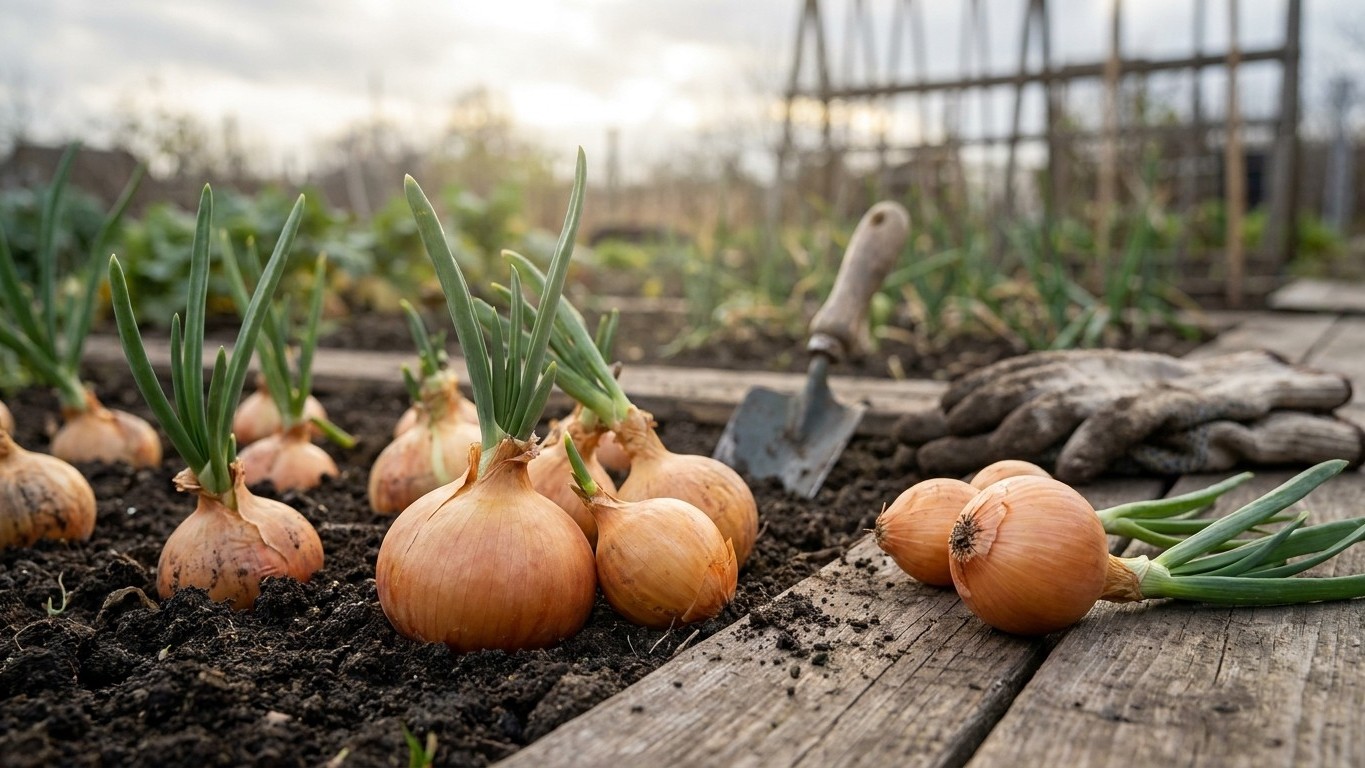
UAF Cooperative Extension documents five pests for Alaska gardens, but only four of them ever touch an onion bed.
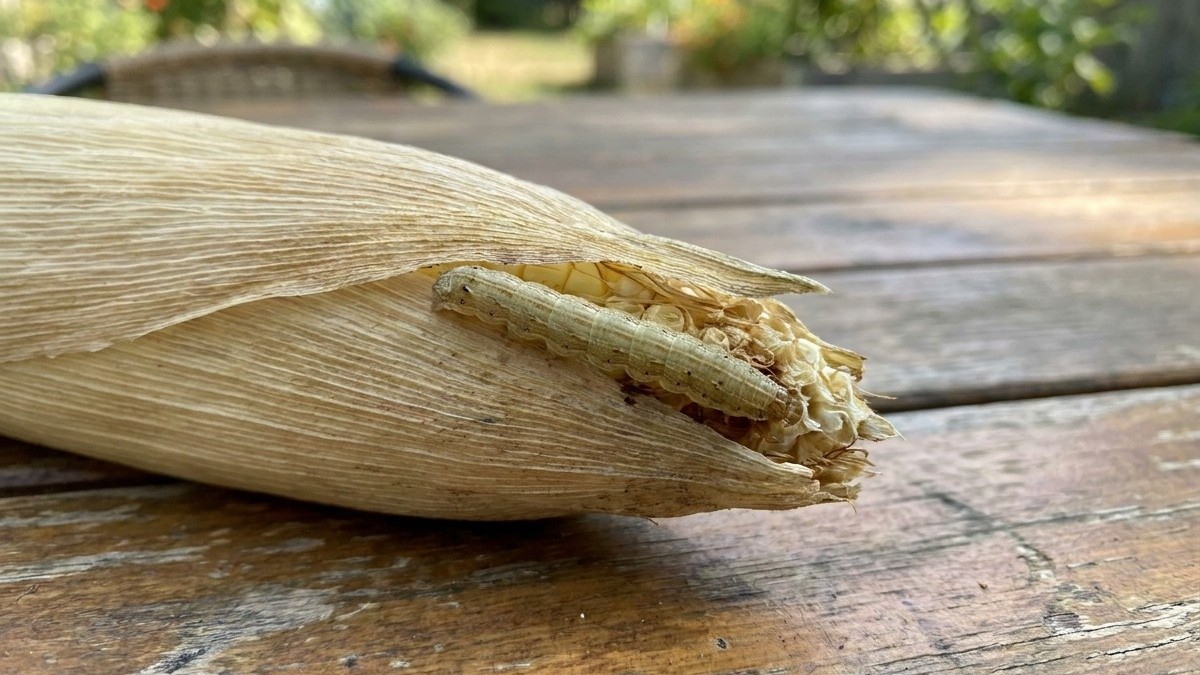
Corn in Alaska deals with a short but real list of insect pests: aphids, cutworms and slugs are the ones that actually feed on corn plants, according to…
In Alaska, three pests actually damage pumpkin patches: aphids, cutworms, and slugs.
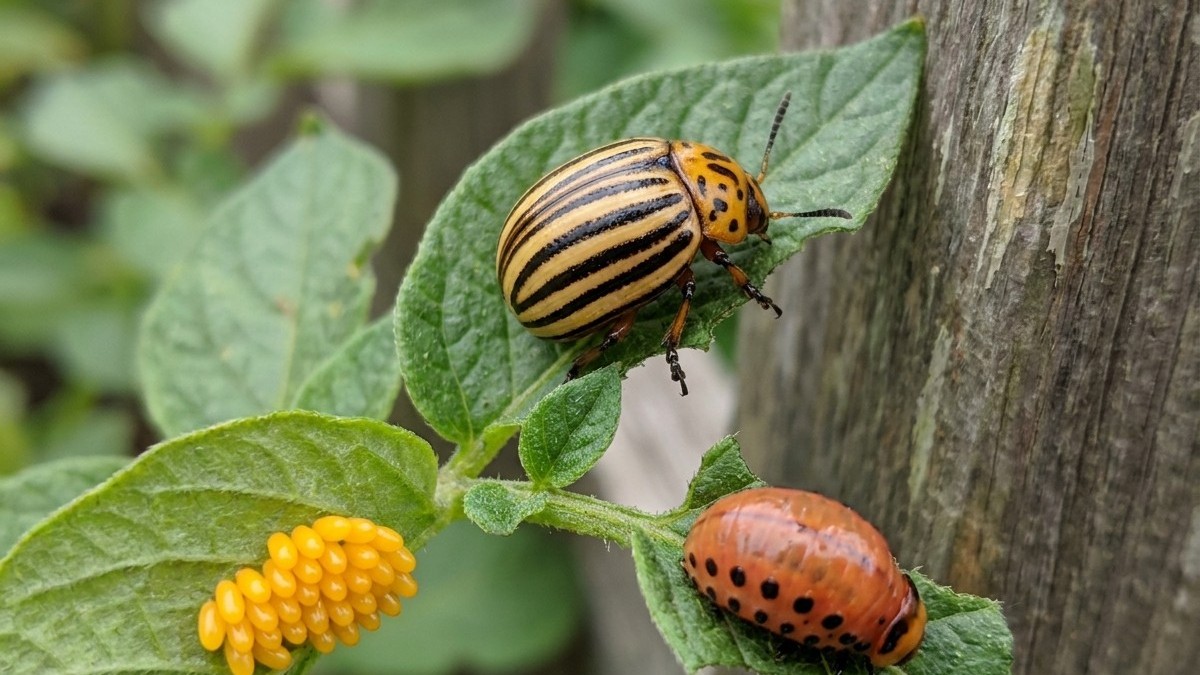
Four insects and mollusks are documented as potato feeders in Alaska: aphids, cutworms, root maggots, and slugs.
Four pests bite Alaska parsnip, and their timing follows the growing season more than the calendar.
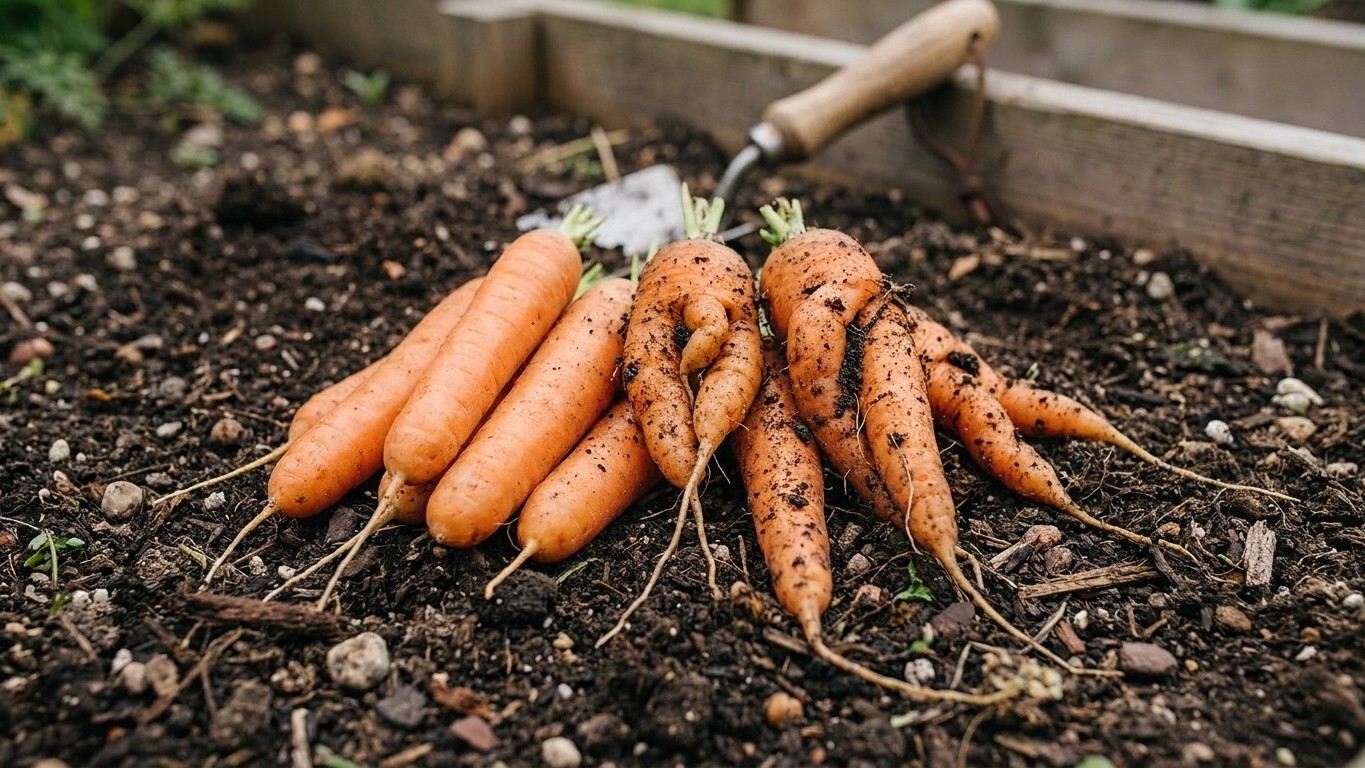
Four insects on Alaska’s documented pest list actually feed on carrots: aphids, cutworms, root maggots, and slugs.
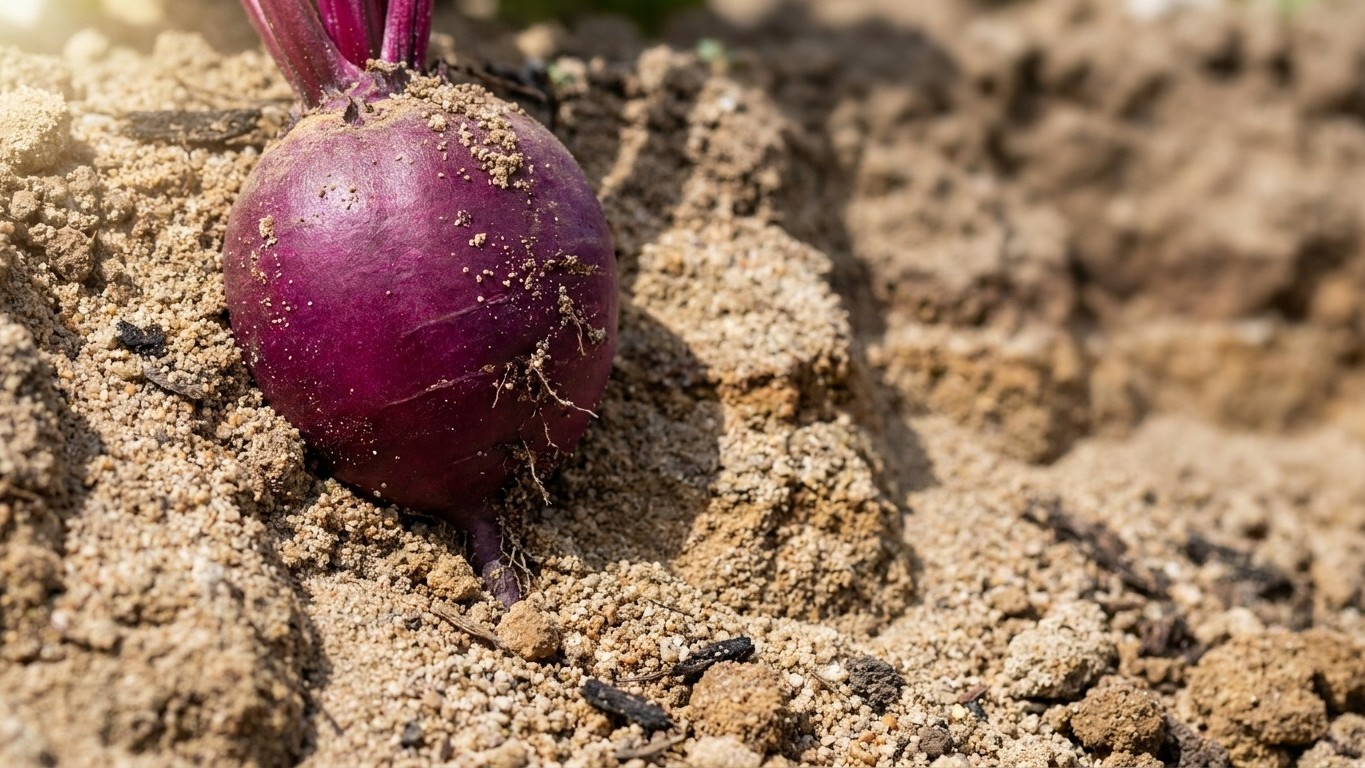
UAF Cooperative Extension documents five insect species relevant to Alaska gardens, but only four of them have any business near a beet plant: aphids…